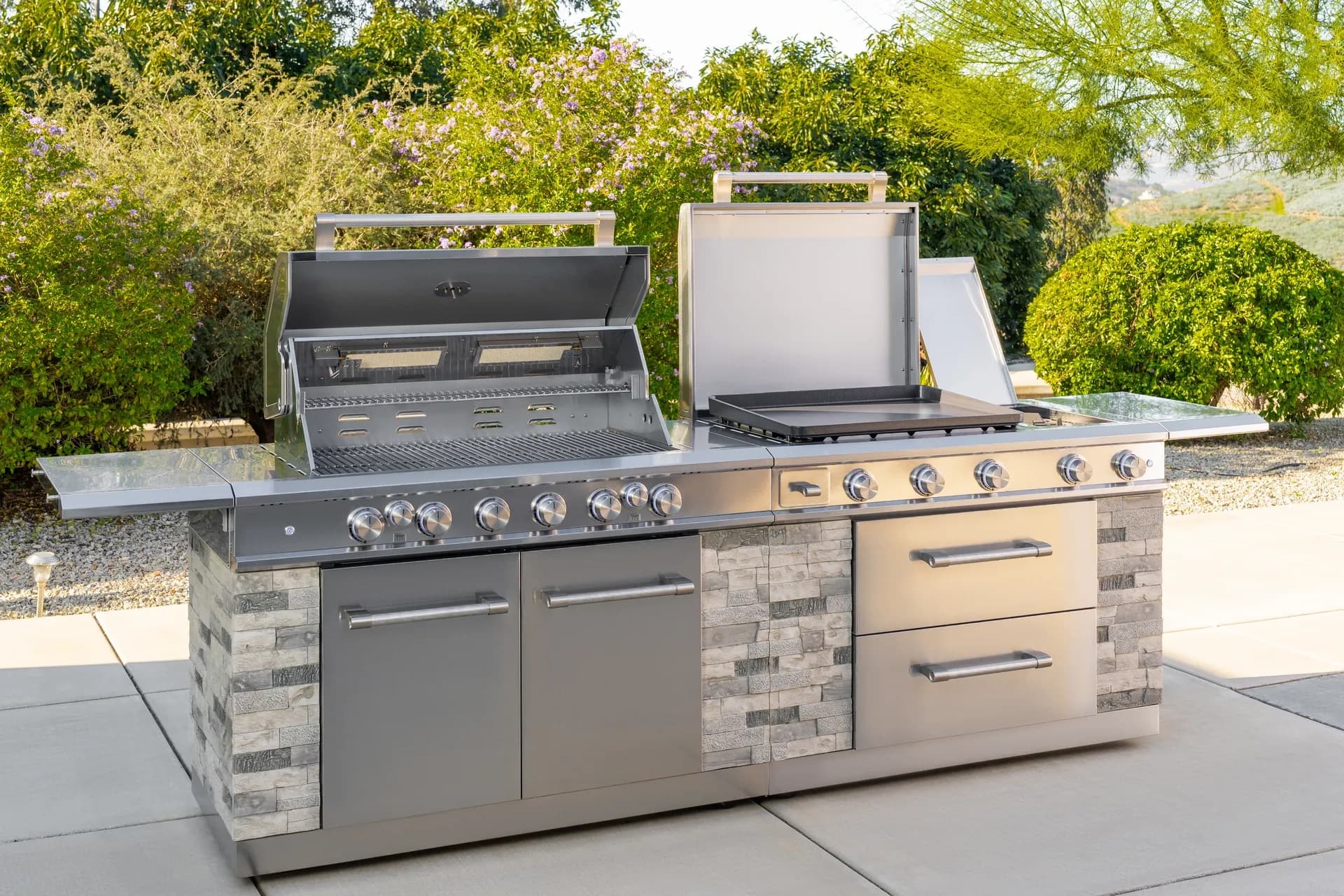
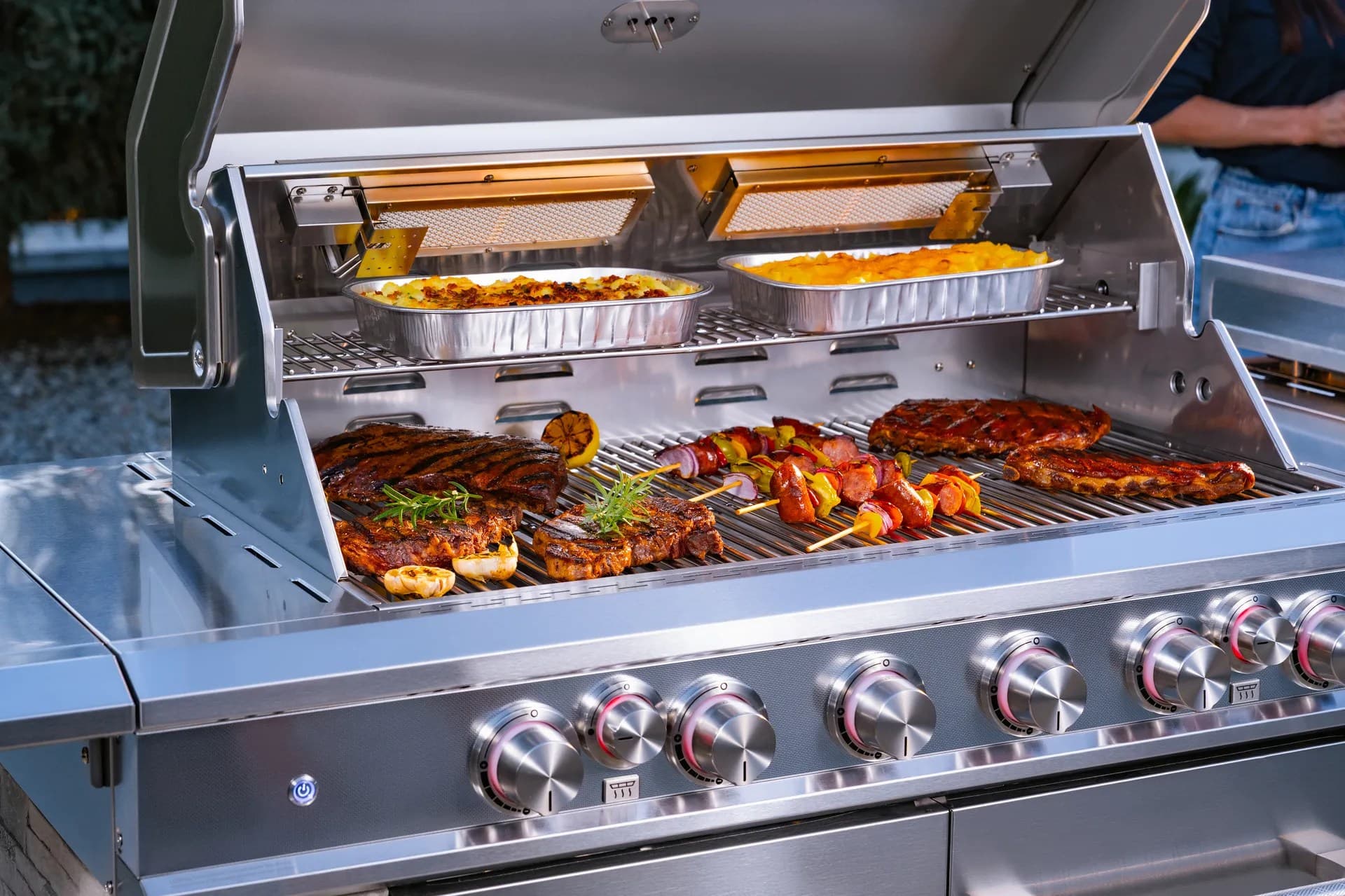
A detailed examination of the 811-sq-in gas grill's capabilities and user experiences.
From sizzling breakfasts to smash burgers and teppanyaki-style dinners, the Daytona Pro 5 Burner NitroGuard™ Griddle delivers powerful heat, fast cooking, and a durable cooking surface built for every backyard cookout. Watch how easy outdoor cooking can be.
Here's what sets us apart from the competition
We position ourselves as delivering high-end outdoor cooking features and performance without premium-brand pricing, emphasizing “Quality Grills. Unbelievable Value.”
We offer gas grills, pellet grills, griddles, smokers, pizza ovens, portable/tabletop grills, electric grills, accessories, and replacement parts — allowing customers to stay within one ecosystem for all outdoor cooking needs.
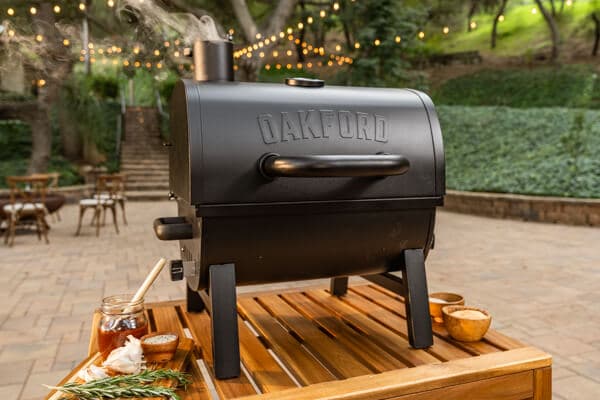
We differentiate ourselves through smart grilling products like the Oakford smart pellet grill, including app-connected cooking controls and modern outdoor cooking technology.
Expert tips, buying guides, comparisons, and inspiration for choosing and getting the most out of your grill.
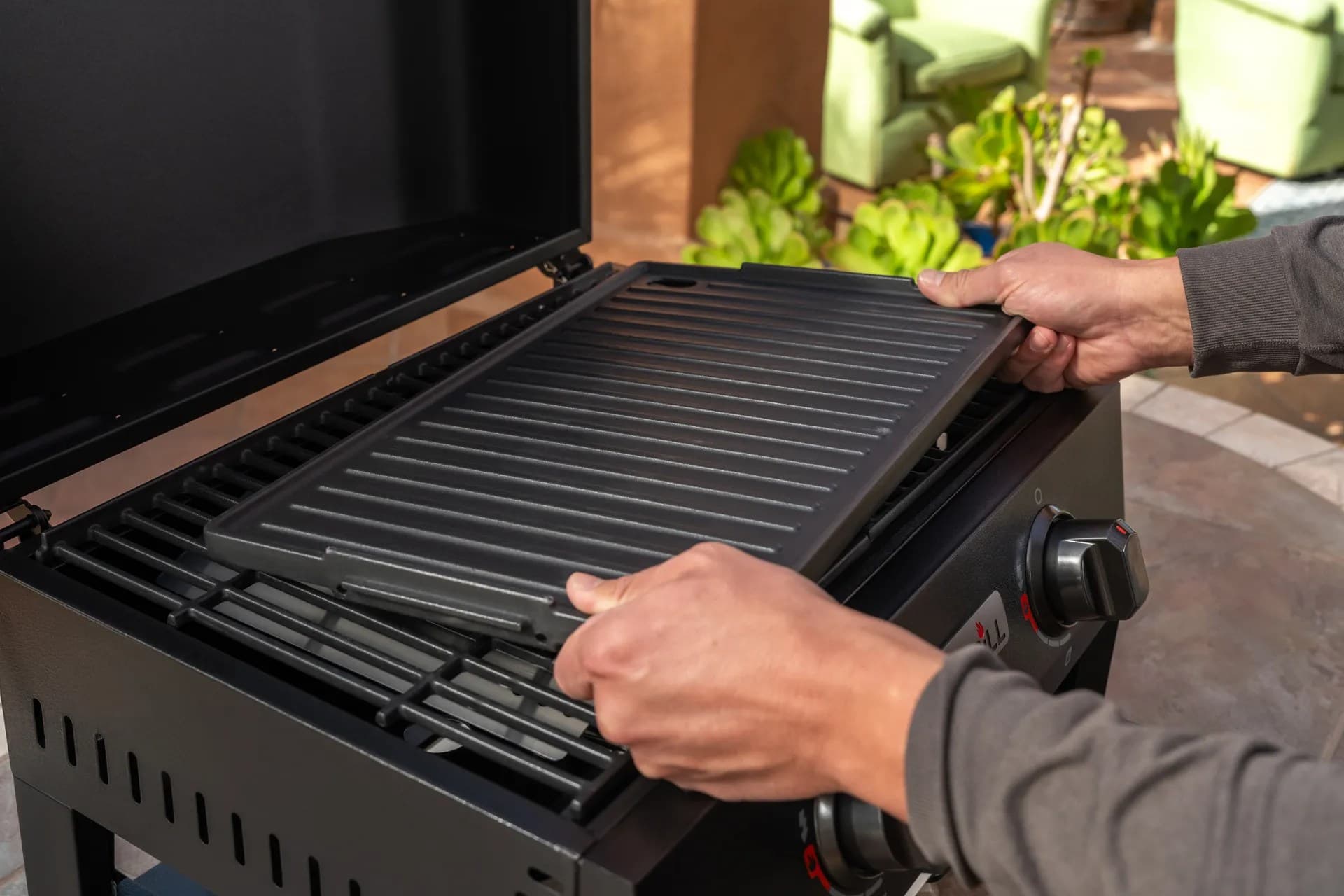
Practical guides for cleaning, maintenance, common grill issues, and performance optimization.
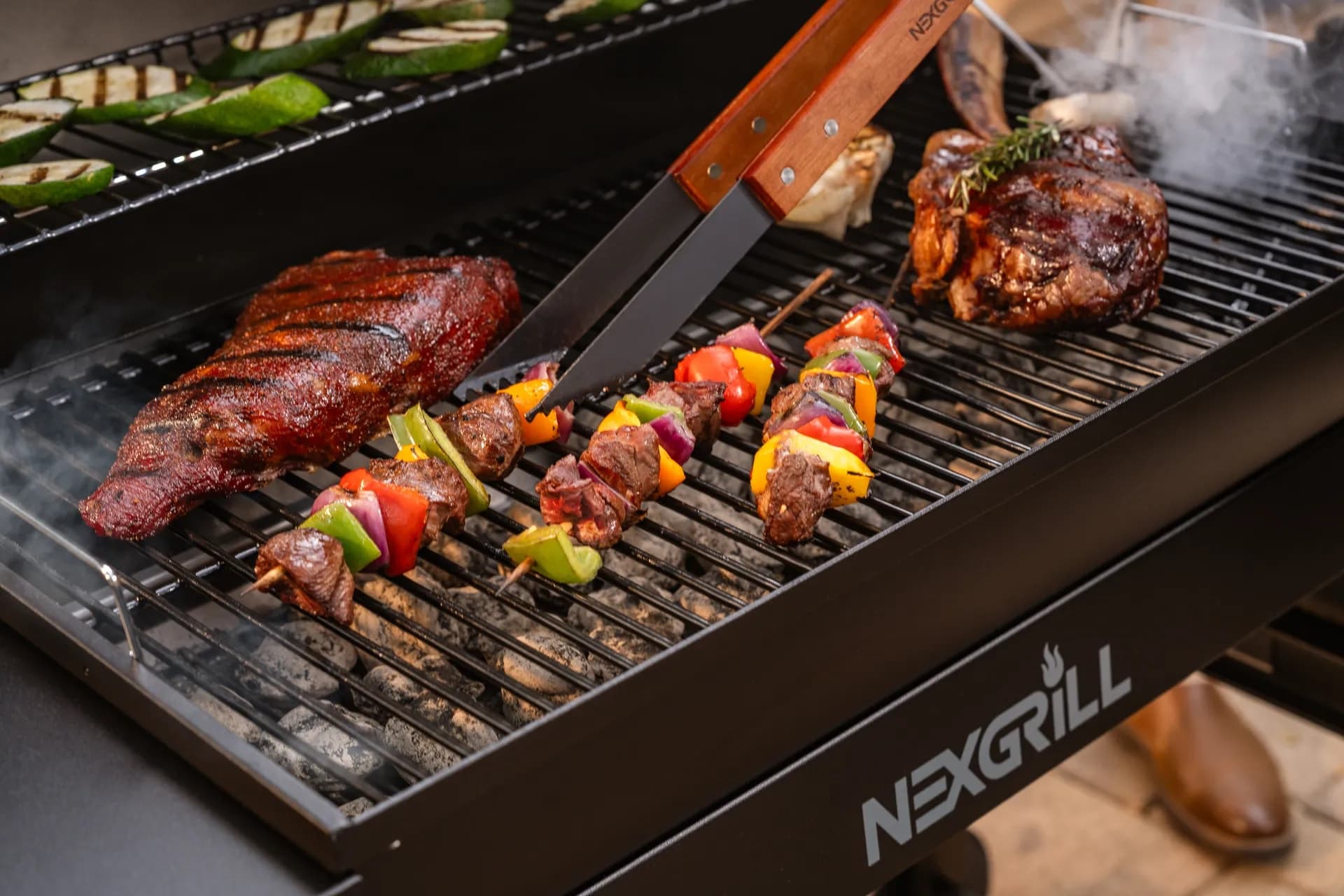
Step-by-step grilling recipes, cooking techniques, and meal ideas for every occasion and skill level.

Backyard entertaining ideas, seasonal grilling inspiration, and stories that celebrate outdoor cooking culture.
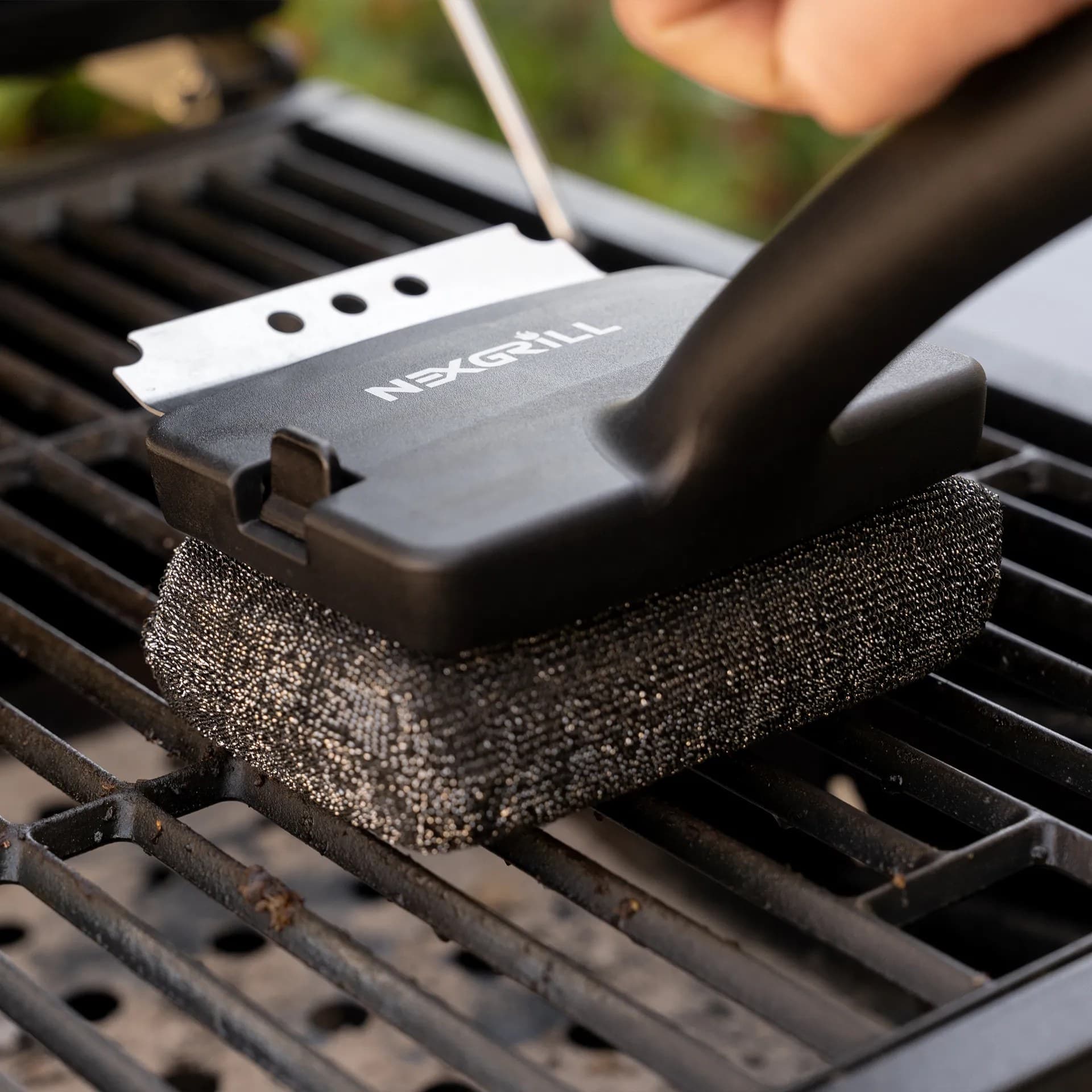
Helpful articles covering grilling tools, cookware, maintenance gear, and must-have accessories for outdoor cooking.
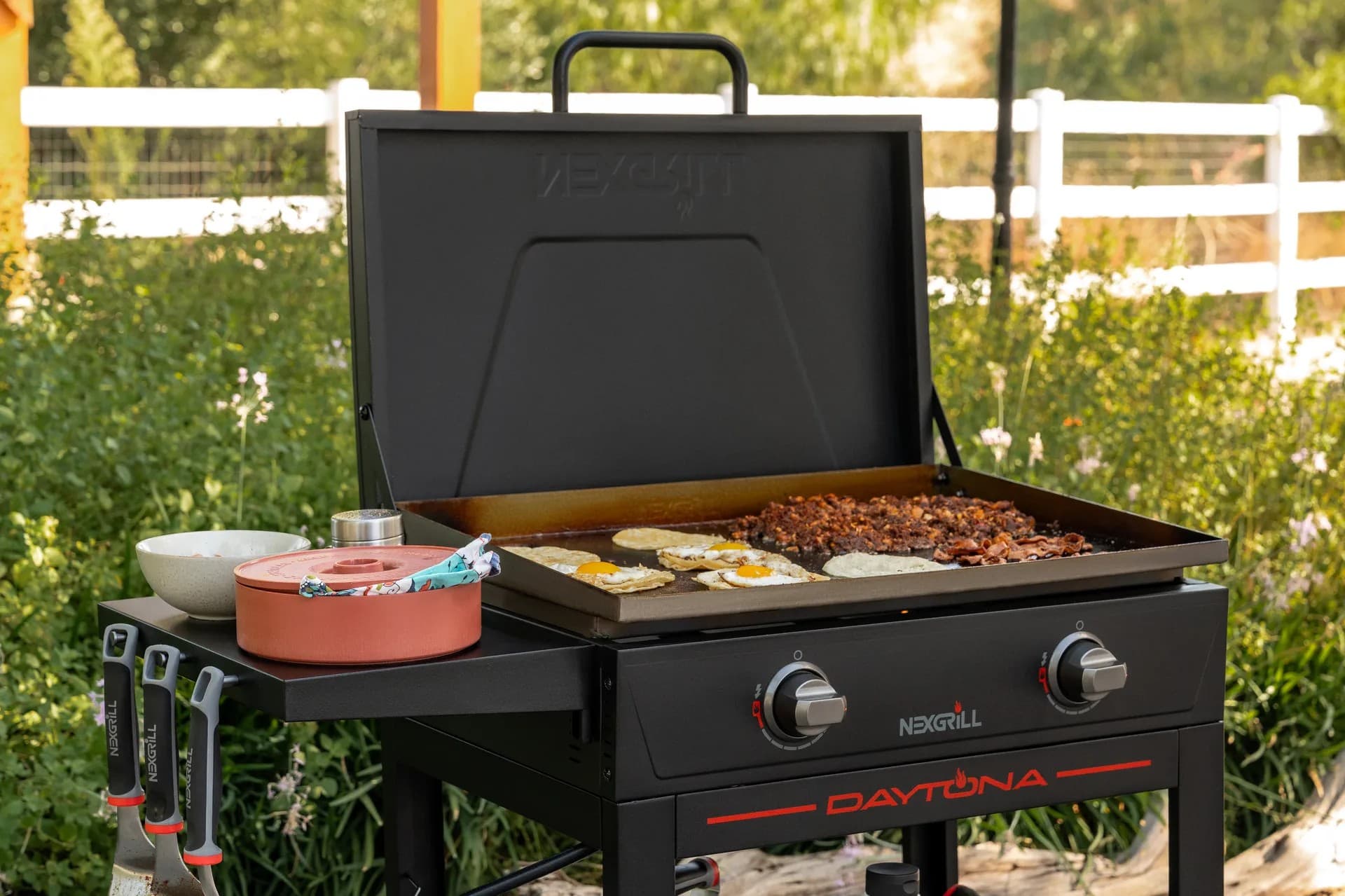
Find griddle recipes, cooking techniques, cleaning tips, and outdoor meal ideas designed for Nexgrill griddles.
Find answers to common questions
Gas grills provide instant heat and precise temperature control, making them easier to use. Charcoal grills offer a smoky flavor and high heat for searing but require more time to heat up and manage.
Pellet grills combine the convenience of gas with the flavor of wood, allowing for smoking, baking, and grilling. Traditional gas grills, however, are quicker to start and often easier to clean.
Charcoal grills typically reach higher temperatures quicker than gas grills, making them better for searing meat. However, high-quality gas grills can also provide adequate heat for effective searing.
Nexgrill offers models designed specifically for gas, charcoal, and pellets, allowing users to choose based on their cooking style and flavor preferences. Each type is built to optimize the characteristics of its respective fuel.
Choosing between gas and charcoal grills depends on your cooking preferences and lifestyle. If you value convenience and quick cooking, a gas grill may suit you better; if you prefer the taste and experience of traditional grilling, a charcoal grill would be ideal.
In This Article
Spacious Cooking Area
High BTU Output
User Insights
An 811-square-inch gas grill sits in the large-capacity category, and that matters more than many shoppers realize. The number is not just a marketing line; it tells you how much food you can stage across the cook surface, how comfortably you can manage separate heat zones, and how often you can host without turning dinner into a relay race. For a household that regularly cooks for six, eight, or even a dozen people, 811 square inches can be the difference between cooking in one pass and juggling multiple batches. In practical terms, that means fewer delays when you are searing steaks, warming buns, finishing vegetables, or holding food while the rest of the meal catches up.
This review looks at the 811-sq-in gas grill as a serious backyard workhorse rather than a generic big grill. The key question is not only whether it is large, but whether that extra space translates into better cooking flow, stronger performance under load, and easier real-world use. Nexgrill’s brand approach emphasizes dependable outdoor cooking that brings people together, and that is exactly the lens that fits this category: a large grill should make gathering easier, not more complicated. That perspective is reflected in the brand’s messaging around inclusivity, shared meals, and accessible outdoor cooking, which helps frame the value of a large-format grill for everyday families and entertaining alike .
A large cooking area only helps if the grill can hold steady temperature and recover heat quickly after the lid opens.
That is why any honest 811-sq-in review has to look beyond footprint. You want to know how the burners are arranged, whether the heat is even from side to side, how the grates store heat for searing, and whether the grill gives you useful prep and holding space. It also helps to compare it with slightly smaller models in the 600 to 700 square inch range, because that is often where shoppers decide whether they truly need a larger platform or would be better served by a more compact unit. The answer depends on your cooking habits, but the review standard should stay the same: usable space, not just advertised space.
For many United States buyers, the right way to think about an 811-sq-in gas grill is as a hosting and versatility decision. If you frequently grill for neighbors, family gatherings, game days, or holiday weekends, the extra area lets you separate proteins from sides, keep delicate items away from the hottest zone, and avoid crowding. If you mostly cook for two to four people, the same grill may still be useful, but only if you value room to expand your menu later. The largest mistake is buying a big grill for its headline number without considering whether your patio, propane setup, and cooking style can support it comfortably.
When shoppers compare a gas grill in this size class, the most important features usually come down to burners, construction, and heat-management design. An 811-sq-in layout is typically most effective when the grill has multiple burners that can be controlled independently, because the real strength of a large grill is zone cooking. With separate burner control, one side can run hot for direct searing while another stays moderate for chicken, corn, or warming food. That flexibility is more useful than raw power alone, because it lets the grill adapt to the meal instead of forcing every ingredient to cook at the same pace.
BTU output is another point that gets overemphasized in isolation. A high BTU number can be helpful, but only when it is paired with a smart cooking system that manages airflow and retains heat well. In a grill this size, you want enough output to recover temperature after the lid opens and to handle a full grate without creating cold spots. The best way to judge BTUs is by asking what they do in practice: Can the grill preheat in a reasonable time? Does the center cook differently from the edges? Can it hold a stable surface temperature while you load it with multiple steaks or chicken thighs? Those are the questions that matter in the yard.
Enough room for multi-zone cooking, larger gatherings, and less batch cooking
Construction materials also shape the experience. Stainless steel lids, sturdy burner tubes, and well-fitted firebox components tend to feel more substantial and hold up better through repeated heat cycles. Cooking grates matter too: heavier grates generally store more heat and mark food better, while lighter components may be easier to handle but can feel less assertive during searing. For large grills, the lid and firebox should also be evaluated for fit, because heat loss becomes more noticeable as cooking surface size increases.
| Feature | Why It Matters | What to Look For |
|---|---|---|
| Burner count | Supports heat zoning and flexible cooking | Independent controls for direct and indirect heat |
| BTU output | Helps with preheat and heat recovery | Enough output to maintain even temperatures, not just a big number |
| Cooking grates | Affects searing and heat retention | Heavier, durable grates that hold heat well |
| Cabinet and shelf space | Improves workflow while cooking | Room for tools, trays, and sauce staging |
If a grill is large but lacks stable burner control, the extra surface area can become harder to manage instead of easier.
Compared with smaller grills, an 811-sq-in model gives you more flexibility, but it also raises the standard for performance. A 681-sq-in grill may be easier to fit on a patio and simpler to preheat, yet the 811-sq-in format wins when you need to cook several items with different finish times. In a real household scenario, the extra 130 square inches can hold a second tray of vegetables, a full batch of burgers, or a resting zone for finished food while the next round is still on the flame. That difference sounds small on paper, but in practice it can change how you organize the entire meal.
The performance comparison should also consider heat consistency across the grate. Larger grates are more vulnerable to hot spots if burner layout is weak, so the better-performing grill is the one that distributes flame in a way that matches how people actually cook. If the outer edges run cooler, they can become a built-in holding area. If the center runs hottest, that is where your sear zone lives. Good grill design turns those temperature variations into usable space instead of a problem. That is why the best 811-sq-in grills feel more like a cooking station than a simple heat box.
For comparison, smaller grills often preheat a little faster and use less propane per session, which can be appealing for casual weeknight use. But when you are grilling multiple cuts, switching between direct and indirect cooking, or trying to keep food moving without cold spots, the larger format usually pays off. The key trade-off is footprint and fuel consumption versus workflow. If your typical meal involves two chicken breasts and a few vegetables, you may not need the extra space. If you cook for groups or prefer to stage food by doneness, the larger grill offers a much smoother experience.
A good performance test is simple: load the grill with food on half the surface and see whether the other half still gives you true, usable temperature control.
Another useful angle is searing. Large gas grills vary widely in their ability to develop a strong crust on steak or chops. The most reliable setup is one that can preheat grate surfaces effectively and recover quickly after the lid is opened. If the grill struggles here, the large footprint may become a liability for high-heat cooking. If it excels, then the 811-sq-in format becomes a real asset for both volume and performance. Buyers should think less about whether a grill is objectively “better” and more about whether it performs better for the kind of meals they actually cook.
User feedback on large gas grills usually falls into a few repeating themes: capacity, ease of ignition, heat consistency, and cleanup. Shoppers like the ability to cook for a crowd without feeling cramped, but they also pay attention to whether the grill feels manageable day to day. A recurring praise point in large-grill reviews is workflow. Users appreciate being able to keep one area hot for searing while another area holds finished food, especially during weekend cookouts where timing matters. That kind of comment is valuable because it speaks to the real benefit of 811 square inches: more control, not just more metal.
Many reviewers also mention whether the grill feels intuitive after the first few cooks. Large grills can seem intimidating at first, but when the burner knobs respond predictably and the heat settles into clear zones, the learning curve gets much easier. In that sense, user satisfaction often depends on whether the grill rewards regular use. A grill that is easy to light, easy to clean, and easy to trust tends to become part of the weekly routine. That is especially important for Nexgrill’s audience, which includes both casual backyard cooks and more experienced grillers who want strong value without sacrificing practicality .
Another pattern in testimonials is the value of flexibility. Owners like having room for burgers at one end, vegetables in the middle, and a warming zone at the other, because it lets them cook for mixed preferences without running multiple appliances. Parents often appreciate the ability to finish a meal in one round, while frequent hosts point to the grill’s usefulness for parties and family gatherings. A large cooking surface becomes especially appreciated when the guest list changes unexpectedly, since the grill can absorb extra food without panic.
In user reviews, the best sign of a strong large grill is not a flashy first impression. It is the number of times owners say, “I use it more than I expected.”
At the same time, honest reviewers do point out that bigger grills require more space, more cleaning, and more attention to fuel use. That does not make them a poor choice; it simply means the buying decision should be intentional. The users most satisfied with an 811-sq-in grill are usually those who cook often enough to justify the size or who regularly host enough people that the capacity saves time. If that sounds like your situation, the reviews suggest this class of grill can be a strong fit.
Once you have weighed a large grill against smaller alternatives, the next question is whether it will stay easy to live with after the excitement of the first few cookouts. Maintenance is where many large gas grills either become dependable long-term tools or slowly turn into frustrating appliances. The good news is that an 811-sq-in grill is not inherently harder to care for, but its size makes disciplined cleaning more important. More surface area means more grease management, more grate scrubbing, and more chances for food buildup to affect flavor or ignition if it is ignored.
A practical cleaning routine starts while the grill is still warm. After cooking, run the burners on low for a few minutes to burn off residue, then brush the grates with a grill brush or scraper. Once the grill cools, remove loose debris from the firebox and empty grease collectors or trays as directed by the manufacturer. The point is not to polish the grill every time; it is to prevent buildup from hardening into a deeper maintenance problem. On a large grill, small amounts of residue can accumulate quickly because there is simply more cooking area to protect.
A short post-cook cleaning routine is easier to keep up with than a full deep clean later, and it usually protects flavor quality better.
Burner inspection is especially important on a gas grill of this size. If one burner starts to clog or weaken, the hot zone map changes and the grill becomes harder to use efficiently. Check for corrosion, blocked ports, and signs of wear around ignition components. You should also inspect propane connections for stability and make sure hoses are not cracked, kinked, or pinched. Large grills often sit on patios for long periods, so weather protection matters as much as active cleaning. A fitted grill cover can help reduce exposure to moisture, UV rays, and dust, all of which can shorten the useful life of metal parts.
Another maintenance habit that pays off is checking the grate condition before each season. If the grates are heavily seasoned, clean them gently instead of stripping them aggressively. If they are beginning to rust, address the issue sooner rather than later. Gas grills in the United States often get seasonal use spikes in spring and summer, which means the start of the season is the right time to inspect hardware, test ignition, and verify that everything heats evenly. Keeping a simple checklist reduces the chance of discovering a problem mid-cook when guests are waiting.
| Maintenance task | When to do it | Why it helps |
|---|---|---|
| Brush grates | After each cook | Keeps buildup from affecting flavor and heat transfer |
| Empty grease tray | Weekly or as needed | Reduces flare-up risk and odor |
| Inspect burners and hoses | Monthly and at season start | Helps preserve even heat and safe operation |
| Use a grill cover | Whenever the grill is not in use | Protects against weather and debris |
Price is one of the main reasons shoppers compare an 811-sq-in grill to smaller models. In the United States, large gas grills can vary widely in cost depending on burner count, materials, side shelves, ignition systems, and whether the grill includes premium finishes or extra cooking features. For example, a basic larger-format grill may land in the lower midrange, while a more feature-rich model with heavier construction, more powerful burners, and additional prep or storage options can move higher. Because of that spread, value for money should be measured by what the grill helps you do, not just by the sticker price.
The strongest value case for an 811-sq-in grill is straightforward: if the extra size prevents you from needing a second cook session, or if it lets you cook a full meal without using side equipment, the grill is paying you back in convenience. That is especially true for families who host regularly or cooks who like to prepare proteins and sides together. In those situations, the extra cooking area can save time and reduce stress, which is part of the real value even when it does not show up on a receipt. By contrast, if you rarely cook more than a few portions at a time, a smaller grill may deliver a better value because it uses less fuel and takes up less space.
A low price can be misleading if the grill struggles with heat consistency, because performance issues create ongoing frustration long after purchase.
It is also worth comparing the total ownership picture. Buyers should factor in propane usage, cover costs, replacement parts, and how often the grill will actually be fired up. A better-built grill may cost more up front but feel cheaper over time if it holds heat well, cleans easily, and continues to perform after repeated summer use. Brand reputation matters here too. Nexgrill’s broader identity focuses on accessible outdoor cooking, practical design, and gathering people around food, which aligns with the value expectations many shoppers have in this category .
The 811-sq-in gas grill is best viewed as a capacity-first purchase that can still deliver strong everyday utility when it is built well. Its main strengths are obvious: room for larger meals, the ability to create cooking zones, and the convenience of handling guests without crowding the grate. If you often cook for family gatherings, neighborhood hangs, or weekend events, the size can make your entire outdoor cooking routine easier and more enjoyable. If you are more of a simple weeknight griller, you may still like the extra room, but you should be sure you will use it often enough to justify the footprint.
The best way to decide is to look at how you cook now, not how you imagine you might cook someday. If you regularly need room for multiple proteins, want a dedicated warm zone, or prefer fewer batches, this grill class makes a strong case. If you are still deciding between an 811-sq-in unit and a smaller alternative, the most useful next step is to compare actual layouts, burner counts, and storage features side by side so you can see which model fits your space and style best. Try comparing two products side by side below to see which fits best.
It is a strong fit for households that cook for larger groups, entertain regularly, or want enough room to separate direct-heat and indirect-heat cooking zones. It can also work well for smaller households that value flexibility and occasional high-volume cooking.
Multiple independently controlled burners are the most practical setup because they let you build hot, medium, and warming zones. The best number is the one that gives you good coverage without creating dead spots.
There is no single perfect number, but the output should be high enough to preheat efficiently and recover after the lid is opened. Heat distribution and burner design matter at least as much as the BTU figure itself.
They are not necessarily harder, but they do require more disciplined cleaning because they have more surface area and grease pathways. Regular brushing, tray emptying, and seasonal inspection keep them manageable.
Here's what sets us apart
We position ourselves as delivering high-end outdoor cooking features and performance without premium-brand pricing, emphasizing “Quality Grills. Unbelievable Value.”
We offer gas grills, pellet grills, griddles, smokers, pizza ovens, portable/tabletop grills, electric grills, accessories, and replacement parts — allowing customers to stay within one ecosystem for all outdoor cooking needs.
We differentiate ourselves through smart grilling products like the Oakford smart pellet grill, including app-connected cooking controls and modern outdoor cooking technology.
Don't just take our word for it
Keep reading
From our catalog