Explore the best options for maintaining your grill's performance.

Here's what sets us apart from the competition
We position ourselves as delivering high-end outdoor cooking features and performance without premium-brand pricing, emphasizing “Quality Grills. Unbelievable Value.”
We offer gas grills, pellet grills, griddles, smokers, pizza ovens, portable/tabletop grills, electric grills, accessories, and replacement parts — allowing customers to stay within one ecosystem for all outdoor cooking needs.
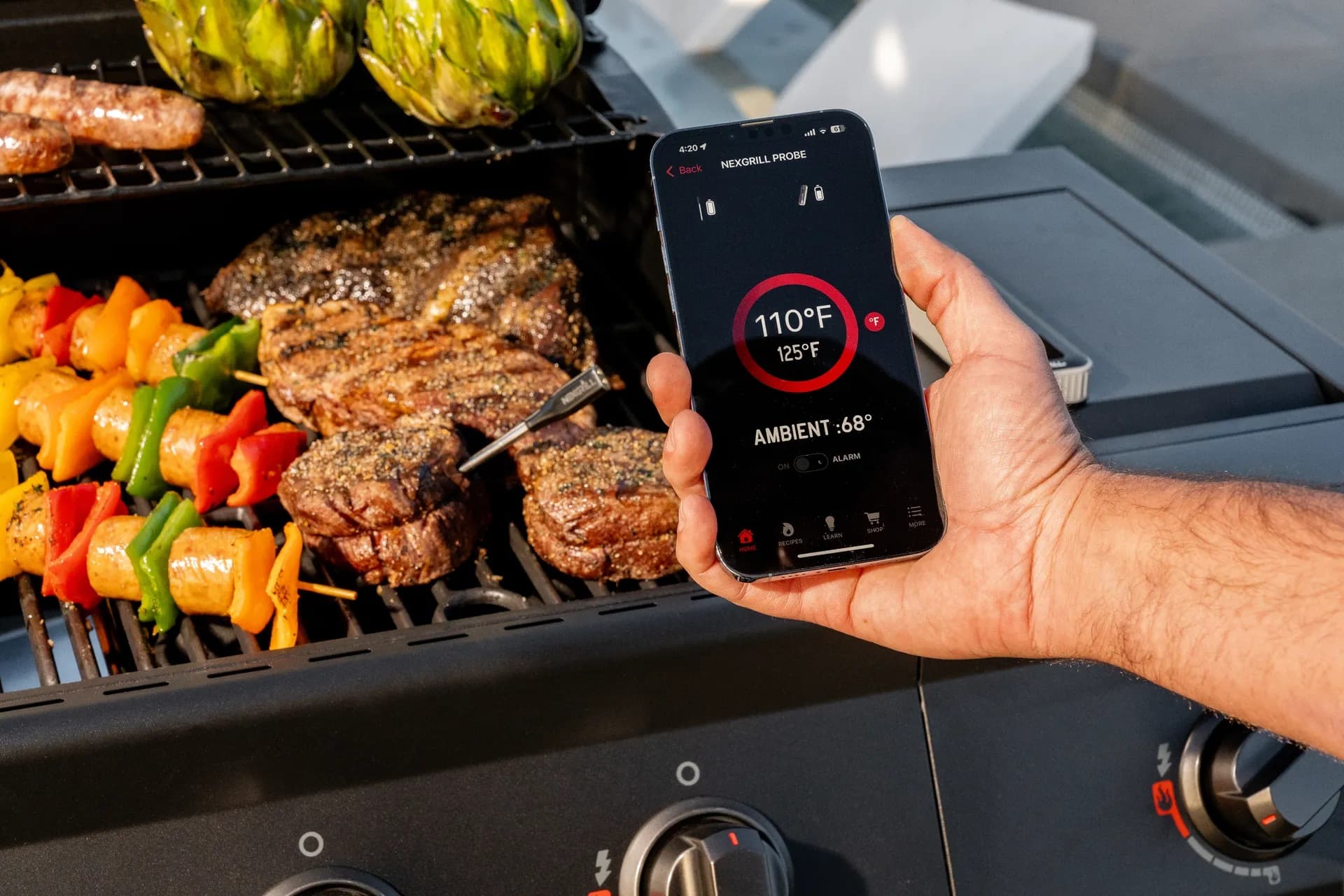
We differentiate ourselves through smart grilling products like the Oakford smart pellet grill, including app-connected cooking controls and modern outdoor cooking technology.

Expert tips, buying guides, comparisons, and inspiration for choosing and getting the most out of your grill.

Practical guides for cleaning, maintenance, common grill issues, and performance optimization.

Step-by-step grilling recipes, cooking techniques, and meal ideas for every occasion and skill level.

Backyard entertaining ideas, seasonal grilling inspiration, and stories that celebrate outdoor cooking culture.

Helpful articles covering grilling tools, cookware, maintenance gear, and must-have accessories for outdoor cooking.

Find griddle recipes, cooking techniques, cleaning tips, and outdoor meal ideas designed for Nexgrill griddles.
Find answers to common questions
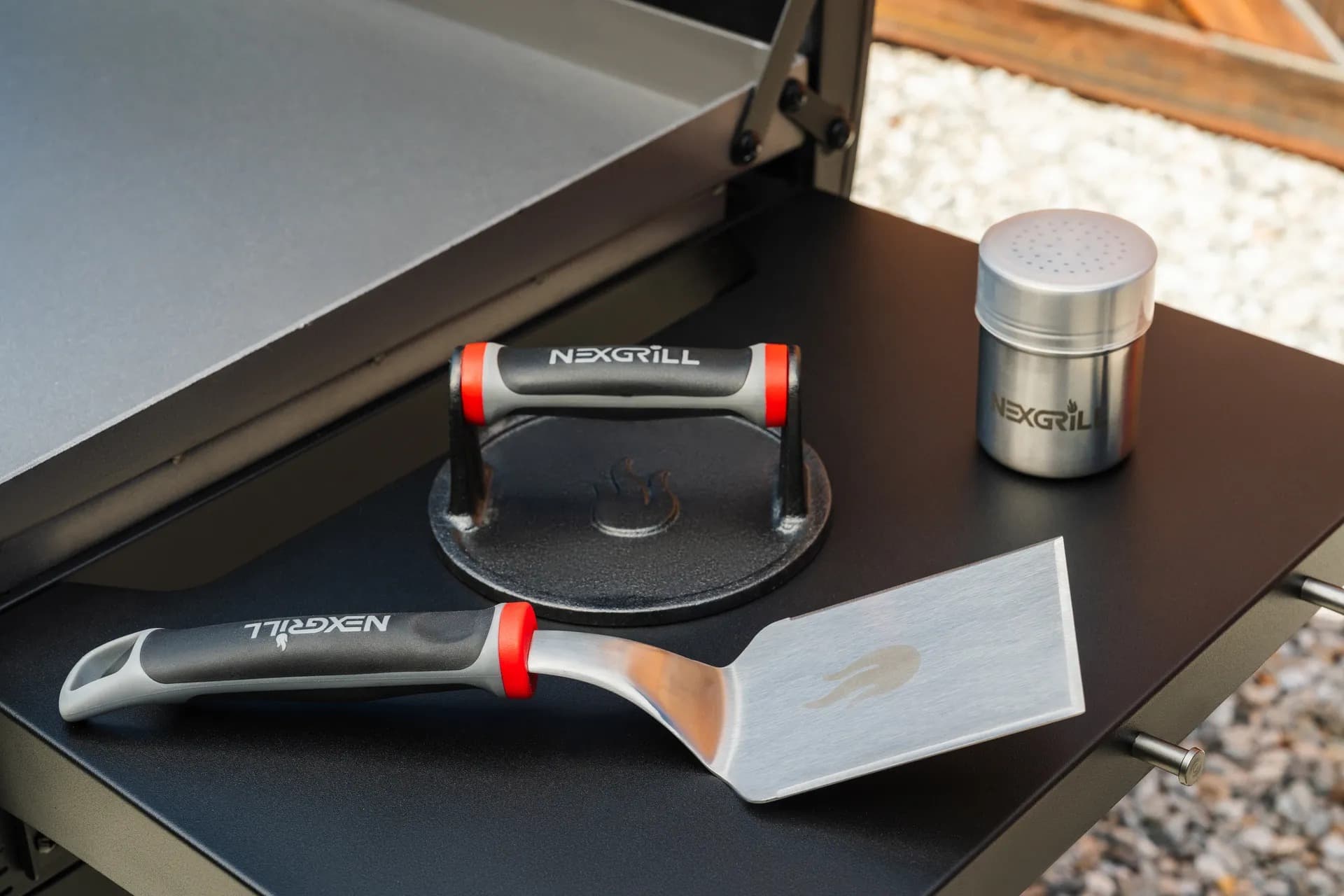
Nexgrill offers a variety of accessories including grill tools, covers, cooking utensils, and replacement parts designed to enhance your grilling experience.
Many Nexgrill accessories are widely compatible with various grill brands, but it is recommended to check the specifications for proper fit and functionality.
To maintain your Nexgrill accessories, regularly clean them with warm soapy water, avoid using abrasive materials that could scratch the surface, and store them in a dry place when not in use.
Yes, Nexgrill accessories can be purchased separately from the grills, allowing customers to customize their grilling setup as needed.
Instructions for using Nexgrill accessories are typically included in the packaging, and additional resources can be found on the Nexgrill website or in the product user manuals.
In This Article
Types of Grill Brushes
Safety Considerations
Top Recommendations
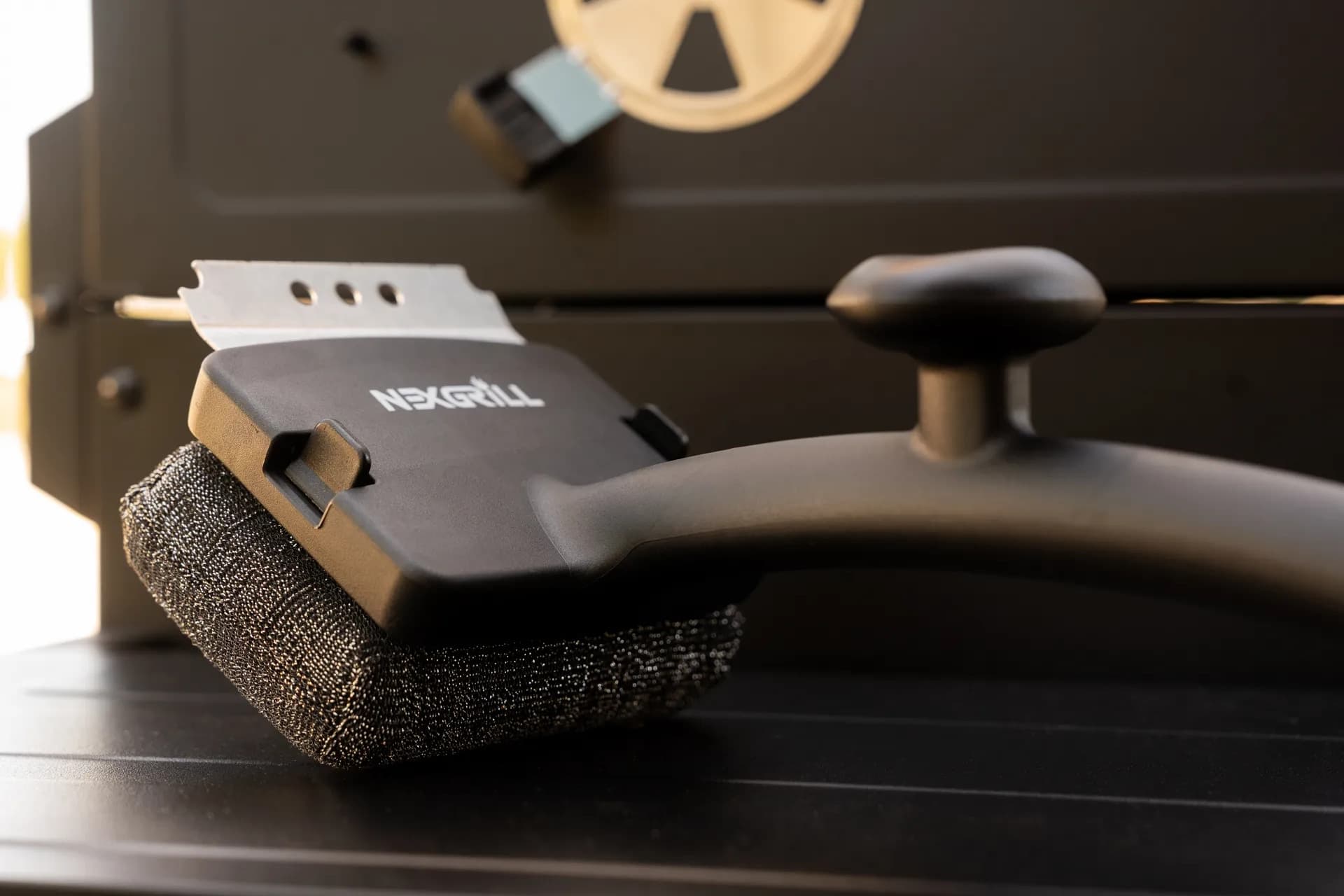
A clean gas grill does more than look ready for the weekend. It helps you get better contact on the grates, keeps old grease from smoking into new food, and makes every cookout feel a little more controlled. If you are shopping to buy a gas grill cleaning brush, the real question is not just which brush looks sturdy on the shelf. It is which design helps you clean efficiently without creating a safety problem, wearing out too quickly, or making it harder to reach the spots that matter on a gas grill. That means thinking about the grate material, the handle length, the cleaning head shape, and whether you want a traditional bristle brush or a bristle-free tool.
For Nexgrill owners and anyone comparing outdoor cooking accessories in the United States, the best brush is usually the one that matches your grill routine. A weeknight griller who wipes down warm grates after burgers needs a different tool than someone who deep-cleans a larger multi-burner setup after a long season. The right brush should feel comfortable in the hand, move across hot or warm grates without flexing too much, and remove residue without forcing you to scrub aggressively. That balance matters because an overbuilt brush can be clumsy, while a flimsy one can lose effectiveness fast.
You will also see a wide range of product claims. Some brushes promise durability, some emphasize speed, and others focus on safer cleaning with no loose bristles. Those distinctions are worth understanding before you spend money. Reviews from consumer publications repeatedly stress that brush style and construction matter as much as price, especially when choosing between bristle and bristle-free options. This guide takes a practical approach: first understand the brush types, then compare materials, then narrow down the kind of cleaner that actually fits your grill habits and safety expectations.
Tip: If you usually clean right after preheating and before the food goes on, prioritize a brush that removes buildup in one or two firm passes rather than one that only works with heavy pressure.
Most important for a buying decision: safety, reach, and cleaning surface
The main choice when you buy a gas grill cleaning brush is between a traditional bristle brush and a bristle-free design. Traditional brushes often use stainless steel, brass, or nylon bristles arranged in a block or spiral head. They are familiar, inexpensive, and effective when you need to scrape stuck-on residue from hot grates. The downside is that worn or damaged bristles can shed over time, which is why many shoppers now ask whether bristle-free tools are the safer route.
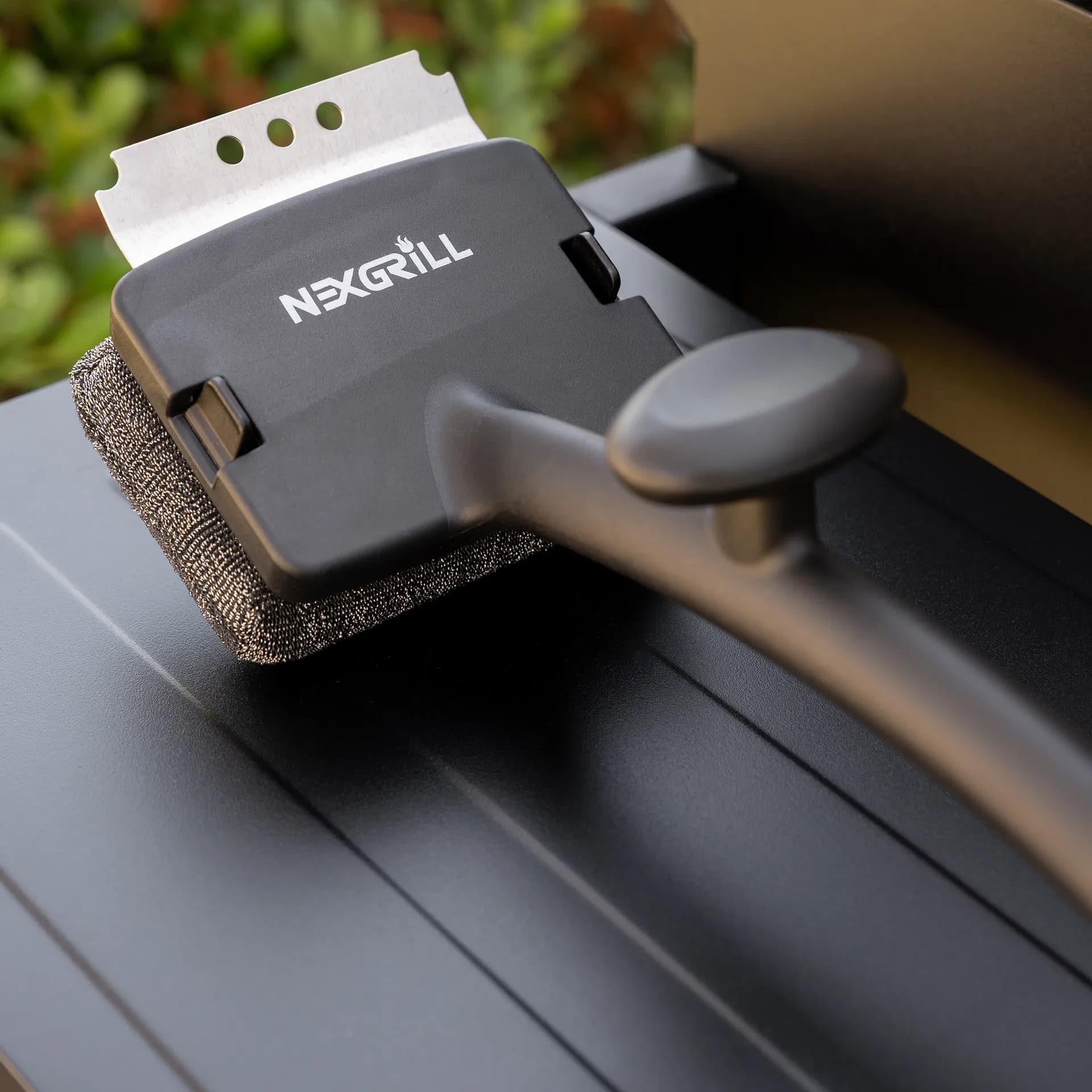
Bristle-free brushes use coils, scraper edges, woven pads, or aramid fiber-style cleaning surfaces to do the work without loose metal strands. These tend to clean more by pressure and surface contact than by individual wire tips. That makes them attractive for users who want to reduce the chance of a stray bristle ending up on the grate. They can also be easier to inspect visually, because the cleaning surface usually shows wear in a more obvious way. Consumer-focused review sites commonly note that bristle-free models trade some aggressive scrubbing power for peace of mind, especially when cleaning porcelain-coated or cast-iron grates that you do not want to damage.
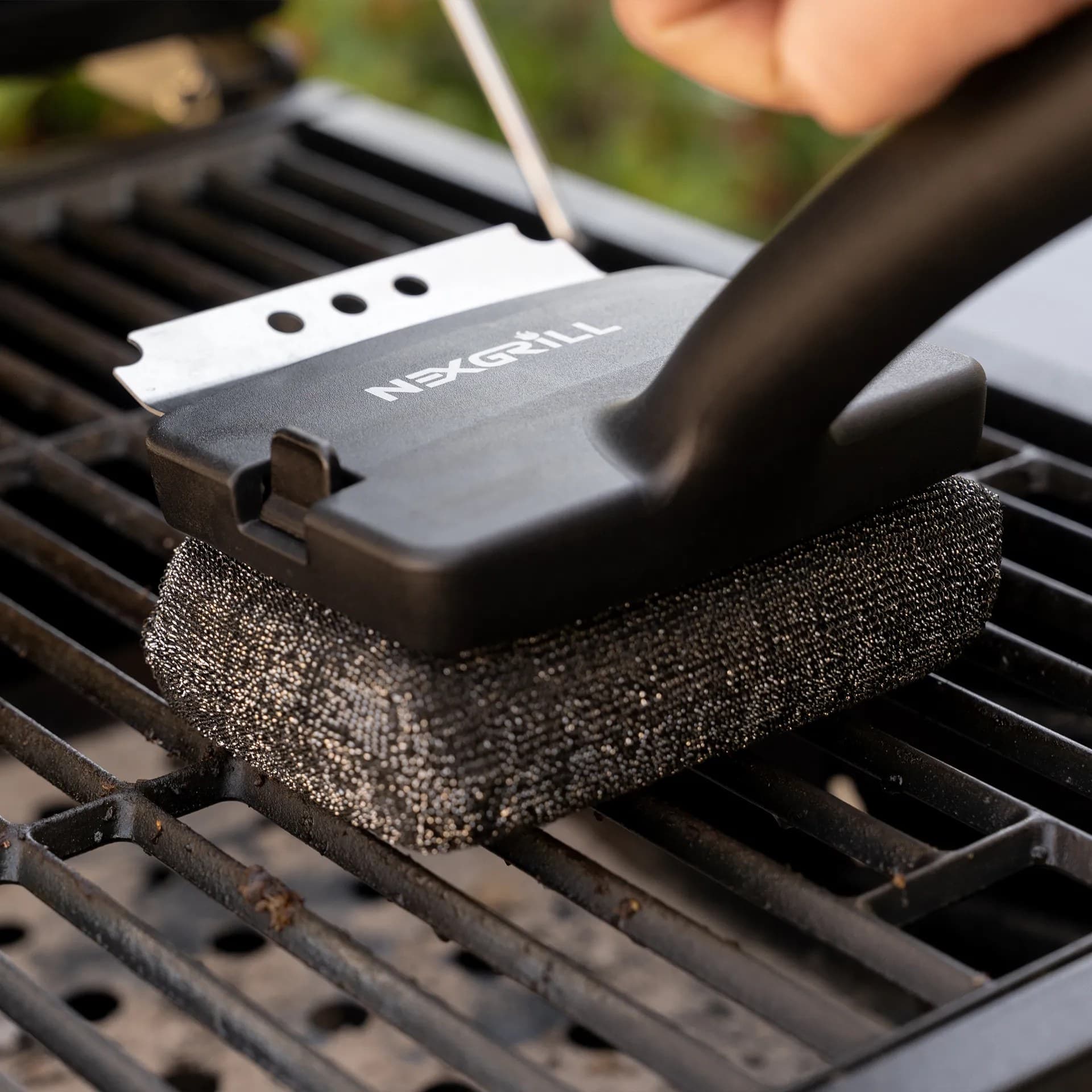
The brush style should also match the shape of your grate. A wide head is useful for standard gas grill grates because it covers more surface in fewer strokes. A narrower, angled head can reach between bars and around edge zones more easily. Some tools combine a scraper with a brush, which is helpful when grease has baked into the front edge of the grate or around flavorizer bars. If your grill sees a lot of sauce, marinades, or fatty meats, that scraper feature can matter more than an extra row of bristles.
| Brush type | Best use | Main trade-off |
|---|---|---|
| Stainless steel bristle | Heavy residue on durable metal grates | Can shed with wear if not inspected |
| Brass bristle | Moderate cleaning on softer grates | Less aggressive than steel |
| Bristle-free coil or scraper | Safer everyday cleaning and easy inspection | May need more passes on baked-on residue |
| Nylon or heat-safe synthetic | Cooler-grate cleaning and lighter buildup | Not for very hot grates unless rated for it |
If you want the simplest buying rule, choose a bristle-free model when safety and easy inspection are your top concerns, and choose a bristle brush only if you are comfortable inspecting it regularly and replacing it as soon as it shows wear. That is a more useful decision than chasing a low price tag alone.
Material has a bigger impact on day-to-day use than many buyers expect. Metal bristles are common because they are stiff, fast, and economical. Stainless steel is the most aggressive and the most familiar to many grill owners, especially on bare metal grates. Brass is softer and may be a better fit when you want less scratch potential, though it may not strip cooked-on residue as quickly. Nylon brushes are generally for cooler surfaces, and they make sense for light cleanup after the grill has cooled rather than for a scorching hot grate. In practical terms, the material you choose should reflect when you clean and how heavy the residue usually is.
Aramid fiber and similar heat-resistant synthetic materials have become popular because they bridge the gap between safety and function. These cleaning heads can tolerate warm surfaces better than ordinary nylon and often rely on a tough woven or layered texture to lift grime. They are especially appealing to buyers who want a brush that feels modern and less hazardous than exposed wire bristles. Still, no material is magic. A tougher cleaning head is not useful if the handle is too short, the head is too small, or the shape makes it awkward to work around grates and warming racks. That is why the best material choice depends on your whole grill setup, not the brush head alone.
For U.S. shoppers comparing value, price often rises with material quality, but not always with performance. A basic stainless bristle brush can be cheap and effective at first, while a better-designed bristle-free brush may cost more but last longer in feel and usability. Good Housekeeping and Consumer Reports both emphasize that shoppers should think about construction, grip, and cleaning efficiency, not just whether the head looks rugged.
| Material | Strengths | Best for | Watch out for |
|---|---|---|---|
| Stainless steel | Strong scraping, fast cleaning | Tough metal grates | Bristle wear and shedding |
| Brass | Softer touch, good control | Grates needing gentler action | May need extra effort on buildup |
| Nylon | Simple cleanup when cool | Light maintenance | Not ideal for hot grates |
| Aramid fiber / synthetic | Heat resistance, safer feel | Warm-grate cleaning | May cost more upfront |
Warning: Any brush head that looks bent, frayed, flattened, or loose should be replaced immediately. Wear is not cosmetic when you are cleaning a grill grate.
The strongest buying recommendations are based on use case, not on one single “best” brush for everyone. For most gas grill owners, a bristle-free scraper-style brush is the safest everyday pick because it offers a clean visual inspection and reduces concern about stray wire pieces. If you grill several times a week and want something fast for hot grates, a stainless steel bristle brush with a sturdy, long handle can still be a practical choice, provided you inspect it often and replace it when wear appears. For buyers who prefer a gentler touch, brass bristles or aramid fiber heads are a smart middle ground.
In editorial roundups from consumer publications, the best-rated tools tend to share the same traits: comfortable grip, enough handle length to keep your hand away from heat, solid scraper function, and a head that reaches across the grate without wobbling. Some products add a hanging loop, a replaceable head, or a three-sided cleaning surface. Those details may sound minor, but in daily use they can matter more than headline marketing. A brush you can store easily and grab quickly is more likely to get used, which is the whole point of buying one in the first place.
| Recommendation style | Who should consider it | Why it stands out |
|---|---|---|
| Bristle-free scraper brush | Safety-focused shoppers | Easier inspection and fewer loose-wire concerns |
| Stainless steel bristle brush | Frequent grillers on tough residue | Fast, aggressive cleaning power |
| Brass or aramid fiber brush | Users wanting a gentler middle path | Balance of control and reduced abrasion |
If you are narrowing the field in a store or online cart, compare three things side by side: the cleaning head, the handle, and the replacement plan. A brush that works well today but will not hold up through the season is not a great buy. Try comparing two options side by side below to see which fits best:
Once you've weighed two options against each other, the next question is how to use the brush well enough that it actually extends the life of your gas grill. Good cleaning technique matters because even the best brush can underperform if you use it on the wrong surface or at the wrong temperature. For most gas grills, the sweet spot is after preheating the grates and before you cook, when residue loosens but the metal is not so hot that you lose control. That is why many grill owners prefer a quick brush-down while the grate is still warm.
A practical cleaning routine starts with heat, not elbow grease. Turn the grill on briefly, close the lid, and let the grates warm so stuck-on food softens. Then use your chosen brush with steady strokes running along the grate bars. If your brush includes a scraper edge, use it for stubborn buildup at the front and side areas where grease often accumulates. For heavier residue, repeat with light pressure rather than one hard push. This helps protect the grate coating and reduces the chance of scattering loosened debris into the cook zone.
For a deeper clean, remove the grates after they have cooled and use a damp cloth or non-abrasive pad to wipe away carbonized flakes. On gas grills, it is also smart to inspect burner covers, drip trays, and the area below the cooking surface because buildup there can affect airflow and odor on future cooks. The Kitchn and other cooking guides typically recommend a combination of warming, brushing, and periodic deeper cleaning instead of relying on the brush alone. That approach makes sense for homeowners who want flavor consistency and less flare-up risk.
Tip: Keep one brush dedicated to hot or warm grates and another soft scraper or cloth for cool-down cleanup so you are not forcing one tool to do every job.
Safety is the biggest reason many people now prefer to buy a gas grill cleaning brush without exposed wire bristles. The concern is simple: a worn bristle can loosen, cling to the grate, and end up on food. That is why several consumer guides now emphasize careful inspection, prompt replacement, and bristle-free alternatives. If you choose a traditional bristle brush, inspect it before and after each use. Look for missing wires, bent sections, or areas where the head is thinning unevenly. If you see damage, replace it rather than trying to stretch its life another season.
Handle length also matters to safety. A longer handle keeps your hand farther from direct heat, which is especially useful when brushing a preheated gas grill. A stable grip helps too, because a tool that slips can lead to awkward wrist angles or accidental contact with the grate. If you have kids around the patio, keeping the brush stored away from the cooking area is just as important as choosing the right style. A safety-first approach is not about being cautious for its own sake; it is about keeping a simple cleaning task from becoming an avoidable problem.
Warning: Never assume a heavily used brush is still safe just because it “looks fine” from a distance. Inspect the head closely under good light.
You can buy a gas grill cleaning brush online or in-store, and each option has advantages. Online shopping gives you access to broader selection, customer reviews, and side-by-side comparison of materials, head shapes, and handle lengths. That makes it easier to filter for bristle-free designs, heat-safe synthetics, or premium scraper combinations. In-store buying is useful if you want to feel the handle, judge the head stiffness, and compare several brushes at once before paying.
Price ranges in the United States are usually modest, which makes this an easy accessory to upgrade without overthinking it. Basic brushes can be found at entry-level prices, while more thoughtfully designed bristle-free or replaceable-head models usually cost more. Consumer Reports and Good Housekeeping roundups are useful references when shopping because they focus on practical performance rather than marketing language. If you are already shopping for Nexgrill outdoor cooking gear, the Nexgrill all products collection is a sensible place to browse compatible accessories and broader grill ownership essentials.
| Buying channel | What you gain | What to check first |
|---|---|---|
| Online retailer | Large selection and reviews | Material, return policy, head design |
| Home improvement store | Hands-on comparison | Handle comfort, bristle firmness |
| Brand store | Easy pairing with grill accessories | Accessory fit and product details |
The best gas grill cleaning brush is the one that makes routine cleaning easy, safe, and consistent. For many buyers, that means choosing bristle-free or bristle-light designs, paying attention to handle length and cleaning head shape, and replacing worn tools before they become a problem. If you clean your grill often, the right brush will save time, protect the grates, and help every meal start on a cleaner surface.
If you want the safest path, lean toward a bristle-free model. If you want aggressive cleanup and are willing to inspect and replace it often, a traditional bristle brush can still work. Either way, compare the tools in front of you carefully, then choose the one that fits the way you actually grill.
Here's what sets us apart
We position ourselves as delivering high-end outdoor cooking features and performance without premium-brand pricing, emphasizing “Quality Grills. Unbelievable Value.”
We offer gas grills, pellet grills, griddles, smokers, pizza ovens, portable/tabletop grills, electric grills, accessories, and replacement parts — allowing customers to stay within one ecosystem for all outdoor cooking needs.
We differentiate ourselves through smart grilling products like the Oakford smart pellet grill, including app-connected cooking controls and modern outdoor cooking technology.
Don't just take our word for it
Keep reading
From our catalog