A comprehensive guide to achieving consistent temperatures for optimal grilling results.
Here's what sets us apart from the competition
We position ourselves as delivering high-end outdoor cooking features and performance without premium-brand pricing, emphasizing “Quality Grills. Unbelievable Value.”
We offer gas grills, pellet grills, griddles, smokers, pizza ovens, portable/tabletop grills, electric grills, accessories, and replacement parts — allowing customers to stay within one ecosystem for all outdoor cooking needs.
We differentiate ourselves through smart grilling products like the Oakford smart pellet grill, including app-connected cooking controls and modern outdoor cooking technology.
Expert tips, buying guides, comparisons, and inspiration for choosing and getting the most out of your grill.
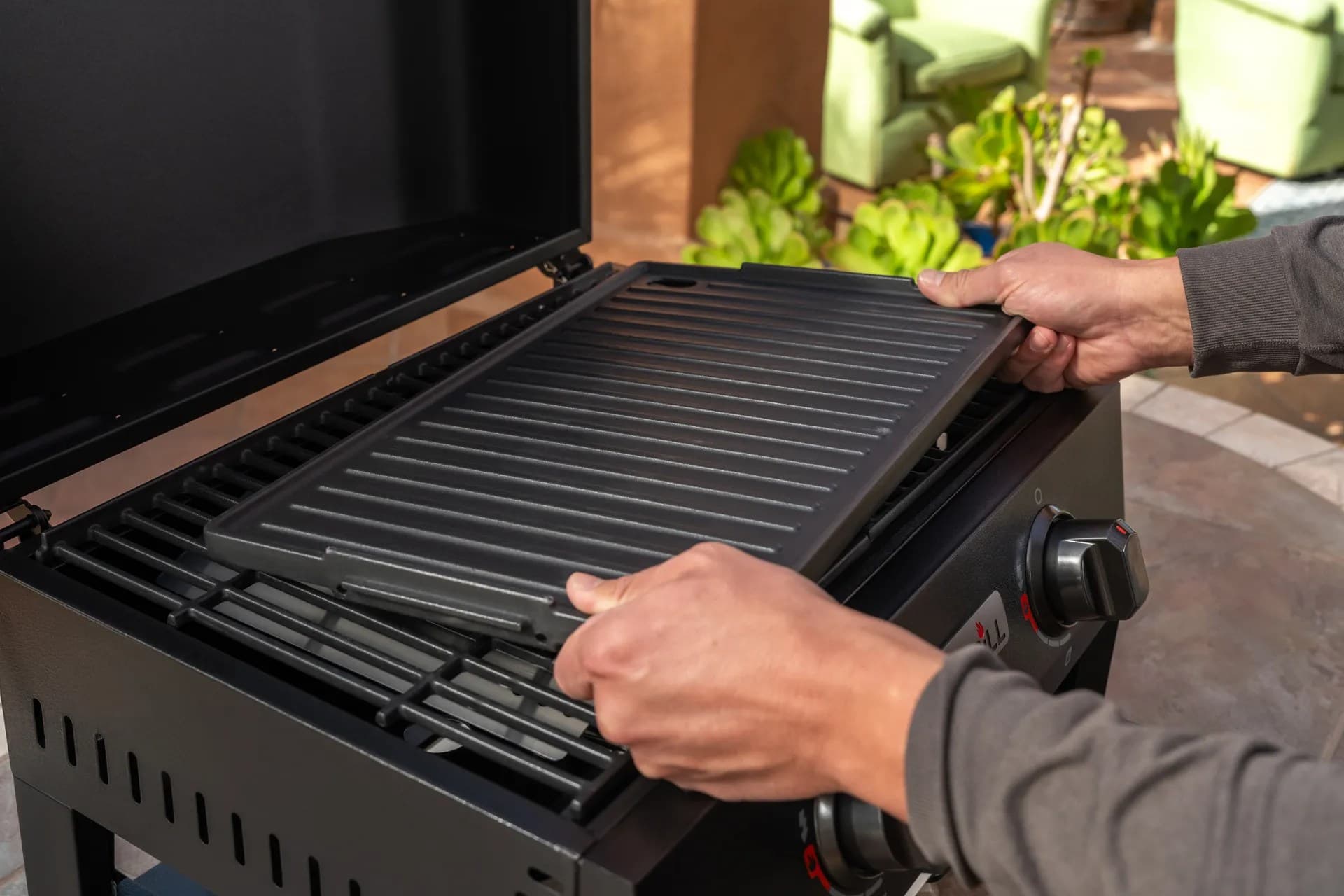
Practical guides for cleaning, maintenance, common grill issues, and performance optimization.
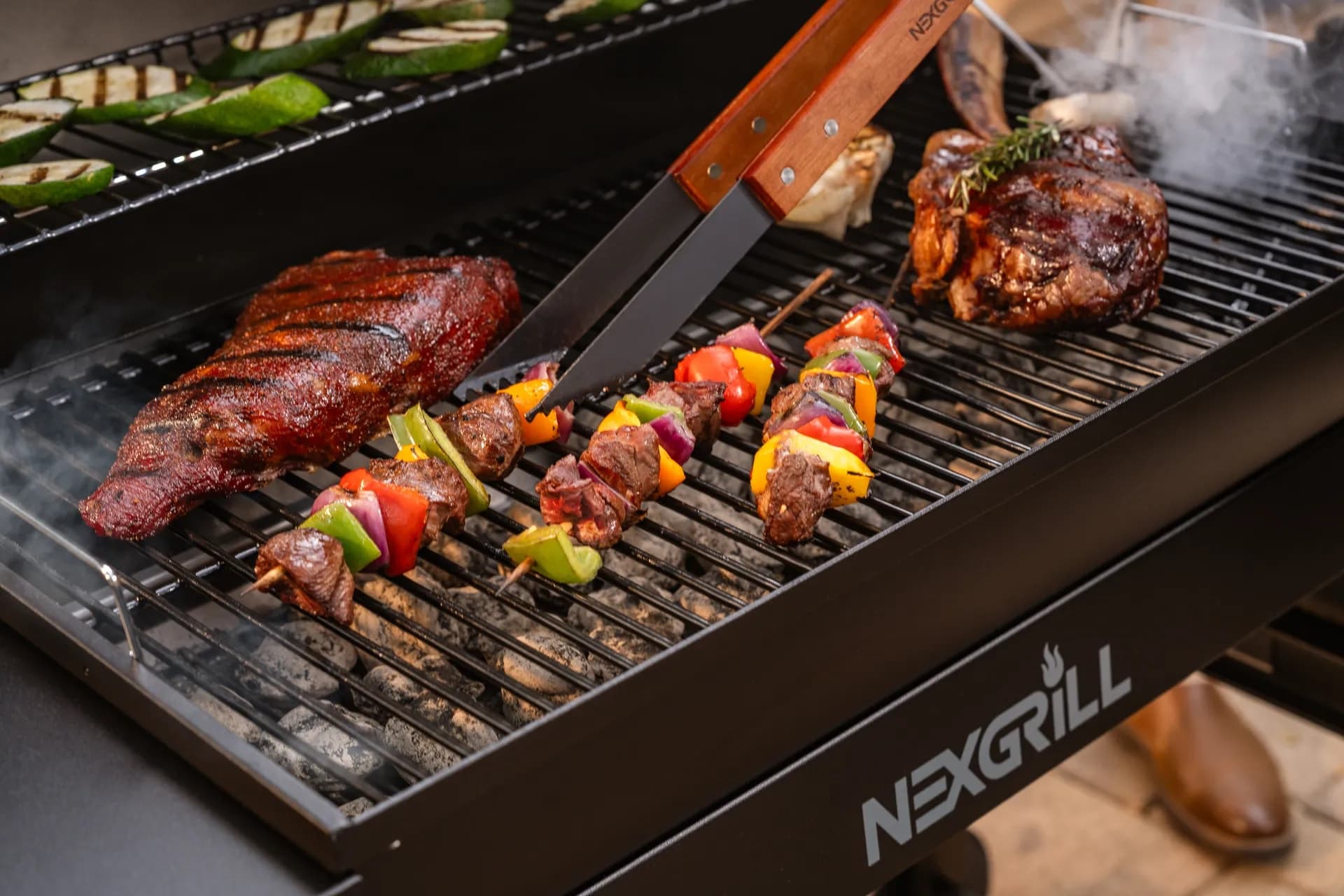
Step-by-step grilling recipes, cooking techniques, and meal ideas for every occasion and skill level.

Backyard entertaining ideas, seasonal grilling inspiration, and stories that celebrate outdoor cooking culture.
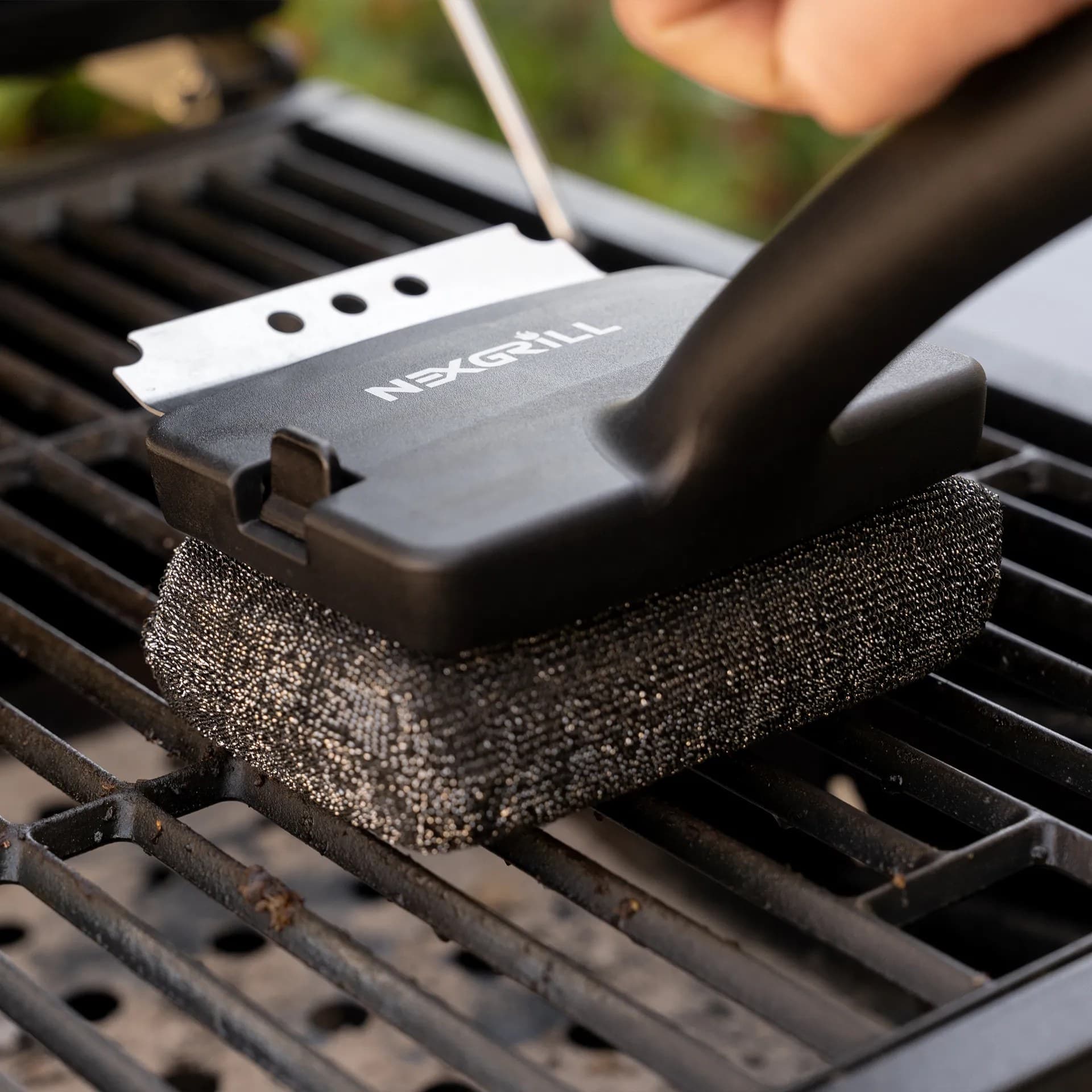
Helpful articles covering grilling tools, cookware, maintenance gear, and must-have accessories for outdoor cooking.
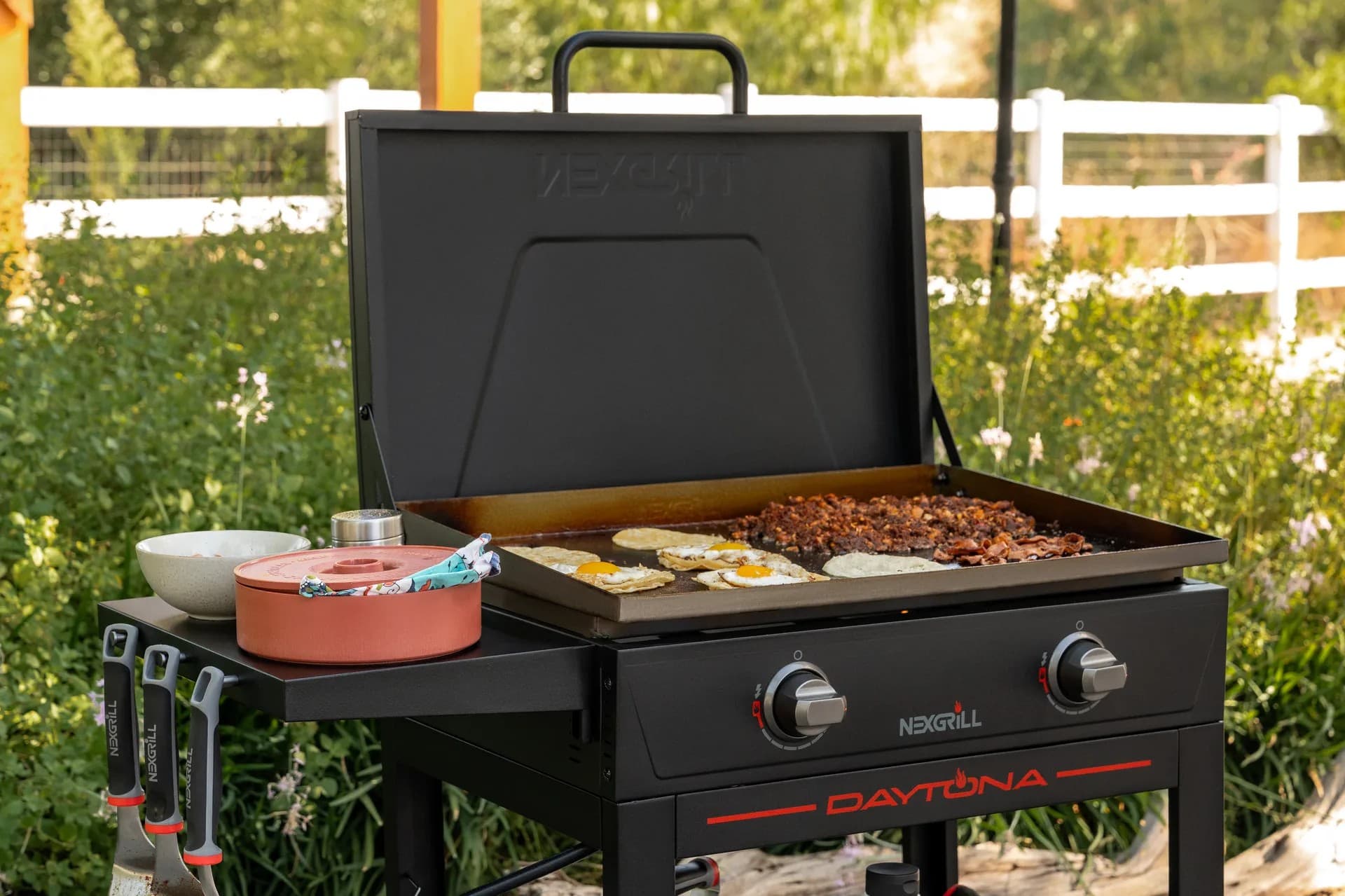
Find griddle recipes, cooking techniques, cleaning tips, and outdoor meal ideas designed for Nexgrill griddles.
Find answers to common questions
Pellet grills offer versatility by allowing you to smoke, grill, and bake with precise temperature control. They use wood pellets as fuel, providing a unique flavor to your food that is difficult to achieve with other types of grills.
Consider factors such as cooking capacity, temperature range, and additional features like digital controls or Wi-Fi connectivity. Assessing your cooking habits and space availability can also help in selecting a suitable model.
You can use a variety of food-grade wood pellets, including oak, hickory, mesquite, cherry, and apple. Each type of wood imparts a different flavor to your food, allowing for a unique grilling experience.
Regular cleaning involves emptying the ash pan, cleaning the heat diffusers, and wiping down the exterior. It's also important to check for any pellet obstructions in the hopper and ensure the grill's components are in good working order.
Nexgrill pellet grills are designed to smoke effectively, offering low-temperature settings to infuse food with rich, smoky flavors. They also provide adjustable temperature controls to suit various cooking styles.
In This Article
Understanding Pellet Grill Temperature Dynamics
Common Causes of Temperature Fluctuations
Practical Tips for Maintaining Consistent Heat
Pellet grill temperature control is really a conversation between fuel, airflow, and the controller that meters both. That is what makes pellet cooking feel easy when everything is working well, but also why small changes can ripple into a noticeably hotter or cooler cook. A pellet grill burns compressed wood pellets in a fire pot, then uses a fan to feed oxygen and distribute heat. The controller cycles pellets into the pot in short bursts, which means the grill is not simply “on” or “off.” It is constantly adjusting to maintain a target temperature.
For Nexgrill owners using the Oakford pellet platform, that dynamic matters because pellet grills are often chosen for cooks that stretch beyond quick searing. The Oakford line is built around smoke-forward outdoor cooking, and Nexgrill’s brand language emphasizes community, shared meals, and approachable outdoor cooking experiences, not intimidation or guesswork. That makes temperature stability a core part of the value proposition: if the grill can hold steady, it becomes easier to plan family dinners, long brisket sessions, and repeatable weekend cooks without babysitting the fire every few minutes. Nexgrill’s own Oakford materials also signal that pellet products are meant to be presented as part of a broader, feature-led cooking experience rather than a one-note smoker.
Fuel feed, airflow, and ambient conditions shape most temperature swings.
The simplest way to think about the system is this: pellets provide the energy, the auger controls the fuel rate, and the fan controls the burn quality. If pellets are fed too quickly for the amount of oxygen available, the fire can smolder and temperature lags. If the controller feeds too slowly or ash restricts the burn pot, the grill may underperform and struggle to recover after the lid is opened. When the system is clean and the pellets are dry, the grill can behave with impressive consistency. When one part of that chain is off, the temperature graph starts to look jagged.
This is why reading temperature on a pellet grill should not be treated like reading a car dashboard where the number alone tells the full story. The lid thermometer, the internal meat probe, and the controller’s setpoint all answer different questions. The lid thermometer tells you what the air near the top of the cook chamber is doing. The probe in the meat tells you how quickly the food is absorbing heat. The setpoint only tells you what the controller is trying to achieve, not what the grill is actually doing at every moment. On longer cooks, those differences matter more than many new owners expect.
The most common pellet grill temperature swings usually come from a short list of practical issues, and most of them are fixable without replacing major parts. One frequent culprit is ash buildup in the fire pot. Even a thin layer of ash can interfere with ignition quality and restrict airflow around the burning pellets. That can create a sluggish fire that never quite settles into the controller’s intended rhythm. If a grill has been used several times without a proper fire pot cleanout, the problem often shows up as slow recovery after lid openings or an inability to hold steady during windy weather.
Pellet quality is another major variable. Pellets that have absorbed moisture, broken down into excess dust, or come from inconsistent hardwood blends can feed unpredictably. In practical terms, that means one hopper load may burn cleanly while the next produces more ash, weaker heat, or erratic ignition. The issue is not only flavor; it is combustion consistency. In dry storage, pellets should feel hard and snap cleanly, not crumble when squeezed. If they feel soft or swollen, they may be pulling moisture from the air and undermining temperature stability.
Warning: if a pellet grill repeatedly overshoots the set temperature and then falls sharply, do not assume the controller is the only problem. Restricted airflow, wet pellets, or a dirty fire pot can create the same symptom.
Weather is another underappreciated cause. A pellet grill is a controlled fire inside an outdoor metal cabinet, which means cold air, direct sun, rain, and wind all influence how hard the system has to work. On a chilly morning in the United States, a grill may need extra time to come up to temperature because the body of the grill itself is absorbing heat. In a breezy backyard, wind can pull heat from the cooking chamber and force the controller to feed more pellets than usual. Even a grill that appears to be “drifting” only a little can actually be responding normally to its environment.
Finally, lid discipline matters more than many people want to admit. Every time the lid is opened, hot air escapes and the controller has to rebuild the chamber temperature. If you are checking food frequently during a short cook, the temperature line will naturally wobble. That is not necessarily failure; it is physics. The better habit is to work with the grill’s thermal rhythm instead of repeatedly interrupting it. That approach is especially useful on pellet models where the controller is calibrated to smooth out small fluctuations over time rather than instantly snap back to a number the second the lid closes.
Consistency starts before the cook begins. Give the grill enough preheat time so the cooking chamber, grates, and internal surfaces have time to stabilize. A pellet grill can show the target temperature on the display before the whole system has truly settled. For everyday grilling, that difference may be small. For a long smoke or a recipe that needs a tight temperature band, it is significant. A preheat that is a little longer than you think you need often pays off in steadier heat and better smoke quality.
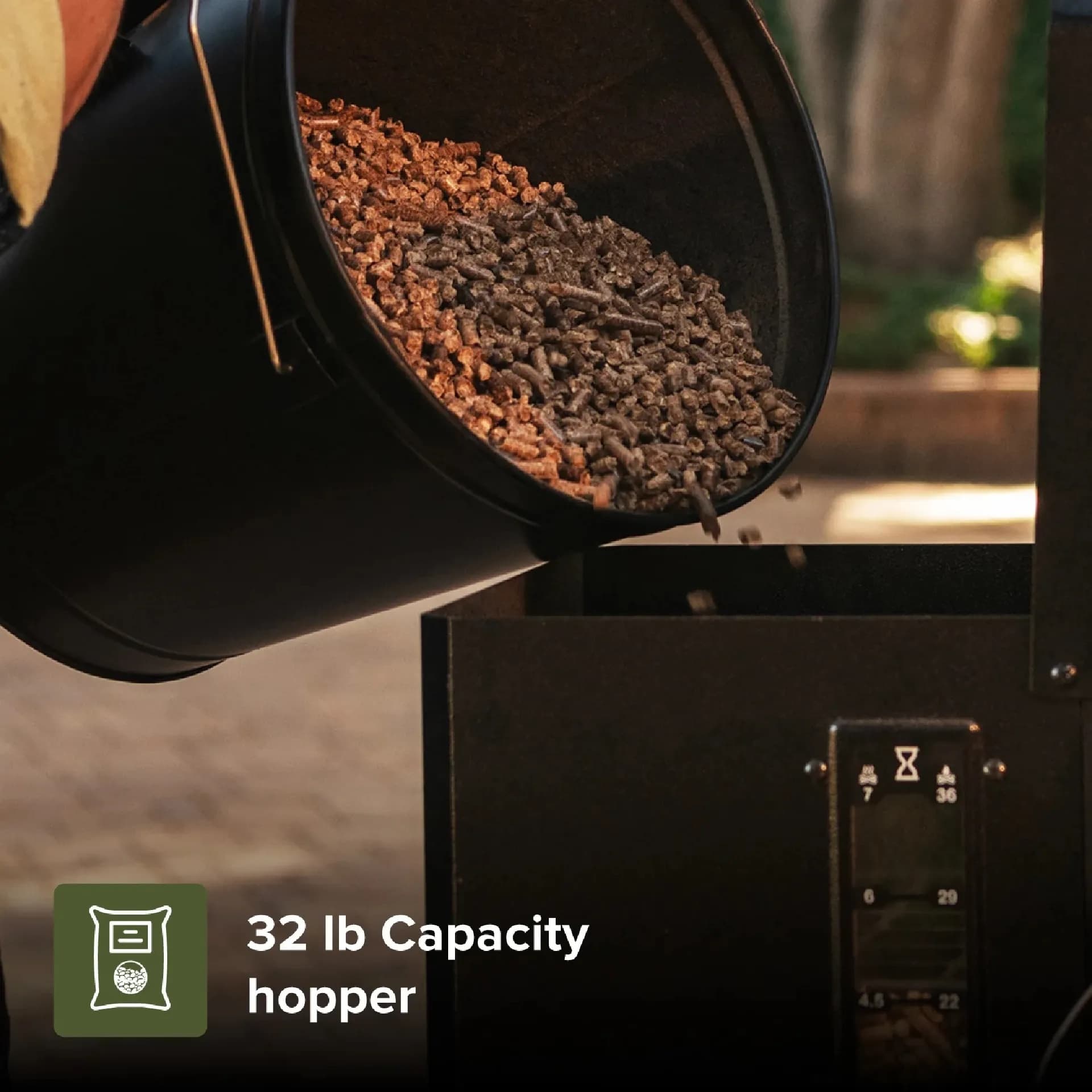
A second habit is to match the hopper fill and pellet type to the cook. For a long brisket session or an all-day pork shoulder, it is better to start with a full hopper of dry pellets than to top off a nearly empty hopper in the middle of a cook with a questionable bag. Keep pellets sealed and elevated off concrete or damp deck surfaces. In many United States climates, garage humidity and seasonal moisture changes are enough to degrade pellet quality over time. A cheap storage bin can be the difference between smooth temperature management and repeated fire struggles.
It also helps to cook in zones, even on a pellet grill. If your model gives you a hot spot near the fire pot and a cooler zone farther away, use that layout intentionally. Put thicker cuts where heat is gentler and move smaller items into the stronger zone when you need color or a faster finish. That approach reduces the urge to keep adjusting the controller when the real solution is smarter food placement.
Tip: make one change at a time. If you adjust pellets, clean the fire pot, and change cooking position all at once, you will not know which variable actually improved temperature stability.
A simple maintenance rhythm goes a long way. Empty loose ash before longer cooks, inspect the burn area after heavy smoke sessions, and confirm that the fan intake and exhaust path are unobstructed. If the grill has been exposed to rain or heavy dew, inspect pellets before lighting. Even a small amount of moisture at the bottom of the hopper can create feed irregularities that look like controller problems. For owners who want dependable weekend performance, that five-minute preparation often matters more than chasing a more advanced setting.
Try comparing two products side by side below to see which fits best:
Once you've compared two pellet grill options side by side, the next question is how to make the one you own behave more predictably in real-world cooking. Advanced temperature stability is less about chasing a perfect number and more about controlling the variables that create drift. That includes airflow management, pellet feeding habits, load size, and even the way heat behaves inside the cooking chamber. Experienced pellet grill users know that “steady enough” is often the practical goal, especially when the grill is being used for ribs, pork shoulder, chicken pieces, or mixed meal prep for a crowd.
One of the most effective advanced habits is learning how your grill responds after recovery events. A recovery event is any time the grill must rebuild heat after you open the lid, add cold food, or move food around. Some controllers recover quickly but overshoot a little before settling. Others recover slowly but hold a flatter curve once they arrive. The difference matters because it changes how you stage the cook. If your grill tends to overshoot, set the chamber a little lower before a large meat load goes on. If it tends to recover slowly, give it a few extra minutes before the next step instead of forcing the issue. The more you cook on the same unit, the more you learn its personality.
Another technique is to use thermal mass to your advantage. A cast-iron skillet, a water pan, or even a well-loaded cooking chamber can reduce temperature spikes because the extra mass absorbs and releases heat more gradually. That does not mean every cook needs extra accessories; it means you can intentionally dampen swings when the weather is unstable or the recipe is especially sensitive. For example, if you are smoking a delicate cut on a windy day in the Midwest or Northeast, the added thermal buffer can help the controller avoid constant hunting. On the other hand, if you are trying to crisp poultry skin, too much thermal buffering can slow the finish, so you would use the method more selectively.
Info: temperature stability is usually improved more by reducing disturbance than by making repeated controller adjustments. Let the grill settle before you intervene.
Food load also changes the thermal equation more than many owners expect. A single brisket can pull a chamber down far more than a pair of chicken thighs because the colder and denser the food, the more heat it absorbs at the start. If you are cooking several items at once, place them in the chamber with the most even heat exposure and avoid crowding the grate. Crowding blocks air circulation, creates shielding effects between food pieces, and can cause the controller to chase a temperature that the chamber cannot distribute evenly. In practical terms, a more open layout is often better than a full grate when temperature consistency matters more than absolute capacity.
If a pellet grill continues to swing widely even after basic cleaning and pellet checks, it is time to troubleshoot the system in a more structured way. Start with the fire pot and ash path, because incomplete ignition and restricted airflow are the most common mechanical causes. Remove built-up ash, check for pellet fragments that may be restricting the burn pot opening, and verify that the airflow path is clear. A grill that cannot breathe properly cannot maintain a clean burn, and a dirty burn makes temperature control look unreliable even when the controller is functioning as designed.
Then check the fuel itself. Swap in a fresh bag of pellets from a dry indoor storage area and compare the behavior. If the problem improves immediately, the old pellets were likely the issue. If the grill still struggles, inspect the probe area and the general interior of the cook chamber for grease buildup or residue that may be insulating sensors. A temperature probe that is coated with grease or soot may report a value that does not represent the actual chamber conditions. Cleaning the sensor gently can restore more trustworthy readings without changing any parts.
If the grill still does not stabilize, test with a simpler cook. A short, unloaded run at a single temperature can reveal whether the issue happens only under heavy food load or even when the grill is empty. That distinction is extremely useful. If the grill behaves well empty but poorly under load, the system may be responding correctly and simply being pushed by food mass, cold ambient conditions, or repeated lid openings. If it behaves poorly even when empty, there may be a deeper problem with the auger feed, fan performance, or sensor accuracy that deserves professional service or parts replacement through the manufacturer’s support channels. Nexgrill’s Contact page exists for exactly this kind of ownership support when you need product-specific help.
Warning: avoid making several mechanical changes at once during troubleshooting. Replacing pellets, moving the grill, and adjusting the controller together can hide the real source of the temperature problem.
One underrated troubleshooting method is to write down what the grill was doing before the issue started. Did it begin after a rainfall? After using a different pellet flavor? After a deep cleaning? After moving the grill to a new patio corner where wind hits harder? Those details often reveal the cause faster than repeated resets. In many cases, persistent temperature instability is not a mystery defect; it is a repeatable environmental or maintenance pattern. The more precisely you describe the symptom, the easier it is to isolate the fix.
Seasonal change affects pellet grill behavior more than many first-time owners realize. In colder months, especially in parts of the United States where overnight temperatures drop sharply, the grill body loses heat faster and the controller must work harder to maintain the setpoint. That means longer preheats, more noticeable recovery lag, and sometimes higher pellet consumption than you would see in mild weather. The solution is not to abandon the grill in winter, but to anticipate the conditions. Preheating a little longer, keeping the hopper dry, and positioning the grill out of direct wind exposure all help the system stay in its normal operating range.
Summer presents different challenges. On hot days, the grill may climb quickly during startup and can overshoot if you move food on and off the grate repeatedly. Direct sun can also warm the exterior metal enough to reduce the controller’s need for fuel, which may sound good until you open the lid and the chamber loses heat faster than expected. That is why a summer cook often benefits from gentle, deliberate temperature management rather than frequent adjustments. If a pellet grill is already near its target and the weather is warm, small changes can have a larger-than-expected impact.
Rain, humidity, and shoulder seasons deserve attention too. Spring and fall can be the trickiest because the air may be cool in the morning, damp by afternoon, and windy enough to shift conditions repeatedly across the same cook. A cover, dry pellet storage, and a sheltered placement on the patio can make those months much easier. Nexgrill’s Oakford brand materials emphasize bright, realistic, and authentic outdoor cooking experiences, which fits the practical reality here: the grill should invite more cooking, not add friction to it.
The most dependable pellet grill owners treat temperature control as a repeatable routine instead of an occasional rescue operation. They store pellets properly, clean the burn pot before it matters, avoid overfilling the grate, and respect the weather. That mindset turns temperature stability into a skill rather than a lucky outcome. If you want the most consistent results, the goal is to make the grill’s job easier in every season: give it dry fuel, clear airflow, enough preheat time, and fewer unnecessary interruptions. Do that well, and pellet cooking becomes far more predictable for both casual weeknight meals and longer smoke sessions.
Here's what sets us apart
We position ourselves as delivering high-end outdoor cooking features and performance without premium-brand pricing, emphasizing “Quality Grills. Unbelievable Value.”
We offer gas grills, pellet grills, griddles, smokers, pizza ovens, portable/tabletop grills, electric grills, accessories, and replacement parts — allowing customers to stay within one ecosystem for all outdoor cooking needs.
We differentiate ourselves through smart grilling products like the Oakford smart pellet grill, including app-connected cooking controls and modern outdoor cooking technology.
Don't just take our word for it
Keep reading
From our catalog