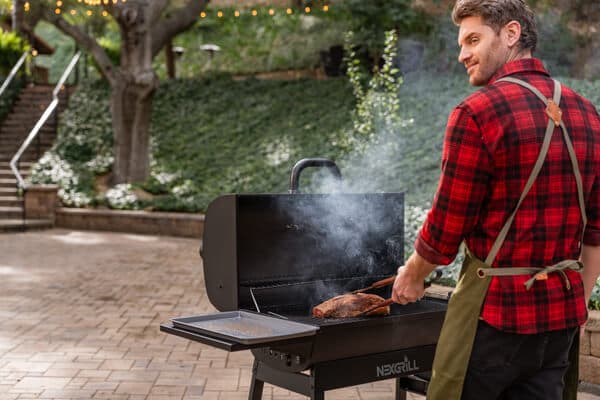
Explore the best techniques for preparing healthy meals outdoors, from grilling to steaming.
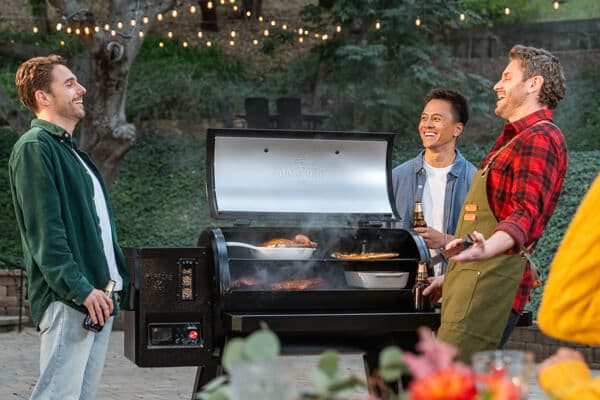
Here's what sets us apart from the competition
We position ourselves as delivering high-end outdoor cooking features and performance without premium-brand pricing, emphasizing “Quality Grills. Unbelievable Value.”
We offer gas grills, pellet grills, griddles, smokers, pizza ovens, portable/tabletop grills, electric grills, accessories, and replacement parts — allowing customers to stay within one ecosystem for all outdoor cooking needs.
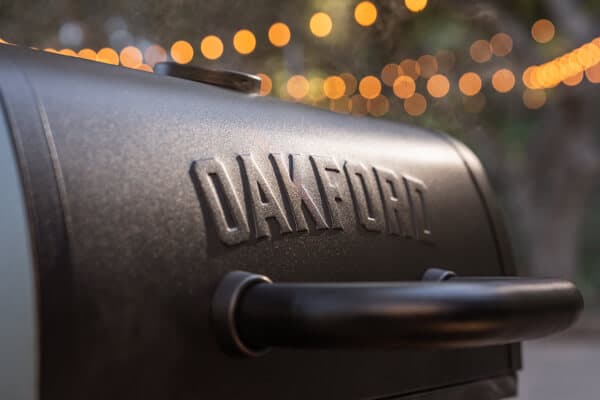
We differentiate ourselves through smart grilling products like the Oakford smart pellet grill, including app-connected cooking controls and modern outdoor cooking technology.
Expert tips, buying guides, comparisons, and inspiration for choosing and getting the most out of your grill.
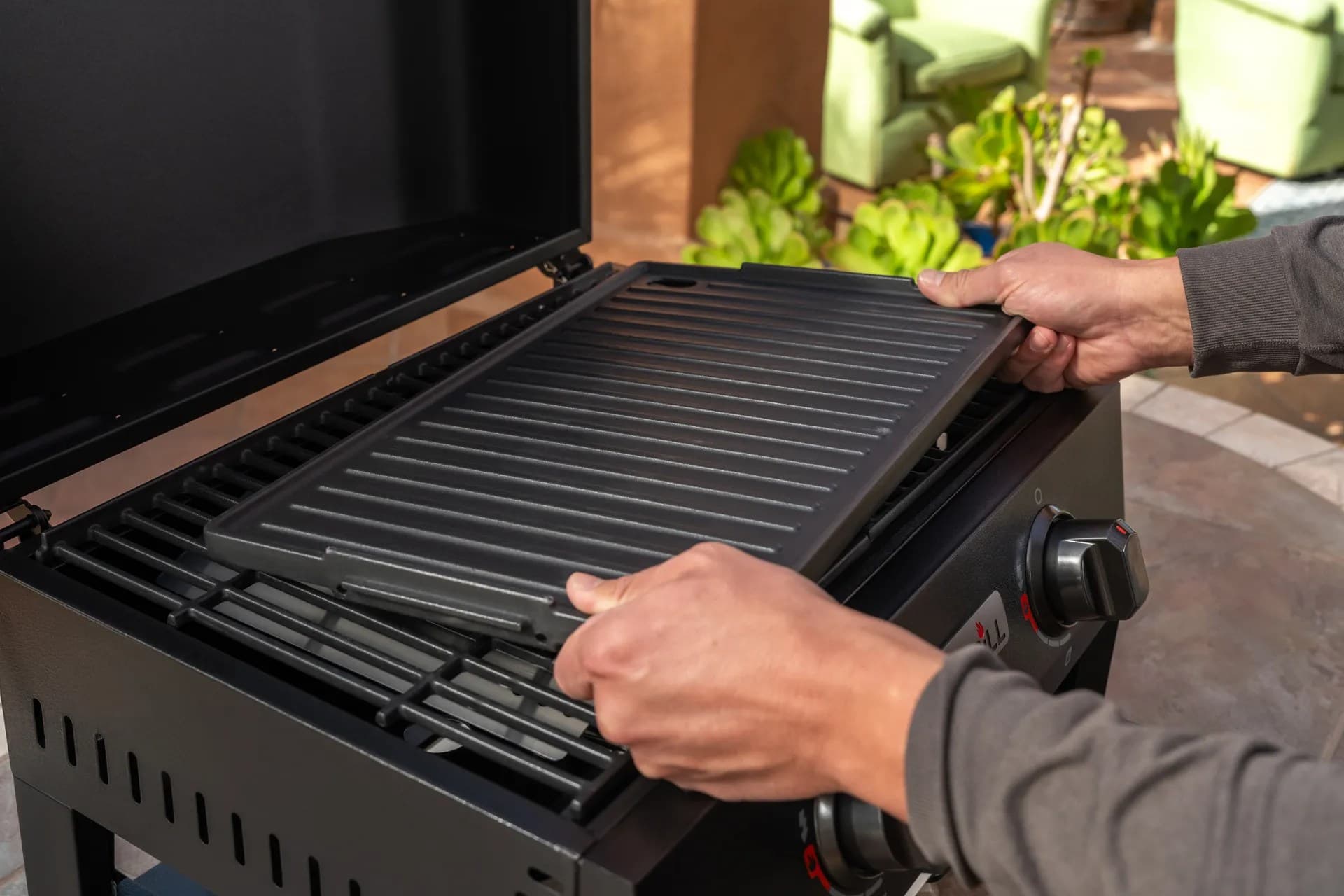
Practical guides for cleaning, maintenance, common grill issues, and performance optimization.
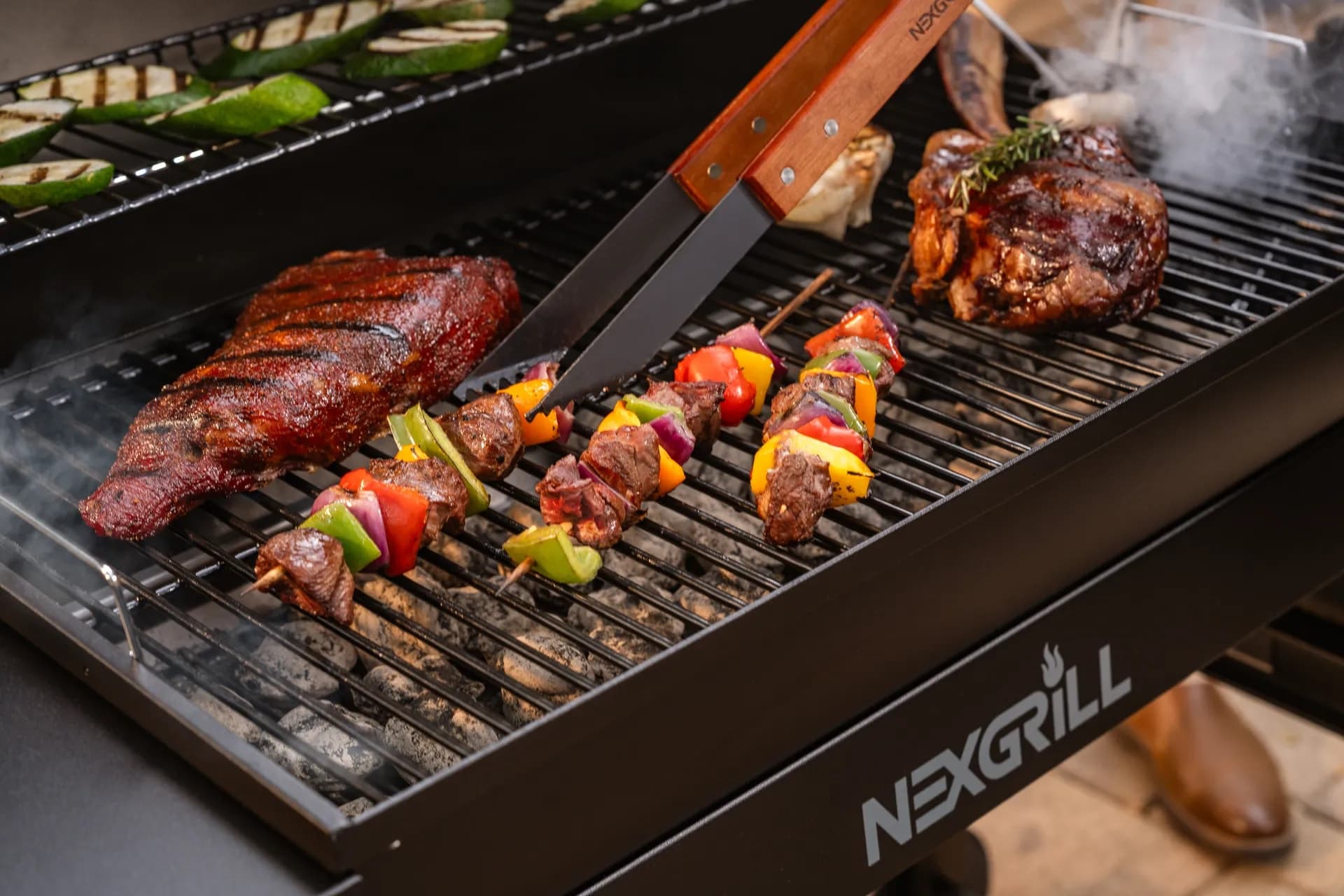
Step-by-step grilling recipes, cooking techniques, and meal ideas for every occasion and skill level.
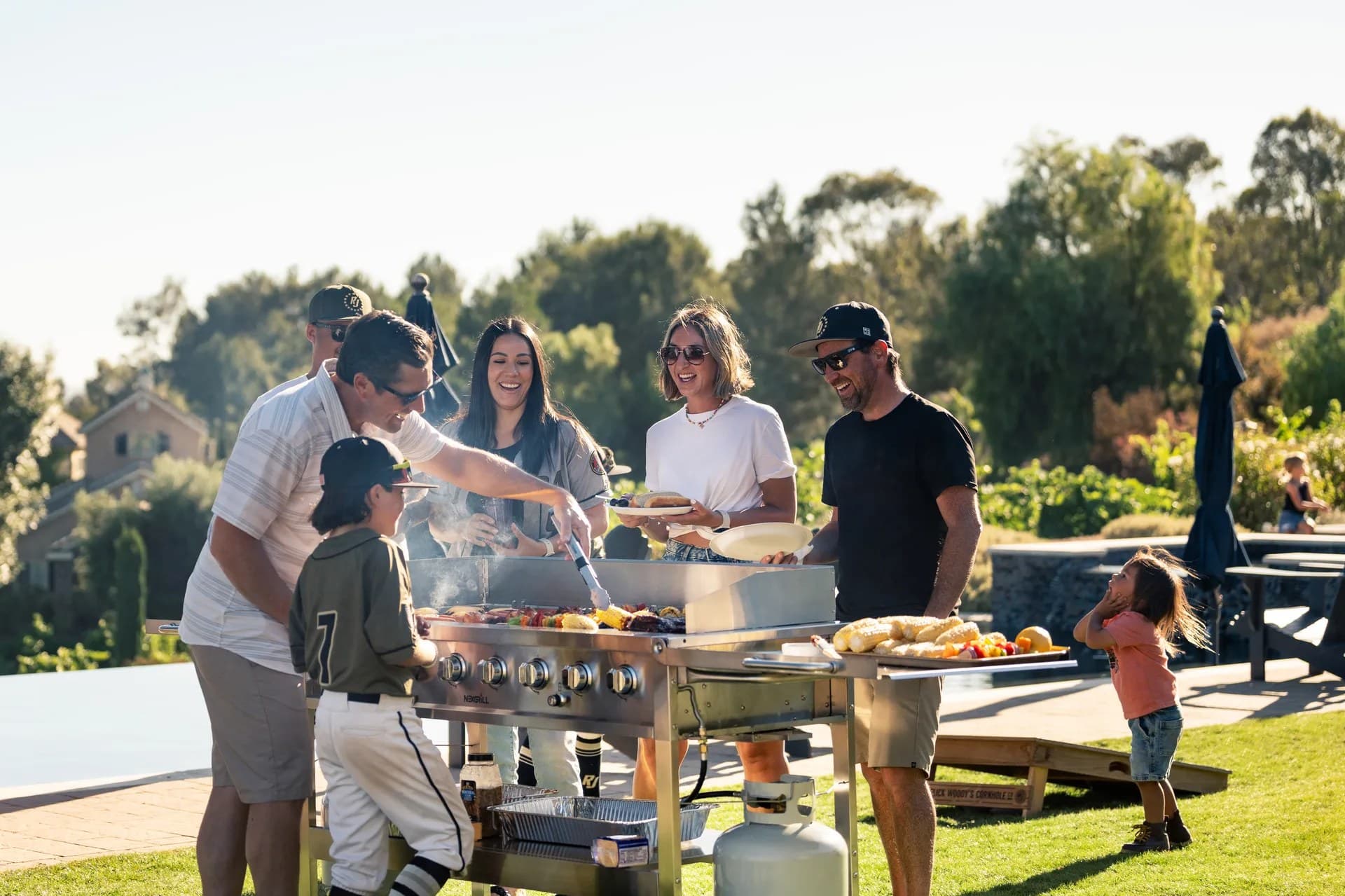
Backyard entertaining ideas, seasonal grilling inspiration, and stories that celebrate outdoor cooking culture.
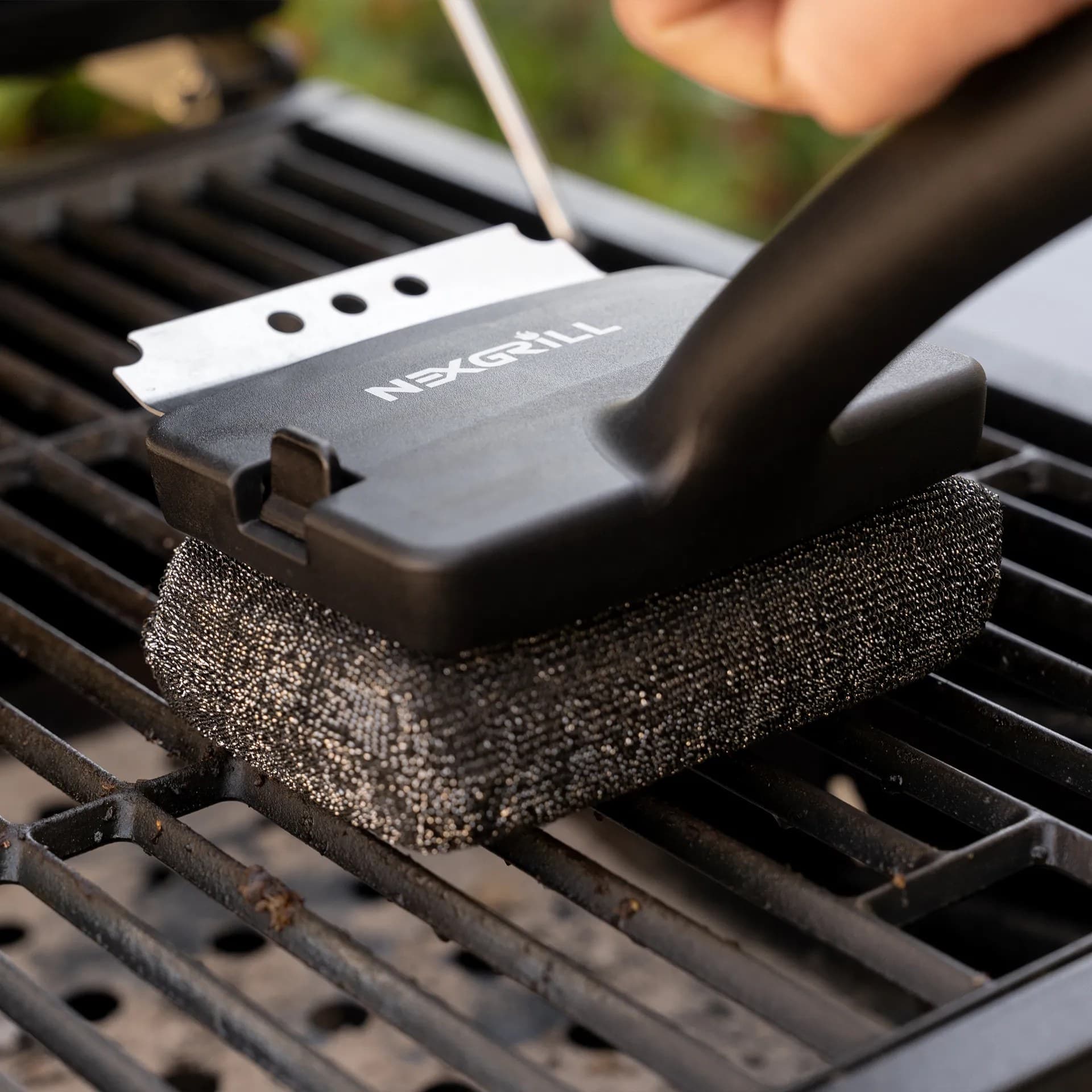
Helpful articles covering grilling tools, cookware, maintenance gear, and must-have accessories for outdoor cooking.
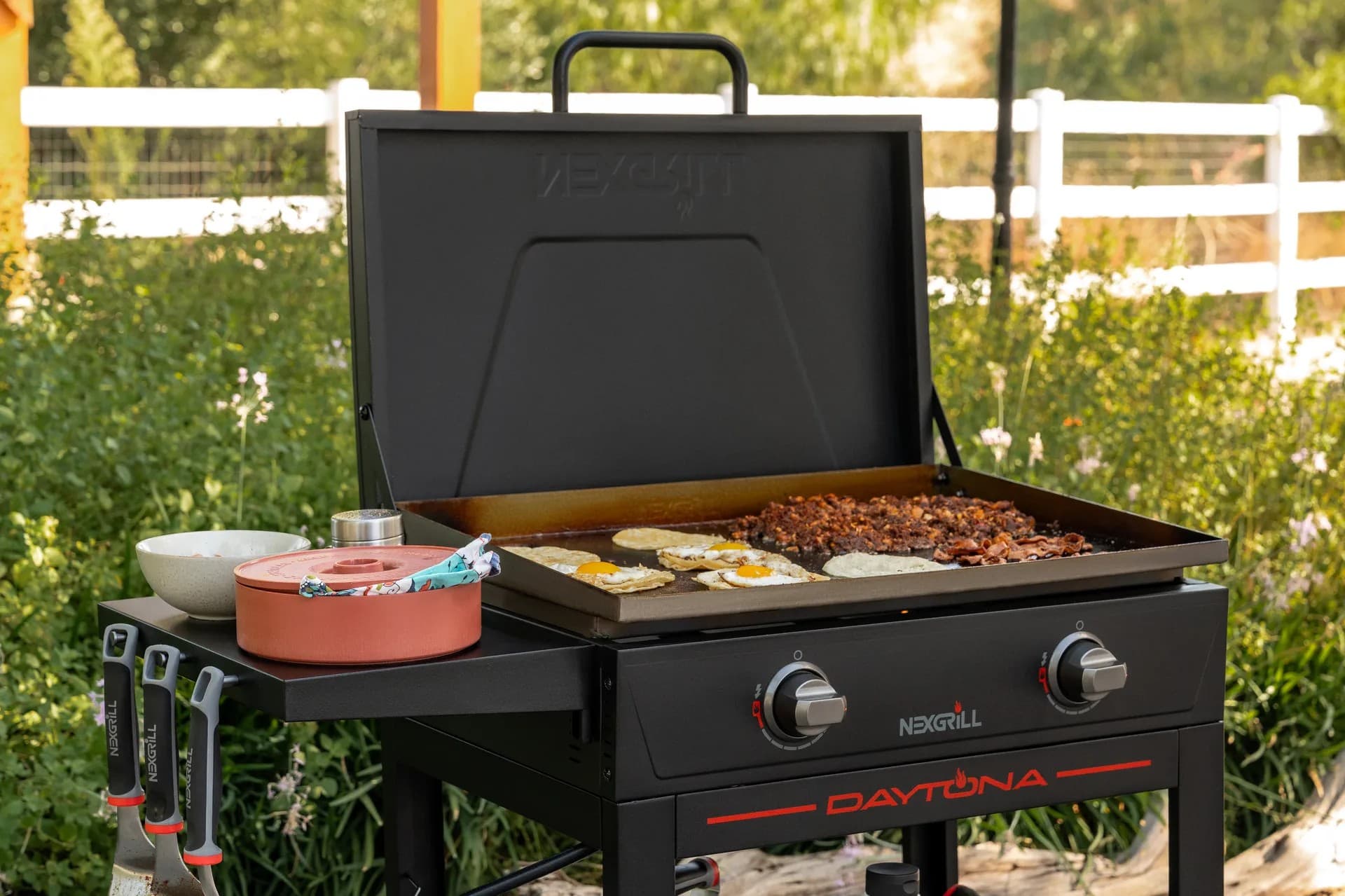
Find griddle recipes, cooking techniques, cleaning tips, and outdoor meal ideas designed for Nexgrill griddles.
Find answers to common questions
Nexgrill offers a variety of grills including gas, charcoal, and pellet grills, catering to different cooking preferences and styles.
Nexgrill is headquartered in California and serves a global market, primarily through retail partnerships such as Home Depot.
Yes, replacement parts are available for various Nexgrill products, and you can find them on the Nexgrill website or through authorized retail partners.
You can reach out to Nexgrill for support through their contact page on the website, where you will find options for phone and email inquiries.
Nexgrill products come with specific warranty terms, which can vary by product; it is recommended to check the warranty details on the product page or in the user manual.
In This Article
Grilling
Steaming
Roasting
When people ask what is the healthy way to cook outside, the best answer is not a single technique but a set of habits that reduce added fat, preserve nutrients, and keep food safe. Outdoor cooking can be very healthy when it centers on lean proteins, vegetables, controlled heat, and smart prep work. That means choosing methods that let excess fat drip away, using moisture to protect delicate foods, and avoiding the heavy charring that can happen when heat is too aggressive or food is left over the flame too long.
Healthy outdoor cooking is also about what you cook, not just how you cook it. A grilled chicken breast with peppers and zucchini is a very different meal from highly processed sausages and sugary glazes. The outdoor setting can support lighter meals because it naturally invites simple ingredients: fresh produce, herbs, citrus, fish, poultry, and smaller portions of rich foods balanced with larger portions of vegetables. In that sense, cooking outside can be a practical way to make healthier meals feel more satisfying, not less.
Core methods that support healthier outdoor meals: grilling, steaming, and roasting
For Nexgrill readers, the healthiest approach is usually the one that fits the meal and keeps the process simple enough to repeat. If you want to make a weeknight dinner without extra grease, grilling a salmon fillet or chicken thighs with vegetables can be efficient and flavorful. If you are cooking delicate foods like asparagus, corn, or shrimp, steaming can preserve texture and reduce the need for butter-heavy finishing sauces. If you want a steady, low-fuss method for a mixed tray of vegetables and lean meat, roasting outdoors gives you even cooking with very little added oil.
Healthy outdoor cooking starts before the heat turns on: trim visible fat, pre-season with herbs, and plan portions so vegetables take up more of the plate.
Grilling is often considered the healthiest way to cook outside because it uses direct heat and allows fat to drip away from meats. That small detail matters: when fat renders and falls away, the finished food can contain fewer calories than pan-fried or heavily sauced alternatives. Grilling also works well for vegetables because the dry heat concentrates natural sweetness without needing much oil. For example, bell peppers, mushrooms, onions, eggplant, and zucchini all develop more flavor on the grill with only a light brush of olive oil.
To keep grilling on the healthier side, start with lean cuts and modest portions. Skinless chicken breast, turkey burgers, sirloin, flank steak, salmon, and shrimp are all practical outdoor choices. The goal is not to eliminate fat entirely but to choose cuts that do not need much trimming or added fat to taste good. A marinade based on citrus juice, vinegar, garlic, and herbs can build flavor without adding many calories, and it can also help keep food moist so you do not feel tempted to rely on heavy sauces.
| Grilling choice | Health advantage | Best use outdoors |
|---|---|---|
| Skinless chicken breast | Lean protein with minimal saturated fat | Quick dinners and meal prep |
| Salmon fillet | Rich in healthy fats and cooks quickly | Simple, high-protein meals |
| Vegetable skewers | High fiber, low calorie, low added fat | Side dishes and plant-forward plates |
Avoid letting food blacken heavily over open flame. Moderate browning is fine, but thick charring is not the same as good sear.
Steaming is the most understated outdoor cooking method, but it is one of the best for preserving nutrients, especially in vegetables. Because steaming uses moist heat rather than direct dry heat, it helps limit the loss of water-soluble vitamins that can leach out during more aggressive cooking methods. For outdoor meals, this makes steaming especially useful when you want vegetables to stay bright, crisp-tender, and naturally flavored. Broccoli, green beans, carrots, shellfish, and corn are all strong candidates.
The healthy advantage of steaming is that it requires very little added fat. That means you can season with herbs, lemon, garlic, or a light drizzle of olive oil after cooking instead of relying on butter or creamy sauces. It also lets the ingredients speak for themselves, which is helpful if you are trying to keep sodium under control. For households that want lighter meals without sacrificing satisfaction, steaming can be the foundation for a balanced plate when paired with grilled protein or roasted vegetables.
A good steaming setup outdoors keeps the lid closed as much as possible so moisture stays trapped and vegetables cook evenly.
Roasting outdoors gives you the consistency of dry heat without the intensity of direct flame. It is a valuable healthy option because it cooks food evenly and can be done with very little oil. Roasting works especially well for vegetables like Brussels sprouts, cauliflower, sweet potatoes, carrots, onions, and squash. It also suits leaner cuts of meat that benefit from slower, more even cooking. When compared with heavier cooking methods, roasting can deliver satisfying texture with far less butter or breading.
The healthiest roasting method is often the simplest. Toss vegetables lightly with olive oil, salt, pepper, and herbs, then let the dry heat do the work. The same approach works with fish and poultry when you want an easy outdoor meal that does not require constant attention. Roasting is especially useful for families because it allows you to cook a full tray of food at once, reducing the need for separate pans, extra fats, and multiple finishing sauces.
| Method | Main health benefit | Most useful for |
|---|---|---|
| Grilling | Fat can drip away from meat | Lean protein and vegetables |
| Steaming | Helps preserve nutrients and moisture | Delicate vegetables and shellfish |
| Roasting | Even cooking with minimal added fat | Sheet-pan style meals outdoors |
Healthy outdoor cooking depends on several small habits that add up. First, choose lean cuts of meat and trim visible fat before the food goes on the heat. Second, build meals around vegetables rather than treating them as a side note. Third, season with herbs, garlic, citrus, pepper, and spice blends before reaching for sugary sauces or heavy rubs. Fourth, manage heat carefully so food cooks through without scorching. These practices improve flavor and nutrition at the same time.
Another useful strategy is to think in color. A healthy outdoor plate often contains green vegetables, orange vegetables, and a protein source with a simple starch if needed. That visual balance usually translates into a better nutrient mix. It also helps with portion control because a plate filled with vegetables naturally leaves less room for oversized servings of richer foods. When you build meals this way, outdoor cooking becomes a practical part of a healthier routine rather than an exception to it.
If you want a healthier finish, swap creamy toppings for salsa, chimichurri, yogurt-based sauces, or fresh herb oil.
Try comparing two products side by side below to see which fits best:
Once you've weighed two options against each other, the next question is how your equipment shapes the healthiness of the meal. The right outdoor setup does not need to be elaborate. It needs to support steady heat, safe cooking, and easy control so you can prepare food without relying on excessive fat or sugar to make it taste good. For most households, the best equipment is the one that matches the method: a grill for direct heat, a steamer insert or covered pot for moist heat, and a roasting setup that can handle even circulation.
If grilling is your main approach, look for a surface that gives you enough space to separate lean proteins from vegetables. That matters because vegetables cook faster than thick cuts of meat, and good spacing helps you avoid overcooking one item while waiting on another. For steaming, the important factor is a tight-fitting lid and enough room for steam to move around the food. For roasting, use cookware that conducts heat evenly so vegetables caramelize rather than steam in their own moisture. In every case, the healthiest setup is the one that makes it easy to cook simply.
Simple equipment often supports healthier choices better than complicated gear, because fewer steps makes it easier to repeat good habits.
A practical example is a summer meal built around grilled chicken, steamed green beans, and roasted sweet potatoes. The grill handles flavor and fat reduction, the steamer keeps the beans bright and nutrient-dense, and the roasting step gives the sweet potatoes a satisfying texture without deep frying. That combination shows how healthy outdoor cooking is really a menu strategy, not just a single tool. People who want lighter meals should think about how each piece of equipment contributes to the full plate rather than focusing on one cooking method alone.
Vegetables deserve the center of the plate in healthy outdoor cooking because they add fiber, color, and volume without excessive calories. Grilling, steaming, and roasting each bring out a different side of produce. Grilling adds smoky sweetness to corn, onions, asparagus, and peppers. Steaming keeps broccoli, carrots, and snap peas crisp and fresh. Roasting transforms cauliflower, zucchini, and mushrooms into deeply flavored components that feel hearty enough to anchor a meal.
A strong outdoor menu usually mixes at least two vegetable textures. For instance, grilled zucchini can sit beside steamed broccoli and a small portion of roasted potatoes. That variety matters because it keeps the meal interesting while improving nutrient diversity. It also helps people feel satisfied with less meat or cheese. If you rely on vegetables as more than garnish, you naturally build a lighter meal without feeling deprived.
| Vegetable | Best healthy method | Why it works |
|---|---|---|
| Asparagus | Grilling or steaming | Stays tender and flavorful |
| Broccoli | Steaming | Helps retain texture and nutrients |
| Cauliflower | Roasting | Develops depth without heavy sauces |
You can also use vegetables to reduce the overall calorie load of a meal without making it feel smaller. Skewers are useful because they let you combine vegetables with lean protein in one serving format. Sheet-style roasting outdoors can do something similar by turning a mixed tray of vegetables into the main event. The healthiest outdoor meals tend to be the ones where vegetables are not treated as an afterthought but as the structure of the plate.
If vegetables are already flavorful from grilling or roasting, resist the urge to add a lot of cheese, cream, or sugary glaze afterward.
Marinating is one of the easiest ways to make outdoor food healthier because it adds flavor without requiring extra calories from butter or heavy sauces. A good marinade can use acid, herbs, spices, and a moderate amount of oil to improve taste and tenderness. Citrus juice, vinegar, garlic, rosemary, thyme, paprika, and black pepper are all strong choices. These ingredients keep the flavor bright and clean, which fits the goal of lighter cooking outside.
There is also a practical health angle to marinating meats before grilling. While no marinade can erase poor cooking habits, seasoning food before it hits high heat can reduce the temptation to char it aggressively just to force flavor. Marinades help maintain moisture, which can be especially useful for lean cuts like chicken breast or pork tenderloin that dry out easily. They also make it easier to keep portions modest because the food tastes satisfying on its own.
Use fresh herbs and citrus for brightness, and keep sweet sauces as a final glaze rather than the main source of flavor.
A simple approach is to use one acid, one herb, one spice, and one small amount of oil. For example, lemon juice, oregano, garlic, and olive oil create a balanced marinade for chicken or vegetables. Lime, cumin, cilantro, and avocado oil work well for shrimp or fish. The goal is to enhance natural ingredients, not disguise them. That mindset keeps outdoor cooking nutrient-focused and easy to repeat.
Safety is part of healthy outdoor cooking because food that is undercooked or poorly handled can make people sick. Always cook meat, poultry, fish, and egg-based dishes to safe internal temperatures using a reliable thermometer rather than judging only by color. This is especially important outdoors, where heat can be uneven and wind can affect cooking times. Clean hands, separate raw and cooked items, and keep cold foods chilled until they are ready to be prepared.
Avoiding char is another key safety consideration. Heavily blackened food is not the goal of healthy cooking, even if a little browning adds flavor. Keep a closer eye on flames and hot spots, rotate food as needed, and move items to cooler zones if they are cooking too quickly. The same principle applies to steaming and roasting: do not overcook vegetables to the point that they lose texture and nutrients, and do not leave cooked food sitting out too long before serving.
| Food type | Why temperature matters | Healthy practice |
|---|---|---|
| Poultry | Needs thorough cooking to stay safe | Use a thermometer and rest before serving |
| Fish | Can overcook quickly outdoors | Cook gently and remove as soon as it flakes |
| Vegetables | Texture and nutrients degrade with overcooking | Aim for crisp-tender or lightly browned |
Food safety is not optional outdoors: safe temperatures, clean utensils, and proper storage matter as much as the cooking method.
The healthy way to cook outside is to choose techniques that protect nutrition while keeping meals satisfying. Grilling works well when you want fat to drip away and flavor to stay bold. Steaming shines when your priority is preserving nutrients and keeping vegetables tender. Roasting offers even cooking and a simple path to balanced trays of food with minimal added fat. None of these methods is automatically healthy on its own; the result depends on the ingredients, portion sizes, and the care you take with heat and seasoning.
If you want a practical outdoor routine, build meals around lean proteins, plenty of vegetables, light marinades, and safe cooking temperatures. That approach fits busy weeknights, relaxed weekends, and family gatherings alike. Healthy outdoor cooking should feel approachable and enjoyable, not restrictive. When you combine the right method with fresh ingredients and careful technique, you get meals that are nutritious, flavorful, and worth repeating all season long.
Here's what sets us apart
We position ourselves as delivering high-end outdoor cooking features and performance without premium-brand pricing, emphasizing “Quality Grills. Unbelievable Value.”
We offer gas grills, pellet grills, griddles, smokers, pizza ovens, portable/tabletop grills, electric grills, accessories, and replacement parts — allowing customers to stay within one ecosystem for all outdoor cooking needs.
We differentiate ourselves through smart grilling products like the Oakford smart pellet grill, including app-connected cooking controls and modern outdoor cooking technology.
Don't just take our word for it
Keep reading
From our catalog