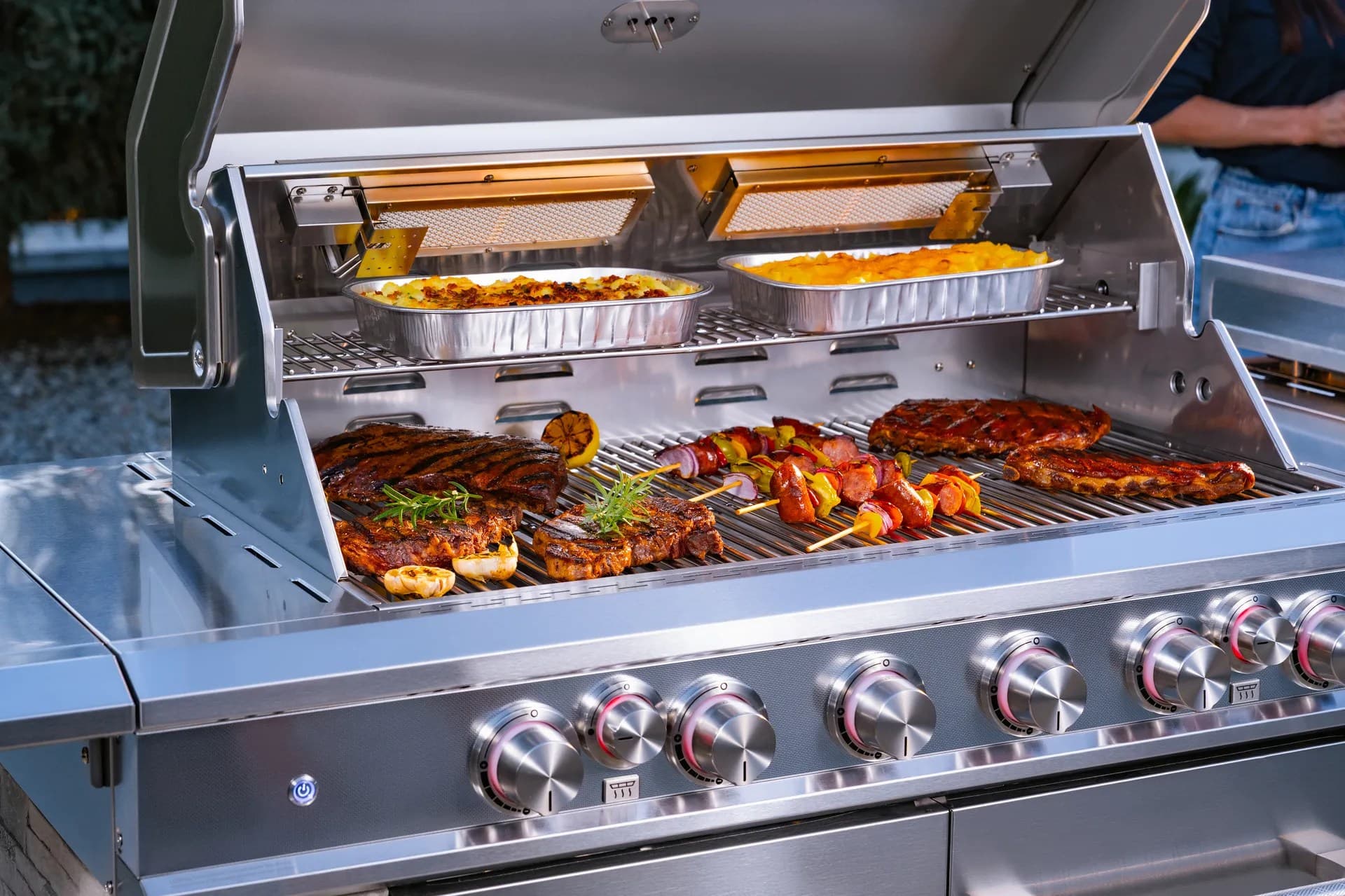
Elevate your grilling skills with insights from seasoned professionals.
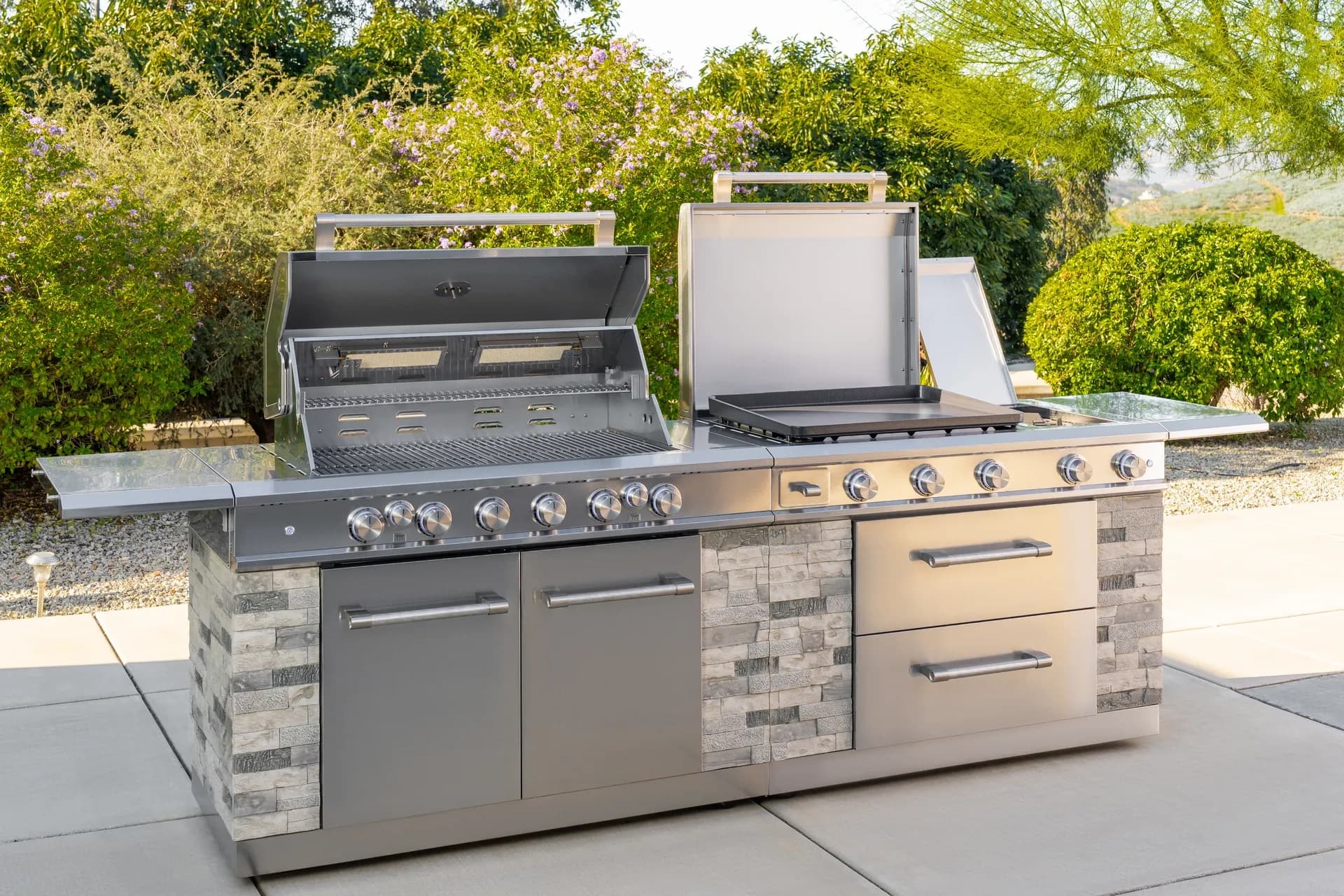
From sizzling breakfasts to smash burgers and teppanyaki-style dinners, the Daytona Pro 5 Burner NitroGuard™ Griddle delivers powerful heat, fast cooking, and a durable cooking surface built for every backyard cookout. Watch how easy outdoor cooking can be.
Here's what sets us apart from the competition
We position ourselves as delivering high-end outdoor cooking features and performance without premium-brand pricing, emphasizing “Quality Grills. Unbelievable Value.”
We offer gas grills, pellet grills, griddles, smokers, pizza ovens, portable/tabletop grills, electric grills, accessories, and replacement parts — allowing customers to stay within one ecosystem for all outdoor cooking needs.
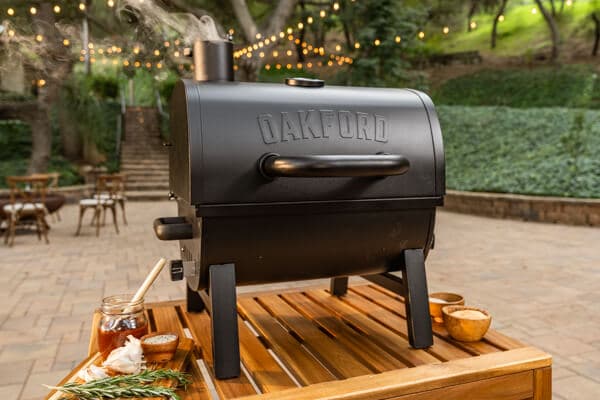
We differentiate ourselves through smart grilling products like the Oakford smart pellet grill, including app-connected cooking controls and modern outdoor cooking technology.
Expert tips, buying guides, comparisons, and inspiration for choosing and getting the most out of your grill.
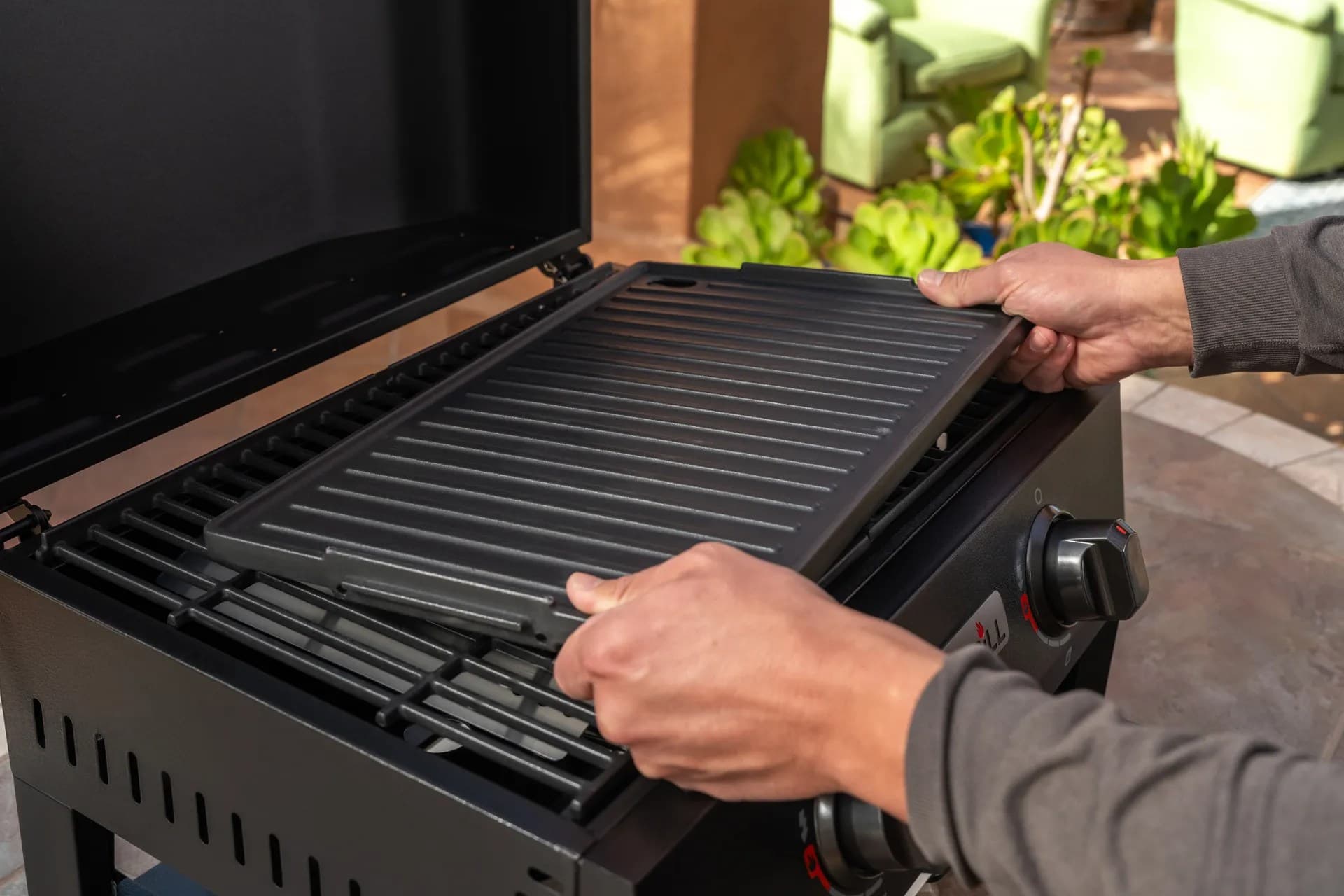
Practical guides for cleaning, maintenance, common grill issues, and performance optimization.
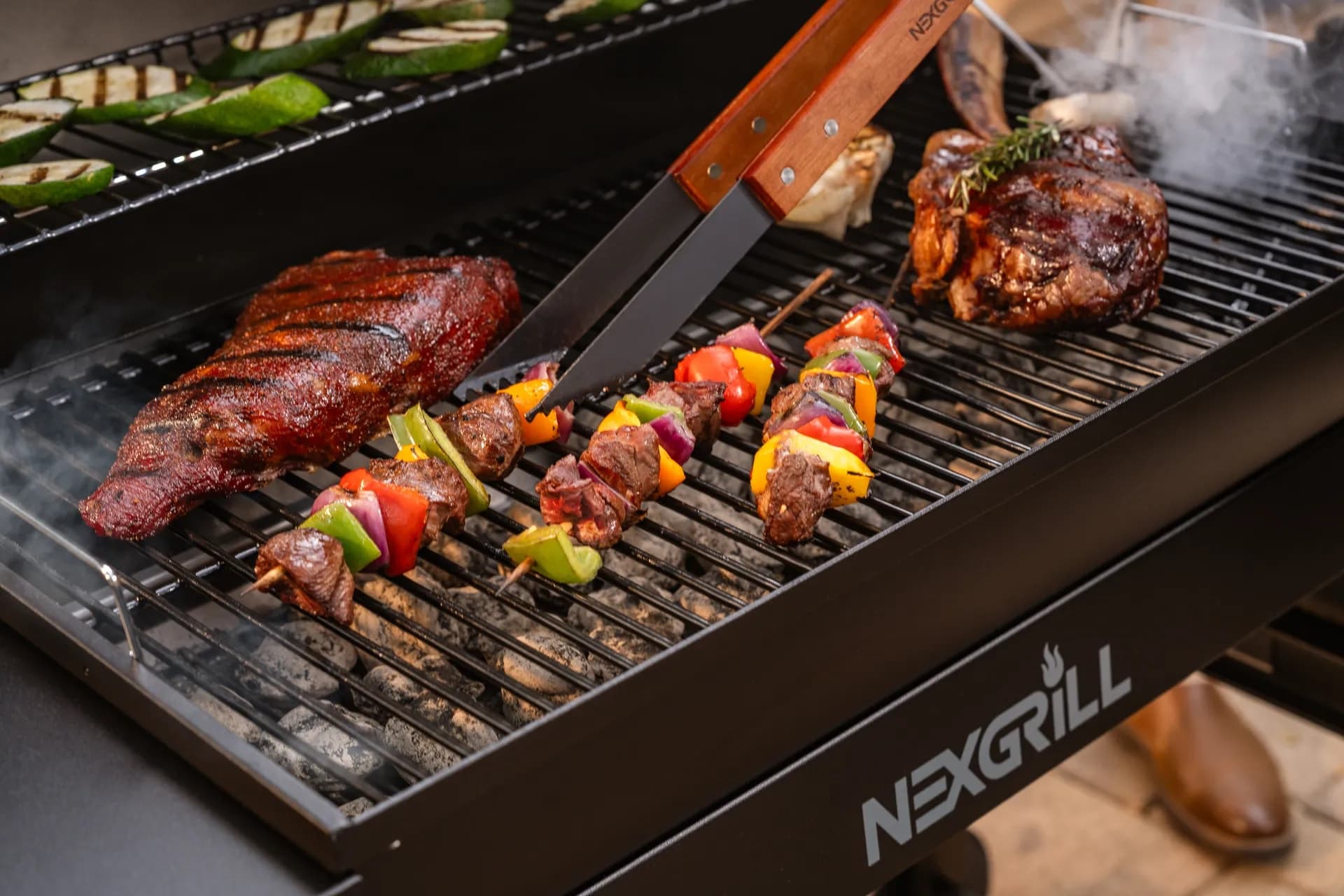
Step-by-step grilling recipes, cooking techniques, and meal ideas for every occasion and skill level.
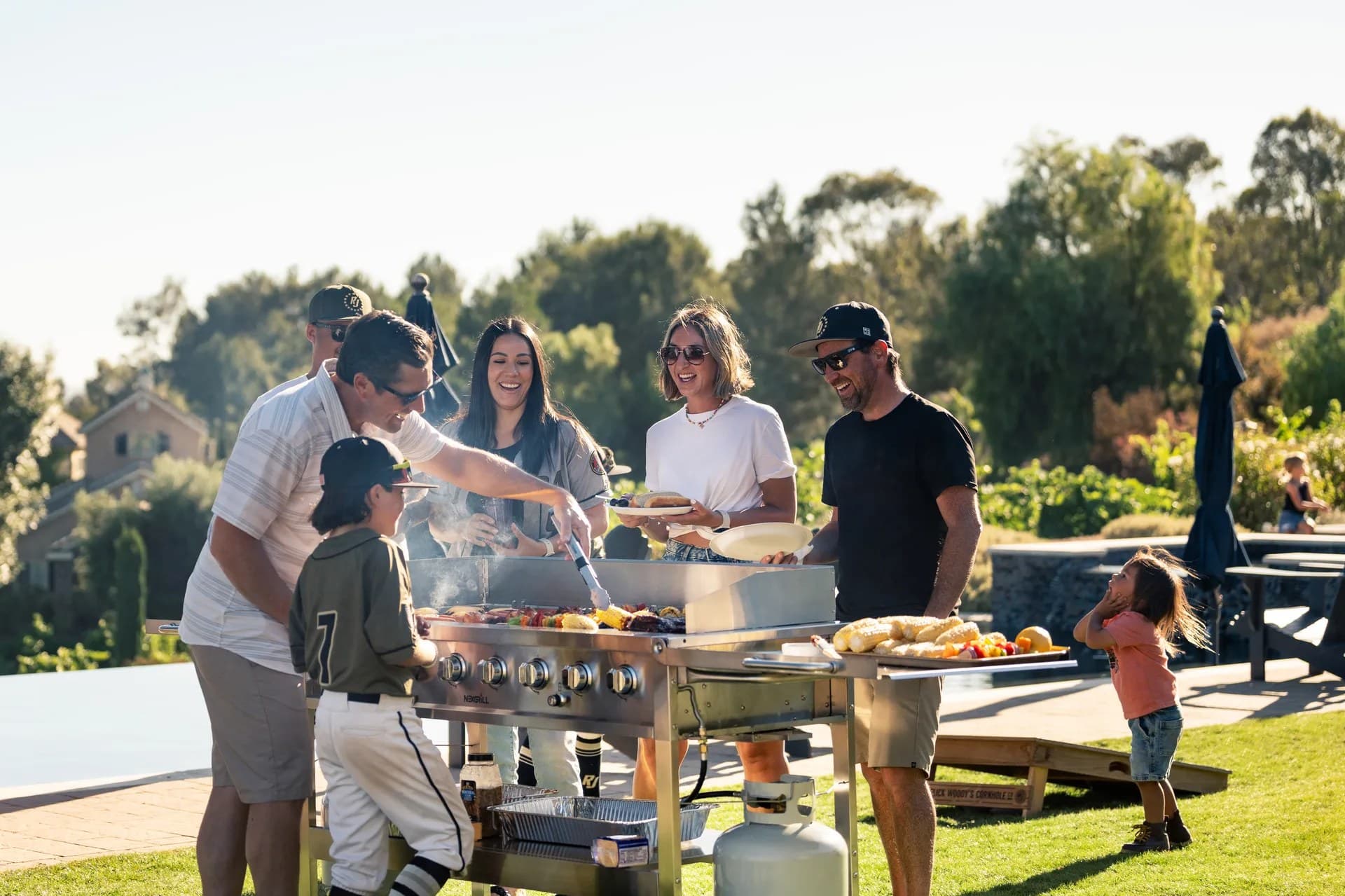
Backyard entertaining ideas, seasonal grilling inspiration, and stories that celebrate outdoor cooking culture.
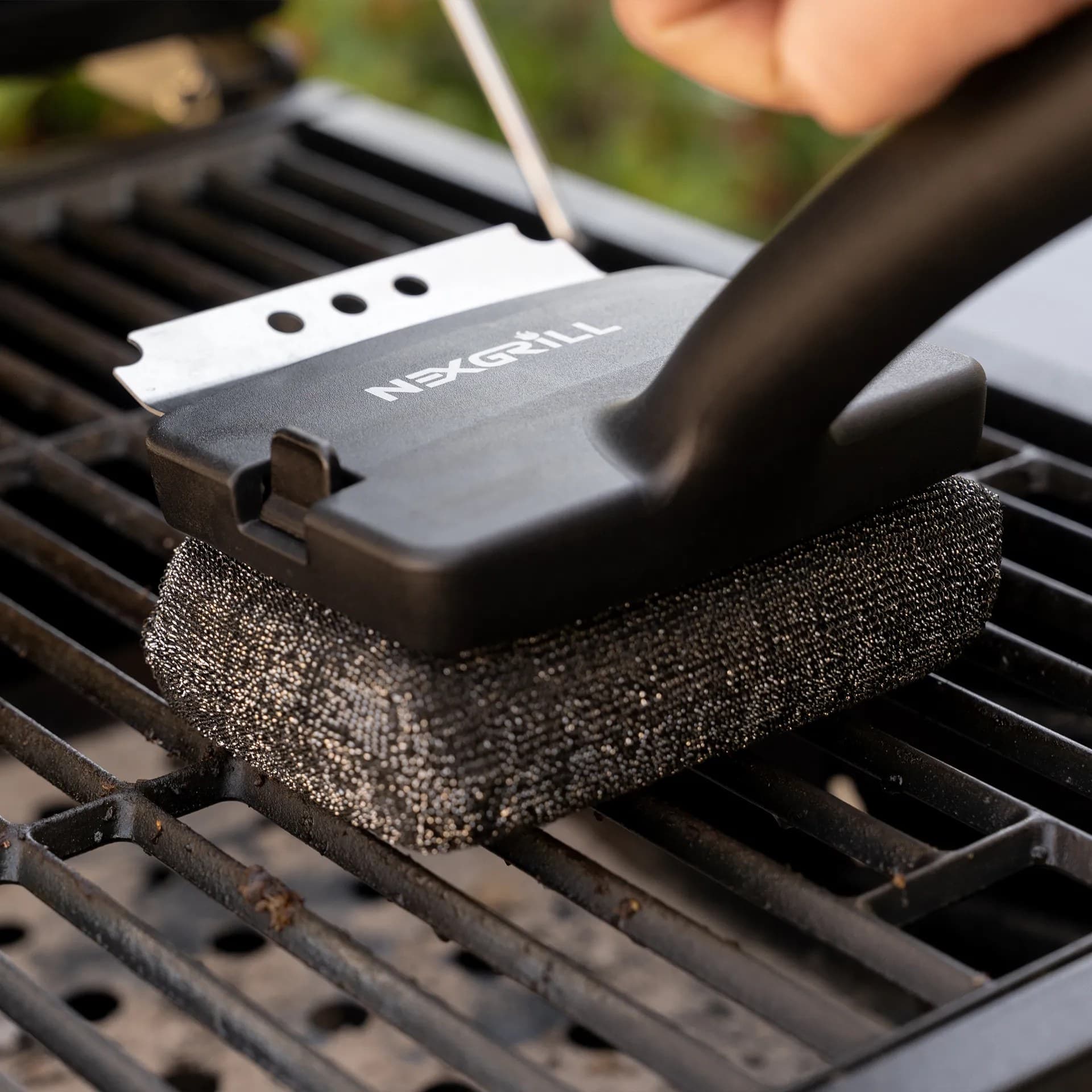
Helpful articles covering grilling tools, cookware, maintenance gear, and must-have accessories for outdoor cooking.
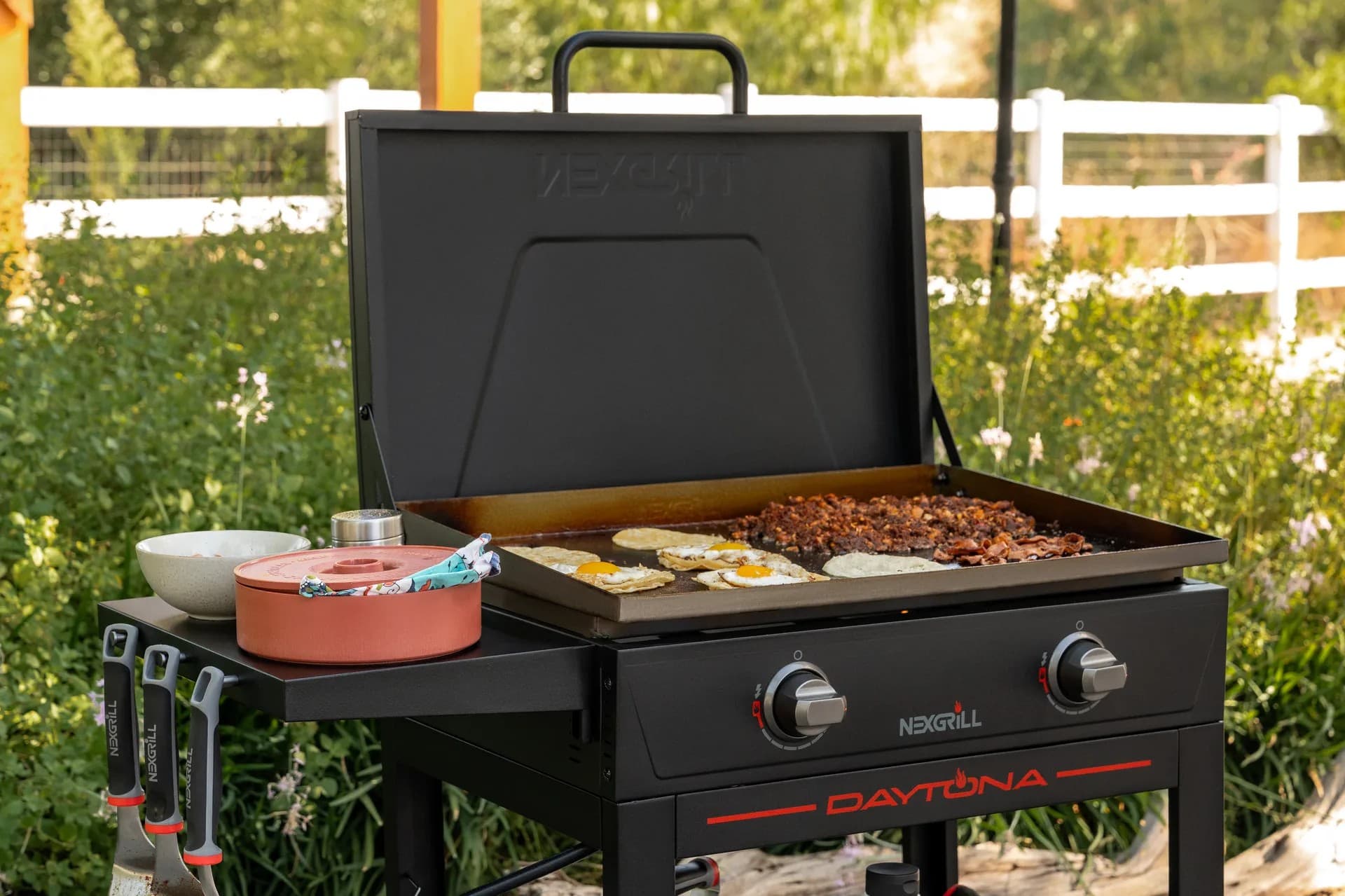
Find griddle recipes, cooking techniques, cleaning tips, and outdoor meal ideas designed for Nexgrill griddles.
Find answers to common questions
Gas grills provide instant heat and precise temperature control, making them easier to use. Charcoal grills offer a smoky flavor and high heat for searing but require more time to heat up and manage.
Pellet grills combine the convenience of gas with the flavor of wood, allowing for smoking, baking, and grilling. Traditional gas grills, however, are quicker to start and often easier to clean.
Charcoal grills typically reach higher temperatures quicker than gas grills, making them better for searing meat. However, high-quality gas grills can also provide adequate heat for effective searing.
Nexgrill offers models designed specifically for gas, charcoal, and pellets, allowing users to choose based on their cooking style and flavor preferences. Each type is built to optimize the characteristics of its respective fuel.
Choosing between gas and charcoal grills depends on your cooking preferences and lifestyle. If you value convenience and quick cooking, a gas grill may suit you better; if you prefer the taste and experience of traditional grilling, a charcoal grill would be ideal.
In This Article
Heat Management
Flavor Enhancement
Safety First
Expert grilling tips are less about memorizing a script and more about learning how heat, food, and timing work together. If you already know how to light a grill, the real leap happens when you start reading the fire instead of fighting it. That means paying attention to temperature zones, food thickness, resting time, and the small details that separate food that is merely cooked from food that tastes deliberately finished. Nexgrill’s brand philosophy is built around that kind of approachable confidence: grilling should feel welcoming, practical, and rewarding for everyone at the table, not reserved for a tiny circle of self-proclaimed experts.
The best advice from seasoned grillers is often surprisingly simple: control the heat, prepare the food properly, and use each part of the cooking surface with intention. Beginners often focus on the flame itself, but experienced cooks think in layers. They ask where direct heat is strongest, where indirect heat can finish a thick cut, and how long a grate should preheat before the first steak ever touches it. That mindset is what turns a busy backyard cookout into a smoother system. It also reflects Nexgrill’s own emphasis on being resourceful, dependable, and approachable in the way people cook and gather around food .
Make every fire do more than just get hot
A practical way to think about expert grilling is to separate the process into four jobs: managing the fire, building flavor, preventing avoidable mistakes, and matching the technique to the food. That sounds basic, but it is exactly where most home grilling falls short. For example, many cooks season too early and then worry about surface moisture; others heat the grill aggressively but never create a true cool zone; many rush the first flip and lose the crust they wanted. The right move is not more force. It is better control.
Heat management is the foundation of expert grilling because it determines texture, color, and doneness long before seasoning does. A hot grill is useful, but a controlled grill is powerful. On a gas grill, that usually means using at least two temperature zones: one side for direct searing and one side for gentler finishing. On a charcoal setup, it means arranging coals so one area runs hotter while another acts as a buffer. On either system, the goal is to avoid cooking every ingredient under the same conditions.
A common mistake is assuming the highest heat is always the best heat. High heat is useful for quick browning on steaks, thin vegetables, and burgers, but it can punish chicken thighs, bone-in cuts, and anything with sugar-heavy glaze. Expert grillers often start with a hotter zone to build color, then move food to a cooler zone to finish without burning the outside. That two-stage approach is especially useful when cooking a mixed menu, because it lets one grill handle different foods without forcing all of them to finish at the same pace.
Another overlooked detail is preheating long enough to stabilize the grates. If the metal is only warm, food is more likely to stick and the sear will be weak. A properly preheated grate helps proteins release more cleanly and gives vegetables better caramelization. You do not need to guess blindly; use the lid, watch the thermometer if your grill has one, and let the surface come up to a steady state before cooking. In practice, that often means planning a few extra minutes before dinner rather than trying to rush the first round of food.
Info: Think in zones, not just temperature. One hot area and one gentler area will solve more grilling problems than changing the burner setting every minute.
To keep heat management useful in real life, cook by food thickness. Thin asparagus, sliced zucchini, and shrimp need fast heat and close attention. Thick pork chops, bone-in chicken, and whole fish benefit from a sear first and a softer finish. If your grill allows it, keep the lid closed when you want more even ambient heat and open it when you need to tame flare-ups or speed-check a quick sear. Closing the lid is not just about speed; it helps the fire behave more like an oven, which is ideal for larger or more delicate cuts.
Flavor building starts before the food ever reaches the grate. Marinades and dry rubs work differently, and expert grillers use them for different reasons. A marinade is best when you want surface flavor, moisture support, and aromatic notes from ingredients like citrus, vinegar, soy sauce, oil, garlic, herbs, or spices. A rub is best when you want a drier exterior that can form a crust and concentrate seasoning. If you use both, the order matters: pat the food dry after marinating before applying a rub if you want better browning.
One of the most common overcorrections is letting food sit too long in an aggressive marinade. Acidic marinades are helpful, but too much acid for too long can make the surface mushy, especially on seafood or thin chicken pieces. Strong dry rubs can also backfire if they are overloaded with sugar, because sugar can char quickly over direct heat. Expert grillers balance these elements by matching the seasoning to the cooking method. Slow indirect heat can handle a sweeter rub. High direct heat usually calls for a more restrained blend with less sugar and more salt, pepper, and aromatics.
If you want better flavor without overcomplicating the process, start by seasoning in stages. Salt the meat ahead of time if appropriate, then add the rest of the spice mix shortly before grilling. For vegetables, oil lightly first so the seasoning adheres, but do not drown them in oil or you will lose surface browning. For seafood, keep the seasoning simple enough to let the food itself stay central. Expert-level flavor is often about restraint: letting the heat create the final flavor, instead of trying to force everything through one heavy sauce.
Nexgrill’s brand voice emphasizes creativity and togetherness, which fits this part of grilling well: the best meals are often built from small, confident choices rather than complicated recipes . That is why a good rub, a smart marinade, and a clean hot grate can outperform a long ingredient list. Use one flavor idea and execute it well. If you want smoke, add wood thoughtfully. If you want brightness, finish with herbs or citrus after cooking. Flavor is strongest when it has contrast.
Safety is not a separate topic from expert grilling; it is part of the technique. A controlled grill is a safer grill because it reduces the need for hurried adjustments, sudden lid lifts, and unnecessary flare-ups. Start by placing the grill in a stable, open area with enough clearance around it. Keep tools, mitts, and platters ready before the first piece of food goes on, because scrambling for a tray while food is burning is where many problems begin. Safety is mostly about preparation .
For gas grilling, inspect connections before cooking and make sure the fuel path is secure. If something smells wrong or behaves inconsistently, stop and investigate before continuing. For charcoal grilling, let the charcoal fully ash over before cooking so the heat is predictable instead of erratic. In both cases, be careful when adding new fuel or moving food over active flame. Expert grillers respect fire as a tool, not a background detail. That attitude makes outdoor cooking calmer and more reliable.
Warning: Never use extra lighter fluid on live coals or try to “fix” flare-ups with a rushed splash. Back up, reduce fuel exposure, and regain control first.
Food safety matters too. Keep raw and cooked foods separate, especially when building a larger spread. Use one tray for raw items and another for finished food so juices do not cross over. If you are grilling for a group, assign a place for rested meat to sit before serving. That small system keeps the workflow cleaner and lowers the chance of confusion when several dishes finish at once. In a busy backyard setting, the cook who stays organized usually serves food that tastes better and arrives safer.
Advanced grilling is really the art of combining patience with timing. One of the most useful techniques is reverse searing, which works well for thicker cuts because it lets the interior come up gently before the final crust forms. Another is using indirect heat for items that need more than a quick sear but still benefit from a grilled finish. The purpose of both methods is the same: give the food a better path to doneness instead of trying to force it there in one blast.
Resting is another expert habit that changes results dramatically. A steak or chop pulled too soon and sliced immediately can lose juices that would otherwise redistribute. Resting is not waiting for the sake of waiting; it is the final stage of cooking. The same logic applies to vegetables and seafood, though the timing is shorter. If you want better texture, plan for the carryover heat that happens after food comes off the grill. Pulling food a little early is often smarter than waiting until the exact second your target temperature appears.
A final advanced move is learning how to manage the lid as part of the cook, not just as a cover. Open-lid cooking gives you more direct control for delicate or fast-moving items, while closed-lid cooking creates an environment that behaves more evenly and helps finish thicker foods. Expert grillers use both modes within the same cook. They also know when to rotate food for visual balance, when to leave it alone for better browning, and when to use a clean grill surface versus a slightly seasoned one for more nonstick performance.
If you keep the fire organized, the seasoning intentional, and the workflow calm, you will already be cooking like someone with far more experience. Try comparing two products side by side below to see which fits best:
Once you have compared two options side by side, the next step is deciding whether your equipment actually supports the way you cook. Expert grilling is easier when the grill matches the menu. A compact two-burner grill can be ideal for weeknight meals, but it may feel cramped when you are searing steaks and roasting vegetables at the same time. A larger multi-burner grill gives you more zones and more flexibility, but it also asks for more fuel, more space, and a little more discipline when you light it. The best choice is not the biggest grill; it is the one that gives you the cooking layout you use most often.
For many home cooks, the first decision is fuel type. Gas is practical when you want fast preheat and easy control. Charcoal is attractive when you want a deeper fire-driven cooking style and more hands-on heat management. Griddles belong in the conversation too, especially for breakfasts, smashed sandwiches, vegetables, and delicate foods that benefit from a flat surface. Nexgrill’s lineup reflects that range, from the Daytona griddle series to gas grills and the Oakford pellet smoker line, giving cooks multiple ways to build the same outdoor meal with different textures and rhythms .
| Equipment choice | Best use case | Why it helps expert grilling |
|---|---|---|
| Two-burner gas grill | Small households and simple weeknight cooking | Easy heat zoning without a large footprint |
| Four-burner gas grill | Mixed menus and entertaining | More room for direct and indirect heat management |
| Flat-top griddle | Breakfast, smash burgers, stir-fry, vegetables | Even contact heat and excellent batch cooking |
| Pellet smoker grill | Low-and-slow cooking and smoke flavor | Stable, repeatable heat for longer cooks |
Info: Equipment should solve your most frequent problem. If your issue is uneven doneness, buy for zones. If your issue is breakfast volume, buy for flat surface space.
Preparation is where many cooks either create an easy service or set themselves up for frustration. Before lighting the grill, clean the grates, empty old ash or grease as needed, and check that air and fuel can move freely. A dirty grill does more than look neglected; it can interfere with heat patterns, cause sticking, and make flavor less clean. The best cooks treat setup as part of cooking time, not as extra work.
A grill also performs better when you preheat with a purpose. The goal is not simply to make the surface hot. The goal is to create a stable cooking environment that remains predictable once food lands. If you are using a gas grill, let the burners and grates fully come up to temperature before adding oil or food. If you are cooking on charcoal, wait until the coals are evenly ashed over before you build zones. That small patience window often pays off in cleaner sear marks, less sticking, and fewer flare-ups.
For cooks who want a quick system, it helps to follow a repeatable sequence:
1. Clean the grill surface2. Preheat until stable3. Oil the food, not the grate, when appropriate4. Create direct and indirect zones5. Cook in batches instead of overcrowding6. Rest food before servingWarning: Overcrowding the cooking surface lowers surface temperature and can turn a good sear into steamed food. Give each piece room to brown.
Different foods ask for different discipline. Steaks reward a dry surface, a hot grate, and minimal interference. Chicken rewards a slightly gentler pace because the goal is even doneness without drying the exterior. Fish rewards a clean grate and a careful flip window because it can fall apart if moved too early. Vegetables reward oil, seasoning, and enough space to caramelize rather than collapse into a soggy pile. Expert grillers do not use one universal method; they adapt the fire to the ingredient.
For thicker cuts of meat, use indirect heat to finish after the initial sear. For leaner or thinner proteins, keep a close eye on timing because they can overcook quickly. For vegetables like peppers, onions, mushrooms, and asparagus, think about water content and cut size. Large pieces can hold up to stronger heat, while tender items need closer attention and sometimes a shorter cook on a griddle or cooler part of the grill. If you are using a pellet smoker such as the Oakford 875 Pro, the smoke environment can add depth to poultry, pork, and vegetables without requiring constant fire management .
A useful habit is to cook in layers. Start with the foods that need the longest finish, then add faster items later. That sequencing keeps the meal aligned without overcooking the delicate pieces. It also makes service smoother because you are not trying to land everything at once. A strong grill session often feels calm from the outside because the cook has already organized the order before ignition.
Even experienced grillers run into problems. If food sticks, the surface may not have been hot enough, or the item may have been moved too soon. If flare-ups keep happening, there may be too much fat dripping onto active flame, which means you need to shift food to a cooler zone or trim excess fat more carefully. If the cook feels uneven, the grill may need a better zone setup or a deeper preheat. Most common issues are not failures; they are signals that the cooking environment needs adjustment.
Another frequent problem is seasoning that tastes flat after cooking. That usually means the food was under-salted, the seasoning was applied too late, or the finish needed acid or freshness. A squeeze of lemon, a herb garnish, or a finishing sauce can brighten food that otherwise tastes a little one-dimensional. Expert grilling includes the finish, not just the flame. That final step is where many backyard cooks turn a decent plate into a memorable one.
If the grill seems hard to control, step back and ask three questions: Is the fire too hot? Is the grill too crowded? Is the lid being used in the right way? Those three checks solve a surprising number of problems. They also help you stay calm, which is essential when multiple foods are cooking at different speeds.
Good maintenance is the quiet habit that keeps expert grilling possible over the long run. Clean the grates while they are still warm, scrape away residue from the firebox or grease tray, and inspect the grill regularly for buildup that can change airflow. For gas grills, burner ports and ignition systems deserve attention because a small blockage can affect the entire cook. For charcoal or pellet systems, ash management matters because airflow affects temperature control. A grill that is well maintained is easier to trust, and trust is what lets you cook more creatively.
Weather protection matters too. Outdoor equipment lives longer when it is covered, dried, and stored with intention. Moisture, sun, and repeated temperature swings all wear on metal and seals. That does not mean you need to baby the grill, but it does mean small routine habits pay off. Wiping down surfaces, checking fasteners, and replacing worn accessories before they fail can keep the grill operating smoothly for years. Nexgrill’s brand messaging emphasizes dependable products and quality experiences, and maintenance is where that promise becomes real in everyday use.
Which option suits you? If you want the easiest path to better results, choose a gas grill with clear zone control. If you want more smoke flavor and patient cooking, a pellet smoker is a strong fit. If you want the quickest route to big-volume meals with a flat cooking surface, a griddle is hard to beat. The right choice depends on what you actually cook most often, not on what looks most impressive in the driveway. Once you know that, expert grilling becomes much easier to repeat.
Here's what sets us apart
We position ourselves as delivering high-end outdoor cooking features and performance without premium-brand pricing, emphasizing “Quality Grills. Unbelievable Value.”
We offer gas grills, pellet grills, griddles, smokers, pizza ovens, portable/tabletop grills, electric grills, accessories, and replacement parts — allowing customers to stay within one ecosystem for all outdoor cooking needs.
We differentiate ourselves through smart grilling products like the Oakford smart pellet grill, including app-connected cooking controls and modern outdoor cooking technology.
Don't just take our word for it
Keep reading
From our catalog