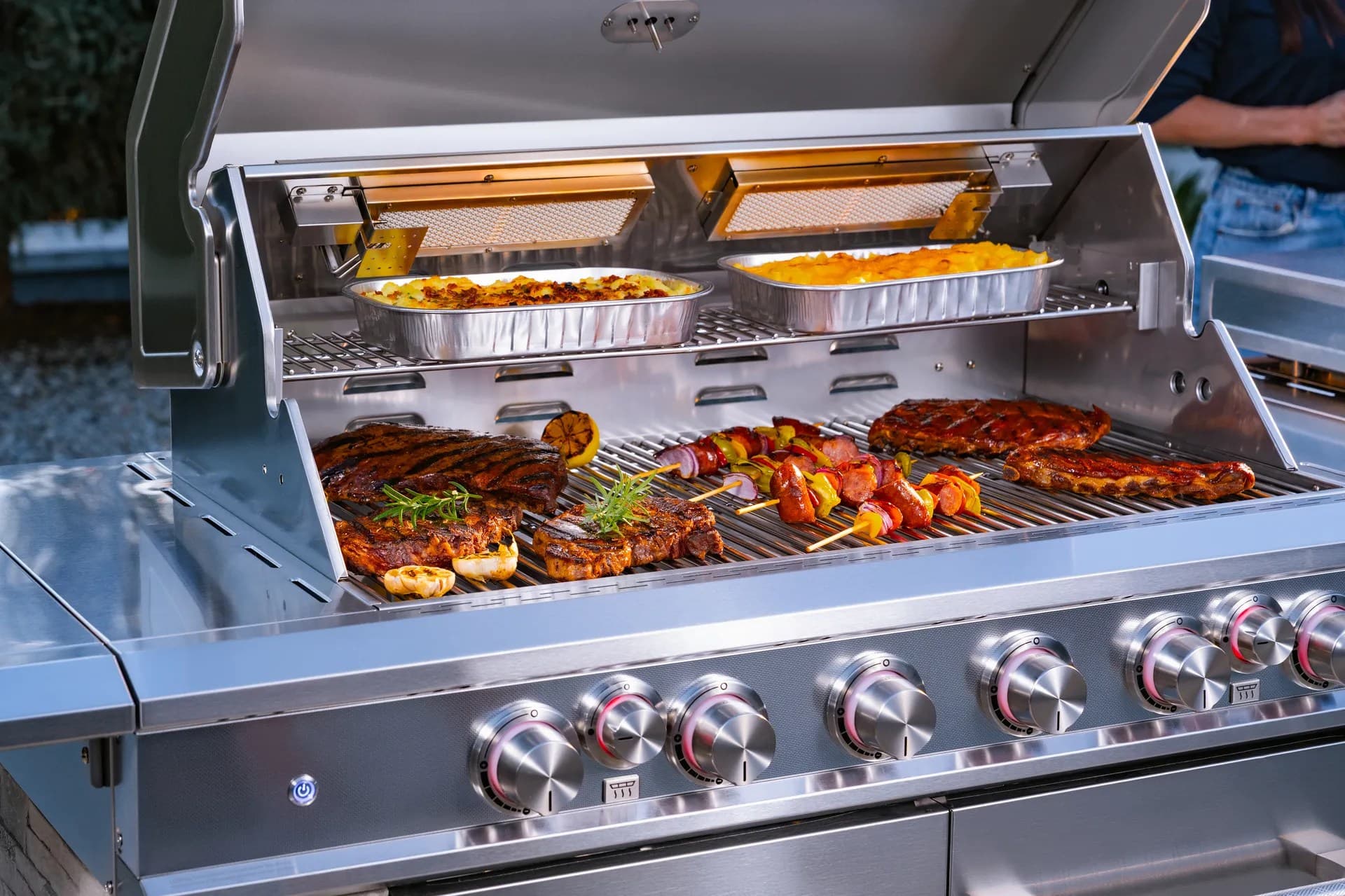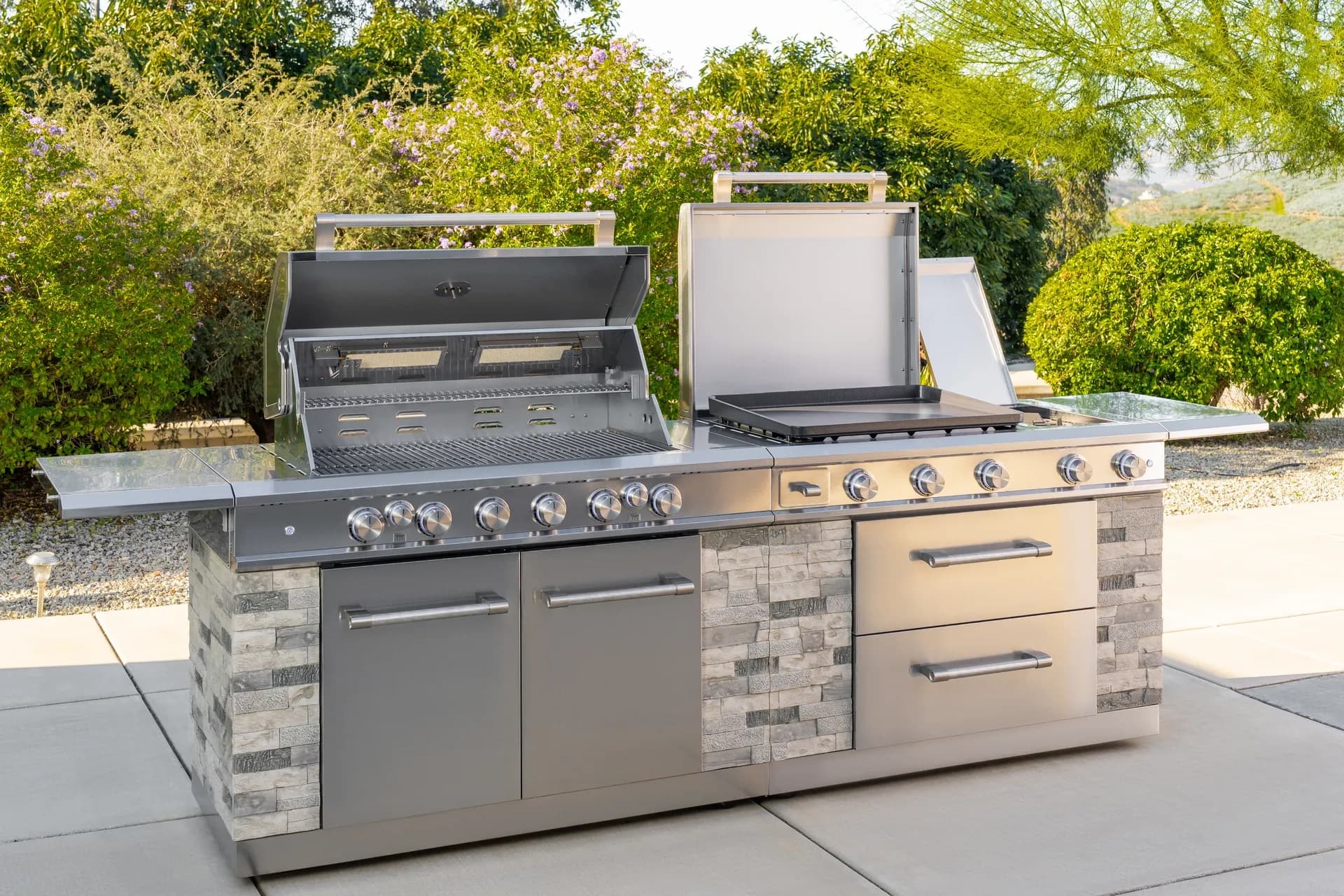
Discover top-rated portable grills designed to withstand the elements and elevate your outdoor cooking experience.
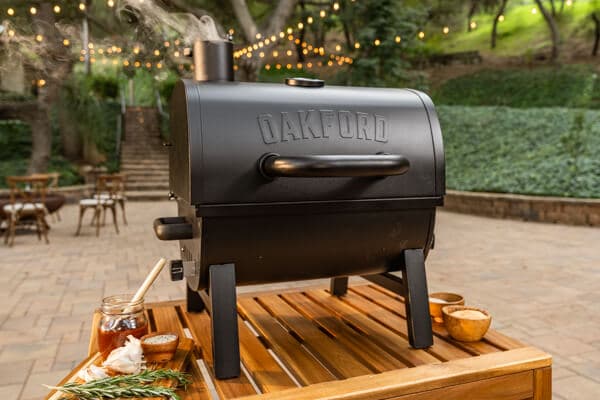
From sizzling breakfasts to smash burgers and teppanyaki-style dinners, the Daytona Pro 5 Burner NitroGuard™ Griddle delivers powerful heat, fast cooking, and a durable cooking surface built for every backyard cookout. Watch how easy outdoor cooking can be.
Here's what sets us apart from the competition
We position ourselves as delivering high-end outdoor cooking features and performance without premium-brand pricing, emphasizing “Quality Grills. Unbelievable Value.”
We offer gas grills, pellet grills, griddles, smokers, pizza ovens, portable/tabletop grills, electric grills, accessories, and replacement parts — allowing customers to stay within one ecosystem for all outdoor cooking needs.
We differentiate ourselves through smart grilling products like the Oakford smart pellet grill, including app-connected cooking controls and modern outdoor cooking technology.
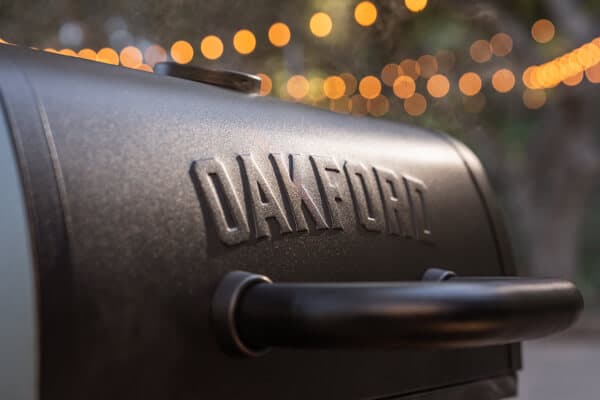
Expert tips, buying guides, comparisons, and inspiration for choosing and getting the most out of your grill.
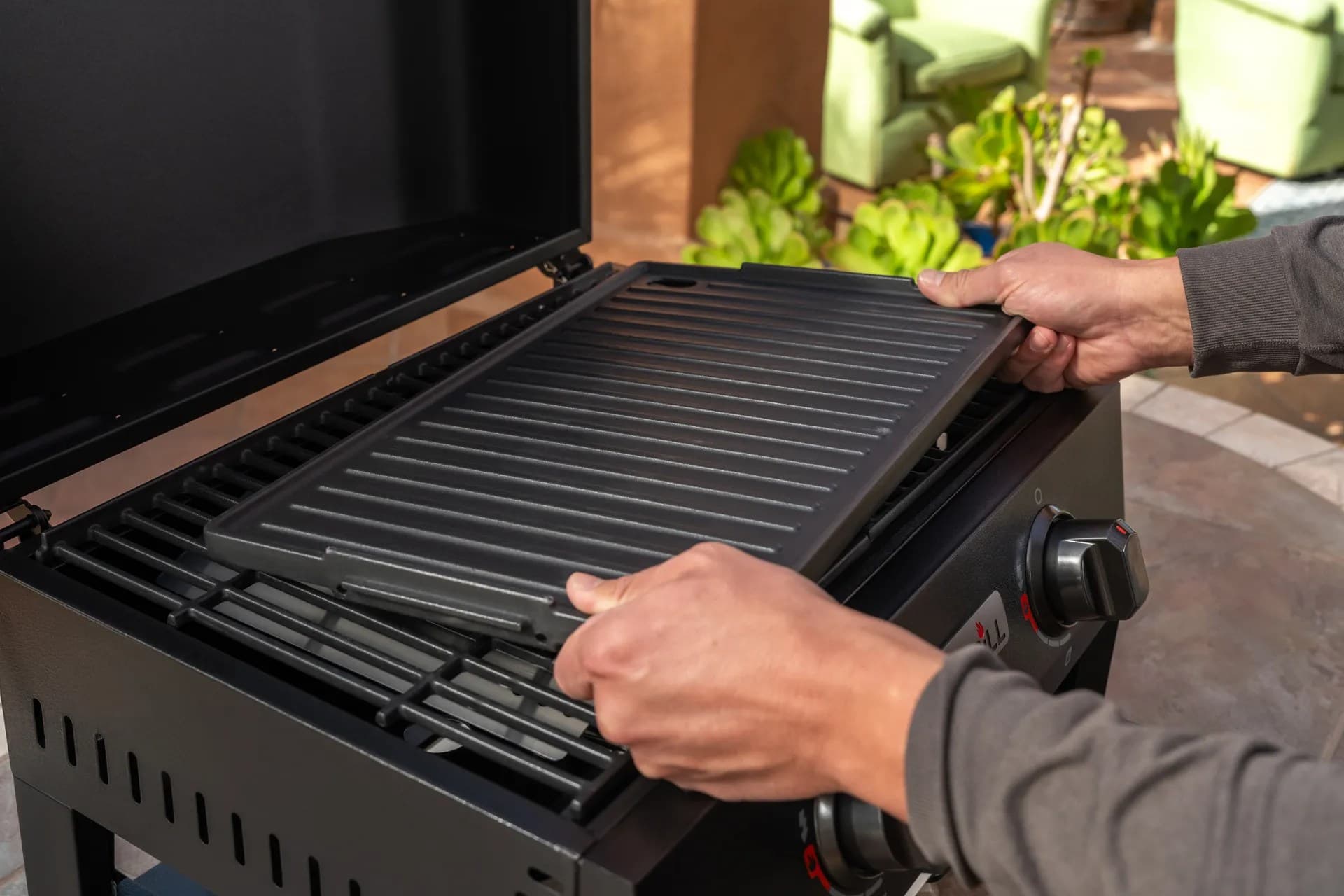
Practical guides for cleaning, maintenance, common grill issues, and performance optimization.
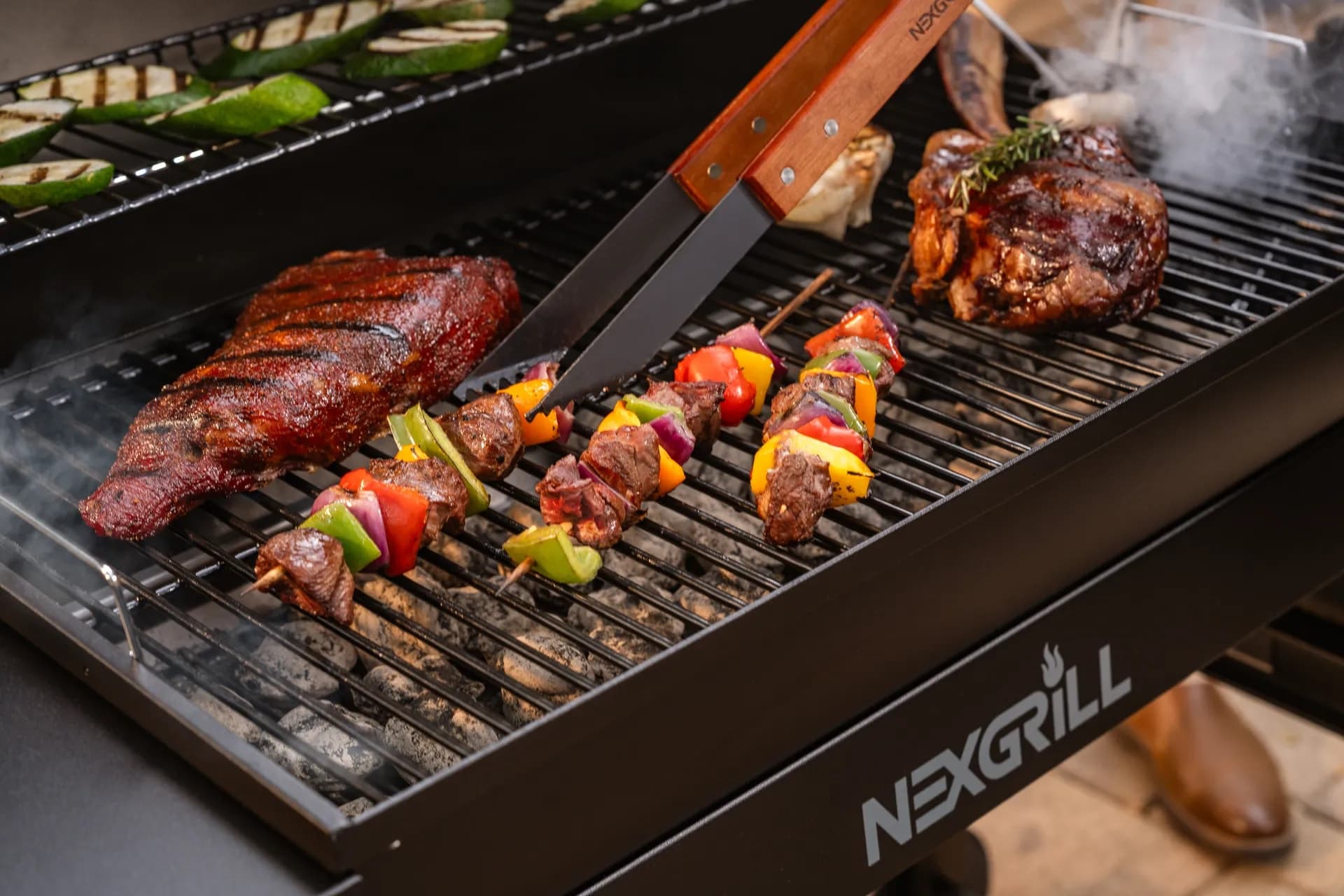
Step-by-step grilling recipes, cooking techniques, and meal ideas for every occasion and skill level.
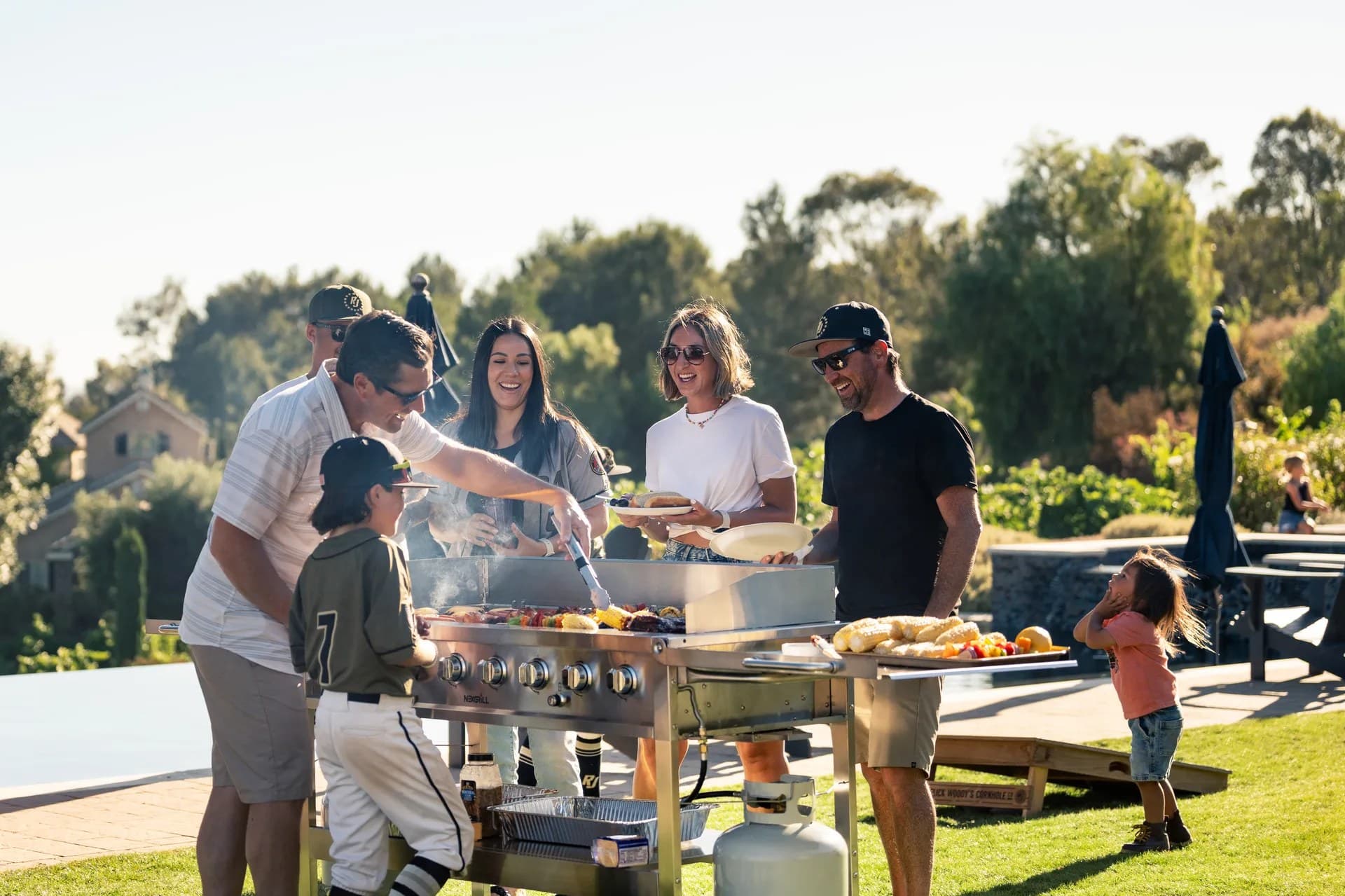
Backyard entertaining ideas, seasonal grilling inspiration, and stories that celebrate outdoor cooking culture.
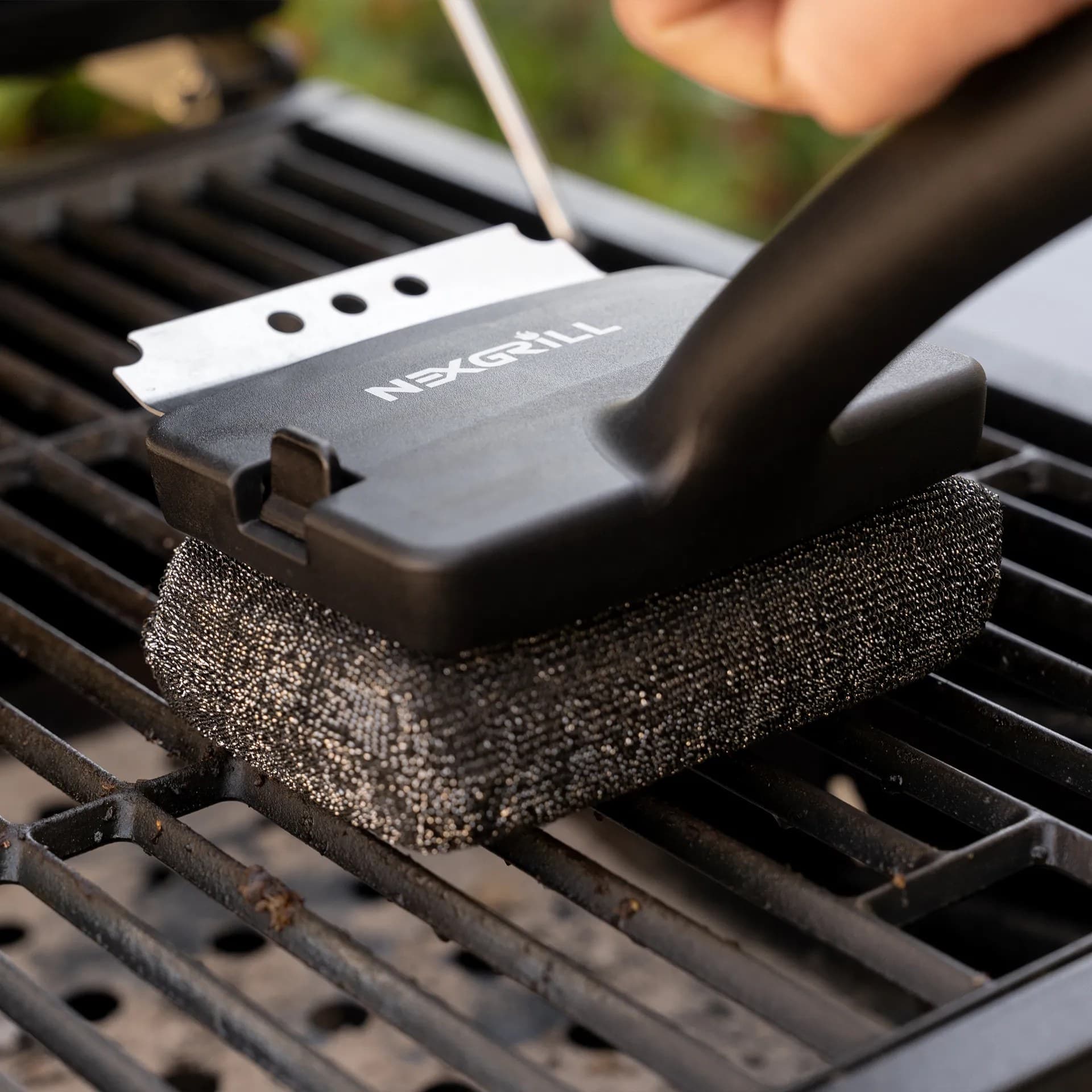
Helpful articles covering grilling tools, cookware, maintenance gear, and must-have accessories for outdoor cooking.
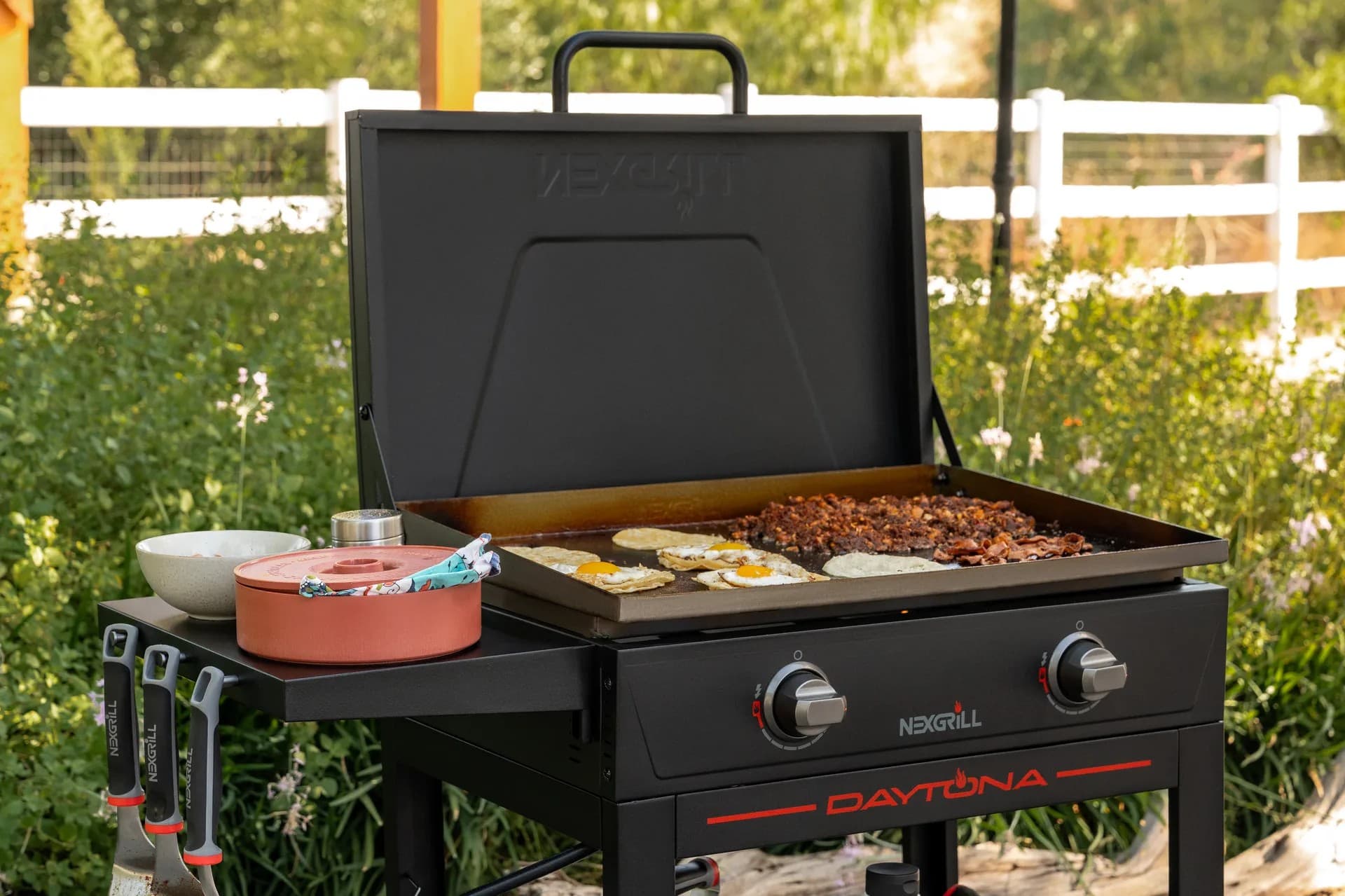
Find griddle recipes, cooking techniques, cleaning tips, and outdoor meal ideas designed for Nexgrill griddles.
Find answers to common questions
Gas grills provide instant heat and precise temperature control, making them easier to use. Charcoal grills offer a smoky flavor and high heat for searing but require more time to heat up and manage.
Pellet grills combine the convenience of gas with the flavor of wood, allowing for smoking, baking, and grilling. Traditional gas grills, however, are quicker to start and often easier to clean.
Charcoal grills typically reach higher temperatures quicker than gas grills, making them better for searing meat. However, high-quality gas grills can also provide adequate heat for effective searing.
Nexgrill offers models designed specifically for gas, charcoal, and pellets, allowing users to choose based on their cooking style and flavor preferences. Each type is built to optimize the characteristics of its respective fuel.
Choosing between gas and charcoal grills depends on your cooking preferences and lifestyle. If you value convenience and quick cooking, a gas grill may suit you better; if you prefer the taste and experience of traditional grilling, a charcoal grill would be ideal.
In This Article
Top Picks
Key Features
Maintenance Tips
Weather-resistant portable grills sit in a very practical middle ground: they are small enough to move, store, and take on the road, yet durable enough to handle real outdoor exposure without feeling fragile after one season. For many U.S. buyers, the appeal is not just portability. It is the ability to keep cooking when the weather changes, when a patio is damp, when a lakeside cookout turns breezy, or when a grill lives near salt air, pool moisture, or repeated temperature swings. That combination is why materials, lid design, burner protection, and mobility all matter at the same time.
At Nexgrill, the brand’s broader philosophy is built around practical, dependable outdoor cooking that still feels welcoming and accessible. Nexgrill’s messaging emphasizes that grilling should be inclusive, approachable, and ready for real-life gatherings, not just ideal backyard conditions. That matters here because weather resistance is not a luxury feature; it is what keeps a portable grill useful when the environment is less than perfect. Nexgrill’s brand materials also stress that outdoor products should be bright, authentic, and designed for real use rather than forced performance claims, which is a helpful lens when evaluating portable grills for durability and weather exposure.
The key distinction is that a weather-resistant portable grill is not simply a smaller grill with a lid. It usually needs better corrosion resistance, a stable frame that does not wobble in wind, components that tolerate repeated handling, and a compact footprint that still travels well. In practice, buyers should think about where the grill will live most of the time. A tailgate grill faces loading and unloading. A dockside grill faces moisture and salt exposure. A campground grill faces dust, rain, and uneven setup surfaces. A balcony or small patio grill may face wind more often than rain. Those environments demand different design priorities, even when the grill is technically portable.
A strong stainless steel option to consider when salt spray or coastal air is part of the picture.
One material that deserves special attention is 316L stainless steel. Compared with more common stainless formulations, 316L is often preferred in harsher environments because it is better suited to resist corrosion, especially where saltwater exposure is a concern. That does not mean every part of the grill must be 316L, but it is a useful benchmark if you plan to keep a portable grill near the coast or use it in environments where humidity, splash, and salt can accelerate wear. A well-designed weather-resistant grill also benefits from thoughtful powder coating, tight-fitting seams, protected hardware, and grates that clean up without leaving rust-prone residue behind.
Tip: if a portable grill will be stored outdoors between uses, the cover and latch design matter almost as much as the cooking surface. A grill that seals loosely will collect moisture faster.
The best weather-resistant portable grill is the one that balances rugged construction with the kind of portability you will actually use. A heavy-duty unit with excellent corrosion resistance may be ideal for a marina or lake house, but too bulky for a camper who lifts the grill in and out of a truck every weekend. Conversely, a very light grill may be easy to carry but frustrating if it flexes in wind or shows wear after repeated exposure. The sweet spot is often a compact grill with a stable cart or carry system, protected burner components, and materials that hold up to weather, not just heat.
For shoppers comparing Nexgrill’s outdoor cooking lineup, the weather-resistant portable category is best understood as a performance and durability decision rather than a single product style. A portable grill should still cook like a serious grill. That means fast ignition, steady heat, enough cooking area for weeknight meals or travel cookouts, and grates that recover quickly after the lid opens. The feature set matters because a grill that can survive the elements but cannot produce consistent results is not a good value. Nexgrill’s overall approach to outdoor cooking emphasizes dependable, accessible gear for everyday use, which fits the portable category well for buyers who want utility without overcomplication.
When evaluating top models, look for visible signs of weather readiness. Those signs include rust-resistant exterior surfaces, covered control knobs, sturdy lid hinges, secure fasteners, and a frame that sits level even on slightly uneven surfaces. Portable grills that use thicker metal in the firebox or lid tend to feel more stable during wind gusts because the lid does not rattle as much and heat loss is easier to manage. That stability matters in practical ways: it helps with even heating, keeps flare-ups more controllable, and reduces the temptation to keep opening the lid in windy conditions.
| Portable grill type | Best environment | Why it stands out |
|---|---|---|
| Compact gas grill | Camping, tailgates, quick patio use | Fast ignition and easy transport |
| Weather-sealed portable grill | Damp climates and frequent outdoor storage | Better protection from moisture and corrosion |
| Coastal-grade grill | Beach homes, docks, salt-air areas | Material choices that better handle salt exposure |
If you are shopping for a portable grill as a primary cookout tool rather than a backup, pay close attention to lid height and cooking versatility. A low-profile portable grill is great for burgers and skewers, but a slightly roomier design can handle chicken pieces, vegetables, or indirect heat more effectively. The difference becomes important when weather is unpredictable, because a grill that recovers heat quickly after opening will perform better when the wind keeps changing your setup conditions.
The most important weather-resistant features are not always the most visible ones. Buyers often focus first on color or size, but the details that matter are material grade, hardware quality, lid fit, frame stability, and how well the grill moves from one place to another. If the grill is intended for frequent travel, the handle design and weight distribution are just as important as cooking power. If it will live near a saltwater environment, the finish and fasteners matter more than a flashy burner count.
Durable stainless steel is one of the clearest indicators of weather resistance. 316L stainless steel, in particular, is commonly associated with stronger corrosion resistance in harsher conditions, which is why it comes up so often for marine-adjacent use. But you should not judge a grill by steel alone. A weather-resistant portable grill also benefits from sealed seams that reduce water intrusion, burner shields that help keep grease and moisture away from sensitive components, and control layouts that are protected from accidental knocks during transport. These are small design choices that can dramatically affect how the grill ages.
Warning: a lightweight grill is not automatically a better portable grill if the cart flexes, the lid leaks heat, or the hardware rusts after one wet season.
Wind resistance is another feature worth treating as a real performance factor. Wind does more than make a cook uncomfortable. It can steal heat from the firebox, affect flame stability, and create uneven hot spots across the grate. A well-designed portable grill addresses this through a lid that closes securely, side walls that shield the burner area, and a frame that keeps the cooking surface stable. If you have ever tried to sear steaks while a gust keeps pulling heat away, you already know why this matters. The same logic applies to fuel efficiency: a grill that loses less heat in wind uses its fuel more effectively, which is especially valuable during travel or remote cookouts.
Portability should also be evaluated realistically. True portability is not just weight. It is whether one adult can move the grill without strain, whether the grill folds or stores neatly, and whether the base locks firmly when in use. A folding cart can make a portable grill much easier to handle, but it should not compromise stability. The ideal design lets you roll or carry the grill into position, then set it up so it feels planted once cooking begins. That is especially helpful on patios with slight slopes, campsites with packed gravel, or decks where wind may shift the grill if the frame is too light.
Weather-resistant grills still need care, and the better the maintenance routine, the longer the grill will keep its appearance and cooking performance. The goal is not just to prevent rust. It is to preserve the grill’s seals, airflow, ignition reliability, and finish. After each cook, let the grill cool enough to handle safely, then clean the grates while residue is still easier to remove. On weather-resistant models, keeping the surface clean is especially important because salt, moisture, and grease can combine into a stubborn film that slowly wears down protective coatings.
If you cook near the coast or around pools, rinse or wipe down the exterior more often than you might with a backyard grill in a dry climate. Salt particles are relentless, and they can settle into seams, fasteners, and corners where moisture collects. Use a soft cloth instead of abrasive pads on stainless steel finishes, and dry the grill thoroughly before covering it. If the grill has a 316L stainless steel body or selected components, that does not mean you can ignore cleaning; it means the material gives you a stronger starting point while proper care slows visible wear and corrosion.
Tip: after a windy or rainy cookout, open the lid and let trapped moisture escape before applying the cover. Covering a damp grill can trap humidity and undo the benefit of weather-resistant materials.
Storage habits matter just as much as cleaning habits. If your portable grill lives in a garage, shed, or storage bin, keep it off the floor so standing water cannot reach the base. If it lives outside, use a well-fitting cover that sheds water rather than pooling it. Check latches, hinges, and handles periodically, because small mechanical issues often show up before major corrosion does. Tightening hardware and clearing grease trays or drip paths helps the grill stay clean and less vulnerable to moisture retention.
There is also a practical rhythm to seasonal care. Before peak grilling months in the United States, inspect the burner area, look for buildup inside the firebox, and verify that igniters still spark consistently. Before winter storage, clean the grill more deeply, remove leftovers of seasoning or grease, and make sure the interior is dry. A weather-resistant portable grill is meant to work hard through changing conditions, but a little routine care keeps it from becoming a casualty of the off-season. Try comparing two products side by side below to see which fits best:
Once you have compared two options side by side, the real question becomes how the grill will behave in your actual environment. Two portable grills may look similar in photos, yet one may be built with heavier hardware, a better lid seal, and stronger corrosion resistance. That is why weather resistance should be judged across the entire structure, not as a single feature checkbox. A grill for inland road trips has different needs than one for a coastal deck, and both differ from a grill that stays in a truck bed between games.
The clearest comparison is often between a basic compact model and a more robust weather-ready one. The compact model wins on ease of carrying and often on price, but the weather-ready grill usually wins on longevity, wind stability, and confidence in damp conditions. If your priority is occasional weekend use, the lighter option may be enough. If you expect repeated exposure to humidity, frequent transport, or salty air, the sturdier option is usually the better value over time because it is less likely to corrode, wobble, or lose heat in poor conditions.
| What to compare | Why it matters outdoors | Better choice when... |
|---|---|---|
| Material grade | Controls corrosion resistance | You cook near coastlines or store outside often |
| Wind shielding | Protects heat retention and flame stability | You grill in open yards, campsites, or balconies |
| Mobility system | Affects transport and setup effort | You move the grill frequently |
| Seam and hinge quality | Reduces wear points over time | You expect years of repeated use |
In practical terms, the best model for a beach house is not necessarily the biggest one; it is the one that tolerates salt exposure, closes tightly, and can be wiped down quickly after use. For a camper, the best model may be the one with the simplest setup and the most stable carry points. For a backyard entertainer who wants a portable grill that can live on a covered patio, the best choice may be a slightly heavier unit that resists wind and holds heat better during longer cooks. These trade-offs are exactly why weather-resistant portable grills deserve a careful comparison instead of a fast impulse buy.
The right choice depends on how often you grill, where you grill, and how much wear the grill will face between uses. A budget-conscious buyer who grills a few times each summer may prefer a light, compact grill that is easy to store and simple to clean. Someone who camps often or loads gear into a vehicle weekly should prioritize handles, latches, and a stable frame. A coastal homeowner should lean toward stronger corrosion resistance, including stainless materials and protected hardware, even if that means spending more upfront. Those differences are not subtle in real life, because exposure patterns drive the long-term cost of ownership.
If you are deciding between portability and protection, ask a simple question: how often will the grill be moved versus left outside? If it moves constantly, every ounce and folding mechanism matters. If it stays in one outdoor spot, weight may be an advantage because a heavier grill is often more stable in the wind and less likely to shift. That is why the “best” portable grill is not a universal answer. It is the best fit for your mix of travel, storage, climate, and cooking style.
Info: a weather-resistant portable grill often costs more than a basic compact grill because better metals, hinges, seals, and coatings add real manufacturing value.
One practical approach is to rank your needs in order. First, decide whether the grill will face coastal air, rainy storage, or mainly dry inland use. Second, decide whether wind stability is a regular issue. Third, decide how many people you usually cook for. Once those three questions are answered, grill size and finish become easier to sort out. A solo traveler and a family of four will not need the same cooking surface, but both can benefit from the same weather-resistant thinking if they cook outdoors in exposed spaces.
The most useful buyer profile is often the person who wants one grill to do multiple jobs: patio dinner, tailgate lunch, and weekend travel. In that scenario, choose the model that combines durable construction with straightforward portability, because versatility is what delivers real value. You are not buying the smallest possible grill; you are buying the one that will still feel reliable after being packed, unpacked, cleaned, and exposed to weather again and again.
A weather-resistant portable grill does more than survive the elements. It expands where you can cook comfortably. Once you have a grill that handles wind and moisture better, you can plan meals around the setting instead of the other way around. That opens up practical uses like early-morning breakfast at the campsite, a quick post-beach dinner, or a simple backyard meal when the forecast is uncertain. The grill becomes less of a special-occasion item and more of a flexible cooking tool.
To get the most from that flexibility, match your menu to the grill’s strengths. Portable grills excel with foods that cook quickly and benefit from direct heat: skewers, boneless chicken, fish fillets, thin steaks, vegetables, and sandwiches pressed on a hot grate. If the grill has strong lid fit and decent heat retention, it can also handle thicker cuts with a brief indirect finish. Weather resistance helps here because stable temperatures are easier to maintain when the environment is not cooperating.
Accessories can improve the experience, but only when they are practical. A wind screen, sturdy transport case, long-handled tongs, and a reliable thermometer are more useful than clutter. Keep the setup simple so the grill remains easy to move and clean. Nexgrill’s brand voice around outdoor cooking emphasizes togetherness and easy participation, which is a good reminder that the best grill setup is one that invites people in rather than complicating the cook. Around the grill, the goal is to make the meal feel easy to share .
Tip: if wind is part of your usual setup, position the grill so the lid opens away from the wind direction and the burner area is shielded naturally by a wall, vehicle, or patio barrier.
Weather-resistant portable grills also make it easier to cook more confidently in shoulder seasons. In spring and fall, temperature swings and damp air can make ordinary portable grills feel inconsistent. A sturdier model with better sealing and corrosion resistance helps preserve a more predictable cooking experience. That consistency is what turns a portable grill from a novelty into a dependable part of your outdoor routine.
Weather-resistant portable grills are a smart choice for anyone who wants outdoor cooking freedom without sacrificing durability. The right model should travel well, resist corrosion, handle wind with confidence, and stay easy to clean after real-world use. When you focus on material quality, stable design, and maintenance habits, you get a grill that stays useful across seasons instead of becoming a rust story by the end of summer.
If you are shopping for a portable grill today, think beyond size alone. Consider where it will live, how often it will move, and whether the environment demands extra protection from moisture or salt. Those answers will point you toward the model that delivers the best mix of convenience and staying power for your outdoor cooking routine.
Here's what sets us apart
We position ourselves as delivering high-end outdoor cooking features and performance without premium-brand pricing, emphasizing “Quality Grills. Unbelievable Value.”
We offer gas grills, pellet grills, griddles, smokers, pizza ovens, portable/tabletop grills, electric grills, accessories, and replacement parts — allowing customers to stay within one ecosystem for all outdoor cooking needs.
We differentiate ourselves through smart grilling products like the Oakford smart pellet grill, including app-connected cooking controls and modern outdoor cooking technology.
Don't just take our word for it
Keep reading
From our catalog