Expand your grilling repertoire with diverse methods and tips for various foods.
Here's what sets us apart from the competition
We position ourselves as delivering high-end outdoor cooking features and performance without premium-brand pricing, emphasizing “Quality Grills. Unbelievable Value.”
We offer gas grills, pellet grills, griddles, smokers, pizza ovens, portable/tabletop grills, electric grills, accessories, and replacement parts — allowing customers to stay within one ecosystem for all outdoor cooking needs.
We differentiate ourselves through smart grilling products like the Oakford smart pellet grill, including app-connected cooking controls and modern outdoor cooking technology.
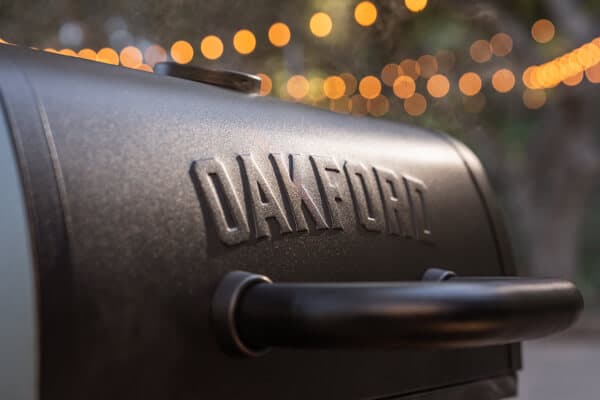
Expert tips, buying guides, comparisons, and inspiration for choosing and getting the most out of your grill.
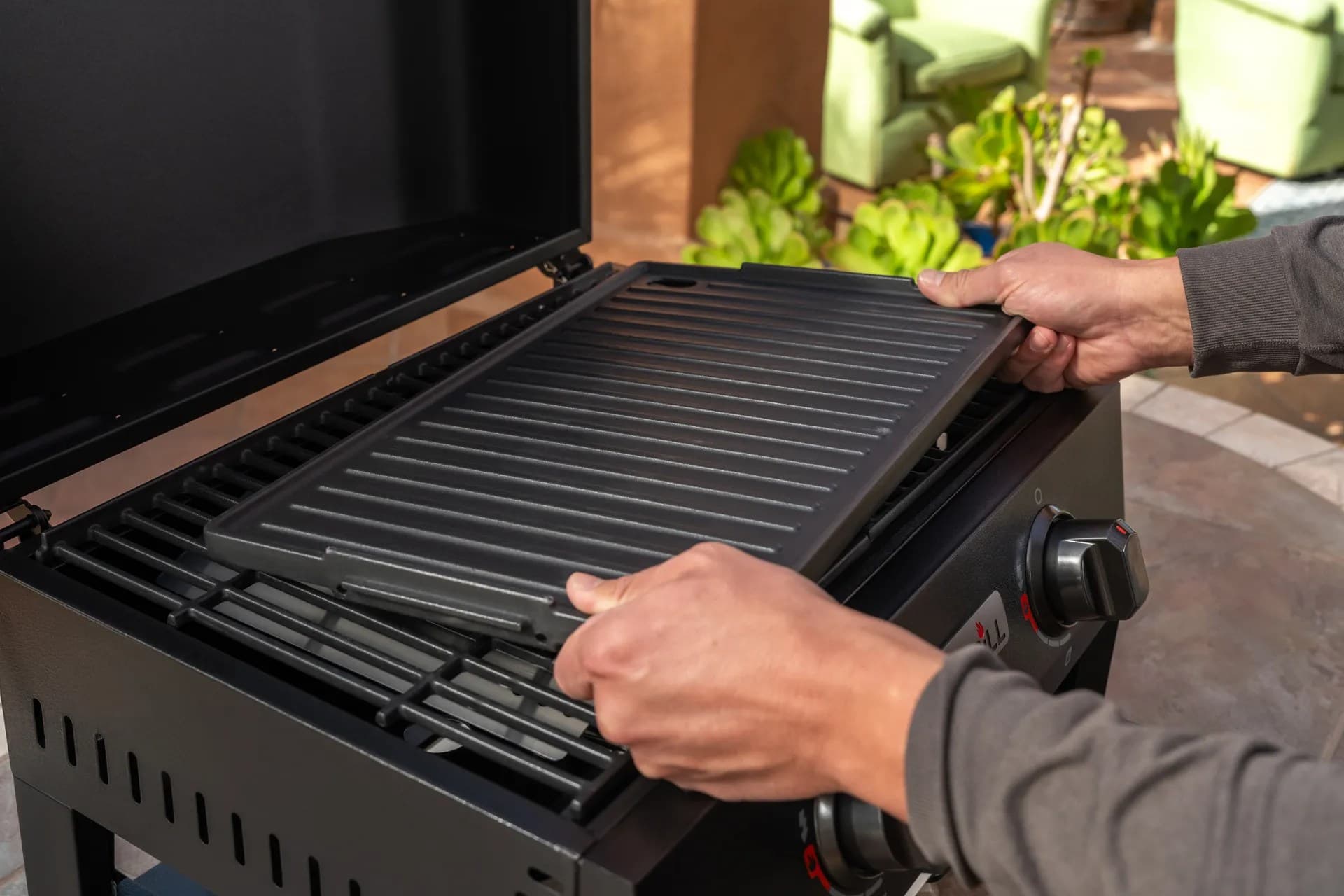
Practical guides for cleaning, maintenance, common grill issues, and performance optimization.
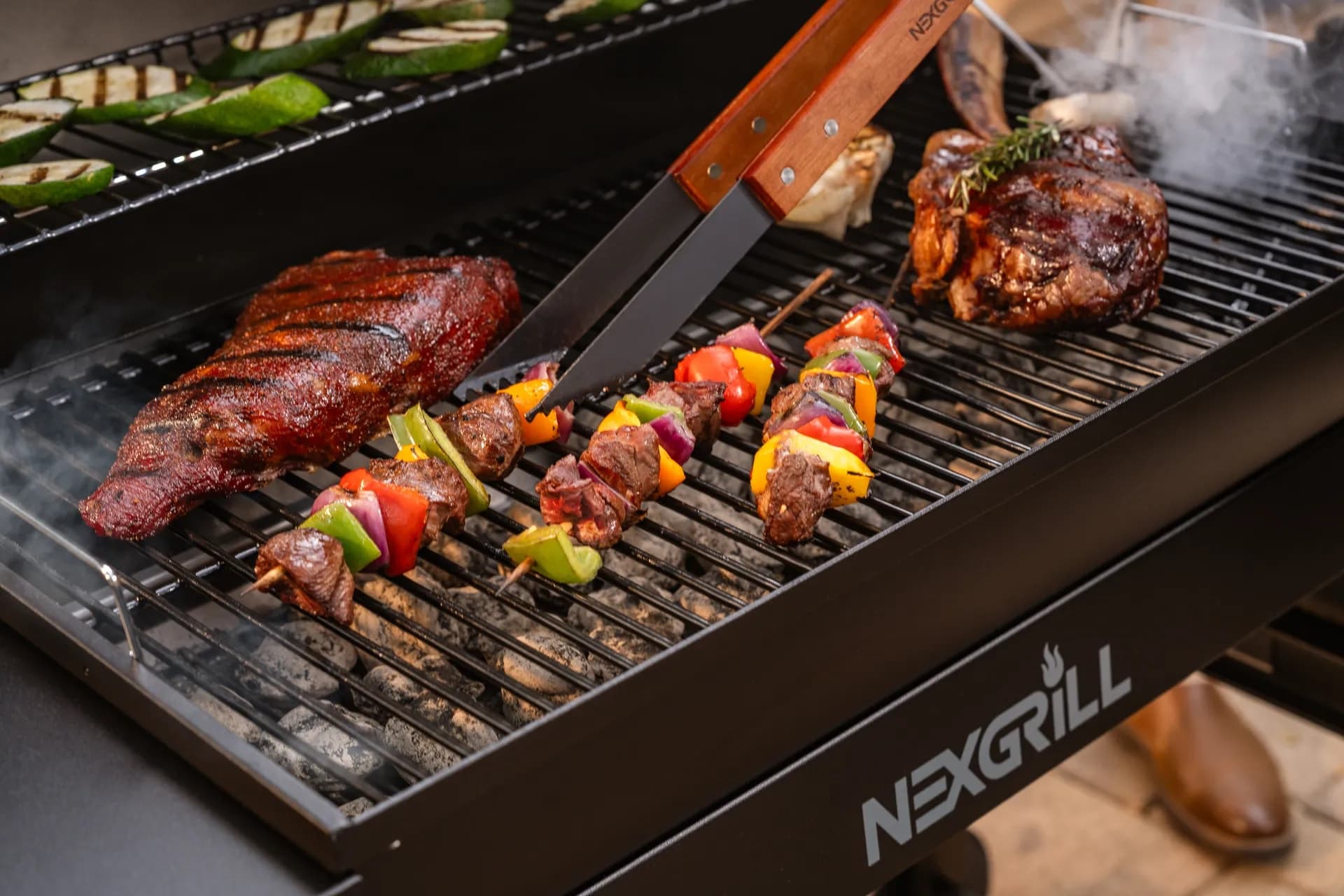
Step-by-step grilling recipes, cooking techniques, and meal ideas for every occasion and skill level.
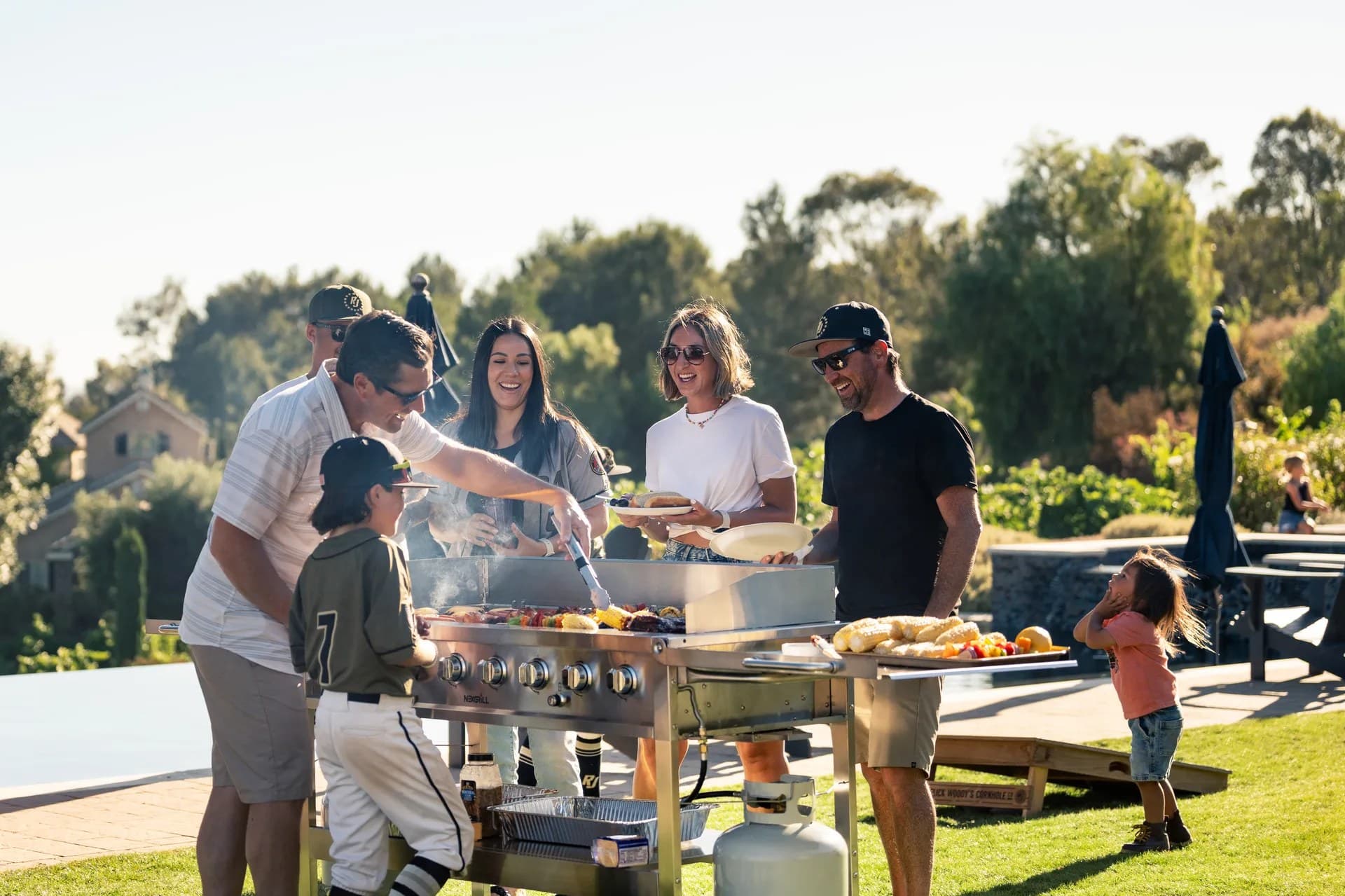
Backyard entertaining ideas, seasonal grilling inspiration, and stories that celebrate outdoor cooking culture.
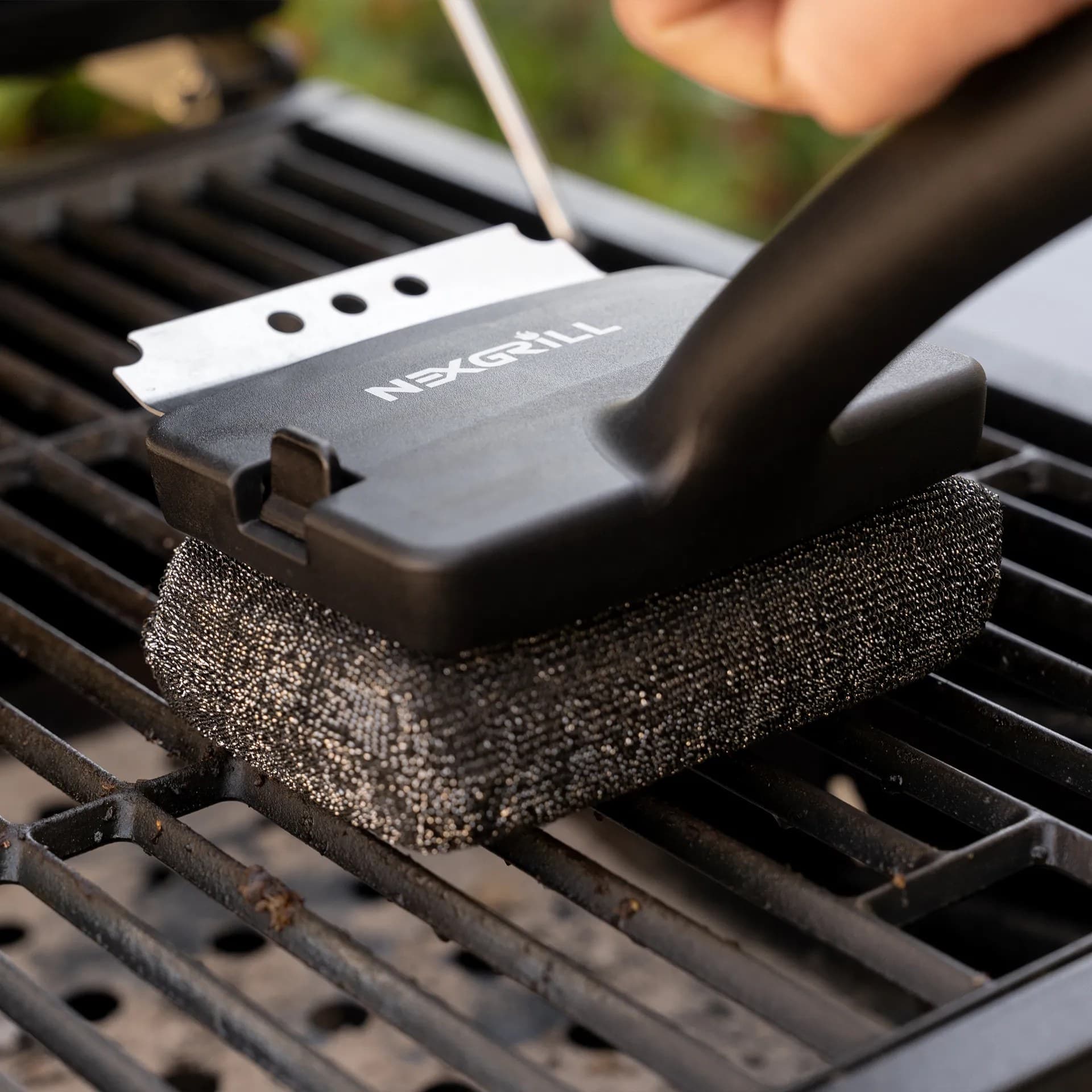
Helpful articles covering grilling tools, cookware, maintenance gear, and must-have accessories for outdoor cooking.
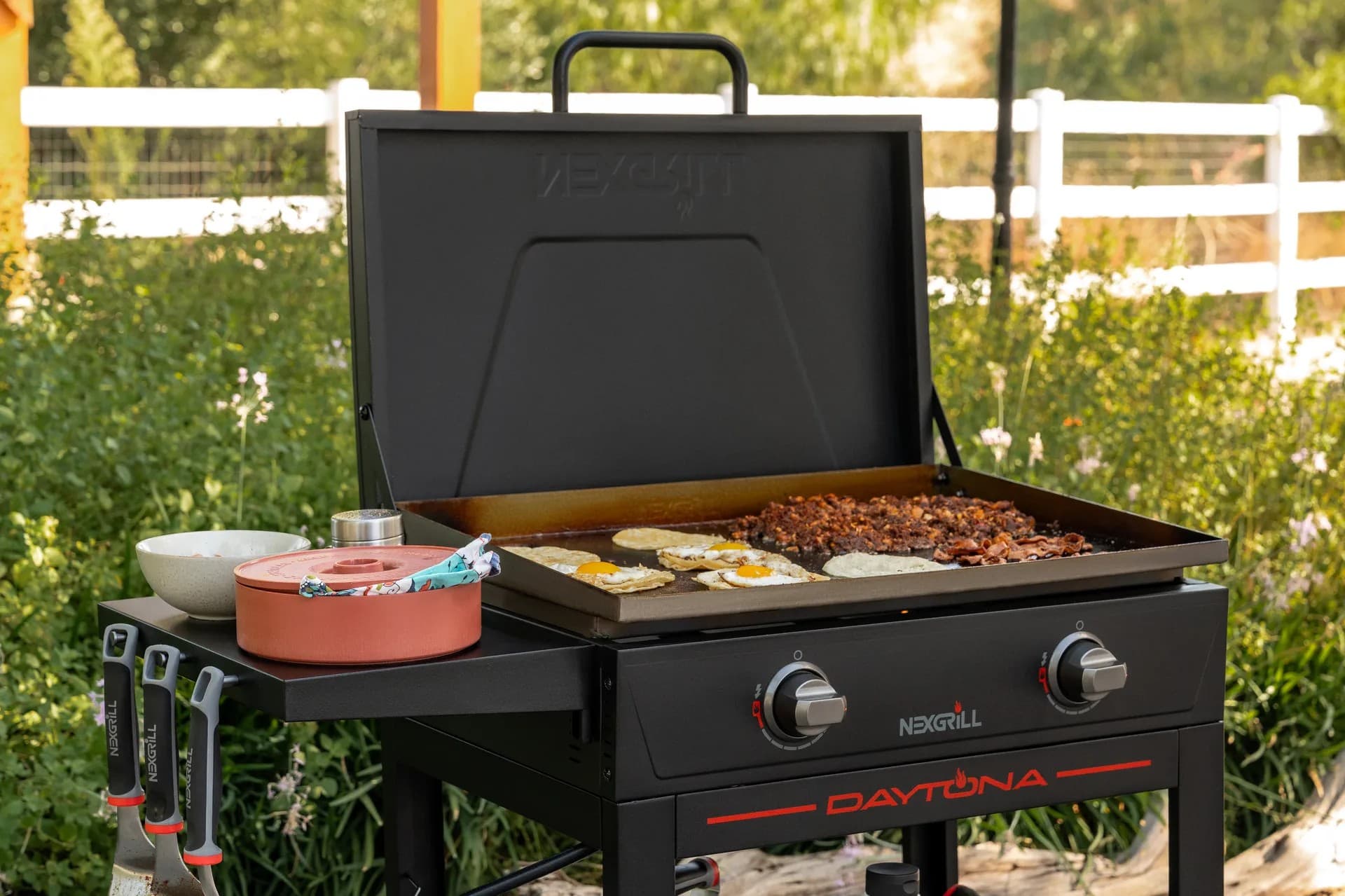
Find griddle recipes, cooking techniques, cleaning tips, and outdoor meal ideas designed for Nexgrill griddles.
Find answers to common questions
Nexgrill equipment is suitable for a variety of recipes including meats, vegetables, and even pizzas. Popular options include marinated steaks, grilled vegetables, and shrimp skewers.
To enhance the flavor of grilled vegetables, consider marinating them in olive oil, herbs, and spices before grilling. Alternatively, you can season them with salt and pepper during grilling for a more straightforward approach.
To achieve perfect grill marks, preheat your grill to a high temperature and ensure that the food is dry before placing it on the grill. Avoid moving the food too early, as it needs to sear properly to form those classic grill marks.
Using a meat thermometer is the most accurate way to ensure your grilled meat is at the desired temperature. For instance, chicken should reach an internal temperature of 165°F while medium-rare beef is typically at 135°F.
To clean your Nexgrill after cooking, allow it to cool and then use a grill brush to remove any residue from the grates. You can also wipe down the exterior with a damp cloth and mild soap to keep it looking its best.
In This Article
Direct Grilling
Indirect Grilling
Two-Zone Grilling
Versatile grilling techniques are what turn a grill from a single-purpose heat source into a flexible outdoor cooking tool. Once you understand how to shift between direct heat, indirect heat, and two-zone setups, you can cook far more than burgers and chops. You can sear a steak, roast a chicken, char vegetables, finish delicate seafood without drying it out, and even turn fruit and dessert into part of the meal. That flexibility matters because different foods respond differently to heat. A tender asparagus spear does not need the same treatment as a bone-in chicken thigh, and a pineapple ring behaves very differently from a thick pork chop.
Nexgrill’s brand voice emphasizes inclusivity, creativity, and the idea that everyone belongs around the fire, and that spirit fits this topic well: versatile grilling is less about one “right” method and more about choosing the right method for the food in front of you. Nexgrill describes grilling as a place where different appetites and cooking styles can gather, and that mindset is useful here because method choice is really a matter of matching heat, timing, and texture to the ingredients you want to serve.
The biggest upgrade in grilling skill is not buying a bigger grill. It is learning how to move food around your heat zones with intention.
If you are cooking on a Nexgrill gas grill, griddle, or charcoal setup, the same basic principle applies: hotter areas sear and color quickly, cooler areas let food finish gently, and the transition between the two prevents burning before the center is done. This is why versatile grilling techniques are especially valuable for weeknight dinners and larger gatherings alike. A cook can start with a fast direct sear, then move food to indirect heat to finish, or set up a full two-zone fire and use the grill like a compact outdoor oven. That adaptability helps reduce stress when timing several dishes at once.
Think of this guide as a method map rather than a recipe collection. The sections below focus on how each technique works, what foods benefit most, and where mistakes usually happen. If you have ever wondered why some foods dry out while others stay juicy, or why vegetables taste better with deeper browning, the answer is often not the ingredient itself but the heat strategy behind it.
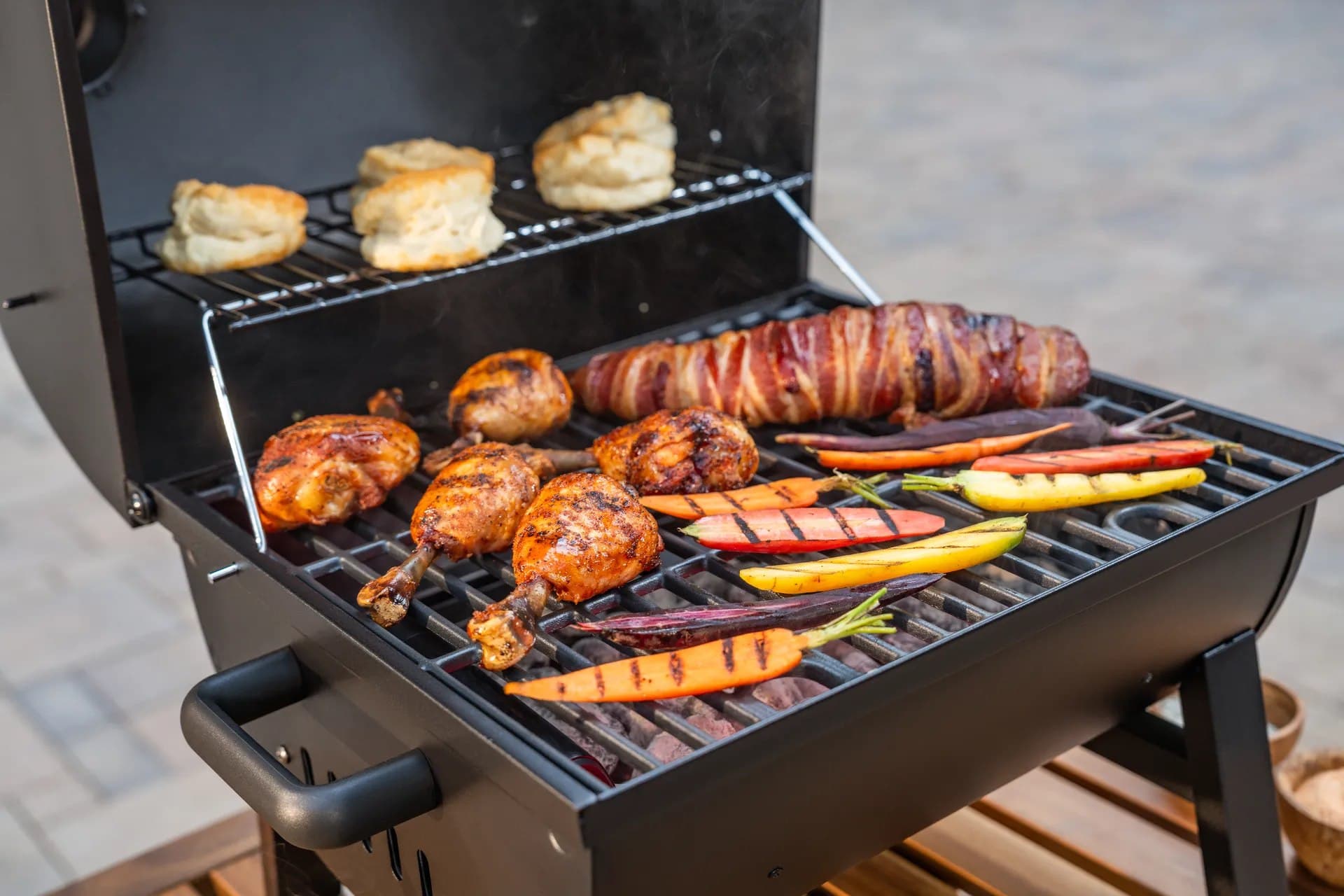
Direct grilling means the food sits over the heat source the entire time. It is the fastest and most familiar grill method, which is why it works so well for thinner foods and items that benefit from browning before they overcook. Steaks, burger patties, boneless chicken pieces, shrimp, scallops, asparagus, zucchini slices, and halved peppers all do well with direct heat when you want quick caramelization and visible grill marks. The goal is simple: build flavor quickly without letting the interior dry out.
The key to success is managing preheat and surface moisture. A properly preheated grate helps food release more cleanly and encourages browning instead of steaming. Before placing food on the grill, pat it dry, oil the food lightly rather than flooding the grates, and leave enough space between pieces so heat can circulate. Crowding is one of the fastest ways to lose the benefits of direct grilling because trapped moisture lowers surface temperature and slows browning.
Use direct heat when the food is thin, tender, or already quick to finish.
A practical example: if you are grilling skirt steak for tacos, direct heat gives you the aggressive sear that develops deep flavor in a matter of minutes. But if the same cook used direct heat on a thick pork loin end-to-end, the exterior could be over-charred before the center reaches a safe and pleasant temperature. That is where technique matters more than enthusiasm. Direct grilling rewards attention, fast flipping, and exact timing. A grill thermometer, or even a simple visual check of color and firmness, can help you avoid the “looks done outside, raw inside” problem.
For vegetables, direct grilling can create intensity that a stovetop often misses. Cut larger vegetables into wide, stable pieces so they do not slip through the grate. Brush them lightly with oil and season after grilling if you want to preserve brighter flavors. For seafood, consider slightly thicker fillets or shell-on items when possible, because fragile fish can tear if moved too soon. A wide spatula, a fish basket, or a lightly oiled grate can make direct grilling much easier.
Indirect grilling is what you use when food needs time. Instead of sitting directly over the flame or coals, the item rests beside the heat source and cooks more gently with the lid closed. This setup is ideal for larger cuts such as whole chickens, bone-in turkey breasts, pork shoulders, ribs, and thick roasts. It also helps when you want to protect sugary glazes or marinades from burning before the interior has finished cooking.
The main advantage of indirect heat is control. Because the food is not exposed to the most intense part of the fire the whole time, the outside has a better chance to brown evenly while the inside cooks through at a slower pace. On a gas grill, this usually means turning on burners on one side and placing food on the unlit side. On charcoal, you create a gap or offset the coals so the food cooks away from the hottest zone. In both cases, the lid becomes part of the system because it traps hot air and turns the grill into a convection-style environment.
Indirect grilling is not a shortcut. It is a patience technique. Give it time, keep the lid closed, and use a thermometer instead of guessing.
This method is especially useful when cooking for a group because it gives you a wider timing window. A chicken can stay on indirect heat long enough to finish safely without demanding constant attention, which frees you up to manage sides or prep the next course. For pork ribs, indirect heat helps the connective tissue soften gradually, which creates a better bite than a rushed, high-heat approach. For desserts like grilled peaches with a topping or a skillet cobbler, indirect heat helps prevent scorching while allowing the sugars to deepen.
Indirect grilling also teaches restraint. Many people open the lid too often, thinking they are checking progress, but each opening causes heat loss and extends cook time. A better habit is to track internal temperature, trust the setup, and only check when needed. If the outside is coloring faster than expected, you can move the food temporarily to a cooler edge or lower the flame. This flexibility is the real value of indirect heat: it gives you room to correct the cook instead of rescuing it at the end.
Two-zone grilling combines a hot side and a cooler side so you can sear first and finish second. It is one of the most useful versatile grilling techniques because it mirrors how many professional cooks work: build color quickly, then control the final doneness more gently. If you are cooking thick steaks, bone-in pork chops, whole fish, chicken pieces, or vegetables that need both browning and finishing time, a two-zone setup gives you much more control than a single-temperature fire.
The setup is straightforward. On a gas grill, one side may run hotter while the other stays lower or off. On charcoal, bank coals to one side. Start the food over the hot side to develop surface color, then move it to the cooler side to finish without burning the exterior. This is especially helpful for foods that have a strong sear window but a slower finish, such as reverse-seared steaks or thick-cut chicken thighs.
Two-zone grilling is the safest way to recover from uncertainty. If something is browning too fast, you already have a cooler landing spot.
A practical chicken example makes the method easy to understand. Start skin-side down over direct heat to render and crisp the skin, then move the pieces to indirect heat until the internal temperature rises to the proper range. That sequence gives you texture on the outside and steadiness inside. The same idea works for vegetables with thicker structure, such as cauliflower steaks or whole mushrooms. You can char them first for flavor and then finish them gently so the centers soften without collapsing.
Two-zone grilling is also useful when the menu is unpredictable. If one guest wants well done and another wants medium rare, you can manage both outcomes on the same grill by varying where the food spends its time. It is a technique that teaches not just heat control but menu control. In that sense, it is the foundation for almost every advanced grilling method that follows, because it gives you the freedom to switch from searing to roasting without changing equipment.
Vegetables often reveal the difference between good grilling and thoughtful grilling. Because they contain less fat than meat, they need enough heat to brown but enough care to avoid drying out. The best technique depends on shape and density. Thin asparagus spears, sliced zucchini, and bell pepper strips often do well with direct grilling. Denser items such as whole mushrooms, carrots, onions, or cauliflower wedges may benefit from a start on indirect heat or a two-zone setup so they cook through evenly.
One of the most important vegetable-grilling habits is uniform sizing. Cut the pieces so they have similar thickness, which helps them finish at the same pace. A second habit is oil discipline. Too little oil and the vegetables can stick; too much and they can become greasy instead of charred. Lightly coat the food, not the grate. Season with salt, pepper, herbs, or spice blends before grilling if you want flavors to cling, then finish with acid or fresh herbs afterward for a brighter result.
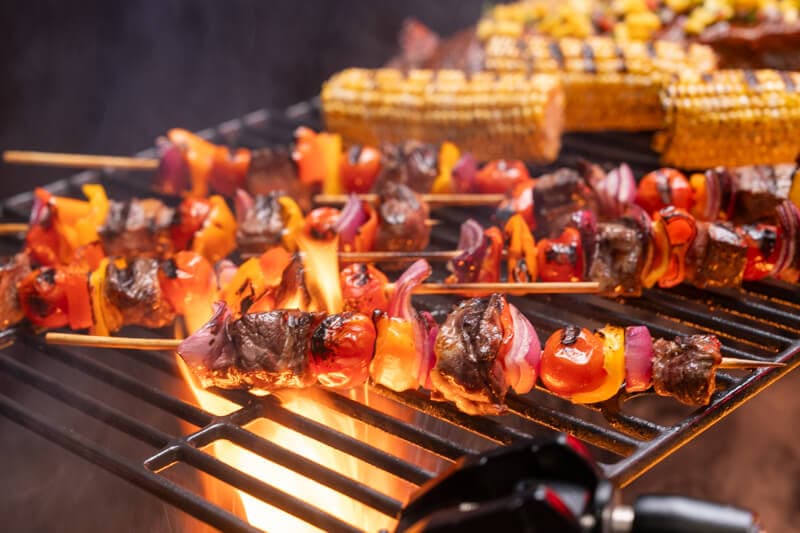
Vegetable grilling also benefits from a little strategy. For example, onions take longer than zucchini, so if you want both on the same plate, start the onions first or use a cooler zone for finishing. Skewers are useful for smaller pieces, but they should be packed with some breathing room so the pieces can brown rather than steam. If you are using a grill basket, shake or turn it occasionally to expose new surfaces to the heat.
A useful rule: if the vegetable is naturally sweet, like corn, carrots, or red onion, a little char can make it taste deeper and more complex. If it is delicate and watery, like summer squash, keep the heat controlled and finish quickly. The trick is not just cooking vegetables until they are soft, but cooking them until they taste more like themselves. That is the real value of versatile grilling techniques in a plant-forward menu.
Seafood is where precision matters most. Fish, shrimp, scallops, and shellfish cook quickly, which means they reward good heat control and punish hesitation. Direct grilling is often the right starting point for seafood, but the surface must be prepared carefully. Clean, hot grates and lightly oiled food help minimize sticking. For fragile fillets, a fish basket, cedar plank, or grill mat can provide extra insurance if you are worried about breakage.
Thicker seafood can handle direct heat beautifully. Salmon, swordfish, tuna steaks, and halibut all benefit from a hot sear and brief cooking time. Smaller seafood items such as shrimp or scallops need even more attention because they can go from opaque and juicy to rubbery very quickly. Watch for color change, slight firmness, and opaque centers instead of relying only on time. If the seafood is marinated, be careful with sugary marinades because they can darken quickly over high heat.
Seafood gives you less margin for error, so prepare everything before it hits the grill.
Indirect heat can help when cooking whole fish or thicker fillets that need more gradual finishing. It is also useful if you are grilling seafood with a glaze or stuffing that needs time to warm through without burning. A good seafood grill session is usually organized before the first piece goes on: have your plate ready, your tongs within reach, and your finishing garnish prepared. Seafood overcooks more often because the cook is still busy arranging the rest of the meal.
A memorable seafood plate often comes from restraint. Lemon, herbs, olive oil, and a clean sear can be more effective than heavy sauces. Let the grill add the smoky note, and let the seafood itself stay the star. If you are cooking for guests, alternating seafood with vegetables on separate zones can help manage timing and preserve texture across the whole menu.
Fruit grilling is one of the most underrated ways to expand your outdoor cooking. The heat caramelizes natural sugars, softens texture, and creates a contrast that works especially well in savory meals or simple desserts. Pineapple, peaches, plums, nectarines, watermelon wedges, and even halved figs can all benefit from short exposure to the grill. The result is not just sweeter fruit, but fruit with a smoky edge and a more complex finish.
The best approach is usually a short direct grill over medium heat. Fruit can burn quickly because of its sugar content, so you want visible marks without turning the surface black. Use firm-ripe fruit rather than overripe fruit, since it will hold together better on the grate. A light brush of oil or neutral fat can reduce sticking, and a sprinkle of cinnamon, brown sugar, honey, or citrus zest can layer in another dimension after grilling.
Fruit works well when paired with savory ingredients. Grilled peaches can sit beside pork or chicken, pineapple can balance spicy glaze, and grilled plums can brighten a plate of greens or cheese. If you are serving a summer cookout, grilled fruit can bridge the gap between the savory main and the dessert course. It is a simple move, but it makes the whole menu feel more deliberate.
The key is to stop before the fruit collapses. You want defined grill marks, softened edges, and enough structure to serve neatly. That balance is what makes the technique feel elevated rather than sloppy. The grill adds the character; the fruit provides the sweetness. Together, they create an unexpected but very practical expression of versatile grilling.
Desserts on the grill work because heat can do two jobs at once: caramelize surfaces and add subtle smokiness. Many grilled desserts start with fruit, but you can also use pastry, pound cake, or skillet-style preparations in a controlled setup. The main challenge is not flavor. It is control. Sugar burns faster than almost any other ingredient, so the grill method matters more than the recipe.
For dessert, indirect heat or a gentle two-zone setup often works best. You want enough warmth to brown and warm through without scorching the sweet components. Stone fruit, stuffed bananas, pineapple with spice sugar, and even shortcake components can all benefit from brief grill time. If you are using a cast iron skillet on the grill, the pan itself acts as a buffer and helps keep delicate dessert items from direct flare-ups.
A strong grilled dessert usually has contrast. Warm fruit paired with cold cream, toasted cake paired with soft berries, or caramelized pineapple paired with yogurt creates a better finish than sweetness alone. Because grilled desserts are often served at the end of a meal, they also benefit from simplicity. You do not need complicated techniques; you need reliable heat and good timing.
If you are serving dessert at a gathering, it helps to cook components ahead of time and finish them on the grill just before serving. That approach preserves texture and keeps the meal feeling fresh. Grilled desserts are a reminder that versatile grilling techniques are not just about meat mastery. They are about making the grill a complete cooking platform.
The value of versatile grilling techniques is that they let you choose the right heat strategy instead of forcing every ingredient into the same process. Direct grilling gives you speed and sear. Indirect grilling gives you patience and control. Two-zone grilling gives you the freedom to move between the two. Once you can read your food and adjust the heat pattern, the grill becomes far more useful than a simple summer appliance.
That flexibility also fits the way many home cooks really grill: a little improvisation, a little planning, and a lot of interest in serving food that feels both relaxed and thoughtful. With the right method, vegetables taste brighter, seafood stays juicier, fruit becomes more interesting, and desserts feel like a natural extension of the meal. Try comparing two products side by side below to see which fits best:
Once you've compared two options side by side, the next step is thinking about what each grill can actually do beyond the standard sear. Rotisserie cooking and smoking are two of the most useful ways to expand your range because they change how heat moves around food. A rotisserie keeps food turning so the surface cooks evenly and self-bastes as juices rotate across the exterior. Smoking, by contrast, uses low heat and steady airflow to build flavor slowly over time. Both methods fit naturally into the idea of versatile grilling because they let one grill cover a wider menu without requiring a separate appliance for every task.
Rotisserie works especially well for chickens, leg of lamb, and some pork roasts because the turning action helps the skin or exterior brown more evenly than a stationary roast. It also gives you a bit more forgiveness than a fixed hot zone, since the food is constantly rotating through the heat rather than sitting in one intense spot. The payoff is an exterior that develops color while the interior stays juicy. If your grill supports a rotisserie attachment, think of it as a way to make larger cuts feel more manageable. The cook is less about constant flipping and more about setting the temperature, monitoring the roast, and letting the equipment do the work.
Smoking, whether on gas or charcoal, broadens the flavor profile of everyday ingredients. A pork shoulder, brisket point, or tray of chicken thighs can take on a completely different personality when cooked low and slow over wood or charcoal. The key difference from direct grilling is time. Smoking values patience, consistent heat, and minimal lid opening. If you rush the process, the food may still cook, but it will not develop the layered flavor that makes smoking worthwhile. For home cooks, that means planning ahead and understanding that the grill is now performing like a slow cooker with smoke.
Low-and-slow cooking rewards stable heat more than raw intensity. If your fire keeps swinging, your smoke flavor and texture will suffer.
These advanced methods are also useful when you are cooking for a mixed crowd. A rotisserie chicken can anchor the meal while quicker items, like grilled corn or vegetables, cook nearby. Smoking can do the same for a weekend gathering because the food can hold at serving temperature and still taste excellent when plated. In practice, the best grillers are not just good at one technique; they are able to layer several techniques into a single meal plan.
Wood chips are one of the easiest ways to add character to grilled food without turning the entire cook into a full smoking session. They work by releasing aromatic smoke as they heat, which settles onto the food and adds another layer of flavor. The most important decision is not just which wood to use, but how much and when to use it. Too little smoke may disappear into the background, while too much can overpower delicate foods.
Different woods pair naturally with different foods. Apple and cherry generally suit poultry and pork because they create a softer, slightly sweet profile. Hickory and mesquite are stronger and work better for beef, brisket-style cuts, and heartier proteins. When using wood chips on a gas grill, soak or prepare them according to the grill's design and place them in a smoker box or designated packet area. On charcoal, you can scatter them over hot coals or mix them into the fire bed for a more immediate smoke effect. Either way, the amount of smoke should support the food rather than bury it.
The best way to think about wood chips is as a seasoning, not a blanket. A few bursts of smoke early in the cook can have more impact than a constant stream that never lets the food breathe. That is especially important for fish, shellfish, and vegetables, which can be overwhelmed if the smoke is too heavy. For those items, a lighter wood choice and shorter exposure are often more effective.
If the smoke smells harsh or bitter to you at the grill, it will usually taste harsh or bitter on the plate.
Wood chips are also useful for cooks who want to bridge the gap between direct grilling and smoking. You can sear first, then introduce smoke later in the cook for a layered result. That approach works especially well with chicken, pork chops, and vegetables that need a little char before smoke adds complexity. Used thoughtfully, wood chips let you control the tone of the meal: subtle, bold, sweet, or earthy.
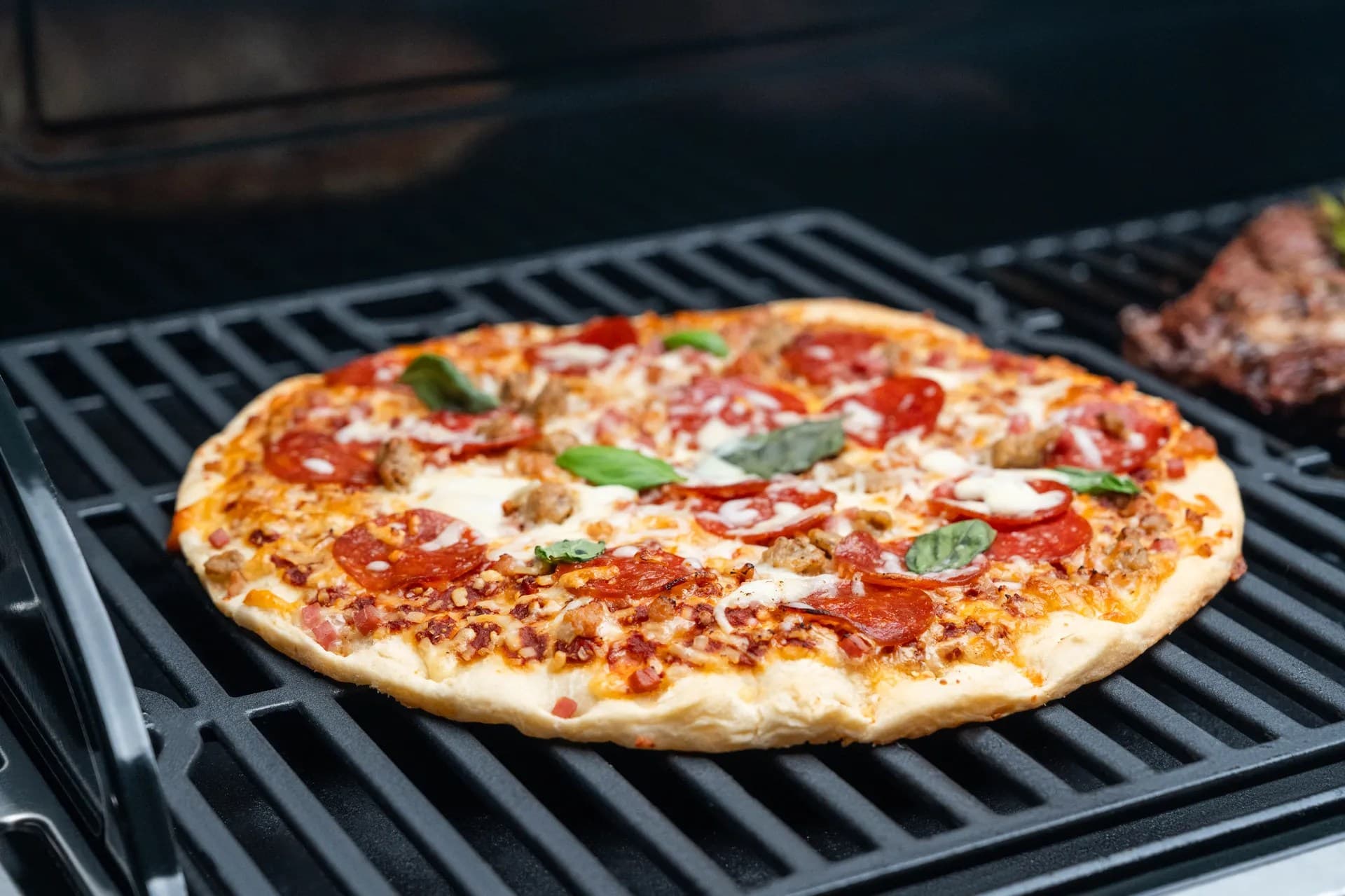
The grate material beneath the food changes the way heat reaches it. Cast iron grates retain heat very well and create strong sear marks, which makes them excellent for steaks, chops, and other foods where you want a hard contact sear. Stainless steel grates are popular because they resist corrosion better and often clean up more easily, making them a practical all-around choice for frequent use. Porcelain-coated grates can be appealing because they offer a smoother surface and straightforward maintenance, though they still require care to avoid chipping.
Material choice matters because it affects both searing and cleanup. A grate that holds heat well can help food brown more quickly after the lid opens, but it also needs proper preheating to perform at its best. On the other hand, a grate that is easy to maintain may be better for cooks who value convenience and consistent weeknight use. If you grill often, the surface under your food deserves as much consideration as burner count or overall grill size.
Heat retention, cleanup, and browning all begin at the grate level.
For delicate foods, the grate surface may also influence breakage. A hot, well-oiled grate helps fish release more easily, while a rough or underheated grate can cause sticking. For vegetables, wider grate bars can leave attractive marks but may be harder on small slices. In real-world use, the best grate is the one that matches your menu and maintenance habits. If you like crusty steaks and bold marks, heat retention matters. If you want easier upkeep, corrosion resistance and simple cleaning may matter more.
A versatile grill only stays versatile if it remains dependable. Regular maintenance keeps heat distribution more consistent, helps avoid flare-ups, and reduces the chance that residue interferes with flavor. The most valuable habit is simple: clean while the grill is still warm enough to loosen residue, but not so hot that the job becomes unsafe. That applies to grates, drip areas, and any removable components that collect grease or ash.
For gas grills, inspecting burners and ignition components should be part of the routine because blocked ports or weak ignition can throw off your heat zones. If the grill no longer heats evenly, your direct and indirect setups become less reliable. For charcoal grills, ash management matters because too much ash can obstruct airflow and make temperature control harder. A well-maintained grill is easier to move between high-heat searing, low-and-slow cooking, and mixed-zone setups because the flame or coal bed responds more predictably.
Maintenance is not only about lifespan. It is also about preserving the cooking map you rely on every time you grill.
Weather protection matters too. Moisture, sun exposure, and dust can all shorten the useful life of a grill if it is left uncovered and uncleaned between uses. A protective cover, dry storage, and occasional deep cleaning keep your setup ready for the next cook. If you use your grill for multiple techniques throughout the year, consistency in maintenance becomes even more important because each method depends on predictable heat behavior.
Good grilling technique only works when it is paired with responsible safety habits. Keep the grill on a stable, noncombustible surface, away from low overhangs, dry plants, and anything that could catch fire. Lids, handles, and grate surfaces can become extremely hot, so use long-handled tools and heat-resistant gloves when moving food or adjusting zones. If you are working with gas, check connections before lighting and make sure the flame pattern looks even after ignition.
Temperature control also has a safety dimension. Under-cooked proteins create a food safety issue, while excessive flare-ups can damage food and equipment. Using two-zone grilling gives you a useful buffer because you can move food away from sudden flare-ups without stopping the cook. A thermometer is the most practical way to avoid guesswork, especially for larger cuts, stuffed items, or poultry. For charcoal setups, allow coals to cool fully before disposal, and never add starter fluids once the fire is established.
Food handling matters as well. Keep raw and cooked items separate, and avoid reusing platters that held uncooked food. If you are grilling for a crowd, organize the workflow so that tools, plates, and seasonings are not crossing paths unnecessarily. Safety is not a separate category from grilling technique; it is part of making the technique work reliably from start to finish.
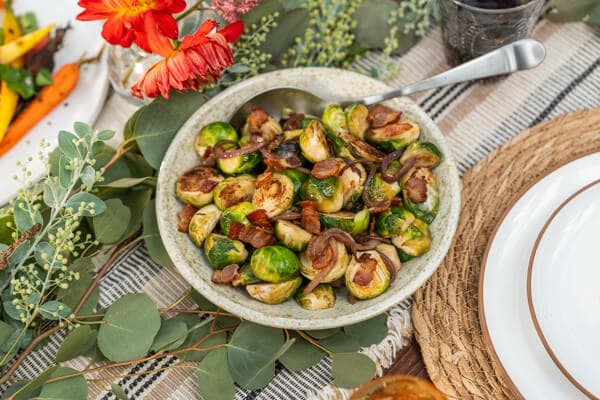
A great grilled main often becomes memorable because of what sits beside it. Sides matter because they balance texture, temperature, and flavor. Sharp slaws cut through rich pork. Herby potato salad balances charred chicken. Grilled corn fits naturally with smoky proteins because it echoes the fire flavor without competing with it. If your main leans heavily savory, a crisp salad or bright vinaigrette can refresh the plate. If the main is delicate, a richer side like rice pilaf or roasted potatoes can give it structure.
The best side pairing usually answers one question: what does the main need to feel complete? A steak may need acidity and crunch. Salmon may need a fresh herb sauce and a starchy base. Grilled vegetables may need grain, cheese, or citrus to turn them into a full dish. Thinking this way helps you build menus instead of just recipes. That is especially important for versatile grilling because the grill can do more than one thing at once, and the sides should support that rhythm.
You can also use side dishes to reflect the same heat strategy as the main course. For example, if the main is cooked over two zones, you might grill corn on the hotter side and warm tortillas or flatbreads on the cooler side. If the main is smoked, a chilled side gives a good contrast. This is where outdoor cooking starts to feel complete: the grill is not just producing protein, it is shaping the whole menu.
One of the best ways to deepen your grilling practice is to borrow from global traditions. Different regions have solved the same problem in different ways: how to add flavor quickly, how to cook through thicker cuts, and how to make fire feel communal. That perspective keeps grilling from becoming repetitive and reminds you that versatility is as much cultural as it is technical.
Think about kebabs and skewered cooking from the Middle East and Central Asia, where small pieces are arranged for fast, even grilling. Consider Brazilian-style churrasco, which emphasizes open-fire roasting and large cuts. In Korean grilling, smaller portions and sauces keep the meal social and interactive. Mediterranean grilling often leans on olive oil, herbs, seafood, and vegetables, proving that not every great grilled meal needs heavy smoke or long cook times. These approaches show that versatile grilling techniques are not a single tradition but a collection of smart responses to ingredient, climate, and gathering style.
Borrow the method, not just the marinade. Technique is what makes a global flavor profile feel authentic on your grill.
For a Nexgrill cookout, global technique can become a practical planning tool. You might use direct heat for skewers, two-zone heat for thicker cuts, and indirect heat for breads or whole proteins in the same session. That mix makes a single grill feel like several cooking stations. It also makes the meal feel more generous and more connected, which is very much in line with Nexgrill’s idea that the table is a place where people come together, not just a place where food lands.
The real payoff from learning versatile grilling techniques is confidence. When you understand how direct, indirect, two-zone, rotisserie, smoking, and global approaches differ, you stop guessing and start making purposeful choices. That means better texture, better timing, fewer mistakes, and menus that feel more complete from the first course to dessert. You do not need to use every method at once. You just need to know which method fits the food and the moment.
For home cooks in the United States, where a weeknight meal may need to be fast and a weekend gathering may need to feed a crowd, versatility is practical, not decorative. It saves time, reduces waste, and helps a single grill cover more cooking scenarios throughout the year. If you want to keep improving, focus on one question each time you grill: did the heat pattern match the ingredient? That habit alone will move your results forward quickly.
Here's what sets us apart
We position ourselves as delivering high-end outdoor cooking features and performance without premium-brand pricing, emphasizing “Quality Grills. Unbelievable Value.”
We offer gas grills, pellet grills, griddles, smokers, pizza ovens, portable/tabletop grills, electric grills, accessories, and replacement parts — allowing customers to stay within one ecosystem for all outdoor cooking needs.
We differentiate ourselves through smart grilling products like the Oakford smart pellet grill, including app-connected cooking controls and modern outdoor cooking technology.
Don't just take our word for it
Keep reading
From our catalog