Mastering Consistent Grilling Temperatures: Expert Tips
Achieve perfect grilling results with these temperature management strategies.

Image via 123RF
In This Article
Understanding Temperatures
Key Tools and Techniques
Advanced Grilling Methods
Understanding the Importance of Consistent Grilling Temperatures
Maintaining constant grilling temperatures is crucial for achieving the perfect cook on any dish, whether you're grilling a steak, smoking ribs, or roasting vegetables. Inconsistent temperatures can lead to uneven cooking, resulting in overcooked or undercooked meals that fail to impress. By focusing on temperature control, you ensure that your food cooks evenly, retains moisture, and develops the desired textures and flavors.
Consistency in grilling temperatures also allows you to experiment with different cooking techniques, such as searing, smoking, and indirect grilling, without the risk of burning or undercooking. Knowing how to manage your grill's heat zones effectively can transform your grilling sessions into culinary successes.
Key Tools for Temperature Management
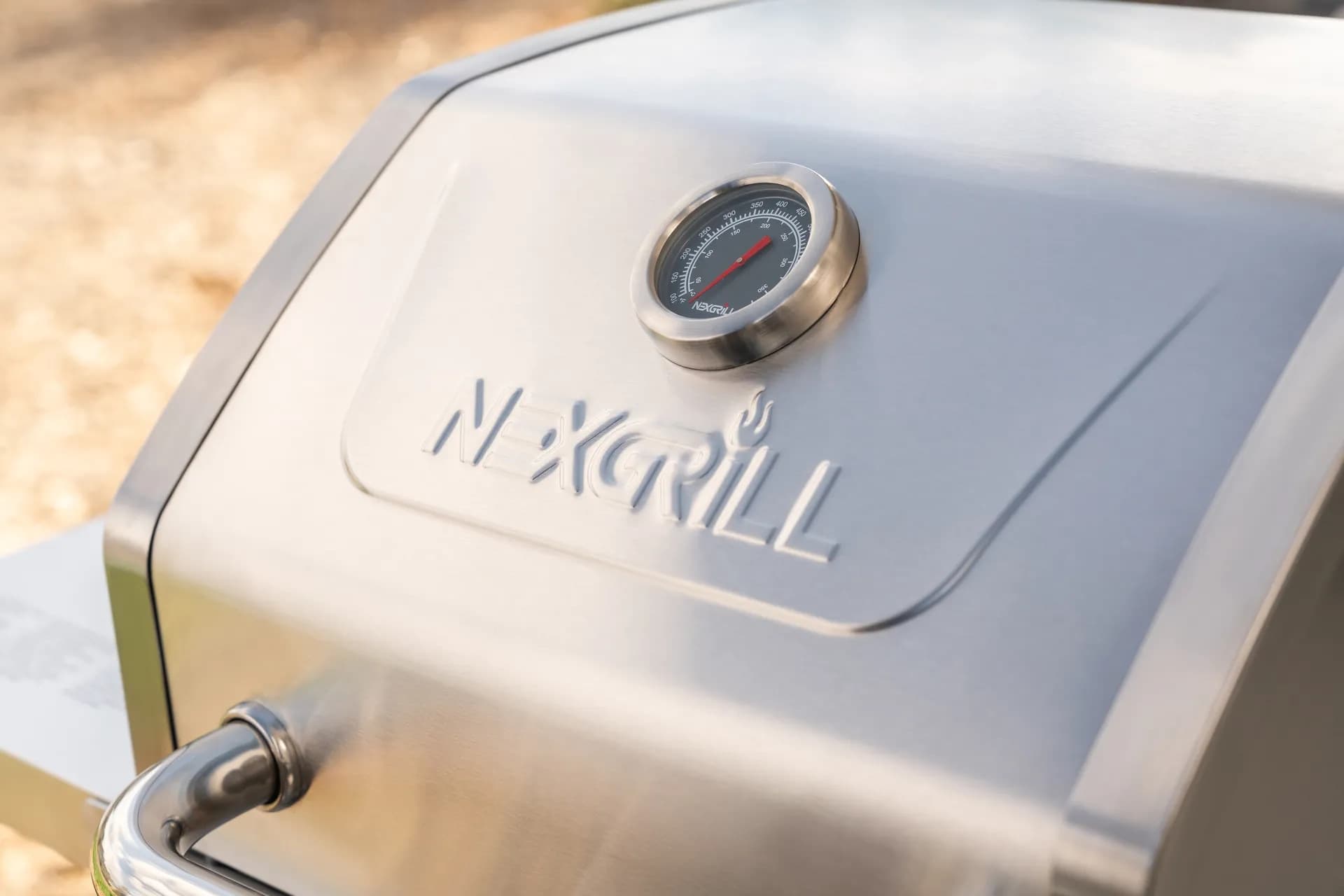
Using the right tools is essential for maintaining consistent grilling temperatures. A good quality grill thermometer is indispensable for monitoring the internal temperature of your grill and ensuring that it remains stable. Consider investing in both a digital instant-read thermometer and a grill surface thermometer for the best results.
| Tool | Function |
|---|---|
| Digital Instant-Read Thermometer | Quickly checks the internal temperature of food. |
| Grill Surface Thermometer | Measures the temperature of the grill grates. |
| Infrared Thermometer | Non-contact method to gauge surface heat. |
Tip: Always calibrate your thermometers regularly to ensure accuracy.
Managing Heat Zones for Even Cooking
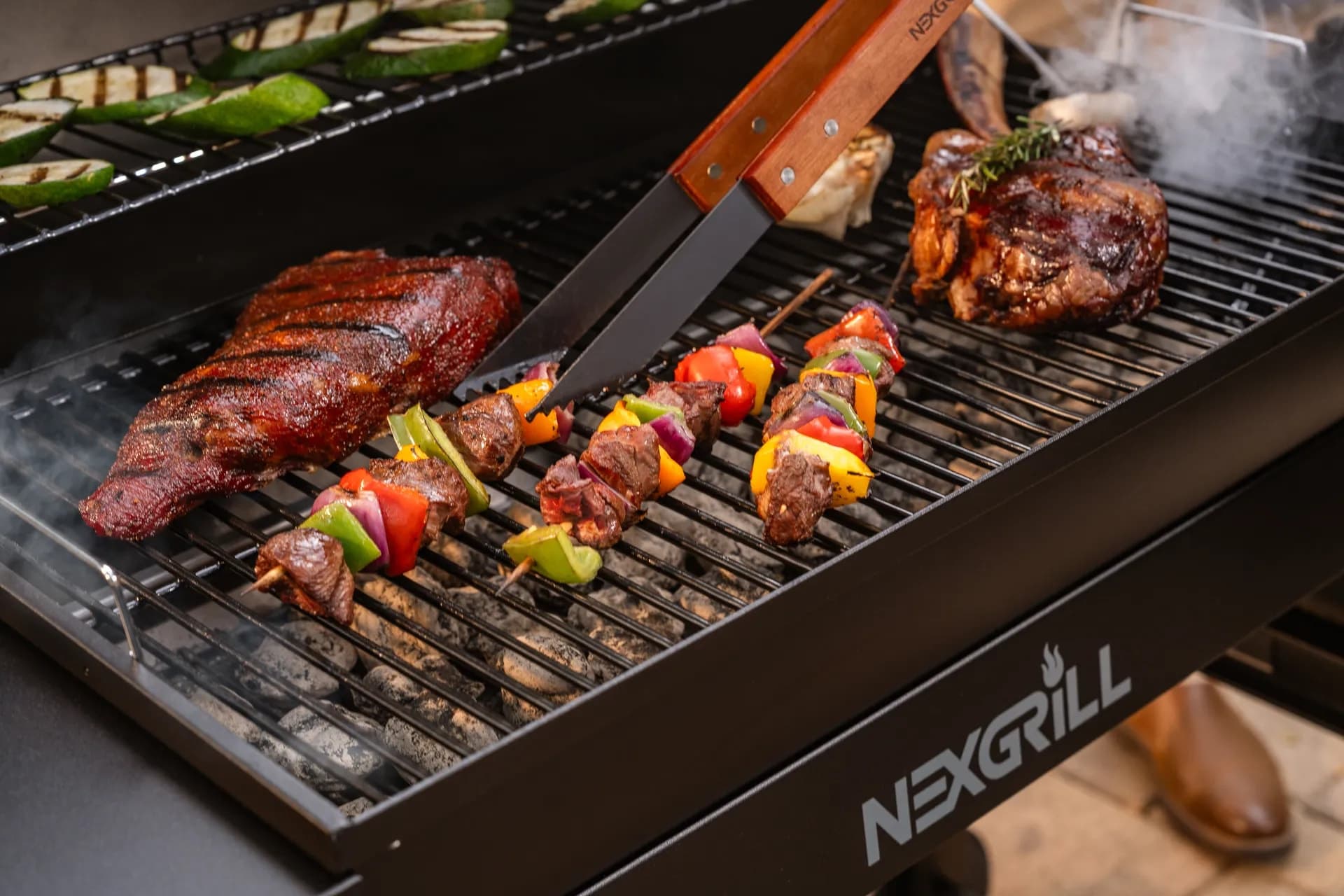
Creating distinct heat zones on your grill is a technique used by seasoned grillers to maintain consistent temperatures. By setting up a two-zone fire, you can control the cooking process more precisely. A two-zone setup involves having one side of the grill at high heat for searing and the other side at a lower temperature for slow cooking.
This setup allows you to start cooking meats at high heat to achieve a good sear before moving them to the cooler side to finish cooking slowly and evenly. Whether you're using a gas or charcoal grill, understanding how to manipulate your grill's burners or charcoal layout is key to effective temperature management.
Choosing the Right Fuel for Consistent Temperatures
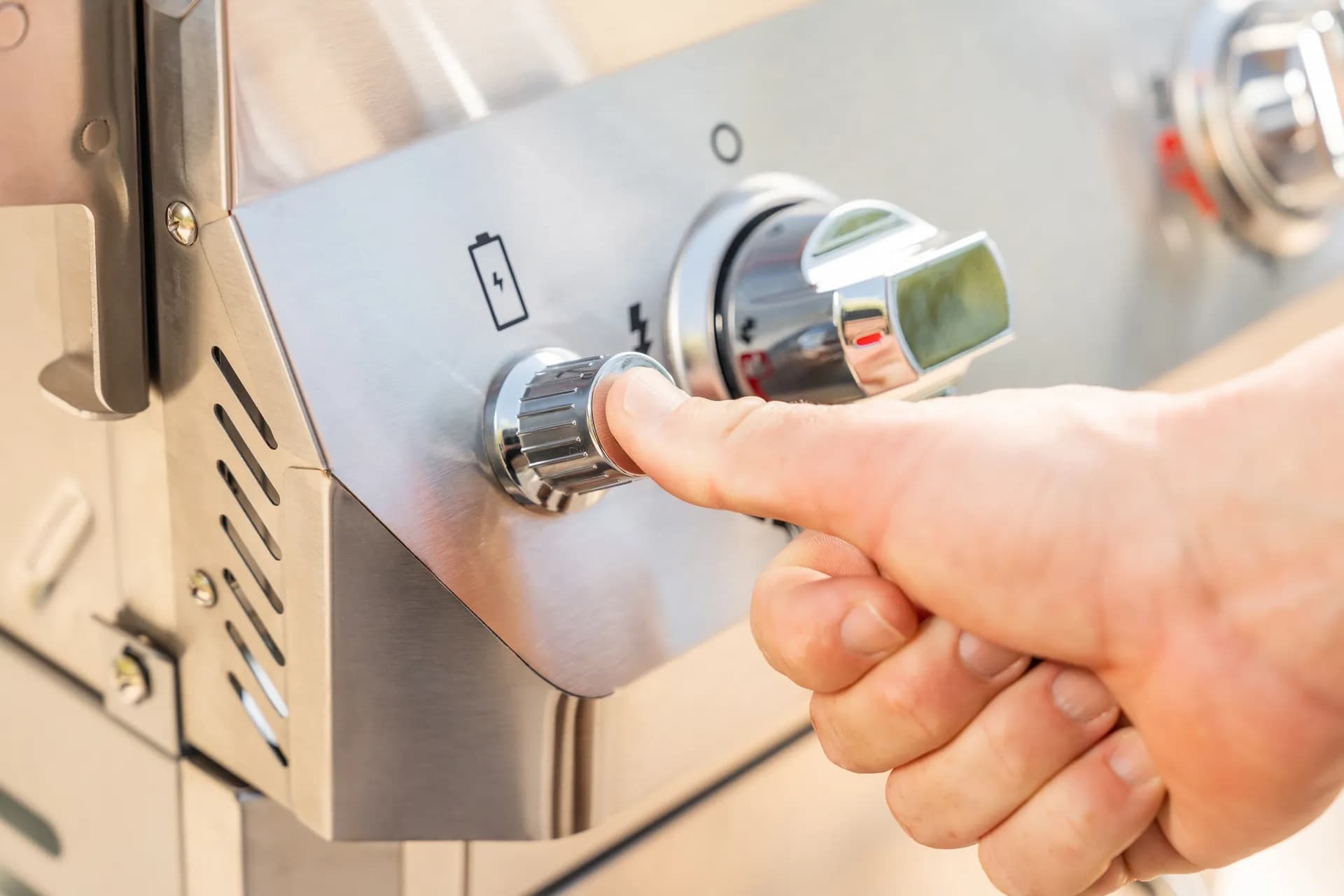
The type of fuel you use can significantly impact your ability to maintain consistent grilling temperatures. Gas grills offer precise temperature control, allowing you to adjust the heat with a simple turn of a knob. However, charcoal grills require a different skill set, as maintaining a steady temperature involves mastering the art of air flow and coal arrangement.
When using charcoal, consider using a combination of lump charcoal and briquettes for a balance of heat output and burn time. Lump charcoal burns hotter but doesn't last as long, while briquettes provide a steadier, longer-lasting heat. Additionally, using a charcoal chimney starter can help you get an even and efficient start to your grilling session.
| Fuel Type | Pros | Cons |
|---|---|---|
| Gas | Easy temperature control | Less smoky flavor |
| Charcoal | Rich, smoky flavor | Requires more skill to control temperature |
| Pellet | Consistent heat and flavor | Needs electricity |
Practical Tips for Consistent Grilling
Here are some practical tips to help you maintain steady temperatures while grilling:
- Preheat your grill for at least 10-15 minutes before cooking to stabilize the temperature.
- Keep the grill lid closed as much as possible to prevent heat loss.
- Arrange your coals or burners to create defined heat zones.
- Use a water pan inside the grill to add moisture and stabilize the temperature.
- Regularly check the fuel levels and replenish as needed to maintain consistent heat.
Warning: Avoid opening the grill lid too often, as this can cause significant temperature drops.
Once You've Mastered the Basics
Once you've gotten a handle on maintaining consistent temperatures, you can start experimenting with more advanced techniques, such as smoking, reverse searing, or using wood chips for added flavor. These methods require precise temperature control and can elevate your grilling skills to new levels.
Remember, practice makes perfect. As you become more familiar with your grill's quirks and capabilities, you'll gain confidence in managing temperatures and experimenting with different recipes.