Mastering Grilling Temperature Basics
Unlock perfect grilling with the right temperature control.
In This Article
Grill Type Comparison
Temperature Tips
Fuel and Weather
Understanding Grilling Temperature Basics
Grilling is as much an art as it is a science. At the core of this culinary skill lies the mastery of temperature control. Whether you're a novice or an experienced griller, understanding the fundamentals of grilling temperature can elevate your cooking from ordinary to extraordinary. The right temperature not only ensures your food is cooked evenly but also enhances flavor and texture.
Why Temperature Control Matters
Controlling the temperature is crucial for achieving the desired doneness of your food. High heat is perfect for searing steaks to lock in juices, while lower temperatures are ideal for slow-cooking and smoking meats to achieve tender, flavorful results. Inconsistent temperatures can result in uneven cooking, leading to overcooked exteriors and undercooked centers.
Tip: Always preheat your grill to the desired temperature before placing food on it. This ensures even cooking and prevents sticking.
Different Grills, Different Controls
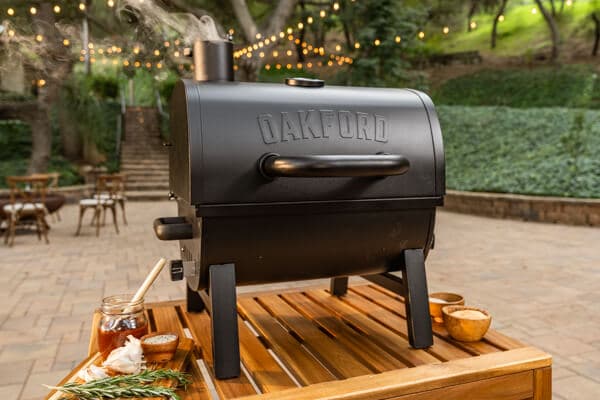
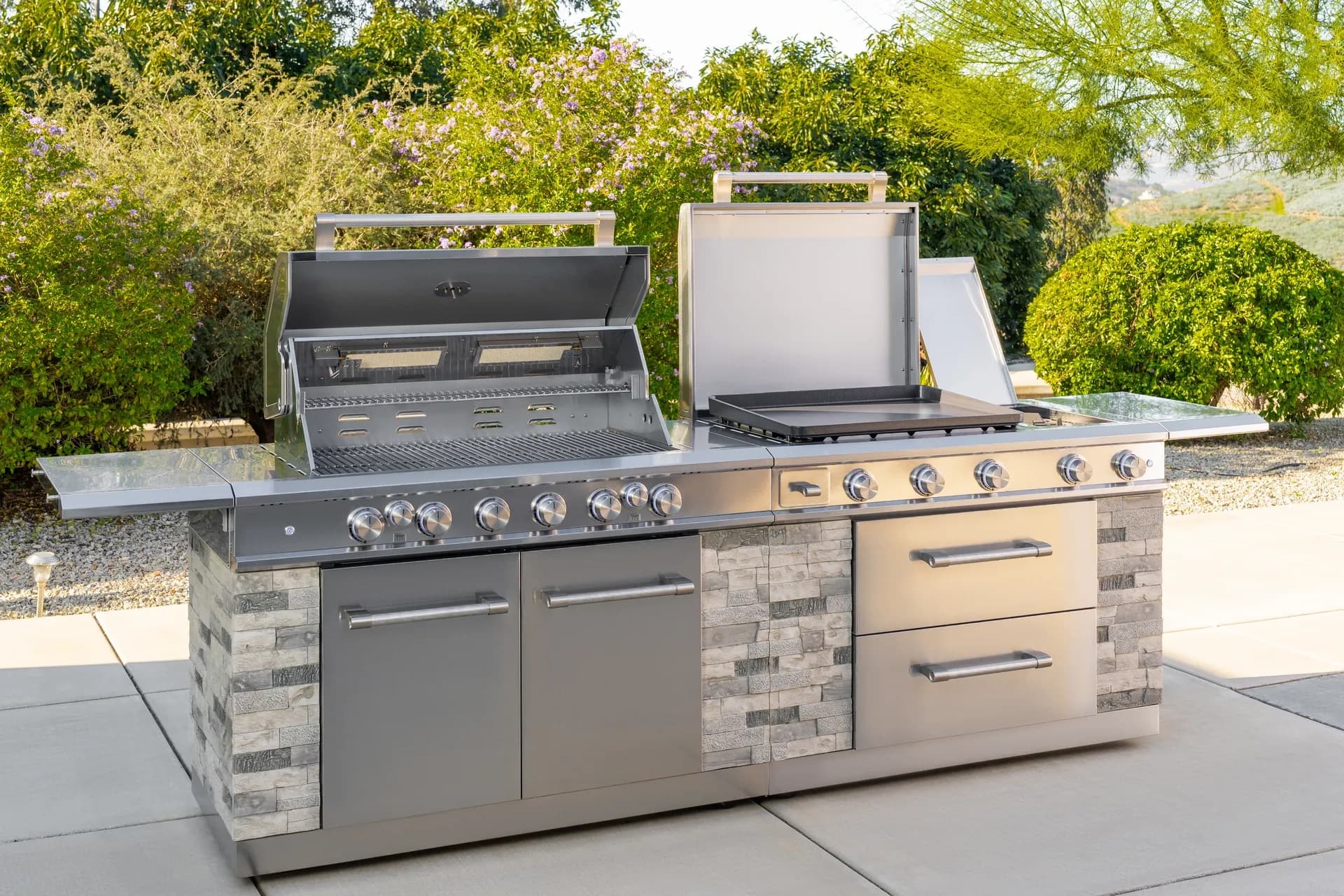
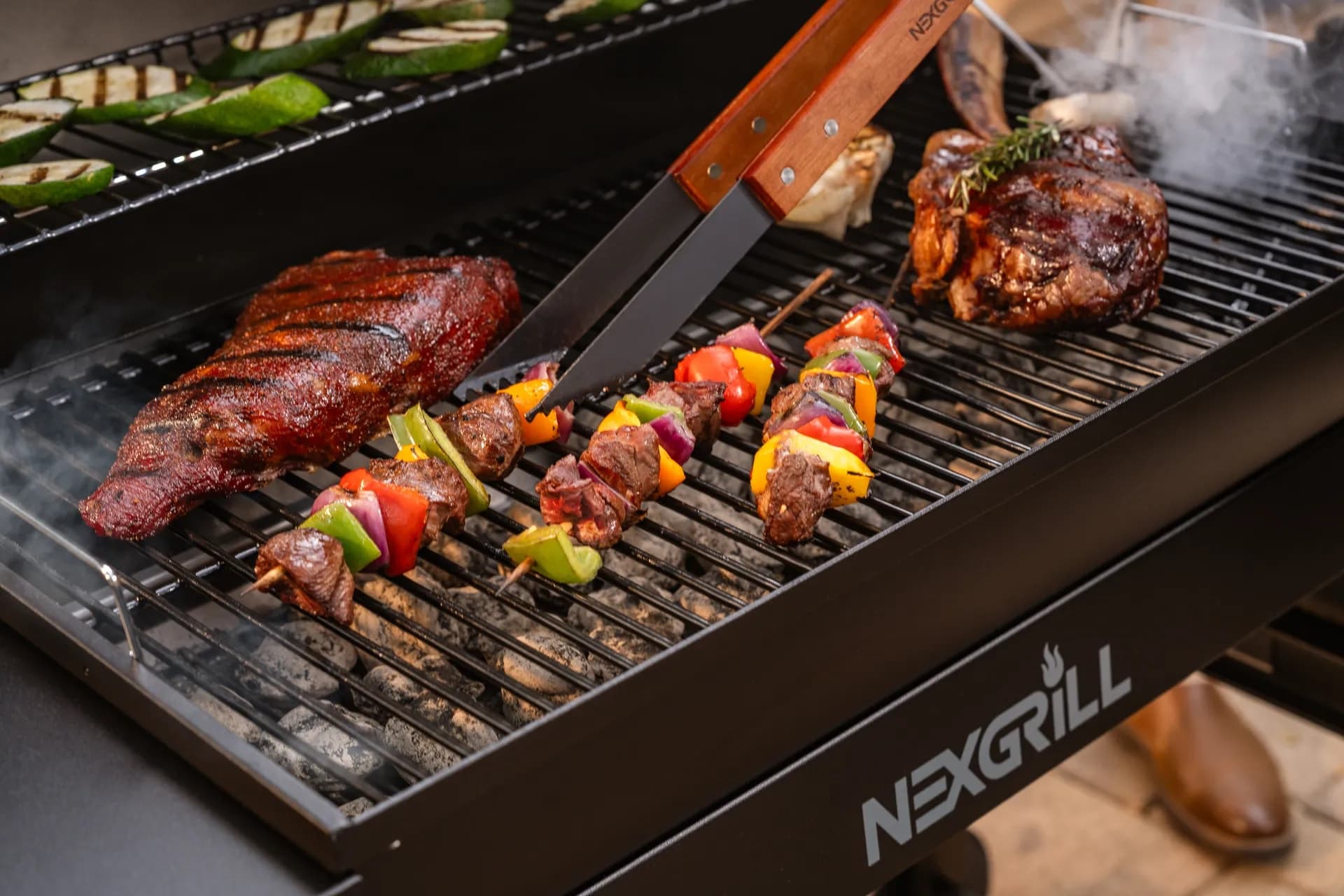
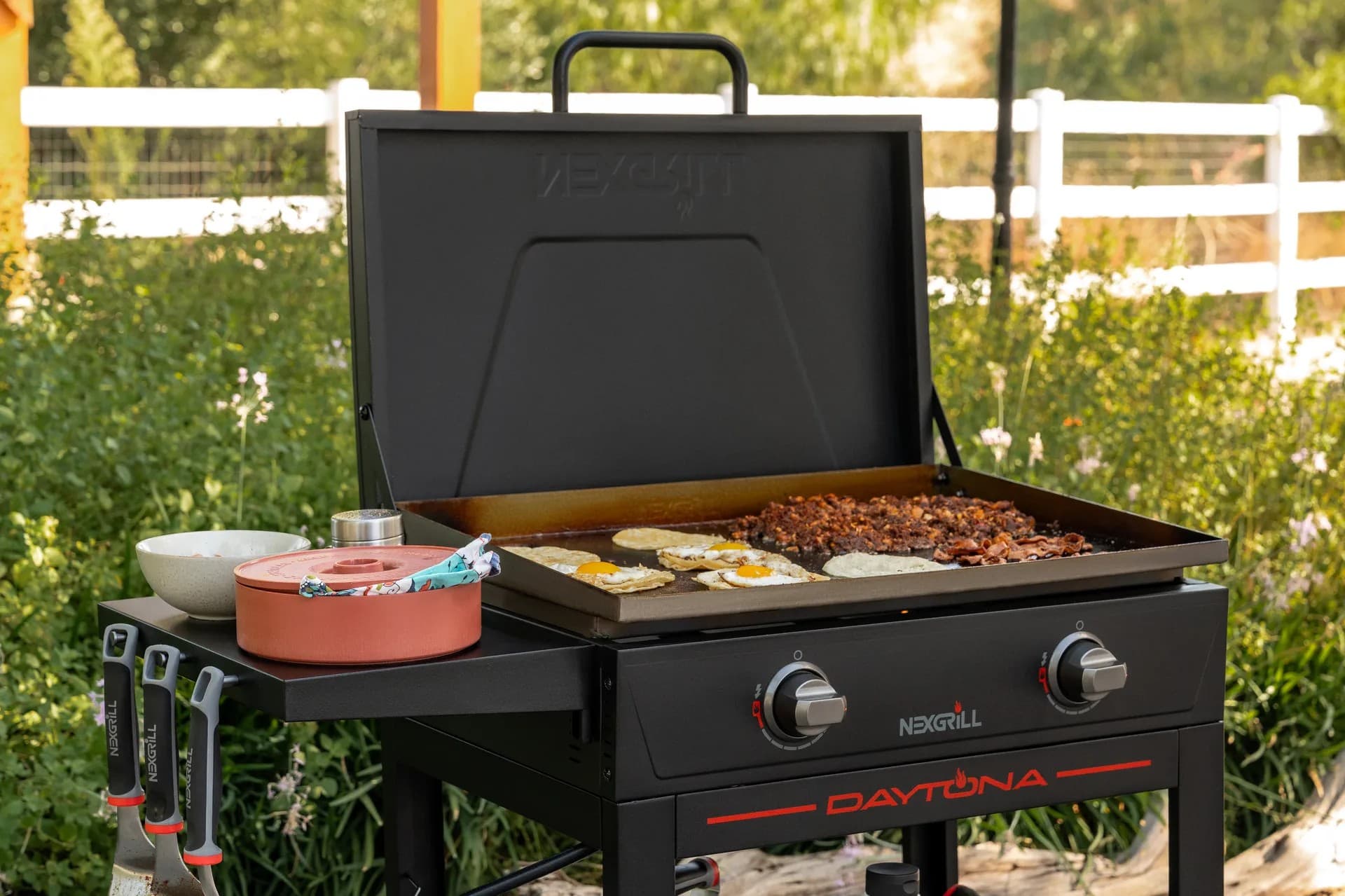
Gas, charcoal, and electric grills each offer unique benefits and challenges when it comes to temperature control. Gas grills allow for precise temperature adjustments with the turn of a knob, making them ideal for those who prioritize convenience and speed. Charcoal grills, while offering the authentic smoky flavor, require more skill to maintain consistent heat, as they rely on the placement and quantity of coal. Electric grills provide ease of use, especially in settings where open flames are not permitted, but might lack the intense heat needed for searing.
| Grill Type | Temperature Control | Ideal For |
|---|---|---|
| Gas | Precise control with knobs | Quick meals, convenience |
| Charcoal | Manual adjustments via vents | Authentic flavor, smoking |
| Electric | Set and forget | Indoor grilling, ease of use |
The Science Behind Grilling Temperatures
Grilling involves both conduction and convection heat transfer. Conduction occurs when food is in direct contact with the grill grates, creating those iconic grill marks. Convection, on the other hand, involves the circulation of hot air around the food, cooking it evenly. Understanding the balance between these two can help you manage your grill more effectively.
For cuts that benefit from a quick sear, such as steaks or chops, a higher temperature of around 450°F to 500°F is recommended. Meanwhile, delicate items like fish or vegetables might require a lower temperature ranging from 350°F to 400°F. Slow-cooked meats, such as ribs or brisket, are best cooked at a low-and-slow temperature of 225°F to 250°F.
Practical Tips for Perfect Grilling
Achieving the perfect grilling temperature requires a combination of skill and the right tools. Here are some practical tips to help you maintain the ideal temperature for your grilling needs:
Using Thermometers
A reliable meat thermometer is an indispensable tool for any griller. It takes the guesswork out of cooking by providing an accurate reading of the internal temperature of your food. Insert the thermometer into the thickest part of the meat without touching the bone for the most accurate reading. For steaks, an internal temperature of 130°F to 135°F indicates medium-rare, while 145°F is medium. Chicken should reach an internal temperature of 165°F to ensure it is safe to eat.
Tip: Allow meat to rest for a few minutes after grilling. This helps retain juices and makes the meat more tender.
Managing Grill Zones
Creating different heat zones on your grill can provide greater control over cooking. Use one side of the grill for direct heat to sear meats and the other for indirect heat to cook food through without burning. This technique is especially useful for thicker cuts of meat that require a longer cooking time.
Adjusting for Weather Conditions
Weather can play a significant role in grilling. Windy conditions can cause temperature fluctuations, while cold weather might require a longer preheating time. Investing in a grill cover or windbreak can help maintain consistent heat and protect the grill from the elements.
| Condition | Effect on Temperature | Solution |
|---|---|---|
| Windy | Cools down grill | Use a windbreak |
| Cold | Increases preheat time | Preheat longer |
| Hot | Raises grill temp | Monitor closely |
Choosing the Right Fuel
The type of fuel you use can affect grilling temperature. Charcoal offers higher heat than gas but requires more time to adjust. Propane provides consistent heat but lacks the smoky flavor. Wood chips can be added to charcoal grills to enhance flavor, providing a balance between convenience and taste.
By mastering these temperature basics, you can ensure that every grilling session is a success, resulting in delicious, perfectly cooked meals that will impress your family and friends.