Mastering Grilling Temperatures: The Key to Perfect Barbecue
Unlock the secrets to achieving the perfect grill with precise temperature control.
In This Article
Preheat for Success
Temperature Control
Safety First
Understanding Grilling Temperatures
Grilling is as much a science as it is an art, and understanding temperatures is crucial for achieving perfect results. Whether you're searing steaks, grilling vegetables, or slow-cooking ribs, the temperature of your grill can make all the difference. It influences the texture, flavor, and safety of your food. Different types of food require specific temperature ranges to ensure they are cooked properly and safely.
The Importance of Grill Preheating
Preheating your grill is a step that should never be skipped. It ensures that the grill grates are hot enough to sear the food, locking in juices and creating those coveted grill marks. A properly preheated grill also helps maintain consistent cooking temperatures, reducing the chances of undercooking or overcooking your meal.
| Food Type | Ideal Temperature (°F) | Grill Time |
|---|---|---|
| Steaks | 450°F to 500°F | 4-5 minutes per side |
| Chicken Breast | 375°F to 400°F | 6-8 minutes per side |
| Fish | 400°F to 450°F | 3-5 minutes per side |
Direct vs. Indirect Grilling
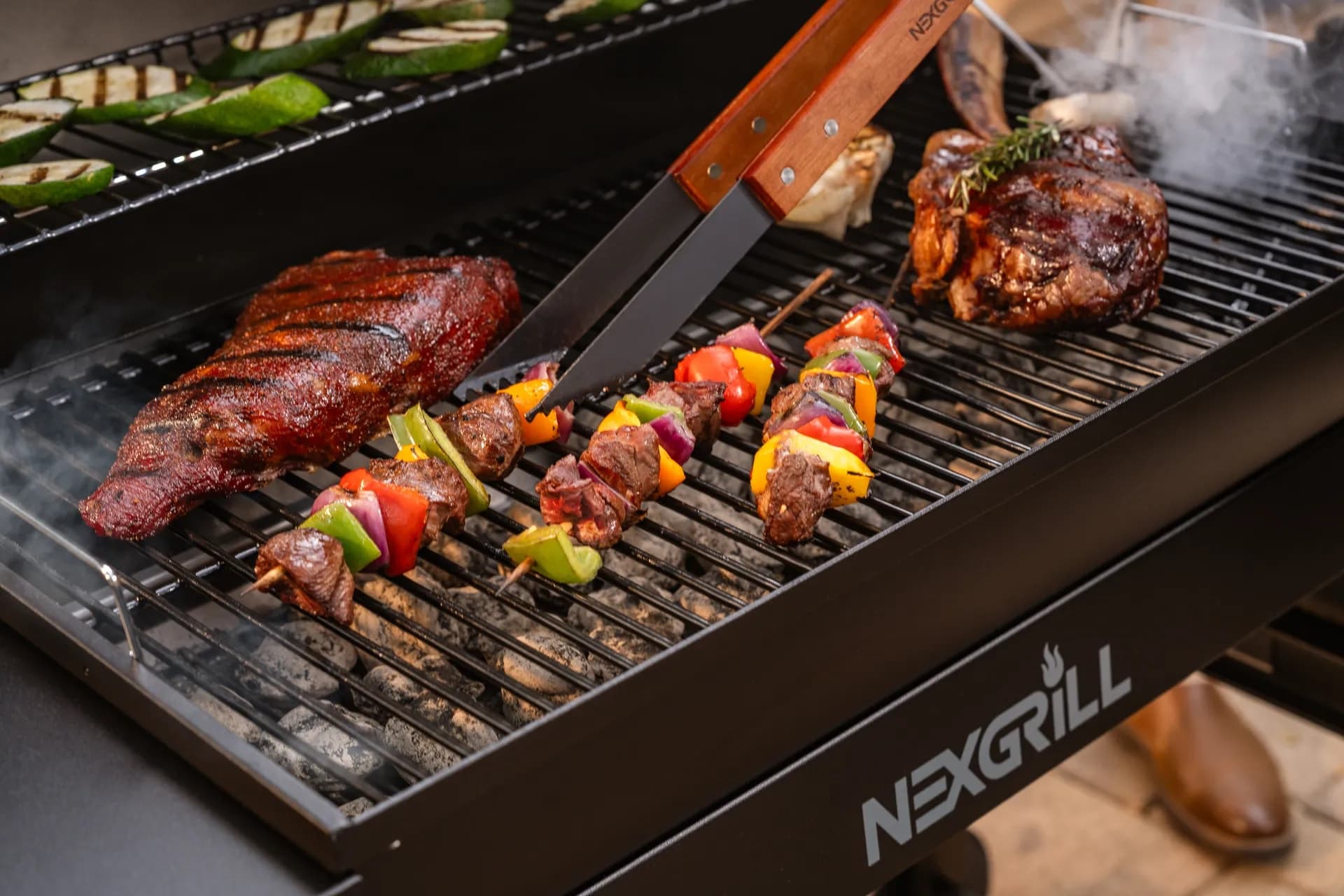
Direct grilling involves cooking food directly over the heat source, which is ideal for foods that take less than 25 minutes to cook, such as burgers, hot dogs, and steaks. Indirect grilling, on the other hand, is perfect for larger cuts of meat that require longer cooking times. By placing the food to the side of the heat, you can cook it slowly and evenly without burning the exterior.
Tip: Always use the lid when grilling indirectly to trap heat and cook food evenly.
Monitoring Grill Temperatures
Accurate temperature monitoring is essential for successful grilling. Invest in a reliable grill thermometer to check the temperature of the grill surface as well as the internal temperature of the food. Many modern grills come equipped with built-in thermometers, but it's always a good idea to have a backup. Digital thermometers offer quick and accurate readings, helping you maintain optimal grilling temperatures.
Info: Digital thermometers offer quick and accurate readings, helping you maintain optimal grilling temperatures.
Choosing the Right Grill for Temperature Control
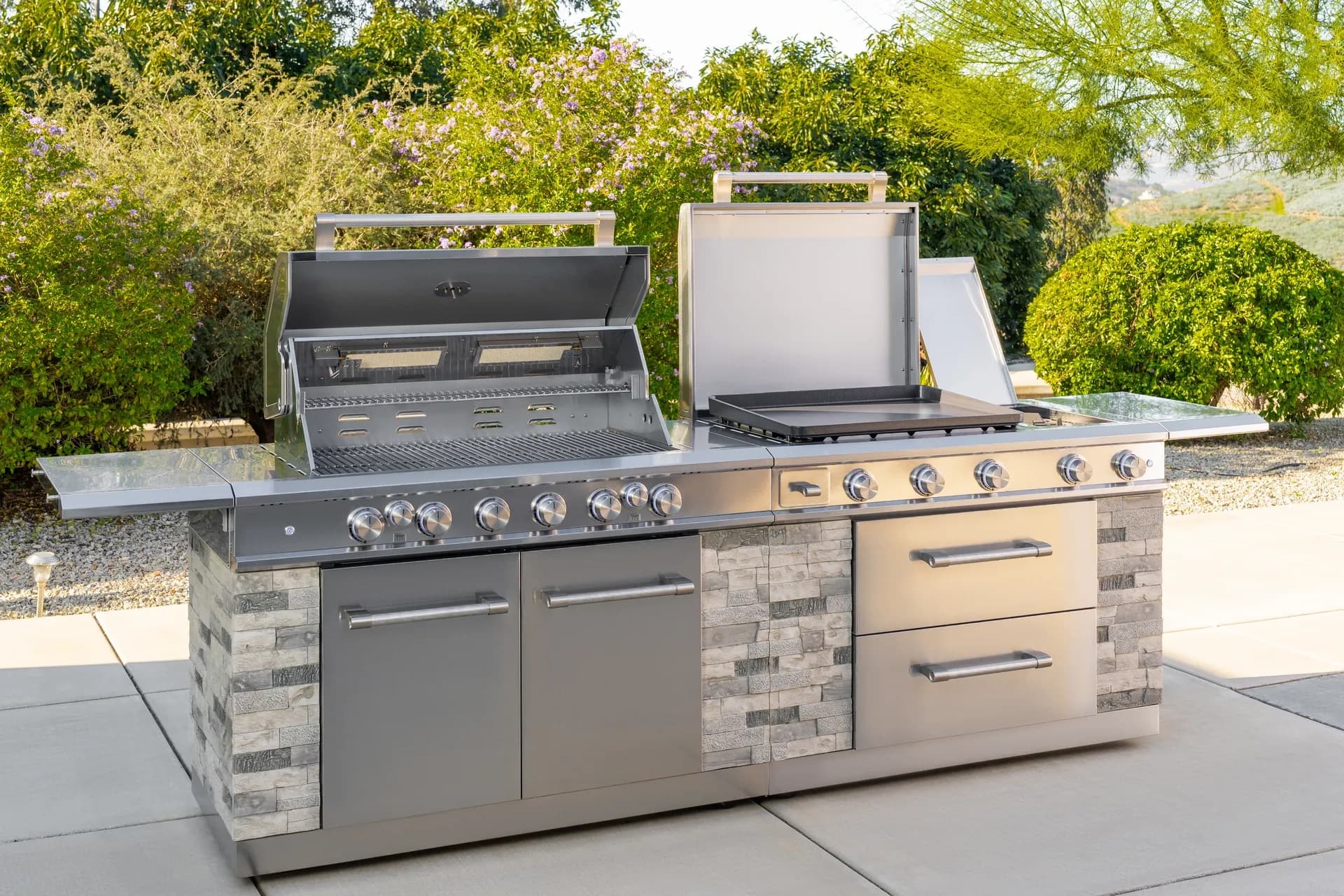
Selecting the right grill is vital for achieving precise temperature control, which is key to successful outdoor cooking. Whether you prefer gas, charcoal, or pellet grills, each type offers unique benefits in terms of temperature management. Gas grills typically provide the most control, with adjustable burners allowing for quick changes in heat levels.
| Grill Type | Temperature Range | Best For |
|---|---|---|
| Gas Grill | 200°F to 700°F | Versatile cooking, precise control |
| Charcoal Grill | 225°F to 600°F | Smoky flavor, traditional grilling |
| Pellet Grill | 180°F to 500°F | Low and slow cooking, smoking |
Mastering Low and Slow Cooking
Low and slow cooking is an art form that involves cooking food at lower temperatures for extended periods. This technique is ideal for tough cuts of meat like brisket or pork shoulder, which require time to become tender and flavorful. Keeping the grill at a consistent low temperature ensures the meat remains juicy and develops a rich, smoky flavor.
Warning: Avoid opening the grill lid too often during low and slow cooking, as this can cause temperature fluctuations.
Safety Considerations with Grilling Temperatures
Safety is paramount when grilling, and understanding the correct temperatures for cooking various foods is crucial to prevent foodborne illnesses. Poultry should be cooked to an internal temperature of 165°F, while ground meats should reach 160°F. Invest in a good meat thermometer to ensure food safety.
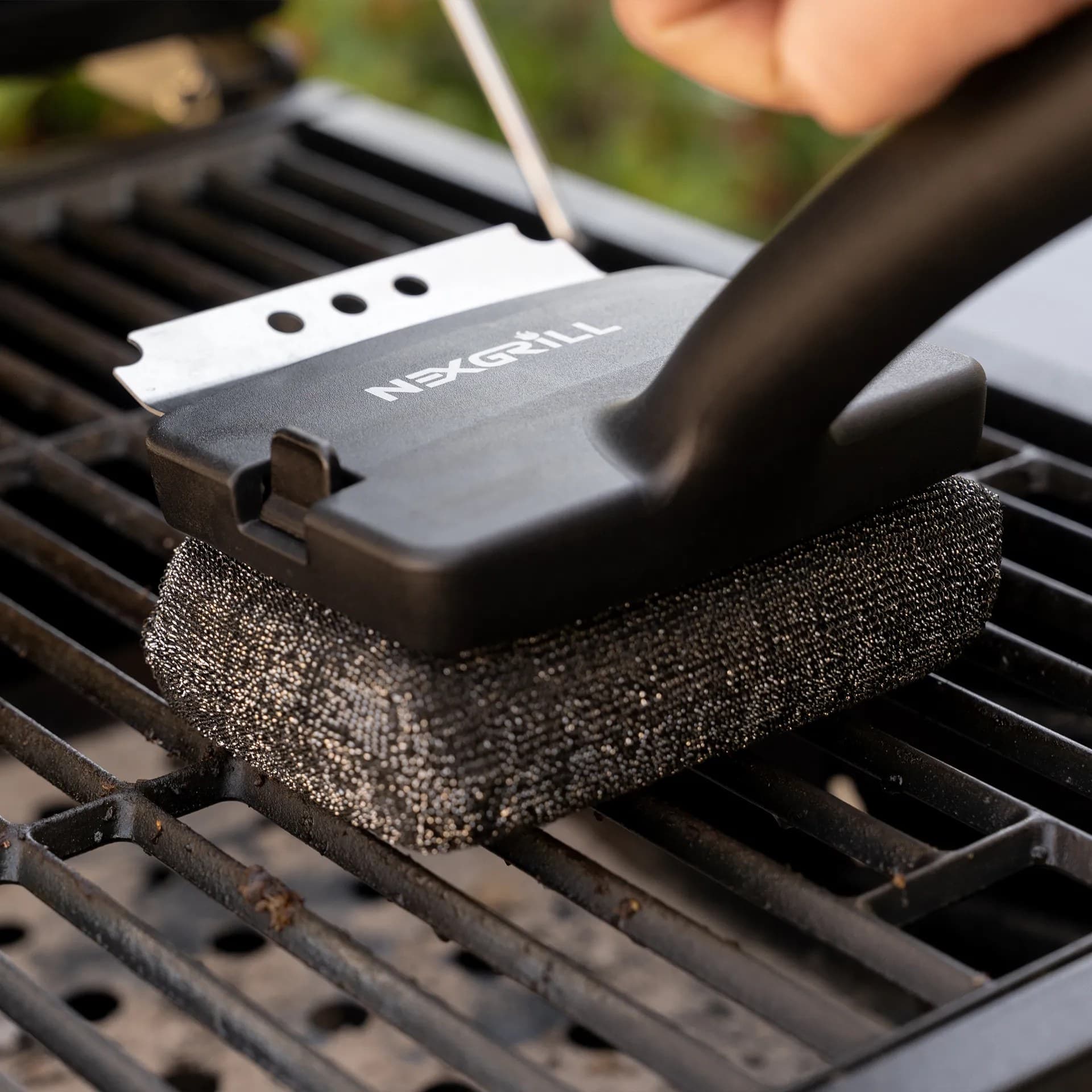
Info: Always clean your grill thoroughly before and after use to prevent contamination and ensure optimal performance.
Conclusion: Achieving Grilling Mastery
Mastering grilling temperatures is a journey that enhances your outdoor cooking experience, leading to delicious results every time. By understanding your grill, maintaining precise temperature control, and practicing safe cooking habits, you can elevate your grilling to new heights. Remember, the right temperature can turn a good meal into a great one.
Minimum safe cooking temperature for poultry