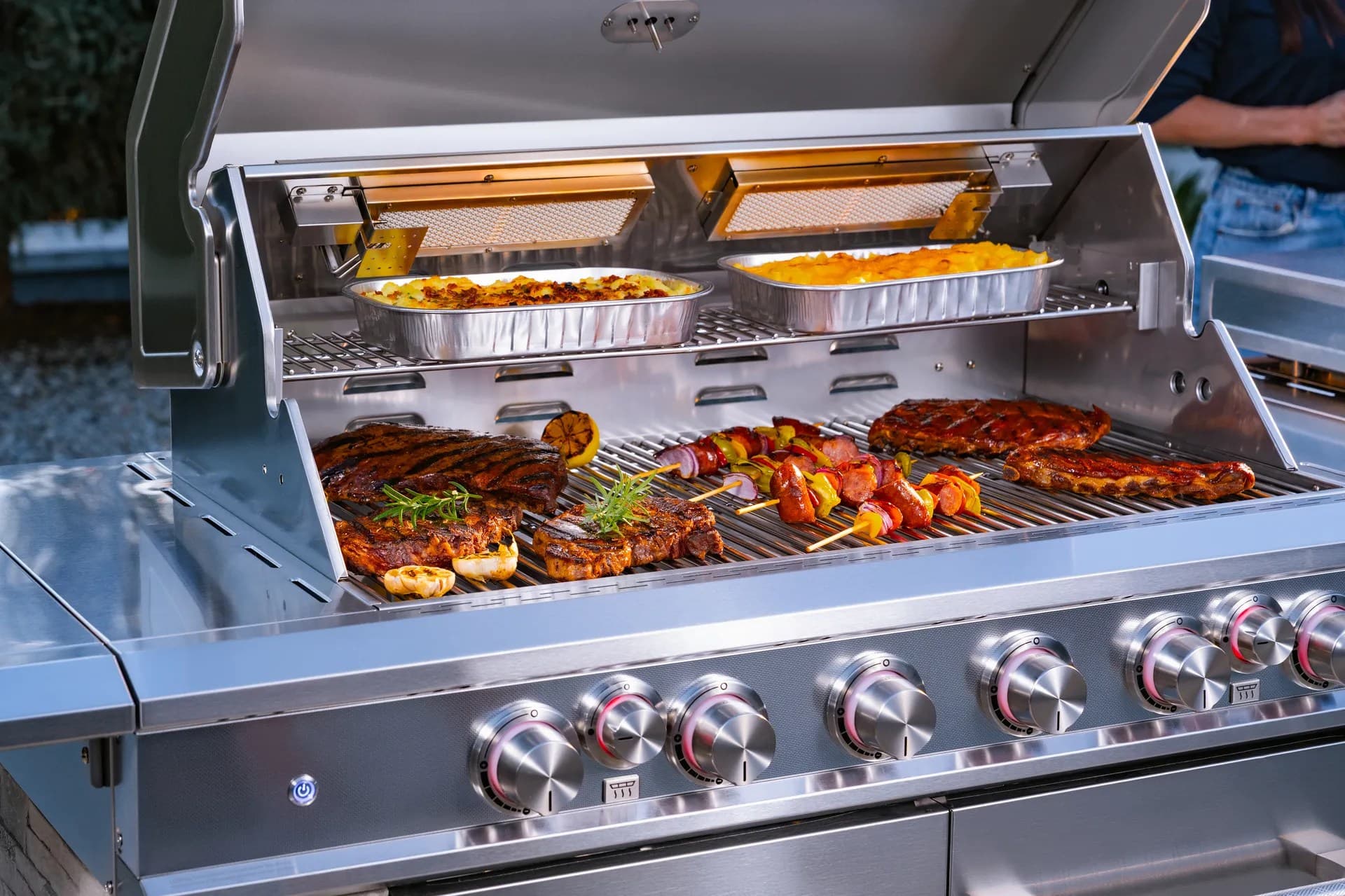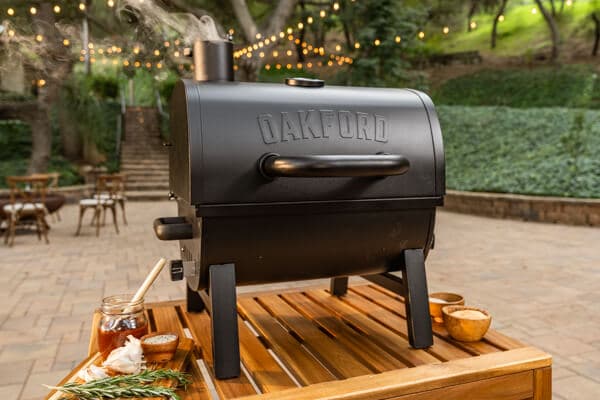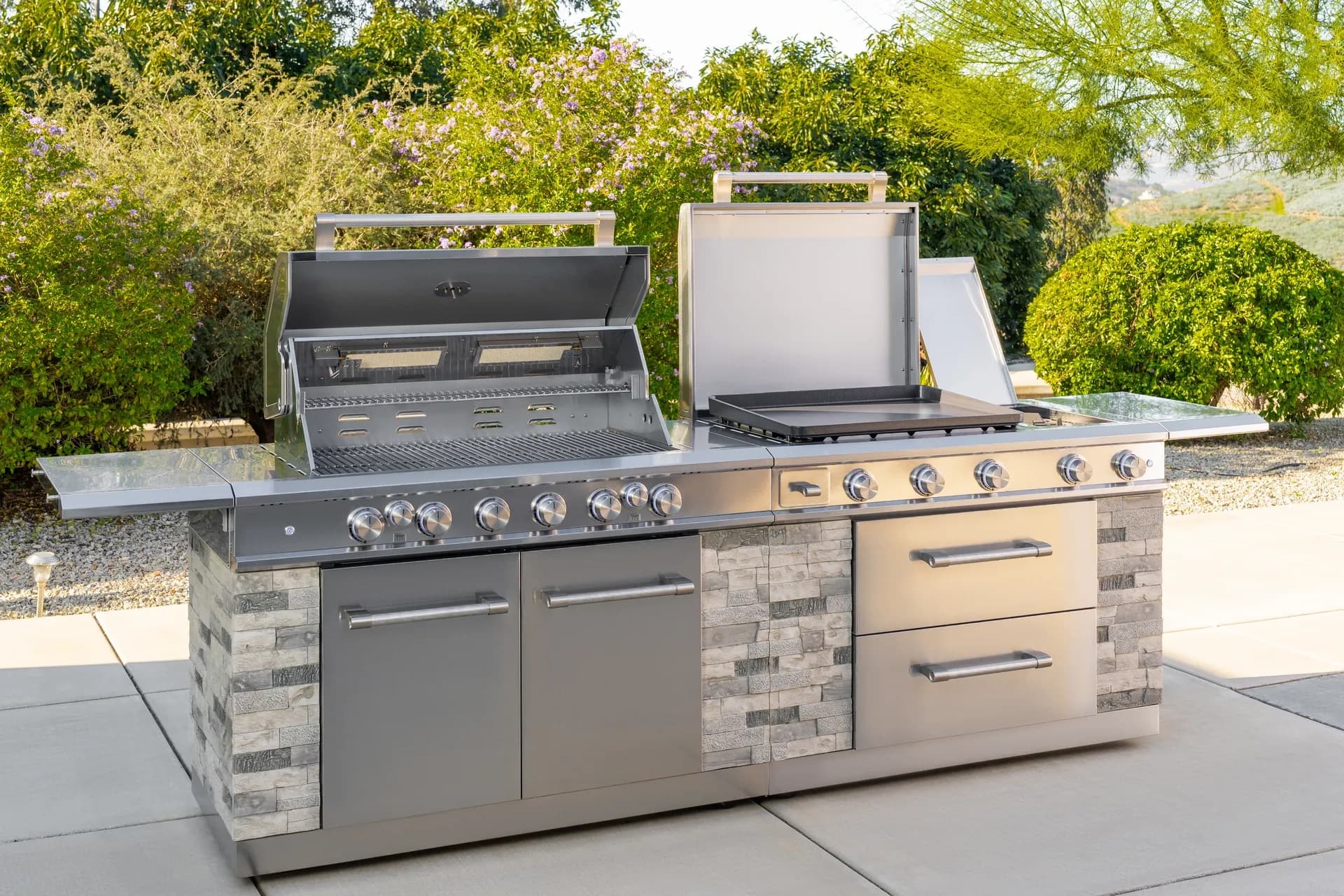
A comprehensive guide to understanding and choosing tabletop grills equipped with convenient ignition systems.
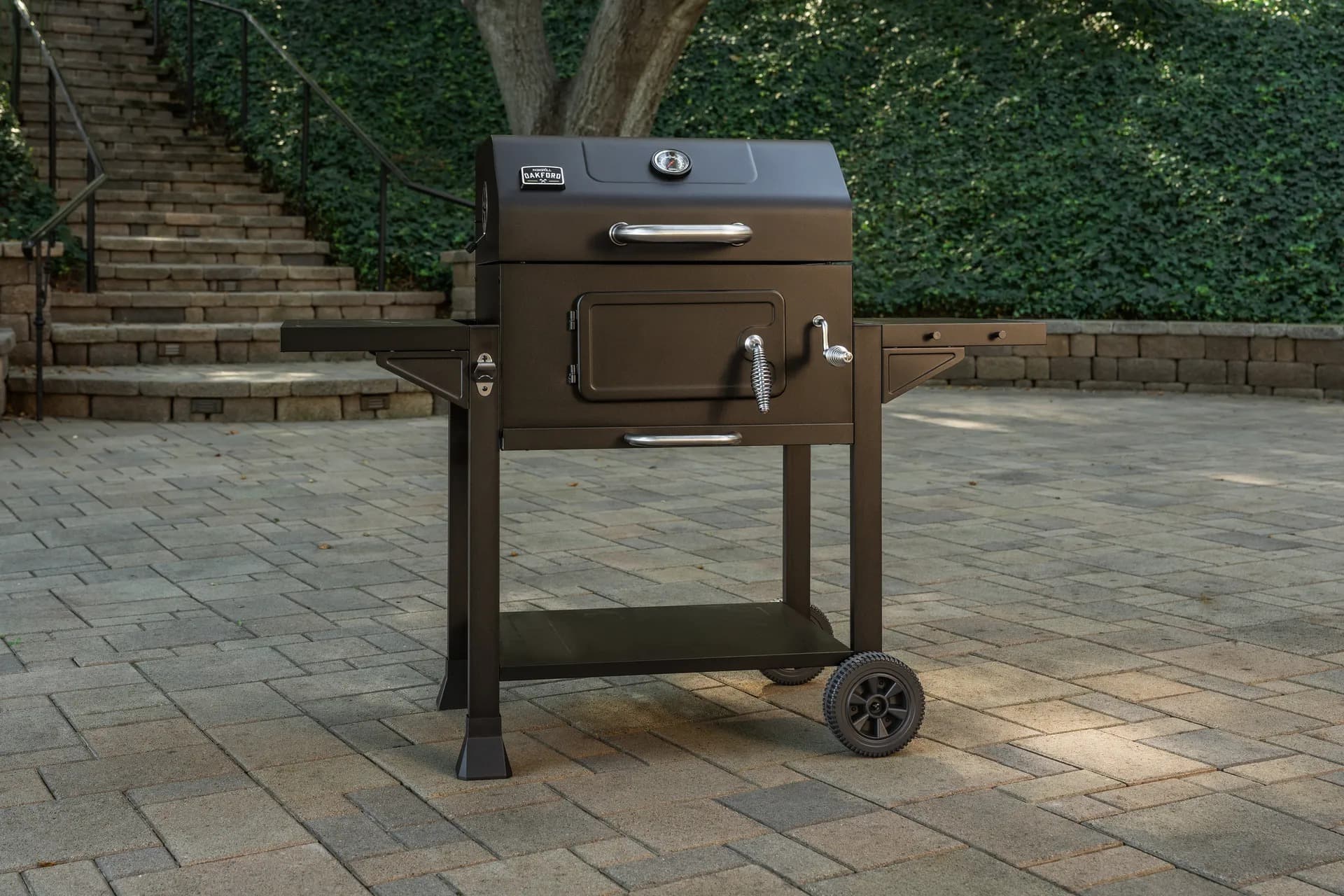
From sizzling breakfasts to smash burgers and teppanyaki-style dinners, the Daytona Pro 5 Burner NitroGuard™ Griddle delivers powerful heat, fast cooking, and a durable cooking surface built for every backyard cookout. Watch how easy outdoor cooking can be.
Here's what sets us apart from the competition
We position ourselves as delivering high-end outdoor cooking features and performance without premium-brand pricing, emphasizing “Quality Grills. Unbelievable Value.”
We offer gas grills, pellet grills, griddles, smokers, pizza ovens, portable/tabletop grills, electric grills, accessories, and replacement parts — allowing customers to stay within one ecosystem for all outdoor cooking needs.
We differentiate ourselves through smart grilling products like the Oakford smart pellet grill, including app-connected cooking controls and modern outdoor cooking technology.
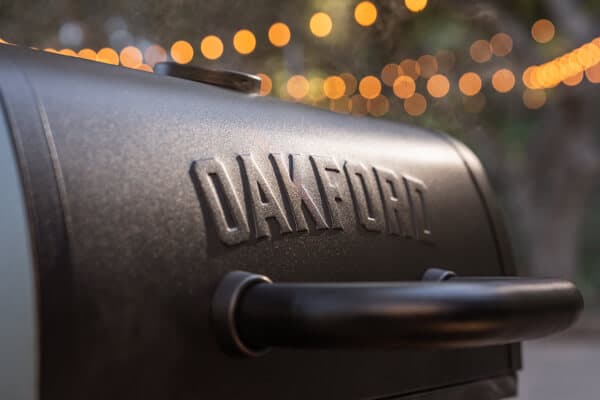
Expert tips, buying guides, comparisons, and inspiration for choosing and getting the most out of your grill.
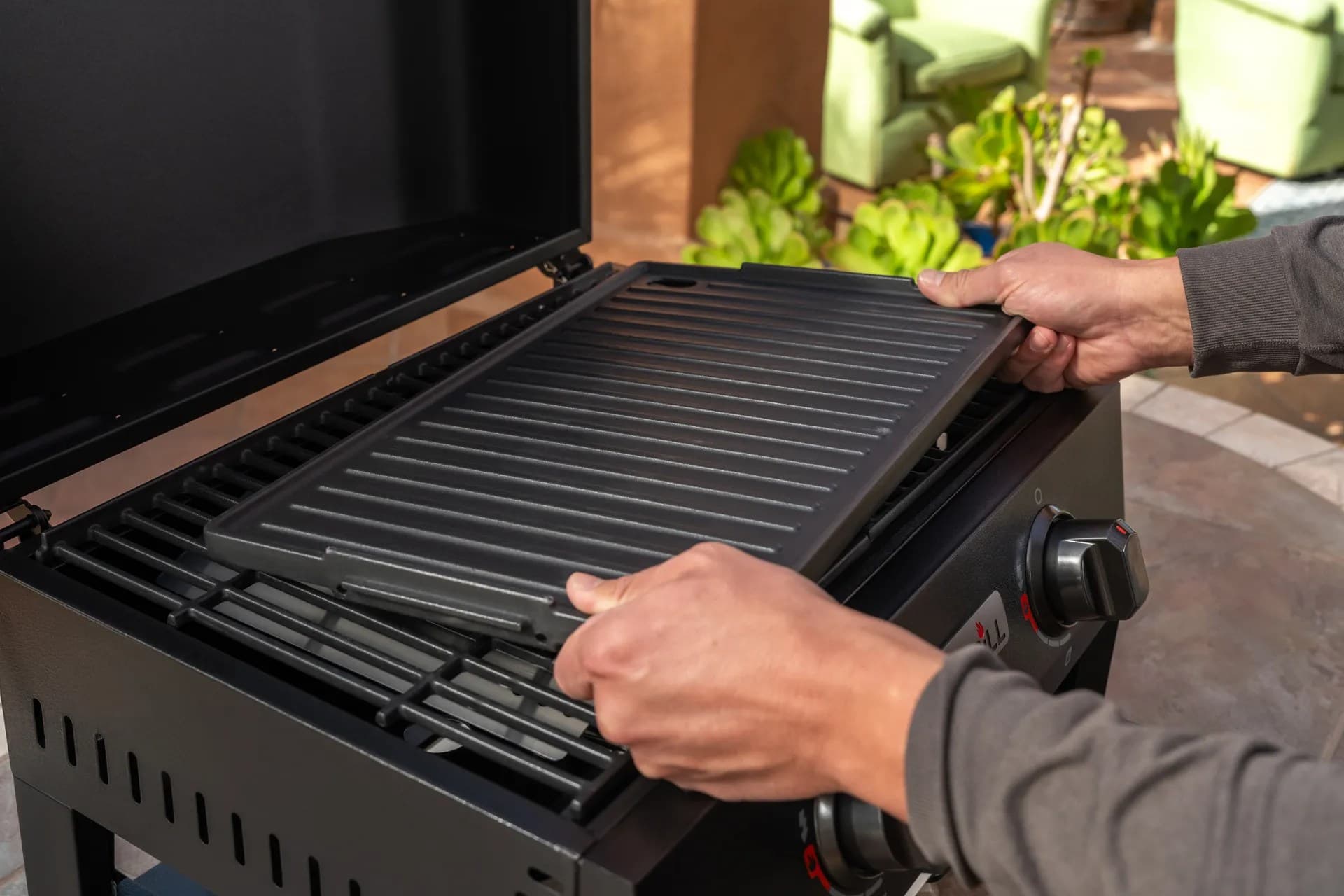
Practical guides for cleaning, maintenance, common grill issues, and performance optimization.
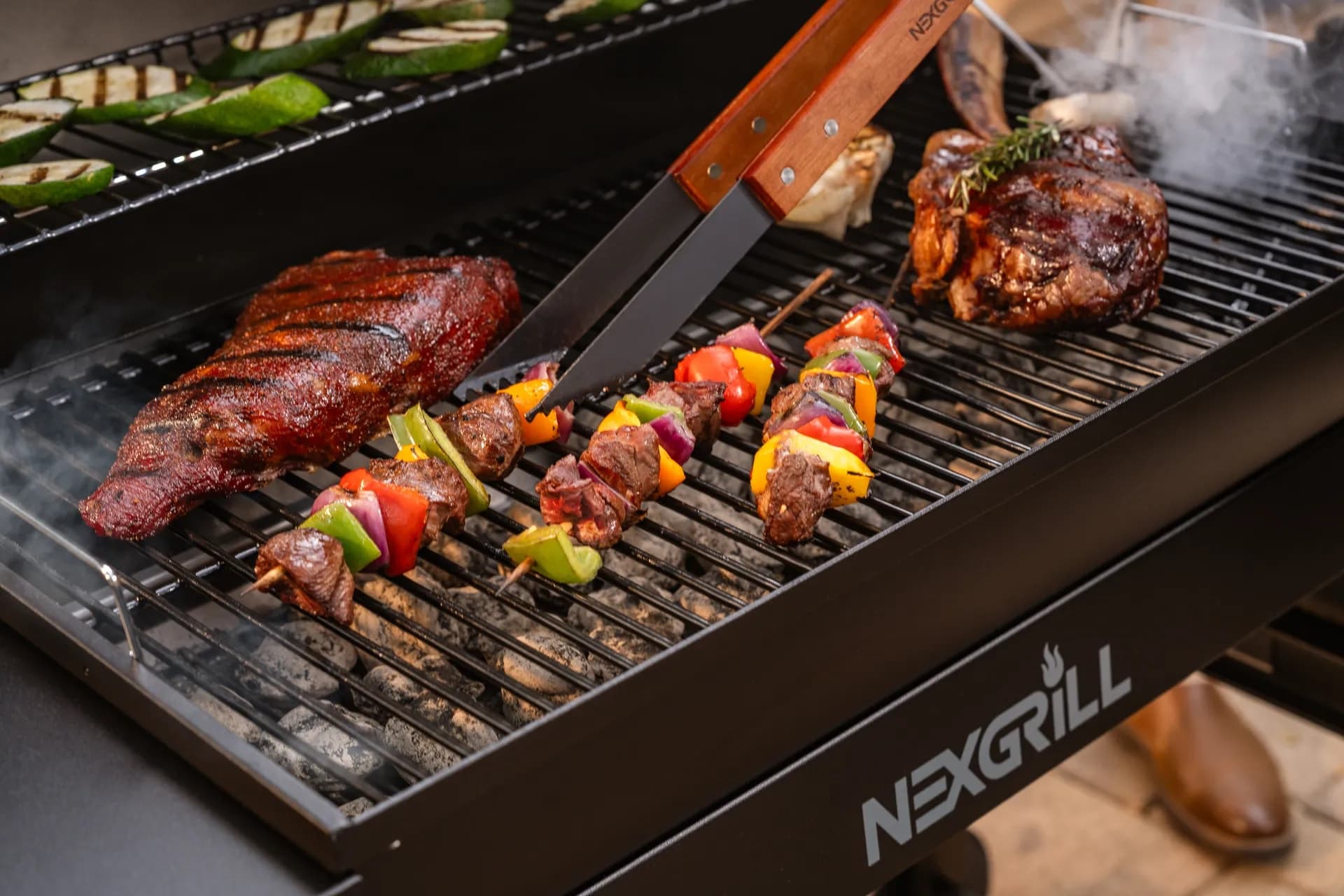
Step-by-step grilling recipes, cooking techniques, and meal ideas for every occasion and skill level.

Backyard entertaining ideas, seasonal grilling inspiration, and stories that celebrate outdoor cooking culture.
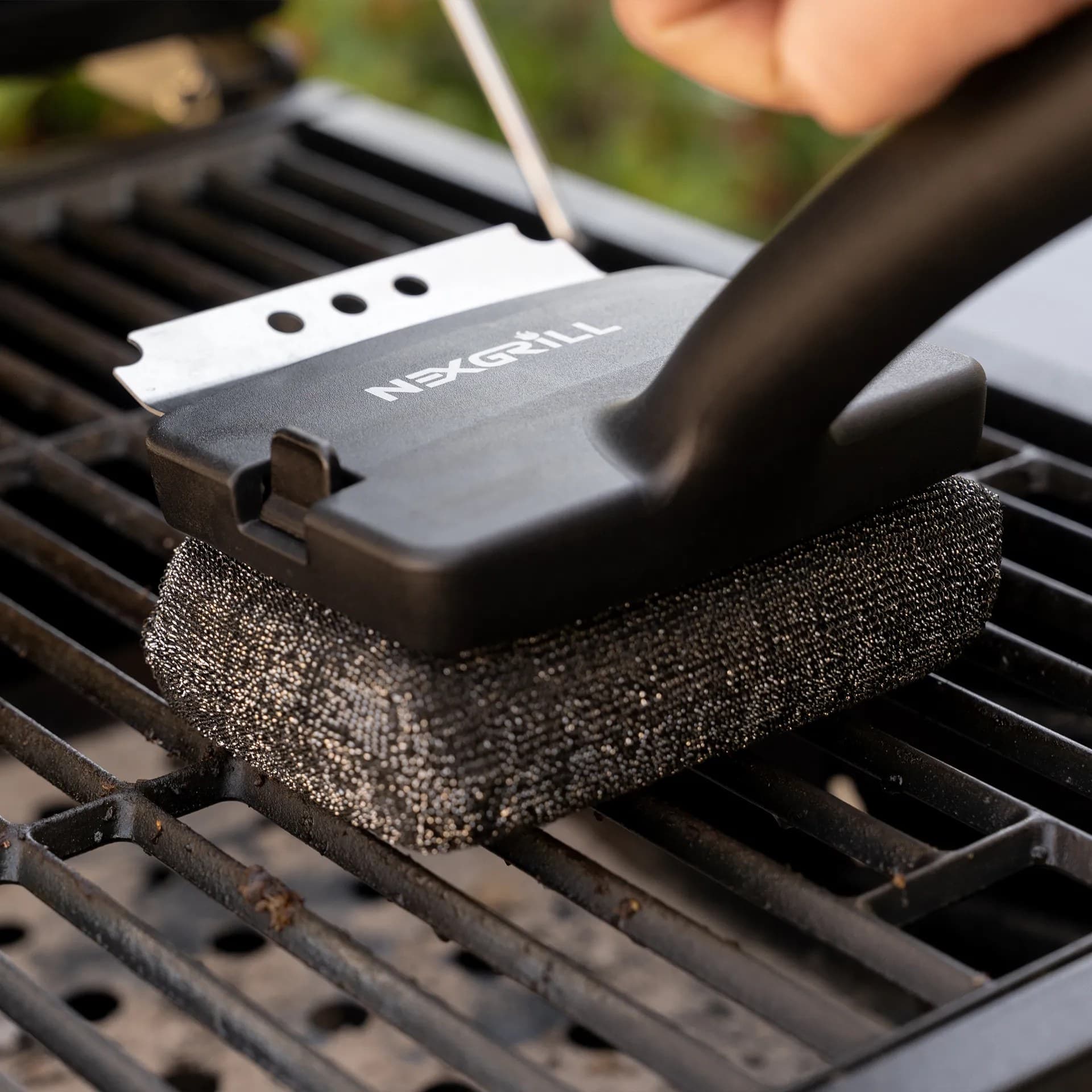
Helpful articles covering grilling tools, cookware, maintenance gear, and must-have accessories for outdoor cooking.
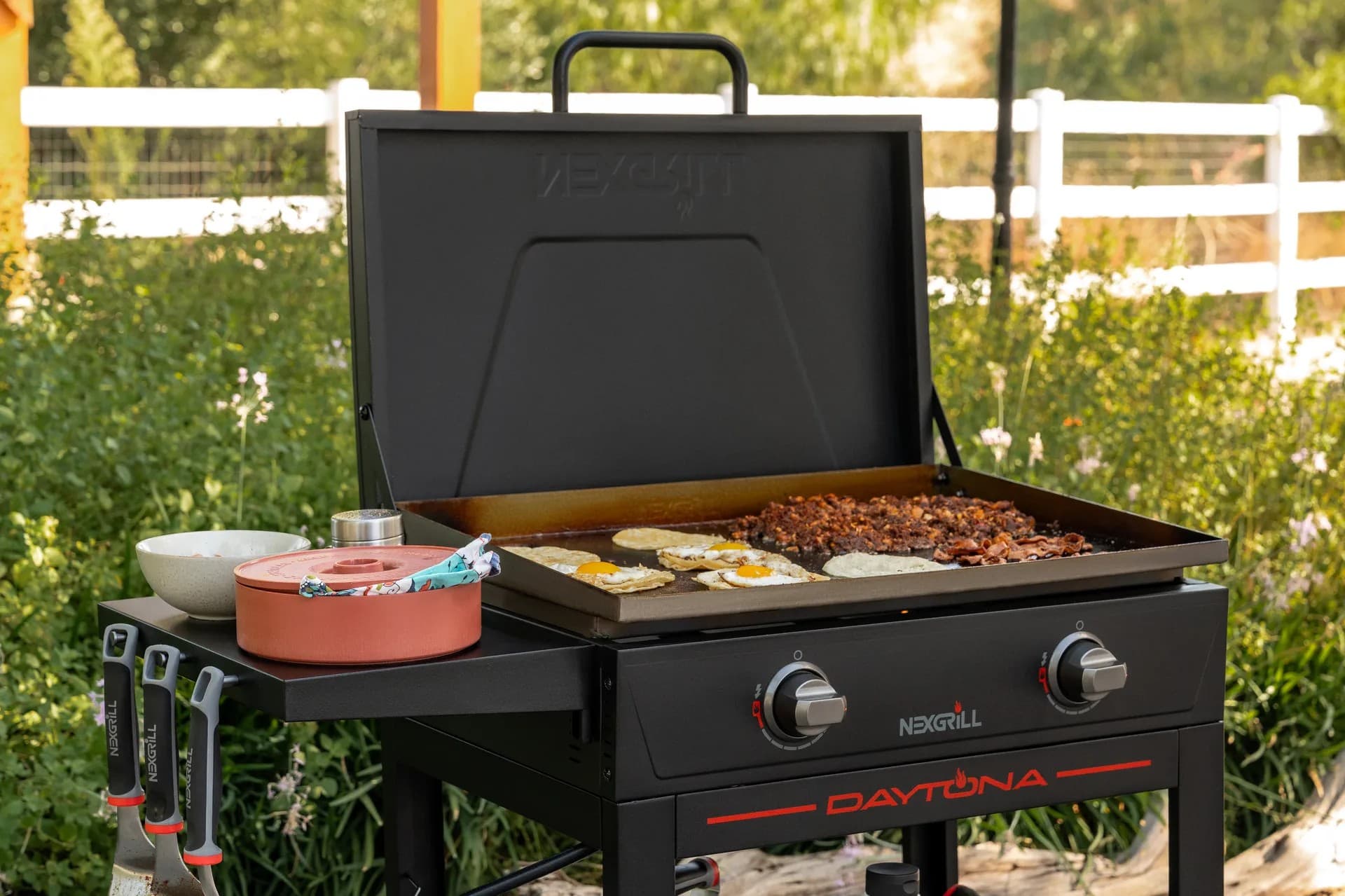
Find griddle recipes, cooking techniques, cleaning tips, and outdoor meal ideas designed for Nexgrill griddles.
Find answers to common questions
Gas grills provide instant heat and precise temperature control, making them easier to use. Charcoal grills offer a smoky flavor and high heat for searing but require more time to heat up and manage.
Pellet grills combine the convenience of gas with the flavor of wood, allowing for smoking, baking, and grilling. Traditional gas grills, however, are quicker to start and often easier to clean.
Charcoal grills typically reach higher temperatures quicker than gas grills, making them better for searing meat. However, high-quality gas grills can also provide adequate heat for effective searing.
Nexgrill offers models designed specifically for gas, charcoal, and pellets, allowing users to choose based on their cooking style and flavor preferences. Each type is built to optimize the characteristics of its respective fuel.
Choosing between gas and charcoal grills depends on your cooking preferences and lifestyle. If you value convenience and quick cooking, a gas grill may suit you better; if you prefer the taste and experience of traditional grilling, a charcoal grill would be ideal.
In This Article
Understanding Push-and-Turn Ignition
Top Models Reviewed
Safety and Maintenance Tips
Tabletop grills with push-and-turn ignition are built for cooks who want a compact setup without giving up the feel of a full-size grill. They are especially appealing for patios, tailgates, apartment decks, camping trips, and smaller backyards where space matters just as much as cooking performance. The ignition system is part of the appeal: instead of fumbling with matches or a separate lighter, you simply push the control knob and turn it to start the burner. That simple interaction can make the first minute of grilling feel smoother, safer, and more confident for everyday users.
For many shoppers, the best tabletop grill is not the one with the most dramatic specifications on paper, but the one that starts reliably, heats evenly, and is easy to carry, store, and clean. That is why push-and-turn ignition matters. It removes friction from the cooking process and makes the grill feel ready when you are. In practical terms, that can be the difference between cooking more often and letting the grill sit unused because lighting it feels like a hassle. Nexgrill’s brand approach emphasizes accessible outdoor cooking that welcomes both new grillers and more experienced backyard cooks, which fits this category well .
A good tabletop grill should feel convenient before the food even hits the grate. Fast startup, compact size, and dependable heat control are the real value drivers.
This guide focuses on how push-and-turn ignition works, why it matters in tabletop grilling, how different models tend to compare, and what users typically notice after living with these grills over time. Rather than treating tabletop grills as miniature versions of patio-sized cookers, it looks at them as a distinct category with its own trade-offs. The best choice depends on how often you cook, how much portability you need, and whether you care more about quick searing, versatile weeknight meals, or travel-friendly convenience.
Push-and-turn ignition is one of the simplest gas-grill ignition methods. You press the control knob inward and rotate it to the ignition position, which opens the gas flow and triggers the spark system. On a well-designed grill, the burner lights quickly and the flame settles into a stable burn. The appeal is straightforward: the ignition process is intuitive, requires little setup, and feels natural even for someone using a gas grill for the first time.
In a tabletop format, that simplicity matters even more. These grills are often used away from the home base, such as at campsites or during tailgates, so a system that does not require extra accessories is a real advantage. The user does not need to remember to pack a lighter or worry about lighting a burner manually in windier conditions. The push-and-turn action also helps create a clear sequence: connect fuel, open the lid if required by the manufacturer, press and turn, confirm ignition, and allow the grill to preheat. That sequence reduces guesswork and supports safer use when you are cooking in a smaller footprint.
If ignition is sluggish, the issue is often not the knob itself. Check fuel supply, burner cleanliness, and whether the spark path is obstructed before assuming the grill is defective.
Compared with older or more basic lighting methods, push-and-turn ignition also supports repeatability. Consistent startup is especially important for tabletop grills because their smaller cooking surfaces respond quickly to changes in heat. A burner that lights reliably helps you preheat faster, sear better, and avoid wasting fuel while troubleshooting a weak flame. In everyday use, that convenience becomes a major part of the grill’s perceived quality.
There is also a confidence factor. A grill that lights cleanly tends to feel easier to trust, and trust is a big part of why people keep grilling. Users are far more likely to use a compact grill regularly when ignition feels predictable and safe. That is one reason push-and-turn ignition is so popular in the tabletop category: it matches the promise of the format itself, which is quick setup with minimal fuss.
Tabletop grills are popular because they solve a practical problem: how to bring real grilling capability into a smaller, more portable form. Their biggest benefit is mobility. A grill that can sit on a sturdy table, cart, or outdoor prep surface opens up use cases that a full-size patio grill cannot match. That includes camping, road trips, beach cookouts where allowed, RV cooking, balcony-adjacent outdoor spaces, and temporary setups for a crowd that needs extra cooking capacity.
Another benefit is efficiency. A smaller grilling area heats quickly, so users can start cooking sooner and spend less time waiting for the grill to come up to temperature. For quick meals, that is a real advantage. If you are cooking two steaks, a tray of vegetables, or a few skewers for a small group, a tabletop grill often feels more responsive than an oversized outdoor cooker. It also uses less fuel during shorter sessions, which can help keep routine cooking practical.
Tabletop grills are also easier to store. That makes them attractive for households that grill seasonally or do not have space for a permanent built-in setup. A compact footprint can make outdoor cooking possible where a larger grill would be inconvenient. Nexgrill’s broader brand positioning around accessible outdoor cooking and value-oriented flexibility aligns well with that kind of practical ownership model .
Tabletop grills are often chosen because they fit real-world spaces and real-world routines.
There is a flavor and control advantage too. Because the cooking zone is smaller, it is often easier to manage hot spots, monitor food closely, and shift items between direct heat areas. That can be useful for beginners who are still learning timing and temperature control. Experienced users also appreciate tabletop grills for searing smaller cuts or handling side dishes without firing up the main family grill.
The main trade-off is capacity. A tabletop grill is not built for every large gathering, and users should expect that a compact surface may require batch cooking for larger groups. But for the right buyer, that is not a downside so much as a conscious choice. You are choosing speed, portability, and efficient cooking over maximum volume. In that context, push-and-turn ignition becomes part of a larger value proposition: easy start, easy carry, easy use.
When comparing tabletop grills with push-and-turn ignition, it helps to look beyond the ignition knob and compare the whole user experience. The best model for a camper is not always the best model for a backyard entertainer, and a grill that excels at fast startup may still differ in grate material, fuel type, lid design, or storage footprint. The table below gives a practical comparison framework for the kinds of models shoppers usually place side by side.
| Model type | Best use case | Notable strengths | Possible trade-offs |
|---|---|---|---|
| Nexgrill-style compact propane tabletop grill | Quick weeknight grilling, tailgates, and portable cooking | Simple startup, easy setup, portable footprint | Less total cooking area than full-size grills |
| Char-Broil tabletop gas grill | Budget-conscious buyers who still want portability | Straightforward controls, familiar layout, accessible sizing | Feature depth may be lighter than premium units |
| Larger compact tabletop unit with lid | More controlled cooking and wind protection | Better heat retention and more flexible cooking styles | Heavier and less effortless to move |
| Dual-burner tabletop grill | Users who want more zone control | Improved multi-zone cooking and better temperature separation | More complexity than single-burner models |
In practice, the comparison often comes down to three questions. First, how portable does the grill need to be? If you carry it frequently or store it between uses, lighter weight and a compact footprint will matter more than extra bells and whistles. Second, how much control do you want over the heat? A single-burner tabletop grill can be perfectly adequate for straightforward cooking, but a dual-burner model gives you more flexibility for indirect heat or separating delicate foods from hotter zones. Third, what kind of fuel setup fits your routine? Most tabletop grills in this category are propane-based, and that convenience is part of why push-and-turn ignition feels so natural. Users looking for broader fuel-management insights can also benefit from the kind of buying guidance found in Consumer Reports’ grill buying advice .
A useful way to judge competing models is to test them against real scenarios rather than abstract feature lists. For example, a tailgater may care most about rapid ignition, quick preheat, and a lid that helps manage wind. A condo owner might care more about compact storage and easy cleanup. A campsite cook may want a model that lights reliably even after being packed and unpacked several times a season. In all three cases, the push-and-turn ignition is valuable, but the surrounding design details decide whether the grill feels truly practical.
Try comparing two products side by side below to see which fits best:
Once you've compared two tabletop grills side by side, the next step is to think about how they actually behave in the real world. That is where user feedback becomes especially useful. Shoppers frequently praise push-and-turn ignition because it removes a common point of frustration: the first flame. When the grill lights quickly and predictably, the entire cooking session tends to feel more relaxed. People describe that as one of the biggest quality-of-life upgrades in a compact gas grill, particularly when they are cooking away from home or dealing with changing weather.
User experiences also tend to separate the immediate impression from the long-term one. At first, many buyers focus on how easy the grill is to start and how well it reaches cooking temperature. Later, they notice whether the ignition remains consistent after repeated use, whether the burners stay even, and whether cleanup is simple enough to justify frequent grilling. That pattern matters because tabletop grills are often purchased for convenience. If the setup becomes annoying over time, the grill loses the very advantage that made it appealing in the first place.
A recurring complaint in compact gas grills is not poor cooking performance but inconsistent ignition after grease buildup or storage in damp conditions. Preventive care matters.
Across the category, positive reviews often mention portability, fast warm-up, and the convenience of cooking for two to four people without pulling out a larger grill. Buyers who upgrade from a basic portable cooker often notice that a better push-and-turn system feels more dependable and less fiddly. Mixed reviews usually come from users who expected a tabletop grill to behave like a full-size backyard station. That mismatch is avoidable if the shopper is clear about intended use from the start.
For brand comparison, some users prefer familiar layouts from brands like Char-Broil because the controls and footprint feel easy to understand, while others prefer Nexgrill-style value positioning and practical outdoor versatility. The right answer usually depends on whether the buyer values simplicity, size, or feature balance most. What matters is not only how the grill looks in the box, but how confidently it performs after a month of real use.
Safety begins before the burner lights. A tabletop grill should always sit on a stable, heat-resistant surface with proper clearance from walls, railings, overhangs, and combustible materials. Because the grill is compact, it may be tempting to place it on the first available surface, but that shortcut can create instability or heat exposure issues. The simplest safety habit is also the most important one: set the grill where it cannot tip, wobble, or overheat the surrounding area.
With push-and-turn ignition, follow the manufacturer’s ignition sequence every time. In general, that means checking the fuel connection, making sure the burner area is clear, opening the lid if required by the instructions, then pressing and turning the control knob until the burner lights. If ignition does not occur quickly, shut the gas off, wait, and troubleshoot calmly. Never keep turning the control in a way that allows gas to build up unburned. That caution is especially important in smaller grills, where the burner chamber is compact and ignition should be handled with patience.
If you smell gas before lighting, stop immediately. Turn the control off, allow the area to clear, and inspect the connection before trying again.
It also helps to think about food safety in practical terms. Because tabletop grills often heat quickly, users may be tempted to crowd the grate or rush the preheat step. Resist both habits. Preheating helps stabilize temperature, and enough space around each item allows for better browning and more predictable doneness. A smaller grill surface rewards discipline. If you are cooking for a group, plan batches rather than stacking food too tightly.
Weather deserves attention too. Wind can affect flame stability, and moisture can interfere with ignition or corrosion resistance if the grill is stored poorly. A safe setup is one that keeps the grill protected but still properly ventilated. That means using it outdoors only, storing fuel correctly, and waiting for surfaces to cool before moving the grill or packing it away. These habits sound simple, but they are what keep a convenient grill convenient.
Good maintenance keeps a tabletop grill feeling new longer, but it also preserves ignition reliability. Since push-and-turn systems depend on a clean spark path and a burner that can light freely, grease and residue are not just cosmetic issues. They can affect performance. The best maintenance routine is brief, regular, and tied to how often you cook. After each session, let the grill cool enough to handle safely, then clean the grates and remove visible debris from the cooking area.
For deeper cleaning, focus on the parts that influence ignition and heat flow. Inspect burner ports for clogging, clear away drips or food residue, and check whether the ignition area is free of buildup. If the flame seems weak or uneven, do not jump immediately to a hardware failure. Start by checking whether grease, spider webs, or storage dust may be interfering with airflow. Many tabletop grill issues are solved by basic cleaning rather than parts replacement.
Routine care helps preserve the reliability that makes push-and-turn ignition valuable.
Storage is another part of care that gets overlooked. Because tabletop grills are portable, they are often tossed into garages, sheds, or trunks without enough protection. A fitted cover, dry storage area, and safe handling of fuel components can reduce wear significantly. If your grill stays outdoors, periodic inspection becomes even more important. Moisture, dust, and temperature swings can affect the ignition system over time, so a quick check before the season starts is worth the effort.
It is also smart to document recurring issues. If a grill repeatedly needs a second ignition attempt, note whether the problem happens after storage, in windy conditions, or after heavy use. That pattern can help you decide whether the issue is operational or mechanical. Maintenance is not just about keeping the grill tidy; it is about preserving the ease of use that made the product attractive in the first place.
Choosing the right tabletop grill with push-and-turn ignition comes down to matching the grill to your routine. If you want quick startup, compact storage, and reliable outdoor cooking for smaller groups, this category offers a strong balance of convenience and performance. The ignition system is not a minor feature; it is central to how the grill feels every time you use it. When that system works well, the whole cooking experience becomes easier to start and easier to repeat.
The smartest buyers compare portability, cooking space, heat control, and long-term upkeep before making a decision. They also pay attention to how the grill will actually be used: by the lake, on the patio, at the tailgate, or as a secondary cooktop for busy weekends. Those scenarios reveal more than a spec sheet ever will. With the right expectations, a tabletop grill can become one of the most useful tools in an outdoor cooking setup.
If you are weighing multiple options, focus on the model that starts reliably, cleans up easily, and fits the way you cook most often. That is usually the grill you will enjoy using again and again.
Here's what sets us apart
We position ourselves as delivering high-end outdoor cooking features and performance without premium-brand pricing, emphasizing “Quality Grills. Unbelievable Value.”
We offer gas grills, pellet grills, griddles, smokers, pizza ovens, portable/tabletop grills, electric grills, accessories, and replacement parts — allowing customers to stay within one ecosystem for all outdoor cooking needs.
We differentiate ourselves through smart grilling products like the Oakford smart pellet grill, including app-connected cooking controls and modern outdoor cooking technology.
Don't just take our word for it
Keep reading
From our catalog