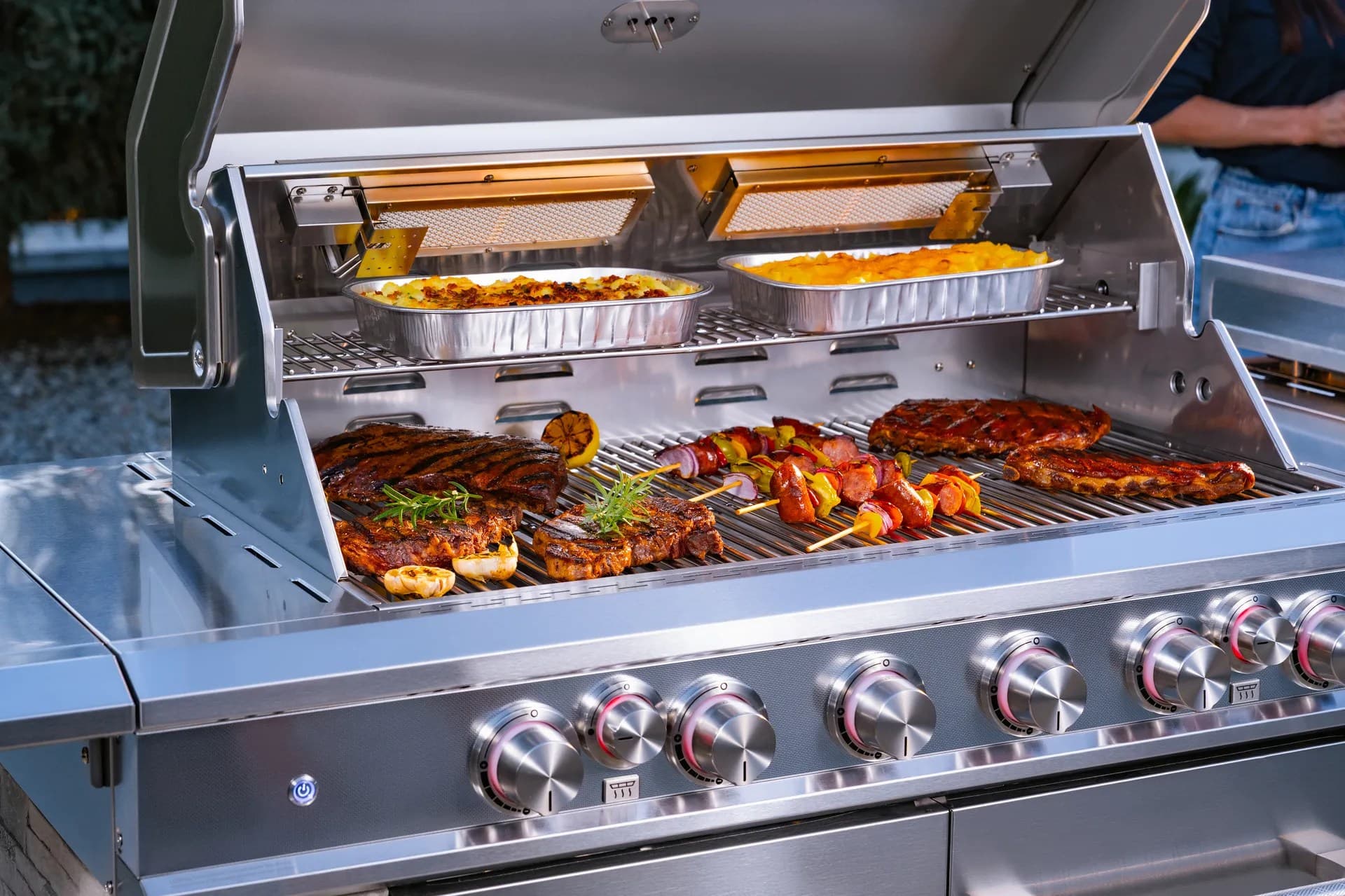
A comprehensive comparison to help you choose your ideal grilling companion.
From sizzling breakfasts to smash burgers and teppanyaki-style dinners, the Daytona Pro 5 Burner NitroGuard™ Griddle delivers powerful heat, fast cooking, and a durable cooking surface built for every backyard cookout. Watch how easy outdoor cooking can be.
Here's what sets us apart from the competition
We position ourselves as delivering high-end outdoor cooking features and performance without premium-brand pricing, emphasizing “Quality Grills. Unbelievable Value.”
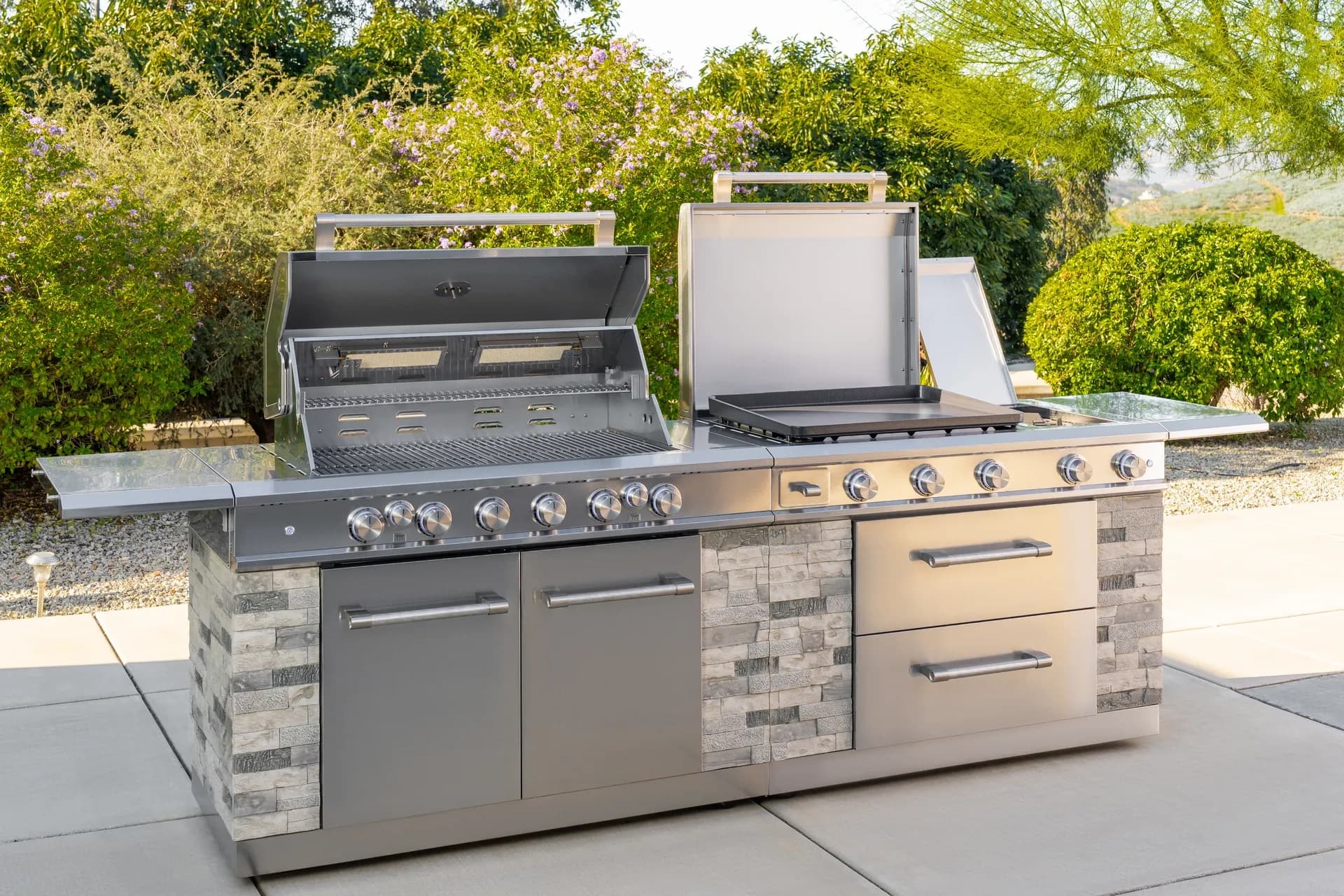
We offer gas grills, pellet grills, griddles, smokers, pizza ovens, portable/tabletop grills, electric grills, accessories, and replacement parts — allowing customers to stay within one ecosystem for all outdoor cooking needs.
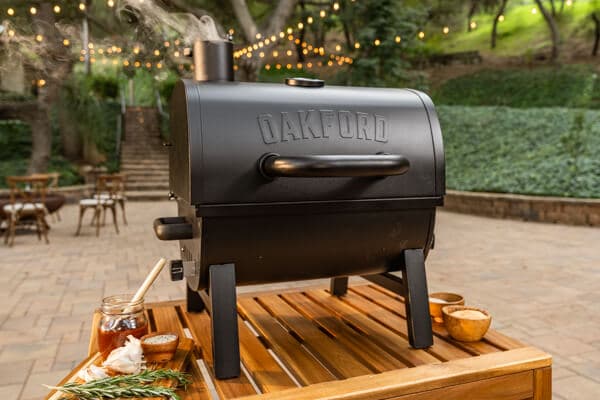
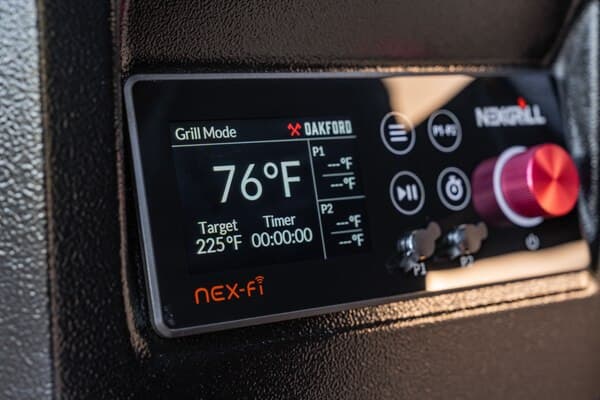
We differentiate ourselves through smart grilling products like the Oakford smart pellet grill, including app-connected cooking controls and modern outdoor cooking technology.
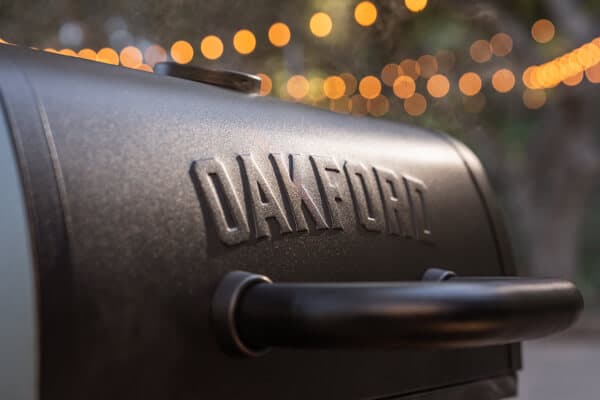
Expert tips, buying guides, comparisons, and inspiration for choosing and getting the most out of your grill.
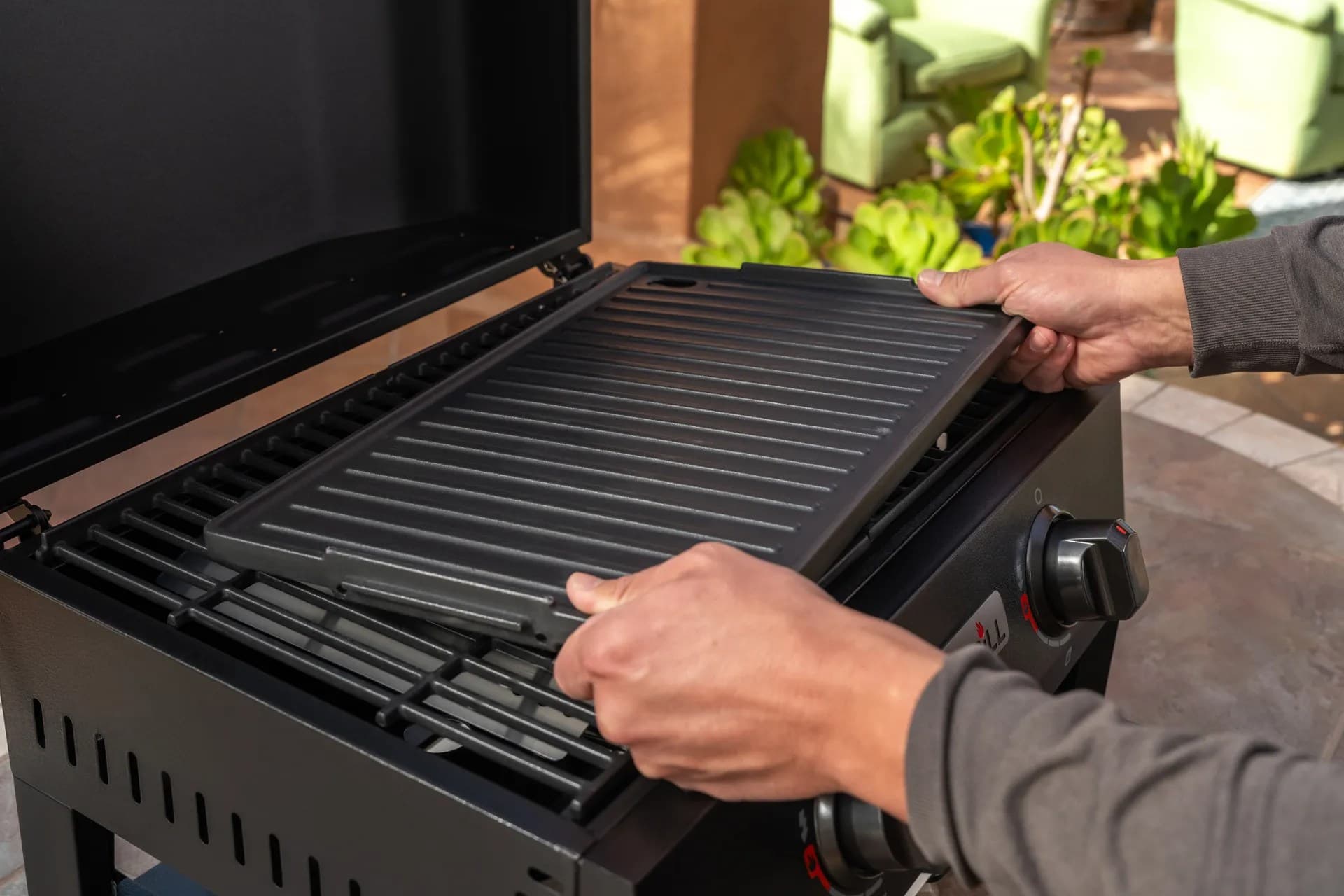
Practical guides for cleaning, maintenance, common grill issues, and performance optimization.
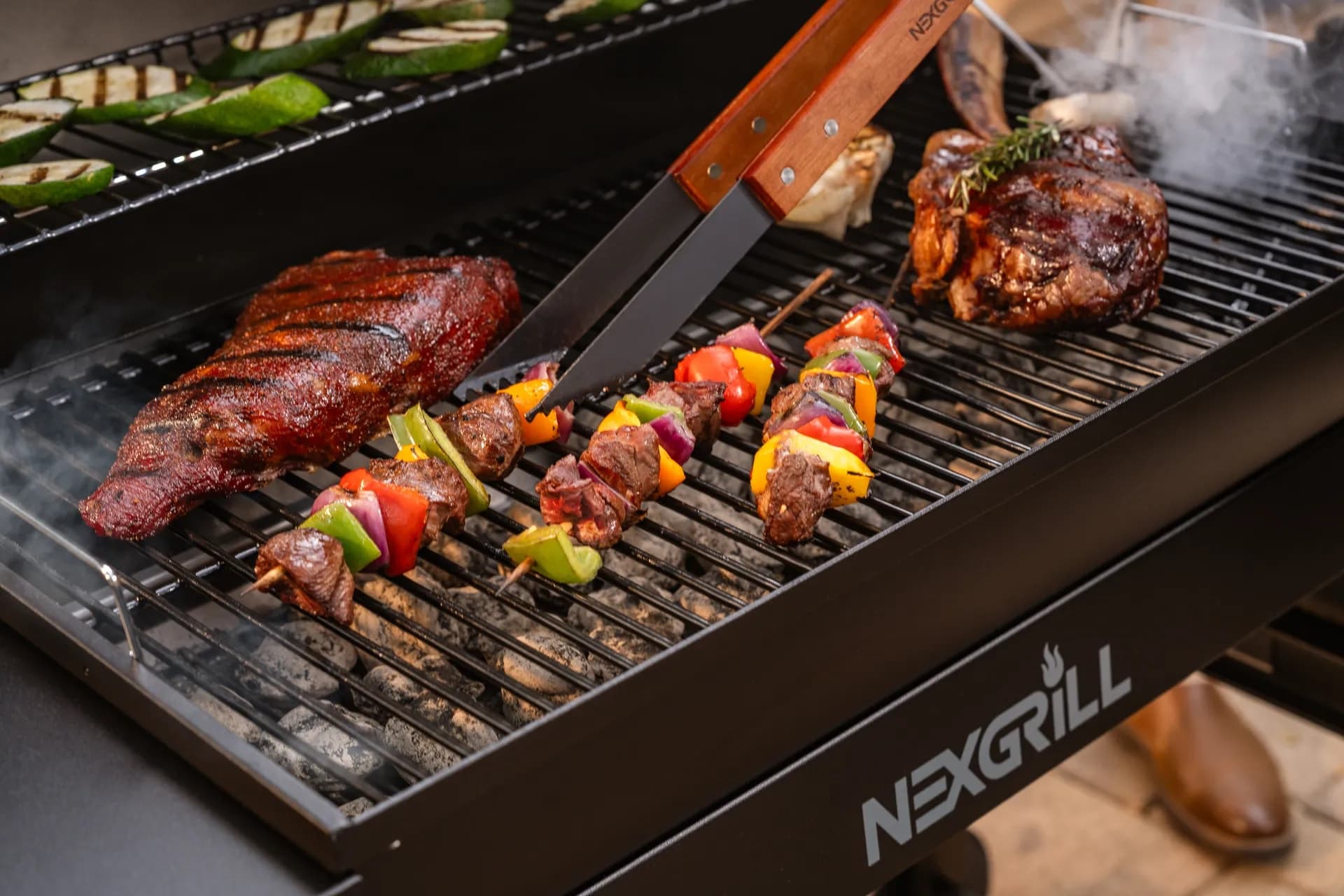
Step-by-step grilling recipes, cooking techniques, and meal ideas for every occasion and skill level.
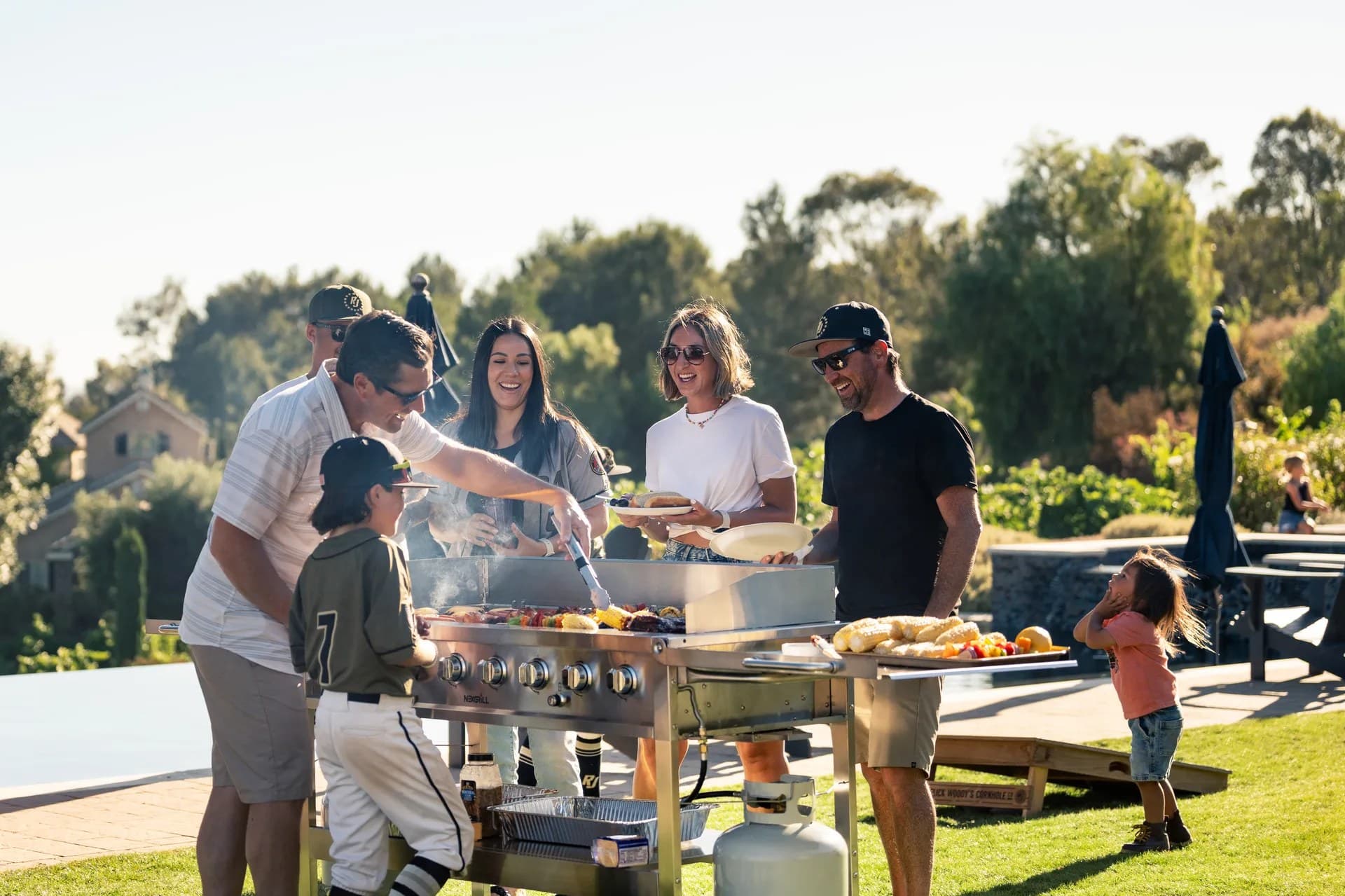
Backyard entertaining ideas, seasonal grilling inspiration, and stories that celebrate outdoor cooking culture.
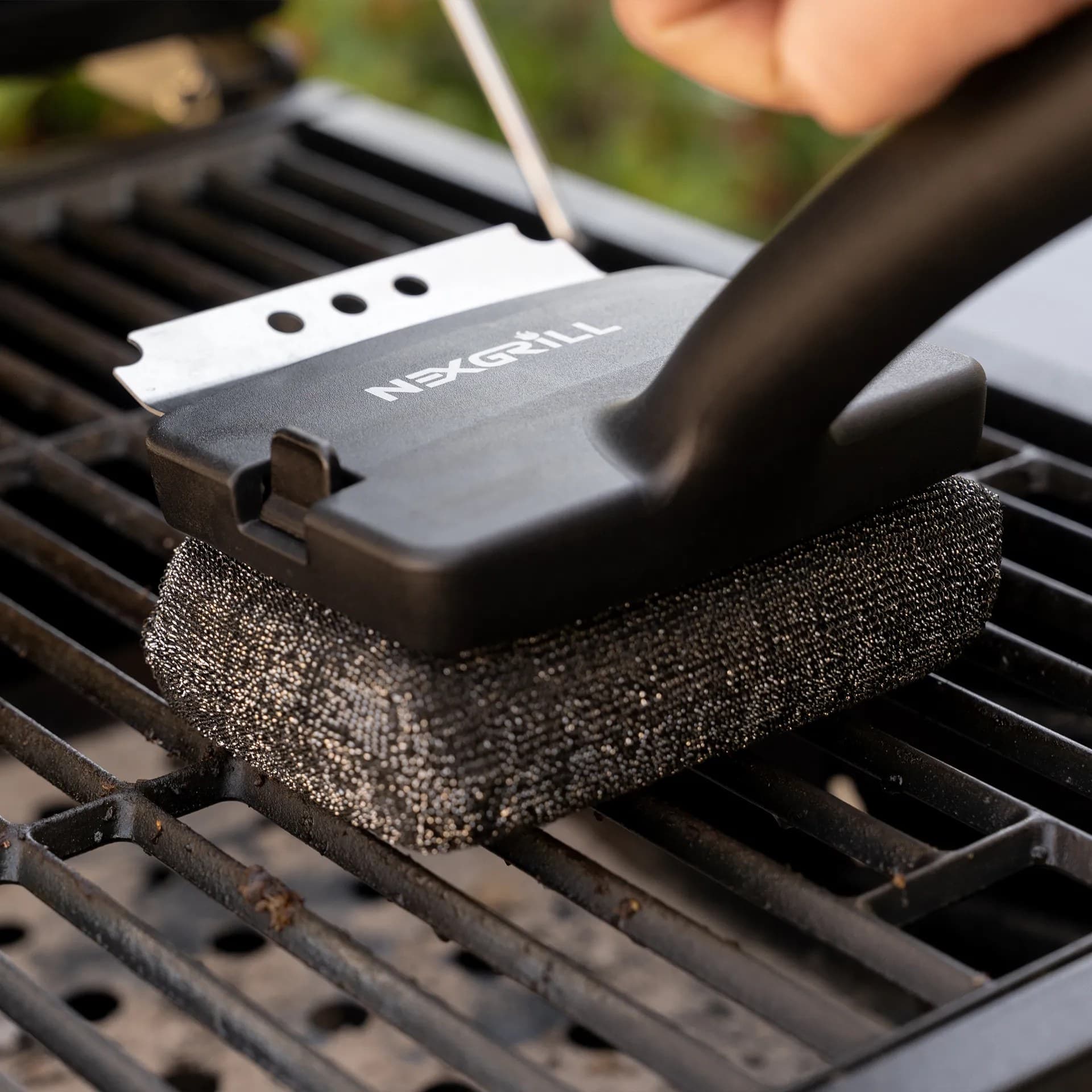
Helpful articles covering grilling tools, cookware, maintenance gear, and must-have accessories for outdoor cooking.
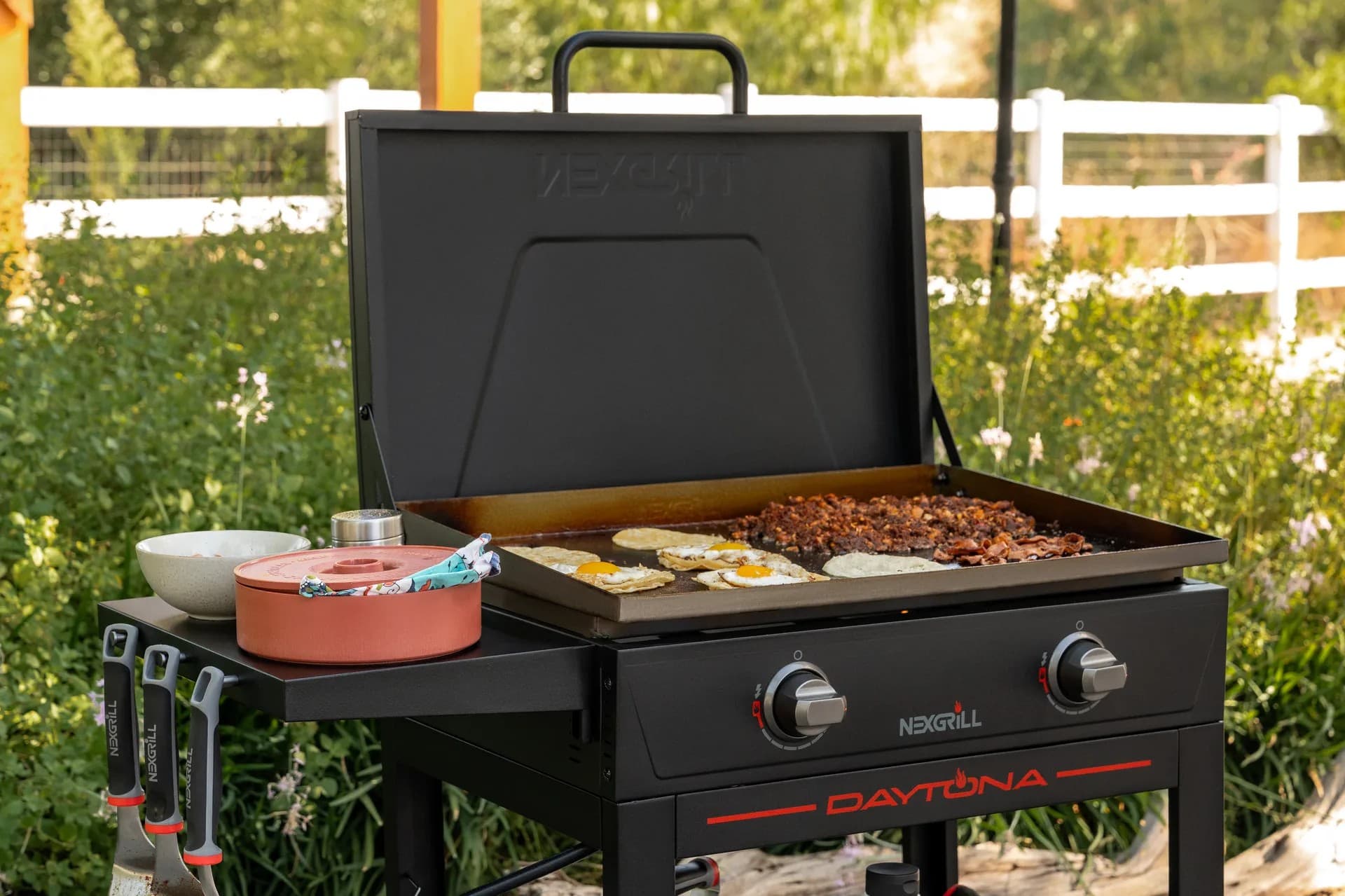
Find griddle recipes, cooking techniques, cleaning tips, and outdoor meal ideas designed for Nexgrill griddles.
Find answers to common questions
Gas grills provide instant heat and precise temperature control, making them easier to use. Charcoal grills offer a smoky flavor and high heat for searing but require more time to heat up and manage.
Pellet grills combine the convenience of gas with the flavor of wood, allowing for smoking, baking, and grilling. Traditional gas grills, however, are quicker to start and often easier to clean.
Charcoal grills typically reach higher temperatures quicker than gas grills, making them better for searing meat. However, high-quality gas grills can also provide adequate heat for effective searing.
Nexgrill offers models designed specifically for gas, charcoal, and pellets, allowing users to choose based on their cooking style and flavor preferences. Each type is built to optimize the characteristics of its respective fuel.
Choosing between gas and charcoal grills depends on your cooking preferences and lifestyle. If you value convenience and quick cooking, a gas grill may suit you better; if you prefer the taste and experience of traditional grilling, a charcoal grill would be ideal.
In This Article
Understanding Grill Types
Pros and Cons
Safety Considerations
Choosing between a tabletop grill and a portable grill looks simple at first, but the better choice depends on where you cook, how often you move the grill, and what kind of meals you want to make. A tabletop grill usually prioritizes compact size and stable placement on a flat surface, which makes it appealing for patios, tailgates, and home decks where you want a small footprint without giving up cooking control. A portable grill, by contrast, is designed to travel more easily, so it tends to emphasize lighter weight, carry-friendly construction, and quick setup for camping, beach outings, road trips, and other on-the-go cooking situations.
For many buyers, the decision is not really about which grill is better in the abstract. It is about which one matches the reality of how they cook in the United States: a city balcony with storage limits, a suburban backyard with weekend cookouts, an RV trip through a national forest, or a tailgate before a football game. In those situations, a grill’s footprint, fuel source, cooking area, and cleaning routine matter more than marketing language. Even the best-performing compact grill can be frustrating if it is too heavy to carry or too large for a picnic table.
Think in terms of cooking environment first, then features second. A grill that fits your space and routine will usually feel like a better buy than a larger model with specs you rarely use.
Nexgrill’s brand voice centers on inclusive, practical outdoor cooking for real-life gatherings, not just showpiece grilling, and that mindset is useful here. A small grill can still be a strong fit for everyday meals, especially when you are cooking for one to four people and need something simple to set up and store. A more travel-oriented grill can make sense if you value mobility above all else. The key is to compare the two categories on the things that actually affect ownership: heat control, setup time, surface area, cleanup, stability, and where you will legally and safely use the grill. As you read the sections below, you will see that the best choice is often less about size and more about whether the grill supports your lifestyle without creating extra friction.
Tabletop grills focus on stationary compact cooking; portable grills focus on travel-friendly convenience.
A tabletop grill is a compact grill intended to sit on a sturdy, heat-safe table, cart, or outdoor surface. The defining trait is not just size; it is the expectation that the grill will remain in one place while you cook. Tabletop models are often chosen for patios, decks, campsites with picnic tables, and small outdoor kitchens where people want the convenience of a smaller grill without committing to a full-size backyard unit. They can be gas, charcoal, electric, or pellet in some cases, but the common theme is a stable cooking platform with a smaller cooking footprint.
A portable grill is designed with movement in mind. Portability may come from folding legs, latching lids, carry handles, compact frames, lighter materials, or a shape that is easy to load into a car trunk or RV storage bay. Portable grills are meant for people who need their cooking setup to travel with them, whether that means tailgating at a stadium, cooking at a campsite, heading to a beach rental, or bringing dinner to a friend’s house. Some portable models can be used on a table, but the portability category is broader and usually puts more emphasis on transport and quick teardown than on countertop-style convenience.
The overlap between the two categories is real, which is why shoppers often get confused. A grill can be both tabletop and portable, but not every tabletop grill is truly travel-friendly, and not every portable grill is ideal for sitting on a table. The best way to separate them is by asking a practical question: will this grill mostly stay put during cooking, or will it be packed up, carried, and set up in different places?
Do not assume “small” automatically means “portable.” Weight, handle design, fuel storage, and stability matter just as much as footprint.
| Feature | Tabletop Grill | Portable Grill |
|---|---|---|
| Primary purpose | Compact cooking in one place | Easy transport and setup away from home |
| Typical placement | Table, counter-height stand, cart, or outdoor prep surface | Car trunk, campsite, picnic area, tailgate, or small patio |
| Size and weight | Usually compact, but can still be heavy or bulky | Usually lighter and easier to carry |
| Cooking surface | Often better suited to short cooking sessions for smaller groups | Often smaller, optimized for simple meals on the move |
| Fuel options | Commonly propane, charcoal, or electric | Often propane, charcoal, or small canister-based systems |
| Setup speed | Fast if the surface is ready; may require more planning for placement | Usually built for fast setup and breakdown |
| Stability | Depends heavily on the table or cart underneath it | Depends on the base, folding legs, and wind exposure |
| Best fit | Balconies, small patios, tailgates, and occasional home grilling | Camping, road trips, portable cookouts, and frequent travel |
The table above reflects a practical buying reality: the same compact footprint can mean different things depending on how the grill is built and where it will be used. A tabletop unit may offer a more comfortable cooking posture on a patio table, while a portable model may be easier to pack but less pleasant if you need to assemble it every weekend. When price comes into the conversation, the decision is often shaped by how much convenience you want to pay for. Lower-cost grills can be appealing, but buyers in the United States should also account for fuel compatibility, replacement parts, and the cost of safe accessories like covers, propane canisters, or transport cases.
Tabletop grills shine when your priority is controlled cooking in a small area. Because they are usually set on a stable surface, they can feel easier to use than a freestanding travel grill that folds up and down. That stability matters when you are flipping delicate foods, managing a hot griddle, or cooking for guests who will be hanging around the cooking area. Tabletop grills also fit naturally into small outdoor spaces, which is a major plus for apartment dwellers or homeowners with limited patio room.
The downside is that tabletop grills place more responsibility on the surface beneath them. If the table wobbles, the grill will wobble. If the surface is too low, you may be bending awkwardly the whole time. Another trade-off is mobility: once the grill is placed and connected, it usually stays there for the session, which is great for stability but less ideal if your cooking location changes frequently. Tabletop grills can also be limited by their relatively compact cooking area, so they are best when you value focused performance over feeding a crowd.
Portable grills are built around convenience. If your weekend often involves loading gear into a vehicle, carrying food to a campsite, or setting up in a parking lot or park pavilion, portability becomes the deciding feature. These grills are easier to move, easier to store, and often easier to clean up after use because they are designed for straightforward breakdown. For many people, that travel-ready design is the difference between grilling often and leaving the grill at home.
The trade-offs are just as real. Portable grills can be less comfortable to cook on if they sit too low, and their lighter construction may sacrifice some wind resistance or heat retention. Some models are built for speed rather than precision, which means they may not be the best choice for long smoking sessions or complex multi-zone cooking. If your use case is centered on burgers, hot dogs, simple vegetables, and quick meals away from home, those compromises are easy to accept. If you want broad versatility, you may prefer a tabletop unit with a sturdier platform.
A good rule of thumb: choose tabletop for stability and comfort, choose portable for transport and setup speed.
From a budget standpoint, both categories can appear affordable at first glance. The real cost is the ownership experience. A tabletop grill that works only on certain tables or requires extra accessories may cost more in practice than expected. A portable grill that packs well but feels flimsy can lead to replacement sooner than planned. For that reason, the smart comparison is not simply price tag to price tag; it is price plus the real-world friction of using the grill the way you actually live.
Try comparing two products side by side below to see which fits best:
Once you have compared the basic differences, the next question is where a tabletop grill earns its keep. The strongest use cases are the ones where you want a compact cooking station that behaves more like a mini home grill than a travel appliance. That makes tabletop grills especially useful for apartment balconies, small back patios, condo terraces, and outdoor spaces where you can dedicate a stable surface to cooking. In those environments, the grill’s smaller footprint is an advantage because it frees up room for prep, seating, and movement around the cooking area.
Tabletop grills also work well for households that cook for two to four people most of the time. A smaller surface is easier to manage when you are making weeknight chicken, steaks, shrimp, or vegetables and do not need a large multi-burner layout. You can preheat faster, portion food more deliberately, and reduce waste because you are cooking exactly what you need. For many United States consumers, that means less propane consumption and less cleanup after dinner, especially if you grill several times a week rather than hosting large cookouts.
Another scenario where tabletop grills make sense is tailgating with a stationary setup. If you arrive early and can place the grill on a stable folding table, a tabletop model can be a better cooking experience than a truly ultra-light portable option. It gives you a more familiar cooking height and makes it easier to manage utensils, plates, sauces, and side dishes around the cooking area. The trade-off is that you need the right table and enough room to keep the setup stable.
Tabletop grills make the most sense when the grill is part of your outdoor setup, not something you pack away after every meal.
A practical example: a family in a townhouse with a compact patio may prefer a tabletop grill because it allows them to keep a small, organized cooking zone without sacrificing too much floor space. In that case, the grill is used as a regular weekend appliance, not a travel companion. Another example is a host who likes to prepare appetizers outside while entertaining indoors. A tabletop grill gives enough cooking control to handle skewers, vegetables, and small proteins without requiring a full-size grill at the center of the yard. In both cases, convenience comes from the fact that the grill stays where it is needed, rather than constantly being moved.
Portable grills are the better fit when motion is the point. They belong in situations where your grill needs to travel to the food rather than the other way around. Campgrounds, lakesides, RV parks, cabins, picnic grounds, and tailgate lots all reward a grill that can be carried, folded, or stored with minimal hassle. If you are the type of cook who values spontaneity, a portable grill removes a lot of barriers. You can decide to grill after work, load the unit in the vehicle, and be ready to cook with very little advance planning.
This category also makes sense for smaller households that do not want a permanent grill footprint at home. A portable model can be stored in a garage shelf or trunk and brought out only when needed, which appeals to renters and urban users who have limited outdoor storage. In that sense, the portable grill is as much a storage solution as it is a cooking solution. If space is your main constraint, portability can be worth more than extra burner power or a larger cooking surface.
Portable grills are also useful for road-trip cooking where meal timing is unpredictable. Rather than depending on restaurant hours or crowded food stops, you can cook simple meals when and where it is convenient. That flexibility is one reason they stay popular with campers and sports fans. However, buyers should be realistic about what they plan to cook. If you want a quick sear on steaks, breakfast sandwiches at a campsite, or a small batch of vegetables, portable grills are efficient and satisfying. If you envision all-day cooking or large-format entertaining, their compactness may feel limiting.
Portable grills are at their best when you value easy transport more than spacious cooking zones or high-capacity entertaining.
Price and durability should also be considered together. A lighter grill can be easier to carry, but it may not feel as sturdy in strong wind or rough handling. The best portable models balance enough structural strength for repeated travel with a design that still folds or packs efficiently. That balance matters because a grill that is light but awkward to carry can become a burden, while one that is rugged but heavy may stop being portable in practice.
Safety is where tabletop and portable grills diverge in ways that directly affect your buying decision. Many grilling issues are not about flames themselves; they are about location, airflow, heat transfer, and whether the grill is being used on a safe surface. A tabletop grill should always sit on a heat-resistant, level, stable surface with enough clearance around it so hot air and grease do not affect nearby materials. Portable grills, meanwhile, need safe placement even when the ground is uneven, windy, or crowded with people and gear.
Balcony grilling is a good example of where rules can matter. Some apartment communities, building owners, and local fire codes restrict open-flame or fuel-based grills on balconies or near combustible surfaces. Before using any grill in a rental or shared residential setting, check the building policies and local safety guidance. Even when grilling is allowed, you should still account for overhangs, railings, furniture, and nearby siding. A compact grill can still create a dangerous situation if it is too close to walls, awnings, or stored items.
For camping and park use, the same principle applies: read posted site rules carefully. Some areas allow only certain fuel types, some require raised fire surfaces, and others prohibit grilling during dry conditions. Portable grills are often chosen for these environments, but portability does not eliminate the responsibility to use them in a well-ventilated, non-enclosed area away from dry grass and overhanging branches. In windy weather, lighter grills may need extra caution because flames can shift and grease flare-ups can spread more quickly than expected.
Check local rules before every use in shared housing, parks, beaches, and campsites. The safest grill is the one you are actually allowed to use in that location.
A simple safety checklist helps for both categories. Keep the cooking zone clear of paper goods, loose fabric, and overhanging branches. Avoid placing the grill under low roofs or inside enclosed spaces. Let the unit cool completely before moving or storing it. Use long-handled tools to reduce the chance of burns. If you are using propane, inspect the hose and connection points regularly and make sure the cylinder is handled upright and according to manufacturer guidance. These are small habits, but they reduce the risk of accidents more than any single feature on the grill itself.
When people talk about the health side of grilling, they usually focus on food, but the materials in the grill matter too. Buyers should think about cooking surfaces, coatings, and components that are exposed to repeated heat. Stainless steel grates are often preferred for their corrosion resistance and easier cleaning, while cast iron can provide strong heat retention if it is properly maintained. The goal is not to chase a perfect material, but to choose one that stays clean, stable, and appropriate for your cooking habits.
A practical health concern is buildup. Grease, residue, and rust can affect both flavor and maintenance burden. A grill that is easy to clean after use is more likely to stay in good condition, which is one reason compact models often appeal to frequent users. If you are grilling on a tabletop or portable unit, regular cleaning is especially important because smaller cooking chambers can accumulate residue quickly. That is not a flaw by itself; it simply means the owner has to be more consistent.
Food preparation habits matter as much as the grill body. Preheating the grill helps reduce sticking and supports more even cooking. Keeping grates clean can reduce the likelihood of old grease burning off into fresh food. Using moderate heat when appropriate and trimming excess fat where needed can also support a cleaner cooking experience. In short, health considerations come from the whole system: grill material, maintenance routine, and cooking technique.
If you are comparing tabletop and portable grills for health reasons, the better question is which one will encourage better habits. The grill that cools safely, cleans easily, and fits your routine is the one most likely to stay sanitary and enjoyable over time. In that sense, convenience contributes to cleanliness, and cleanliness contributes to better cooking outcomes.
Choose materials and finishes that are easy to clean and inspect. A grill you maintain regularly is usually the healthier choice in everyday use.
The tabletop grill vs. portable grill decision comes down to how you cook, where you cook, and how often you move the equipment. Tabletop grills are best when you want compact, stable grilling in a fixed outdoor spot. Portable grills are best when transport, storage, and fast setup matter more than a larger or more anchored cooking station. Both can be excellent options, but each solves a different problem.
If you grill mostly at home on a balcony, patio, or small deck, a tabletop grill often delivers the most comfortable and practical experience. If your meals happen at campsites, tailgates, parks, or other moving targets, a portable grill is usually the smarter buy. For many United States shoppers, the right answer is the one that fits both the legal environment and the way they actually gather with friends and family. Around the grill, convenience and safety matter just as much as power.
For additional reading, compare consumer guidance and safety advice from Consumer Reports on tabletop vs. portable grills, Grill Magazine’s tabletop grill guide, and ABC News portable grill safety tips.
Here's what sets us apart
We position ourselves as delivering high-end outdoor cooking features and performance without premium-brand pricing, emphasizing “Quality Grills. Unbelievable Value.”
We offer gas grills, pellet grills, griddles, smokers, pizza ovens, portable/tabletop grills, electric grills, accessories, and replacement parts — allowing customers to stay within one ecosystem for all outdoor cooking needs.
We differentiate ourselves through smart grilling products like the Oakford smart pellet grill, including app-connected cooking controls and modern outdoor cooking technology.
Don't just take our word for it
Keep reading
From our catalog