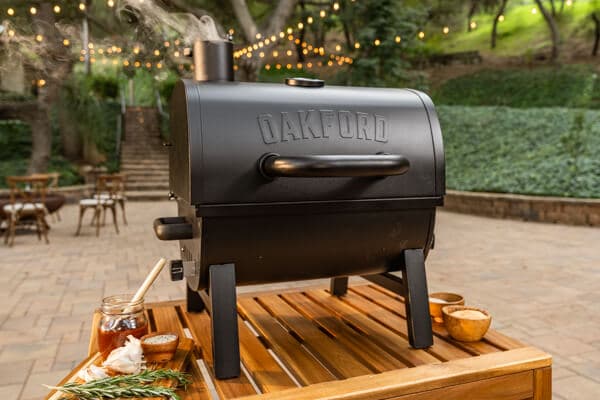
Explore the best tabletop grills and accessories for your next tailgate party.
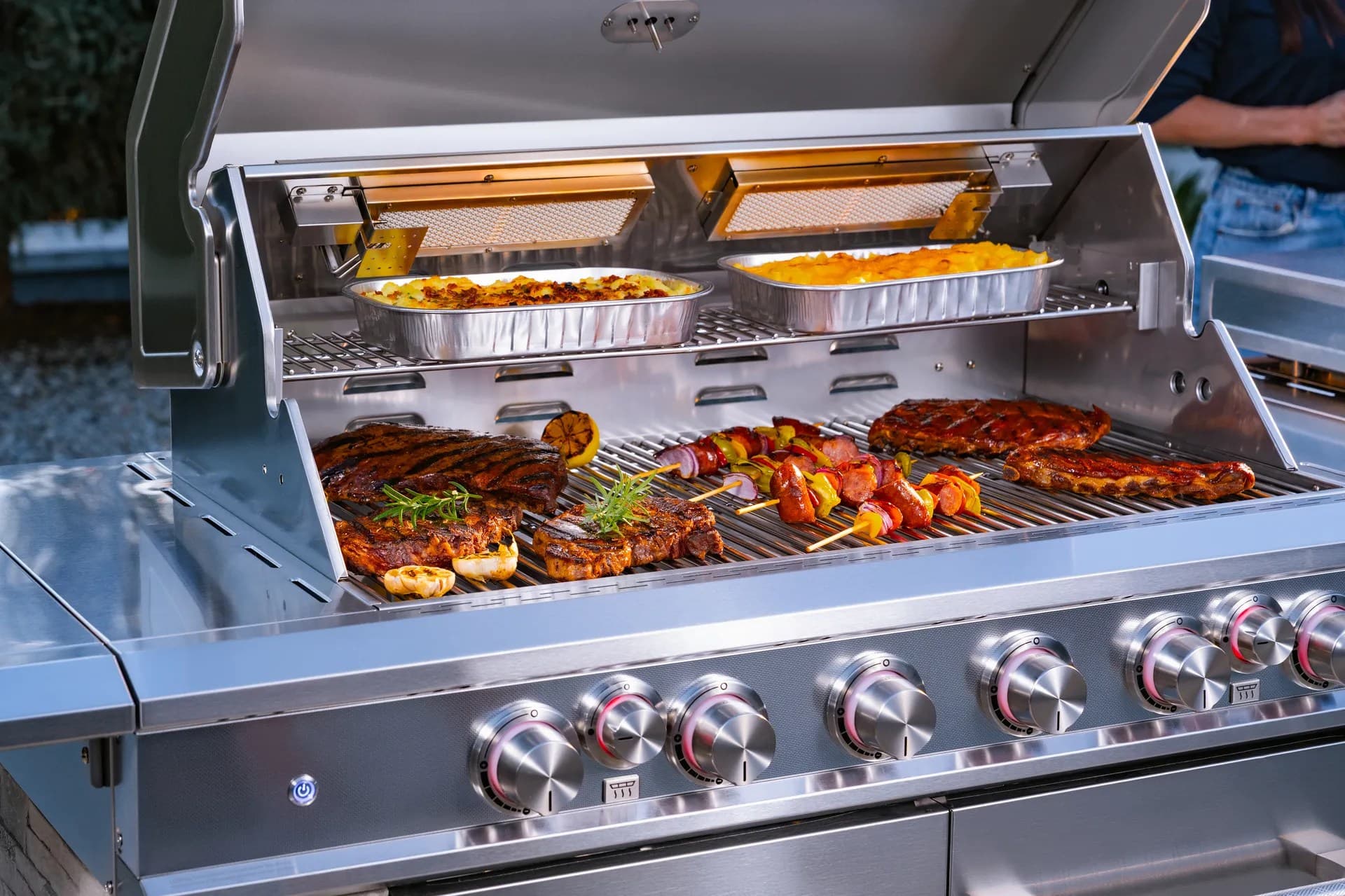
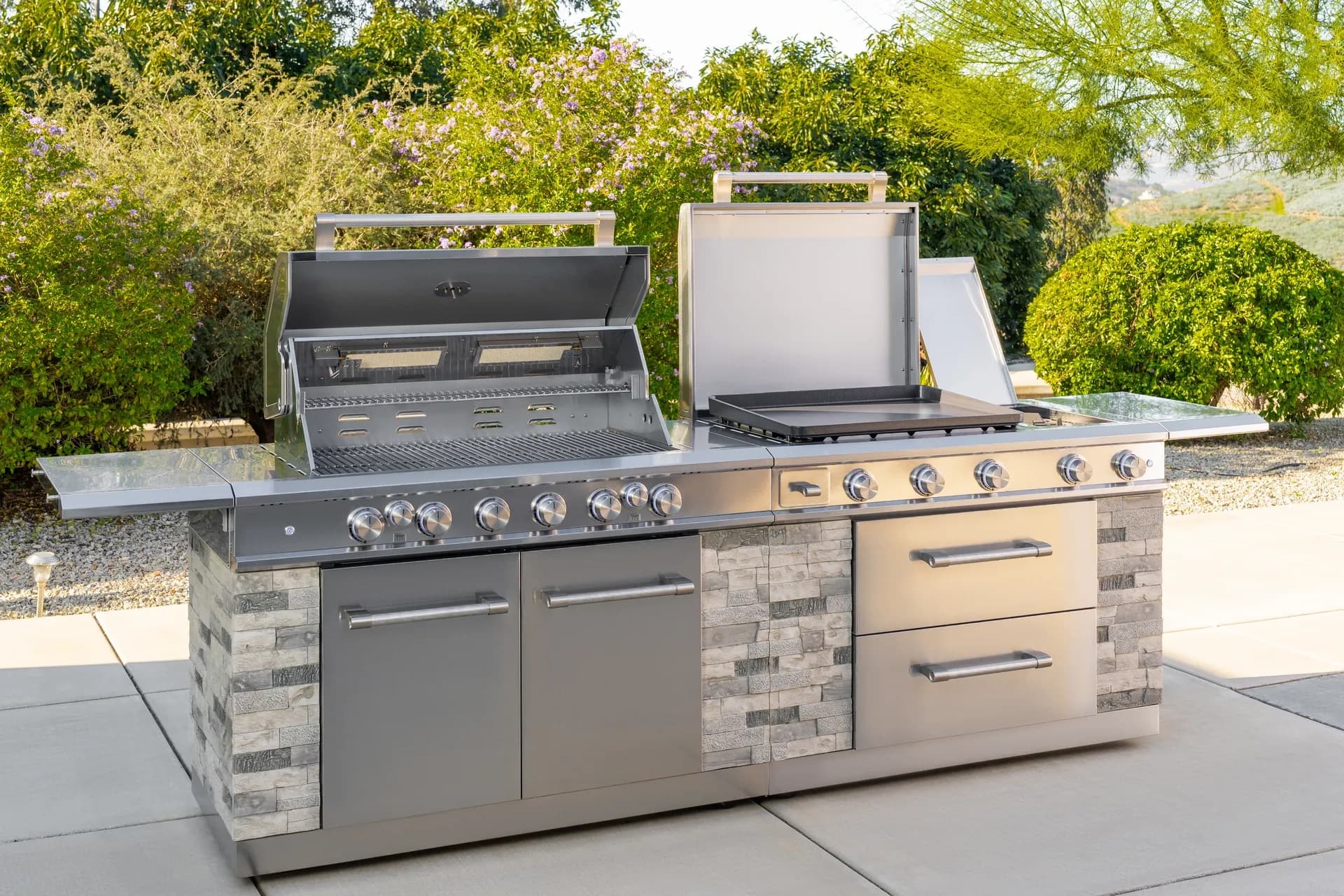
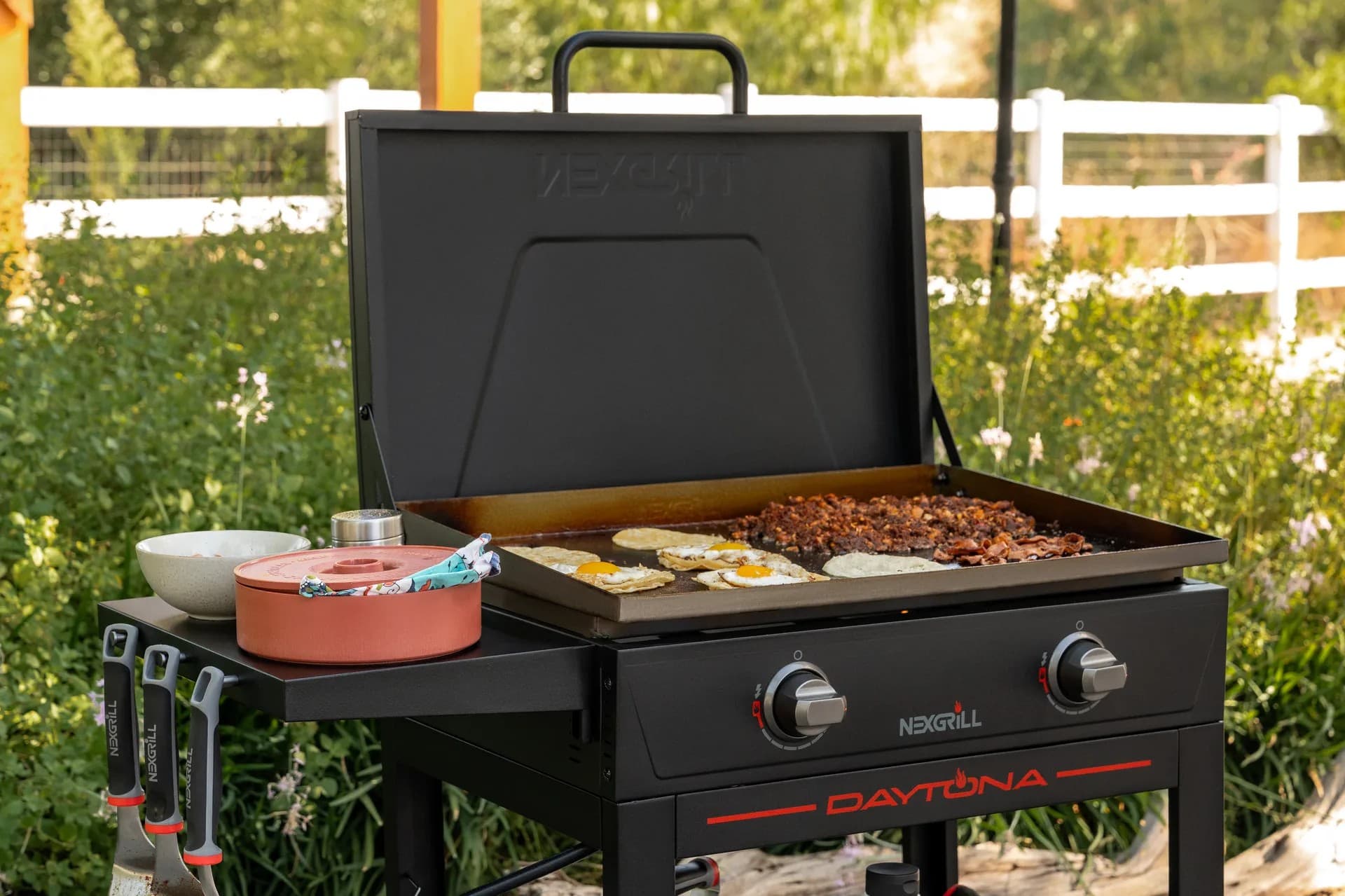
From sizzling breakfasts to smash burgers and teppanyaki-style dinners, the Daytona Pro 5 Burner NitroGuard™ Griddle delivers powerful heat, fast cooking, and a durable cooking surface built for every backyard cookout. Watch how easy outdoor cooking can be.
Here's what sets us apart from the competition
We position ourselves as delivering high-end outdoor cooking features and performance without premium-brand pricing, emphasizing “Quality Grills. Unbelievable Value.”
We offer gas grills, pellet grills, griddles, smokers, pizza ovens, portable/tabletop grills, electric grills, accessories, and replacement parts — allowing customers to stay within one ecosystem for all outdoor cooking needs.
We differentiate ourselves through smart grilling products like the Oakford smart pellet grill, including app-connected cooking controls and modern outdoor cooking technology.
Expert tips, buying guides, comparisons, and inspiration for choosing and getting the most out of your grill.
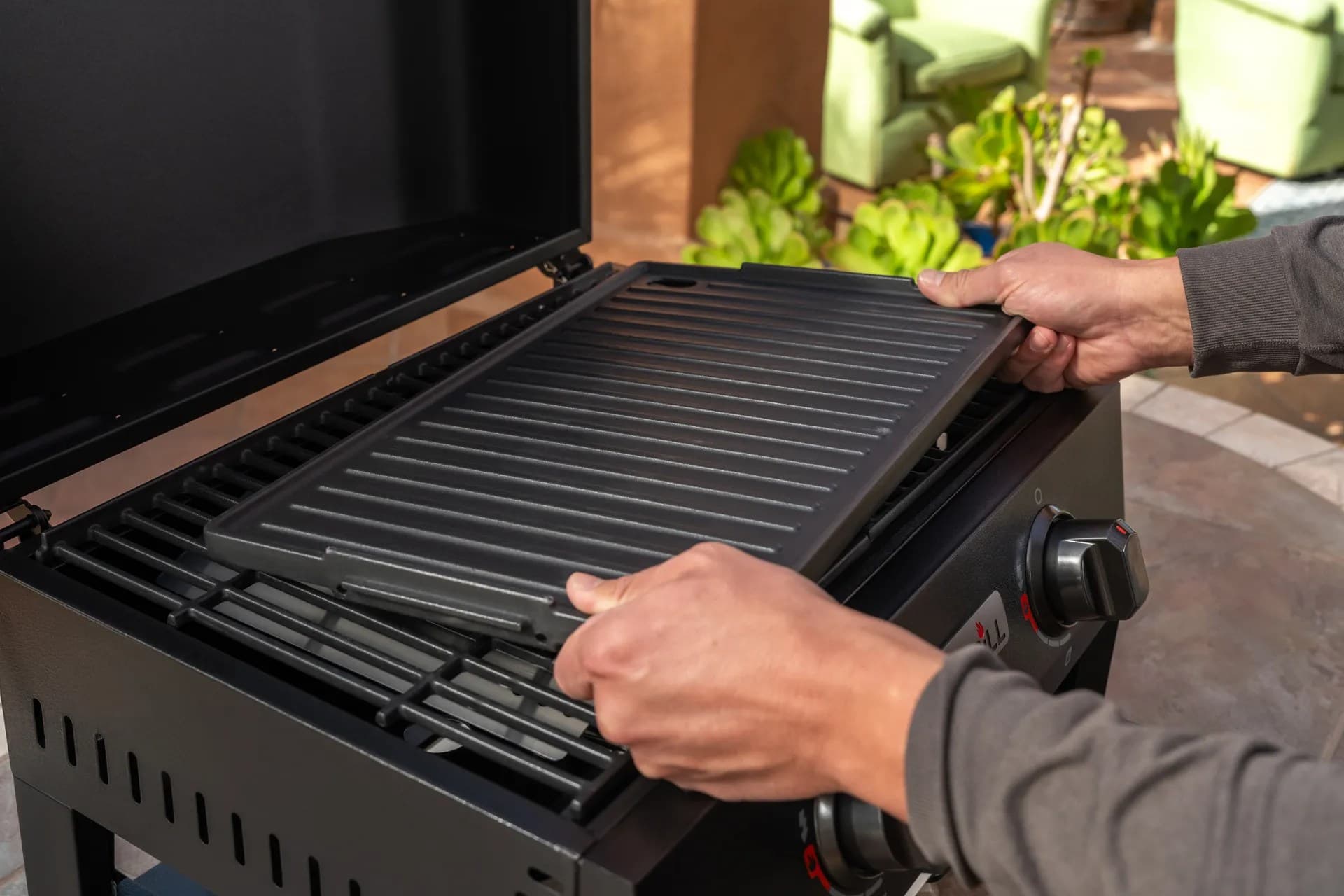
Practical guides for cleaning, maintenance, common grill issues, and performance optimization.
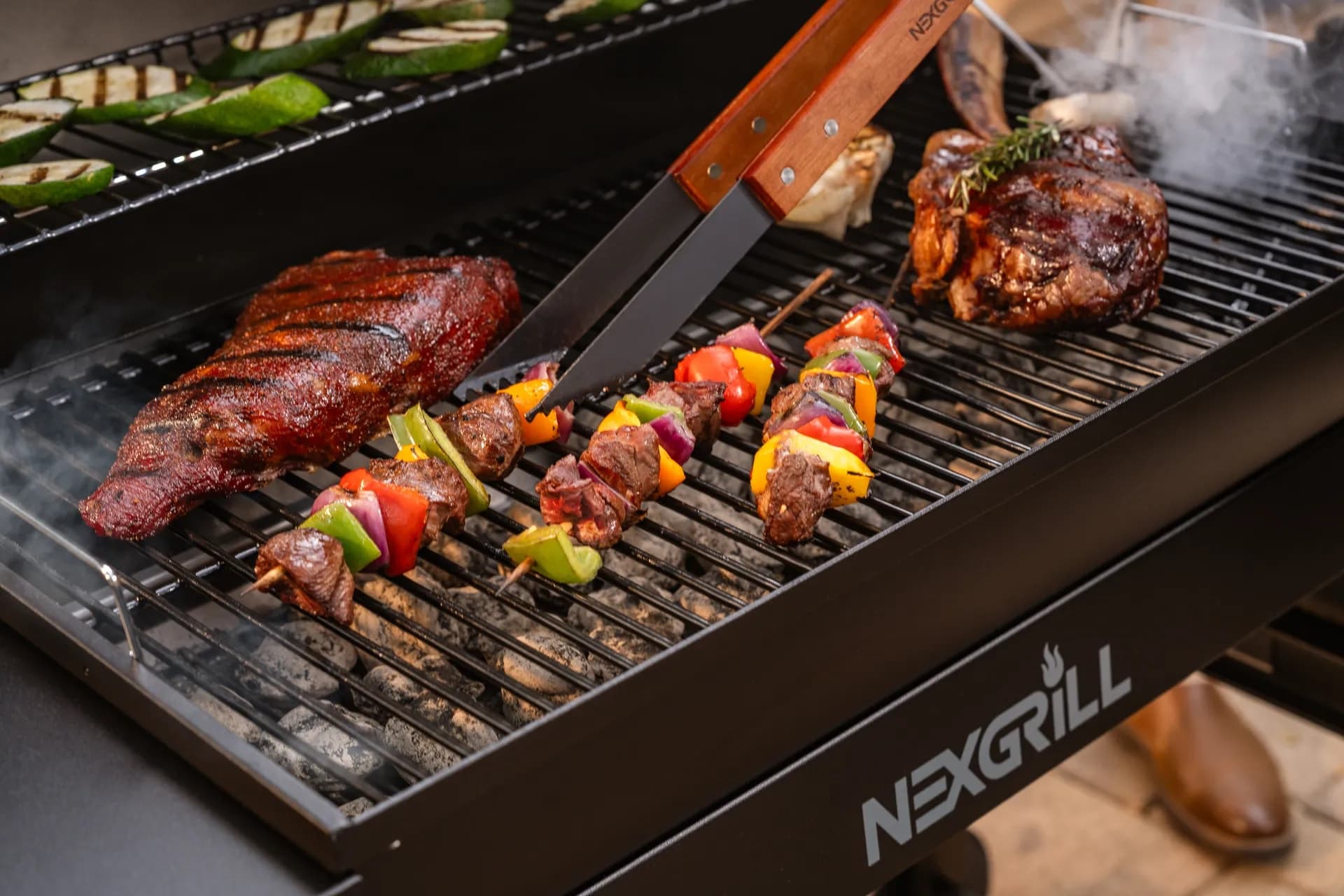
Step-by-step grilling recipes, cooking techniques, and meal ideas for every occasion and skill level.
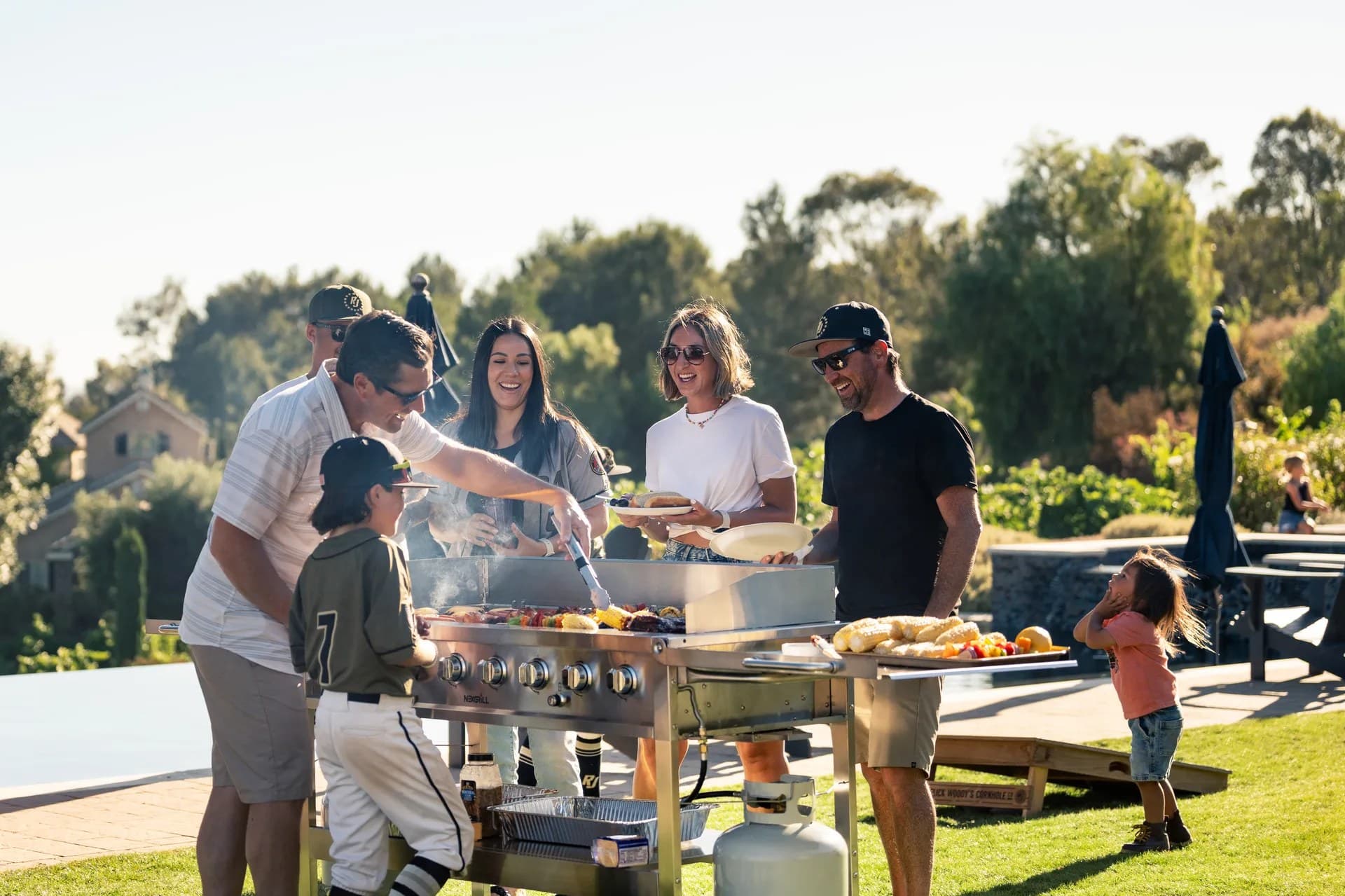
Backyard entertaining ideas, seasonal grilling inspiration, and stories that celebrate outdoor cooking culture.
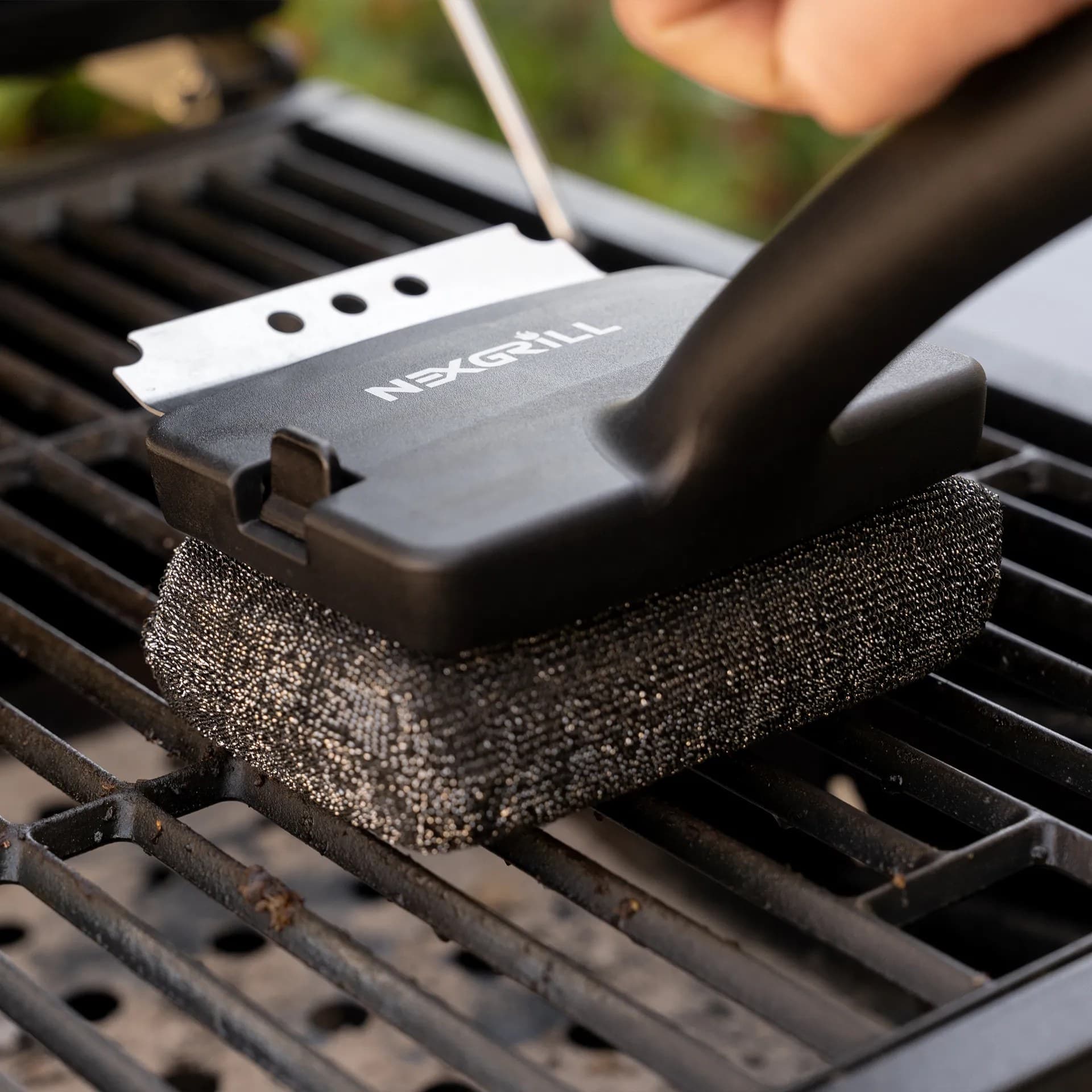
Helpful articles covering grilling tools, cookware, maintenance gear, and must-have accessories for outdoor cooking.
Find griddle recipes, cooking techniques, cleaning tips, and outdoor meal ideas designed for Nexgrill griddles.
Find answers to common questions
Gas grills provide instant heat and precise temperature control, making them easier to use. Charcoal grills offer a smoky flavor and high heat for searing but require more time to heat up and manage.
Pellet grills combine the convenience of gas with the flavor of wood, allowing for smoking, baking, and grilling. Traditional gas grills, however, are quicker to start and often easier to clean.
Charcoal grills typically reach higher temperatures quicker than gas grills, making them better for searing meat. However, high-quality gas grills can also provide adequate heat for effective searing.
Nexgrill offers models designed specifically for gas, charcoal, and pellets, allowing users to choose based on their cooking style and flavor preferences. Each type is built to optimize the characteristics of its respective fuel.
Choosing between gas and charcoal grills depends on your cooking preferences and lifestyle. If you value convenience and quick cooking, a gas grill may suit you better; if you prefer the taste and experience of traditional grilling, a charcoal grill would be ideal.
In This Article
Types of Tabletop Grills
Top Recommendations
Safety Tips
A good tabletop grill can make a tailgate feel less like a parking lot stop and more like a rolling backyard cookout. The best setups are compact enough to travel without drama, fast enough to serve food before kickoff, and stable enough to handle real use when you are dealing with folding tables, coolers, team flags, and a crowd that is already hungry. That is why tailgaters often look for a very specific blend of portability, heat output, and quick setup rather than simply chasing the biggest grill they can find. A tabletop grill has to earn its space in the trunk, on the tailgate bench, or beside the truck bed, and every ounce matters when you are packing chairs, condiments, drinks, and fuel.
Nexgrill’s brand approach fits this occasion well because tailgating is social, casual, and built around shared food. Nexgrill describes grilling as an inviting, communal experience and emphasizes that people should feel welcome around the fire, which lines up naturally with the tailgate tradition of friends, family, and neighbors gathering before the game. That mindset matters here because the right tabletop grill does not just cook food; it helps create the rhythm of the event. You want something that heats quickly, gives you enough room for burgers or skewers, and does not demand a complicated setup when everyone is waiting to eat.
For tailgating, the most useful tabletop grills are the ones that minimize friction. That means quick ignition, easy cleanup, manageable fuel use, and a form factor that can ride safely in a vehicle. A well-chosen tabletop grill also helps you cook in batches, which is often the difference between feeding four people and feeding a whole row of friends. If you are planning a game-day menu, the grill should support the food you actually cook: quick-searing proteins, vegetables, sausage, breakfast sandwiches, or even warming buns and tortillas. The tabletop category is smaller than full patio grills, but it can be surprisingly capable when matched to the right use case.
At a tailgate, the best grill is usually the one you can unpack, light, and use without slowing down the party.
One practical way to think about tailgating grills is to compare how they behave in the first 15 minutes after you park. Gas models are usually the quickest to get cooking, charcoal brings stronger smoke flavor but requires more time and ash cleanup, and electric units are limited by access to power and venue rules. If you are tailgating in a stadium lot, gas and charcoal are the usual contenders. If you are setting up at a campsite with dependable electricity, electric may make sense, but it is less common for game-day parking lots. The smart buy is the one that matches the realities of your parking space, travel routine, and menu rather than the one with the biggest headline specification.
Tabletop grills for tailgating generally fall into three categories: gas, charcoal, and electric. Each one solves the same problem differently. Gas is about speed and control. Charcoal is about flavor and ritual. Electric is about convenience where power is available. The challenge is not choosing the “best” type in a vacuum, but choosing the one that makes sense for the way you actually tailgate.
Gas tabletop grills are the easiest option for most tailgaters because they usually heat quickly and are simple to control. That matters when you have a limited window before the game or when your group arrives at different times. You can preheat a gas grill, sear food in batches, and keep cooking without waiting for coals to burn down. In practice, that means less downtime and fewer missed moments. Gas also gives you a more forgiving cooking experience for beginners because you can turn the flame down when the lid is open or move food to a cooler zone if you are managing multiple items at once.
The trade-off is flavor and fuel logistics. Gas does not provide the same smoky profile as charcoal, and you need to bring the right fuel source, whether that is propane or a smaller canister system designed for portability. Still, for most tailgate menus, gas offers the best balance of speed and control. If your audience wants food on the table quickly and consistently, gas is usually the practical choice.
Charcoal tabletop grills are ideal for tailgaters who enjoy the process as much as the meal. They take more planning because coals need time to light and settle, but they reward that patience with a distinct grilled flavor and a more hands-on cooking rhythm. For people who enjoy making a tailgate feel like an event, charcoal can become part of the appeal. The smell, the pace, and the visible fire all contribute to that classic game-day atmosphere.
The drawback is setup time, cleanup, and heat management. Charcoal can be less predictable if wind picks up or if you are moving between direct and indirect heat on a small cooking surface. Ash disposal is also something to plan for after the event. That said, for experienced grillers who want a portable setup with a traditional barbecue feel, charcoal still has a strong place in the tailgating world.
Electric tabletop grills are the least common choice for stadium tailgates, but they do have a role in certain settings. If you are tailgating at a location with reliable power access and venue rules allow it, electric grilling can be straightforward and clean. There is no charcoal to light and no propane cylinder to carry, which simplifies some parts of the setup. Electric grills can also be attractive for people who want a lower-smoke option or a compact cooking appliance for a pregame gathering in a covered area where fuel-burning options are not suitable.
The limitation is obvious: you need electricity, and that is not guaranteed at a typical tailgate. Heat output and browning performance may also feel different from gas or charcoal. For most tailgating buyers, electric is a niche solution rather than the default. It is worth considering only when your venue and power access make it genuinely practical.
The most useful tailgating comparison is not abstract. It is about what each grill type gives you when you are under real-world game-day pressure. A tabletop grill that seems impressive online can be frustrating in a parking lot if it takes too long to set up, is hard to transport, or cannot handle the volume of food your group expects. This is why many experienced tailgaters choose based on workflow first and flavor second.
| Grill type | Main advantages | Main trade-offs | Best tailgating fit |
|---|---|---|---|
| Gas | Quick ignition, simple heat control, fast recovery between batches | Less smoky flavor, requires fuel canisters or propane | Busy tailgates, fast service, beginner-friendly setups |
| Charcoal | Classic smoke flavor, portable in many compact designs, rewarding for experienced cooks | Slower startup, ash cleanup, more heat management | Flavor-focused tailgates, smaller groups, patient grillers |
| Electric | No open flame, simple operation, clean setup where power is available | Needs electricity, less common in stadium lots, lower portability in practice | Power-access events, specific venues, low-smoke situations |
A tailgater who values speed might say, “I want to get food on the table and not babysit the grill,” which is a strong signal to go gas. A flavor-first cook might say, “I do not mind starting earlier if the food tastes more like real barbecue,” which points toward charcoal. Another common testimonial-style sentiment from experienced tailgaters is, “The grill that fits in my truck and sets up in minutes gets used every weekend,” which highlights why portability and ease of setup should never be afterthoughts. Those practical viewpoints matter more than brand hype.
If you are trying to narrow the field, compare the grill type against your typical tailgate schedule. If you arrive close to kickoff, choose the fastest path to heat. If you cook for a crowd with varied tastes, choose the format that lets you cycle through food efficiently. If your group treats the tailgate as the main event, and you have time to build flavor, charcoal can be worth the extra effort. The right answer is the one that matches the tempo of your day.
Try comparing two products side by side below to see which fits best:
Once you have compared two tabletop grills side by side, the next step is deciding which style actually works in a tailgate setting. The best recommendations are not just about brand recognition; they are about how a grill behaves in a real parking-lot workflow. For tailgating, we want compact footprints, reliable ignition, decent cooking area for the size, and simple transport. The models below are well-known options from Weber, Traeger, and Cuisinart, each representing a different approach to portable outdoor cooking. Weber’s tabletop category is known for straightforward utility, Traeger’s portable guidance often appeals to pellet-minded cooks looking for flavor and smoke control, and Cuisinart has long been associated with compact grilling accessories and approachable outdoor cooking gear. Official brand pages and portable-grill guides are useful starting points when you are comparing options and planning a setup that will not slow you down on game day.
Tip: For tailgating, prioritize a grill that can be carried in one trip from vehicle to table. If it takes multiple trips, it is probably too cumbersome for weekly use.
| Brand or model family | Why it stands out | Tailgating strength | Best for |
|---|---|---|---|
| Weber tabletop grills | Compact, familiar design language, easy to understand for first-time users | Simple setup and consistent portability | Fans who want a no-drama tabletop grill |
| Traeger portable grills | Portable-grill guidance often emphasizes flavor and versatility | Flavor-forward approach for cooks who like smoke | Tailgaters who want a wood-fired character where practical |
| Cuisinart portable gear | Accessible, consumer-friendly, and often easy to pair with small outdoor setups | Budget-friendly convenience | Casual tailgaters and new buyers |
If your goal is the simplest possible game-day routine, a compact Weber tabletop grill is often the type of product that feels immediately familiar and easy to trust. If your cooking style leans toward richer smoke and you like the idea of fuel-driven flavor without committing to a full-size backyard unit, Traeger’s portable-grill guidance can help you think through what kind of travel cooker is realistic for your setup. If you are trying to keep costs and complexity down, Cuisinart’s portable line of products and recipe ecosystem can be a practical place to start, especially for smaller groups. The key is not to chase the biggest feature list but to decide what problem the grill must solve at the tailgate.
Tailgating buyers often ask how many people a tabletop grill should serve. A compact unit may comfortably handle a small group, but if you are feeding six to ten people, the real question becomes batch control. A slightly larger tabletop grill with stronger heat recovery may outperform a tiny unit simply because it lets you keep food moving. In that sense, the right recommendation depends less on raw size and more on whether you can keep the cook cycle flowing without creating bottlenecks.
Another important factor is where the grill will live between uses. If it goes from garage shelf to trunk to tailgate table every weekend, you need robust handles, easy-to-clean surfaces, and a shape that stores well alongside bins and folding chairs. If it only comes out for special events, you can accept a little more weight in exchange for a larger cooking surface. That is why the best recommendation is always contextual.
The most important features for a tabletop tailgating grill are portability, heat output, usable cooking area, and setup simplicity. Portability is not just about weight; it is also about balance, handles, and whether the grill can be safely moved when packed. Heat output matters because tailgate food is often cooked in short bursts, and a grill that cannot recover quickly will slow down your entire plan. Cooking area determines whether you can handle burgers, sausages, skewers, or vegetable sides without overcrowding. Ease of setup is the final filter, because no one wants to spend half the pregame adjusting hardware while everyone else is eating.
BTU output can be helpful, but it should never be treated as the only measure of performance. On a tabletop grill, a reasonable BTU range for gas models can support strong preheating and quick searing, but burner design, lid fit, grate quality, and wind resistance all affect real-world cooking. In other words, a grill with modest output but efficient heat retention may cook better at the tailgate than a hotter model with flimsy construction. Look at the whole system, not just the number on the box.
Cooking area also deserves a reality check. Many tailgaters overestimate how much space they need for the first round and underestimate how much they need for the second. If you are cooking for a handful of people, a compact surface is fine. If you are feeding a larger crowd, a cramped grate will force you to shuffle food constantly. The easiest fix is choosing a grill that gives you enough room to cook in visible zones, even if the overall footprint remains small.
Warning: A grill that feels easy to carry when empty can become awkward once fuel, grease, and accessories are added. Check the full packed weight before you buy.
Accessories can make or break a tailgating cook. A fitted grill cover keeps soot off the cooking surfaces during travel. Long-handled tongs and spatulas help you work safely over a small grate without crowding the heat. Disposable or reusable aluminum pans are useful for holding cooked food and creating simple side dishes. A compact fuel backup is also important so you are not cut short in the middle of the game-day rush. If you are using charcoal, a chimney starter can make prep more predictable. If you are using gas, carrying the correct fuel source and a spare where allowed can prevent last-minute problems.
A thermometer is another small but valuable accessory. Tailgating food tends to be cooked in quick bursts, and it is easy to assume a burger or chicken skewer is done when it is not. An instant-read thermometer removes that guesswork. Heat-resistant gloves are also worth packing, especially when you are adjusting grates or moving hot pans in a crowded setup. Finally, bring a stable prep surface if your parking space does not provide one. Many tailgaters rely on folding tables because they create a clean, organized zone for plates, condiments, and food handling.
Outdoor safety is not a side note at a tailgate. It is the framework that keeps the food, the people, and the event under control. Start with stable placement: your tabletop grill should sit on a flat surface away from foot traffic, car bumpers, and anything that can tip it. Keep children and pets at a safe distance, and never leave a lit grill unattended while you are walking around the lot or heading toward the stadium. If you are using gas, check connections before lighting, and keep the fuel source in the proper position recommended by the grill manufacturer.
Food handling matters just as much as fire handling. FoodSafety.gov recommends keeping raw meat separate from ready-to-eat foods and using safe temperature practices when cooking outdoors, which is especially important when you are dealing with coolers and limited prep space. Wash hands when possible, use separate utensils for raw and cooked items, and avoid cross-contamination on the tailgate table. A small bottle of hand sanitizer and a pack of disposable wipes can help, but they are not substitutes for basic food-handling discipline.
You should also be aware of venue rules. Stadium parking lots, public parks, and campsites often have their own policies on open flames, fuel storage, and disposal. If you are using charcoal, never dump hot ash where it can start a fire. Let coals cool completely and dispose of them only in a designated safe container. If wind is strong, reposition the grill or pause cooking rather than fighting the weather. A tailgate should feel easy, not risky.
Tip: Build a two-zone kit for tailgating safety - one bin for raw ingredients and one for cooked food. That simple habit reduces mess and lowers contamination risk.
The best tabletop grill for tailgating is the one that makes game day easier, not more complicated. Gas is usually the most practical choice for speed and control. Charcoal is the strongest option for smoke flavor and traditional tailgate atmosphere. Electric is useful only in specific power-access situations. From there, the deciding factors are simple: how many people you feed, how quickly you want to cook, how much gear you can carry, and how much cleanup you are willing to handle after the final whistle.
If you want the smoothest overall experience, focus on a model that travels well, sets up quickly, and lets you keep food moving without constant adjustment. If you want more flavor and do not mind extra prep, charcoal can make the tailgate feel more like a true cookout. The right choice is the one that fits your routine and your crowd. For more portable outdoor cooking ideas and brand guidance, you can explore the portable-grill resources from Weber, Traeger, and Cuisinart, along with food safety guidance from FoodSafety.gov.
Here's what sets us apart
We position ourselves as delivering high-end outdoor cooking features and performance without premium-brand pricing, emphasizing “Quality Grills. Unbelievable Value.”
We offer gas grills, pellet grills, griddles, smokers, pizza ovens, portable/tabletop grills, electric grills, accessories, and replacement parts — allowing customers to stay within one ecosystem for all outdoor cooking needs.
We differentiate ourselves through smart grilling products like the Oakford smart pellet grill, including app-connected cooking controls and modern outdoor cooking technology.
Don't just take our word for it
Keep reading
From our catalog