Essential Tabletop Grill Cleaning Tips
A comprehensive guide to maintaining your tabletop grill for optimal performance and longevity.
In This Article
Regular Cleaning
Natural Cleaning Solutions
Maintenance Tips
Introduction
Maintaining a tabletop grill is essential for ensuring its longevity and optimal performance. Whether you own an electric, charcoal, or gas tabletop grill, regular cleaning can enhance your cooking experience and ensure safe food preparation. This guide provides insightful tips and techniques to keep your grill in top shape.
Understanding Your Tabletop Grill
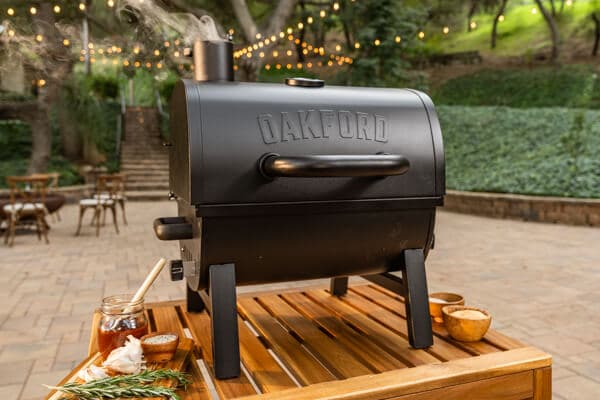
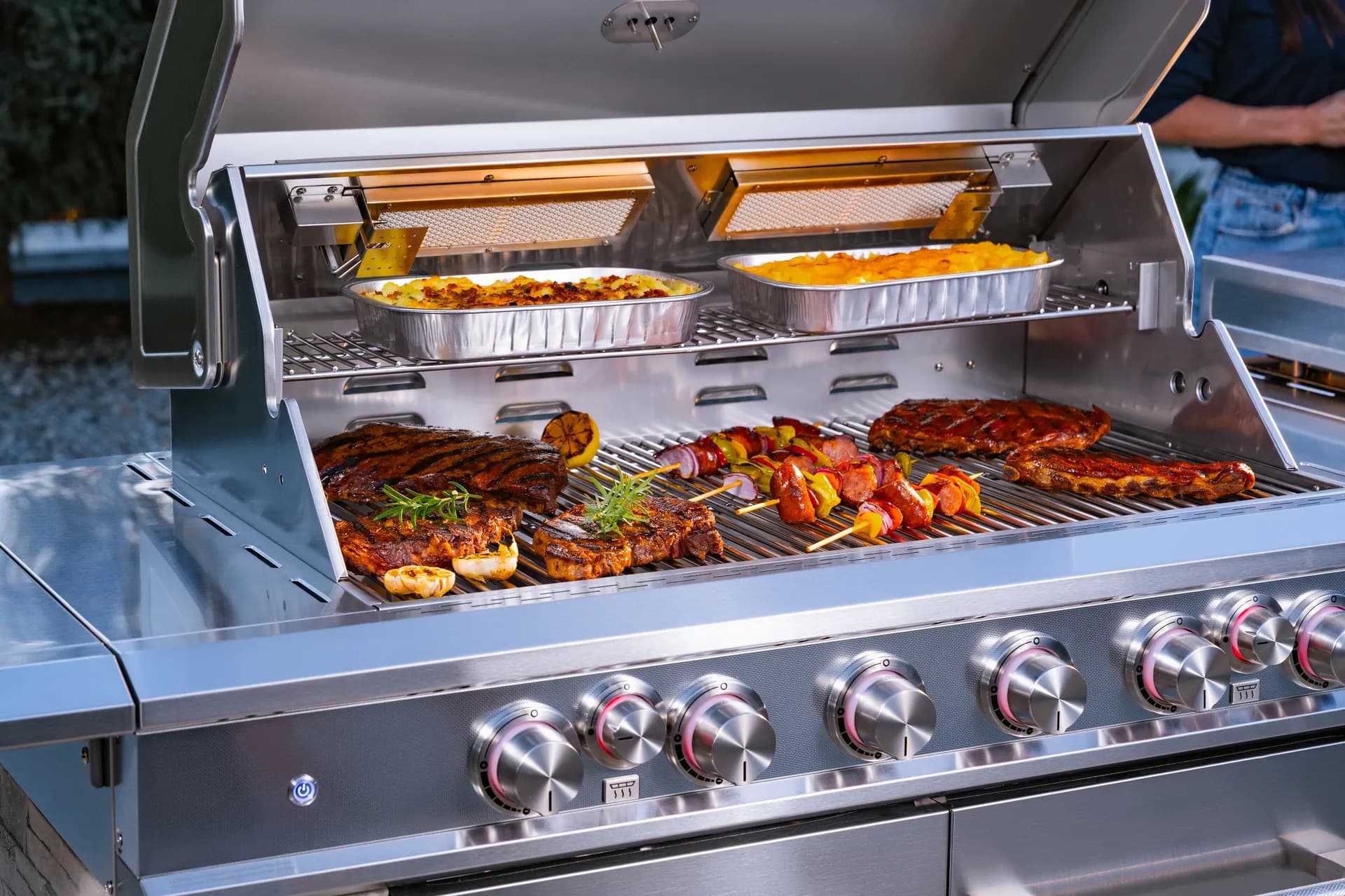
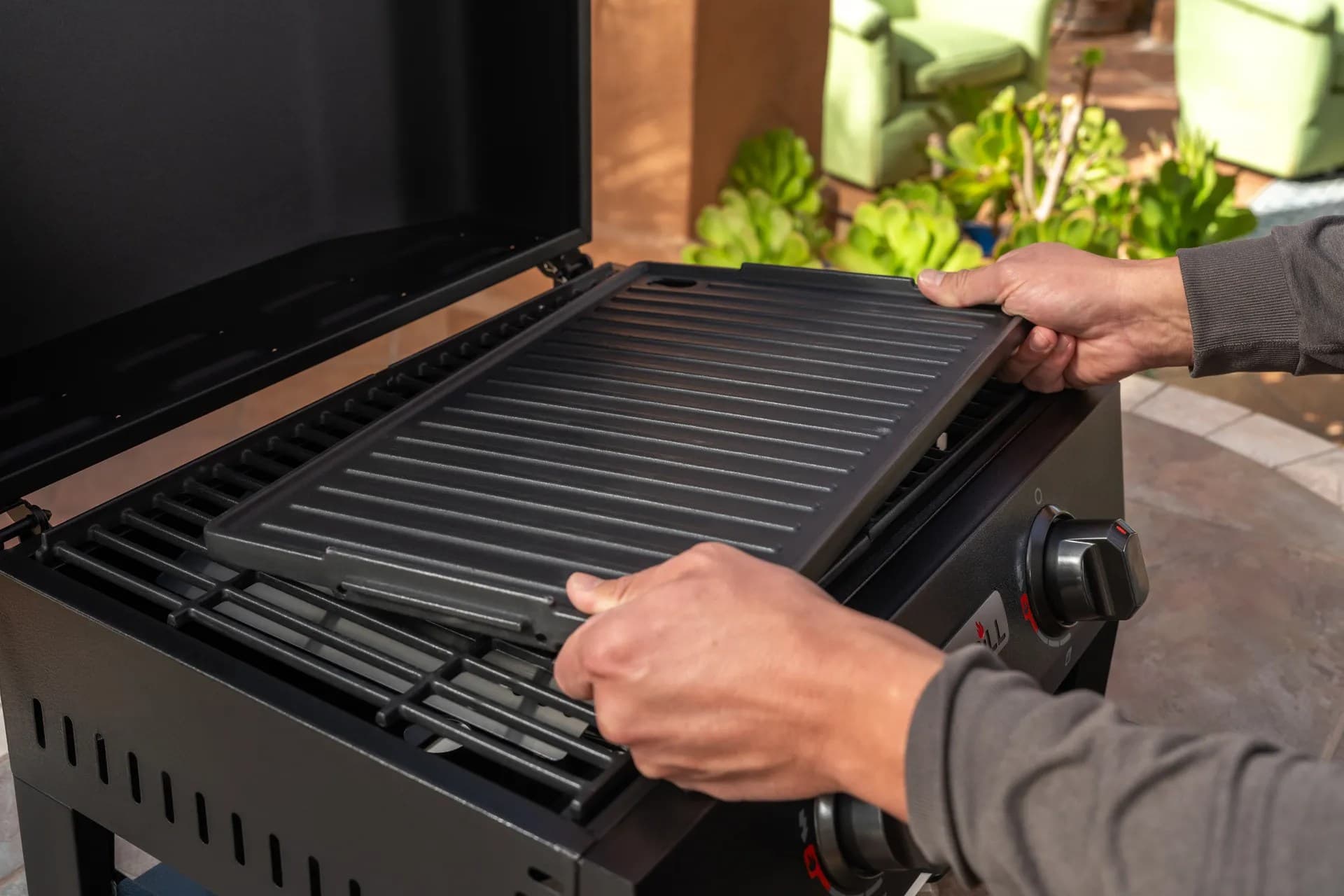
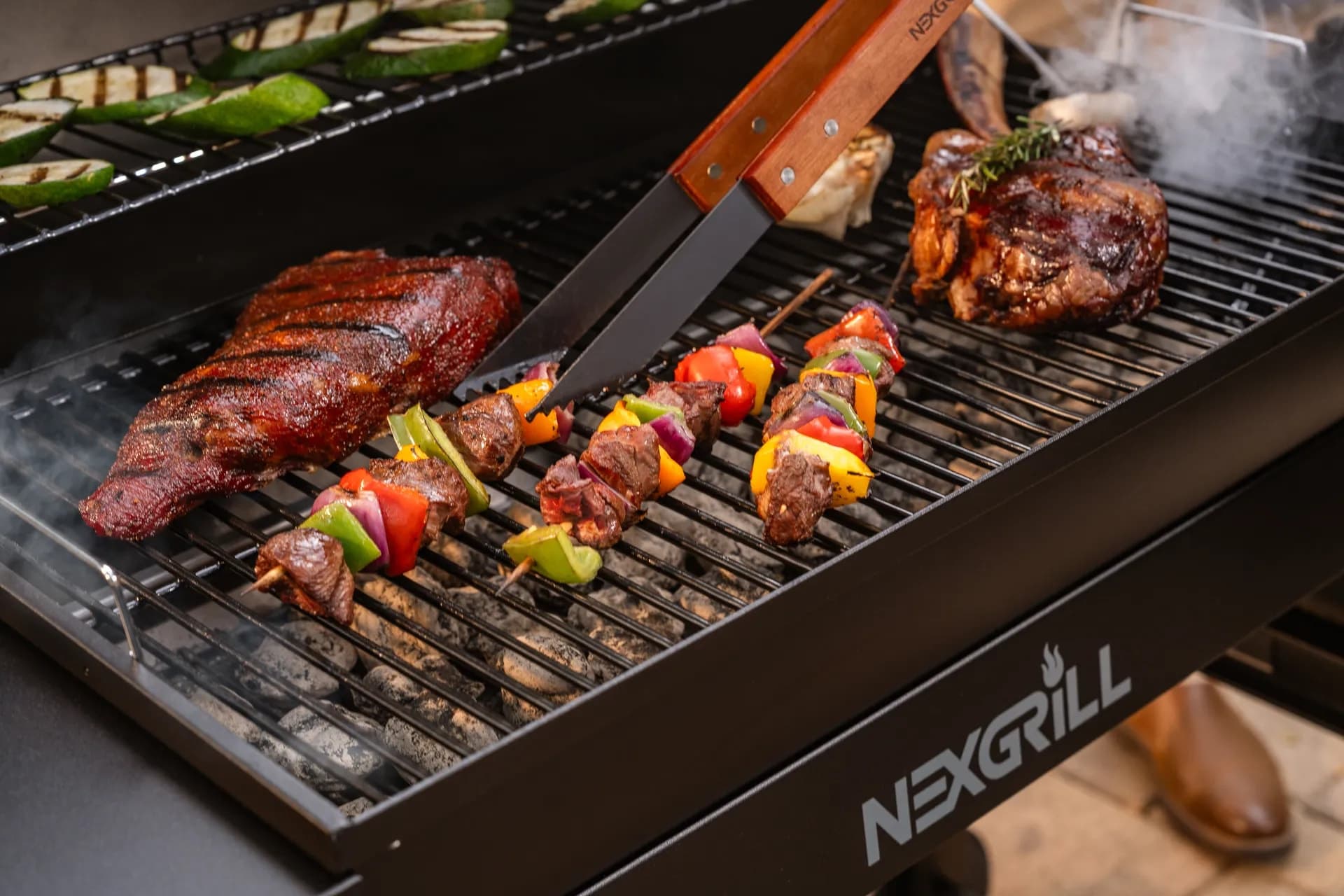
Tabletop grills come in various types, each requiring specific cleaning methods. Electric grills often have removable plates, making them easier to clean. Charcoal grills require ash removal and a focus on maintaining airflow, while gas grills need attention to burner and ignition systems. Understanding your grill's components can guide effective cleaning practices.
Essential Cleaning Tools
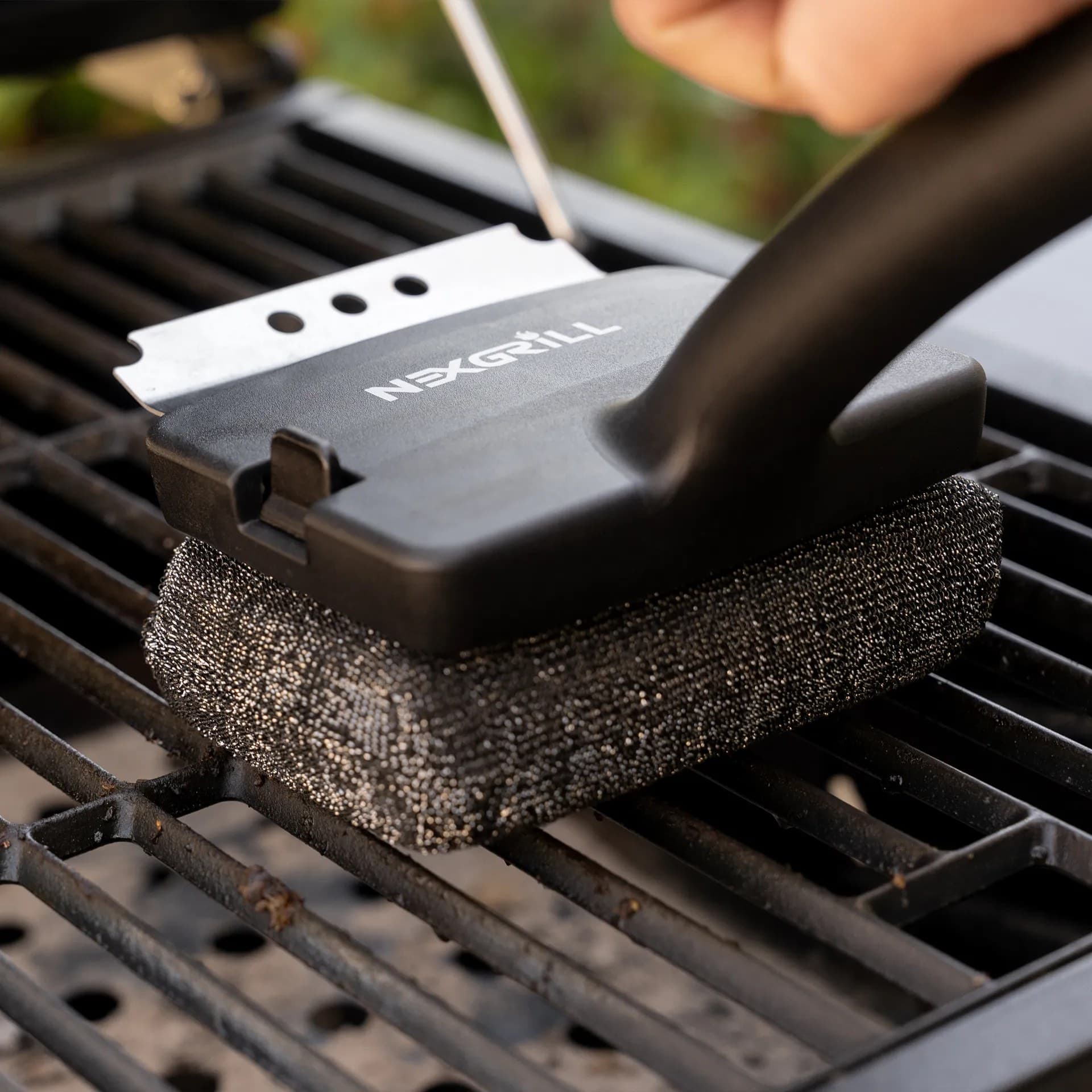
Having the right cleaning tools is crucial for maintaining your tabletop grill. Essential items include a grill brush for removing residue, sponges for scrubbing, and oils to prevent rust. Additionally, specialized cleaners for grills can help, but always check if they are suitable for your grill type.
- Grill brush
- Non-abrasive sponges
- Cooking oil
- Microfiber cloths
- Grill cleaner (optional)
Step-by-Step Cleaning Guide
Cleaning your tabletop grill involves several steps. Begin by disconnecting the power source if it's electric or ensuring the gas supply is off. Remove the grates and soak them in warm, soapy water. Use a grill brush to remove debris from the grill body and wipe down with a damp cloth. Rinse and dry thoroughly before reassembling.
Tip: Regular cleanings prevent grease buildup, which can affect grill performance and flavor.
Maintenance Tips for Longevity
To extend your grill's lifespan, it's important to conduct regular maintenance. This includes checking for rust, tightening loose parts, and ensuring burner ports remain unclogged. Using a grill cover can protect your equipment from weather elements, enhancing durability.
Info: Conduct a deep clean at the start and end of each grilling season to maintain optimal performance.
Try comparing two products side by side below to see which fits best:
Common Mistakes to Avoid
Avoid using harsh chemicals or abrasive tools that can damage the grill's surface. It's also important not to leave the grill damp after cleaning, as this can promote rusting. Never use a wire brush on ceramic-coated grates, as it can scratch the surface.
Natural Cleaning Solutions
For environmentally conscious grillers, natural cleaning solutions offer a safe alternative. Vinegar and baking soda are effective for cutting through grease, while lemon juice can be used to sanitize surfaces. These substances are non-toxic and safe for food contact surfaces.
| Solution | Use |
|---|---|
| Vinegar | Mix with water to clean grates |
| Baking Soda | Use as a paste for tough stains |
| Lemon Juice | Disinfects and adds shine |
Seasonal Deep Cleaning
Perform a deep clean at least twice a year. This involves disassembling the grill to clean each component thoroughly. Pay special attention to burner tubes, control panels, and drip trays. This practice not only prolongs grill life but also ensures food safety.
Conclusion
Regular cleaning and maintenance of your tabletop grill can significantly enhance its performance and lifespan. By following these practical tips, you'll ensure that your grill remains a reliable tool for outdoor cooking adventures.
Warning: Always ensure the grill is cool before cleaning to avoid burns and injuries.