Mastering Steak Grilling Temperatures for the Perfect Cook
Unlock the secrets to perfect grilling with precise temperature control.

In This Article
Grilling Techniques
Temperature Guide
Common Issues
Understanding Steak Grilling Temperatures
Grilling steak to perfection requires a keen understanding of temperature control. The ideal grilling temperature can vary depending on the cut, thickness, and personal preference of doneness. Mastering this aspect not only ensures a delicious meal but also showcases your culinary prowess. In this guide, we delve into the nuances of steak grilling temperatures, providing you with the knowledge to grill like a pro.
The Science Behind Grilling Temperatures
Temperature control is crucial in achieving the desired doneness of steak. The Maillard reaction, responsible for the flavorful crust, occurs optimally at temperatures between 300°F and 500°F. This reaction not only enhances flavor but also creates the attractive brown crust that steak lovers crave.
Using a meat thermometer is essential for monitoring internal temperatures. For rare steak, aim for 120°F to 130°F; medium rare requires 130°F to 135°F, medium is 135°F to 145°F, and well-done is above 155°F. Each level of doneness offers a unique texture and flavor profile, catering to different preferences.
| Doneness | Internal Temperature | Appearance |
|---|---|---|
| Rare | 120°F - 130°F | Cool red center |
| Medium Rare | 130°F - 135°F | Warm red center |
| Medium | 135°F - 145°F | Warm pink center |
| Well Done | Above 155°F | Little or no pink |
Choosing the Right Grill for Steak
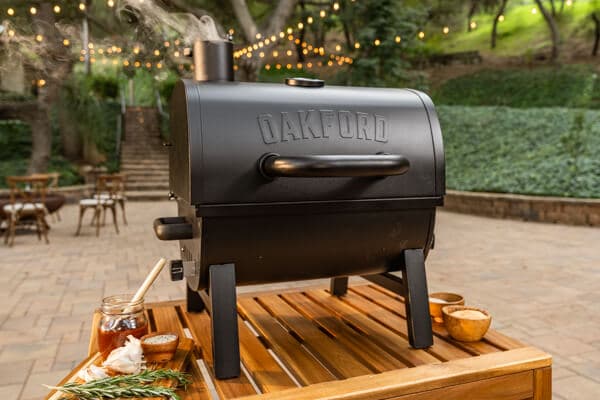
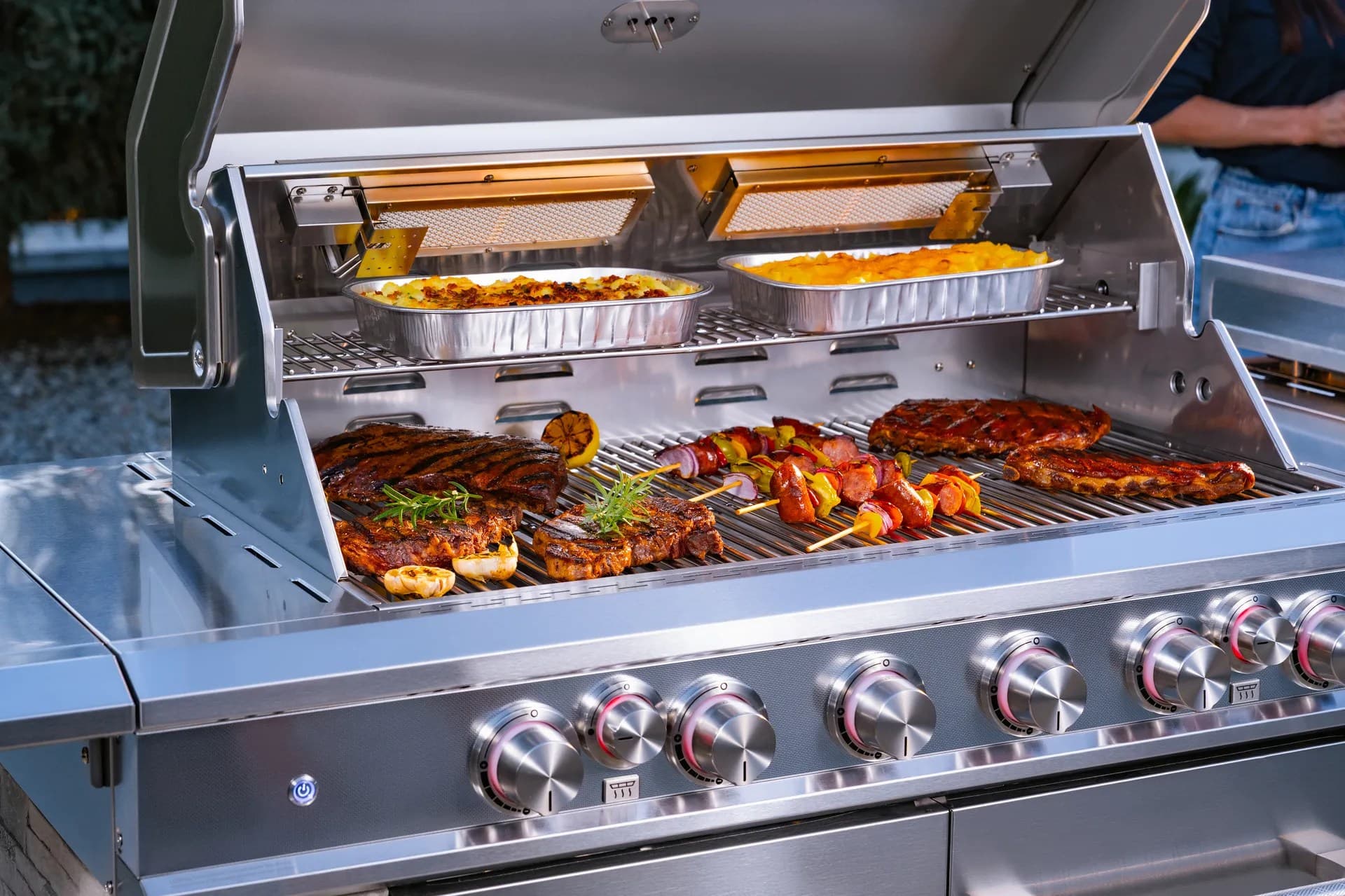
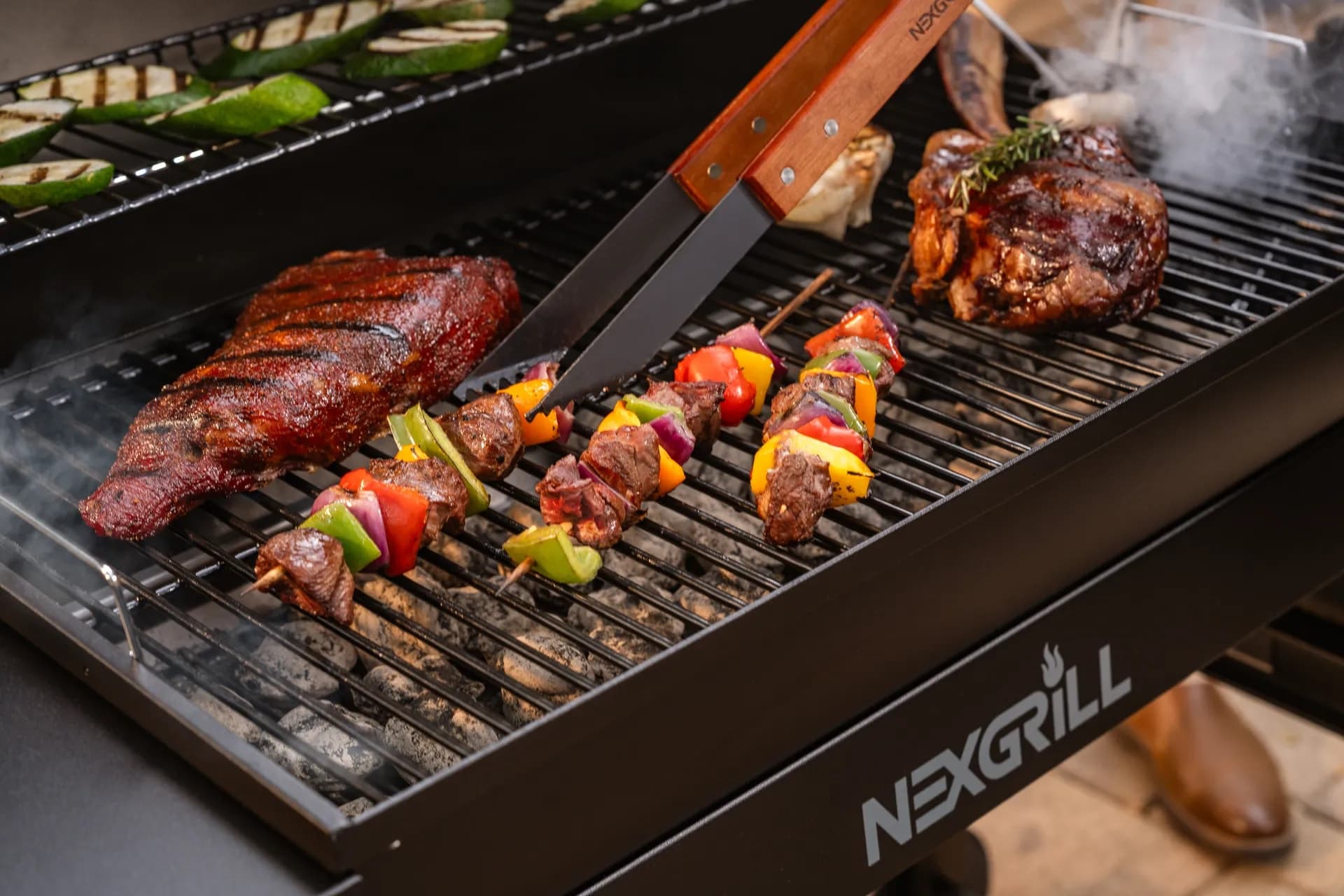
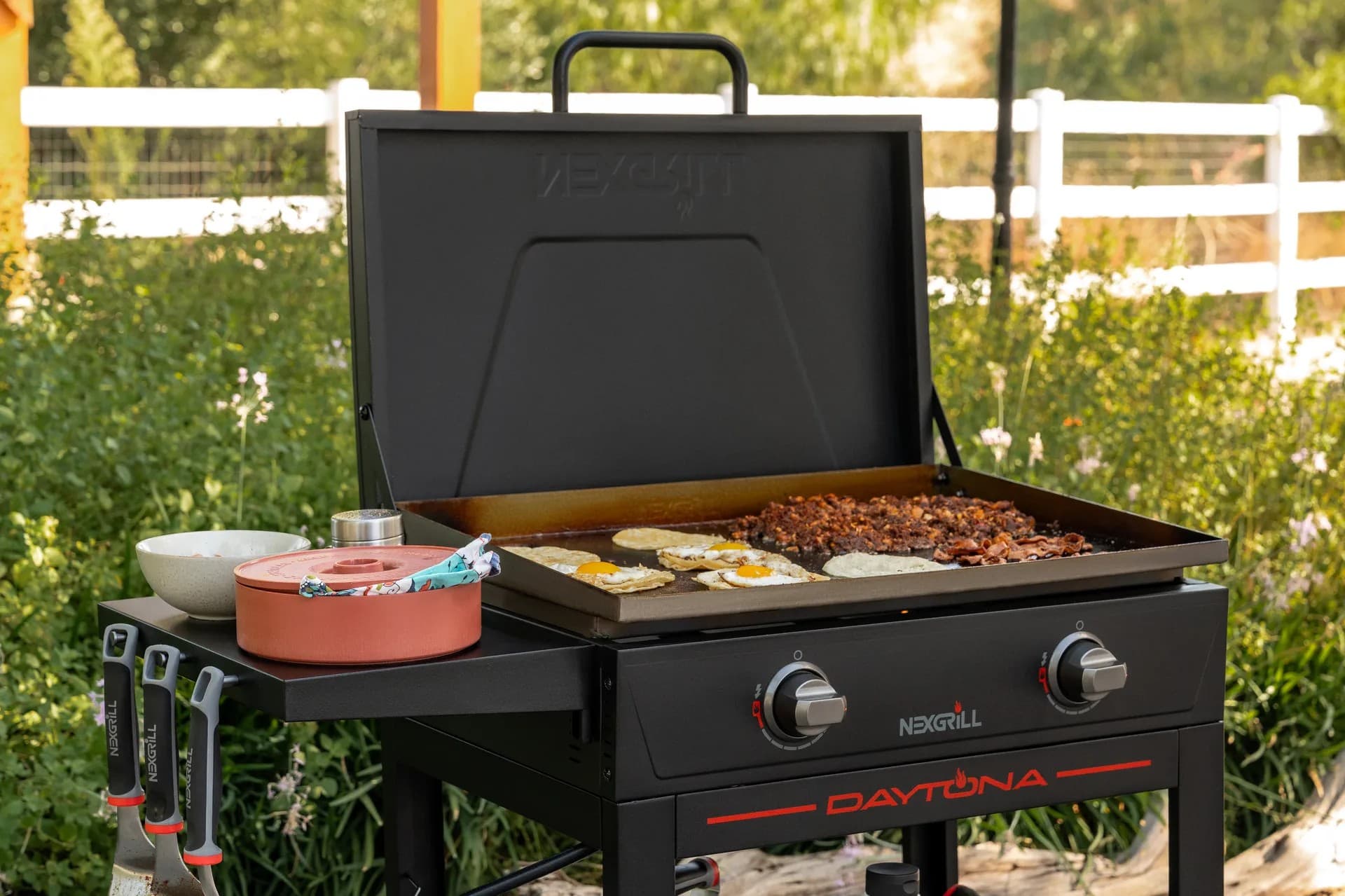
Selecting the right grill is vital for achieving perfect steak temperatures. Gas grills offer precise temperature control, making them ideal for novices and seasoned grillers alike. Charcoal grills, while more challenging, impart a smoky flavor that many enthusiasts prefer. The choice between gas and charcoal often comes down to personal preference and experience level.
Tip: For beginners, gas grills provide easier temperature control, while charcoal grills offer a unique flavor profile.
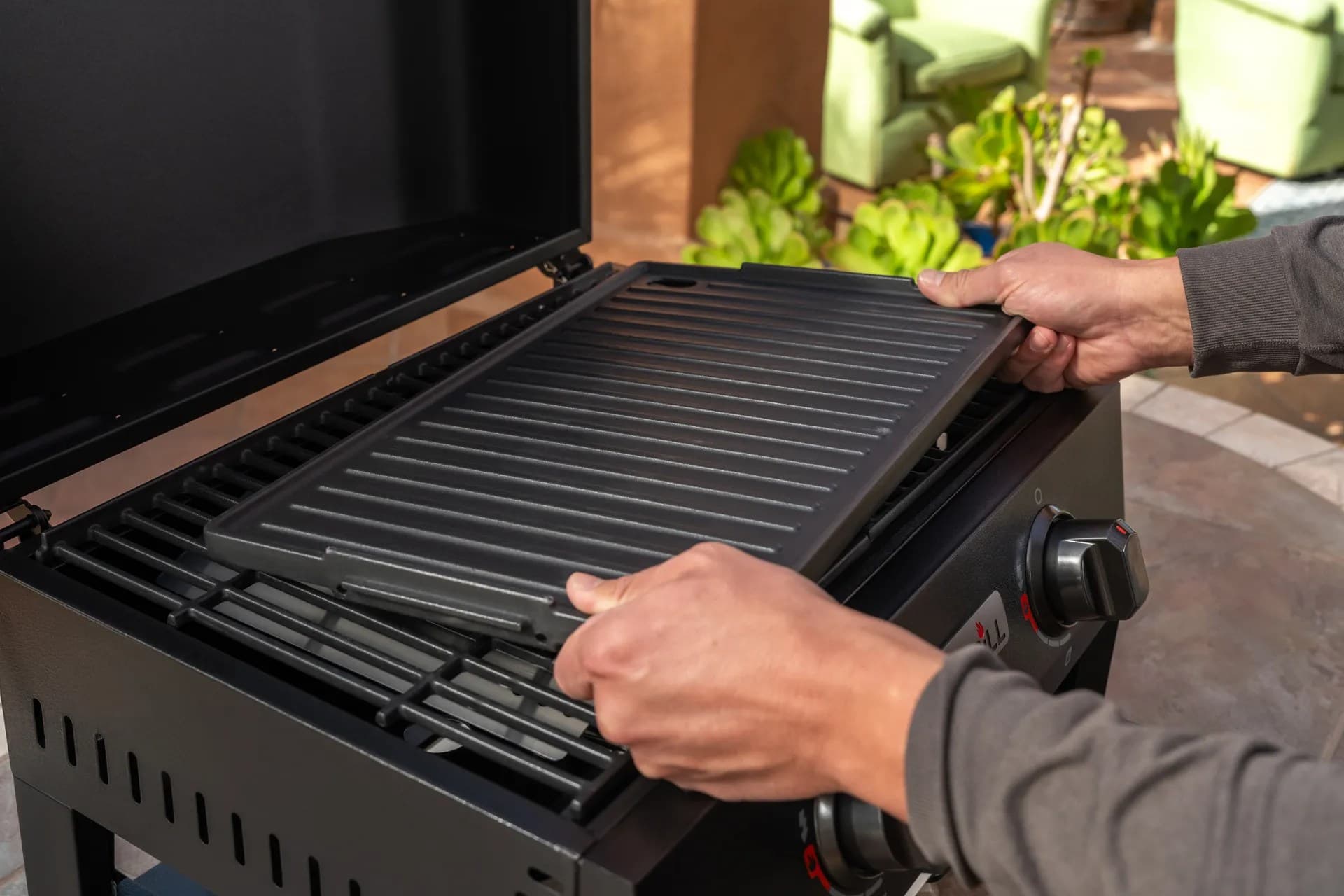
When considering a grill, think about features like adjustable grates, built-in thermometers, and ample cooking space. These elements can significantly enhance your grilling experience. Brands like Nexgrill, known for their versatile and durable products, offer excellent choices for both gas and charcoal grill enthusiasts.
Preparing Your Steak for the Grill
Before grilling, properly preparing your steak can make a significant difference. Allow the steak to reach room temperature before cooking, as this ensures even cooking. Season generously with salt and pepper, or consider a marinade for added flavor.
Pat the steak dry to promote a good sear. A dry surface allows the Maillard reaction to occur more effectively, resulting in a flavorful crust. Whether you choose a ribeye, sirloin, or filet mignon, each cut benefits from proper preparation.
Grilling Techniques for Perfect Steak
Mastering different grilling techniques can elevate your steak cooking. Direct grilling involves cooking the steak directly over the heat source, ideal for thinner cuts. In contrast, indirect grilling is better suited for thicker cuts, allowing for even cooking without charring the exterior. Combining both methods, known as the reverse sear, is an advanced technique that ensures a juicy interior with a perfect crust.
For a reverse sear, start by cooking the steak over indirect heat until it reaches 10°F below the desired doneness. Then, move it to direct heat for a quick sear, creating a flavorful crust.
Info: Experimenting with different techniques can help you find the perfect balance of flavor and texture.
Resting and Serving Your Steak
Resting steak is a crucial step that allows juices to redistribute, ensuring a moist and tender result. After removing the steak from the grill, let it rest for at least 5 to 10 minutes. This pause prevents juices from escaping when you cut into the steak.
Presentation also plays a role in the dining experience. Slice the steak against the grain to enhance tenderness. Pairing with sides like roasted vegetables or a fresh salad can complement the rich flavors of the steak, creating a balanced meal.
Troubleshooting Common Grilling Issues
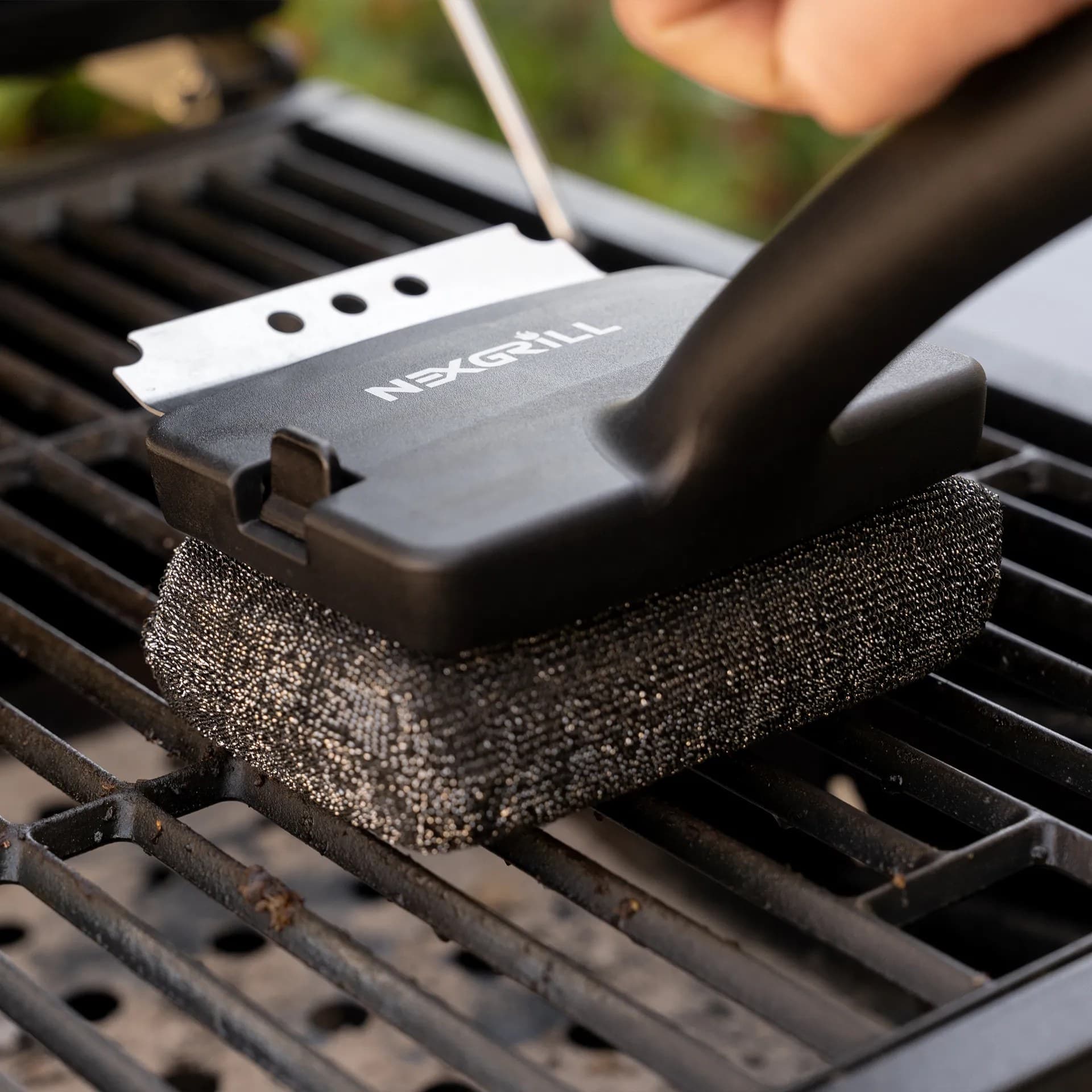
Even experienced grillers encounter challenges. Uneven cooking is often a result of hot spots on the grill. Regularly rotating the steak can mitigate this issue. If the steak sticks to the grates, ensure they are clean and oiled before grilling.
| Issue | Solution |
|---|---|
| Uneven Cooking | Rotate steak regularly. |
| Sticking to Grates | Clean and oil grates before use. |
| Overcooked Exterior | Use indirect heat methods. |
Conclusion: Perfecting Your Steak Grilling
Grilling the perfect steak is an art that combines science and skill. By understanding and controlling grilling temperatures, selecting the right equipment, and applying the correct techniques, you can consistently achieve mouthwatering results. Whether you prefer a classic ribeye or a tender filet mignon, the principles of temperature control and preparation remain the same.
Ideal finishing temperature for a well-done steak.
Explore the variety of grilling options and accessories that Nexgrill offers to enhance your outdoor cooking adventures. With the right tools and knowledge, every grilling session can be a delicious success.