Charcoal vs. Gas Grills: Which Should You Choose?
A comprehensive comparison to help you pick the right grill for your outdoor cooking style.
In This Article
Flavor Profiles
Heat Control
Cost of Ownership
Quick Verdict: Which Grill Is Right for You?
If you want the shortest possible answer, gas is the safer default for most households, while charcoal is the better pick if flavor is your top priority and you do not mind a slower, messier cooking process. In practical terms, a gas grill fits weeknight burgers, chicken breasts, vegetables, and last-minute dinners because it starts fast and gives you immediate heat control. A charcoal grill rewards patience with a deeper smoke profile, hotter searing potential, and a more hands-on cooking rhythm that many weekend grillers enjoy.
Quick rule: choose gas if you value convenience, repeatability, and low-fuss cleanup; choose charcoal if you want more smoke character and enjoy managing fire.
| What matters most | Gas grills | Charcoal grills |
|---|---|---|
| Flavor | Clean, direct, less smoky | Richer smoke character and deeper crust |
| Heat control | Fast adjustments, easy zone management | Slower response, more skill required |
| Startup | Minutes | Longer, with lighting and ash management |
| Cleanup | Grease tray and grate cleaning | Ash disposal plus grate cleaning |
| Cost of ownership | Higher upfront, often lower fuel hassle | Lower entry price, ongoing charcoal and starter costs |
For Nexgrill shoppers, the right answer often comes down to how often you cook and what kind of meals you make. A two-burner or four-burner gas grill is usually the better fit for a family that cooks multiple times a week. A charcoal grill makes more sense for someone who grills on weekends, enjoys the ritual, and is willing to manage airflow, ash, and temperature swings.
If you are still torn between two models, compare them side by side below and use the rest of this guide to judge which one matches your routines, budget, and outdoor space.
Flavor Comparison: The Taste Debate
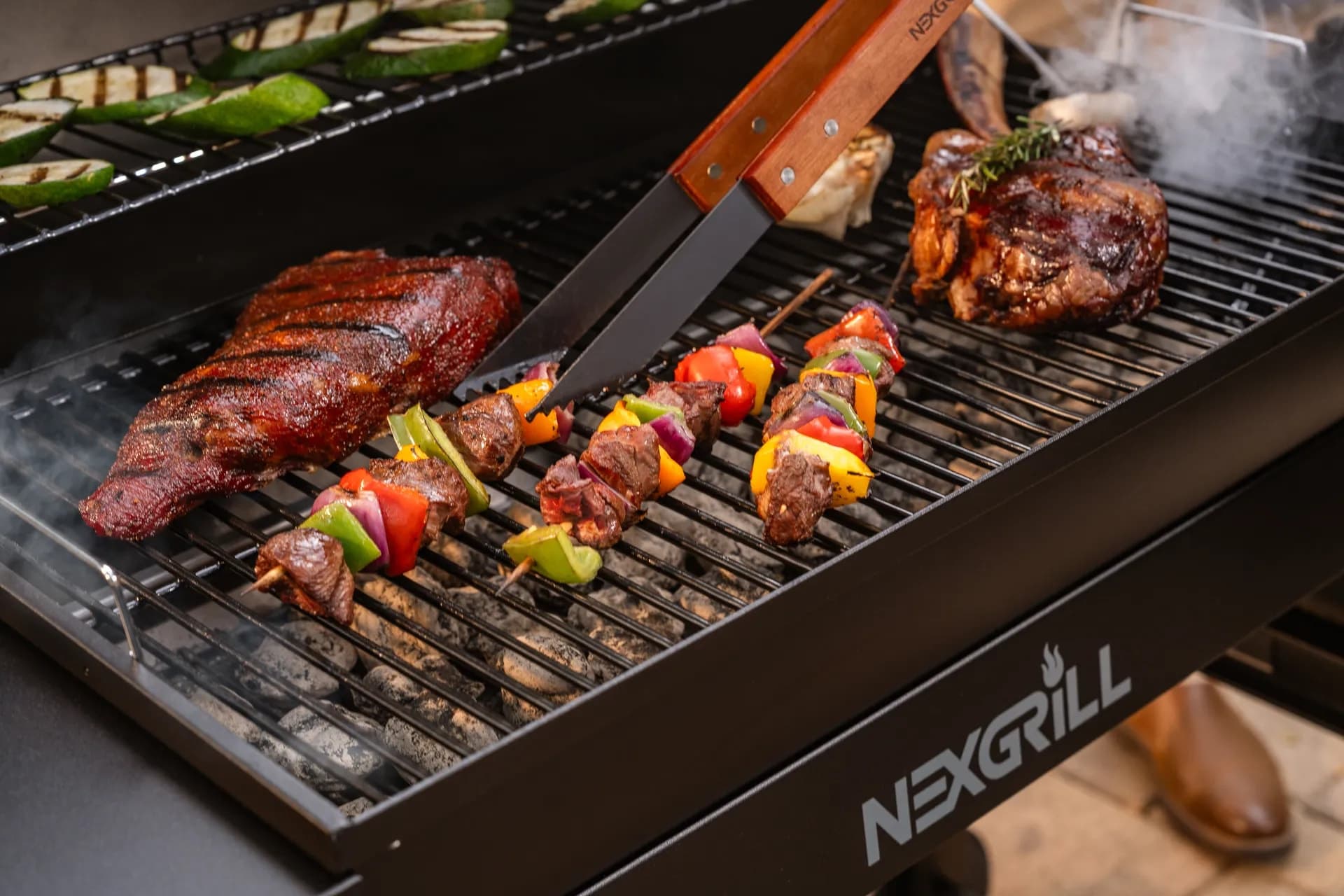
The biggest reason people stay loyal to charcoal is flavor. When charcoal burns, it creates smoke compounds that cling to meat and vegetables, especially during the first part of the cook. That smoke, along with higher radiant heat from glowing coals, helps produce the familiar backyard barbecue profile: a darker crust, a more pronounced aroma, and a taste that many people describe as deeper or more layered than gas. Charcoal can also help create a stronger Maillard reaction on the surface of the food because the cooker often runs hotter and drier around the cooking zone.
Gas grills, by contrast, produce a cleaner flavor with less smoke influence from the fuel itself. That does not mean gas tastes bland. It means the flavor of the food, seasoning, marinades, and any wood chips or smoker boxes you add tends to come through more clearly. For delicate foods like fish, shrimp, asparagus, or weeknight chicken breasts, that cleaner profile is often a benefit rather than a drawback. You get grill marks, browning, and char without pushing the food into an aggressively smoky lane.
If you want smoke flavor without giving up gas convenience, use wood chips in a smoker box or pair a gas grill with a dedicated smoking method.
Blind taste tests often narrow the gap more than people expect: the difference is real, but it is not magical. Cooking technique matters as much as fuel type. A well-preheated gas grill with dry surface seasoning can outperform a poorly managed charcoal fire. Likewise, a charcoal cook with properly arranged coals, vent control, and rested meat can create standout flavor that gas cannot easily duplicate. In other words, flavor is not just about fuel; it is about how the heat is delivered to the food and how much smoke actually reaches the surface.
Heat Control: Mastering Your Grill
Gas wins the control category because each burner acts like a dial you can turn up or down instantly. That makes it easier to build direct and indirect zones, hold a steady temperature for chicken thighs, or recover quickly after opening the lid. It also makes multi-tasking simpler: you can sear steaks over one hot zone while keeping vegetables or buns warm on a cooler section.
Charcoal can absolutely sear well, but it asks more from the cook. Temperature changes lag behind your adjustments, so you need to think ahead about vent positions, coal quantity, and coal placement. A successful charcoal setup usually depends on a two-zone arrangement: one side loaded with coals for high heat, the other side left cooler for gentler cooking. That method works, but it takes practice and attention. If you are the kind of cook who likes to walk away and return later, gas is the easier path.
Is easier to hold on gas, but charcoal can do it well once you learn vent and coal placement.
For searing steaks, both grills can reach useful high heat, but they get there differently. Charcoal often delivers a more intense radiant blast, while gas gives you a controlled, repeatable hot zone. If you are cooking for a crowd and want a reliable result every time, repeatability usually matters more than raw fire drama.
Cost of Ownership: Initial vs. Long-Term Expenses
Charcoal grills usually cost less upfront, which is why they can look like the budget winner at first glance. But fuel is the real long-term wildcard. You will keep buying charcoal, starter cubes or fluid, and possibly replacement grates or ash-management accessories over time. Gas grills often ask for a higher starting investment, but propane refills or a natural gas hookup can be more predictable for frequent use.
| 5-year ownership estimate in the United States | Gas grill | Charcoal grill |
|---|---|---|
| Typical entry-level grill | USD 200-600 | USD 80-300 |
| Fuel and consumables | Often steadier, especially with propane or gas lines | Can add up faster with charcoal and fire starters |
| Cleanup supplies and time | Lower effort | Higher effort due to ash disposal |
| Best value pattern | Frequent grilling | Occasional, flavor-first use |
The hidden cost is time. A charcoal session can take longer to light, stabilize, and clean up, which matters if dinner happens on a tight schedule. Gas reduces that friction. For households that grill often, the extra convenience can be worth more than a lower sticker price on the box.
Try comparing two products side by side below to see which fits best:
Cleanup and Maintenance: What to Expect
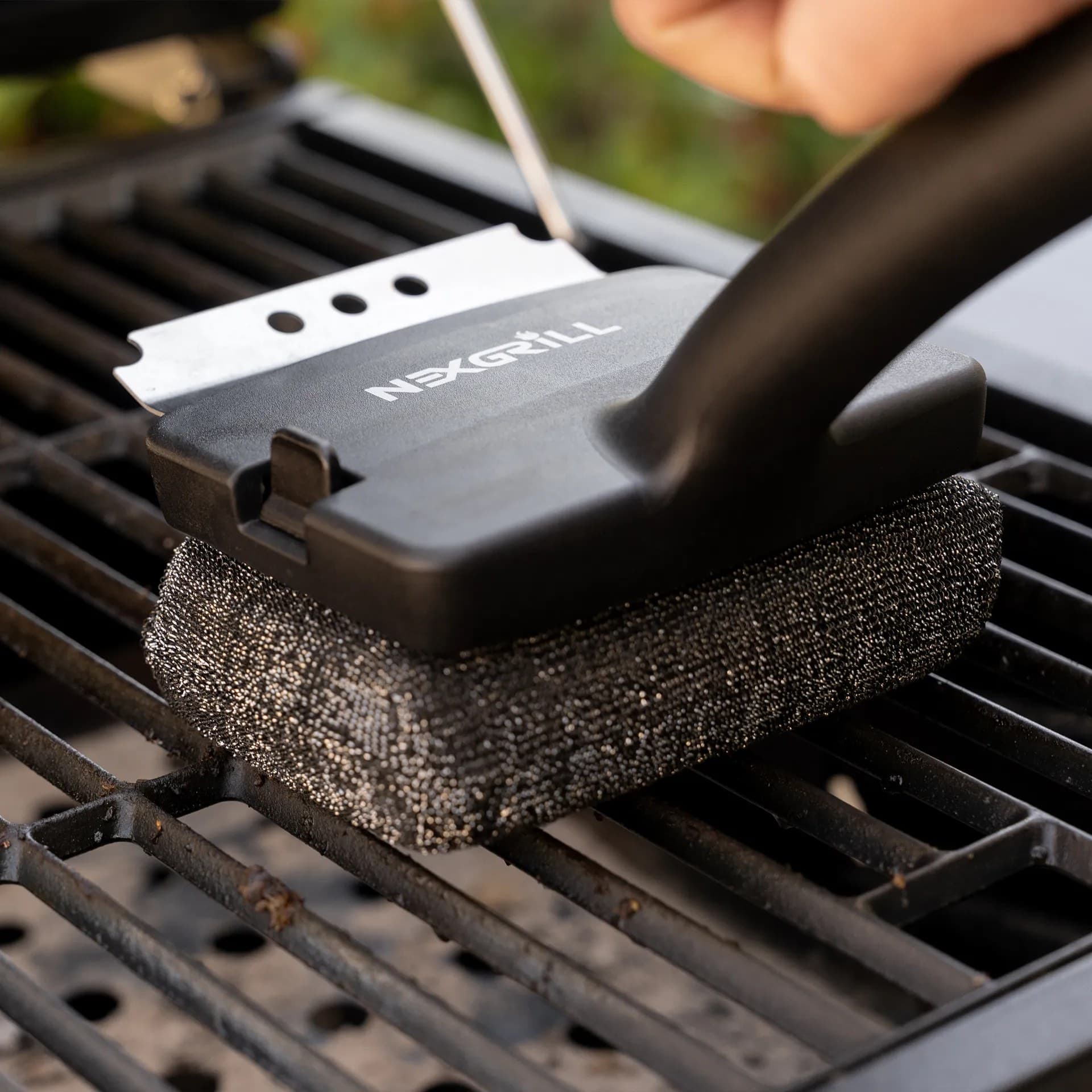
Cleanup is where many first-time charcoal buyers feel the difference immediately. After a cook, charcoal leaves ash that has to be fully cooled and removed, and that ash can get into vents, bottom pans, and storage spaces if you are not careful. Gas grills still need regular attention, but the work is more predictable: empty the grease tray, brush the grates, check burner ports, and keep the interior free of buildup. For many busy households, that simpler routine is the deciding factor.
Never dump warm ash into a bag or bin. Let it fully cool in a metal container before disposal.
Charcoal also tends to stain more visibly with soot and residue, especially on lids and fire bowls. That does not make it hard to own, but it does make it more hands-on. Gas grills are not maintenance-free, but they are usually less demanding between cooks, especially if you scrape the grates while they are still warm and keep grease from hardening.
Health Considerations: Safety and Risks
On health, gas generally has the edge because it produces less smoke from the fuel itself and usually creates fewer opportunities for heavy soot exposure. The bigger concerns in grilling are not only fuel type but also flare-ups, over-charring, and fat dripping onto the heat source. Those conditions can increase the formation of PAHs and HCAs, compounds that food-safety and cancer-prevention organizations often discuss when grilling meats at high temperatures.
If you do choose charcoal, the safest way to reduce risk is to trim excess fat, avoid letting flames lick the meat, and cook to doneness with a thermometer instead of guessing. Gas can still create flare-ups, especially with greasy marinades or crowded grates, so cleaner fuel does not mean no risk. It simply gives you more control over the fire and less smoke around the cooking area. For either grill type, use it outdoors only and keep in mind that charcoal must never be used in enclosed or poorly ventilated spaces because carbon monoxide is a serious hazard.
The safest pattern is simple: control flare-ups, avoid charring, and use a thermometer to pull food at the right temperature.
Portability and Weather Resistance: Where Will You Grill?
If you grill at parks, campsites, or on the move, charcoal has one advantage: it does not depend on a fuel hose or tank during the cook. That makes it easy to use in some portable settings, though you still need room for safe ash handling. Gas wins for backyard convenience, especially if you want quick startup before rain or after work. In windy weather, gas usually stabilizes faster, while charcoal can burn unevenly and demand constant adjustment.
For patios and decks, the right choice often depends on how protected the grill will be. Gas grills can be easier to cover, roll, and store between uses. Charcoal models are often lighter and simpler in form, but they also leave you with fuel bags, ash, and a more involved cleanup routine after the weather turns. In very damp climates, whichever grill you choose will last longer if you keep it covered and dry.
Decision Flowchart: Making the Right Choice
Use this simple decision path to narrow the field quickly. If you grill two or more times per week, start with gas. If you grill mostly on weekends and care most about smoky character, start with charcoal. If you live in an apartment or have strict space rules, check your building policies first, then consider a compact gas model or a small charcoal setup only if local rules allow it. If you often cook burgers, vegetables, and quick chicken dinners, gas is the practical choice. If you plan to cook ribs, steaks, and bone-in cuts for longer sessions, charcoal may be worth the extra work.
Start
  |
  |-- Need fast weeknight cooking? --> Gas
  |
  |-- Want the strongest smoke flavor? --> Charcoal
  |
  |-- Need lower cleanup and easier temperature control? --> Gas
  |
  |-- Enjoy hands-on fire management and weekend cooks? --> Charcoal
  |
  |-- Live with strict space, smoke, or ventilation limits? --> Check rules first, then choose the safest compliant option
A pellet grill can be the middle ground if you want smoke character with steadier temperature control than charcoal.
Target Personas: Who Should Buy Which Grill?
The busy family cook should buy gas, ideally a model that offers enough burner space for direct and indirect cooking without taking over the patio. The weekend flavor enthusiast should buy charcoal if they enjoy managing vents, mastering fire, and trading time for taste. The apartment or balcony user should usually buy gas only if building rules allow outdoor flame appliances, because convenience is not worth risking unsafe or noncompliant use. For a person who wants a middle path, a pellet grill may be the better answer than forcing a charcoal-versus-gas decision.
| Buyer type | Best choice | Why |
|---|---|---|
| Frequent weeknight griller | Gas | Fast startup and easier temperature control |
| Flavor-first weekend cook | Charcoal | More smoke character and fire-driven cooking |
| Cleanup-sensitive buyer | Gas | Less ash and simpler aftercare |
| Cautious beginner | Gas | Shorter learning curve |