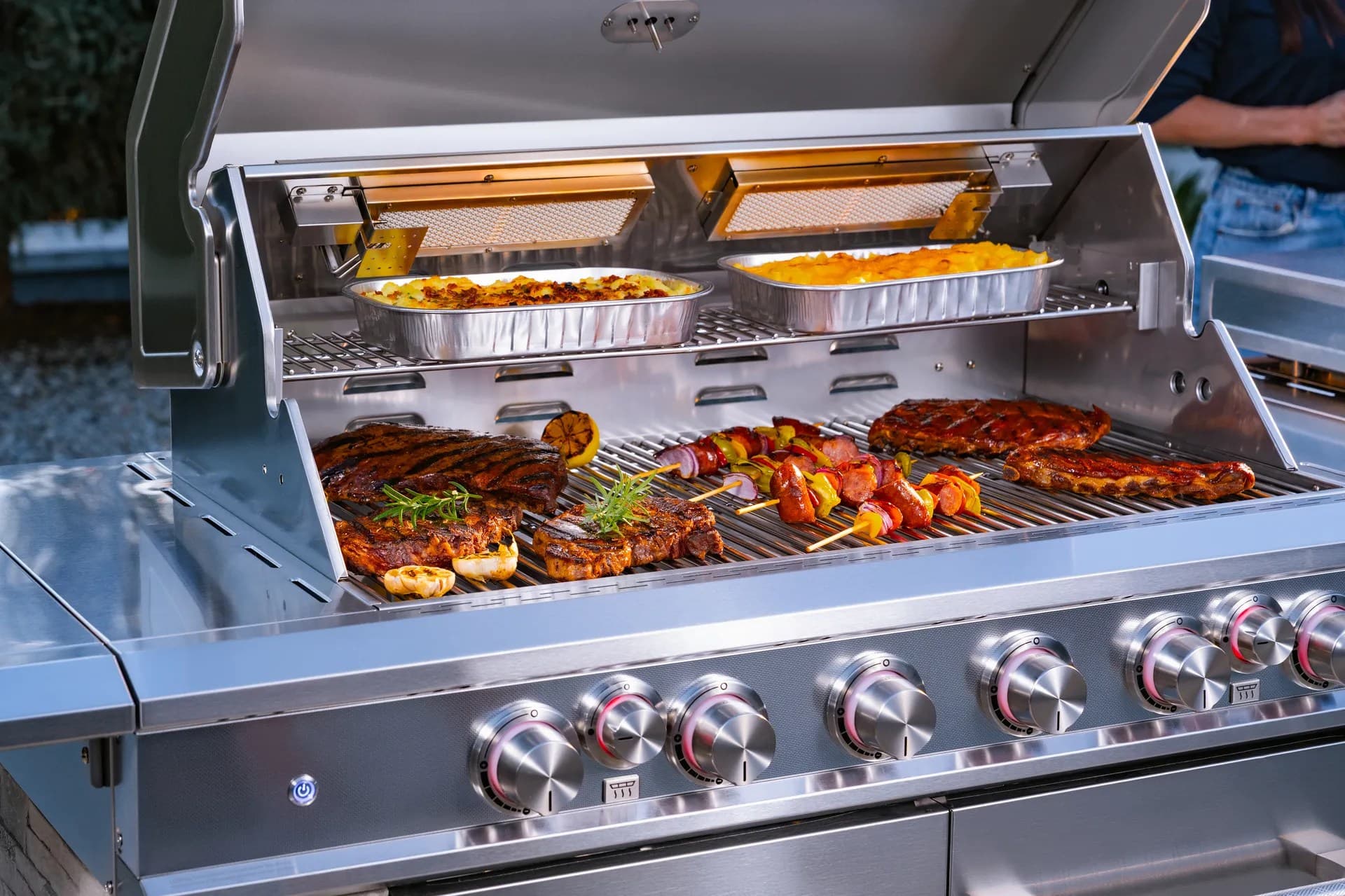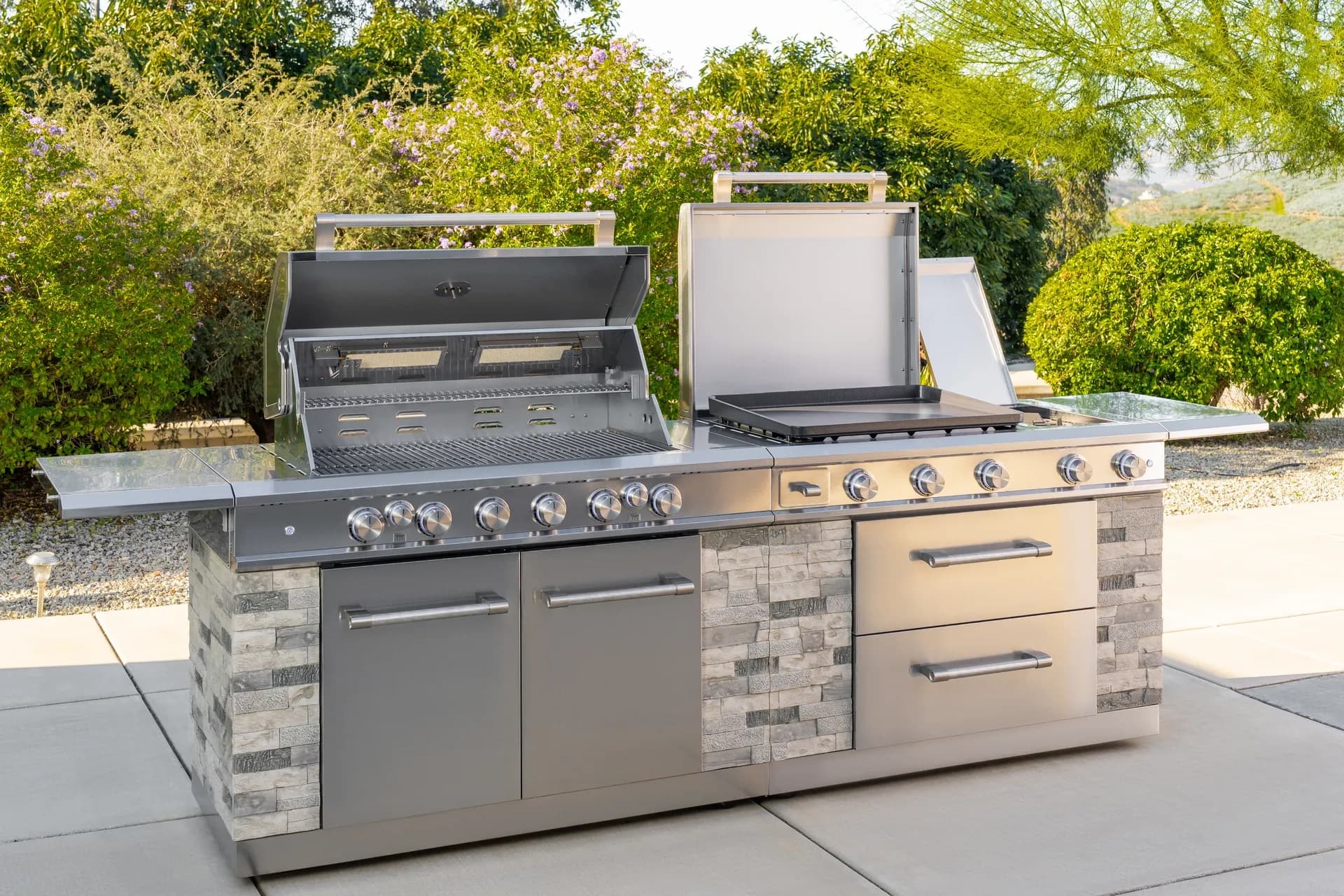
Unlock the secrets to perfect smoked flavors with Nexgrill.
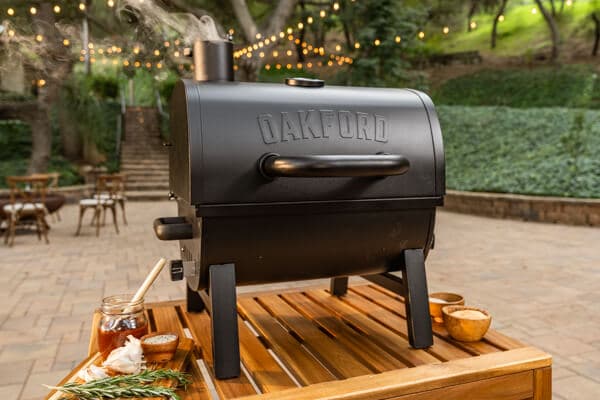
From sizzling breakfasts to smash burgers and teppanyaki-style dinners, the Daytona Pro 5 Burner NitroGuard™ Griddle delivers powerful heat, fast cooking, and a durable cooking surface built for every backyard cookout. Watch how easy outdoor cooking can be.
Here's what sets us apart from the competition
We position ourselves as delivering high-end outdoor cooking features and performance without premium-brand pricing, emphasizing “Quality Grills. Unbelievable Value.”
We offer gas grills, pellet grills, griddles, smokers, pizza ovens, portable/tabletop grills, electric grills, accessories, and replacement parts — allowing customers to stay within one ecosystem for all outdoor cooking needs.
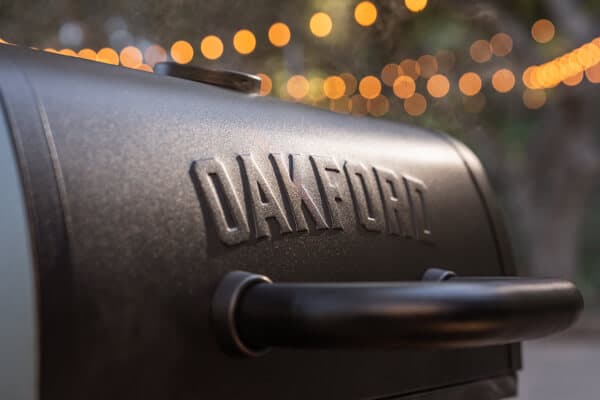
We differentiate ourselves through smart grilling products like the Oakford smart pellet grill, including app-connected cooking controls and modern outdoor cooking technology.
Expert tips, buying guides, comparisons, and inspiration for choosing and getting the most out of your grill.
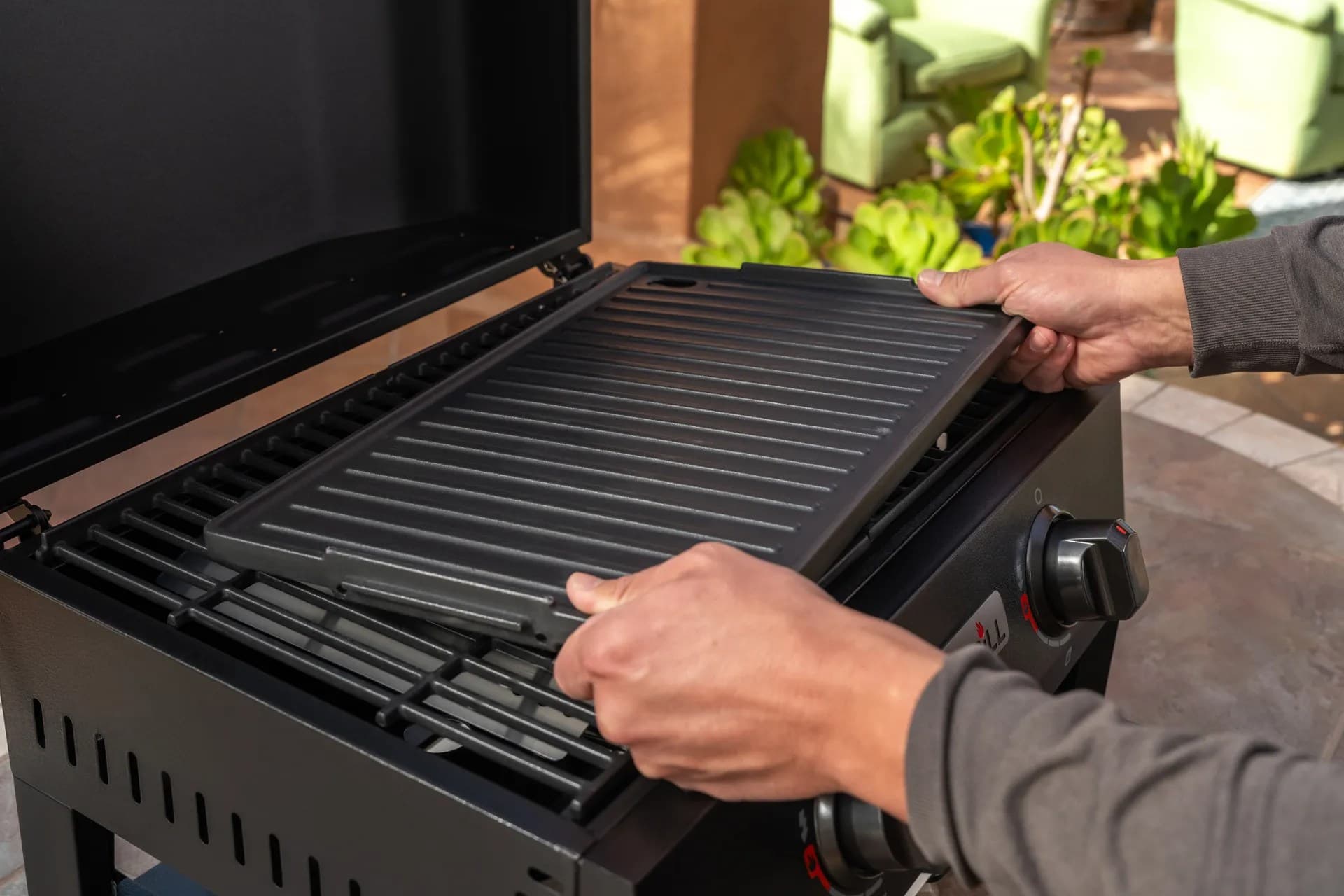
Practical guides for cleaning, maintenance, common grill issues, and performance optimization.
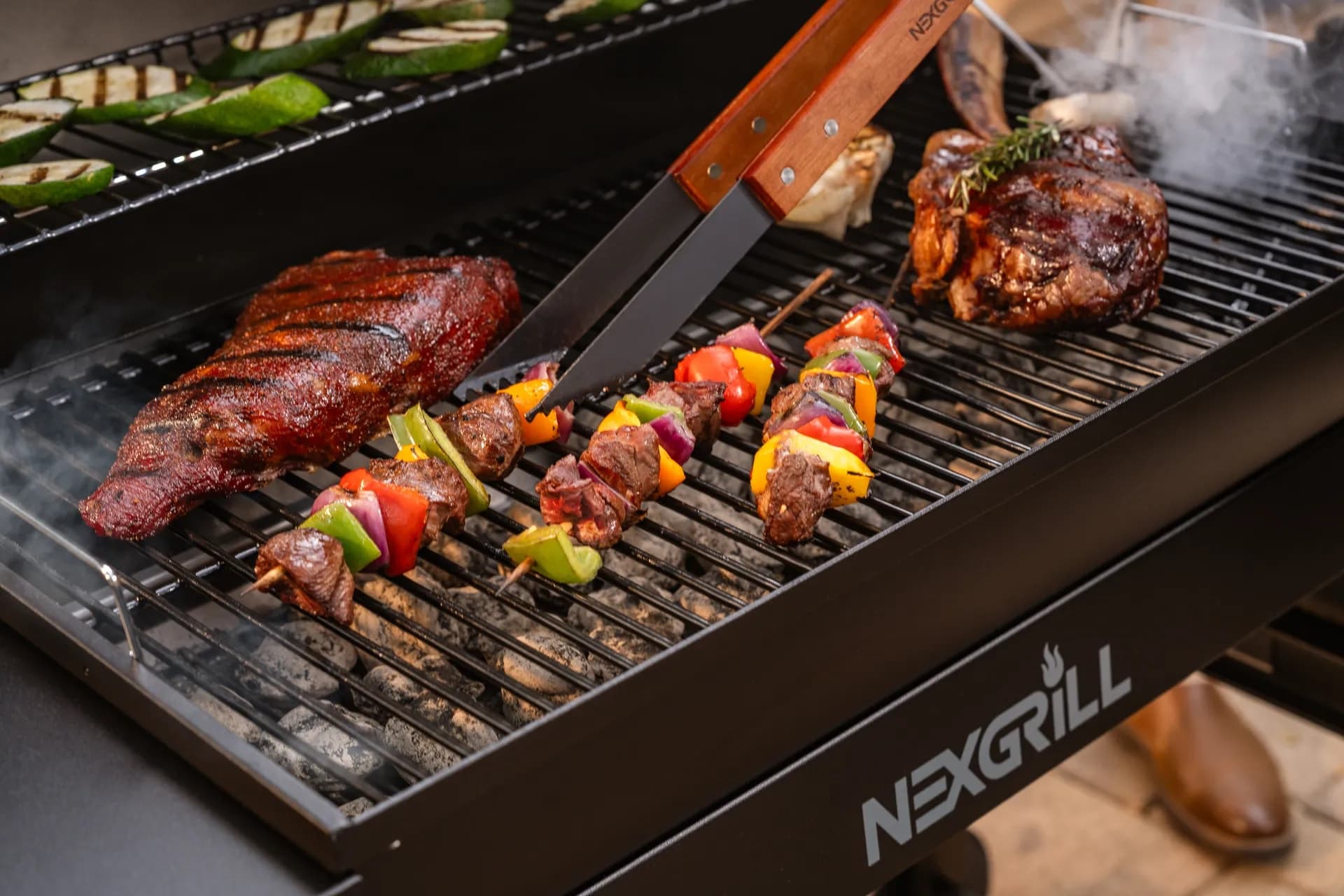
Step-by-step grilling recipes, cooking techniques, and meal ideas for every occasion and skill level.

Backyard entertaining ideas, seasonal grilling inspiration, and stories that celebrate outdoor cooking culture.
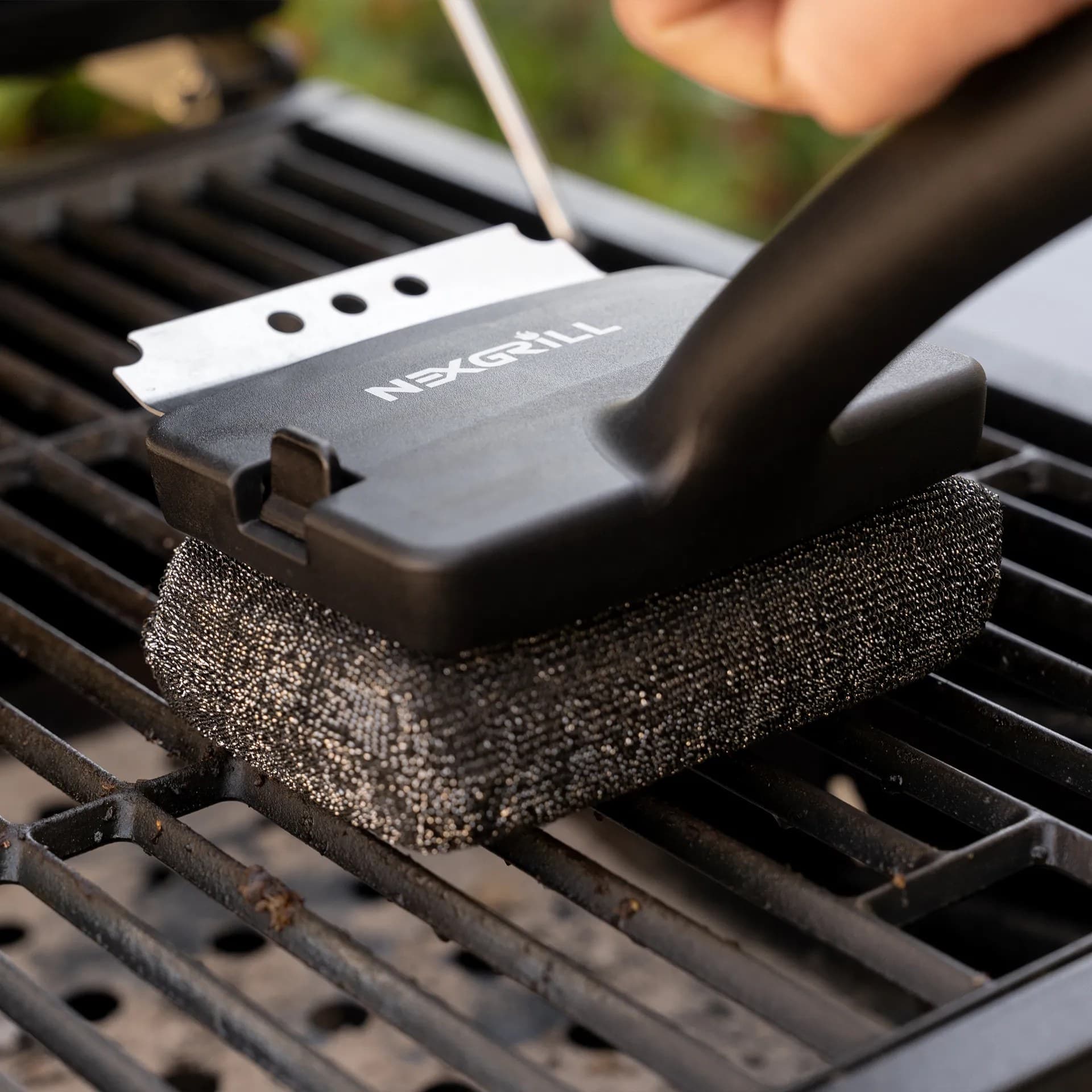
Helpful articles covering grilling tools, cookware, maintenance gear, and must-have accessories for outdoor cooking.
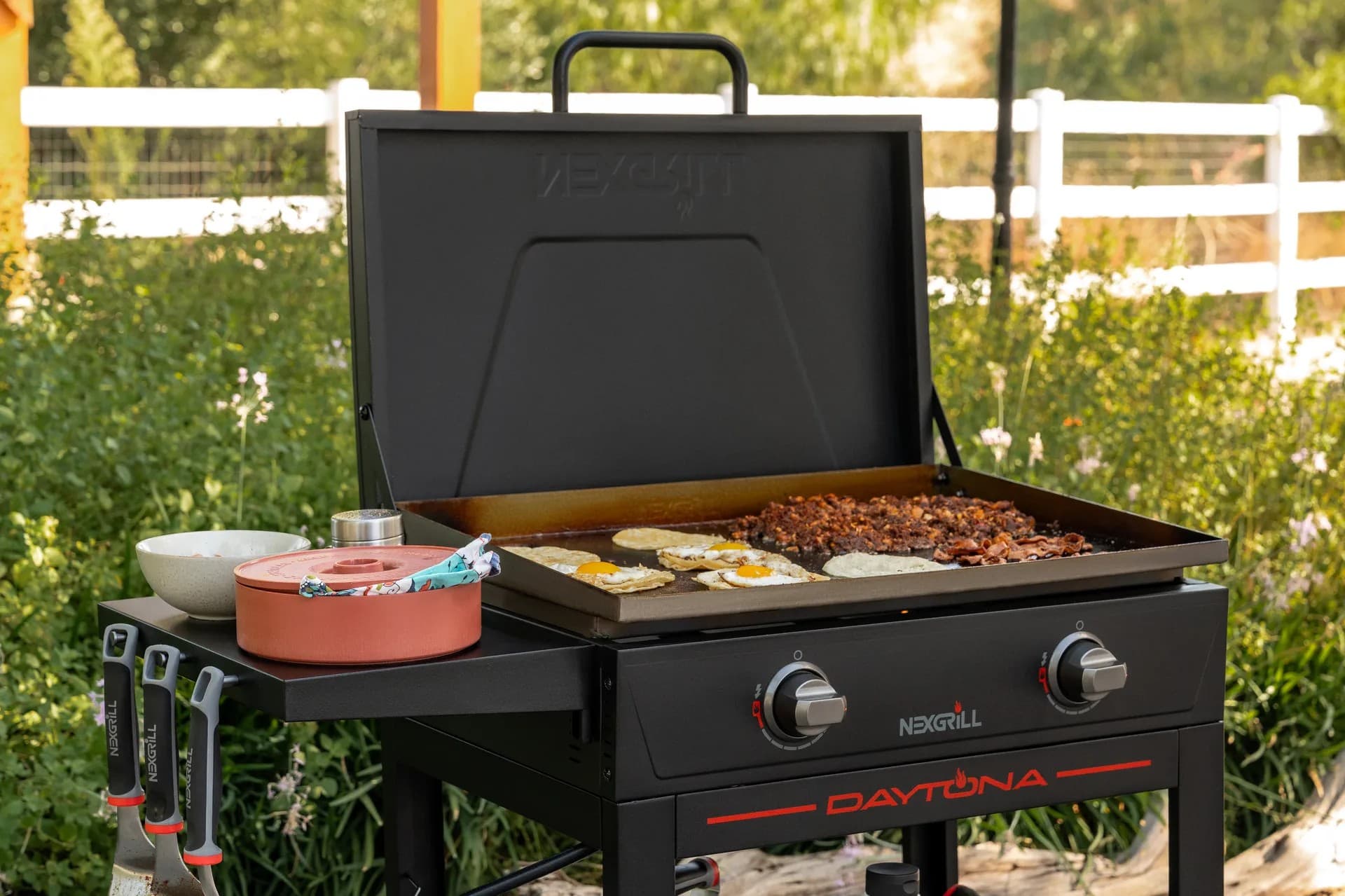
Find griddle recipes, cooking techniques, cleaning tips, and outdoor meal ideas designed for Nexgrill griddles.
Find answers to common questions
Gas grills provide instant heat and precise temperature control, making them easier to use. Charcoal grills offer a smoky flavor and high heat for searing but require more time to heat up and manage.
Pellet grills combine the convenience of gas with the flavor of wood, allowing for smoking, baking, and grilling. Traditional gas grills, however, are quicker to start and often easier to clean.
Charcoal grills typically reach higher temperatures quicker than gas grills, making them better for searing meat. However, high-quality gas grills can also provide adequate heat for effective searing.
Nexgrill offers models designed specifically for gas, charcoal, and pellets, allowing users to choose based on their cooking style and flavor preferences. Each type is built to optimize the characteristics of its respective fuel.
Choosing between gas and charcoal grills depends on your cooking preferences and lifestyle. If you value convenience and quick cooking, a gas grill may suit you better; if you prefer the taste and experience of traditional grilling, a charcoal grill would be ideal.
In This Article
Choosing the Right Wood
Temperature Control
Smoke Duration
Smoking is a culinary technique that transforms ordinary meats into extraordinary dishes with rich, complex flavors. Unlike grilling, which cooks food quickly over direct heat, smoking requires a slow and gentle approach, allowing the flavors of the wood and spices to permeate the meat. This method is ideal for those who enjoy savoring the depth of flavor that only time and patience can achieve.
Selecting the appropriate wood is crucial for achieving the desired flavor profile in your smoked dishes. Different woods impart different flavors, ranging from sweet and mild to bold and intense. For instance, apple wood provides a subtle sweetness perfect for poultry, while hickory offers a robust flavor ideal for red meats like beef and pork. It's important to match the wood type to the meat you're smoking to ensure a harmonious balance of flavors.
Tip: Experiment with wood combinations like cherry and oak to create unique flavor profiles.
To convert your grill into a smoker, you'll need to set up a two-zone fire. One side of the grill should be reserved for the heat source, while the other side should remain unlit to create a cooler zone for slow cooking. This setup allows you to control the cooking temperature more effectively, ensuring that the meat cooks evenly without burning.
| Wood Type | Flavor Profile | Best For |
|---|---|---|
| Apple | Sweet, mild | Poultry, pork |
| Hickory | Robust, smoky | Beef, ribs |
| Cherry | Fruity, sweet | Lamb, fish |
Maintaining a consistent temperature is essential for effective smoking. Most smoking processes require temperatures to remain between 225-250°F. Using a grill thermometer can help monitor the heat accurately. Adjust the air vents to control the airflow, which in turn regulates the grill’s temperature. The more open the vents, the higher the temperature, and vice versa.
Info: For longer smoking sessions, consider using a water pan to stabilize the temperature and add moisture to the cooking chamber.
Choosing the right cut of meat can significantly impact the smoking process. Cuts with higher fat content, such as brisket or pork shoulder, are ideal for smoking because the fat helps keep the meat tender and flavorful during the long cooking process. Leaner cuts may require additional basting or marinating to prevent drying out.
Once you have your equipment set up and your meat selected, you’re ready to begin the smoking process. Try comparing two products side by side below to see which fits best:
Once you've mastered the basics of smoking, it's time to explore advanced techniques that can elevate your barbecue experience to new heights. Whether you're aiming for perfectly smoked brisket or experimenting with new flavors, these techniques will enhance your skills.
A smoke box is a valuable tool for grill enthusiasts who want to infuse their dishes with robust flavors. By placing soaked wood chips in a smoke box and positioning it over the heat source, you can produce a more concentrated smoke. This method is particularly effective for smaller grills that may not naturally retain smoke as efficiently as larger models.
Warning: Always soak wood chips before use to prevent them from burning too quickly, which can result in a bitter taste.
After smoking, allowing the meat to rest is a crucial step that ensures juiciness and flavor. Resting allows the juices to redistribute throughout the meat, resulting in a more tender and flavorful final product. Wrap the smoked meat in aluminum foil and let it rest for at least 30 minutes before slicing.
Enhance your smoked dishes by experimenting with different marinades and rubs. A well-prepared rub or marinade can add layers of flavor and complexity to your meat. Consider using a simple dry rub of brown sugar, paprika, garlic powder, and chili powder for a sweet and spicy kick. Alternatively, a marinade with soy sauce, honey, and ginger can impart an Asian-inspired flavor profile.
Even experienced grillers encounter challenges while smoking. Common issues include temperature fluctuations, an overabundance of smoke, or meat drying out. To combat these, ensure your grill is properly sealed to maintain consistent temperature, and avoid adding too many wood chips at once. If your meat is drying out, consider using a mop sauce during cooking to add moisture.
| Problem | Solution |
|---|---|
| Fluctuating Temperature | Adjust air vents, use a water pan |
| Too Much Smoke | Use fewer wood chips, ensure proper airflow |
| Dry Meat | Baste with mop sauce, choose fattier cuts |
Here's what sets us apart
We position ourselves as delivering high-end outdoor cooking features and performance without premium-brand pricing, emphasizing “Quality Grills. Unbelievable Value.”
We offer gas grills, pellet grills, griddles, smokers, pizza ovens, portable/tabletop grills, electric grills, accessories, and replacement parts — allowing customers to stay within one ecosystem for all outdoor cooking needs.
We differentiate ourselves through smart grilling products like the Oakford smart pellet grill, including app-connected cooking controls and modern outdoor cooking technology.
Don't just take our word for it
Keep reading
From our catalog