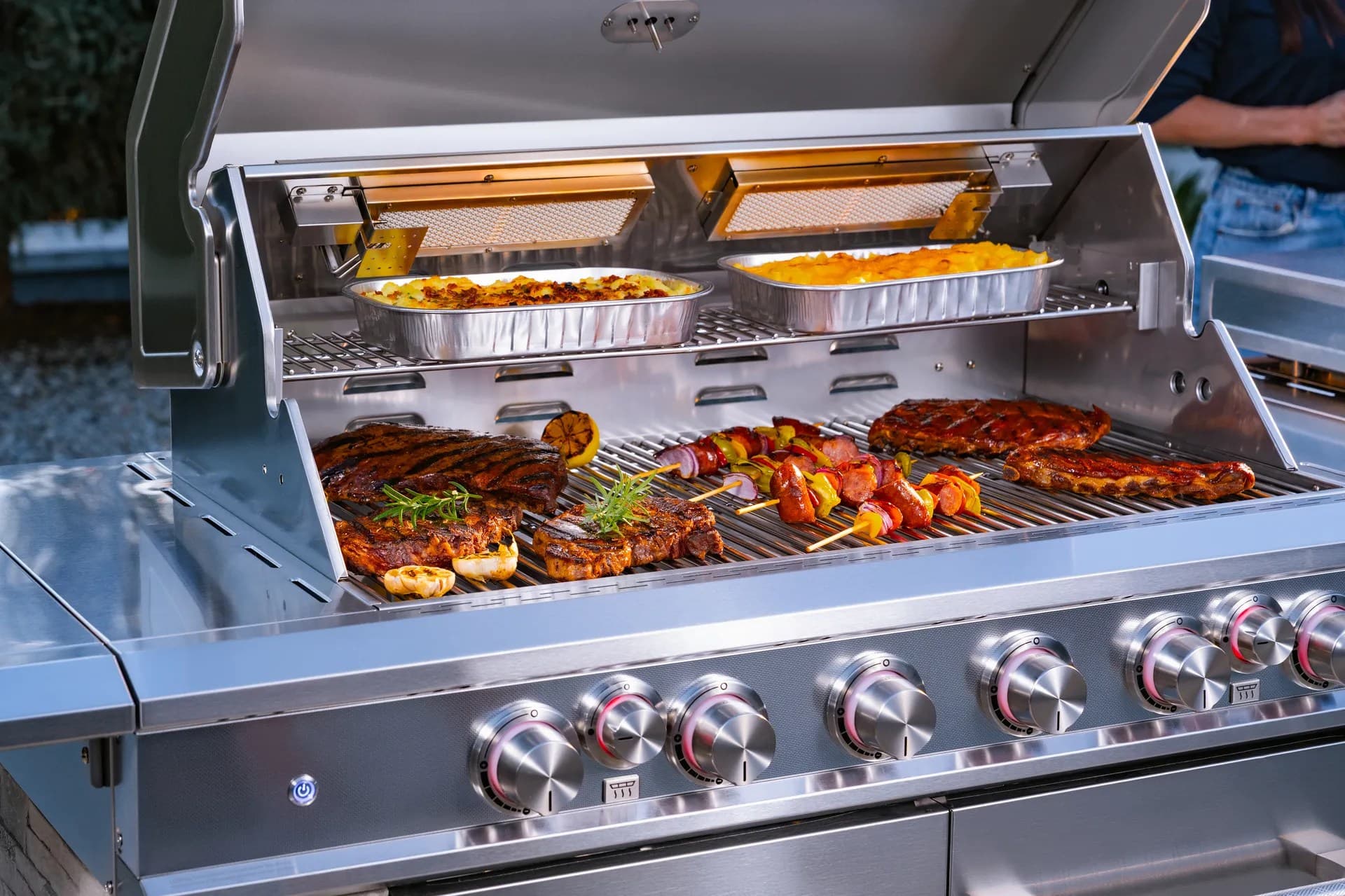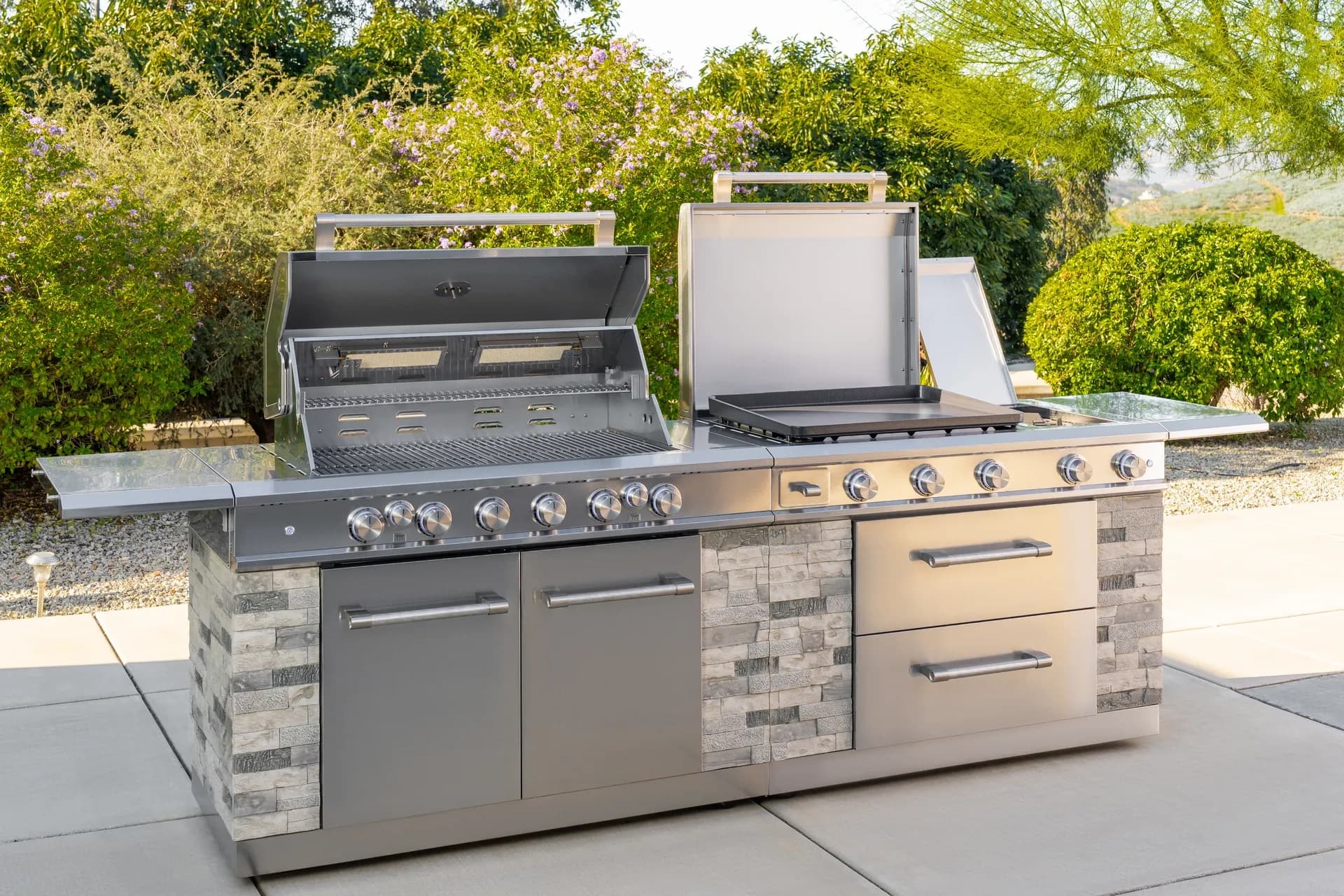
A comprehensive guide to selecting and using smokers and accessories to elevate your outdoor cooking.
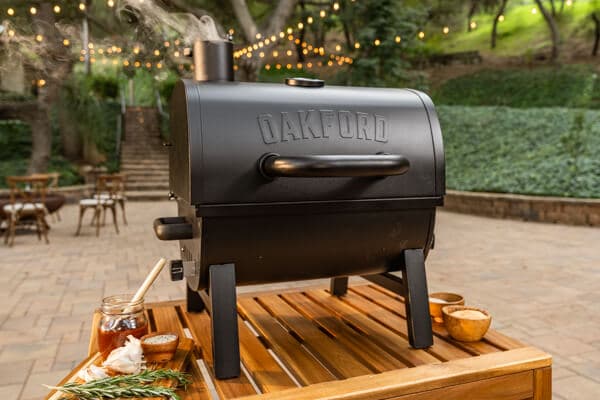
From sizzling breakfasts to smash burgers and teppanyaki-style dinners, the Daytona Pro 5 Burner NitroGuard™ Griddle delivers powerful heat, fast cooking, and a durable cooking surface built for every backyard cookout. Watch how easy outdoor cooking can be.
Here's what sets us apart from the competition
We position ourselves as delivering high-end outdoor cooking features and performance without premium-brand pricing, emphasizing “Quality Grills. Unbelievable Value.”
We offer gas grills, pellet grills, griddles, smokers, pizza ovens, portable/tabletop grills, electric grills, accessories, and replacement parts — allowing customers to stay within one ecosystem for all outdoor cooking needs.
We differentiate ourselves through smart grilling products like the Oakford smart pellet grill, including app-connected cooking controls and modern outdoor cooking technology.
Expert tips, buying guides, comparisons, and inspiration for choosing and getting the most out of your grill.
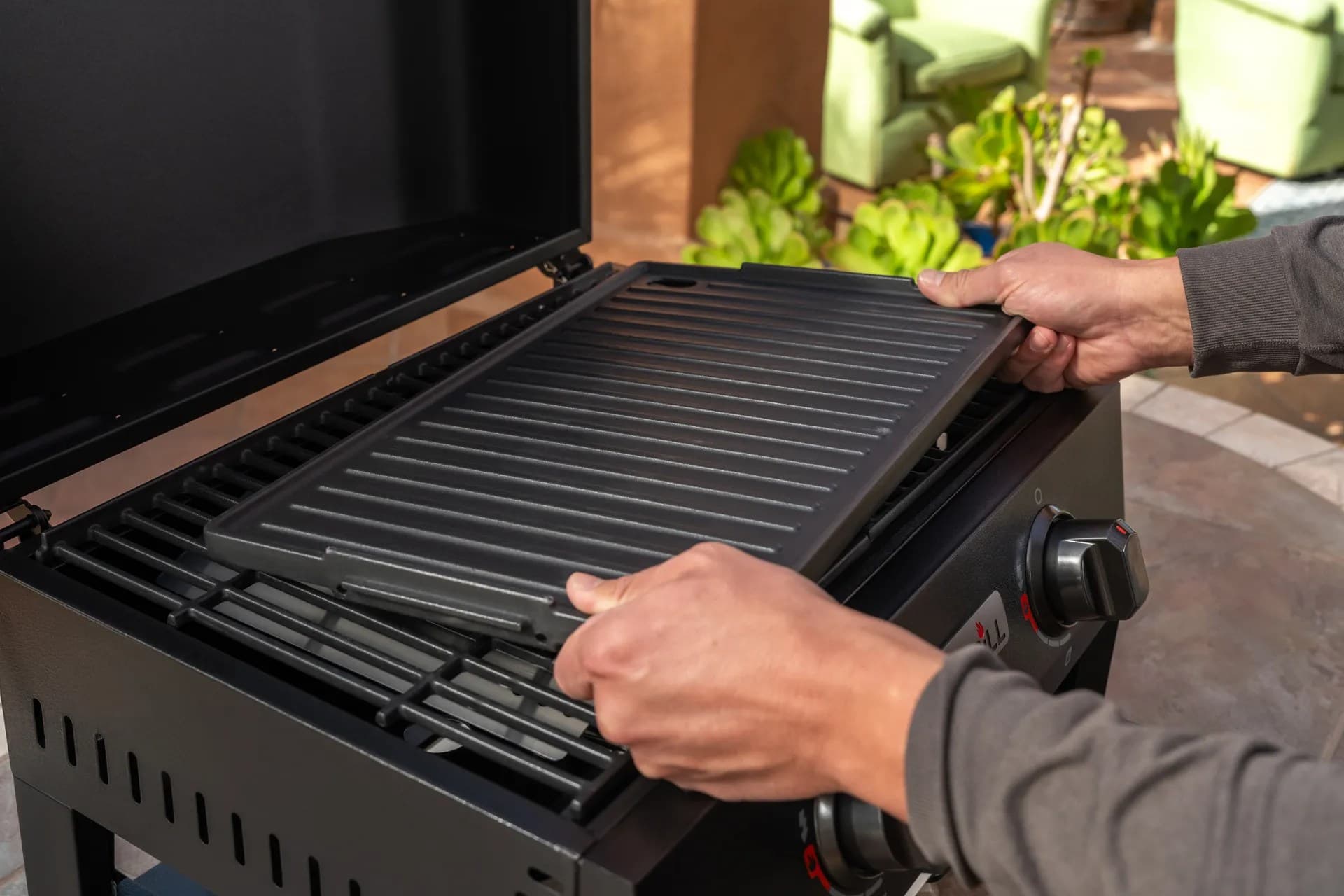
Practical guides for cleaning, maintenance, common grill issues, and performance optimization.
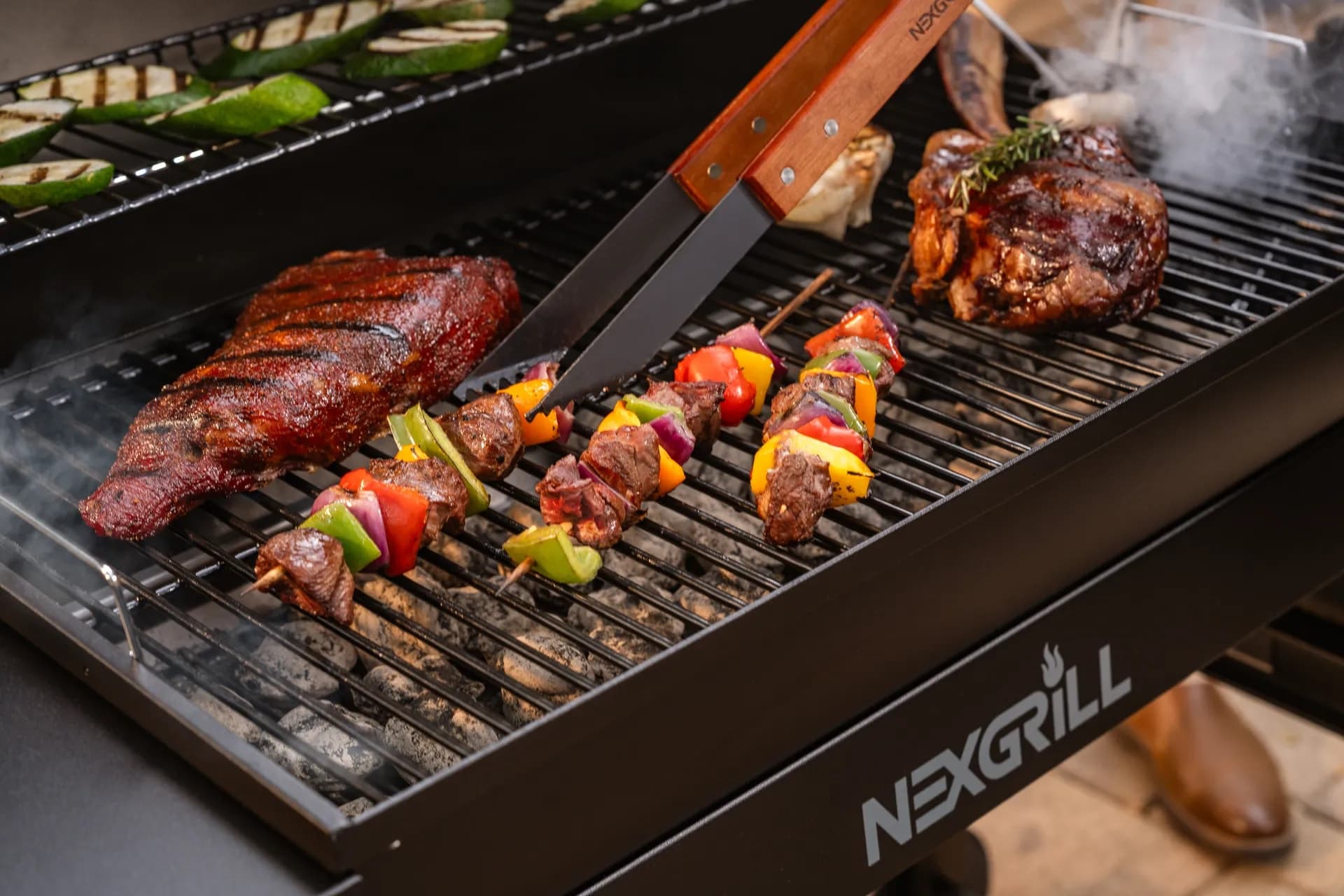
Step-by-step grilling recipes, cooking techniques, and meal ideas for every occasion and skill level.

Backyard entertaining ideas, seasonal grilling inspiration, and stories that celebrate outdoor cooking culture.
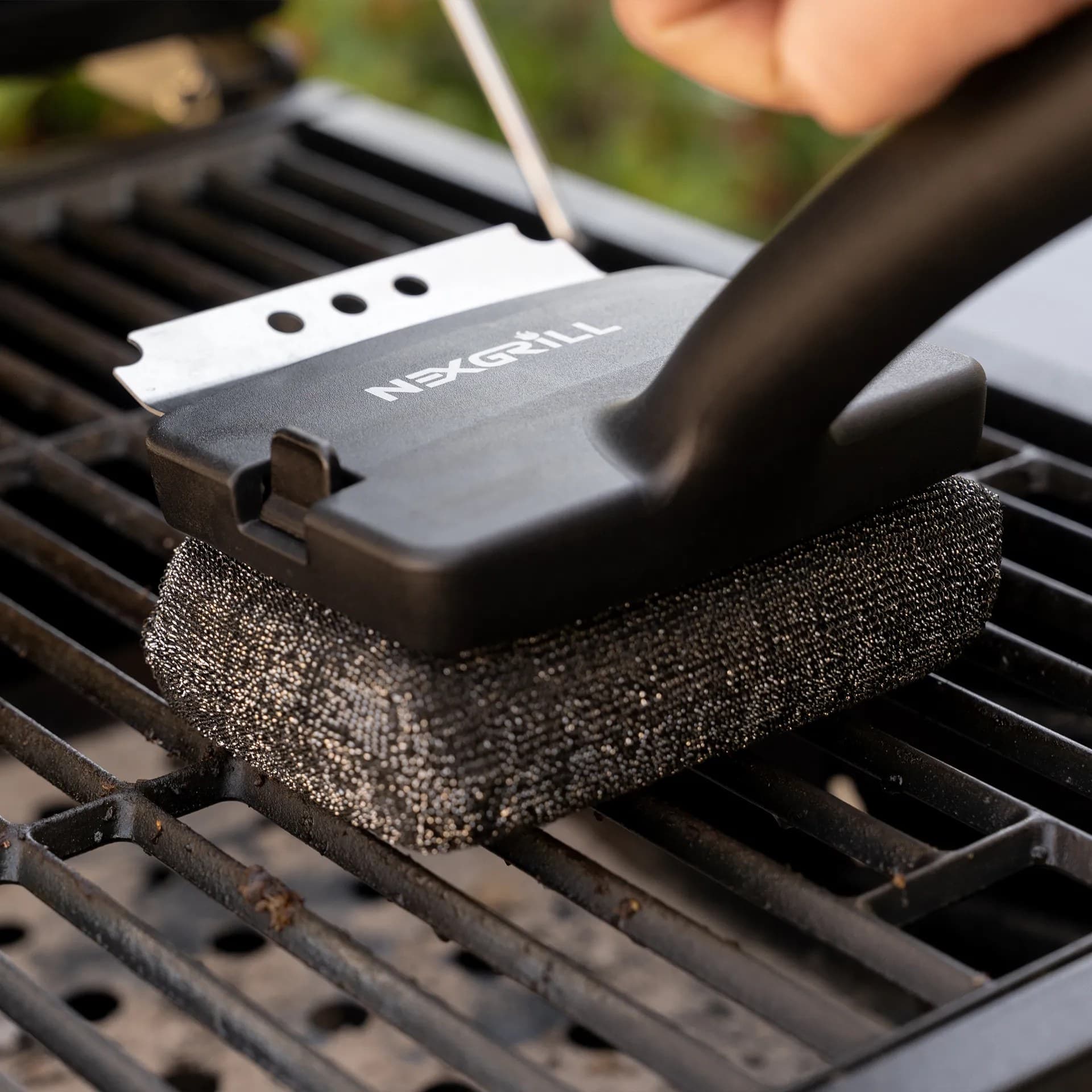
Helpful articles covering grilling tools, cookware, maintenance gear, and must-have accessories for outdoor cooking.
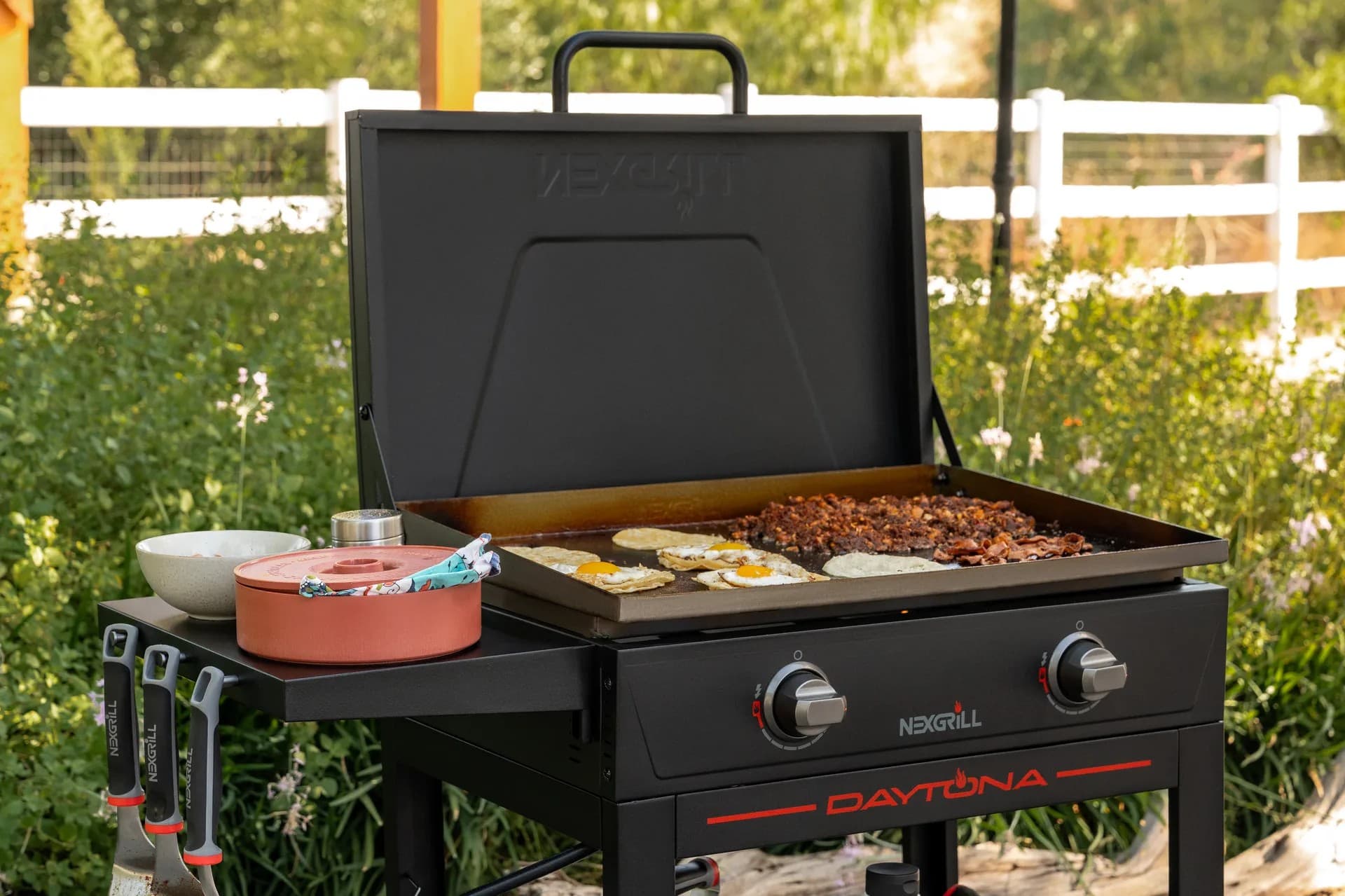
Find griddle recipes, cooking techniques, cleaning tips, and outdoor meal ideas designed for Nexgrill griddles.
Find answers to common questions
Gas grills provide instant heat and precise temperature control, making them easier to use. Charcoal grills offer a smoky flavor and high heat for searing but require more time to heat up and manage.
Pellet grills combine the convenience of gas with the flavor of wood, allowing for smoking, baking, and grilling. Traditional gas grills, however, are quicker to start and often easier to clean.
Charcoal grills typically reach higher temperatures quicker than gas grills, making them better for searing meat. However, high-quality gas grills can also provide adequate heat for effective searing.
Nexgrill offers models designed specifically for gas, charcoal, and pellets, allowing users to choose based on their cooking style and flavor preferences. Each type is built to optimize the characteristics of its respective fuel.
Choosing between gas and charcoal grills depends on your cooking preferences and lifestyle. If you value convenience and quick cooking, a gas grill may suit you better; if you prefer the taste and experience of traditional grilling, a charcoal grill would be ideal.
In This Article
Types of Smokers
Flavor-Enhancing Tools
Maintenance Tips
Smokers and flavor-enhancing tools change the way a backyard cook thinks about heat. Instead of treating the grill as only a place to brown food, they turn outdoor cooking into a layered process: smoke for aroma, indirect heat for tenderness, and targeted accessories for the flavors you want to emphasize. That matters whether you are preparing pork shoulder for a weekend gathering, a couple of salmon fillets on a weeknight, or vegetables that need just enough wood-fired character to feel complete. Nexgrill’s brand philosophy centers on bringing people together around approachable, dependable outdoor cooking, and that mindset fits smoking especially well because the best results come from repeatable methods, not guesswork .
What makes this topic different from a basic grilling guide is that smokers work at the intersection of time, temperature, and flavor design. A gas grill can cook quickly; a smoker asks you to think in stages. Flavor-enhancing tools such as wood chips, smoking boxes, pellet tubes, cast-iron pans, spritz bottles, and probe thermometers let you shape the final taste with more precision. That is useful for beginners who want a reliable first brisket or ribs, but it is equally valuable for experienced grillers who want consistency when cooking for a crowd. Nexgrill’s product voice emphasizes inclusiveness and confidence for cooks of all levels, so the practical goal here is to make smoking feel accessible rather than mysterious.
The biggest flavor gains usually come from process, not from a single accessory. A steady fire, clean smoke, and patient temperature control matter more than chasing one “magic” tool.
Core variables that determine smoke flavor: fuel type, airflow, and cook time
The right smoker depends on how hands-on you want the process to be, how much time you can commit, and how much control you want over flavor intensity. Charcoal smokers are prized for their traditional profile and the depth they can add to beef, pork, and poultry. They reward patience and reward cooks who like to manage fire directly. Offset smokers extend that old-school appeal by separating the firebox from the cooking chamber, which creates a classic flow of clean smoke across the food. They can produce excellent bark and smoke rings, but they usually demand more attention than other formats because heat and airflow need frequent tuning.
Pellet smokers are the easiest route to repeatability. Because they feed compressed hardwood pellets automatically, they are a strong choice for cooks who want a “set it and monitor it” rhythm without giving up real wood flavor. Nexgrill’s Oakford pellet lineup reflects that practical middle ground: serious smoke capability paired with a more approachable ownership experience, which fits customers who want big flavor but may not want to babysit a fire all day. If you are planning long cooks for ribs, pork butt, or brisket, a pellet smoker can reduce friction and help you focus on seasoning and timing instead of constantly adjusting vents and fuel .
Gas smokers are often the best starting point for someone who already cooks on propane and wants to add smoke without rebuilding their entire routine. They are convenient for weeknight use and for households where a long charcoal setup is unrealistic. Electric smokers occupy a similar convenience category, especially where simplicity is the priority. They are often favored by users who want dependable temperature holding and a smaller learning curve. Portable smoking boxes and smoker boxes used on gas grills offer another option altogether: they let you introduce wood flavor without buying a dedicated smoker. That makes them ideal for apartments, small patios, or cooks who only smoke occasionally but still want the aroma and complexity of real wood.
| Smoker type | Best use case | Main advantage | Main trade-off |
|---|---|---|---|
| Charcoal smoker | Traditional barbecue, weekend cooks | Rich smoke character and strong sear potential | Requires more fire management |
| Offset smoker | Large cuts, low-and-slow sessions | Classic smoke flow and bark development | Highest learning curve |
| Pellet smoker | Consistent, repeatable smoking | Easy temperature control | Less hands-on fire control |
| Gas or electric smoker | Convenient weekday cooking | Simple startup and stable heat | Less fire-management flavor drama |
Which one suits you? If you are new to smoking and want the smoothest learning curve, choose pellet, gas, or electric. If you care most about old-school barbecue character and you enjoy hands-on cooking, charcoal or offset is the better fit. If you regularly host larger groups and want reliable output with fewer interruptions, pellet smokers usually offer the best balance of flavor and control. For shoppers comparing specific Nexgrill options, the Oakford line is the most relevant starting point for pellet-style smoke-forward cooking because it is built around that combination of practicality and richer wood-fired taste .
If your schedule is unpredictable, prioritize a smoker you will actually use often. The best smoker is the one that fits your routine, not the one that sounds most impressive on paper.
Flavor-enhancing tools are most valuable when they help you control how smoke reaches the food. Wood chips are the simplest example, but they are only the beginning. A smoker box on a gas grill lets you add chunks or chips without flare-up chaos, while a pellet tube can extend smoke output for a longer session. Cast-iron pans are another underrated tool because they hold heat well and can carry aromatics such as garlic cloves, citrus halves, herbs, butter, or rendered fat into the cook. A spray bottle or mop sauce adds moisture and helps build layers on the surface of ribs or pork shoulder. Even something as basic as a high-quality instant-read thermometer counts as a flavor tool, because it prevents overcooking that would otherwise flatten texture and mute seasoning.
Wood choice is where many cooks start to personalize their food. Hickory brings a firmer, bacon-like profile that works well with pork and beef. Apple adds a gentler sweetness that pairs nicely with poultry and ham. Cherry offers color as well as a rounder fruit note. Oak sits in the middle and is often valued for its versatility. For a more subtle approach, use smaller amounts and build smoke over time rather than trying to make the food taste heavily wooded all at once. That is especially important when cooking delicate ingredients such as fish, shrimp, or vegetables, which can be overwhelmed by too much smoke.
To use these tools well, think about how each one changes either smoke density, moisture retention, or surface seasoning. A dry rub sets the base flavor before heat ever starts. Wood chunks influence aroma. A spritz bottle can delay bark formation just enough to create a more even surface. A drip pan under the food can catch rendered fat and stabilize the chamber. These are small adjustments, but together they create the difference between “cooked over heat” and “built with intention.” Nexgrill’s broader product identity, including recipe-friendly and community-oriented messaging, fits this layered approach because great outdoor cooking is as much about sharing technique as it is about equipment .
For readers who want to start with a few tools instead of building a large setup, a practical starter kit would include a smoker box or pellet tube, a probe thermometer, a spray bottle, and one good hardwood flavor that matches your go-to proteins. That combination covers the most important variables without overspending. If you already own a gas grill, a smoker box can be the easiest upgrade because it immediately broadens the range of dishes you can make, from smoked wings to cedar-plank salmon. If you own a pellet smoker, focus less on accessories that duplicate the smoker’s built-in function and more on tools that help with prep and finish, such as drip pans, heat-resistant gloves, and precision thermometers.
Smokers age best when they are cleaned according to the material they are made from. Cast iron parts need drying and light oiling to prevent rust. Stainless steel exteriors are easier to wipe down, but they still need grease removal, especially around seams, lids, and handles. Painted steel surfaces benefit from gentle cleaning and prompt drying so moisture does not sit and break down the finish. Pellet smokers also require ash management and hopper checks so dust or pellets do not interfere with feed consistency. Regular care is not glamorous, but it protects smoke flavor because dirty grease channels and old residue can create bitter notes in later cooks.
A good routine starts after each cook. Let the smoker cool enough to handle safely, then remove food residue from grates, empty grease capture areas, and check the interior for buildup. On charcoal and offset units, ash should be removed once the fire is fully extinguished and the unit is cool. On pellet models, inspect the burn pot and clear out ash buildup before long cooks. For gas-powered smokers or smoker boxes, watch for blocked vents and replace exhausted wood chips or chunks cleanly so smoke production stays predictable. If your smoker has moving parts, hinges, latches, or gaskets, inspect them periodically because a poor seal can affect both heat stability and fuel consumption.
Never store a smoker while it is damp or greasy. Trapped moisture and residue are the fastest route to corrosion, odor, and disappointing flavor on the next cook.
Try comparing two products side by side below to see which fits best:
Once you have compared two options side by side, the next step is learning how advanced smoking really works in practice. The biggest mistake experienced cooks still make is assuming that more smoke automatically means better flavor. In reality, clean smoke is the goal. Thick white smoke often signals incomplete combustion or a fire that is struggling for oxygen, while thin blue smoke usually indicates a cleaner burn and a more balanced flavor. That distinction is important because the best smoke should support the food rather than coat it in bitterness. Nexgrill’s emphasis on dependable, approachable outdoor cooking fits this mindset well: controlled results usually come from repeatable technique, not from dramatic flare-ups or excessive fuel use.
One advanced method is zone management. Even in a smoker, you can create differences in exposure by placing food higher or lower in the chamber, using a water pan to moderate temperature swings, or rotating large cuts during the cook. Another is wrapping at the right stage. Wrapping brisket or pork butt can help you push through the stall, but it changes bark texture, so it should be done only when the surface has developed enough color and structure. A third technique is resting in a controlled environment. Letting meat rest in a warm, covered state after the cook allows juices to redistribute and helps the smoke flavor settle rather than rushing out with the steam. These are the kinds of details that separate a good cook from a memorable one.
Advanced smoking is mostly temperature discipline. Hold steady heat, avoid unnecessary lid openings, and let the smoker do the work you paid it to do.
| Technique | Best for | What it changes |
|---|---|---|
| Water pan | Long cooks like brisket or pork shoulder | Adds humidity and helps stabilize chamber temp |
| Wrapping | When bark has set and the stall begins | Speeds cooking and softens bark |
| Reverse sear finish | Steaks or thick chops | Combines smoke flavor with a strong crust |
| Dry brine | Poultry, pork, beef cuts | Improves seasoning penetration and surface texture |
For cooks using Nexgrill’s Oakford pellet smoker platform, advanced technique also means learning how to balance convenience with flavor control. Pellet cooking makes it easy to stay on temperature, so the main challenge becomes managing smoke intensity through pellet selection, cook duration, and food placement. If you want a stronger profile, choose recipes and timelines that allow smoke exposure early in the cook when the surface is still receptive. If you want a lighter touch, reduce the total time exposed to heavy smoke and use sweeter woods in smaller quantities. The same logic applies to charcoal or offset smokers, where firebox management can be tuned for softer or bolder flavor depending on the wood you burn and how aggressively you feed the fire.
Another useful skill is layering flavors in stages. Season first, smoke second, sauce or glaze later. For example, a pork shoulder may benefit from a pepper-forward rub before the cook, a fruitwood smoke during the middle phase, and a tangy finishing sauce after resting. A salmon fillet may only need a light cure, a few minutes of alder or apple smoke, and a fresh herb finish. Thinking in layers prevents your food from tasting flat or one-dimensional. It also gives you more control when cooking for mixed crowds, where one guest may prefer bold smoke while another wants something subtler.
Flavor pairing is where smokers and flavor tools become truly creative. Smoke wood should not be chosen by habit alone; it should be matched to the protein, the seasoning, and even the side dishes on the plate. Hickory with beef short ribs works because its stronger profile stands up to rich meat and pepper-heavy rubs. Apple with pork tenderloin is effective because the wood’s sweetness supports the natural richness of the meat without overwhelming it. Cherry is a smart choice for chicken if you want color and a mild sweetness, while oak can bridge the gap when you want versatility across a mixed menu. For vegetables like carrots, squash, and mushrooms, a lighter smoke and a little herb oil often create more balanced results than trying to push them toward the same flavor intensity as brisket.
The best pairings often come from contrast. Sweet smoke pairs nicely with salty rubs. Peppery bark benefits from a bright vinegar or citrus finish. Rich meats become less heavy when served with acidic slaws, pickled onions, or herb-forward sauces. Even dessert can be considered in this system: fruitwood smoke can complement grilled peaches, pineapple, or stone fruit when you want a final course that still feels connected to the main cook. That is one reason Nexgrill’s community-oriented brand approach is relevant here. Outdoor cooking is rarely just about one item on the grate; it is about building a complete meal that people want to linger over together.
For practical planning, it helps to think in menus rather than isolated recipes. A smoky dinner might open with charred vegetables finished with lemon and olive oil, move to chicken thighs with cherry wood and a paprika rub, and end with grilled peaches brushed in honey. If you are using a pellet smoker, the same wood family can tie the whole meal together. If you are using a gas grill with a smoker box, you can still create a menu with cohesion by matching your wood choice to the dominant proteins and keeping the seasoning profiles complementary.
When in doubt, pair stronger smoke with stronger seasoning and lighter smoke with cleaner, brighter flavors. Balance beats intensity.
Safety should guide every smoking session because smokers use heat for long periods and often involve fuel, hot surfaces, and wood products that can ignite unexpectedly if handled carelessly. Keep the smoker on a stable, noncombustible surface with enough clearance from walls, railings, overhangs, and anything that can catch heat. Use heat-resistant gloves and long-handled tools so you can move grates, add fuel, or adjust food without crowding the heat source. If you are using a gas grill with a smoker box, make sure the box is positioned according to the grill’s design and that any wood chips are used in moderation so they smolder rather than burst into flame.
Thermometer use is a major safety issue as well as a flavor issue. Food that spends hours in the smoker should be monitored with a reliable probe so you can avoid the danger zone for too long and also avoid overcooking, which dries out the meat. Fuel management matters too. Keep charcoal, pellets, wood chunks, and starters dry and stored separately from active heat. Do not overload a firebox or burn chamber; the goal is controlled combustion, not a bonfire. For electric smokers, follow the power cord and outlet guidance carefully and keep cords away from traffic areas and water. For all smoker types, allow the unit to cool fully before moving, emptying, or covering it.
Never add fresh fuel with your face directly over the chamber. Sudden flare-ups, hot steam, and smoke release can cause burns and eye irritation.
The most reliable place to start is the full Nexgrill collection, where you can compare grills, smokers, and accessories in one place and evaluate product features before you buy. Nexgrill’s product assortment includes options for buyers who want practical value and real cooking capability, which is helpful if you are choosing between a dedicated smoker and a grill that can also support smoke-enhancing accessories.
For shoppers who want to see broader assortment options, major home improvement retailers and reputable online marketplaces often carry smoker-friendly accessories such as thermometers, gloves, covers, grill mats, and fuel supplies. Local retailers can also be useful when you want to compare physical build quality, check shelf space, or confirm the size of a smoker before bringing it home. Buying in person can be especially helpful if you are deciding between a compact patio setup and a larger backyard model. Online shopping, on the other hand, is often better for comparing specs, reading detailed product descriptions, and browsing seasonal availability.
Look for equipment that matches your actual cooking routine. A smoker you can use comfortably every month is a better purchase than a bigger unit that only gets fired up twice a year.
If you are building a first smoking setup, prioritize the smoker itself, one reliable thermometer, a cover, and just a few supporting accessories. That approach keeps spending focused on the tools that affect results immediately. If you already own a solid grill, then buying smoke-enhancing tools first can be the smarter move because you may not need a dedicated smoker right away. For readers who want to explore Nexgrill’s broader outdoor cooking range before deciding, the product collection is the best starting point for comparing styles and feature sets side by side.
Here's what sets us apart
We position ourselves as delivering high-end outdoor cooking features and performance without premium-brand pricing, emphasizing “Quality Grills. Unbelievable Value.”
We offer gas grills, pellet grills, griddles, smokers, pizza ovens, portable/tabletop grills, electric grills, accessories, and replacement parts — allowing customers to stay within one ecosystem for all outdoor cooking needs.
We differentiate ourselves through smart grilling products like the Oakford smart pellet grill, including app-connected cooking controls and modern outdoor cooking technology.
Don't just take our word for it
Keep reading
From our catalog