Enhance Your Grilling Experience Year-Round with Innovative Smart Accessories
Here's what sets us apart from the competition
We position ourselves as delivering high-end outdoor cooking features and performance without premium-brand pricing, emphasizing “Quality Grills. Unbelievable Value.”
We offer gas grills, pellet grills, griddles, smokers, pizza ovens, portable/tabletop grills, electric grills, accessories, and replacement parts — allowing customers to stay within one ecosystem for all outdoor cooking needs.
We differentiate ourselves through smart grilling products like the Oakford smart pellet grill, including app-connected cooking controls and modern outdoor cooking technology.
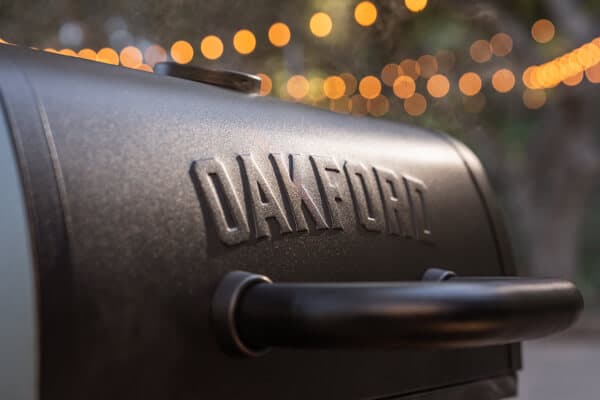
Expert tips, buying guides, comparisons, and inspiration for choosing and getting the most out of your grill.
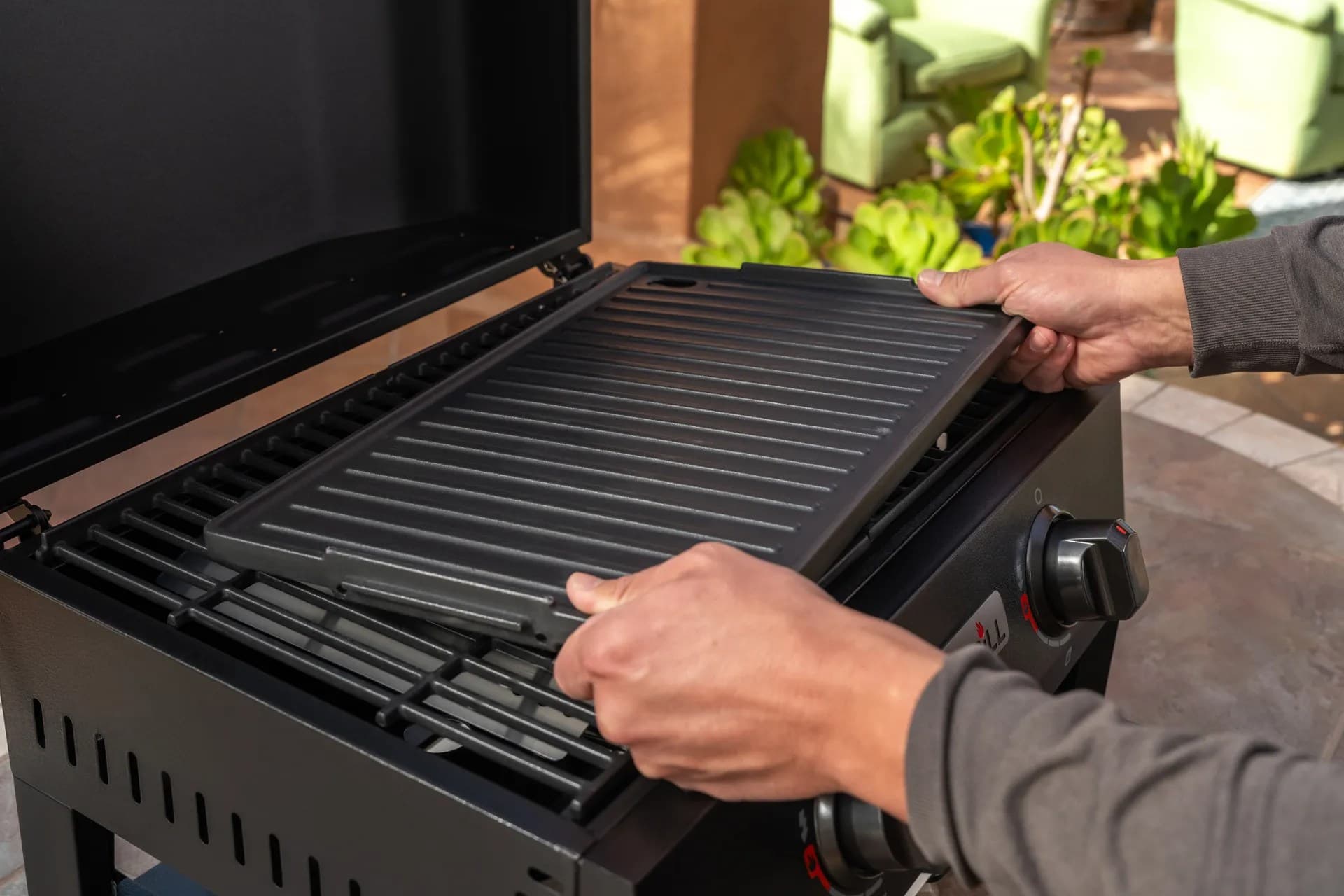
Practical guides for cleaning, maintenance, common grill issues, and performance optimization.
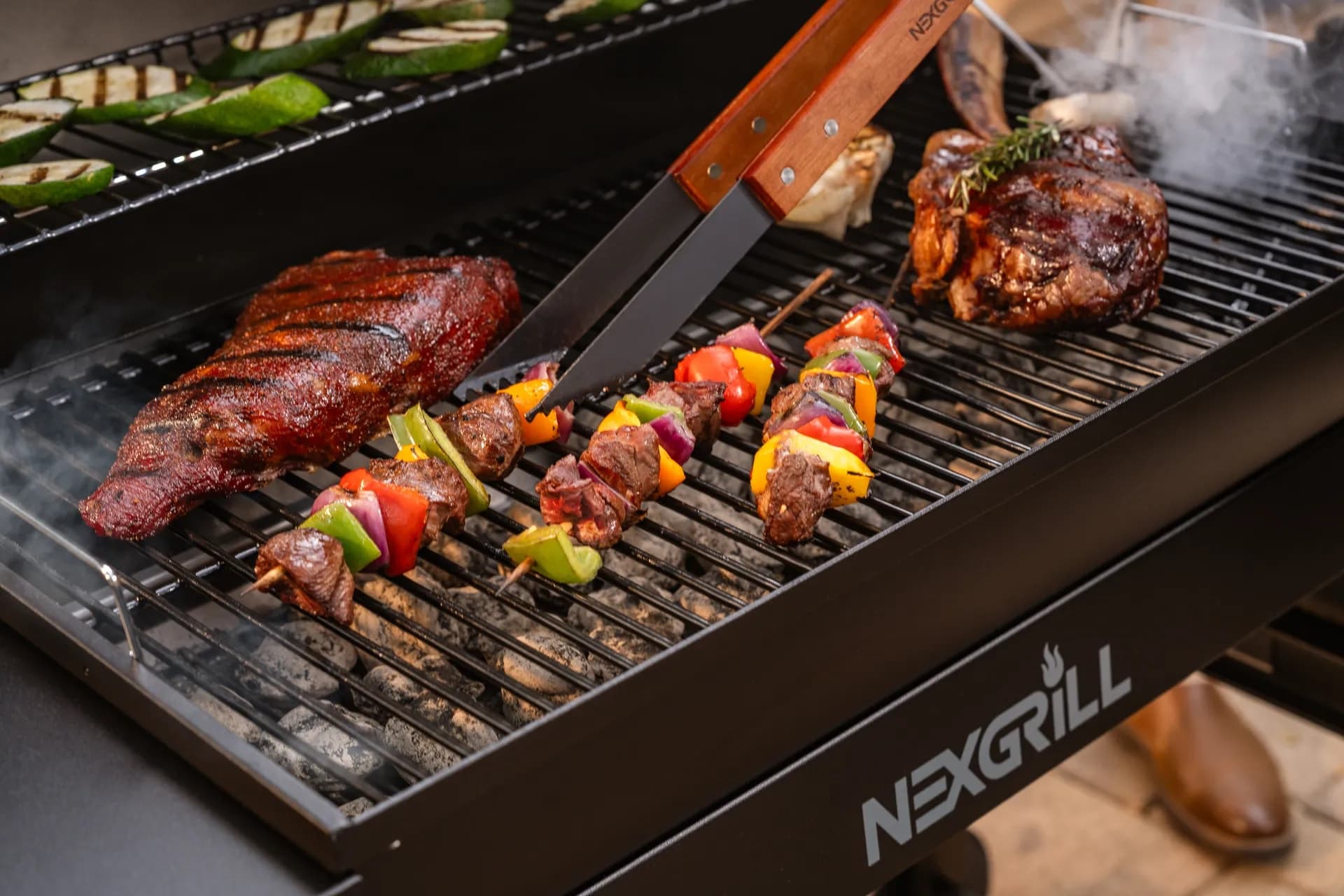
Step-by-step grilling recipes, cooking techniques, and meal ideas for every occasion and skill level.

Backyard entertaining ideas, seasonal grilling inspiration, and stories that celebrate outdoor cooking culture.
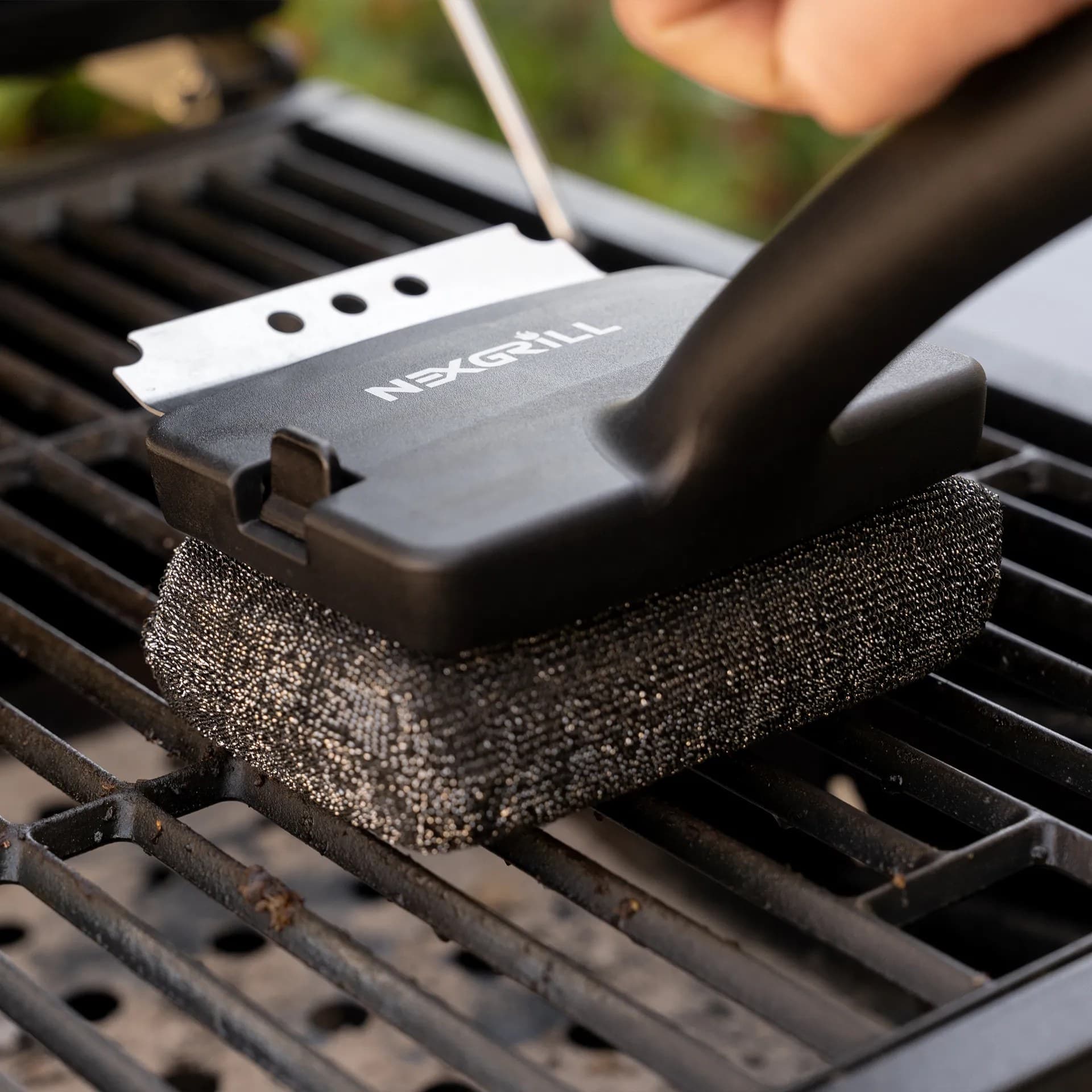
Helpful articles covering grilling tools, cookware, maintenance gear, and must-have accessories for outdoor cooking.
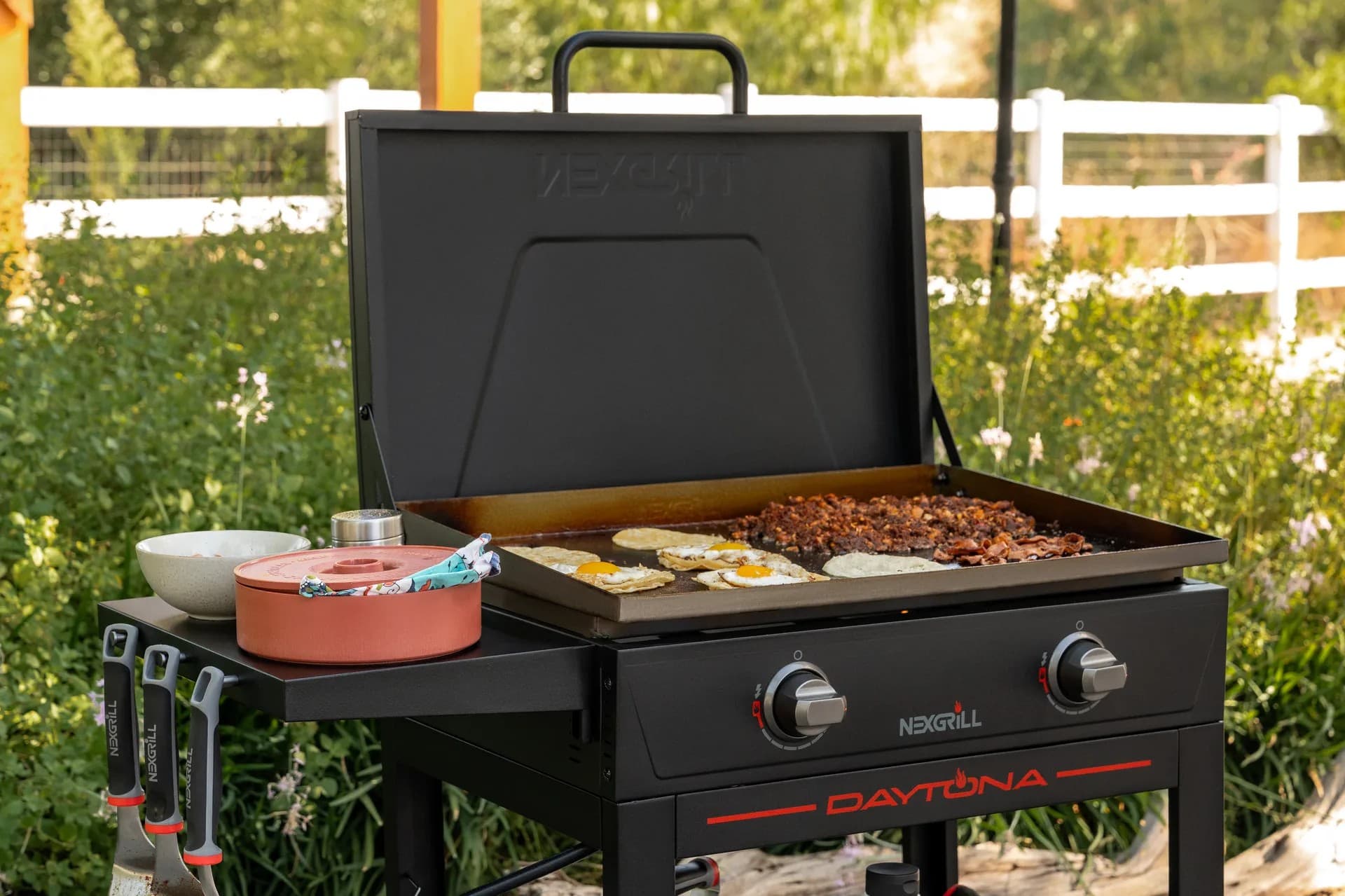
Find griddle recipes, cooking techniques, cleaning tips, and outdoor meal ideas designed for Nexgrill griddles.
Find answers to common questions
Nexgrill offers a variety of accessories including grill tools, covers, cooking utensils, and replacement parts designed to enhance your grilling experience.
Many Nexgrill accessories are widely compatible with various grill brands, but it is recommended to check the specifications for proper fit and functionality.
To maintain your Nexgrill accessories, regularly clean them with warm soapy water, avoid using abrasive materials that could scratch the surface, and store them in a dry place when not in use.
Yes, Nexgrill accessories can be purchased separately from the grills, allowing customers to customize their grilling setup as needed.
Instructions for using Nexgrill accessories are typically included in the packaging, and additional resources can be found on the Nexgrill website or in the product user manuals.
In This Article
Year-Round Grilling
Top Smart Accessories
Tech-Enhanced Cooking
Smart grilling tools are most useful when they solve the messy, real problems that show up across the calendar: keeping temperatures steady on a windy spring evening, monitoring a roast without opening the lid every ten minutes, or reducing the guesswork when you are cooking after sunset in the fall. That makes this category more than a novelty. For many backyard cooks, smart accessories are the difference between reacting to the grill and actually controlling the cook. Nexgrill’s brand philosophy centers on approachable, dependable outdoor cooking for real households, and that mindset fits smart tools well: they should make grilling easier for beginners, more precise for experienced cooks, and more practical when weather or schedules are working against you. Nexgrill’s emphasis on accessible outdoor cooking and “Everyone’s Invited” helps frame the right approach here - smart tools are not just for gadget collectors, but for anyone who wants more confidence around the grill .
The strongest smart-grilling setups do not try to replace skill. They support it. A temperature probe can tell you when a thick pork chop is trending too hot, but it still helps to understand carryover cooking. A connected timer can keep a busy parent from forgetting the chicken thighs, but it still matters how you stage the cook. The best year-round tools are the ones that preserve your attention, reduce unnecessary lid-lifting, and help you repeat good results when the conditions change. That is especially valuable in the United States, where grilling habits shift with the weather: spring can be damp and cool, summer can bring flare-up risks and crowd-sized cookouts, autumn often means unpredictable breezes, and winter tests both your patience and your equipment.
Smart grilling works best when the tool fits the cookout, not the other way around. The goal is fewer surprises, not more screens.
The biggest benefit of smart accessories is consistency when weather and timing are unpredictable.
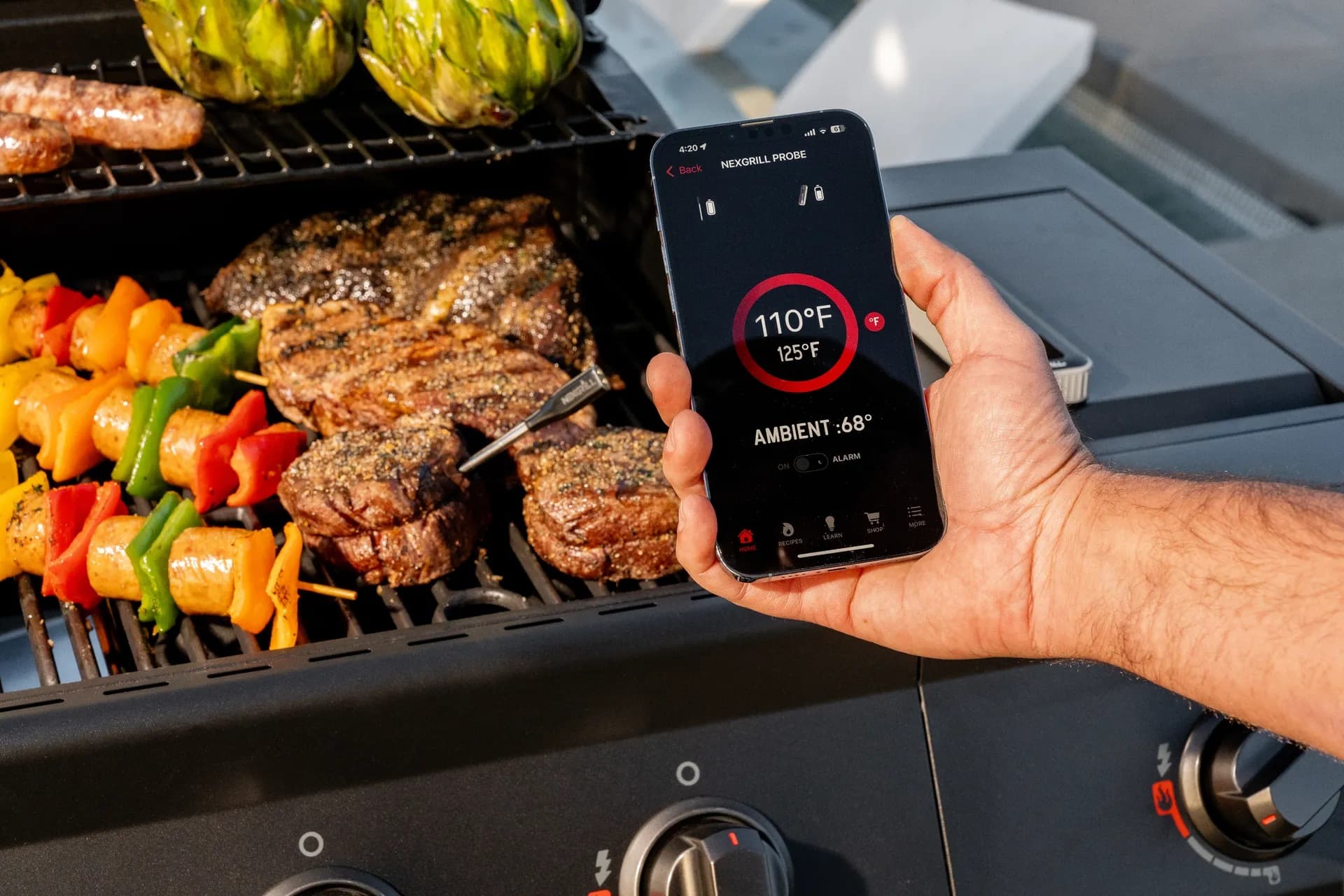
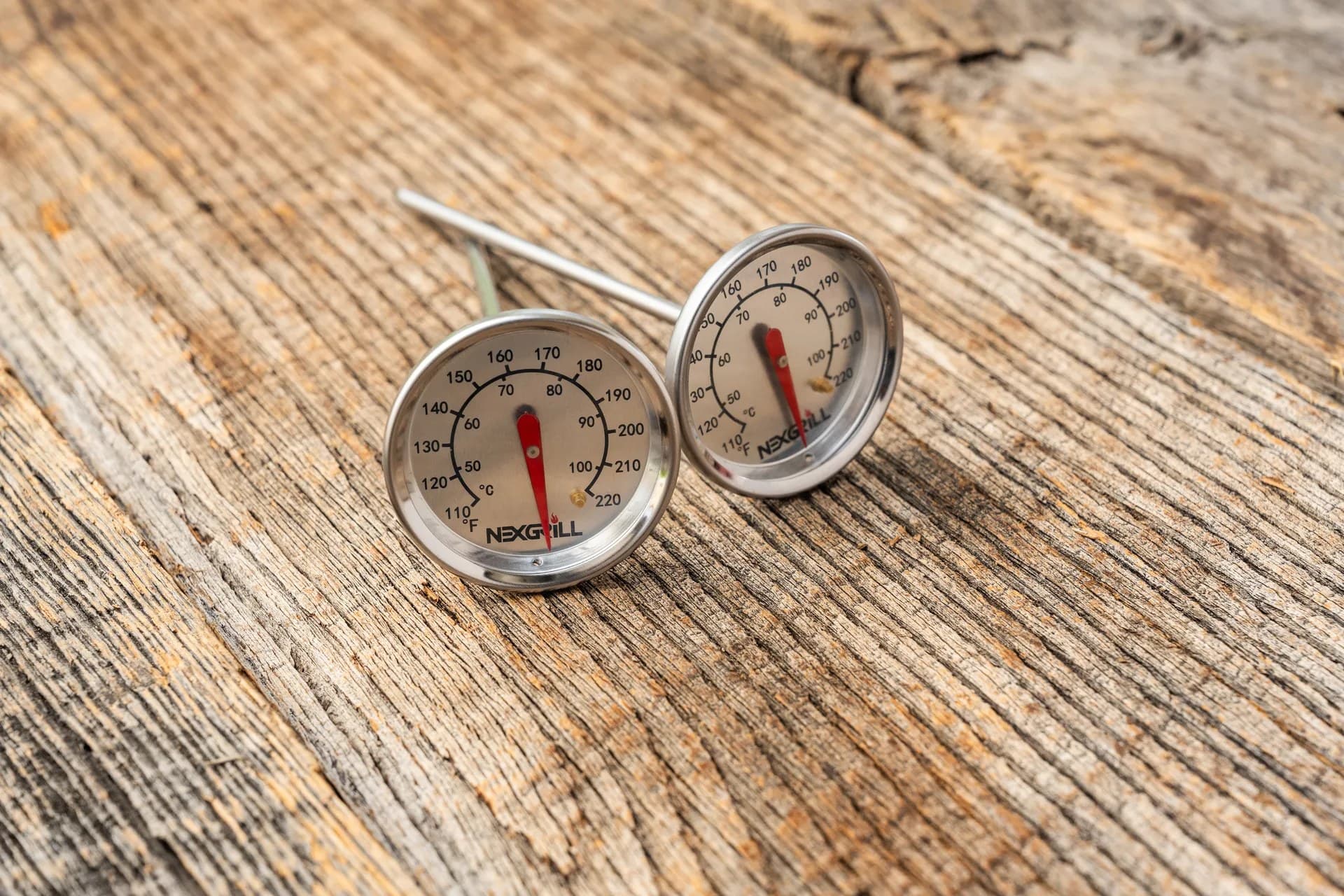
The most obvious benefit of smart grilling tools is precision, but precision only matters because it improves real-world outcomes. A remote thermometer can help you pull steak at the exact moment it reaches your preferred doneness, which is more useful on a cold day when heat loss happens faster. A connected meat probe can help you manage a larger cut like a whole chicken or pork butt without repeatedly opening the lid. That matters because each lid check releases heat, slows recovery time, and can lengthen the cook. Smart tools also help reduce the mental load of cooking for a group: instead of juggling multiple foods, times, and temperatures in your head, you can let the accessory handle alerts while you focus on sides, sauces, and timing.
Another meaningful benefit is consistency from cook to cook. Many home grillers find that they can get one great result by instinct, but struggle to repeat it later. Smart thermometers, timers, and app-based reminders create a record of what happened, making it easier to learn from each session. That matters all year, but especially when seasonal ingredients change. A summer flank steak, a fall turkey breast, and a winter batch of ribs do not need the same exact timing or attention pattern. Smart tools help you adjust without relying purely on memory. For families and busy hosts, that predictability is often worth more than any flashy feature list.
There is also a safety and efficiency angle. While no accessory replaces basic safe-handling practices, smart alerts can reduce overcooking, help you monitor food more closely, and keep you from leaving a fire unattended longer than needed. In practical terms, that can mean fewer wasted ingredients and less second-guessing. For a backyard cook trying to manage propane use, charcoal burn time, or the temperature swings of a pellet setup, every small improvement in awareness can translate into better fuel management and a smoother cooking rhythm.
| Smart tool type | Primary benefit | Best year-round use |
|---|---|---|
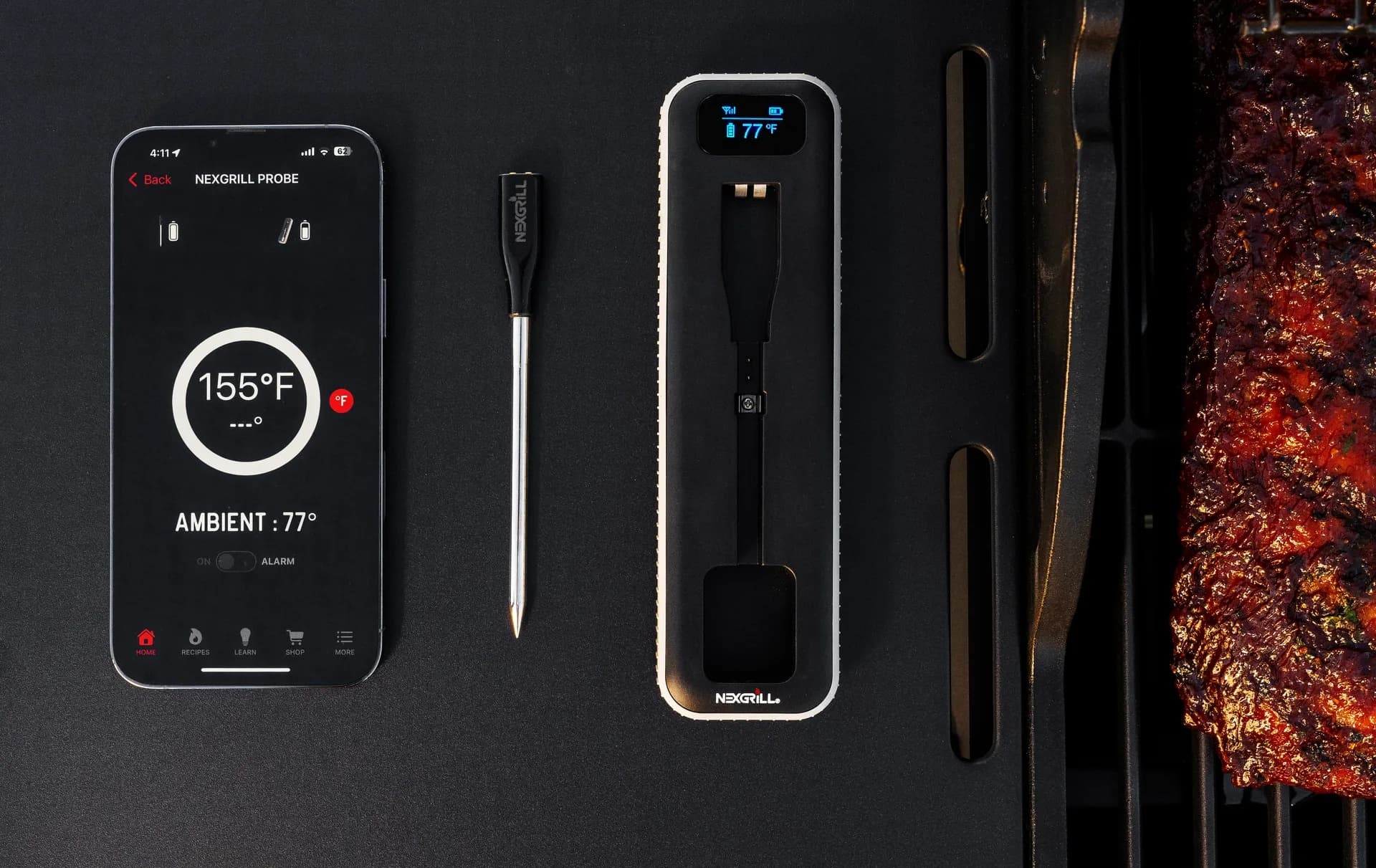
| Wireless meat thermometer | Real-time internal temperature monitoring | Steaks, poultry, roasts, and busy weeknight cooks |
| App-connected probe system | Alerts and temperature history | Long cooks, entertaining, and multitasking |
| Smart timer or alert system | Keeps short cooks on schedule | Vegetables, seafood, burgers, and sides |
The smartest accessories are usually the ones that cover the widest range of cooking tasks. A wireless thermometer is the most universal starting point because it improves almost every protein cook, from bone-in chicken in early spring to brisket during colder months. A leave-in probe system is especially helpful for low-and-slow barbecue, where the difference between “close enough” and “right on target” can be significant. A heat-resistant lighting accessory can also matter more than people expect, because shorter winter days and evening cookouts make visibility a real challenge. If you grill after work or during holiday gatherings, being able to clearly see your grate, probe placement, and food color makes the whole process smoother.
Smart grill covers and weather-aware accessories deserve attention too. Although they are less glamorous than probes and apps, they protect your equipment and help preserve accuracy over time. Moisture, dust, and temperature shifts can affect everything from connectors to display readability. If you plan to use your tools through a full year, storage and protection are part of the system. It is also worth considering a smart accessory that pairs easily with your typical cooking setup rather than one that demands a complete workflow change. The best accessory is often the one that works with the way you already grill.
Choose one core tool first, usually a wireless thermometer, then add accessories that support your most common meals and conditions.
If you are a beginner, start with a simple wireless thermometer that gives a clear temperature reading without a complicated setup. If you entertain often, choose a multi-probe app-connected system so you can track several foods at once. If you cook in challenging weather or later in the day, add lighting and weather protection so the technology remains easy to use when visibility or conditions drop. That profile-based approach keeps the purchase practical and prevents overbuying features you will not use.
Smart tools work best when they are folded into a repeatable routine. Start before preheating by checking battery levels, pairing devices, and confirming your target temperatures for the meal. Insert probes early enough that they sit in the thickest part of the food, not near bone or fat pockets that can distort the reading. During the cook, treat alerts as checkpoints rather than commands; they tell you where the food is, but you still decide when to rest, sauce, or finish over higher heat. That small habit change helps keep the technology useful instead of distracting.
It also helps to assign tools by job. Use one thermometer for proteins, another for ambient grill temperature if your system supports it, and a timer for side dishes or quick-cooking vegetables. A lot of frustration comes from trying to make one gadget do everything. On a weeknight, the right routine can be as simple as preheating, probing, setting one alert, and keeping the phone nearby. On a weekend gathering, the routine can expand to include multiple probes, labeled temperature targets, and a post-cook note about what worked best.
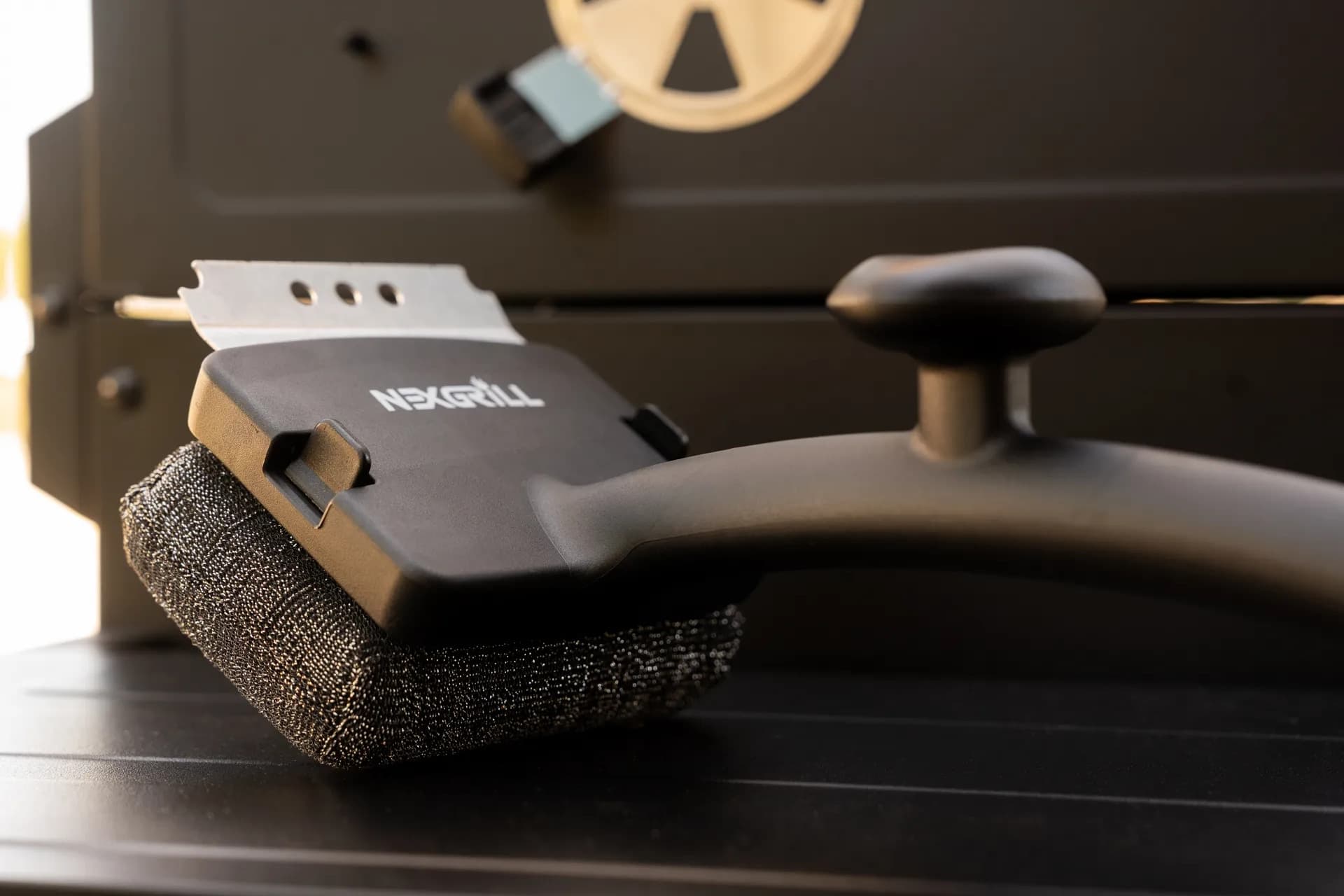
Maintenance matters because smart tools live close to heat, grease, moisture, and outdoor storage conditions. After each cook, wipe probes carefully once they have cooled and avoid scraping or bending the sensor end. Keep cable routing tidy if your accessory uses wired probes, since repeated pinching or stretching can shorten its usable life. If your device is app-based, update firmware when prompted so connections remain stable and alerts stay accurate. Replace batteries before a big cook instead of during one, and store items in a dry place whenever possible.
Never immerse any component unless the manufacturer specifically says it is safe. Heat and moisture are the fastest ways to reduce performance.
For year-round use, maintenance is also about seasonal preparation. Before winter, confirm your tools still power on in colder temperatures and that any screens remain readable. In spring, clean off storage dust and inspect probe tips for residue. During summer, make sure accessories are not left in direct sun longer than necessary, especially if their display or adhesive parts can be affected by heat. With a little care, smart grilling tools can stay dependable through back-to-school dinners, tailgates, holidays, and every casual cookout in between.
Try comparing two products side by side below to see which fits best:
Once you've compared two options side by side, the next question is whether the advanced features actually solve a problem you have. The most valuable upgrades are usually not the most complicated ones. They are the ones that make it easier to cook confidently when the environment is less predictable. Bluetooth and Wi-Fi connectivity can extend your reach beyond the grill, which is useful if you are balancing guests, side dishes, or indoor prep. Multi-probe systems let you watch different cuts at once, a major advantage when a brisket, chicken thighs, and corn on the cob are all moving at different speeds. Temperature graphs are another practical feature because they help you see whether heat is stable or drifting over time.
Some smart accessories also include preset doneness targets, custom alarms, and cooking estimates. Those are helpful for people who do not want to memorize internal temperature targets for every cut. Still, presets should be treated as a guide, not a substitute for judgment, because thickness, bone structure, and starting temperature all affect timing. In that sense, the most advanced tool is not the one with the most icons. It is the one that gives you better information at the exact moment you need it. For cooks who like to refine their process, exported logs or saved cook histories can be especially useful because they turn a one-time success into a repeatable method.
| Advanced feature | Why it matters | Best use case |
|---|---|---|
| Bluetooth or Wi-Fi monitoring | Lets you step away without losing track of the cook | Busy gatherings and long roasts |
| Multi-probe tracking | Tracks several foods or zones at once | Mixed menus and large family meals |
| App history and charts | Shows how heat changed over time | Learning and repeating successful cooks |
Seasonal grilling becomes easier when your tools adapt to the conditions instead of fighting them. In spring, fluctuating temperatures and wind can make a grate feel less steady than expected, so a thermometer helps confirm you are actually cooking where you think you are cooking. In summer, the challenge is often heat management during larger cookouts. Smart alerts let you stay aware of food progression while you focus on guests, drinks, and timing. In autumn, shorter daylight hours make lighting more valuable, and a connected thermometer can help you avoid underestimating carryover heat on cooler evenings. In winter, cold air can slow recovery after the lid opens, so the less you interrupt the cook, the better.
For each season, the most effective approach is to keep your process simple and consistent. Use one probe for the thickest protein, one ambient reading if available, and one timer for fast-cooking items. Keep the app open but not distracting. Store accessories close to the grill station so you are not searching for batteries or charging cables in the middle of a cook. These small habits make smart tools more reliable than any promotional feature list could promise.
The best seasonal adjustment is often discipline: fewer lid lifts, clearer temperature targets, and better tool placement.
When you compare leading smart grilling products, think in terms of workflow rather than brand names alone. A basic wireless probe is great if your main need is accurate doneness. A more advanced app-connected system is better if you want remote monitoring, multiple alerts, and cook history. A high-end setup with multiple probes, cloud access, and advanced charts makes the most sense for frequent entertainers and people who often cook large cuts. The right choice depends on how often you grill, how many items you cook at once, and how much information you actually want on your screen.
A useful comparison framework is to ask four questions: Does it reduce lid lifting, does it handle more than one food at once, does it work reliably at distance, and is the interface easy to understand under real backyard conditions? If a tool answers yes to only one of those questions, it may be too limited for a full-season setup. If it answers yes to all four, it is probably worth prioritizing, even if the upfront cost is higher. In the United States, typical smart thermometer and accessory prices can range from roughly $30 USD for simple single-purpose items to well over $150 USD for feature-rich multi-probe systems, depending on connectivity and build quality. Those are estimate ranges, not guarantees, but they are useful when planning a purchase.
If you grill occasionally and mainly cook burgers, chicken breasts, or vegetables, choose a straightforward thermometer and skip the advanced dashboard. If you host often or cook bigger cuts, invest in a multi-probe system with alarms that can keep up with multiple timelines. If you want the most complete setup for year-round use, look for connectivity, cook logging, and weather-conscious accessories that make the tools easier to use when conditions are not ideal.
A higher price only makes sense when it removes a real pain point: distance, multitasking, or inconsistent results.
What users tend to value most is not the novelty of smart grilling but the way it fits into everyday life. Reviews often focus on whether a thermometer is quick to pair, whether alerts are loud enough to hear from indoors, and whether the readings stay stable long enough to trust. The most satisfied owners usually describe a simple pattern: they start with one tool, use it repeatedly, and gradually trust it enough to cook by feel plus data rather than by guesswork alone. That kind of feedback is important because it points to adoption, not just features.
Less positive reviews often mention connection hiccups, app clutter, or probes that are awkward to clean and store. Those concerns matter more in real households than product pages sometimes suggest. A smart tool should simplify your cooking life, not add another maintenance chore. When reading reviews, pay attention to comments about battery life, reading speed, display clarity, and how well the device handles everyday outdoor conditions. A product that works beautifully in a controlled demo but frustrates users after a few weeks is not a strong year-round choice.
Smart grilling tools are widely available through major online retailers, specialty barbecue shops, and brand storefronts. For buyers in the United States, it often makes sense to compare availability, shipping speed, and return policies before focusing only on the lowest sticker price. If you want to keep your accessory ecosystem simple, consider buying from a retailer that also carries related outdoor cooking gear so you can replace probes, batteries, or storage items without piecing together separate orders. Nexgrill’s brand pages and product collections are a useful starting point for understanding the company’s broader outdoor cooking ecosystem and the kinds of accessories that fit a practical, value-focused grilling setup .
When shopping, check whether the listing clearly states what is included, whether replacement parts are available, and whether the accessory is designed for your style of cooking. That matters because smart tools are most useful when they are easy to keep in service. A well-chosen thermometer, timer, or connected probe can support your grilling through spring yardwork season, summer tailgates, fall football weekends, and winter holiday meals. The right purchase is not just a gadget. It is a tool that earns a place in your routine because it saves time, reduces uncertainty, and helps every cook feel more manageable.
Here's what sets us apart
We position ourselves as delivering high-end outdoor cooking features and performance without premium-brand pricing, emphasizing “Quality Grills. Unbelievable Value.”
We offer gas grills, pellet grills, griddles, smokers, pizza ovens, portable/tabletop grills, electric grills, accessories, and replacement parts — allowing customers to stay within one ecosystem for all outdoor cooking needs.
We differentiate ourselves through smart grilling products like the Oakford smart pellet grill, including app-connected cooking controls and modern outdoor cooking technology.
Don't just take our word for it
Keep reading
From our catalog