Explore the features, benefits, and drawbacks to make an informed choice.
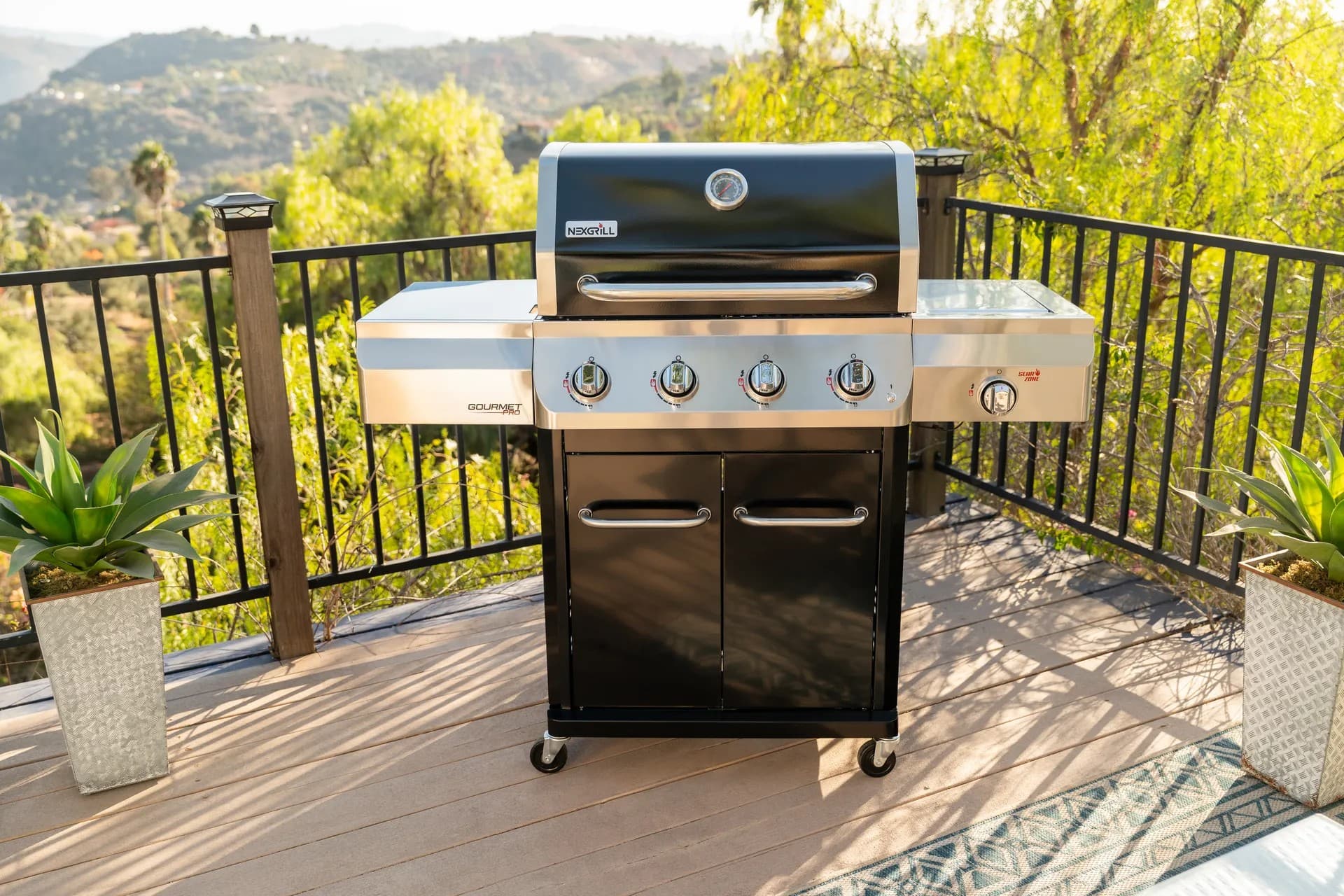
From sizzling breakfasts to smash burgers and teppanyaki-style dinners, the Daytona Pro 5 Burner NitroGuard™ Griddle delivers powerful heat, fast cooking, and a durable cooking surface built for every backyard cookout. Watch how easy outdoor cooking can be.
Here's what sets us apart from the competition
We position ourselves as delivering high-end outdoor cooking features and performance without premium-brand pricing, emphasizing “Quality Grills. Unbelievable Value.”
We offer gas grills, pellet grills, griddles, smokers, pizza ovens, portable/tabletop grills, electric grills, accessories, and replacement parts — allowing customers to stay within one ecosystem for all outdoor cooking needs.
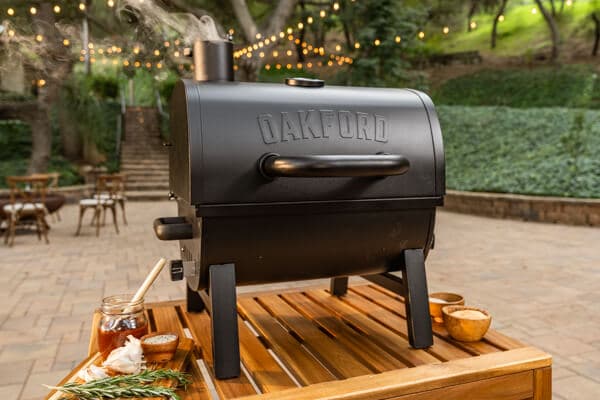
We differentiate ourselves through smart grilling products like the Oakford smart pellet grill, including app-connected cooking controls and modern outdoor cooking technology.
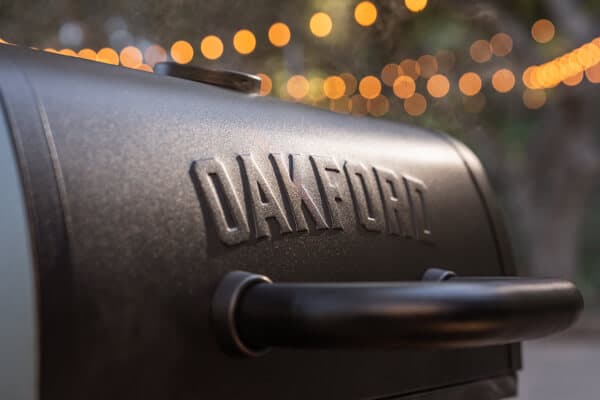
Expert tips, buying guides, comparisons, and inspiration for choosing and getting the most out of your grill.
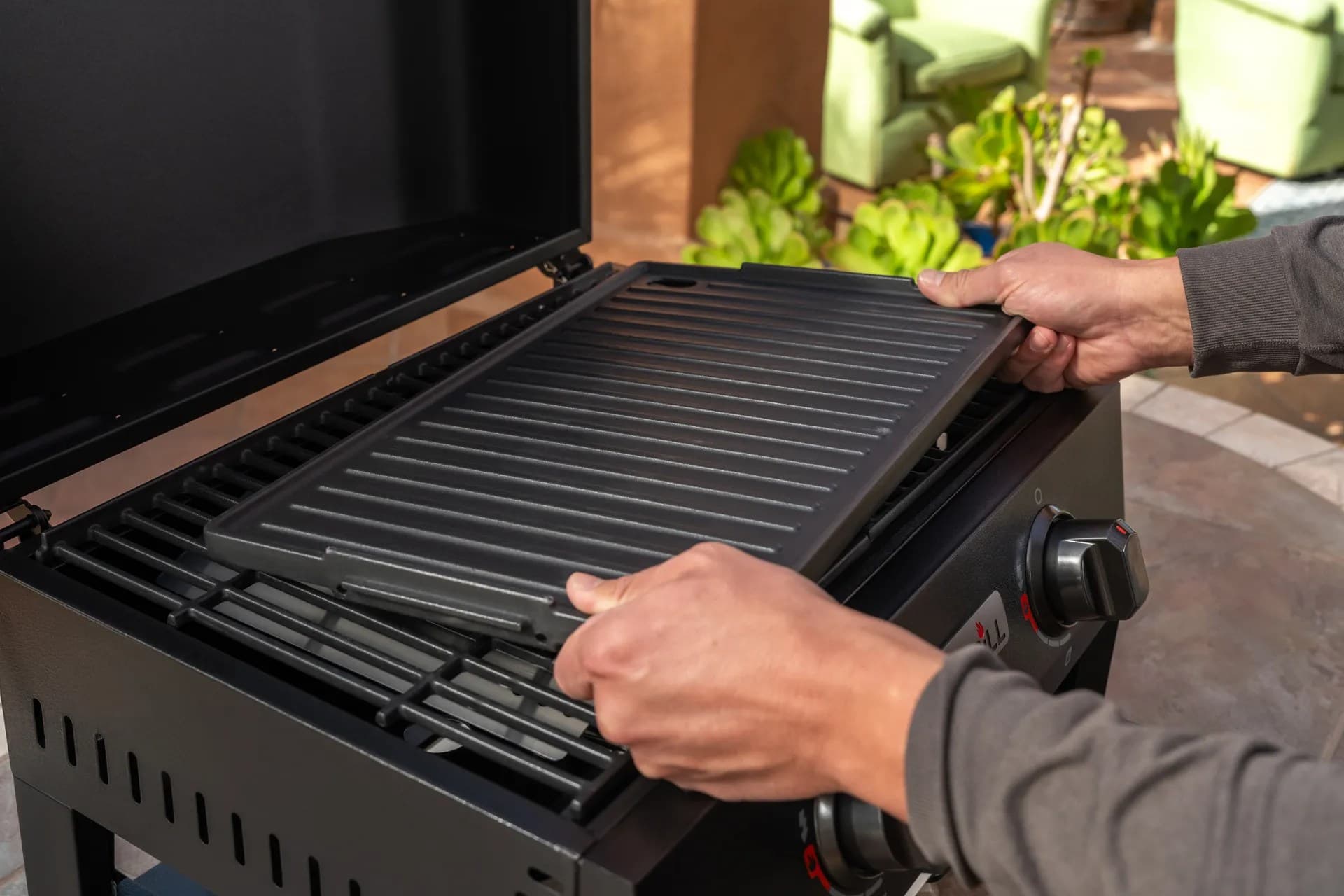
Practical guides for cleaning, maintenance, common grill issues, and performance optimization.
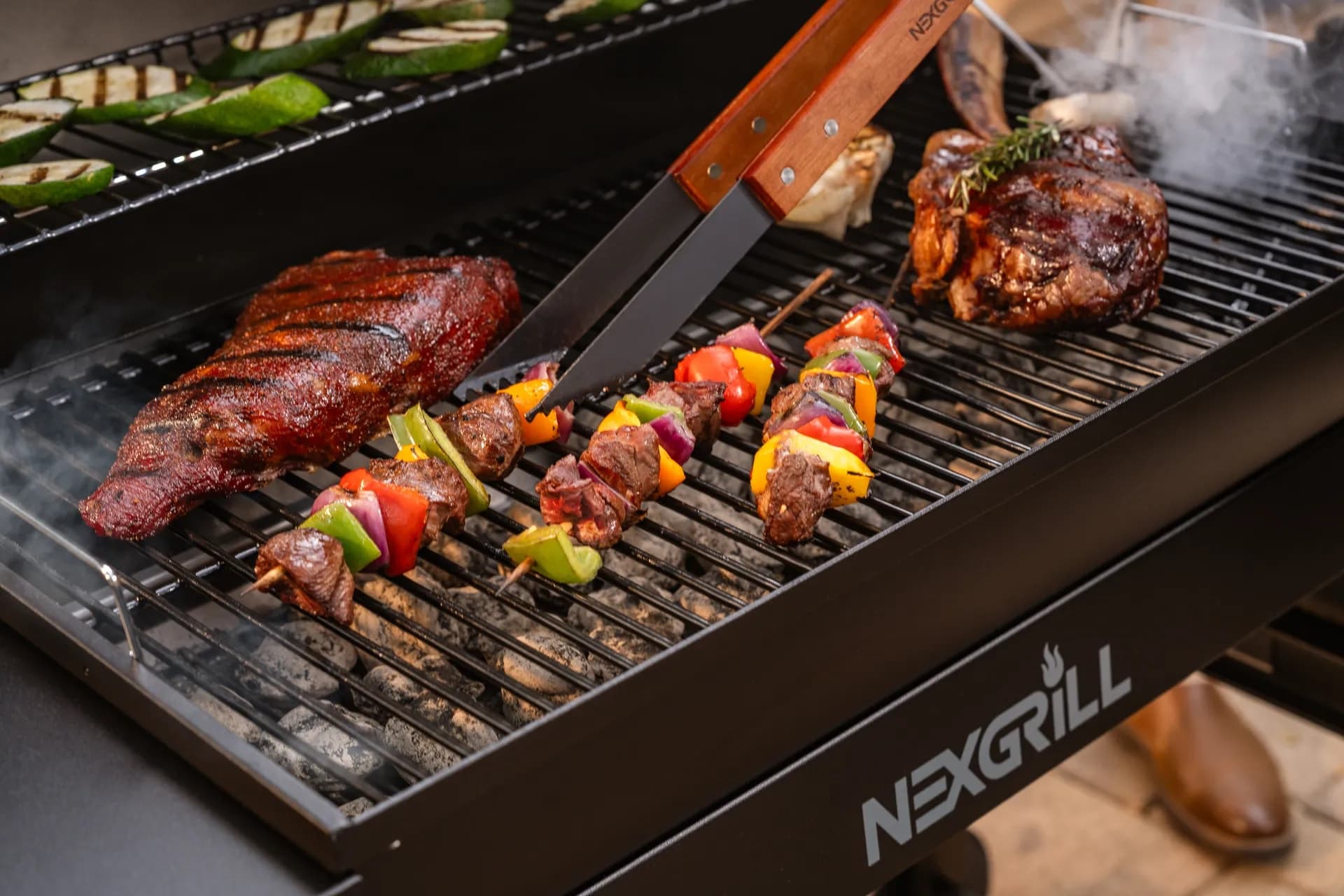
Step-by-step grilling recipes, cooking techniques, and meal ideas for every occasion and skill level.

Backyard entertaining ideas, seasonal grilling inspiration, and stories that celebrate outdoor cooking culture.
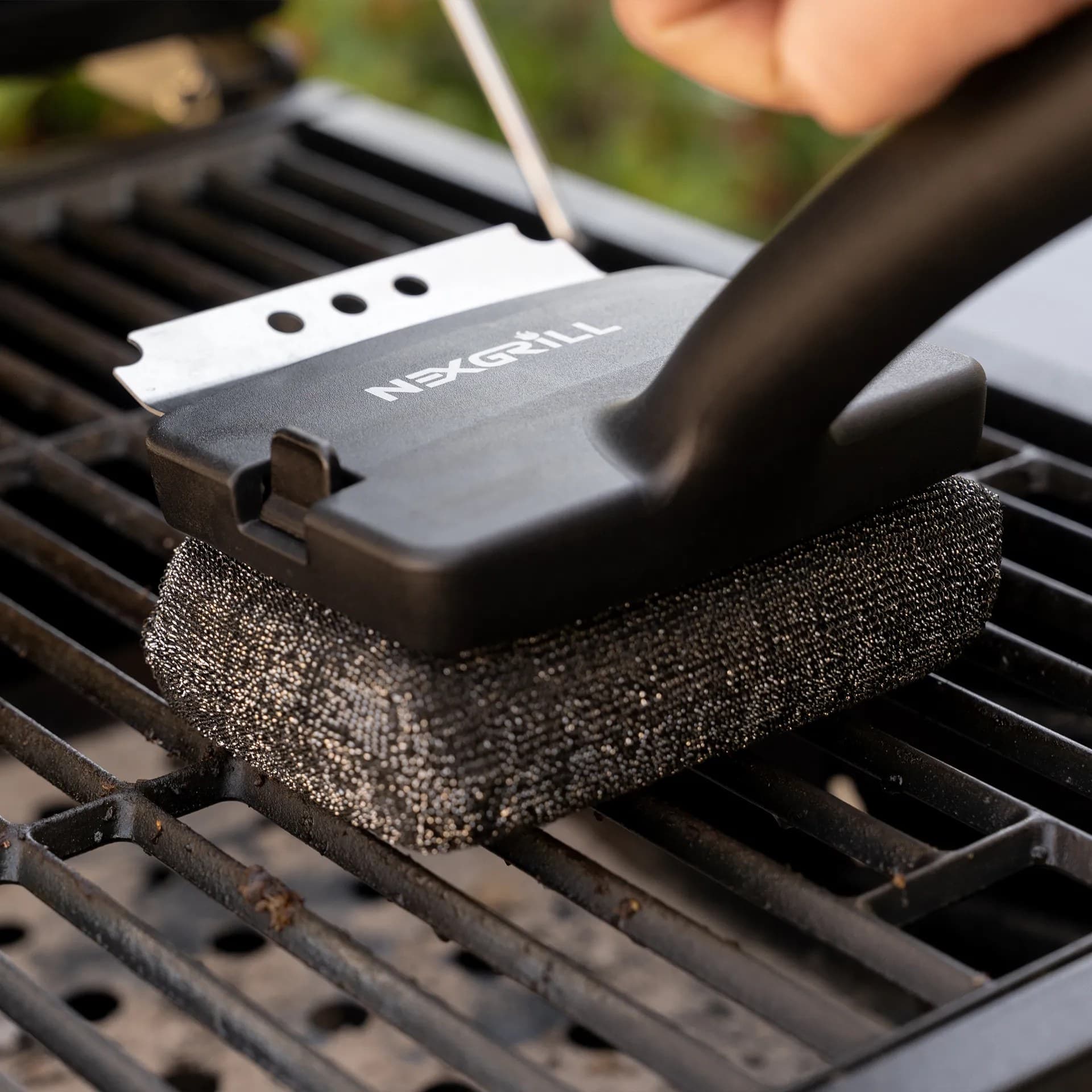
Helpful articles covering grilling tools, cookware, maintenance gear, and must-have accessories for outdoor cooking.
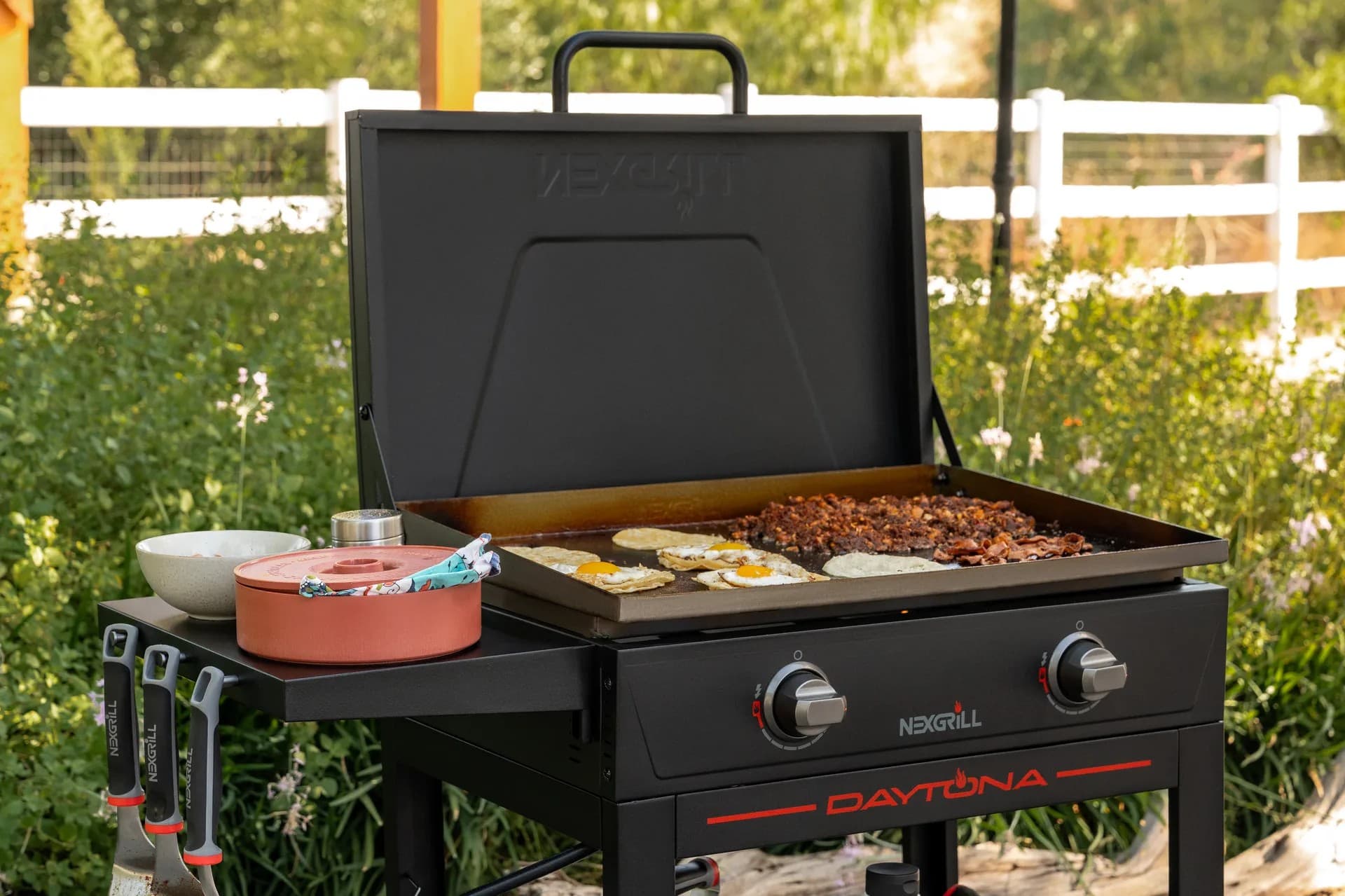
Find griddle recipes, cooking techniques, cleaning tips, and outdoor meal ideas designed for Nexgrill griddles.
Find answers to common questions
Gas grills provide instant heat and precise temperature control, making them easier to use. Charcoal grills offer a smoky flavor and high heat for searing but require more time to heat up and manage.
Pellet grills combine the convenience of gas with the flavor of wood, allowing for smoking, baking, and grilling. Traditional gas grills, however, are quicker to start and often easier to clean.
Charcoal grills typically reach higher temperatures quicker than gas grills, making them better for searing meat. However, high-quality gas grills can also provide adequate heat for effective searing.
Nexgrill offers models designed specifically for gas, charcoal, and pellets, allowing users to choose based on their cooking style and flavor preferences. Each type is built to optimize the characteristics of its respective fuel.
Choosing between gas and charcoal grills depends on your cooking preferences and lifestyle. If you value convenience and quick cooking, a gas grill may suit you better; if you prefer the taste and experience of traditional grilling, a charcoal grill would be ideal.
In This Article
Smart Grill Benefits
Gas Grill Advantages
Cost Considerations
Choosing between a smart grill and a gas grill is less about picking the “better” category and more about matching the cooking experience to the way you actually host, prep, and clean up. A smart grill typically adds connectivity, probes, app alerts, and sometimes automated temperature management so you can monitor a cook from inside the house or while managing guests. A gas grill, by contrast, focuses on immediate heat, manual control, and familiar operation. For many backyard cooks, that distinction matters more than the headline feature list. If you want a grill that behaves like a connected appliance, the smart option is appealing. If you want dependable heat, simple ignition, and a cooking surface that responds instantly to knob adjustments, the gas grill still holds a strong case.
Nexgrill’s brand philosophy is built around welcoming a wide range of cooks, from beginners to experienced grillers, with practical tools that make outdoor cooking feel accessible rather than intimidating. That mindset is useful here because smart grills and gas grills often serve different personalities. A smart grill can reduce anxiety for people who don’t want to hover over the grate every few minutes. A gas grill can be ideal for cooks who already know how to manage heat zones, lids, flare-ups, and resting time without help from an app. In other words, the right choice depends on how hands-on you want to be.
The real question is not “Which grill is more advanced?” It is “Which grilling style fits your home routine, budget, and tolerance for technology?”
That question becomes especially important when you consider how each grill behaves in everyday use. Smart grills tend to emphasize monitoring, consistency, and convenience features. Gas grills emphasize speed, straightforward fuel control, and a familiar learning curve. If you cook on weeknights, the quick startup of gas is often hard to beat. If you smoke, roast, or multitask while entertaining, smart features can help keep cooks on track with fewer trips to the patio. This article compares both options from the perspective of a practical U.S. backyard buyer who wants to understand the trade-offs before spending money on a new outdoor cooker.
One reason this comparison matters is that grill buying decisions are usually made for years, not for one season. The upfront price is only part of the story. Fuel use, cleaning effort, replacement parts, and how often you actually use the features all affect total value. A feature-rich smart grill may feel exciting at purchase, but if you prefer simple burgers and vegetables, much of the technology may go unused. A gas grill may feel conventional, but its simplicity can be exactly what keeps it in regular rotation. Try comparing two products side by side below to see which fits best:
Smart grills are built around the idea that temperature control and food monitoring can be made easier through software and sensors. In practical terms, that usually means app connectivity, integrated or compatible temperature probes, guided cook programs, and alerts when the grill or food reaches a target range. Some models also offer remote monitoring so you can check progress without opening the lid, which helps maintain more stable cooking conditions. For cooks who like precision, this can feel like having a second set of eyes on the food.
The most obvious advantage is convenience during longer cooks. If you are roasting chicken halves, thicker chops, or brisket-style cuts on a backyard setup, a smart grill can reduce the need to constantly lift the lid and guess whether you are on track. That matters because every lid lift bleeds heat and can lengthen the cook. Smart features do not make the grill cook for you, but they can make it easier to stay within a target range. That is especially useful for newer grillers who are still learning how hot their particular grill runs and how much the weather affects performance.
Smart features are most valuable when they reduce guesswork on longer cooks, not when they are treated as a shortcut for heat management.
Another strength of smart grills is their ability to improve timing across a busy cookout. If you are juggling sides, guests, and multiple proteins, notifications can help you stay organized. Instead of checking the grill every few minutes, you can use the app or on-unit display to keep a watch on temperature milestones. That can be useful for people who host often and want a little more structure in the process. It can also be a comfort factor; some users simply enjoy knowing the cook is being tracked more closely than with a traditional dial-only setup.
There is, however, a practical side to smart grilling that buyers should not ignore. More technology means more things to learn, more components that depend on software behavior, and more features that can become irrelevant if your style is simple and direct. If you mainly cook fast foods like hot dogs, burgers, vegetables, and weeknight chicken, you may not need app-based monitoring to get a great result. The value of smart grilling is strongest when you regularly take advantage of the extra control. If you do not, the premium may not feel justified.
| Smart Grill Feature | What It Helps With | Best For |
|---|---|---|
| App alerts | Monitoring cook progress without standing by the grill | Busy hosts and longer cooks |
| Temperature probes | Checking doneness with less guesswork | Poultry, roasts, and thick cuts |
| Connected controls | Managing settings from a phone or device | Tech-friendly grillers |
| Guided cook modes | Helping newer users follow a process | First-time smart-grill buyers |
Smart grills are also attractive to people who value repeatability. Once you learn a preferred setup for chicken thighs, reverse-seared steaks, or salmon fillets, the connected monitoring can help you recreate the process more consistently. That is a major reason these grills appeal to cooks who want more than just heat; they want repeatable results. Still, the technology should be evaluated as a tool, not a promise. Great food still depends on seasoning, placement, airflow, fuel quality, and a little bit of experience.
Gas grills remain popular because they are simple, fast, and versatile. You turn a knob, ignite the burners, and you are cooking in a short amount of time. That speed is one of their biggest strengths. For families who grill after work or homeowners who do not want a lengthy setup routine, a gas grill often feels like the easiest path to dinner. The controls are also easy to understand: more flame means more heat, less flame means less heat. That familiarity is part of why gas has stayed the default choice for so many patios and decks.
Another major strength is direct heat management. A gas grill lets you create zones for searing and finishing, or for moving food away from a hotter burner when flare-ups happen. It is a practical system that rewards basic skill. If you know how to preheat properly and avoid overcrowding the grates, a gas grill can produce excellent burgers, chicken, vegetables, and steaks with very little friction. For many users, that combination of speed and control is enough. There is no app to sync, no probe to pair, and no software to figure out before the first cook.
Gas grills can be extremely effective, but they reward attention to heat zones and lid management. Fast ignition does not replace basic technique.
Flavor is where the gas grill conversation often becomes more nuanced. Some cooks love the clean, straightforward taste gas grilling produces because it lets seasoning, marinades, and smoke from wood chunks or smoker boxes do the work. Others feel gas can be less characterful than charcoal or pellet cooking. That said, a well-run gas grill still creates the browning and searing people want from a backyard meal. If you want a classic grilled flavor without a longer fire-building process, gas is a reliable option. It is not trying to be clever; it is trying to be ready when you are.
The downsides are also familiar. Gas grills typically require more manual oversight than smart grills if you want precision over time. You need to check doneness yourself, manage temperature visually or with a separate thermometer, and keep an eye on hot spots. They can also be more basic in terms of integrated convenience features, depending on the model. For some buyers that is a plus because there is less to break. For others it can feel like the grill is missing the assistance they want. In this category, simplicity is both the selling point and the limitation.
Taken together, gas grills are best understood as dependable workhorses. They are good at starting quickly, reaching stable heat, and accommodating a wide range of weeknight and weekend meals. They may not deliver the same connected guidance as a smart grill, but many people do not need that layer of assistance. If your ideal grill is one you can walk up to, light, and trust, gas still makes a compelling case. If your ideal grill is one that checks in with you, smart grilling may be the better fit.
Once you have compared the two options at a high level, the next step is to look at how they behave in real cooking. Smart grills and gas grills can both turn out excellent food, but they get there in different ways. The smart grill aims to reduce uncertainty with sensors, app data, and more structured monitoring. The gas grill aims to give you fast heat and direct control with minimal setup. That means the “better” choice depends on the kind of cooking you do most often.
For temperature control, smart grills generally have the edge in convenience. If a probe is telling you a chicken breast is nearing target temperature, you are less likely to overcook it simply because you lost track of time. For low-and-slow or medium-length cooks, that added visibility can help. Gas grills, meanwhile, give you immediate manual control. Turn a burner down and the heat reacts right away. That responsiveness is excellent for searing steaks or shifting food between hot and cooler zones, but it depends on the cook actively managing the process.
In terms of speed, gas grills usually win. They are ready quickly and do not require an app connection or setup routine before preheating. If your goal is to get dinner on the table fast, gas is hard to beat. Smart grills can still heat up efficiently, but their main advantage is not raw startup speed; it is keeping track of what happens after the grill is hot. Flavor is also worth separating from technology. Neither category automatically makes better-tasting food. Flavor comes from heat intensity, seasoning, browning, fat rendering, and how carefully you avoid flare-ups. Smart features may help you cook more precisely, but they do not replace good ingredients or proper technique.
| Category | Smart Grill | Gas Grill |
|---|---|---|
| Startup | Fast, but often with a setup or pairing step | Very fast and straightforward |
| Temperature oversight | Sensor-based monitoring and alerts | Manual monitoring with thermometer help |
| Hands-on effort | Lower during long cooks | Higher, but still familiar and direct |
| Flavor style | Depends on heat management and fuel design | Classic grilled flavor with direct control |
| Best use case | Longer, monitored cooks and tech-friendly users | Fast weeknight meals and simple backyard cooking |
Cost is another area where the two categories diverge. Smart grills often carry a higher purchase price because you are paying for electronics, sensors, connectivity, and app-enabled features. Gas grills can be less expensive up front, especially if you want a straightforward two-burner or mid-size model. Over time, maintenance can also differ. Smart grills may involve more components that depend on software support or electronics functioning correctly. Gas grills tend to have a simpler mechanical structure, which can make routine upkeep more predictable.
Health considerations are usually about how you cook, not just the category name. Both grill types can be used in ways that reduce charring and unnecessary flare-ups. Smart grills may help some users manage temperature more carefully, which can make it easier to avoid overcooking or scorching food. Gas grills also support good technique when used with heat zones, frequent cleaning, and moderate temperatures. The important point is that a connected grill does not automatically make a meal healthier, and a traditional gas grill does not automatically make it less healthy. The cooking method, ingredient choice, and degree of browning matter more than the control interface.
For example, a family cooking chicken thighs and vegetables on a gas grill may achieve a very controlled meal if they use a two-zone setup and monitor temperatures with a handheld thermometer. Another family using a smart grill might achieve similar or better consistency because the app reminds them when to check or move food. Both can do the job well. The difference is in how much guidance the cook wants while doing it.
When shoppers compare smart grills and gas grills, sticker price is usually the most visible difference. Smart grills often cost more because their build includes technology that goes beyond burners and grates. You are paying for sensors, connectivity, digital interfaces, and often a more guided experience. Gas grills can deliver strong cooking results at a lower entry point, which makes them attractive if you want reliable performance without paying for features you will not use every weekend. For many households, that upfront difference is significant enough to shape the decision.
Long-term expenses can flip the equation in subtle ways. A gas grill may be simpler to maintain because the core system is straightforward: burners, igniter, fuel supply, and cooking grates. Smart grills may require more careful attention to electronics, connections, probes, and app-related functionality. If the connected features are central to your cooking style, that extra complexity may be worth it. If not, the added ownership overhead can become a burden. Fuel cost also matters. Propane use depends on cooking frequency, heat settings, and session length, so your monthly spending will vary widely in the United States depending on how often you grill.
A lower purchase price is not always the cheaper choice over time if the grill is harder to maintain or lacks the features you actually rely on.
It helps to think in terms of value per cook. If a smart grill reduces overcooked meals, saves you time during long cooks, and keeps you more confident as a host, the higher upfront cost may pay for itself in convenience. If a gas grill gets used three or four times a week because it is simple and fast, its lower entry price and low-friction operation may make it the better value even if it lacks smart technology. Value is not just features; it is how often the grill earns its place on the patio.
For U.S. buyers, it is also worth considering replacement accessories. Probes, covers, cleaning tools, and fuel containers can add to the total cost of ownership on either category. The difference is that smart grills may invite more accessory spending because the user wants to maximize the connected experience. Gas grill buyers often spend more on practical upkeep items. Neither path is wrong, but the budget should account for the whole setup, not just the unit itself.
User feedback usually reveals the most honest distinction between these grill types. Smart grill owners often talk about peace of mind. They like being able to see temperature trends, receive alerts, and move through a recipe without constantly checking the grate. Parents, hosts, and newer grillers especially appreciate how the technology can reduce stress during busy weekends. A common theme is that the grill feels more supportive during longer cooks, even if the owner still needs to learn good technique.
Gas grill owners tend to praise speed and reliability. They like that the grill is ready when they are, that the controls are intuitive, and that a weeknight meal does not become a project. Many experienced users say the best gas grill is the one that disappears into the background and simply performs. They value the fact that there is less to pair, calibrate, or troubleshoot. When a family wants to make dinner in under an hour, that simplicity becomes a real advantage.
The most satisfied buyers are usually the ones whose expectations match the grill type: guidance and monitoring for smart grills, fast direct heat for gas grills.
The less satisfied users are often those who buy the wrong category for their habits. A person who wants a set-it-and-forget-it system may feel frustrated by a basic gas grill if they expected the grill to help manage doneness. On the other hand, someone who wants a quick, no-nonsense tool may feel that a smart grill is too involved. That is why testimonials matter: they show that the best grill is not the one with the longest feature list, but the one that fits the way real people cook on real weeknights and weekends.
Health concerns in grilling are usually tied to temperature management, flare-ups, charring, and how often food is overexposed to high direct heat. Smart grills may help some users reduce these risks indirectly because their monitoring tools can make it easier to maintain target temperatures and avoid forgetting food on the grate. Gas grills can also support healthier grilling habits when cooks use indirect heat, clean grates regularly, and avoid excessive charring. In both cases, technique matters more than the category label.
One practical difference is that a smart grill can prompt a more measured cooking style. If alerts help you pull chicken or fish at the right moment, you are less likely to overcook the surface while waiting for the center to finish. A gas grill can achieve similar results if the cook actively uses a thermometer and manages zones carefully. The healthier approach is not defined by being “smart” or “gas”; it is defined by controlling heat and being attentive to doneness, especially with lean proteins that can dry out or char quickly.
Another consideration is cleanup. Grease buildup can increase flare-ups and affect food quality on either grill type. Regular cleaning, proper grease management, and avoiding oversaturated marinades that drip heavily onto flames all help. If you are buying with health-conscious cooking in mind, look for a grill that makes temperature control easy and cleanup realistic. That is one reason both categories can work well for a thoughtful home cook: one offers guided monitoring, the other offers direct simplicity.
If you want the most guided and convenient cooking experience, a smart grill is often the better match. It is especially appealing for longer cooks, users who like app-based monitoring, and households that want to reduce guesswork. If you want fast startup, familiar controls, and dependable performance without extra tech, a gas grill remains a strong, practical choice. The smartest decision is the one that reflects how you actually cook, not the one with the flashiest feature list.
For many buyers, the choice comes down to lifestyle. Choose smart grilling if you value alerts, probes, and a more structured process. Choose gas grilling if you prefer speed, control, and lower complexity. Either way, the best results come from good heat management, regular cleaning, and cooking with the right tool for the meal. If you are still deciding, compare the two formats side by side and think through your most common use case: weeknight dinners, long weekend cooks, or hosting friends in the backyard.
Here's what sets us apart
We position ourselves as delivering high-end outdoor cooking features and performance without premium-brand pricing, emphasizing “Quality Grills. Unbelievable Value.”
We offer gas grills, pellet grills, griddles, smokers, pizza ovens, portable/tabletop grills, electric grills, accessories, and replacement parts — allowing customers to stay within one ecosystem for all outdoor cooking needs.
We differentiate ourselves through smart grilling products like the Oakford smart pellet grill, including app-connected cooking controls and modern outdoor cooking technology.
Don't just take our word for it
Keep reading
From our catalog