Essential strategies to keep your smart grill performing at its best.
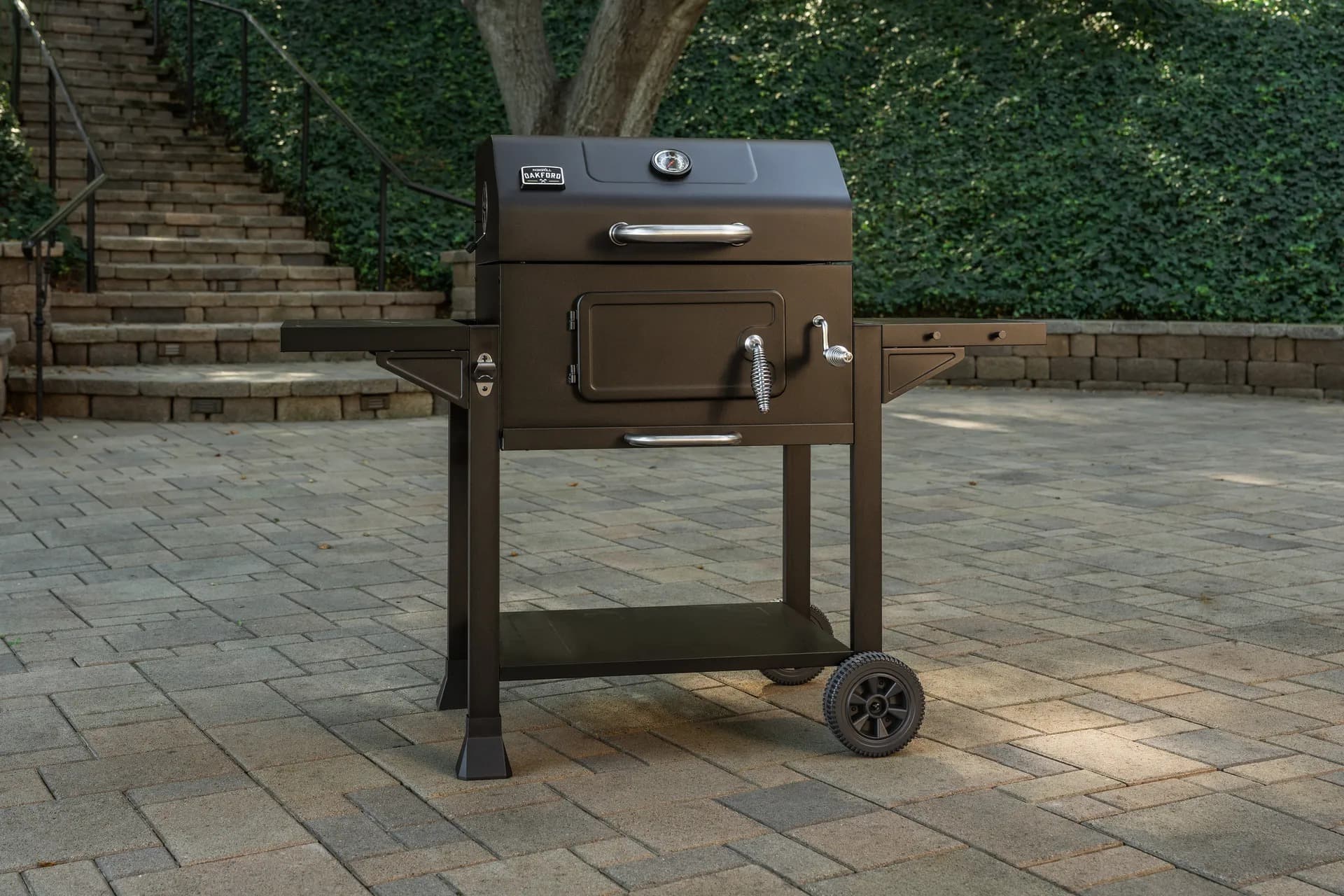
From sizzling breakfasts to smash burgers and teppanyaki-style dinners, the Daytona Pro 5 Burner NitroGuard™ Griddle delivers powerful heat, fast cooking, and a durable cooking surface built for every backyard cookout. Watch how easy outdoor cooking can be.
Here's what sets us apart from the competition
We position ourselves as delivering high-end outdoor cooking features and performance without premium-brand pricing, emphasizing “Quality Grills. Unbelievable Value.”
We offer gas grills, pellet grills, griddles, smokers, pizza ovens, portable/tabletop grills, electric grills, accessories, and replacement parts — allowing customers to stay within one ecosystem for all outdoor cooking needs.
We differentiate ourselves through smart grilling products like the Oakford smart pellet grill, including app-connected cooking controls and modern outdoor cooking technology.
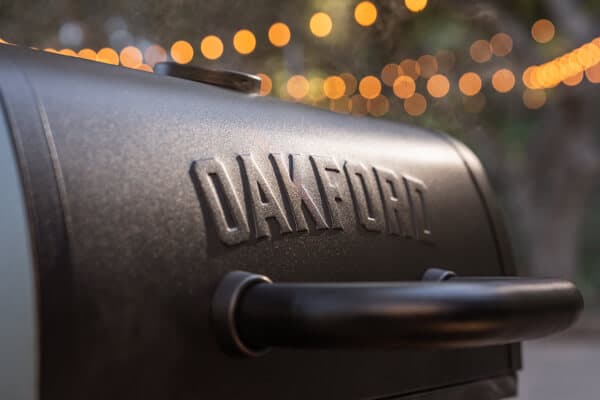
Expert tips, buying guides, comparisons, and inspiration for choosing and getting the most out of your grill.
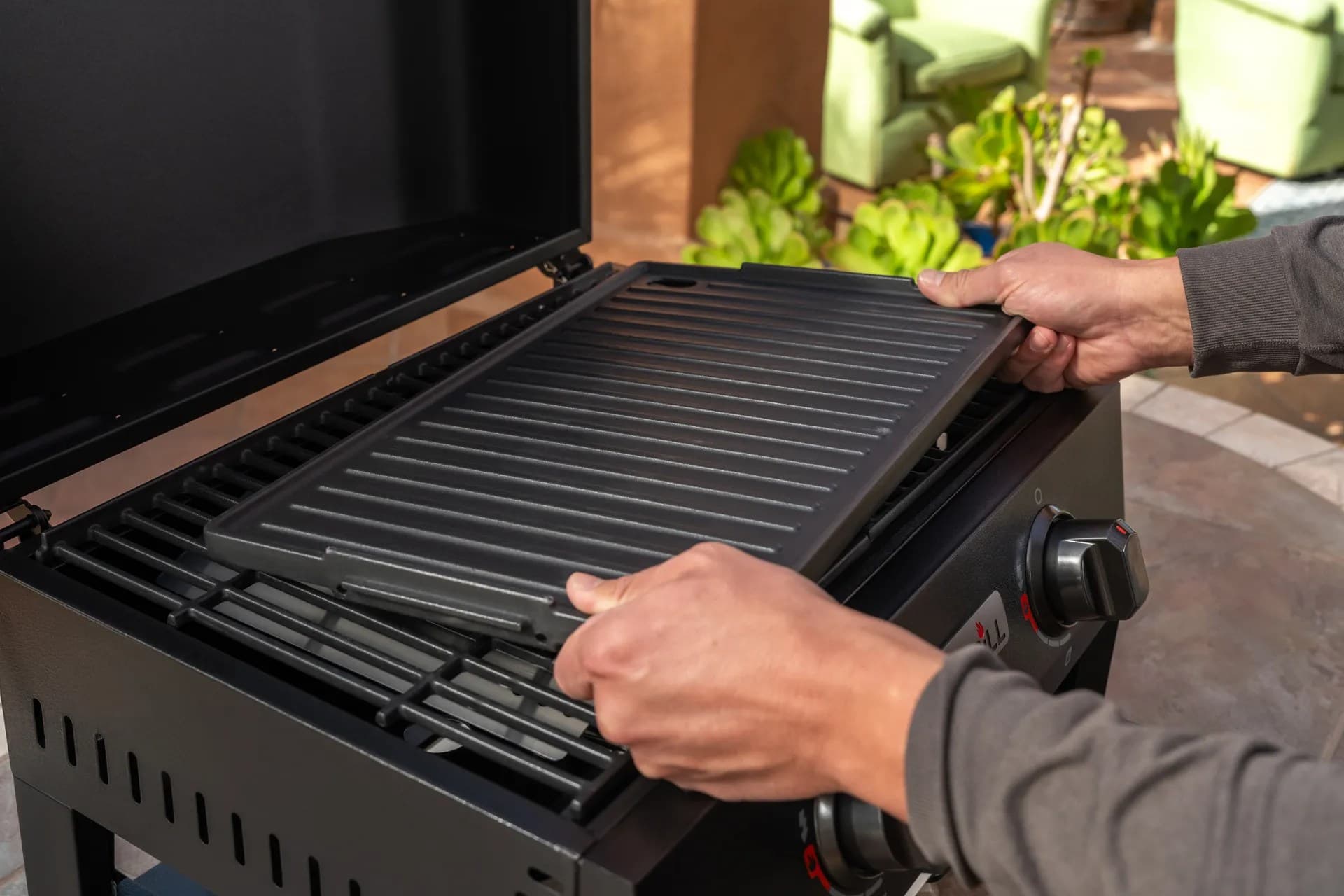
Practical guides for cleaning, maintenance, common grill issues, and performance optimization.
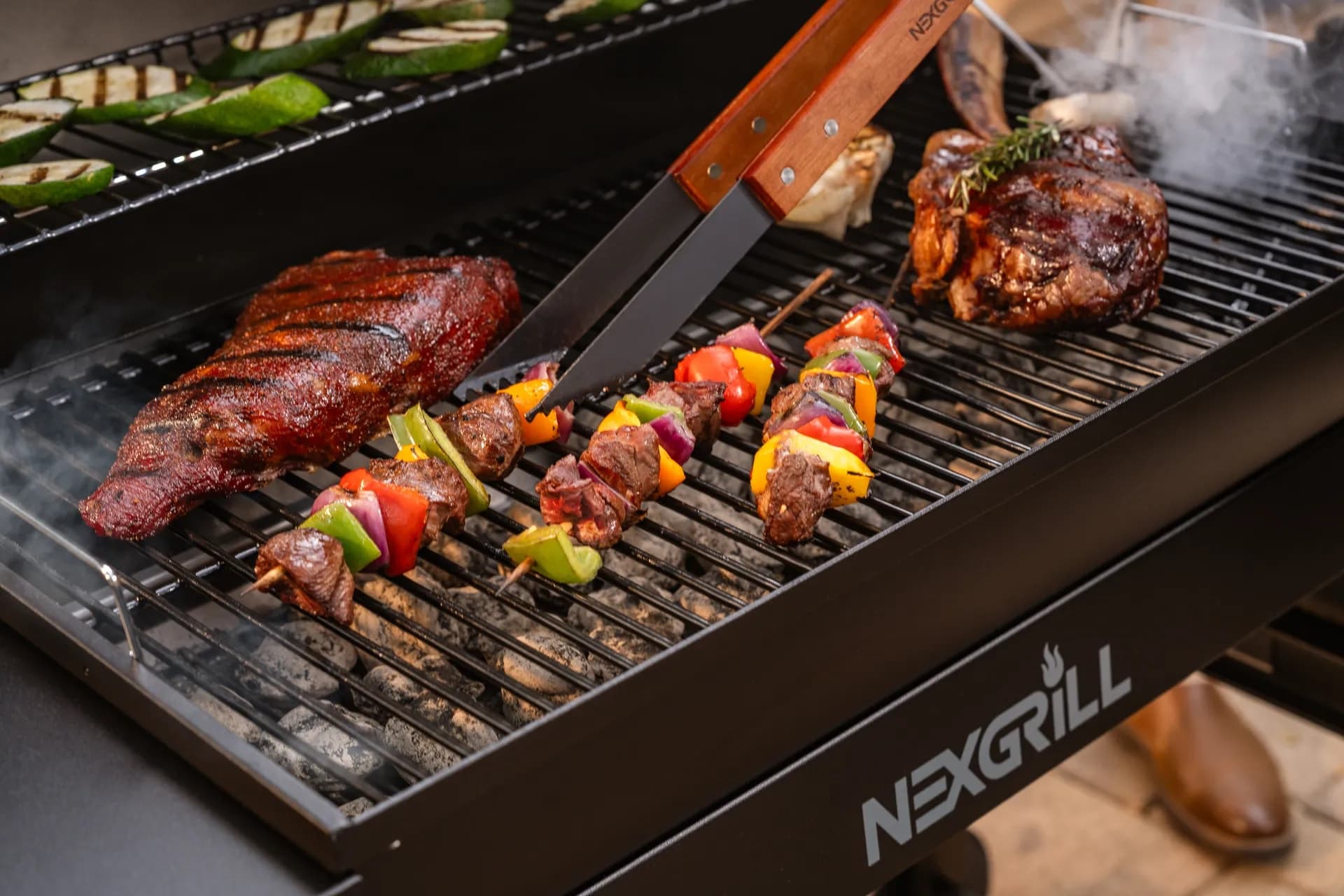
Step-by-step grilling recipes, cooking techniques, and meal ideas for every occasion and skill level.

Backyard entertaining ideas, seasonal grilling inspiration, and stories that celebrate outdoor cooking culture.
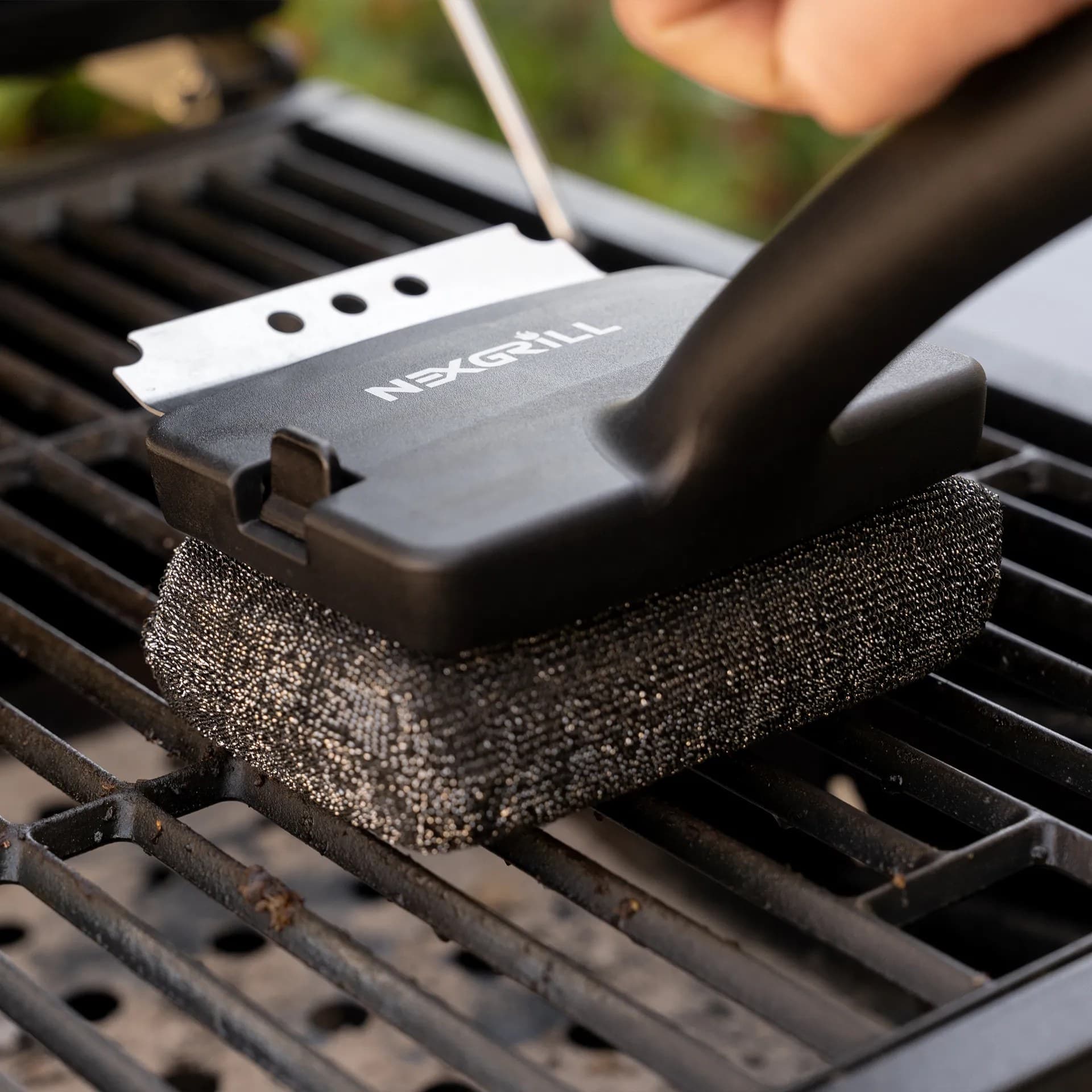
Helpful articles covering grilling tools, cookware, maintenance gear, and must-have accessories for outdoor cooking.
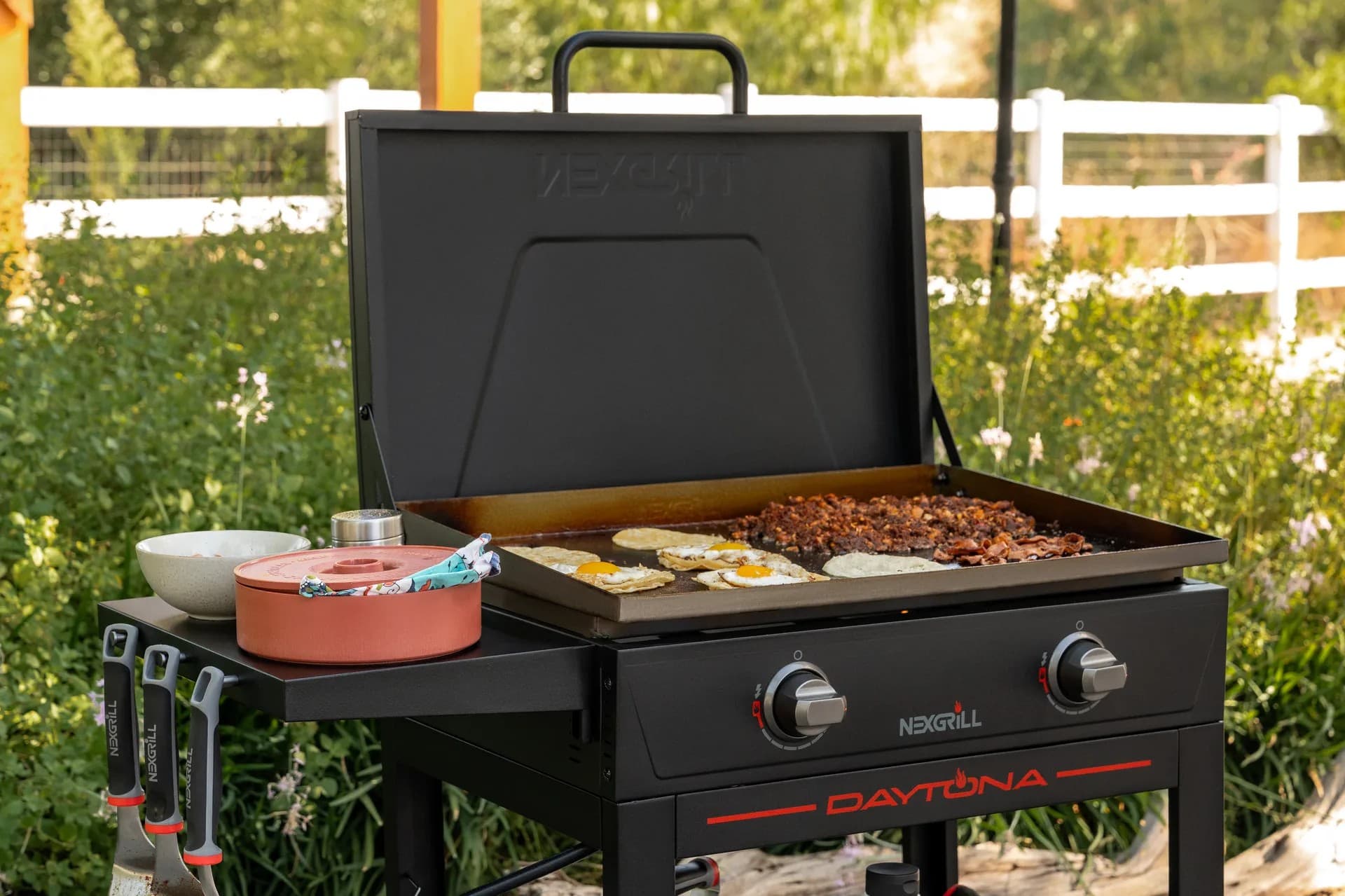
Find griddle recipes, cooking techniques, cleaning tips, and outdoor meal ideas designed for Nexgrill griddles.
Find answers to common questions
Gas grills provide instant heat and precise temperature control, making them easier to use. Charcoal grills offer a smoky flavor and high heat for searing but require more time to heat up and manage.
Pellet grills combine the convenience of gas with the flavor of wood, allowing for smoking, baking, and grilling. Traditional gas grills, however, are quicker to start and often easier to clean.
Charcoal grills typically reach higher temperatures quicker than gas grills, making them better for searing meat. However, high-quality gas grills can also provide adequate heat for effective searing.
Nexgrill offers models designed specifically for gas, charcoal, and pellets, allowing users to choose based on their cooking style and flavor preferences. Each type is built to optimize the characteristics of its respective fuel.
Choosing between gas and charcoal grills depends on your cooking preferences and lifestyle. If you value convenience and quick cooking, a gas grill may suit you better; if you prefer the taste and experience of traditional grilling, a charcoal grill would be ideal.
In This Article
Regular Cleaning
Firmware Updates
Component Inspection
A smart grill is more than a heat source with a thermometer attached. It is a connected appliance that combines burners, probes, ignition systems, airflow controls, sensors, app connectivity, and often firmware that can change how the grill behaves over time. That makes maintenance slightly different from a traditional gas grill. If you want dependable temperature readings, fewer mid-cook surprises, and a grill that starts cleanly when you need it, maintenance has to cover both the physical hardware and the software layer.
For Nexgrill owners, the smartest approach is to treat maintenance as a routine, not a rescue mission. After a long weekend cookout or a week of frequent use, the grill can accumulate grease in places you do not see from the cooking grate. Meanwhile, the control panel, probes, and connectivity features may need attention even if the burners still light normally. The goal is simple: keep the grill responsive, accurate, and safe so it performs consistently whether you are searing burgers for a family dinner or holding steady low heat for a longer cook.
Smart grill maintenance is both cleanup and calibration. A spotless grate helps food taste better, but clean sensors and updated software help the grill behave the way you expect.
Regular maintenance protects three things that smart grill owners care about most: temperature accuracy, cooking consistency, and long-term value. Grease buildup can interfere with ignition, drip trays, airflow paths, and heat distribution. On a connected grill, that buildup can also create misleading temperature readings if probes or sensor ports become coated. In practical terms, a grill that should hold a steady low-and-slow temperature may start running hotter than expected or show slower response when you adjust settings in the app.
Another reason maintenance matters is cost control. Replacing a clogged igniter or damaged probe is usually easier than replacing a neglected control module or burned-out sensor assembly. Even when a component is still working, deferred cleaning can shorten its life. That is especially relevant for families in the United States who grill seasonally but also rely on the grill for weeknight meals, game-day gatherings, and holiday weekends. A few minutes of routine care can prevent a bigger repair later in the year.
of maintenance matter most: cooking surfaces, internal components, and connected controls.
Daily maintenance should be quick enough that you will actually do it. The most effective routine starts while the grill is still warm, not fully cold. Use a grill brush or scraper to remove food residue from the grates, then wipe down any flat surfaces that collected sauce, oil, or marinade. For smart grills with integrated probes or protected sensor areas, check that those parts are free of splatter and are not pinned under foil, drip residue, or stacked tools. Avoid spraying water directly into control housings or display panels.
After the cook, empty visible food scraps from the grease management area if your model allows easy access. That step matters because grease accumulation can attract smoke, cause flare-ups, and make the grill harder to start cleanly next time. If your smart grill uses a phone app for temperature monitoring, confirm that the grill actually powered down correctly before you walk away. A quick habit of checking the display, shutdown prompt, or app status helps reduce accidental battery drain and makes the next cook easier to start.
Best daily habit: clean while warm, not blazing hot. Residue comes off more easily, and you are less likely to scrub too aggressively.
Weekly maintenance is where smart grill owners can stay ahead of hidden problems. Once a week, remove grates and inspect the burner area, heat tents, drip tray, and ignition zone. Look for grease buildup, clogged openings, rust spots, or debris that could alter airflow. If your smart grill has detachable temperature probes, wipe them gently with a soft cloth and check the cable jacket for cuts, kinks, or heat damage. A damaged probe cable can create inaccurate readings even when the display looks normal.
This is also a good time to review the app connection. Make sure Bluetooth or Wi-Fi features are pairing properly, the grill is visible to your device, and alerts are still being received. If the app has pushed an update, verify that your firmware and app version are compatible. Smart grill owners often overlook this because the grill still heats, but software issues can show up as dropped notifications, inaccurate remote temperature data, or delayed controls. Use the weekly check to catch those problems before a cookout.
A monthly cleaning session should be more thorough and more methodical than your weekly routine. Remove and wash grates according to the grill’s care instructions, then clean flavorizer bars, heat diffusers, and the inside lid if grease has built up there. Inspect the igniter for corrosion or weak sparking, and make sure the battery compartment, if present, is dry and free of residue. For smart grills with built-in controllers, inspect vents and seams around the panel so heat, grease, and moisture have not worked their way into vulnerable areas.
This is also the right time to review the grill’s performance history. If you notice that one burner takes longer to ignite, one zone runs hotter, or the app temperature seems to lag behind actual food behavior, document it. That record helps you distinguish between a temporary issue and a component that may need replacement. If your smart grill uses removable probes, compare readings with a trusted instant-read thermometer during a test run. Small temperature differences are normal, but consistent drift is worth attention.
Seasonal maintenance becomes especially important in the United States because grill usage often rises sharply in spring and summer and then slows down in colder months. Before the busiest grilling season starts, perform a full inspection: check propane connections or gas supply lines, confirm the ignition sequence works, inspect burners for rust or blockages, and test every smart feature you rely on. If your grill has been stored under a cover through winter, make sure moisture has not settled in hidden corners.
At the end of the season, deep clean the grill before long-term storage. Remove grease, protect clean metal surfaces, and store probes or accessories indoors if recommended by the manufacturer. If the grill will sit unused for several months, disconnect propane according to the manufacturer’s instructions and keep the unit covered in a dry location. A proper seasonal reset reduces corrosion and gives you a fresh starting point when grilling season returns.
Most smart grill problems fall into a few predictable categories. If the grill will not light, start with the basics: fuel supply, burner cleanliness, igniter condition, and whether grease or debris is blocking the ignition path. If the grill lights but the temperature readings look wrong, check probe placement, probe cleanliness, and whether the grill lid was opened frequently during the test. If the app disconnects, restart the grill’s control system, confirm your phone’s network settings, and check whether a firmware update is pending.
When troubleshooting, keep safety first. If you smell gas, stop immediately and follow the grill’s safety instructions before attempting another ignition. If the control panel is unresponsive after cleaning, let the unit dry fully before powering it back on. Moisture is a common cause of temporary electronic glitches. For recurring issues, do not keep cycling power indefinitely; inspect the relevant component or contact support with a clear list of symptoms, when they started, and what maintenance you performed most recently.
Smart grill maintenance works best when you divide it into small, repeatable habits. Daily wipe-downs, weekly inspections, monthly deep cleaning, and seasonal resets keep both the cooking system and the connected features working the way they should. That approach protects temperature accuracy, reduces surprise breakdowns, and gives you more consistent results from one cook to the next.
If you want your smart grill to stay reliable, think beyond the grate. Clean the grease path, inspect the probes, verify the software, and pay attention to the signs your grill gives you during use. Try comparing two products side by side below to see which fits best:
Once you have the basics under control, advanced maintenance is about precision. A smart grill may look fine from the outside, but performance problems often begin with small changes in sensor response, burner output, airflow, or app connectivity. The best advanced routine is to treat your grill like a connected cooking system: test, compare, document, and then correct. That means paying attention to how fast the grill reaches target temperature, whether the temperature stabilizes evenly across zones, and whether the app reading matches what food and grate behavior suggest.
Start by running a controlled heat test. Preheat the grill to a common cooking range, then note how long it takes to settle and whether the lid thermometer and probe readings agree. If you own a Nexgrill smart grill with multiple burners, check each zone independently. A single weak burner can create uneven heat patterns that are easy to blame on “weather” or “the app,” when the real issue is a dirty burner port or airflow restriction. You can also inspect the underside of the lid and firebox for grease buildup that may be redirecting heat toward the sensor path.
Advanced tip: when a smart grill seems inconsistent, compare hardware first. Apps report what the sensors tell them, so bad data usually starts at the grill.
If your grill supports multiple probes, rotate them between known locations during a test cook. That helps you identify whether the issue follows the probe or stays with a specific port or channel. Documenting these tests in a simple note on your phone is surprisingly useful. Over time, you build a baseline for how your grill behaves in warm weather, cool mornings, wind, and high-humidity days. In the United States, that matters because a patio grill in Arizona, Florida, or the Midwest can behave differently depending on ambient temperature and wind exposure.
| Advanced check | What to inspect | Why it matters |
|---|---|---|
| Heat stability test | Preheat and hold one target temperature | Reveals weak burners, airflow issues, or sensor drift |
| Probe swap test | Move probes between ports | Helps isolate a bad probe versus a bad port |
| Network check | Reconnect app and grill controller | Confirms remote monitoring is sending live data |
Upgrading does not always mean buying a new grill. In many cases, the smartest upgrade is replacing worn parts or adding accessories that improve how the grill is used. A new set of probes can restore confidence in temperature monitoring. A better cover can protect electronics from moisture and dust. A fresh ignition battery or replacement igniter can make startup more consistent. For owners who cook often, these practical upgrades deliver more value than chasing a newer model that still needs basic upkeep.
If your smart grill ecosystem supports it, update firmware and the companion app whenever improvements are released. Firmware updates may refine temperature reporting, improve pairing behavior, or fix bugs that affect alerts. Before updating, make sure the grill is powered correctly and that your phone battery is not near empty. After updating, perform a short test preheat to confirm the controls still behave as expected. If the grill has optional racks, rotisserie equipment, or temperature probe kits, evaluate whether they actually match your cooking style. An accessory earns its place if it makes you more likely to use the grill correctly and often, not just because it adds features.
Smart upgrade rule: replace the part that limits confidence first. For most owners, that is the probe, igniter, or cover before anything cosmetic.
When deciding whether to upgrade accessories or the grill itself, compare the age of the unit, the cost of the needed parts, and the frequency of problems. If the grill is relatively new and the issue is isolated, parts replacement is usually the better choice. If several systems are failing at once, the economics may favor a new grill. That decision is easiest when you have a maintenance log showing what has been cleaned, replaced, and tested over time.
The longest-lasting smart grills usually have one thing in common: they are protected from the environment as much as possible. Heat, rain, salt air, dust, and repeated thermal cycles all wear down components. If your grill lives on an uncovered patio, use a fitted cover whenever it is not in use and keep the area around it clear so airflow is not blocked. If you live in a coastal area, clean exterior metal surfaces more often because salt exposure accelerates corrosion. In colder climates, make sure moisture is not trapped in burner tubes or control compartments before storage.
Another lifespan strategy is to avoid overworking the grill. Let it preheat properly, use the right zones for the right foods, and avoid forcing the grill to recover from extreme temperature swings by repeatedly opening the lid. Smart features help here because they allow you to monitor without constantly lifting the lid, which preserves heat and reduces unnecessary strain on the system. When you do need to clean, use non-abrasive methods that preserve coatings, gaskets, and display surfaces. Harsh scrubbing may make the grill look clean today, but it can shorten the life of protective finishes.
A practical way to think about lifespan is in terms of usage patterns. A grill used twice a month has different needs than one used three or four times a week for dinner prep. The more frequently you cook, the more often you should inspect grease pathways, probe tips, and burner ports. That is especially true for households that use the grill for more than standard barbecue fare, such as flat-top breakfasts, vegetables, seafood, and meal prep. Diverse cooking styles create different residue profiles, so the maintenance routine should adapt accordingly.
Accessories deserve their own maintenance routine because they often carry the most neglected residue. Temperature probes should be wiped after every use, allowed to cool fully, and stored without sharp bends in the cable. Grease cups, drip trays, scraper tools, grates, and warming racks should be cleaned before residue hardens. If you use a rotisserie, inspect the motor mount, spit rod, and forks for food buildup and make sure moving parts are not binding. For griddle attachments or extra cooking surfaces, remove seasoning buildup according to the material so you do not damage the finish.
Accessories that connect to the grill’s smart system should be tested just like the grill itself. If the app uses probe naming or separate channels, label them clearly so you know which sensor belongs to which piece of meat or which zone. That small organizational step reduces mistakes during busy cooks when you are balancing ribs, chicken, and vegetables at once. Store accessories in a dry container if they are not used frequently. Moisture and dust are a common reason probe tips and connectors fail earlier than expected.
Safety should guide every maintenance task. Turn the grill off, disconnect power where applicable, and allow all surfaces to cool before taking apart components. If your grill uses gas, shut off the supply before deep cleaning burner areas or moving internal parts. Do not use water on electrical controls, displays, or exposed wiring. Instead, use a damp cloth on approved surfaces and keep liquid away from ports and connectors. If you smell gas, stop immediately and follow the manufacturer’s safety steps before continuing any maintenance.
Wear gloves when handling greasy parts, sharp metal edges, or warm components. Keep cleaning supplies simple and compatible with outdoor cooking equipment; abrasive pads can scratch coated surfaces and make future cleaning harder. After cleaning, inspect that everything is fully dry before reassembly. Moisture left inside a control area can create short-term glitches or long-term corrosion. For smart grills that connect to an app, it is also wise to verify that no maintenance step affected the device pairing before you start cooking again.
Warning: never test ignition or reconnect gas while the grill is still wet or while cleaning residue remains near electrical components.
The best smart grill maintenance plan is one that matches how you actually cook. If you grill often, your routine should be short, repeatable, and focused on the parts that affect accuracy and safety first. If you grill seasonally, your routine should emphasize storage, corrosion prevention, and a full system check before the next busy cooking stretch. In both cases, the right maintenance approach protects the technology you paid for and the food quality you expect from the grill.
For most owners, the winning formula is straightforward: keep the cooking surfaces clean, inspect components on a schedule, update the software when needed, and treat accessories as part of the system rather than afterthoughts. That mindset reduces frustration, helps the grill last longer, and makes each cook feel more predictable. If you want to go one step further, keep a simple maintenance log with dates, replacement parts, and any firmware updates. Over time, that record becomes the fastest way to spot patterns and prevent repeat issues.
Here's what sets us apart
We position ourselves as delivering high-end outdoor cooking features and performance without premium-brand pricing, emphasizing “Quality Grills. Unbelievable Value.”
We offer gas grills, pellet grills, griddles, smokers, pizza ovens, portable/tabletop grills, electric grills, accessories, and replacement parts — allowing customers to stay within one ecosystem for all outdoor cooking needs.
We differentiate ourselves through smart grilling products like the Oakford smart pellet grill, including app-connected cooking controls and modern outdoor cooking technology.
Don't just take our word for it
Keep reading
From our catalog