A comprehensive guide to selecting a safe and efficient grill for compact outdoor spaces.

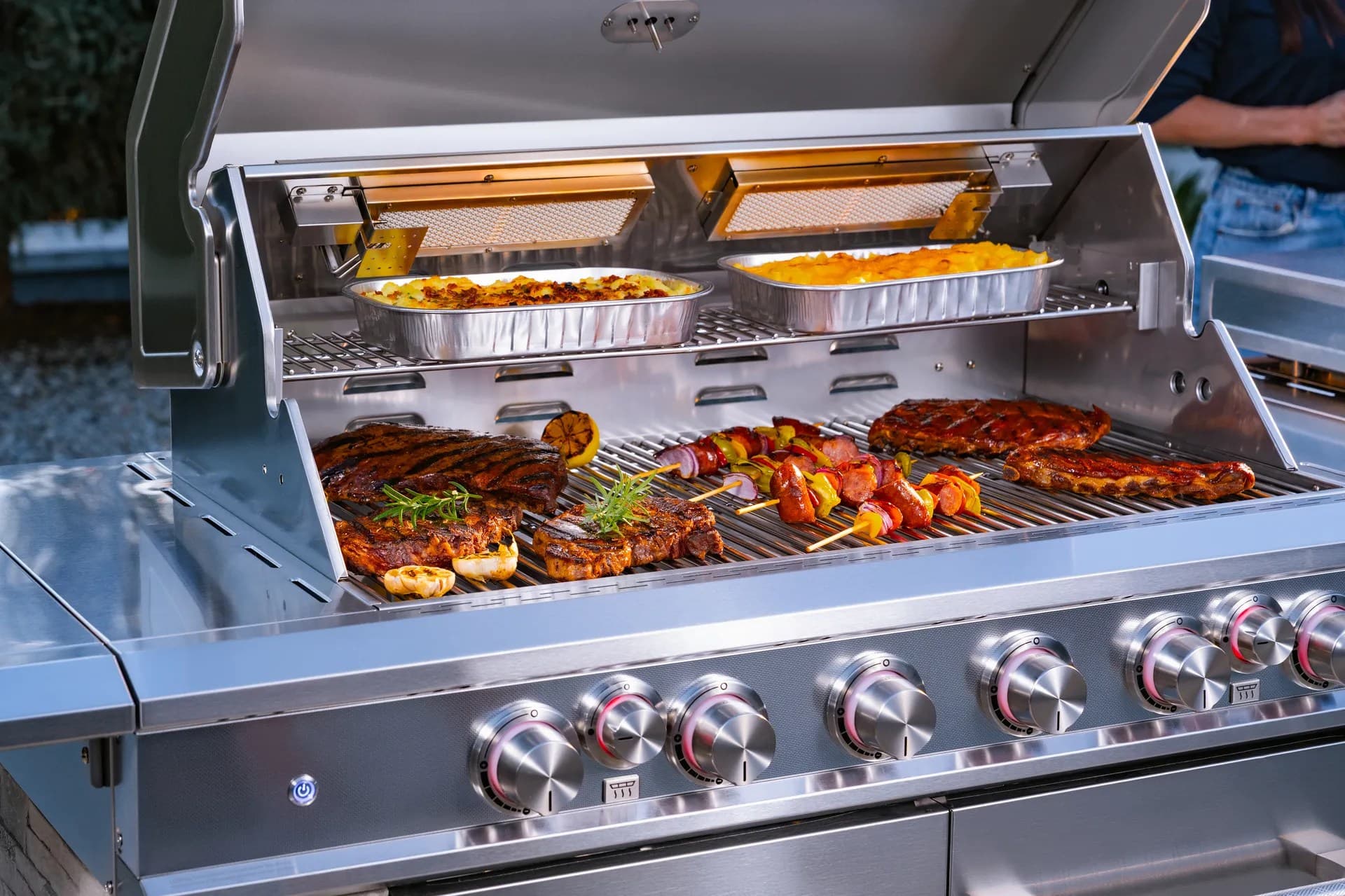
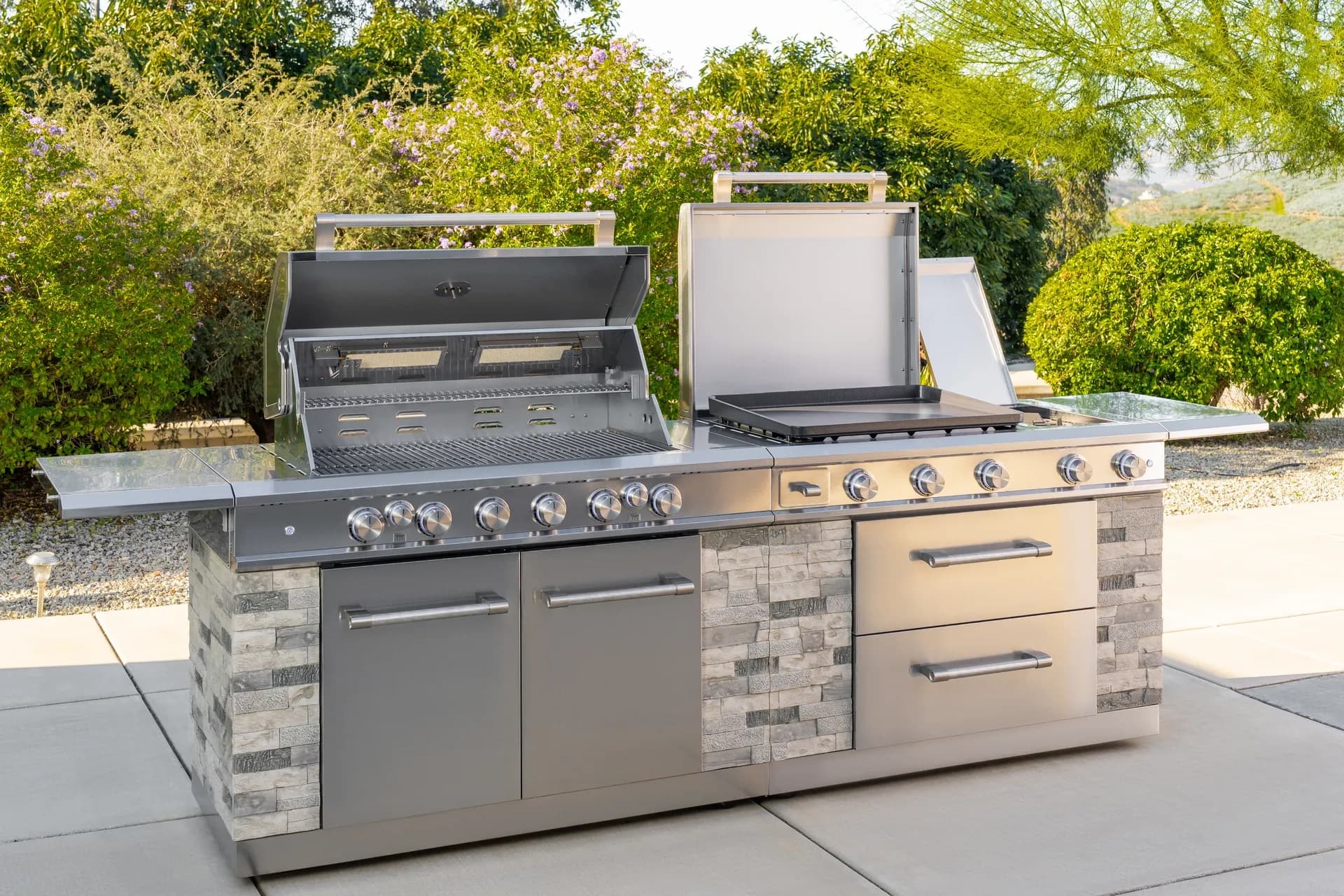
From sizzling breakfasts to smash burgers and teppanyaki-style dinners, the Daytona Pro 5 Burner NitroGuard™ Griddle delivers powerful heat, fast cooking, and a durable cooking surface built for every backyard cookout. Watch how easy outdoor cooking can be.
Here's what sets us apart from the competition
We position ourselves as delivering high-end outdoor cooking features and performance without premium-brand pricing, emphasizing “Quality Grills. Unbelievable Value.”
We offer gas grills, pellet grills, griddles, smokers, pizza ovens, portable/tabletop grills, electric grills, accessories, and replacement parts — allowing customers to stay within one ecosystem for all outdoor cooking needs.
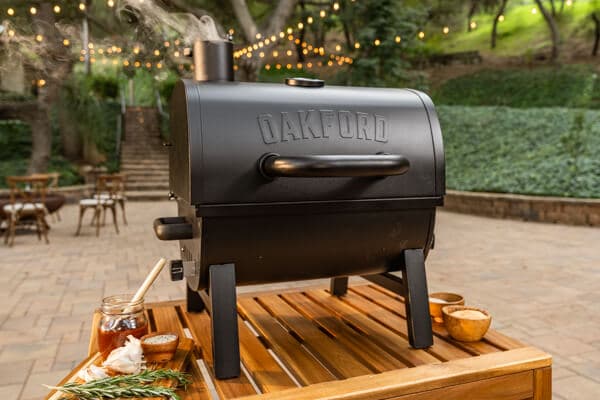
We differentiate ourselves through smart grilling products like the Oakford smart pellet grill, including app-connected cooking controls and modern outdoor cooking technology.
Expert tips, buying guides, comparisons, and inspiration for choosing and getting the most out of your grill.
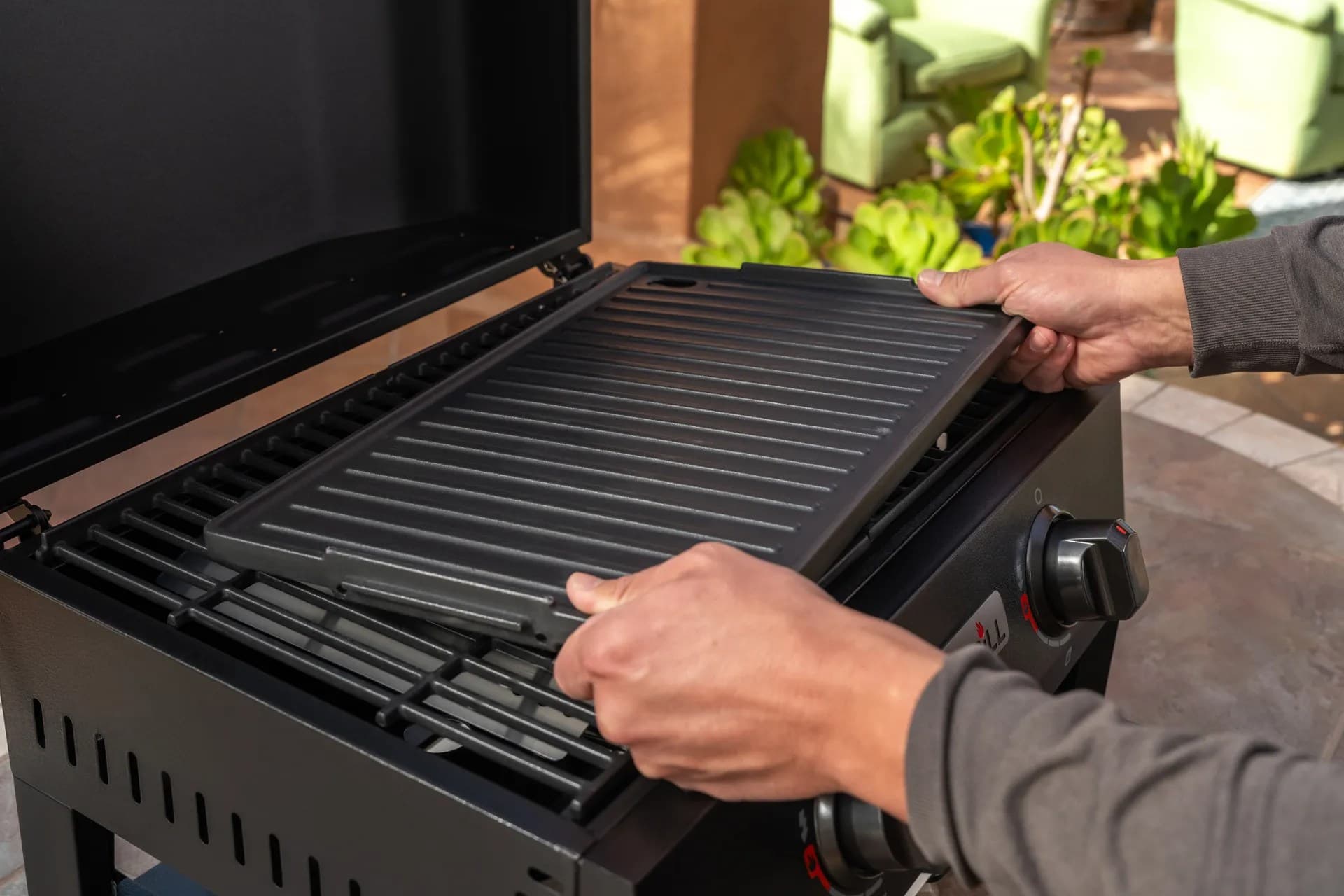
Practical guides for cleaning, maintenance, common grill issues, and performance optimization.
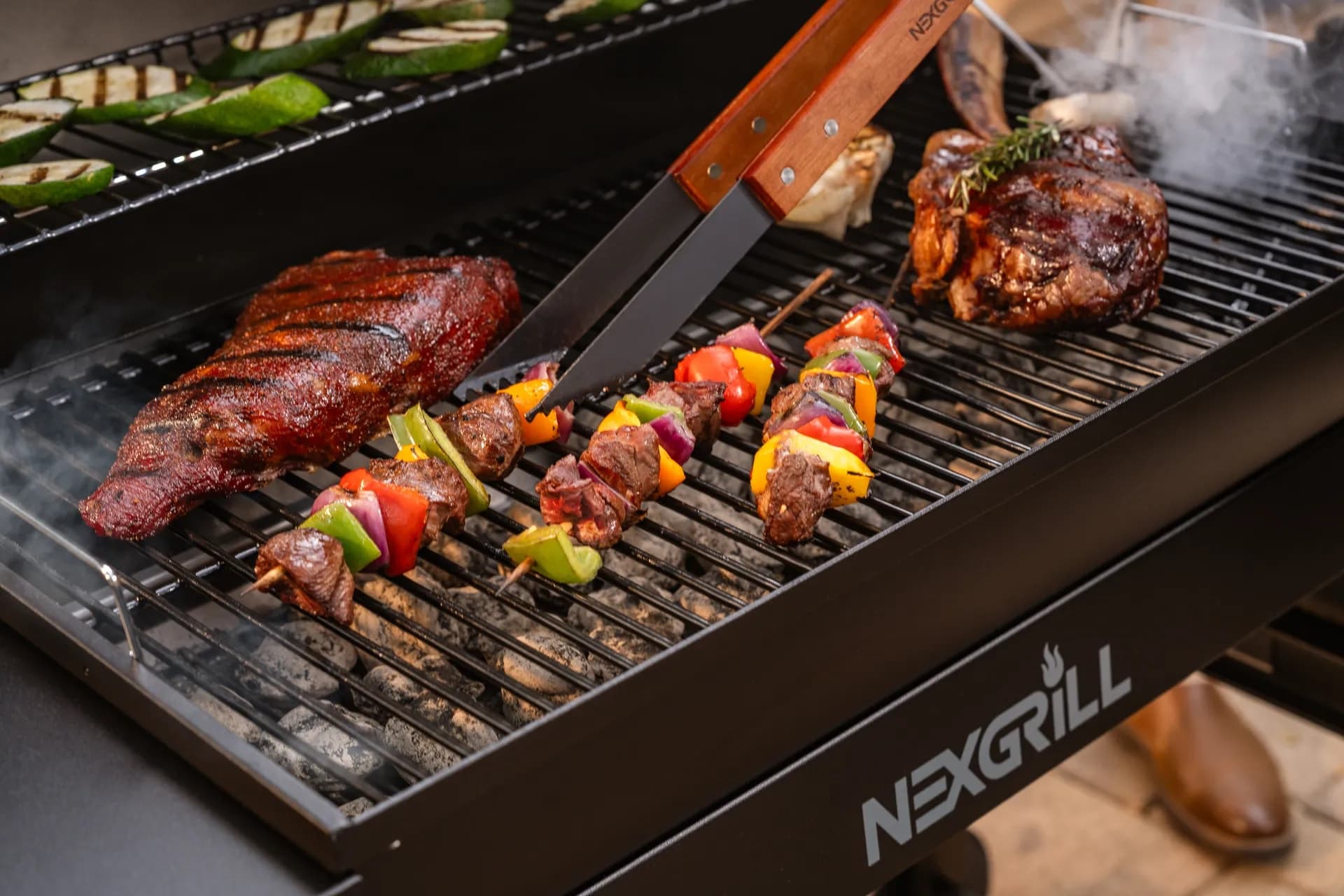
Step-by-step grilling recipes, cooking techniques, and meal ideas for every occasion and skill level.

Backyard entertaining ideas, seasonal grilling inspiration, and stories that celebrate outdoor cooking culture.
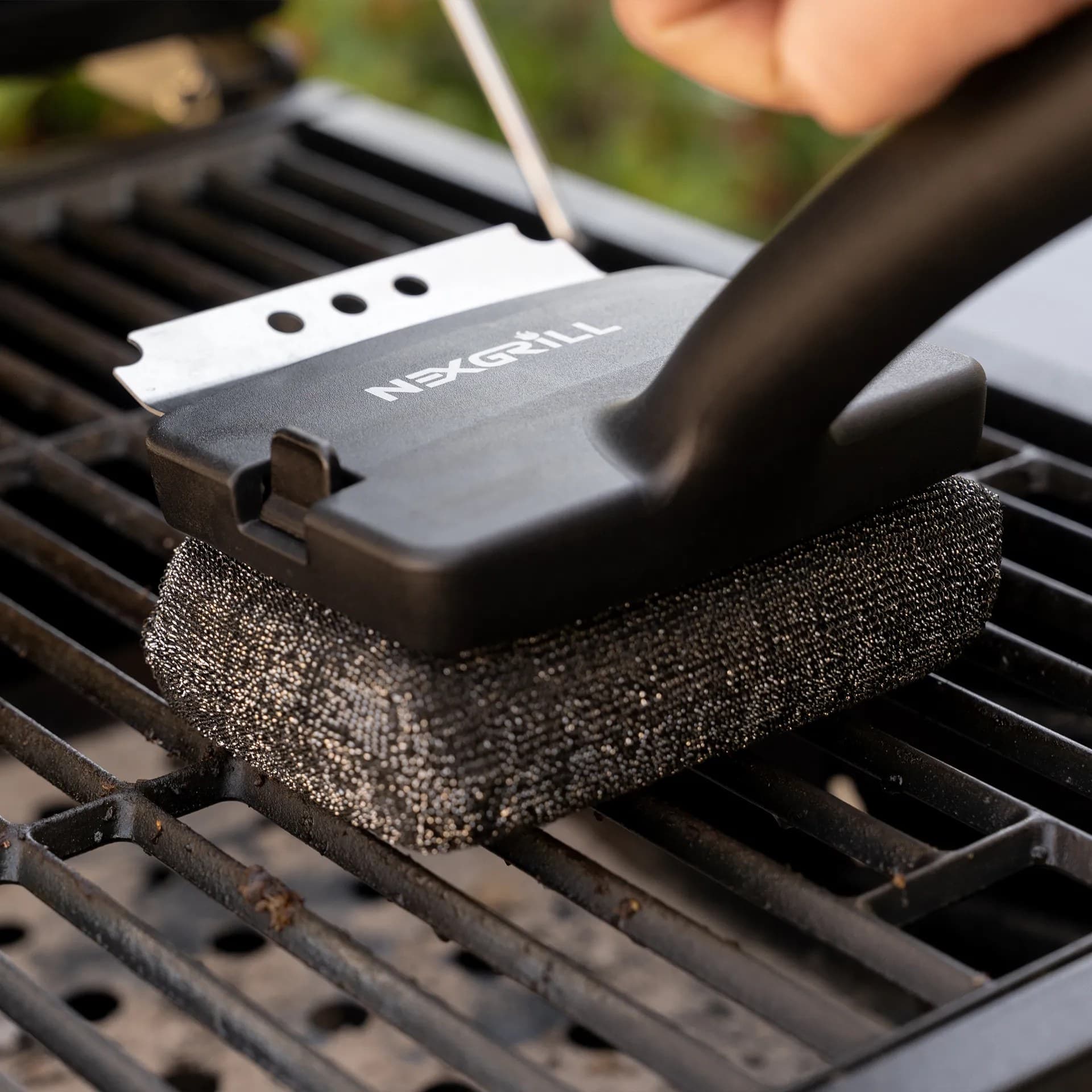
Helpful articles covering grilling tools, cookware, maintenance gear, and must-have accessories for outdoor cooking.
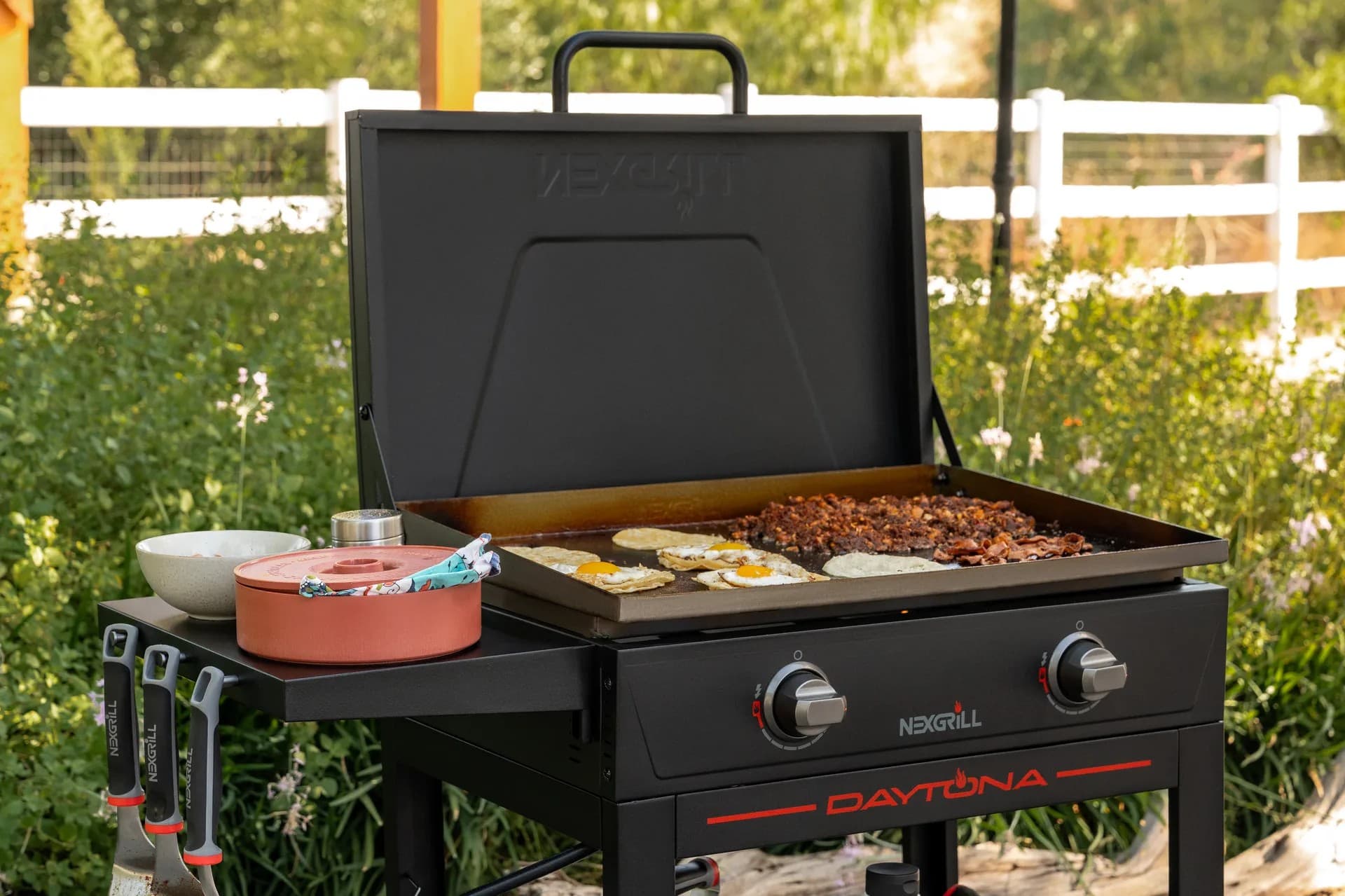
Find griddle recipes, cooking techniques, cleaning tips, and outdoor meal ideas designed for Nexgrill griddles.
Find answers to common questions
Gas grills provide instant heat and precise temperature control, making them easier to use. Charcoal grills offer a smoky flavor and high heat for searing but require more time to heat up and manage.
Pellet grills combine the convenience of gas with the flavor of wood, allowing for smoking, baking, and grilling. Traditional gas grills, however, are quicker to start and often easier to clean.
Charcoal grills typically reach higher temperatures quicker than gas grills, making them better for searing meat. However, high-quality gas grills can also provide adequate heat for effective searing.
Nexgrill offers models designed specifically for gas, charcoal, and pellets, allowing users to choose based on their cooking style and flavor preferences. Each type is built to optimize the characteristics of its respective fuel.
Choosing between gas and charcoal grills depends on your cooking preferences and lifestyle. If you value convenience and quick cooking, a gas grill may suit you better; if you prefer the taste and experience of traditional grilling, a charcoal grill would be ideal.
In This Article
Electric Grills
Gas Grills
Charcoal Grills
Choosing a small tabletop grill for a balcony is less about finding the fanciest model and more about finding the one that fits a very specific set of realities: limited square footage, close neighbors, building rules, and the need to cook without creating unnecessary smoke, heat, or clutter. A balcony grill has to be compact enough to move easily, stable enough to sit safely on a tight surface, and practical enough to use often rather than only on special occasions. For many apartment dwellers, that makes electric tabletop grills the most realistic starting point, while gas and charcoal options require a much closer look at safety rules and property restrictions before they ever make it to the cart.
The right choice also depends on how you cook. If you want quick weeknight meals, an electric unit with precise temperature control can be easier to live with than a fuel-based grill. If flavor and higher searing heat matter more, a compact gas model may be appealing where it is allowed. Charcoal can deliver classic grilled flavor, but on balconies it is often the least practical option because of smoke, ash, and fire-code concerns. Nexgrill’s broader outdoor cooking philosophy values approachable, reliable equipment that works for real households and real spaces, which is exactly the mindset balcony shoppers need when evaluating small grills for everyday use rather than backyard fantasy setups.
Balcony grilling is a space-and-rule problem first, and a cooking problem second. The best grill is the one your building allows and you can use confidently.
Choose the safest fuel type before comparing features.
Before you compare burners, finishes, or side shelves, confirm what your city, building, or homeowners association actually allows. Balcony grilling rules are not one-size-fits-all. In some properties, only electric grills are permitted because they do not involve open flame, combustible fuel cylinders, or glowing charcoal. In others, propane may be allowed on certain balconies if the building has enough clearance and the local fire code permits it. In many multi-unit buildings, charcoal is restricted outright because of smoke and ember risk. That means a grill can look perfect on paper and still be the wrong purchase if it does not comply with the place you live.
The safest habit is to read three layers of guidance in this order: your lease or condo rules, your building’s fire-safety policy, and your local municipal or fire department guidance. Do not assume that a small footprint automatically makes a grill acceptable. Even compact models can create heat buildup on a balcony, and balconies often have railings, overhead structures, and neighboring units that increase the risk of smoke nuisance or accidental contact with flammable surfaces. If the grill uses propane, keep in mind that a fuel cylinder may have its own storage and transport rules. If the grill is electric, the main concerns shift toward extension-cord safety, outlet capacity, and keeping the unit stable on a level surface.
Nexgrill’s own brand voice emphasizes inclusion, practicality, and dependable use across different living situations, which fits the apartment-grilling mindset well: the point is to make outdoor cooking accessible without ignoring reality. In practice, that means treating compliance as part of the buying process, not an afterthought.
If your building has any doubt about open flame, skip charcoal first, then verify whether propane is allowed. Electric is usually the simplest path for shared living spaces.
| Grill type | Typical balcony fit | Main concern | Best use case |
|---|---|---|---|
| Electric | Usually best | Power access and cord safety | Apartments and low-smoke cooking |
| Gas | Sometimes allowed | Fuel cylinder rules and open flame | Faster preheat and stronger searing |
| Charcoal | Often restricted | Smoke, ash, and ember risk | Traditional flavor where permitted |
When a balcony grill has to stay small, the best models usually fall into three practical categories: compact electric grills, small gas tabletop grills, and tiny charcoal units for places where they are explicitly allowed. The most balcony-friendly option is typically an electric tabletop grill because it trades fuel complexity for convenience. A good electric unit should heat evenly, fit on a narrow surface, and offer a control range that lets you cook vegetables, chicken, fish, and burgers without constant guesswork. Look for removable plates or trays if you want easier cleanup, because a balcony grill that is annoying to clean tends to get used less often.
For shoppers comparing small models, weight matters more than many people think. A tabletop grill that seems “portable” but tips easily on a narrow balcony rail table is not a good buy. The most useful models have a wide base, heat-resistant handles, and a shape that keeps hot surfaces away from edges. In real apartment life, a grill often gets moved between storage, the balcony, and an indoor sink for cleaning. That means low-to-moderate weight and simple disassembly are practical advantages, not luxury features.
A compact gas grill may be a better match for people who want quicker heat-up times and more traditional grilling behavior. If allowed by the building, a small propane tabletop grill can be appealing for steaks and quick searing, but the trade-off is managing the propane bottle safely and making sure the flame is never used in a restricted enclosure. Charcoal grills can be the least balcony-friendly despite their appeal, because they produce ash and smoke and generally demand more ventilation than apartment rules are comfortable with. The most important point is not which type sounds best in theory; it is which type fits the exact way your building expects residents to cook outdoors.
If you want the simplest path to balcony grilling, start with electric. If you want the strongest flame-style cooking, verify gas permissions before you buy.
Balcony grilling succeeds when the setup is boringly safe. Keep the grill away from railings, overhangs, hanging planters, curtains, and anything that can absorb grease or heat. Use a stable, non-slip table or stand, and avoid placing the unit on a wobbly folding surface. If you are using electric power, plug directly into a properly rated outlet whenever possible and avoid overstretched cords that can become trip hazards. If your model uses propane, store the cylinder only where your building and local rules allow, and inspect the connection before each use. If charcoal is permitted, never light it where ashes can drift to neighboring spaces.
Maintenance is just as important as the grill choice. Small grills fill up with grease quickly because their surfaces are compact and heat concentrates in a tight area. Empty drip trays after each cook, brush the grates while they are still warm, and wipe external surfaces before residue hardens. On balconies, weather exposure is another real issue: wind-driven dust, rain, and sun can age a compact grill faster than a patio unit. A fitted cover helps, but only after the grill has fully cooled. For electric units, check the cord and plug regularly for wear. For gas, inspect burners and ignition components. For charcoal, clear ash only when it is fully cold and disposed of according to your building’s waste rules.
The safest balcony owners build a routine: inspect, cook, clean, cool, cover. That simple cycle keeps a small tabletop grill usable for longer and lowers the chance of a nuisance complaint from smoke or smell. And because balcony grilling is often repeated week after week rather than used once in a while, easy cleanup should count as a major buying factor, not a minor convenience.
Inspect, cook, clean, cool, cover.
Try comparing two products side by side below to see which fits best:
Once you have compared two grills, the next question is how they actually behave in real apartment life. User experiences with small tabletop balcony grills tend to cluster around the same themes: how easy they are to store, whether they heat quickly enough for a weeknight dinner, how much smoke they create, and whether cleanup feels manageable in a small sink or utility area. The most positive reviews usually come from people who chose a grill that matched their building rules from the start. Those users often mention that the grill feels “simple” in the best sense of the word: easy to set up, easy to operate, and easy to clean without turning a balcony into a project.
Electric grill owners often praise predictable heat and lower hassle. In apartment settings, that matters because balcony cooking is usually about convenience rather than spectacle. People want something that gets hot enough for vegetables, sandwiches, chicken breasts, or a couple of burgers without creating clouds of smoke. Reviewers who use compact electric grills often note that the biggest benefits are control and consistency, while the biggest trade-off is that you give up the open-flame character many cooks associate with “real grilling.” That is not necessarily a downside if your top priorities are compliance and ease of use. That is not necessarily a downside if your top priorities are compliance and ease of use.
Gas grill users tend to value faster preheat and more intense searing. Their praise often centers on the feeling that the grill behaves more like a traditional outdoor cooker, which can be satisfying for steaks or skewers. The complaints usually involve fuel handling, storage concerns, or uncertainty over whether the balcony truly qualifies for gas use under building rules. Charcoal users, meanwhile, often love the flavor but mention smoke and cleanup as deal-breakers in tighter settings. That pattern is useful because it shows a simple truth: balcony grilling reviews are usually less about “which grill is best” and more about “which grill caused the fewest compromises in this specific living environment.”
The best review to trust is the one written by someone with a setup similar to yours: apartment, condo, small balcony, and realistic cooking habits.
When balcony space is limited, the decision usually comes down to balancing safety, flavor, and convenience. Electric grills are the easiest to justify because they are compact, relatively simple to use, and generally better suited to smoke-conscious environments. They typically win on convenience, especially for renters. Gas grills sit in the middle: they offer more traditional outdoor cooking performance and faster heat, but they require a more careful look at rules, fuel handling, and storage. Charcoal grills offer the strongest old-school flavor, but they are the hardest to defend on a balcony because smoke, ash, and ember management can become real problems very quickly.
A useful way to compare them is to think in terms of everyday use. If you cook two or three times a week and want something fast, electric may be the best long-term choice. If you cook less often but care more about the feel of live flame and quick searing, a small gas tabletop grill can be attractive if it is allowed. If you only grill occasionally and your building explicitly permits it, charcoal might still make sense, but it is rarely the most practical answer for dense housing. In balcony cooking, the right answer is often the one that creates the fewest frictions with neighbors, rules, and cleanup.
| Type | Strengths | Trade-offs | Balcony suitability |
|---|---|---|---|
| Electric | Low smoke, simple setup, easy storage | Needs power access, less flame-like cooking | Best overall for most balconies |
| Gas | Fast preheat, stronger sear, more control | Fuel handling, possible restrictions | Good only when rules clearly allow it |
| Charcoal | Distinct flavor, traditional grilling experience | Smoke, ash, longer setup and cleanup | Least suitable for most balconies |
A grill that performs beautifully in a backyard can still be the wrong choice on a balcony if it creates too much smoke or violates local policy.
The best small tabletop grill for a balcony is the one that fits your building rules, your cooking style, and your space without creating stress. For many apartment dwellers, that means an electric tabletop grill first, because it is compact, predictable, and usually easier to justify in shared living environments. Gas can be a strong alternative when allowed, especially if you care about faster heat and more familiar outdoor cooking results. Charcoal remains appealing for flavor, but it is often the hardest fit for balcony life.
If you remember only three things, make them these: verify the rules before buying, prioritize stability and easy cleanup, and choose the grill type that you will actually use often. A small balcony can still support great outdoor cooking when the equipment matches the reality of the space. That balance of practicality and performance is what makes a compact grill worth owning in the first place. For more inspiration and product information, explore Nexgrill’s broader approach to approachable outdoor cooking and shared meals.
Here's what sets us apart
We position ourselves as delivering high-end outdoor cooking features and performance without premium-brand pricing, emphasizing “Quality Grills. Unbelievable Value.”
We offer gas grills, pellet grills, griddles, smokers, pizza ovens, portable/tabletop grills, electric grills, accessories, and replacement parts — allowing customers to stay within one ecosystem for all outdoor cooking needs.
We differentiate ourselves through smart grilling products like the Oakford smart pellet grill, including app-connected cooking controls and modern outdoor cooking technology.
Don't just take our word for it
Keep reading
From our catalog