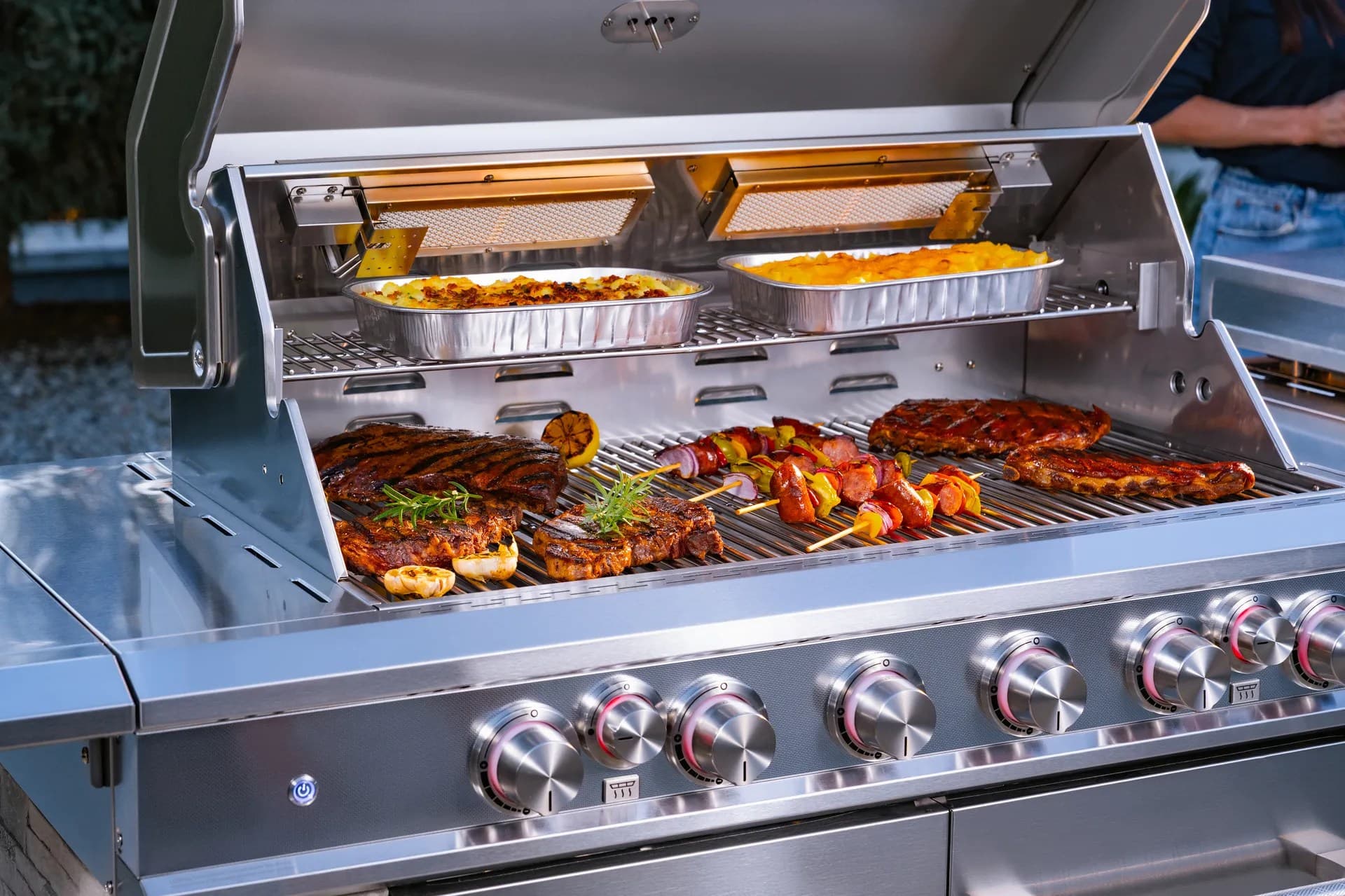
Discover features, comparisons, and tips for the best pizza experience.
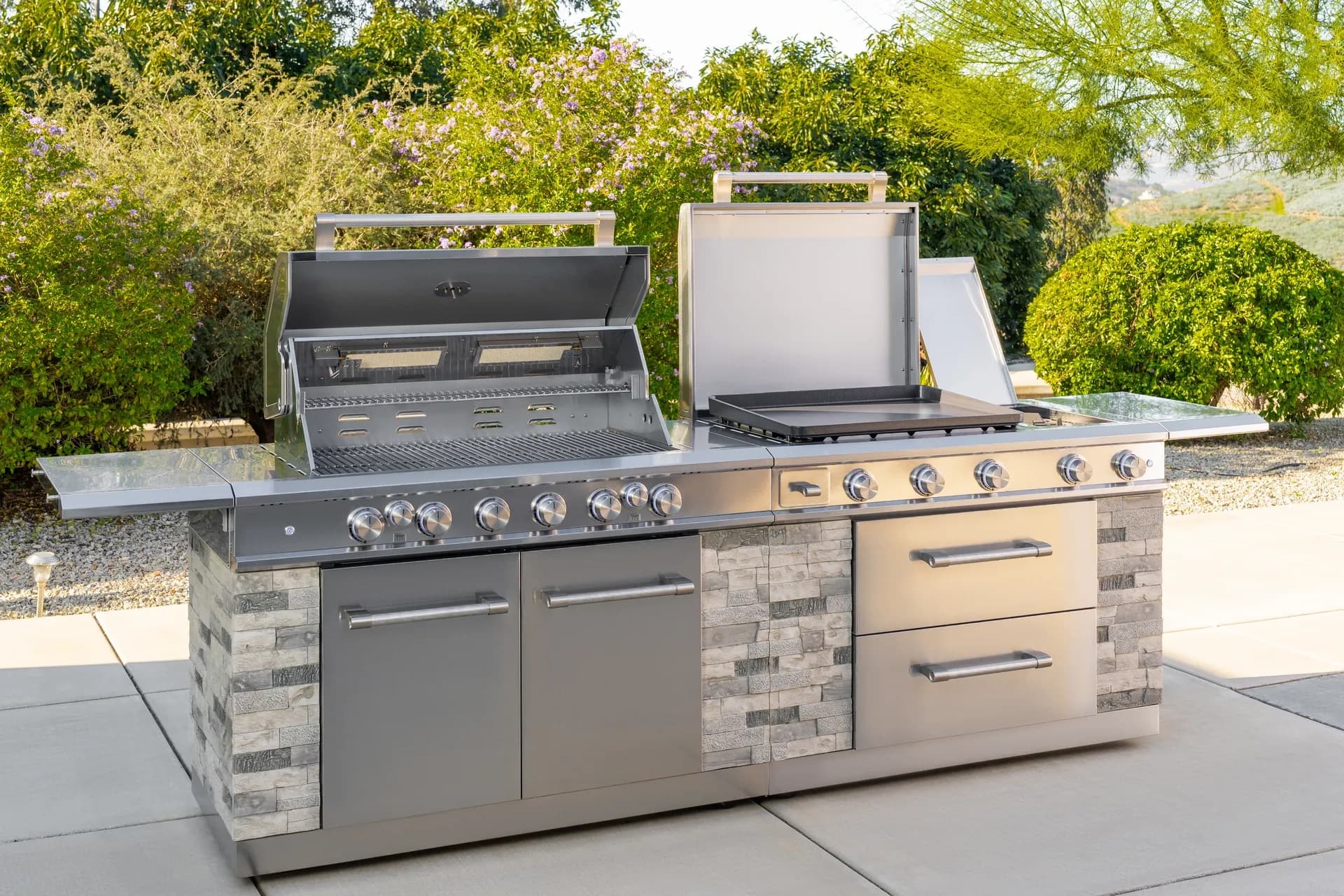
From sizzling breakfasts to smash burgers and teppanyaki-style dinners, the Daytona Pro 5 Burner NitroGuard™ Griddle delivers powerful heat, fast cooking, and a durable cooking surface built for every backyard cookout. Watch how easy outdoor cooking can be.
Here's what sets us apart from the competition
We position ourselves as delivering high-end outdoor cooking features and performance without premium-brand pricing, emphasizing “Quality Grills. Unbelievable Value.”
We offer gas grills, pellet grills, griddles, smokers, pizza ovens, portable/tabletop grills, electric grills, accessories, and replacement parts — allowing customers to stay within one ecosystem for all outdoor cooking needs.
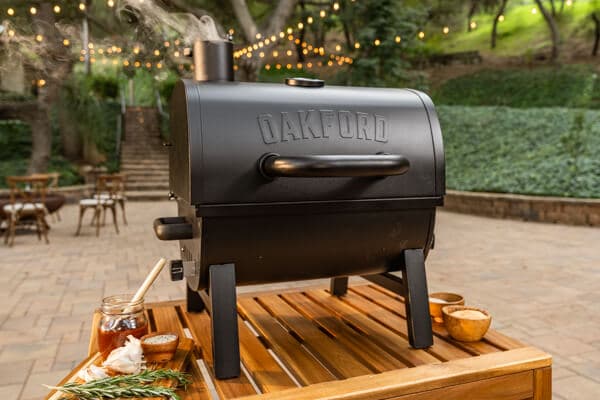
We differentiate ourselves through smart grilling products like the Oakford smart pellet grill, including app-connected cooking controls and modern outdoor cooking technology.
Expert tips, buying guides, comparisons, and inspiration for choosing and getting the most out of your grill.
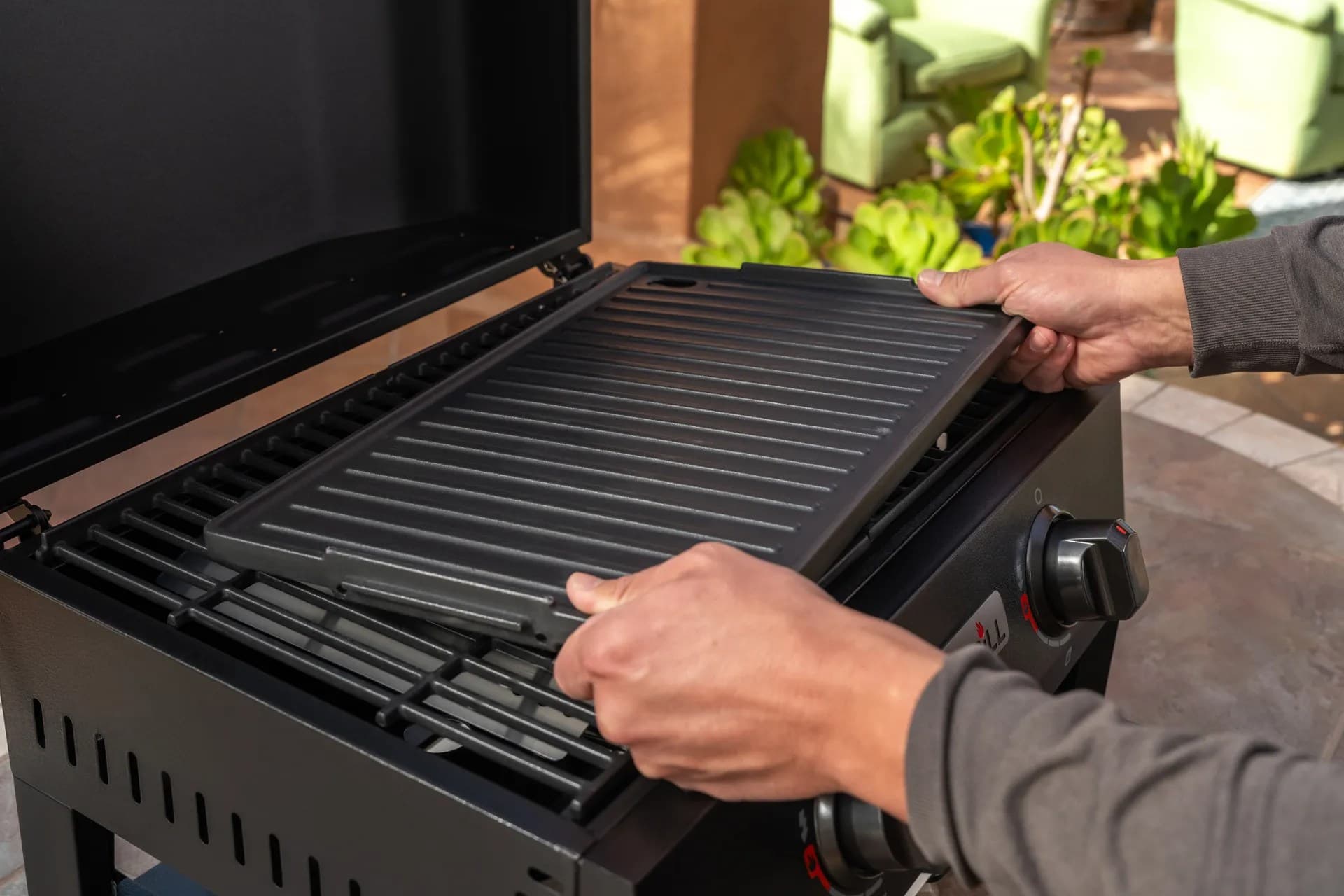
Practical guides for cleaning, maintenance, common grill issues, and performance optimization.
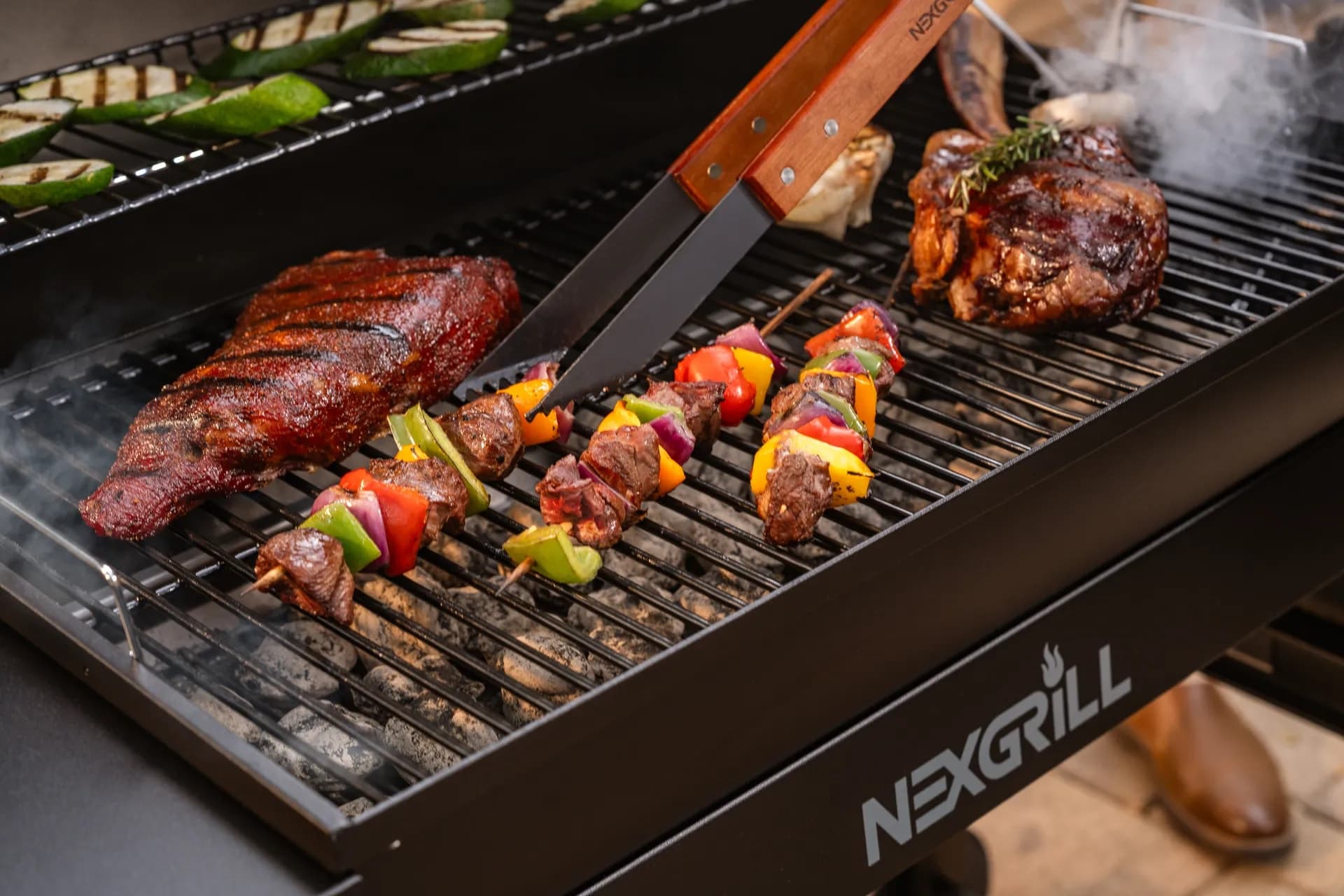
Step-by-step grilling recipes, cooking techniques, and meal ideas for every occasion and skill level.

Backyard entertaining ideas, seasonal grilling inspiration, and stories that celebrate outdoor cooking culture.
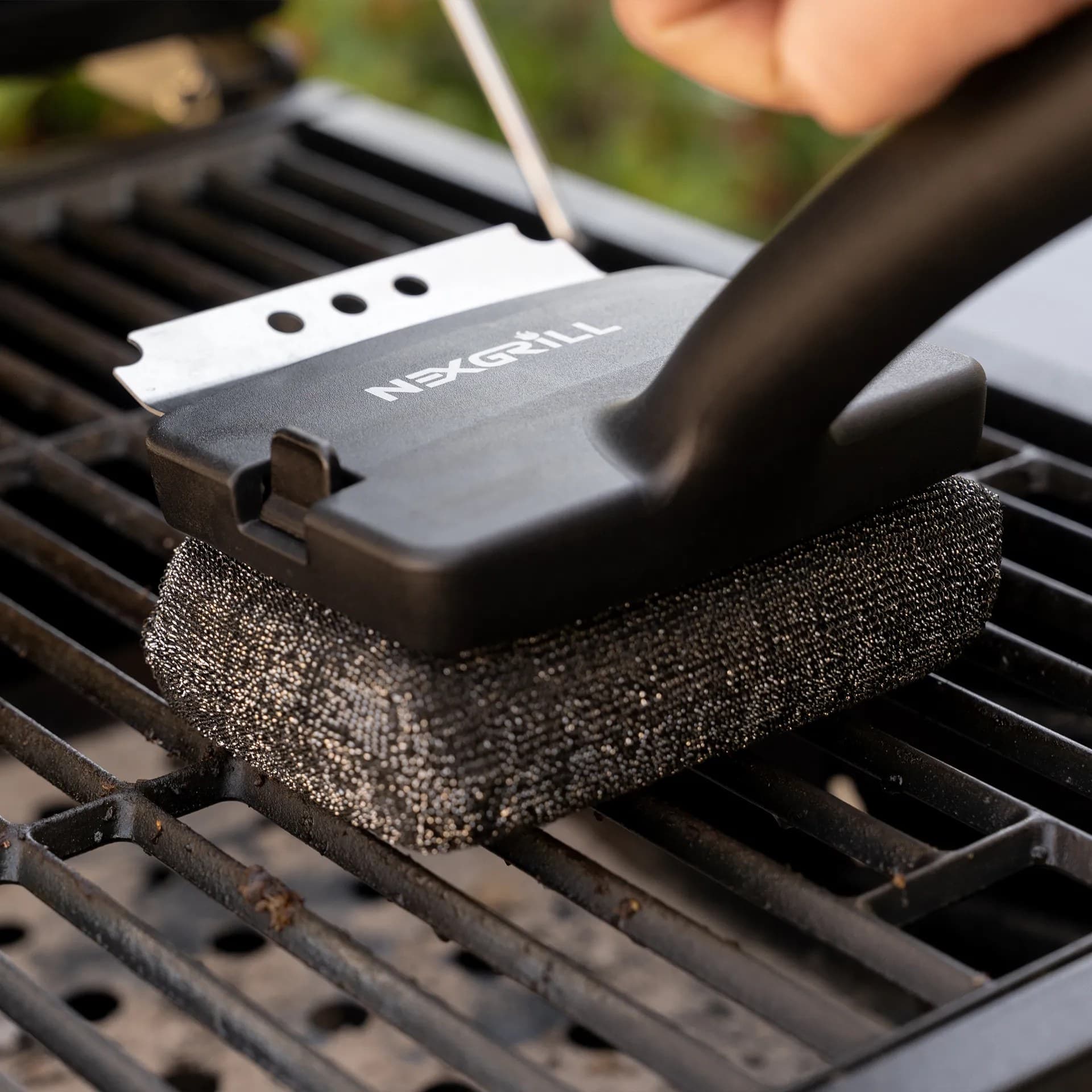
Helpful articles covering grilling tools, cookware, maintenance gear, and must-have accessories for outdoor cooking.
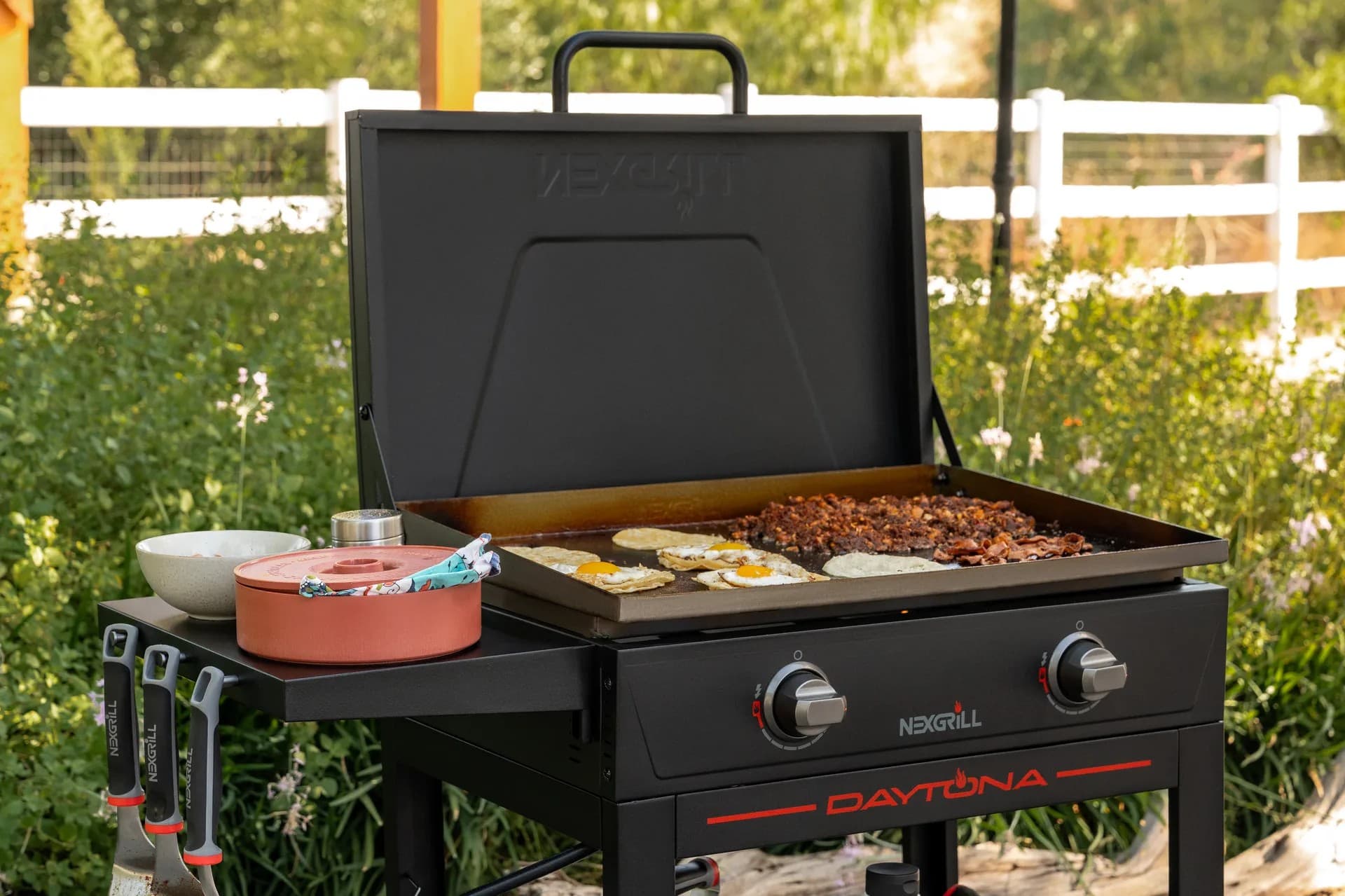
Find griddle recipes, cooking techniques, cleaning tips, and outdoor meal ideas designed for Nexgrill griddles.
Find answers to common questions
Gas grills provide instant heat and precise temperature control, making them easier to use. Charcoal grills offer a smoky flavor and high heat for searing but require more time to heat up and manage.
Pellet grills combine the convenience of gas with the flavor of wood, allowing for smoking, baking, and grilling. Traditional gas grills, however, are quicker to start and often easier to clean.
Charcoal grills typically reach higher temperatures quicker than gas grills, making them better for searing meat. However, high-quality gas grills can also provide adequate heat for effective searing.
Nexgrill offers models designed specifically for gas, charcoal, and pellets, allowing users to choose based on their cooking style and flavor preferences. Each type is built to optimize the characteristics of its respective fuel.
Choosing between gas and charcoal grills depends on your cooking preferences and lifestyle. If you value convenience and quick cooking, a gas grill may suit you better; if you prefer the taste and experience of traditional grilling, a charcoal grill would be ideal.
In This Article
Top Models Compared
Cooking Tips
Maintenance Essentials
A 12-inch propane gas pizza oven sits in a sweet spot for home cooks who want fast heat, manageable size, and consistent pizza results without committing to a built-in outdoor kitchen. The 12-inch class is large enough for a classic personal pizza or a modest shared pie, yet compact enough to fit on a patio table, small deck, or portable cart. For many U.S. households, that size makes the difference between an appliance that gets used often and one that stays stored away. Propane also lowers the friction of pizza night: you turn the gas on, ignite the burner, and get moving without waiting for charcoal to ash over or managing a wood fire.
If you are used to baking in a kitchen oven, a propane pizza oven changes the workflow in a way that is easy to underestimate. Heat is concentrated, recovery is fast, and the cooking window is short. That means the dough, toppings, peel, and oven setup all matter more than in a standard oven. In practice, a 12-inch propane model is less about producing enormous restaurant-style pies and more about delivering speed, repeatability, and a crisp finish in a format that fits real backyards and real weeknight schedules. Nexgrill’s brand voice emphasizes accessible outdoor cooking that brings people together, and that spirit fits this category well: these ovens are built for casual gatherings, family pizza nights, and anyone who wants a dependable way to make fresh food outdoors.
Tip: a 12-inch propane oven is best treated like a high-heat specialist, not a mini kitchen oven. Preheat discipline matters more than extra toppings.
The appeal goes beyond pizza alone. A well-managed propane oven can handle flatbreads, blistered vegetables, quick naan-style breads, reheated leftovers, and small desserts that benefit from intense bottom heat. Because the flame is adjustable, you can dial in a lighter bake for delicate dough or push toward a stronger top finish for more char. That flexibility is a major reason propane models have become a go-to for buyers who want control without a steep learning curve. When you compare models, it helps to look at more than temperature claims. Build quality, stone size, recovery time, ignition reliability, and how the flame is directed over the baking chamber all shape the real experience.
User expectations matter too. Reviews of compact propane pizza ovens often praise convenience, speed, and the ability to make repeatable pizzas for two to four people. They also tend to point out a common tradeoff: the smaller deck rewards good technique, but it will not forgive oversized dough balls, excessive sauce, or wet toppings. That is not a flaw so much as part of the category. A 12-inch oven invites better habits and faster cooking, especially for households that want a weeknight-friendly setup rather than a large party appliance. For readers comparing product pages, a side-by-side look at two models can be the fastest way to separate marketing language from practical fit. Try comparing two products side by side below to see which fits best.
Propane is the most straightforward fuel choice for many outdoor pizza cooks because it combines portability, quick ignition, and easy temperature adjustment. In a 12-inch oven, those qualities are especially valuable. The chamber is small enough that heat builds fast, but only if the burner is efficient and the cook can respond quickly. Propane gives you that responsiveness. You can bring the oven up to temperature, make a pizza, and adjust the flame as needed without juggling firewood or relying on a fixed utility line. For renters, weekend hosts, and homeowners who move the oven around the yard, that simplicity often outweighs the romance of other fuel types.
The biggest practical advantage is predictable startup. With propane, you are not depending on weather-sensitive ignition methods or a long burn-in period. That predictability matters when dinner timing is tight. It also matters when cooking several pizzas back-to-back, because a pizza oven works best when it can recover heat between bakes. A consistent gas flame helps stabilize the stone temperature, which is what gives the crust its crisp base while the toppings finish quickly. If you have ever pulled a pizza that looked done on top but came out underbaked below, you already know why stable bottom heat is so important. Propane helps reduce that variability.
Two of the biggest reasons propane dominates compact outdoor pizza ovens in the U.S.
Another advantage is versatility across seasons. In many parts of the United States, weather shifts quickly, and a fuel source that is easy to fire up on a cool evening or a mild weekend afternoon has real value. Propane also tends to be the cleaner, less messy option for homeowners who do not want ash or soot around a patio setup. That does not mean propane ovens are no-maintenance appliances, but it does mean the cleanup burden is usually lighter than a solid-fuel setup. For buyers who care about convenience, this is often the deciding factor.
There is also a learning advantage. New pizza oven owners often struggle with pacing, flame management, and balancing the top and bottom of the bake. Propane reduces one layer of complexity by making flame output more controllable from the start. That makes it easier to practice launch technique, pie rotation, and topping balance. The result is not just easier pizza making, but faster skill-building. Users can move from trial-and-error to repeatable results sooner, which is a big reason propane ovens are a popular recommendation for first-time outdoor pizza buyers.
When evaluating a 12-inch propane gas pizza oven, the label size tells only part of the story. A true buying decision starts with the cooking chamber, not the exterior footprint. The most important feature is the usable baking surface, because a 12-inch pizza generally needs a bit of margin for launch and rotation. If the stone is too tight, you will spend more time fighting the peel than cooking. A good compact oven should give you enough room for an actual 12-inch pie while still allowing the flame to circulate around the chamber.
Temperature range is another core factor. Many propane pizza ovens are designed to climb well above standard home oven temperatures, which is what creates the fast bake and leopard-spotted crust pizza lovers want. Rather than focusing on the highest number alone, think about whether the oven can hold heat steadily after the first bake. Recovery matters because the second and third pizzas often reveal whether the oven is well-designed or merely hot on paper. A strong deck surface, efficient burner placement, and insulated body all help maintain performance across multiple pies.
| Feature | Why it matters | What to look for |
|---|---|---|
| Usable stone size | Determines whether a 12-inch pizza launches cleanly. | Enough room for peel entry and edge clearance. |
| Ignition system | Affects startup ease and reliability. | Simple, repeatable lighting with clear controls. |
| Heat recovery | Keeps baking performance steady between pizzas. | Quick rebound after each launch and bake. |
| Body insulation | Helps the oven hold heat and use fuel efficiently. | Solid door, insulated shell, and minimal heat loss. |
Portability is another reason 12-inch models stand out. Many buyers want something they can store in a garage, transport for a gathering, or place on a small outdoor table. That creates a design challenge: the oven needs to stay sturdy while remaining manageable. A lighter oven may be easier to move, but it may also be more sensitive to wind and temperature swings. A heavier oven may feel more stable but require a dedicated location. The right choice depends on how often you plan to move it and how much setup time you are willing to spend each cook.
Finally, think about the front opening and control layout. A 12-inch oven should have a launch opening that is forgiving enough for a novice, but not so wide that it leaks too much heat. Simple, intuitive flame controls are especially useful because pizza cooks happen quickly, and you do not want to search for a dial while the crust is darkening. The best small propane ovens keep the interface clean so the cook can focus on the food. In that sense, a great oven is not just hot; it is easy to read and easy to trust.
When comparing compact propane pizza ovens, the real question is not which one looks best in a product photo, but which one fits your cooking rhythm. For this size class, the most relevant differences usually come down to oven architecture, flame behavior, and how much control the cook gets during the bake. The Ooni Koda 12 is widely known for a streamlined, portable form factor and fast preheat behavior, making it a common reference point for buyers who value simplicity and a compact footprint. Ooni’s own product overview positions the Koda 12 as a gas-powered, outdoor pizza oven designed for quick setup and efficient high-heat baking, which is exactly the kind of experience many first-time buyers want.
Permasteel’s 12-inch propane pizza oven takes a slightly different role in the market. Based on its product positioning, it appeals to buyers who want a compact oven centered around straightforward propane operation and small-space convenience. That makes it useful for households that care more about casual pizza nights and easy storage than about chasing the most specialized pro-style setup. The broader review ecosystem also tends to frame compact propane pizza ovens around ease of use, heat-up speed, and consistent crust results, which gives buyers a good benchmark when reading model specs and user feedback.
| Model | Typical buying emphasis | Best fit |
|---|---|---|
| Ooni Koda 12 | Portable, streamlined, fast-heating propane oven | Users who want a compact premium-feeling starter oven |
| Permasteel 12-Inch Propane Pizza Oven | Compact propane convenience and simpler ownership | Buyers prioritizing value, storage ease, and casual use |
| Review-driven compact propane models | Real-world feedback on heat consistency and usability | Shoppers who want to cross-check specs with user experience |
If you are shopping the category with a performance-first mindset, the Ooni-style approach usually signals a refined burner layout, fast ignition, and a design focused on getting to pizza temperature quickly. If you are more cost-conscious or want a straightforward oven for occasional use, a Permasteel-style model may be more appealing because the purchase decision is less about premium positioning and more about practicality. In both cases, the most meaningful comparison is how the oven handles real cooking, not just how high it claims to run. Look for evidence in reviews about launch ease, how often the flame needs adjustment, and whether the oven can keep baking multiple pizzas without falling off temperature.
A final lens is the kind of household each oven serves. A couple that cooks one or two pizzas at a time may be perfectly happy with a compact, lightweight model. A family with frequent guests may prefer a version that heats quickly and is easy to reset between pies. Someone who wants to experiment with flatbreads or rapid-fire appetizers may value control and recovery over raw deck space. That is why 12-inch propane ovens are not interchangeable even if their dimensions look similar on a chart. The best model is the one whose design matches the way you actually cook, not the one with the loudest headline spec.
Once you have compared two ovens, the next step is learning how to cook in a way that takes advantage of propane’s strengths. The biggest mistake new owners make is treating a propane pizza oven like a countertop appliance. It is really a high-heat outdoor system, and success depends on a few timing habits that become second nature after one or two sessions. Start with a proper preheat. The stone needs time to absorb heat, not just the air inside the oven. If you launch too early, the bottom of the crust will pale while the top cooks faster than expected. That is the opposite of what you want. A steady preheat gives you the thermal mass you need for an even bake.
Warning: in a compact 12-inch propane oven, too much sauce or wet toppings can slow the bake and make the center limp before the crust is ready.
Dough management is just as important. For a 12-inch pie, keep dough handling deliberate and avoid over-flouring the peel. Excess flour can burn quickly in a propane oven and leave a bitter taste on the crust. A light dusting or a semolina blend is often enough to help launch cleanly. Once the pizza is in the oven, watch the first 30 to 60 seconds closely. That is when the rim begins to set and the dough starts to rise. Depending on your model and flame position, a quick half-turn or quarter-turn may be necessary to keep one side from overbrowning. The goal is not to micromanage every second, but to build a rhythm: launch, wait briefly, rotate, then finish.
Temperature control is another place where propane earns its keep. Because you can adjust the flame on the fly, you can use a stronger fire to start the bake and then reduce output slightly if the top is moving faster than the bottom. That approach is especially useful for pizzas with more toppings or for styles that use a softer dough. If the crust browns too quickly, lower the flame on the next pie or let the stone recover for a moment. Experienced users often describe this as learning the oven’s personality, and that is an apt way to think about it. The best results come when you stop chasing a single number and start reading the pizza itself.
For real-world U.S. home cooks, the most practical workflow is simple: preheat, stretch dough smaller than you think you need, use restrained toppings, and keep a peel close by for rotation. A 12-inch propane oven rewards confidence and speed, but not haste. If you work too slowly, the dough may stick or the launch may become awkward. If you rush, you may miss the moment when the crust is ready to turn. The sweet spot is calm repetition.
Accessories matter because they solve the practical problems that make or break a pizza session. The first is a peel, and in a 12-inch propane oven it should be the right size for compact handling. A peel that is too large is awkward in a small launch opening, while one that is too small can make sliding pizza harder. Many owners find that having one peel for launch and one perforated or metal peel for turning improves workflow. The launch peel helps get the raw pizza into the oven cleanly, while the turning peel gives you more control once the crust starts setting.
A reliable infrared thermometer is another smart addition. Even if the oven has built-in temperature cues, a separate thermometer helps you check the stone before the first bake and between pizzas. Because propane ovens recover heat quickly, knowing when the stone is ready can save you from undercooked bottoms. Heat-resistant gloves, a turning brush or scraper, and a weather cover also deserve a place in the kit. These are not fancy extras; they are the tools that keep the process efficient and your equipment protected.
| Accessory | Best use | Why it helps |
|---|---|---|
| Pizza peel | Launching and retrieving pies | Reduces sticking and keeps the bake moving |
| Infrared thermometer | Checking stone temperature | Improves bake consistency from one pizza to the next |
| Turning peel | Rotating the pizza during bake | Helps prevent one-sided scorching |
| Weather cover | Storage protection | Helps reduce exposure to dust and moisture |
If you plan to make pizza regularly, consider dough containers, a bench scraper, and a basic prep station. These small additions cut down on chaos and make the whole routine feel smoother. In other words, accessories are not just add-ons; they are part of the cooking system.
Maintenance for a propane pizza oven is straightforward, but it should never be treated casually. Start with the stone. Allow it to cool naturally, then remove loose debris with a dry brush or scraper. Avoid soaking the stone in water, since porous baking surfaces can absorb moisture and crack later under heat. For the exterior, use a soft cloth and mild cleaner suitable for the oven’s finish. Keeping the burner area clear of crumbs and grease helps preserve airflow and reduces flare-up risk.
Tip: store propane connections clean and dry, and inspect hoses before every season of use so you can catch wear early.
Safety is mostly about good setup habits. Use the oven outdoors in a well-ventilated space, keep it stable on a level surface, and maintain clear distance from combustibles. Check the propane tank connection before lighting, and never move the oven while it is hot. If you are hosting a gathering, designate one person to monitor the oven so someone is always watching the flame and the pizzas. That is especially useful in compact ovens where the bake happens quickly and guests may be tempted to crowd the area. For buyers who use covers or transport the oven, make sure the unit is fully cooled and disconnected before storage.
Routine care also means listening for changes. If ignition becomes inconsistent, the flame looks uneven, or recovery slows noticeably, those are signs to inspect the burner path, fuel supply, or ventilation. In many cases, a simple cleaning solves the problem before it turns into a bigger issue. A propane oven is a precision appliance in a small footprint, and keeping it clean pays off directly in better pizza.
The best 12-inch propane gas pizza oven is the one that matches your routine, not just your wishlist. If you want speed, simplicity, and easy storage, propane is the right fuel type for the category. If you want a premium-feeling starter oven, the Ooni Koda 12 is a strong benchmark. If you want a more straightforward, casual-use approach, a Permasteel-style model may be the better fit. The smartest buyers compare stone size, ignition, recovery, and real-world reviews before deciding, because those details matter more than hype once the oven is on your patio.
For more background on compact propane pizza ovens and owner experiences, see the Ooni Koda 12 overview, the Permasteel 12-inch propane pizza oven page, and independent review coverage of propane pizza ovens.
Here's what sets us apart
We position ourselves as delivering high-end outdoor cooking features and performance without premium-brand pricing, emphasizing “Quality Grills. Unbelievable Value.”
We offer gas grills, pellet grills, griddles, smokers, pizza ovens, portable/tabletop grills, electric grills, accessories, and replacement parts — allowing customers to stay within one ecosystem for all outdoor cooking needs.
We differentiate ourselves through smart grilling products like the Oakford smart pellet grill, including app-connected cooking controls and modern outdoor cooking technology.
Don't just take our word for it
Keep reading
From our catalog