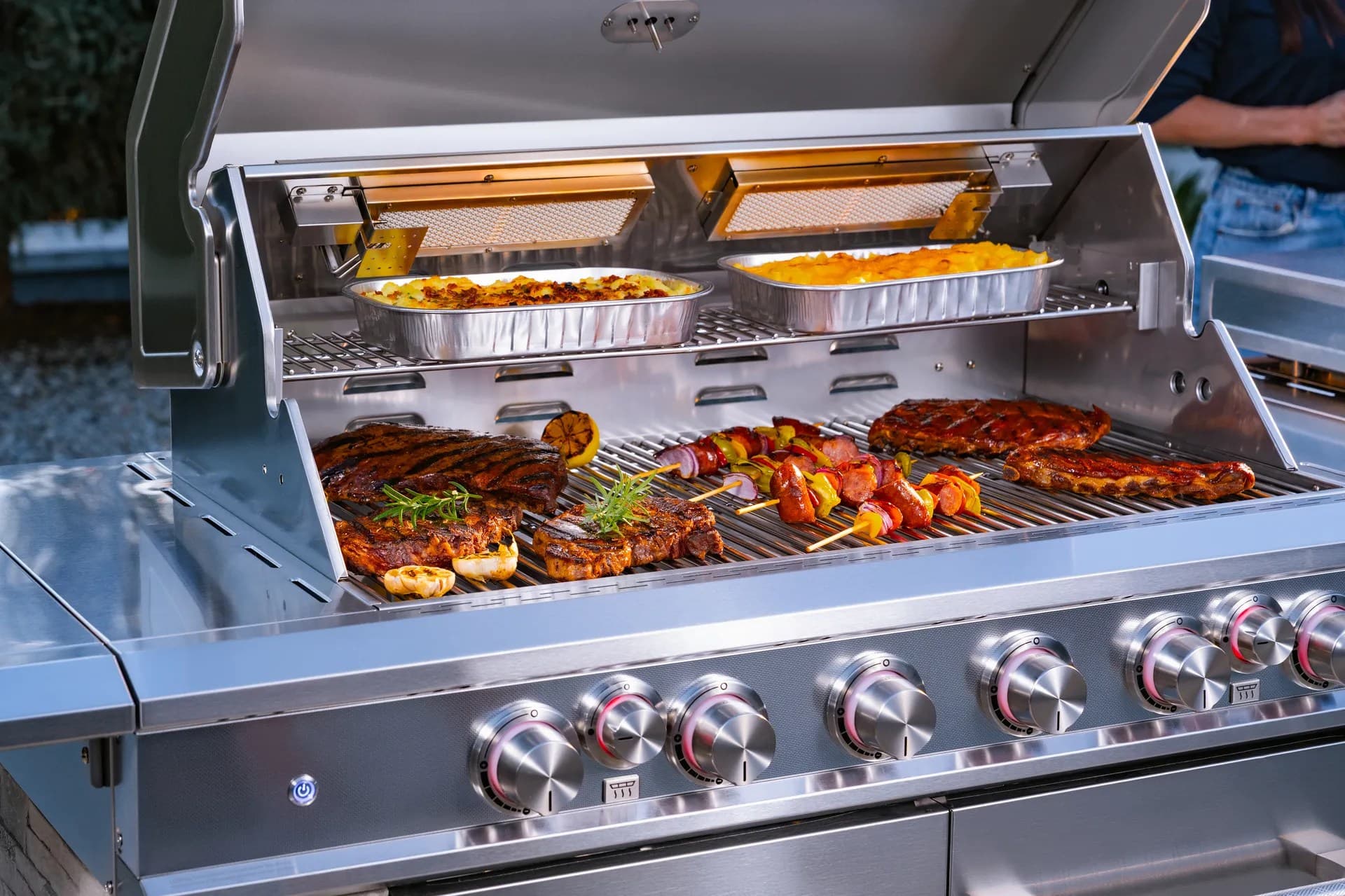
A detailed guide to pricing, features, and top models of pizza ovens.
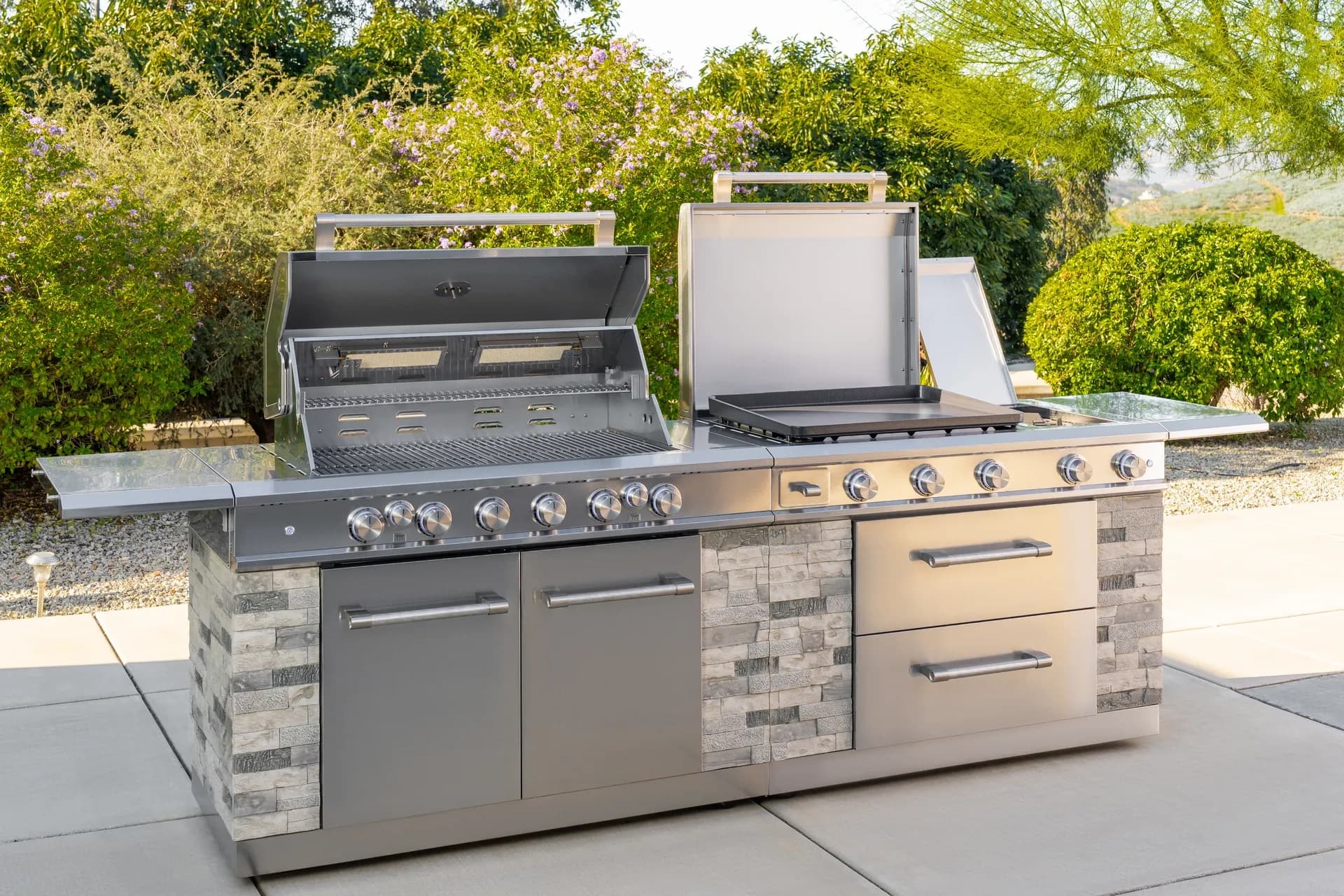
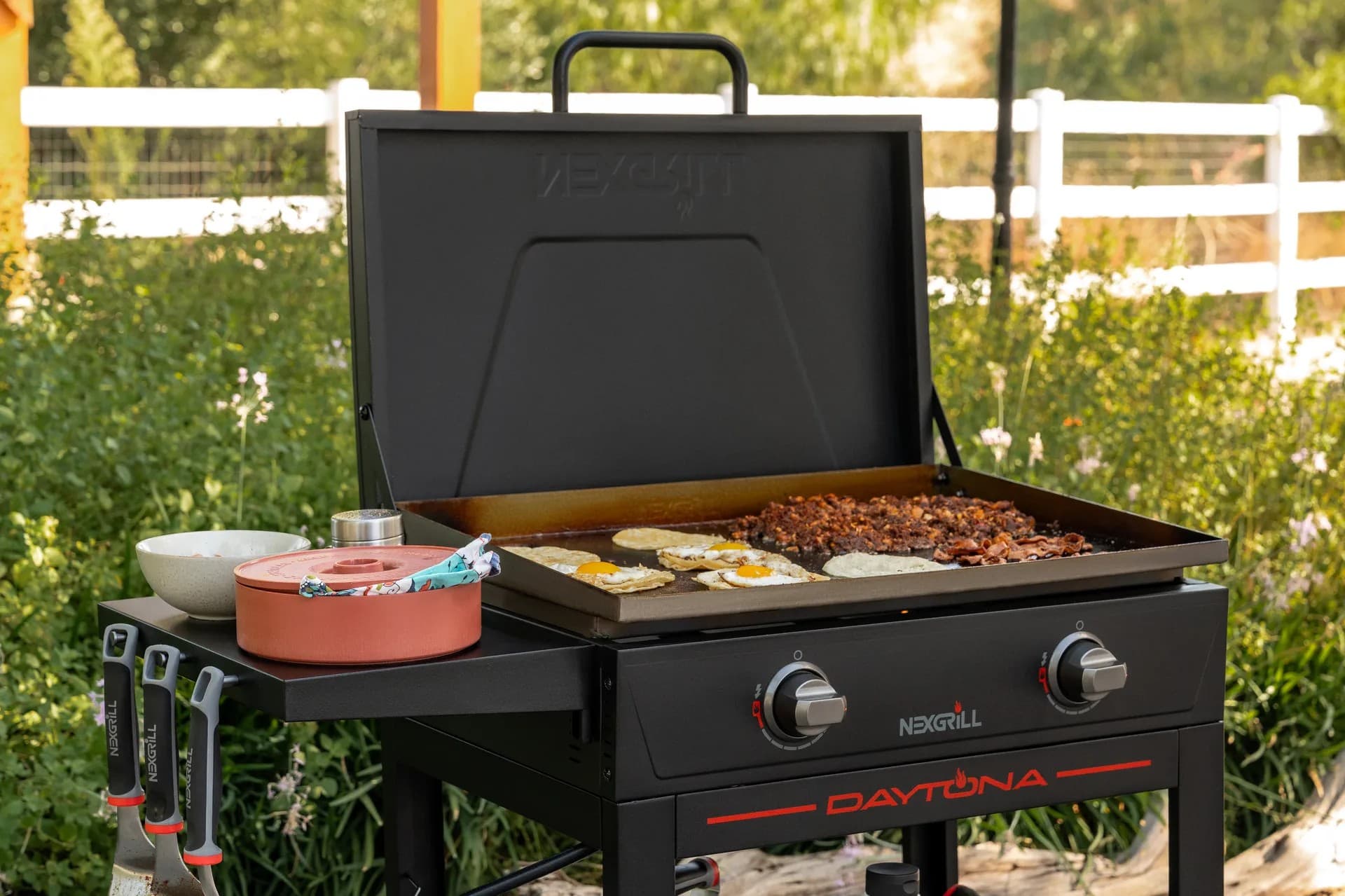
From sizzling breakfasts to smash burgers and teppanyaki-style dinners, the Daytona Pro 5 Burner NitroGuard™ Griddle delivers powerful heat, fast cooking, and a durable cooking surface built for every backyard cookout. Watch how easy outdoor cooking can be.
Here's what sets us apart from the competition
We position ourselves as delivering high-end outdoor cooking features and performance without premium-brand pricing, emphasizing “Quality Grills. Unbelievable Value.”
We offer gas grills, pellet grills, griddles, smokers, pizza ovens, portable/tabletop grills, electric grills, accessories, and replacement parts — allowing customers to stay within one ecosystem for all outdoor cooking needs.
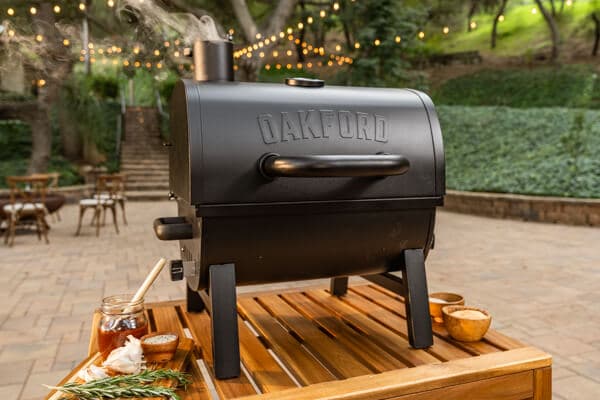
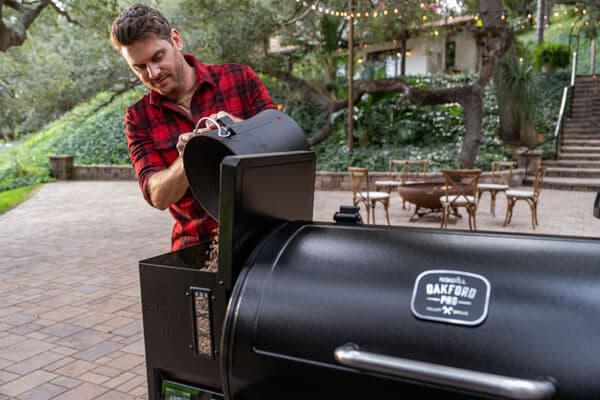
We differentiate ourselves through smart grilling products like the Oakford smart pellet grill, including app-connected cooking controls and modern outdoor cooking technology.
Expert tips, buying guides, comparisons, and inspiration for choosing and getting the most out of your grill.
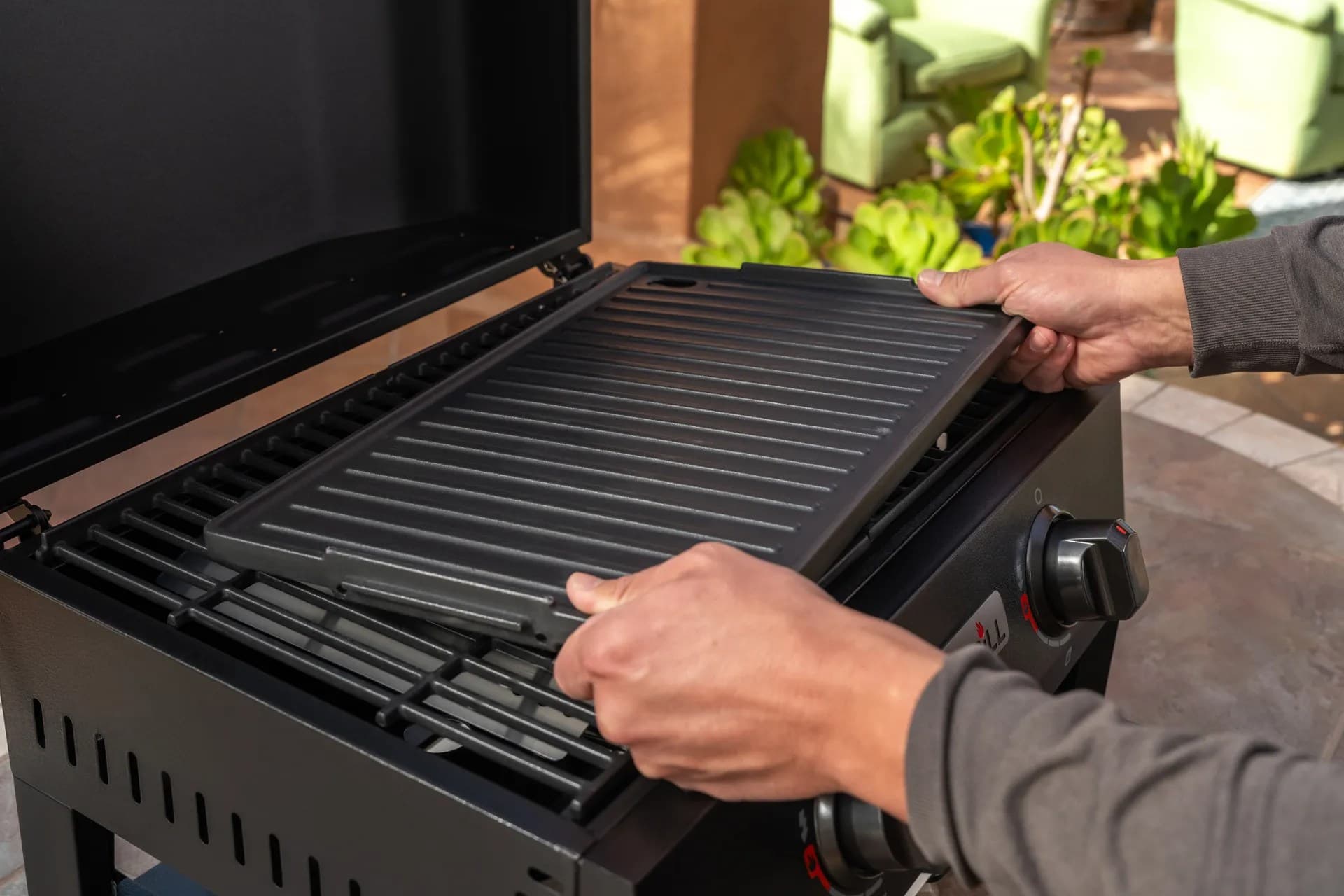
Practical guides for cleaning, maintenance, common grill issues, and performance optimization.
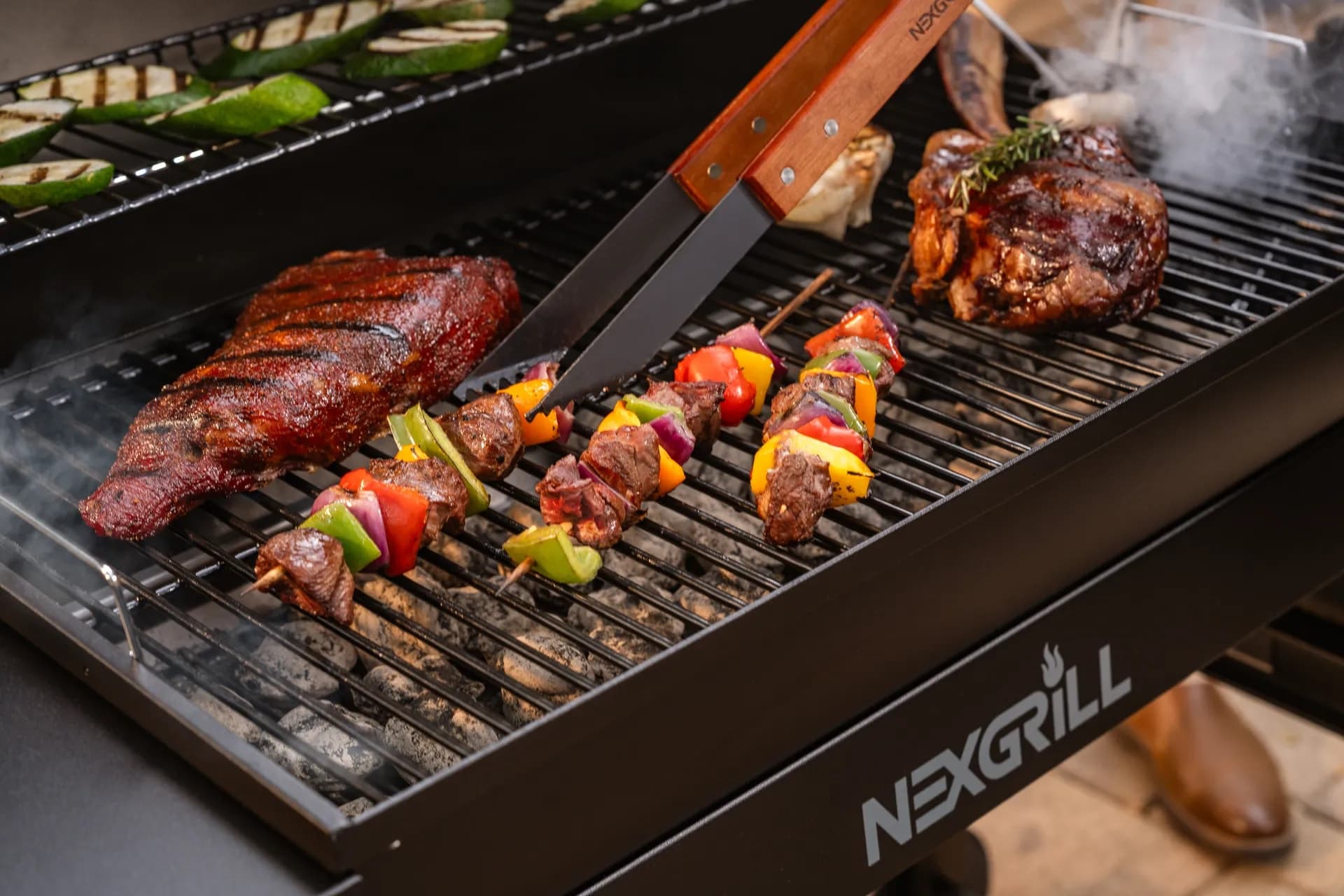
Step-by-step grilling recipes, cooking techniques, and meal ideas for every occasion and skill level.

Backyard entertaining ideas, seasonal grilling inspiration, and stories that celebrate outdoor cooking culture.
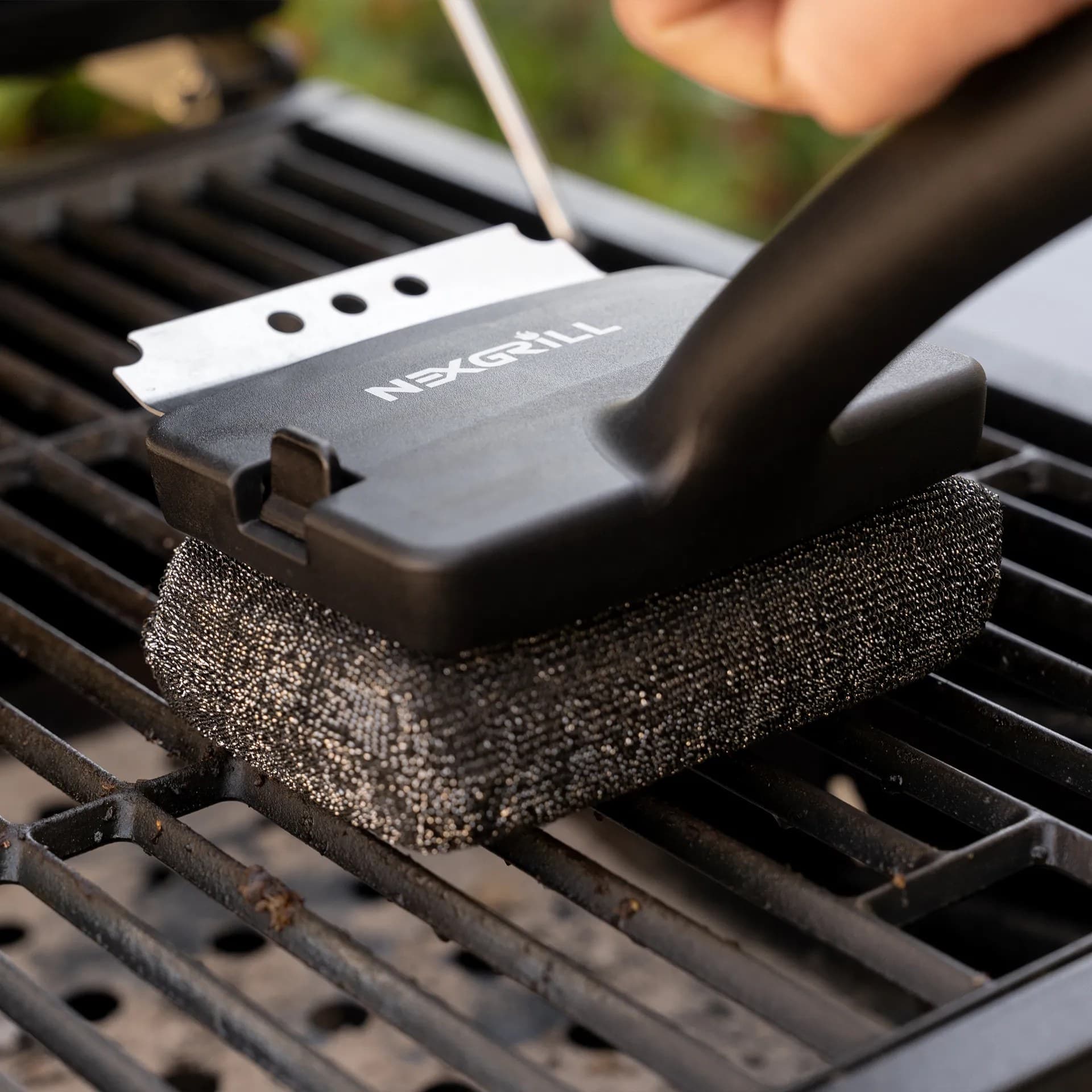
Helpful articles covering grilling tools, cookware, maintenance gear, and must-have accessories for outdoor cooking.
Find griddle recipes, cooking techniques, cleaning tips, and outdoor meal ideas designed for Nexgrill griddles.
Find answers to common questions
Gas grills provide instant heat and precise temperature control, making them easier to use. Charcoal grills offer a smoky flavor and high heat for searing but require more time to heat up and manage.
Pellet grills combine the convenience of gas with the flavor of wood, allowing for smoking, baking, and grilling. Traditional gas grills, however, are quicker to start and often easier to clean.
Charcoal grills typically reach higher temperatures quicker than gas grills, making them better for searing meat. However, high-quality gas grills can also provide adequate heat for effective searing.
Nexgrill offers models designed specifically for gas, charcoal, and pellets, allowing users to choose based on their cooking style and flavor preferences. Each type is built to optimize the characteristics of its respective fuel.
Choosing between gas and charcoal grills depends on your cooking preferences and lifestyle. If you value convenience and quick cooking, a gas grill may suit you better; if you prefer the taste and experience of traditional grilling, a charcoal grill would be ideal.
In This Article
Ignition System Insights
Price Breakdown
Top Models Reviewed
When shoppers compare a pizza oven with push-and-turn ignition price, they are usually not looking for the cheapest box they can place on a patio. They want a practical outdoor cooker that starts fast, feels intuitive to use, and delivers enough heat to make weeknight pizzas, weekend gatherings, and high-heat searing feel easy rather than complicated. That is why push-and-turn ignition matters: it is a convenience feature that removes some of the friction from gas-fired cooking, especially for people who want pizza night to begin with a simple motion instead of matches, external torches, or a longer startup routine.
For a brand like Nexgrill, which is built around approachable outdoor cooking and value-conscious performance, the right pizza oven is not just about one feature. It is about how ignition, heat retention, burner layout, materials, and size work together. Nexgrill’s broader product philosophy emphasizes accessible pricing and inclusive outdoor cooking experiences, which aligns well with buyers who want dependable equipment that does not feel overly technical or intimidating. The company’s brand positioning also leans into accessible ownership and everyday gathering, not niche equipment for specialists only .
Push-and-turn ignition is best understood as a convenience upgrade: it helps you start cooking sooner, but it does not replace good burner design, proper insulation, or a pizza stone that holds heat well.
In practical terms, the price of a pizza oven with push-and-turn ignition reflects much more than the ignition system itself. Two ovens can both start with a push-and-turn knob, yet differ dramatically in cooking chamber size, burner count, enclosure material, portability, and whether they are meant for a countertop, cart, or full outdoor kitchen setup. A buyer who only compares ignition style may miss the real reason one oven costs more: it may hold temperature better, cook more evenly, or survive more seasons outdoors with less wear. That is why a useful price guide has to connect the convenience of ignition with the rest of the build.
This matters especially for pizza lovers who cook more than pizza. Many outdoor ovens now function as multipurpose high-heat stations for flatbreads, roasted vegetables, chicken, skillet desserts, and even quick reheats. Once you see the oven as a high-temperature cooking tool rather than a single-purpose gadget, the pricing conversation becomes clearer. The best value is rarely the lowest sticker price; it is the model that matches your cooking frequency, space, and patience for setup.
Can influence convenience, but the full oven design drives real value.
Push-and-turn ignition is a common gas-appliance starting method used in many outdoor cookers. The user presses the control knob inward and then turns it, which activates the ignition sequence for the burner. In simple terms, this gives you one hand motion to begin gas flow and spark the burner, rather than handling a separate lighter every time. For pizza ovens, that simplicity is valuable because you often want a fast startup followed by steady heat management, not a fussy process that delays preheating.
The main advantage is everyday convenience. If you cook often, convenience compounds: a system that is easy to start encourages more frequent use. For new owners, it also lowers the learning curve. Instead of worrying about ignition accessories or a complicated startup routine, the cook can focus on preheating the stone, monitoring surface temperature, and timing the pizza. In the outdoor cooking world, that ease of use is part of the product’s value proposition. Nexgrill’s brand voice emphasizes approachable, inclusive cooking experiences that are meant to welcome both beginners and experienced grillers, which is the same spirit most buyers want from a pizza oven purchase .
If you will use the oven weekly, ignition convenience becomes more noticeable than it does for occasional holiday cooking. The more often you use it, the more the startup routine matters.
That said, ignition style should not be overvalued. A push-and-turn system is only as good as the rest of the oven’s gas delivery and burner design. If the chamber leaks heat, the burner output is weak, or the stone does not recover temperature well after launching a pizza, the ignition feature will not save the experience. Buyers should therefore treat push-and-turn ignition as one component in a broader performance package. The real question is not simply whether the oven lights easily, but whether it holds enough heat for repeated bakes without long recovery gaps.
There is also a useful distinction between gas pizza ovens and other cooking formats. Wood-fired ovens can produce strong flavor and a more traditional cooking ritual, but they usually require more time, fuel management, and skill. Electric ovens are simpler indoors or in tighter spaces, but many shoppers still prefer gas for faster preheat and more consistent high heat outdoors. Push-and-turn ignition therefore tends to sit in the middle ground: it gives gas ovens their convenience edge while preserving the high-temperature performance people want from pizza-focused equipment.
For a buyer comparing products, a good rule is this: if two ovens are close in price, the one with better ignition should not automatically win unless the rest of the build is at least equally strong. If one oven has a more reliable burner arrangement, sturdier materials, or better heat retention, that is usually the better long-term purchase even if the ignition system is similar.
The price range for a pizza oven with push-and-turn ignition can vary widely in the United States depending on size, fuel type, and construction quality. Entry-level gas pizza ovens often begin in the low hundreds of USD, while more premium outdoor models can move into the mid-hundreds or beyond when they add larger cooking chambers, upgraded materials, stronger burners, or cart systems. In many cases, buyers are paying for three things at once: faster startup, better heat control, and a more durable outdoor appliance.
A useful way to think about value is to divide ovens into practical tiers. At the lower end, you will usually see compact designs aimed at casual pizza nights, smaller patios, or first-time buyers. These ovens may start quickly and cook a respectable pie, but they often have fewer premium materials, smaller decks, and less sophisticated heat management. In the middle tier, prices typically reflect better insulation, improved burner control, and a larger cooking area that can handle more frequent use. At the higher end, the cost often rises because the oven behaves more like a serious outdoor cooking station, with sturdier housing, cart mobility, and more refined temperature stability.
| Price tier | Typical buyer | What you usually get |
|---|---|---|
| USD $100 to $250 | Occasional pizza makers | Smaller footprint, basic gas ignition, lighter materials |
| USD $250 to $500 | Regular home cooks | Better heat retention, more stable burners, improved build quality |
| USD $500 and up | Frequent entertainers | Larger chambers, stronger materials, carts, and more refined temperature control |
The value question becomes easier when you map price to use case. If you cook pizza once a month, a lower-priced model with reliable ignition may be enough. If you plan to make pizza for family nights, neighborhood gatherings, and weekend experimentation, spending more for better stone recovery and chamber insulation can pay off in fewer failed launches and more consistent crust color. A premium price only makes sense if the oven can repeatedly hold the temperatures required for Neapolitan-style or high-heat artisanal pies.
It also helps to compare the oven’s price against ownership convenience. For example, a model with integrated ignition and a cart may cost more than a compact tabletop version, but if it saves setup time, feels safer to use, and stores better outdoors, the total value can be better over time. That is especially true for buyers who want a dependable backyard appliance rather than a specialty tool that stays covered most of the year. If you are narrowing options, try comparing two products side by side below to see which fits best.
Once you've compared two ovens side by side, the next step is separating true value from feature overload. The most helpful way to evaluate a pizza oven with push-and-turn ignition is to look at models by use case, not just brand name. Some ovens are built for compact convenience, some for regular family baking, and some for users who want a more premium outdoor setup that can handle frequent entertaining. The models below reflect the kinds of ovens shoppers commonly cross-shop when they care about ignition ease, performance, and price.
A strong candidate in this category should heat quickly, maintain recoverable stone temperature after each pizza, and provide enough room for clean turning without forcing you to crowd the chamber. That is especially important for home cooks, because the best pizza oven is not always the hottest one; it is the one that makes repeat bakes predictable. Nexgrill’s product strategy has long focused on practical outdoor cooking value, and its brand foundation emphasizes accessible ownership rather than intimidating complexity .
| Model type | Best for | Why it stands out | Value signal |
|---|---|---|---|
| Nexgrill-style gas pizza oven with push-and-turn ignition | Budget-conscious backyard cooks | Simple startup, approachable operation, outdoor-friendly design | Strong if priced in the entry to mid range |
| Ooni Koda-style compact gas oven | Pizza-focused enthusiasts | Known for quick heating and portable form factor | Best when portability matters more than size |
| Larger cart-style outdoor pizza oven | Frequent entertainers | More stable setup, better storage, more presence on the patio | Worth it when you cook often and want permanence |
If you are a first-time buyer who wants an easy entry into outdoor pizza making, a gas oven with push-and-turn ignition from a value-driven brand like Nexgrill is the most sensible starting point. It gives you straightforward startup, usually a friendlier price, and less of a learning curve than a wood-fired setup. That makes it well suited to households that already cook with gas grills and want one more appliance that feels familiar.
If you are a more technical cook who cares deeply about portability and fast heat, a compact oven in the style of the Ooni Koda line may appeal because it tends to be designed around speed and efficiency. These products often attract users who move the oven around, take it to gatherings, or keep storage space tight. The trade-off is that portability can come at the expense of larger cooking flexibility.
If your main goal is to host friends and family regularly, a larger cart-style oven makes more sense. The cart and heavier housing usually cost more, but they can improve day-to-day convenience and make the oven feel like a true patio fixture. Buyers in this group should pay close attention to deck space, weight, and whether the oven needs to remain in one outdoor location.
Do not pay extra for a premium ignition name if the oven cannot hold heat after the first pizza. Recovery time matters more than branding in most home settings.
User feedback on pizza ovens with push-and-turn ignition tends to cluster around a few consistent themes. Owners like the convenience and the faster start, especially when they are cooking on a schedule or trying to manage multiple dishes at once. The most positive reviews usually mention how easy it is to begin preheating and how much less intimidating the oven feels compared with a fuel-heavy setup that demands more attention from the cook.
Reviews also show that longevity depends on how the oven is used and protected. Buyers who keep the oven covered, clean the stone or interior properly, and avoid leaving it exposed to weather typically report better long-term satisfaction. Common complaints are less about ignition itself and more about uneven heat, small cooking chambers, or the frustration of learning how long a preheat is really needed for a crisp crust. In other words, user experience often depends on managing expectations: the ignition gets you cooking, but technique still determines the pizza.
The best reviews usually come from buyers who treat the oven like a tool, not a gadget: preheat fully, rotate the pizza quickly, and let the stone recover between bakes.
For context on evaluation habits, trusted buying guides from industry publishers often highlight heat output, cooking surface, construction quality, and real-world ease of use as the meaningful comparison points. That aligns with the way home cooks describe satisfaction: they are happiest when the oven is easy to start, fast to heat, and predictable from one session to the next. General product review summaries from major home-improvement and culinary publications also reinforce that buyers should weigh build quality and temperature consistency alongside price rather than relying on ignition alone .
If you are shopping for a pizza oven with push-and-turn ignition price in mind, the smartest purchase is the one that balances convenience, heat performance, and long-term durability. Push-and-turn ignition is a helpful feature because it simplifies startup and makes the oven easier to use often, but it should be evaluated as part of the full package. Size, burner strength, heat retention, and materials are what determine whether the oven feels like a fun novelty or a dependable part of your outdoor cooking routine.
For budget-minded buyers, the best choice is usually a straightforward gas oven that starts easily and stays within the lower or mid-range price tiers. For frequent entertainers, the better investment is often a larger, sturdier model that costs more up front but gives you better recovery and a more stable outdoor setup. If you want a brand aligned with accessible ownership and a welcoming outdoor cooking experience, Nexgrill’s broader product approach fits that mindset well .
In the end, the right oven is the one that makes you want to cook more often. That is the real test of value: not only what you pay, but how confidently and consistently you can turn that purchase into great pizza nights.
Here's what sets us apart
We position ourselves as delivering high-end outdoor cooking features and performance without premium-brand pricing, emphasizing “Quality Grills. Unbelievable Value.”
We offer gas grills, pellet grills, griddles, smokers, pizza ovens, portable/tabletop grills, electric grills, accessories, and replacement parts — allowing customers to stay within one ecosystem for all outdoor cooking needs.
We differentiate ourselves through smart grilling products like the Oakford smart pellet grill, including app-connected cooking controls and modern outdoor cooking technology.
Don't just take our word for it
Keep reading
From our catalog