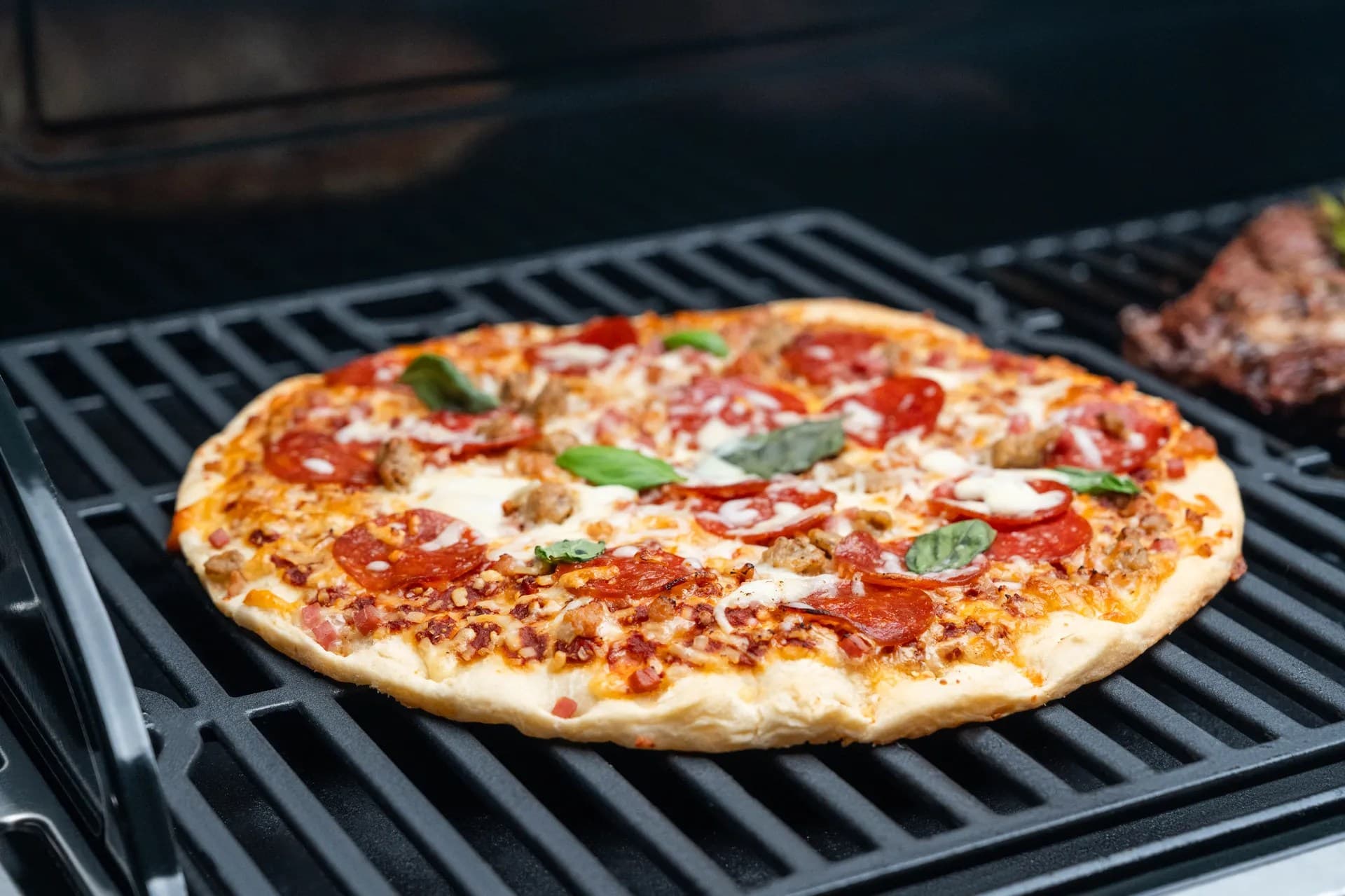
Explore the best recipes and resources to enhance your pizza-making experience.
Here's what sets us apart from the competition
We position ourselves as delivering high-end outdoor cooking features and performance without premium-brand pricing, emphasizing “Quality Grills. Unbelievable Value.”
We offer gas grills, pellet grills, griddles, smokers, pizza ovens, portable/tabletop grills, electric grills, accessories, and replacement parts — allowing customers to stay within one ecosystem for all outdoor cooking needs.
We differentiate ourselves through smart grilling products like the Oakford smart pellet grill, including app-connected cooking controls and modern outdoor cooking technology.
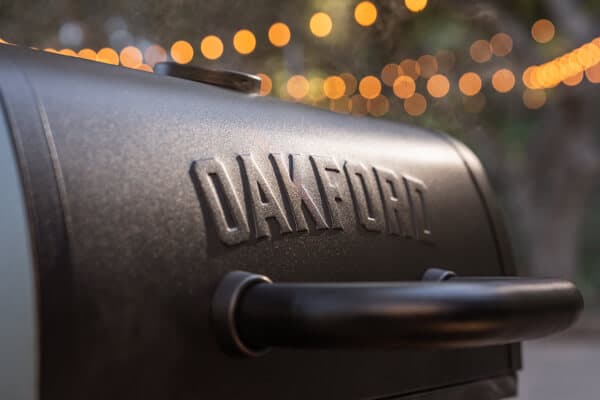
Expert tips, buying guides, comparisons, and inspiration for choosing and getting the most out of your grill.
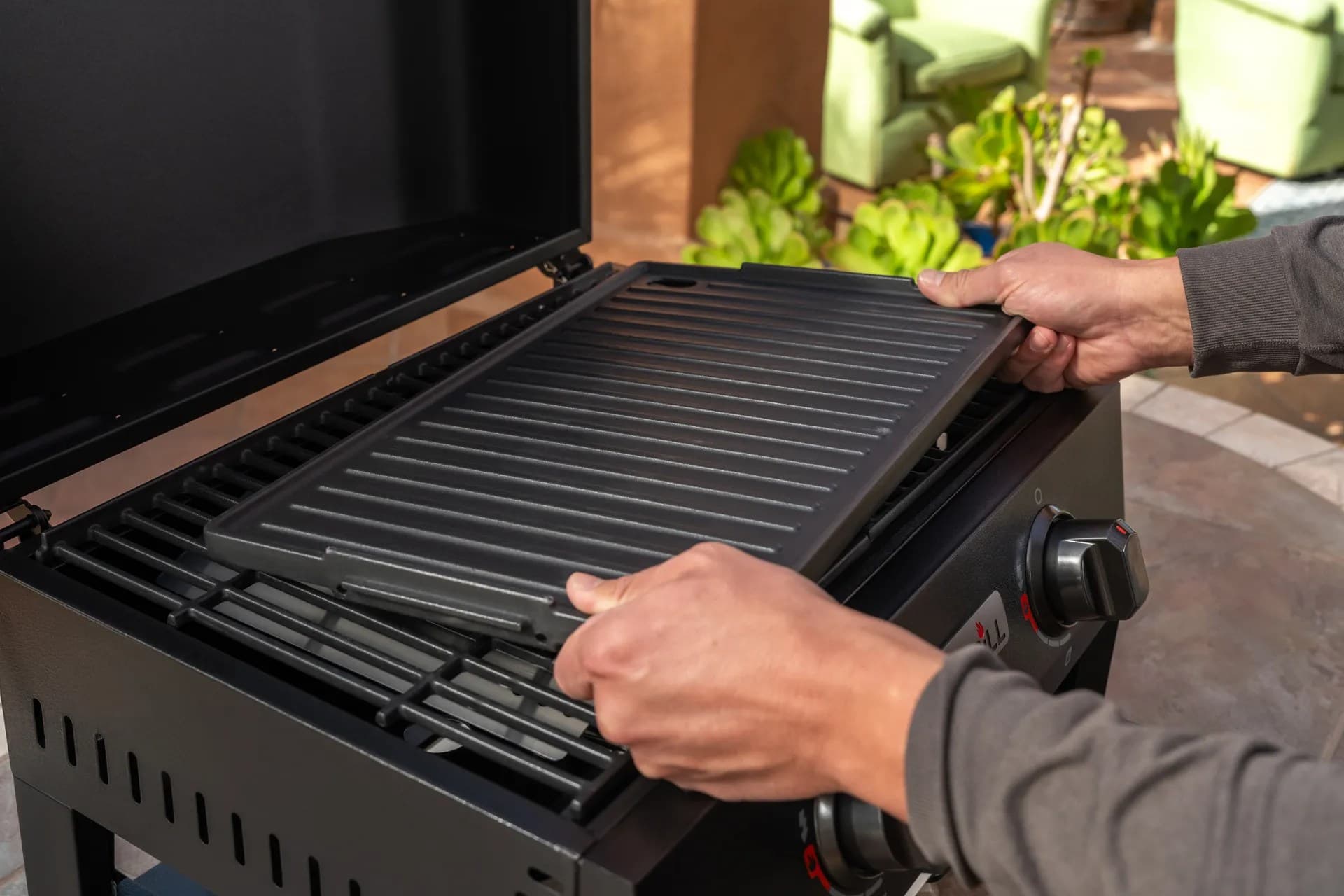
Practical guides for cleaning, maintenance, common grill issues, and performance optimization.
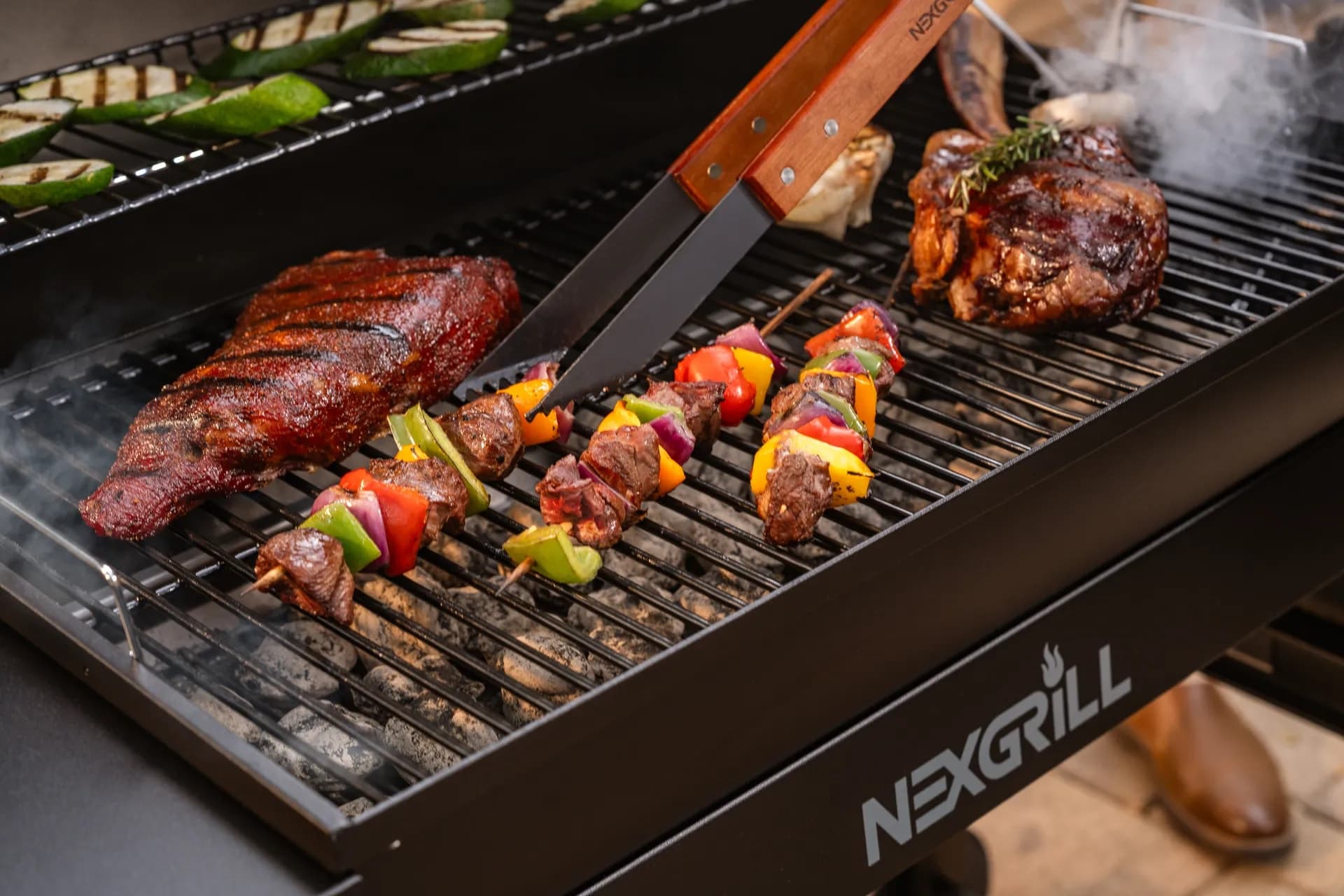
Step-by-step grilling recipes, cooking techniques, and meal ideas for every occasion and skill level.

Backyard entertaining ideas, seasonal grilling inspiration, and stories that celebrate outdoor cooking culture.
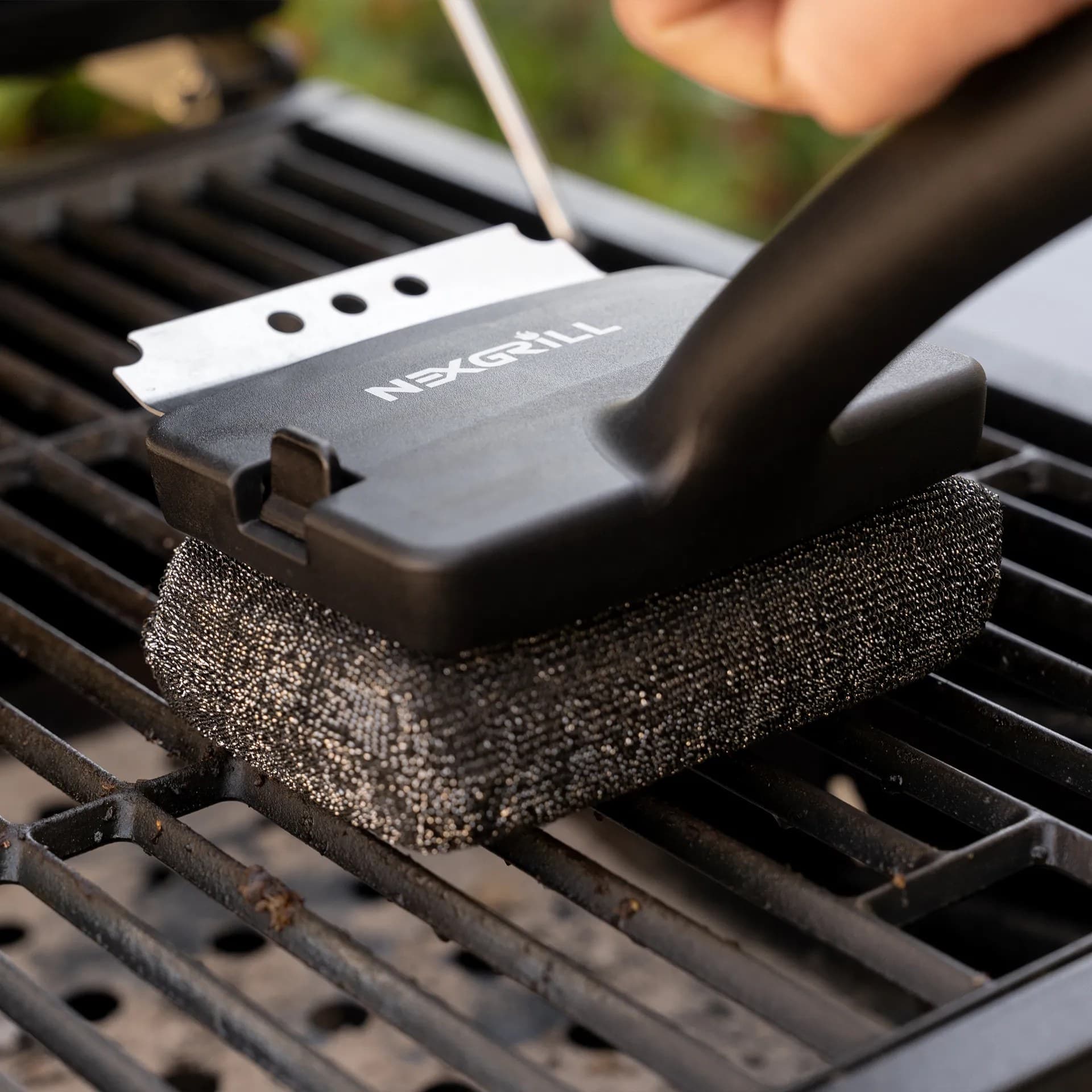
Helpful articles covering grilling tools, cookware, maintenance gear, and must-have accessories for outdoor cooking.
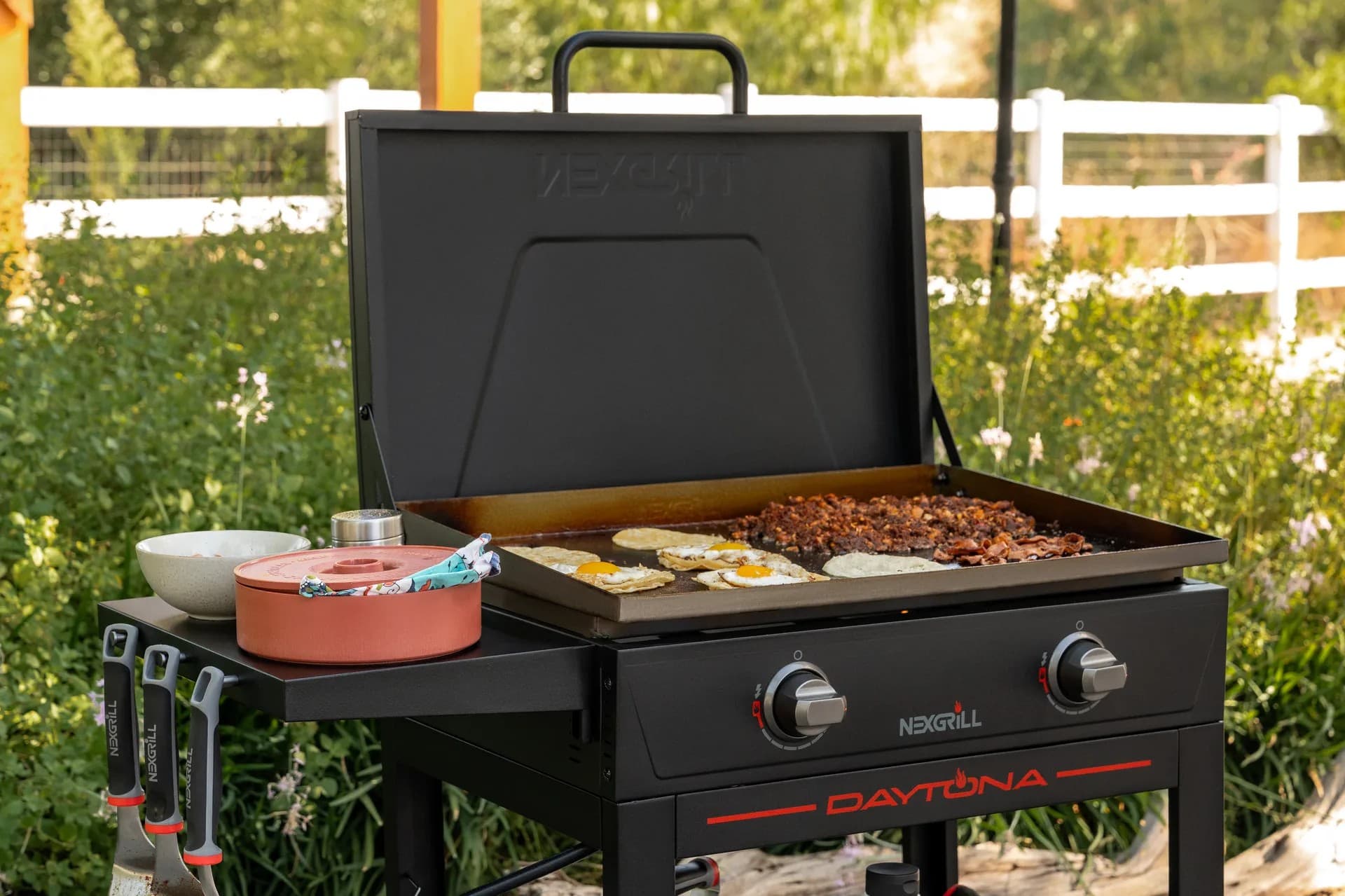
Find griddle recipes, cooking techniques, cleaning tips, and outdoor meal ideas designed for Nexgrill griddles.
Find answers to common questions
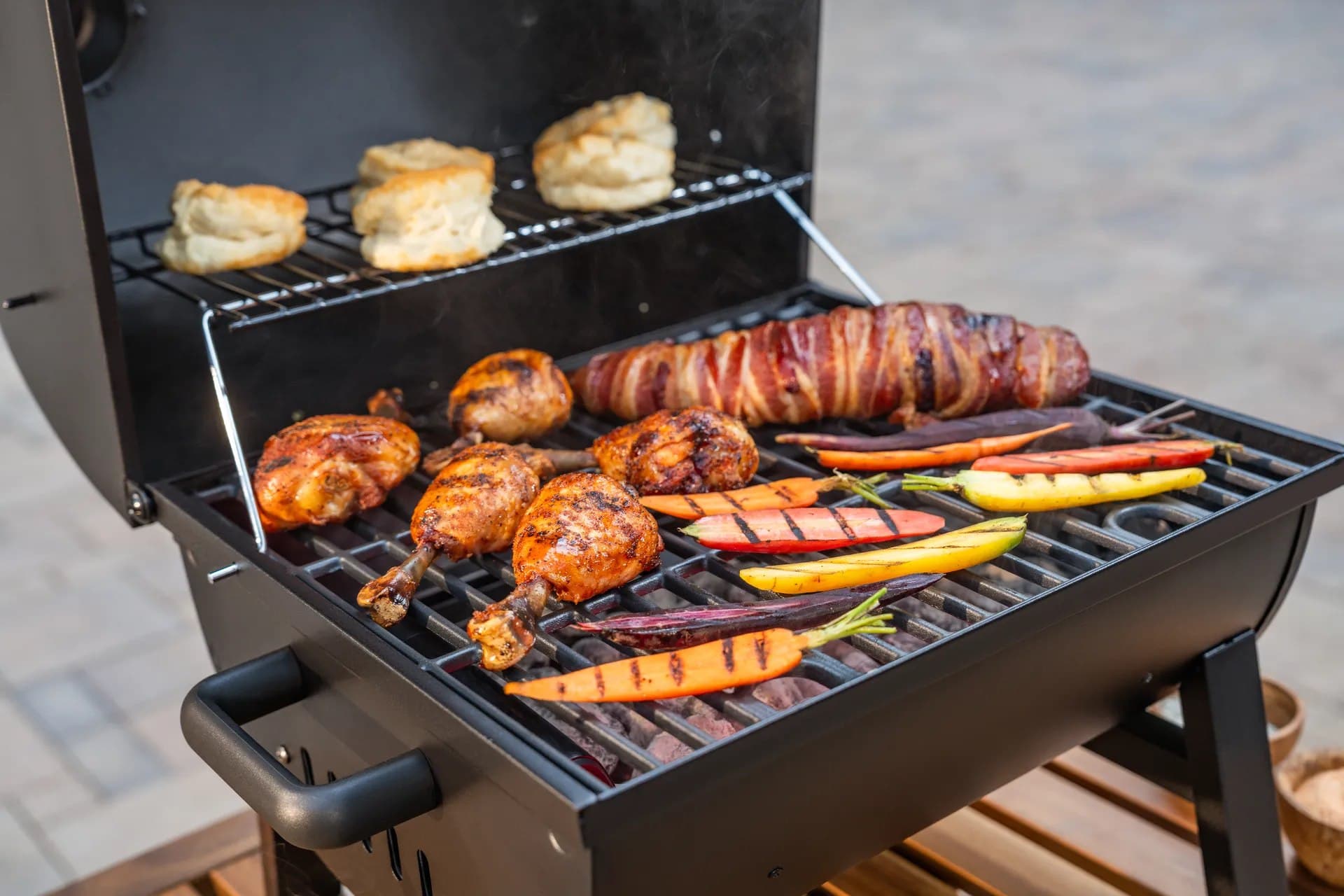
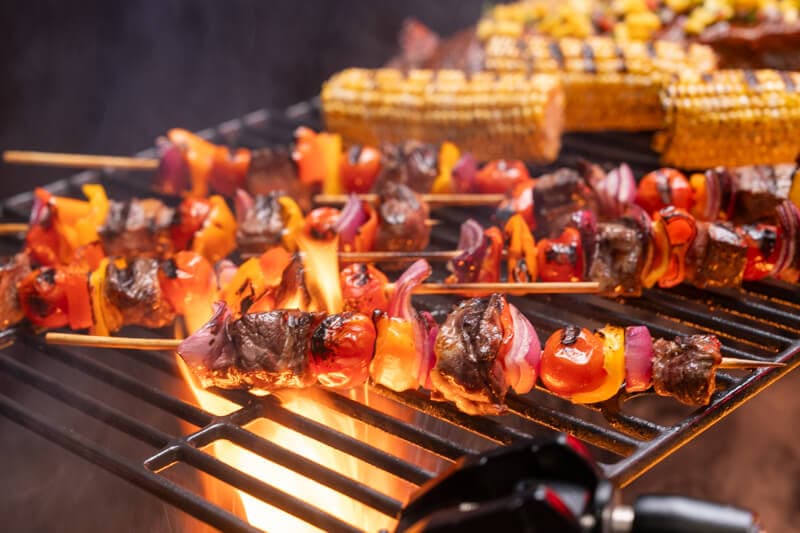
Nexgrill equipment is suitable for a variety of recipes including meats, vegetables, and even pizzas. Popular options include marinated steaks, grilled vegetables, and shrimp skewers.
To enhance the flavor of grilled vegetables, consider marinating them in olive oil, herbs, and spices before grilling. Alternatively, you can season them with salt and pepper during grilling for a more straightforward approach.
To achieve perfect grill marks, preheat your grill to a high temperature and ensure that the food is dry before placing it on the grill. Avoid moving the food too early, as it needs to sear properly to form those classic grill marks.
Using a meat thermometer is the most accurate way to ensure your grilled meat is at the desired temperature. For instance, chicken should reach an internal temperature of 165°F while medium-rare beef is typically at 135°F.
To clean your Nexgrill after cooking, allow it to cool and then use a grill brush to remove any residue from the grates. You can also wipe down the exterior with a damp cloth and mild soap to keep it looking its best.
In This Article
Types of Pizza Ovens
Top Cookbooks Reviewed
Troubleshooting Tips
A pizza oven changes the way you think about dinner. The best recipes are not just about topping combinations; they are about dough behavior, heat management, and timing, which is why a good cookbook or recipe guide can be as valuable as the oven itself. For home cooks in the United States, especially those experimenting with compact backyard ovens or versatile outdoor cookers, the right recipes can shorten the learning curve and make early bakes far more consistent. Nexgrill’s brand voice centers on welcoming, practical outdoor cooking that invites people to gather and learn together, and that spirit fits pizza-making well: it is hands-on, social, and improved by repetition rather than perfection on the first try .
This review focuses on three things readers actually want when they search for pizza oven recipes and cookbooks: which oven type is easiest for the recipes in the book, what kinds of pies each resource helps you make well, and where common mistakes usually happen. Instead of treating every cookbook as interchangeable, the goal here is to separate books that teach technique from books that simply collect topping ideas. That difference matters because a beginner often needs a formula for dough handling and oven timing more than a dozen topping variations.
Another reason this topic deserves a more careful review is that pizza ovens reward precision. Small changes in dough hydration, stone preheat time, flame placement, or door management can alter the result. A strong recipe resource should explain not only what to do, but why the crust browned too quickly, why the center stayed pale, or why cheese slid off after the launch. The best pizza oven recipe collections make those lessons repeatable, which is what helps a home cook go from one decent pie to a reliable cooking routine.
A useful recipe guide should teach heat control, not just ingredient lists. That is the difference between a one-time success and repeatable pizza nights.
The type of oven you use shapes which recipes work best. Wood-fired ovens deliver the strongest flame-driven heat and are ideal for Neapolitan-style pizzas with blistered crusts and quick bake times. They ask for more attention, though. You need to watch flame position, rotate pies fast, and keep the oven in a stable heat range if you want the book’s timing to hold up. Recipes written for wood-fired cooking often assume very short bake windows and a high level of visual judgment, so they are better for cooks who enjoy active control and are comfortable adjusting on the fly.
Gas pizza ovens are the easiest middle ground for most home cooks. They heat faster than traditional masonry setups, are easier to regulate, and make recipe testing less stressful because the temperature is more predictable. A cookbook that includes detailed browning cues, preheat guidance, and dough weight recommendations tends to shine on a gas oven. This is a smart match for weeknight cooking, family pizza nights, or anyone who wants a reliable process rather than a performance challenge. For many U.S. homeowners, gas is the best way to practice one recipe several times and improve with each bake.
Electric pizza ovens are the most forgiving for indoor-style consistency. They usually take up less space and are easier to operate, which makes them a strong fit for apartment cooks, small patios, or households that want a simpler entry point. The trade-off is that some books’ faster, high-heat recipes may need adaptation because electric models may not reach the same peak temperatures as wood or gas ovens. Cookbooks that include lower-temperature versions, pan-style pizzas, or par-bake strategies tend to work especially well here. For readers who are mainly learning dough shaping, sauce balance, and topping ratios, electric ovens can provide a controlled environment for practice.
| Oven type | What it does best | Recipe style that fits |
|---|---|---|
| Wood-fired | Fast char, smoky flavor, dramatic blistering | Neapolitan, artisan pies, short bakes |
| Gas | Predictable temperature and easy control | Everyday pizzas, mixed styles, repeatable home recipes |
| Electric | Simple operation and compact convenience | Practice recipes, pan pizzas, lower-temperature bakes |
core oven styles to match with the right recipe book before you buy or bake.
If you are choosing a cookbook for a specific oven, look for whether the author explains temperature targets in plain language and whether the recipes include both artisan and family-style pies. That practical flexibility is worth more than glossy photography alone. Try comparing two products side by side below to see which fits best:
The strongest pizza cookbooks do one of two things well. Some teach you how to build skill, giving you dough formulas, fermentation timing, and oven behavior so you can improve with any recipe afterward. Others focus on variety, helping you cook everything from classic Margherita to specialty pies with seasonal toppings. The best choice depends on whether you are buying your first pizza book or trying to deepen your repertoire.
One standout resource is Serious Eats’ roundup of pizza cookbooks, which is useful because it frames books by approach rather than treating them all the same. That matters for readers who want a smarter purchase decision. A technique-heavy book can be the better investment for beginners because it explains the why behind dough development, while a recipe-rich book can be better for experienced cooks who already understand basic handling and want to branch into new styles. Serious Eats also helps readers think about how a book’s instructions will translate into a home oven environment, which is often the real test of usefulness .
A cookbook earns its keep when it gives you a repeatable process. That includes dough by weight, not just by volume; sauce guidance that prevents sogginess; topping suggestions that do not overload the crust; and oven cues that explain what the cheese, rim, and bottom should look like at the right moment. In practice, the most useful books are the ones that help you answer questions like: should the dough rest longer, is the oven too cool, or do I need to slide the pizza closer to the flame? A great recipe book reduces guesswork on those issues.
For the home cook who wants breadth, a good cookbook should include a few reliable categories: classic tomato-and-mozzarella pies, white pizzas, vegetable-forward options, and at least one dough method that can be prepared ahead of time. Recipes with short ingredient lists are excellent for beginners because they expose the effect of temperature and dough quality without too much distraction. More advanced readers may prefer books that include regional styles, sourdough variations, or bakery-style approaches that explain fermentation in detail. The point is not to find the fanciest book; it is to match the level of instruction to the cook’s current skill.
If a cookbook teaches dough handling, oven reading, and bake timing clearly, it will usually outperform a prettier book that only lists toppings.
| What to look for | Why it matters |
|---|---|
| Weight-based dough recipes | Improves consistency and makes scaling easier |
| Clear oven temperature cues | Helps you avoid underbaked centers and burnt rims |
| Range of crust styles | Lets you match the book to your oven and taste preference |
| Practical troubleshooting notes | Saves time when real-world conditions change the bake |
Another advantage of reviewing cookbooks by their teaching style is that it prevents disappointment. A user with a compact gas oven may not need a book focused on ultra-high-temperature wood-fired techniques, while an experienced pizza maker may feel boxed in by a beginner guide that never goes beyond basic margherita variations. The right match feels obvious once you compare the book’s ambition to the oven you actually own.
Once you have compared a couple of cookbook options, the next question is usually not “Which book is prettier?” but “Will these recipes actually work in my oven?” That is where troubleshooting matters. Pizza ovens are sensitive to timing, fuel behavior, and dough preparation, so even a strong recipe can fail if one variable is off. The good news is that most issues show up in predictable ways, and a well-written recipe guide should help you read those signs before you waste a round of dough.
The most common problem is a crust that browns too quickly on the outside while the center stays underdone. In a wood-fired oven, this usually means the flame is too aggressive or the pie started too close to the hottest zone. In a gas oven, it may mean the oven was preheated properly at the top but the stone was not fully stabilized. In an electric oven, it often means the bake needs more time than the recipe estimated. The fix is usually to let the stone or cooking surface absorb heat longer, lower the launch temperature slightly, or use a thinner topping load so heat reaches the center faster.
A second frequent issue is sticking during launch. This can happen when dough is too wet, the peel has too much sauce on it, or the pie sits on the peel for too long before sliding into the oven. Most recipe books that are actually helpful will tell you to dust the peel lightly with flour or semolina, work quickly, and keep toppings modest. If your dough is highly hydrated, you may also need to shape it on parchment for a first few bakes and then graduate to a bare peel once your handling improves. User-friendly books tend to teach launch technique alongside recipes because the two are inseparable.
Another issue is a pale bottom with a nicely browned top. This usually suggests the stone or steel is not hot enough, or the oven is set in a way that favors overhead heat over conductive heat. The solution is to preheat longer, especially in gas and electric units, and to make sure the pizza is sitting on a surface that can transfer heat efficiently. In practical terms, that means not rushing the preheat just because the air temperature looks high. Cookbook readers often miss this detail, but the bottom crust is usually the real test of whether the oven was ready.
If the top looks finished before the bottom sets, resist the urge to crank the flame higher immediately. Give the cooking surface more time to store heat first.
Recipe books can also differ in how well they handle sauce balance. A too-wet sauce can make even a great dough seem weak, especially in beginner hands. Some cooks overcompensate with cheese and toppings, which can trap moisture and extend cook time. A thoughtful cookbook will suggest restrained topping amounts and may include recipes with white sauces, oil-based finishes, or simple herb toppings so cooks can compare how moisture affects the result. That kind of variety is especially useful because it teaches you how to adjust one variable at a time.
Temperature swings are another reality, especially when making multiple pies in one session. Wood-fired ovens can surge when fresh fuel is added, and gas ovens can lose stability if the door is opened too often. If a recipe seems inconsistent from one bake to the next, the problem may not be the dough at all. It may be the oven cycle. The best response is to keep notes: preheat duration, stone temperature if measured, launch time, turn intervals, and total bake time. Those notes are more valuable than memory, especially when testing recipes from a new book.
| Problem | Likely cause | Practical fix |
|---|---|---|
| Burnt rim, raw center | Excessive top heat or underheated stone | Stabilize the oven longer and reduce flame intensity |
| Dough sticks to peel | Too much moisture or delayed launch | Work faster, use less sauce, dust peel lightly |
| Pale bottom crust | Surface not fully heated | Extend preheat and avoid overcrowding the oven |
| Uneven cooking between pies | Heat fluctuations or inconsistent launch timing | Record bake conditions and reset oven between rounds |
What stands out most in user experiences is how quickly the right cookbook can build confidence. First-time pizza makers often talk about the relief of having exact dough weights and a clear sequence for stretching, topping, and launching. Instead of feeling like they are improvising, they can focus on one skill at a time. That makes the process more enjoyable, and it usually leads to better pizza faster. In family settings, that matters because pizza night becomes a shared routine rather than a stressful test.
Experienced home cooks tend to value books that move beyond the basics and offer a new technique or flavor path. A user who already makes basic margherita pies may appreciate a recipe that introduces long fermentation, a different flour blend, or a seasonal topping combination that changes the texture and aroma of the final pizza. The testimonials that matter most are not always the most dramatic ones; they are the ones that say, in effect, “This book taught me something I could apply again.” That is the strongest signal of quality.
Readers also respond well to recipes that work in real households. A good recipe book should not assume a restaurant kitchen or perfect weather. It should help home cooks handle a busy evening, a smaller oven, or a less-than-ideal dough schedule. Many users appreciate when a book offers make-ahead dough options or recipes that can be adapted for lighter toppings. Those details turn a special-occasion project into something you can actually do on a Tuesday.
A recurring theme in positive feedback is that clear writing reduces anxiety. When a cookbook explains what the dough should feel like, how the crust should look when it is ready, and how the oven should behave as it heats up, people trust the process more. That trust translates into better launches, fewer rushed bakes, and more successful pizzas. In that sense, the best user experience is often the quiet one: fewer surprises, better crust, and a cooking session that feels repeatable.
The strongest user praise usually centers on clarity: “I understood what to do on the second pizza, not just the first.”
A good pizza oven recipe review is really a guide to better decision-making. The best cookbooks are the ones that match your oven type, explain technique without jargon, and help you solve the most common bake problems before they ruin dinner. For beginners, that often means choosing a book with clear dough instructions and stable, repeatable recipes. For more advanced cooks, it may mean selecting a resource that introduces stronger fermentation, regional styles, or more sophisticated topping combinations.
If you are deciding between resources, focus less on the number of recipes and more on how well the book teaches you to cook under real conditions. When a cookbook helps you understand temperature, timing, and dough behavior, it pays off every time you fire up the oven. That is what makes a pizza book worth keeping on the shelf: not just new ideas, but better results, session after session.
Here's what sets us apart
We position ourselves as delivering high-end outdoor cooking features and performance without premium-brand pricing, emphasizing “Quality Grills. Unbelievable Value.”
We offer gas grills, pellet grills, griddles, smokers, pizza ovens, portable/tabletop grills, electric grills, accessories, and replacement parts — allowing customers to stay within one ecosystem for all outdoor cooking needs.
We differentiate ourselves through smart grilling products like the Oakford smart pellet grill, including app-connected cooking controls and modern outdoor cooking technology.
Don't just take our word for it
Keep reading
From our catalog