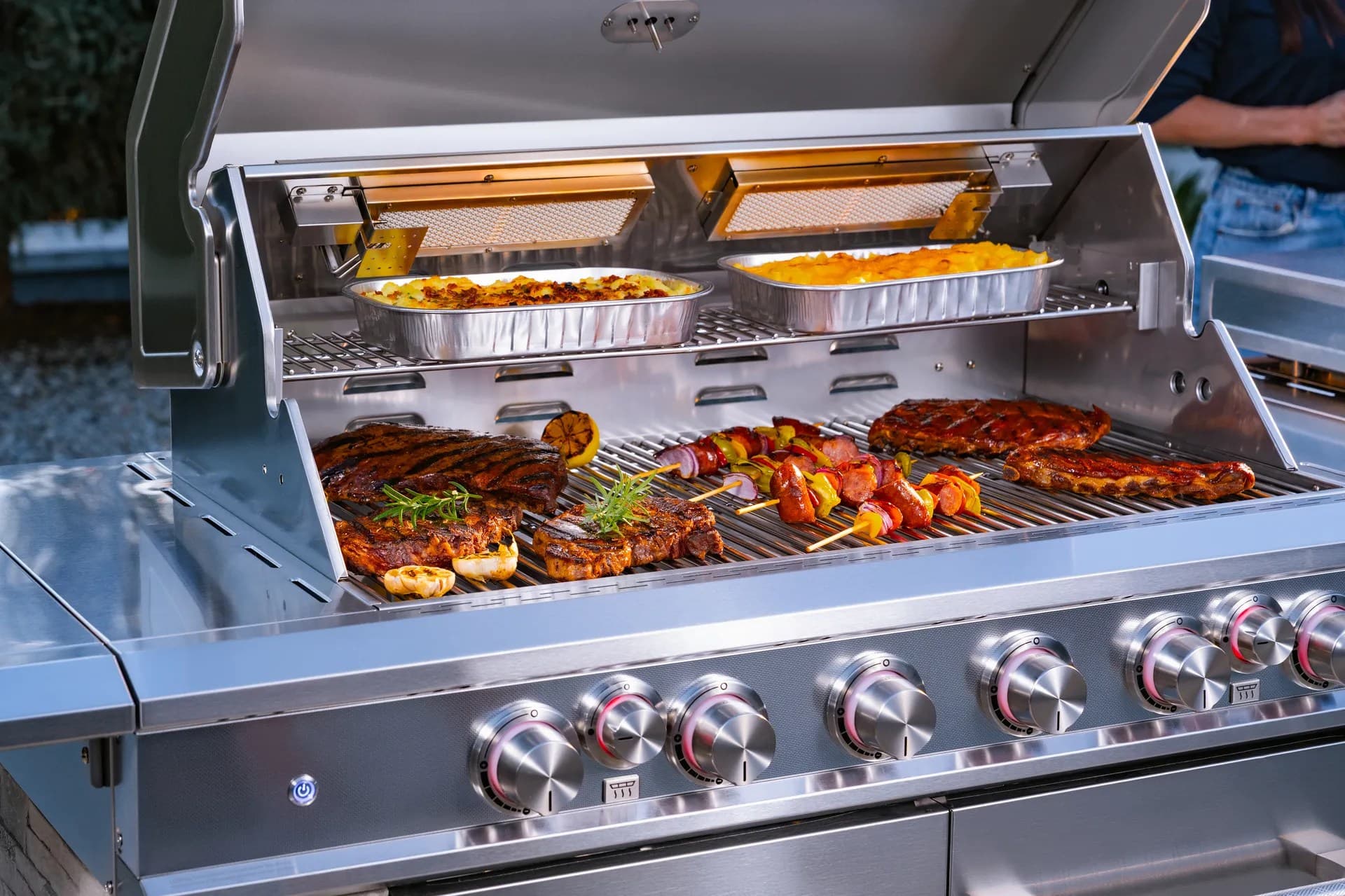
A comprehensive guide to selecting and using versatile outdoor cooking appliances that combine pizza baking and smoking capabilities.
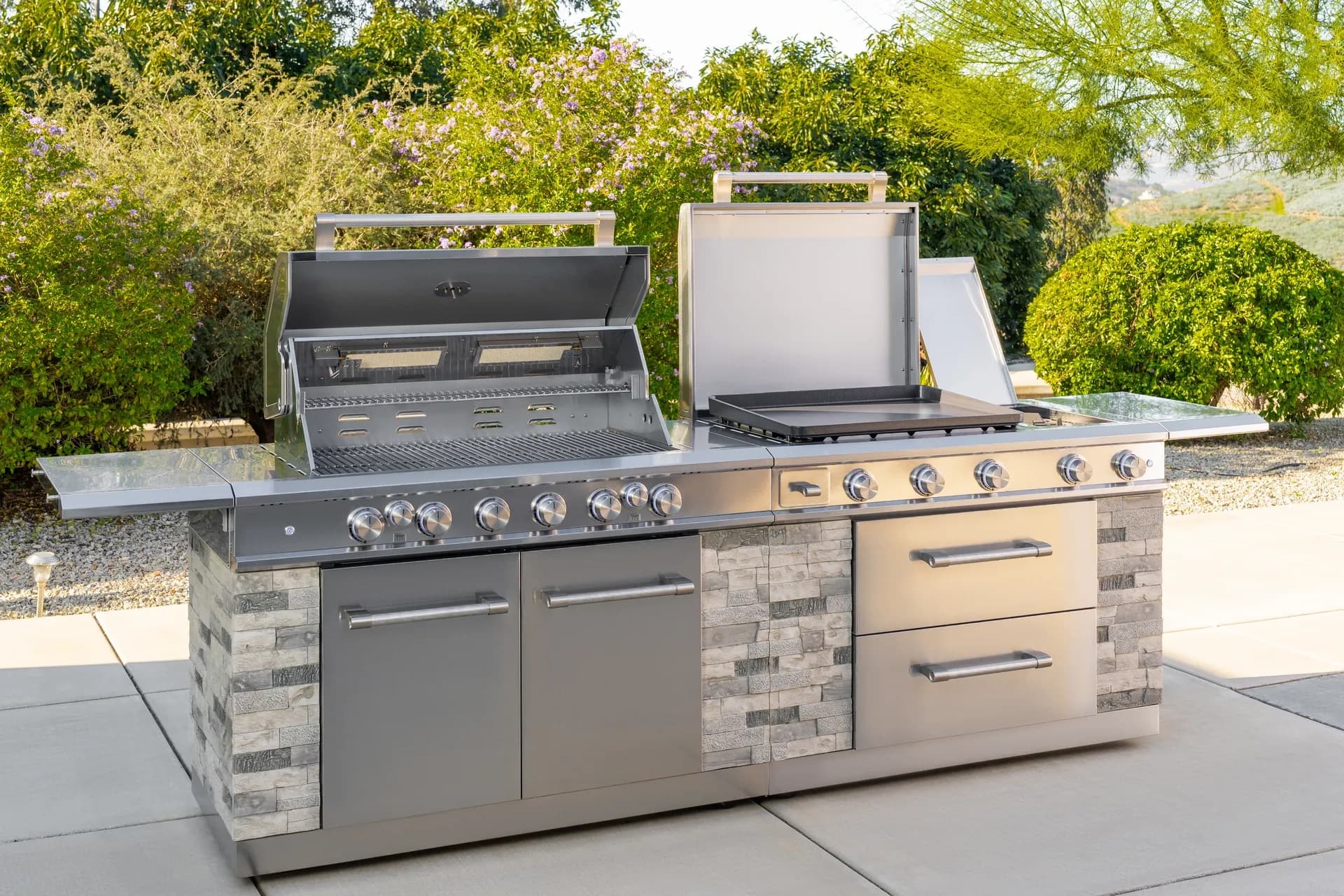
From sizzling breakfasts to smash burgers and teppanyaki-style dinners, the Daytona Pro 5 Burner NitroGuard™ Griddle delivers powerful heat, fast cooking, and a durable cooking surface built for every backyard cookout. Watch how easy outdoor cooking can be.
Here's what sets us apart from the competition
We position ourselves as delivering high-end outdoor cooking features and performance without premium-brand pricing, emphasizing “Quality Grills. Unbelievable Value.”
We offer gas grills, pellet grills, griddles, smokers, pizza ovens, portable/tabletop grills, electric grills, accessories, and replacement parts — allowing customers to stay within one ecosystem for all outdoor cooking needs.
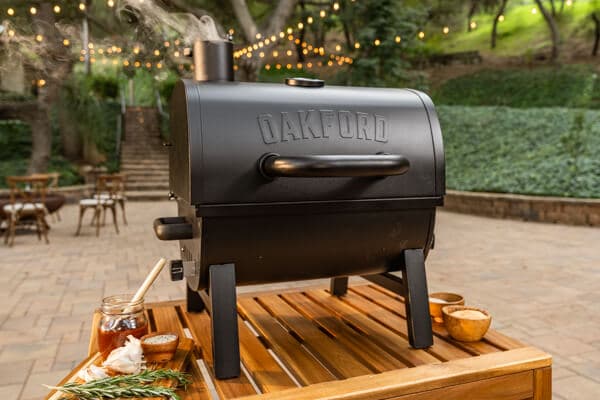
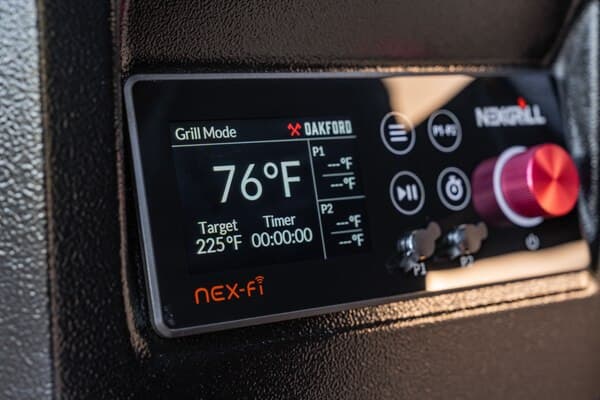
We differentiate ourselves through smart grilling products like the Oakford smart pellet grill, including app-connected cooking controls and modern outdoor cooking technology.
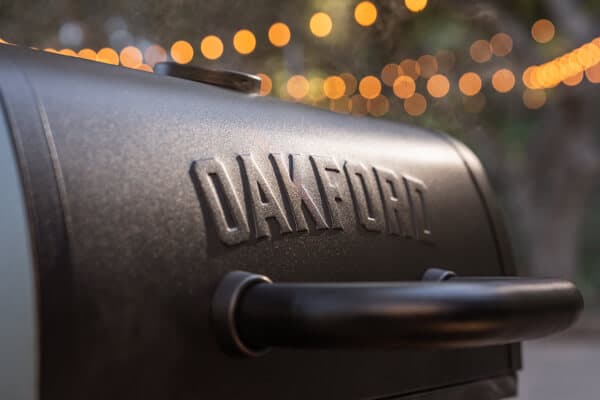
Expert tips, buying guides, comparisons, and inspiration for choosing and getting the most out of your grill.
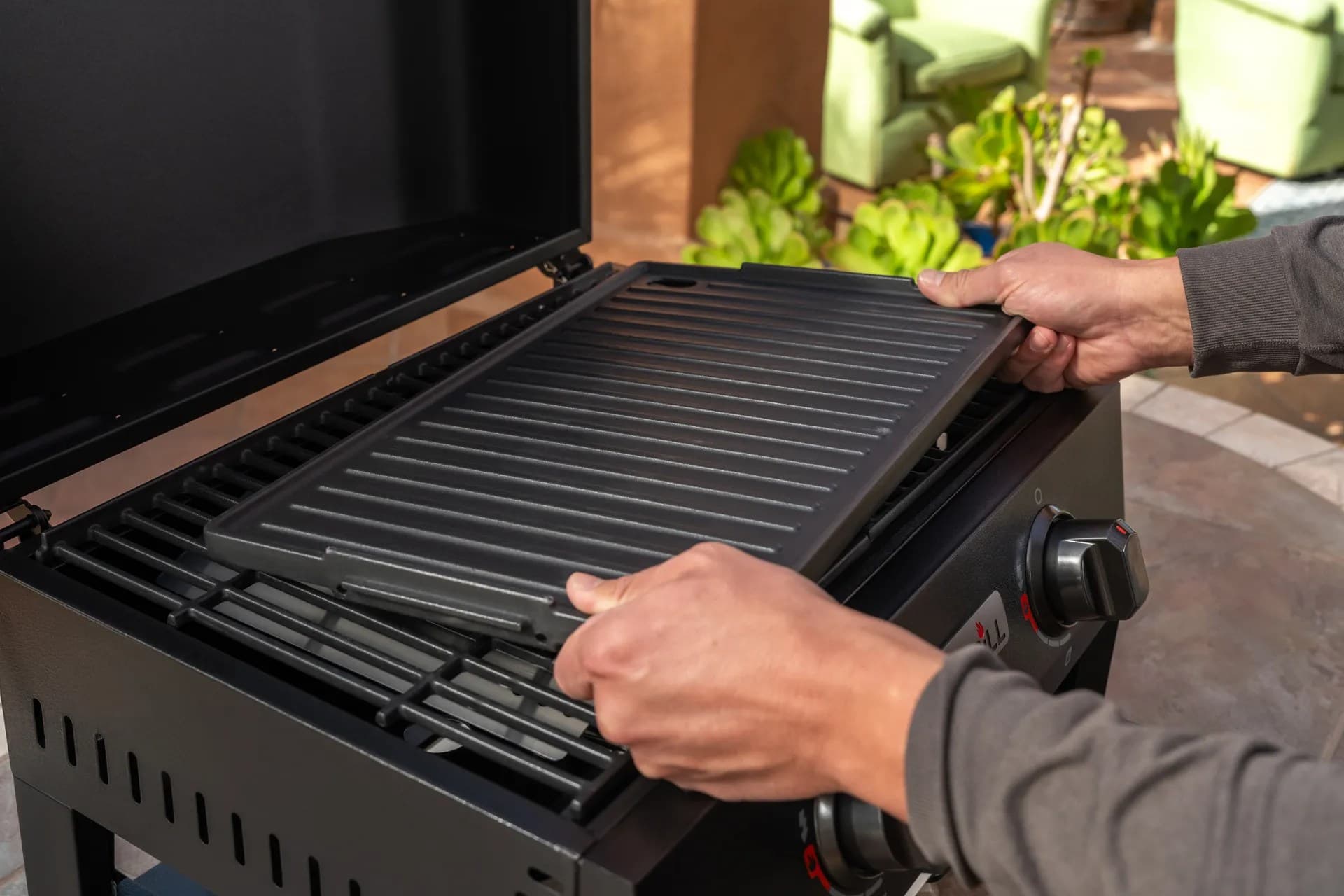
Practical guides for cleaning, maintenance, common grill issues, and performance optimization.
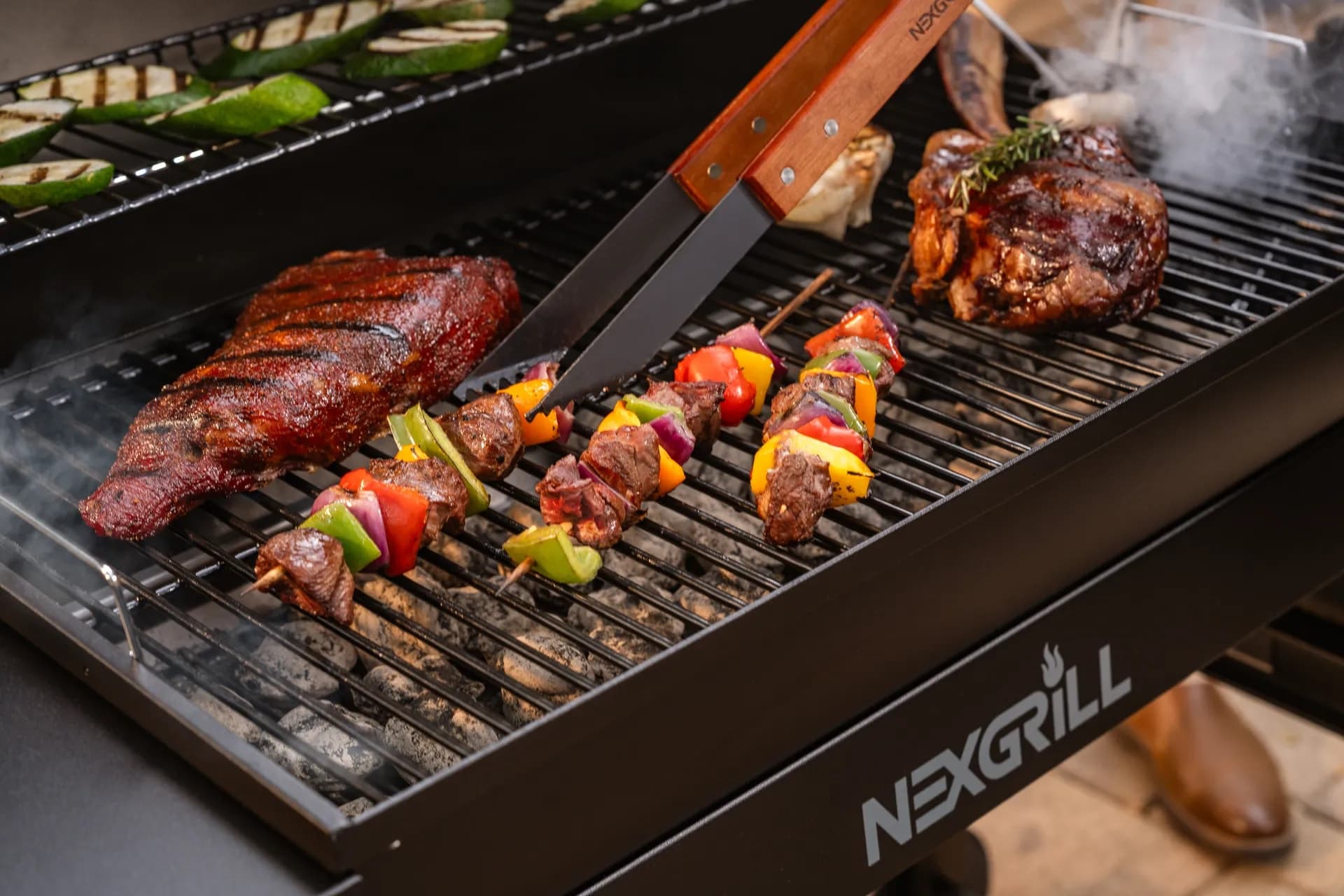
Step-by-step grilling recipes, cooking techniques, and meal ideas for every occasion and skill level.
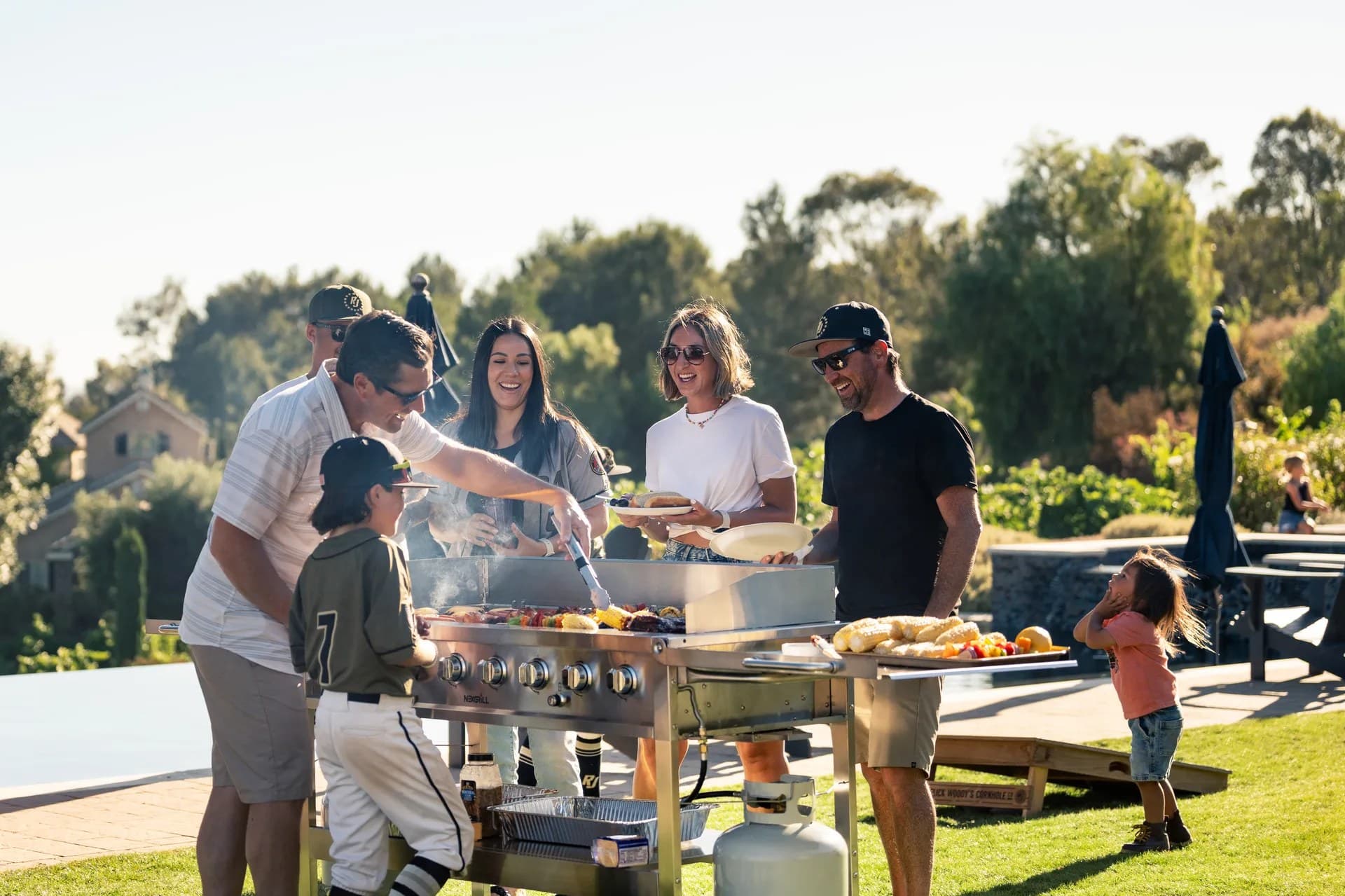
Backyard entertaining ideas, seasonal grilling inspiration, and stories that celebrate outdoor cooking culture.
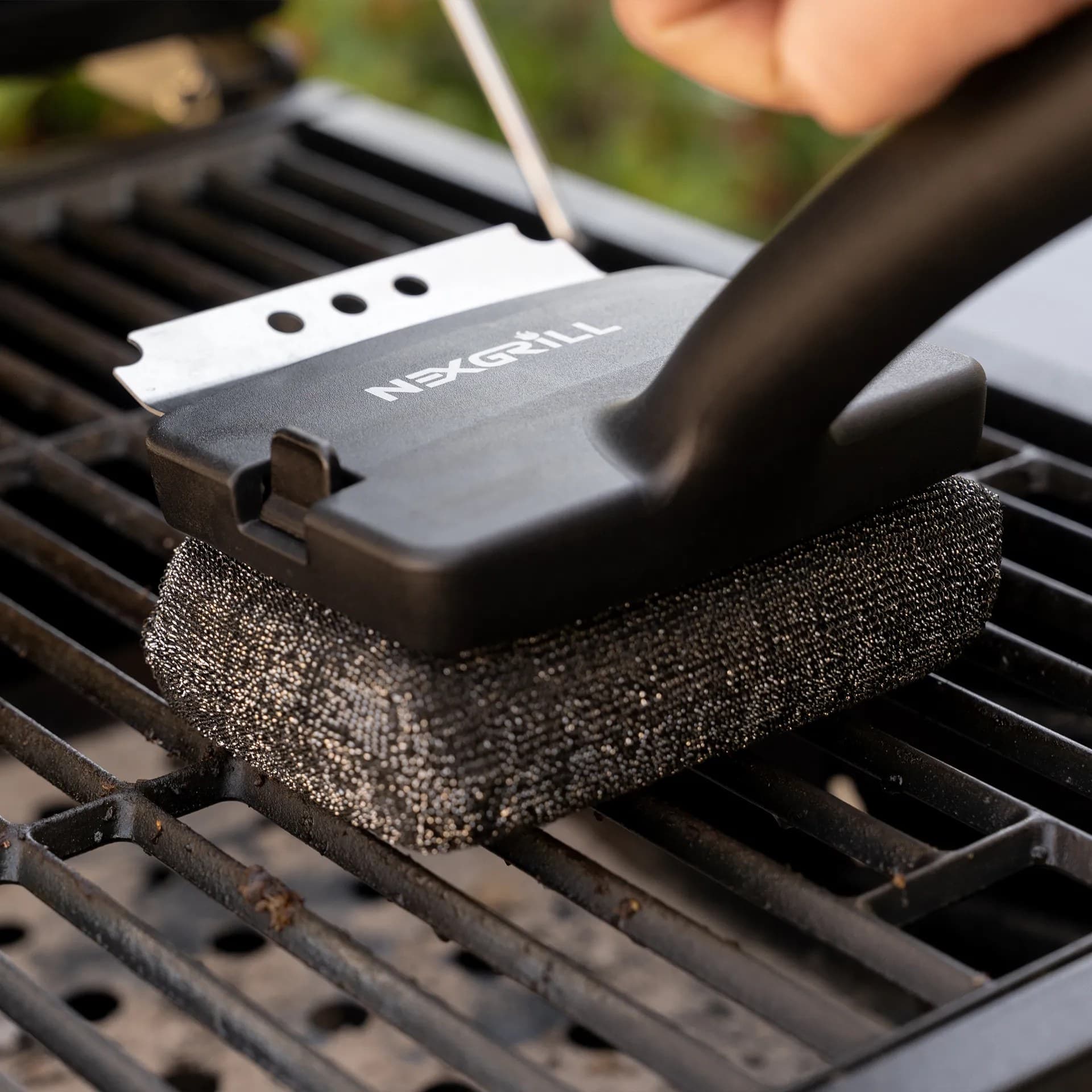
Helpful articles covering grilling tools, cookware, maintenance gear, and must-have accessories for outdoor cooking.
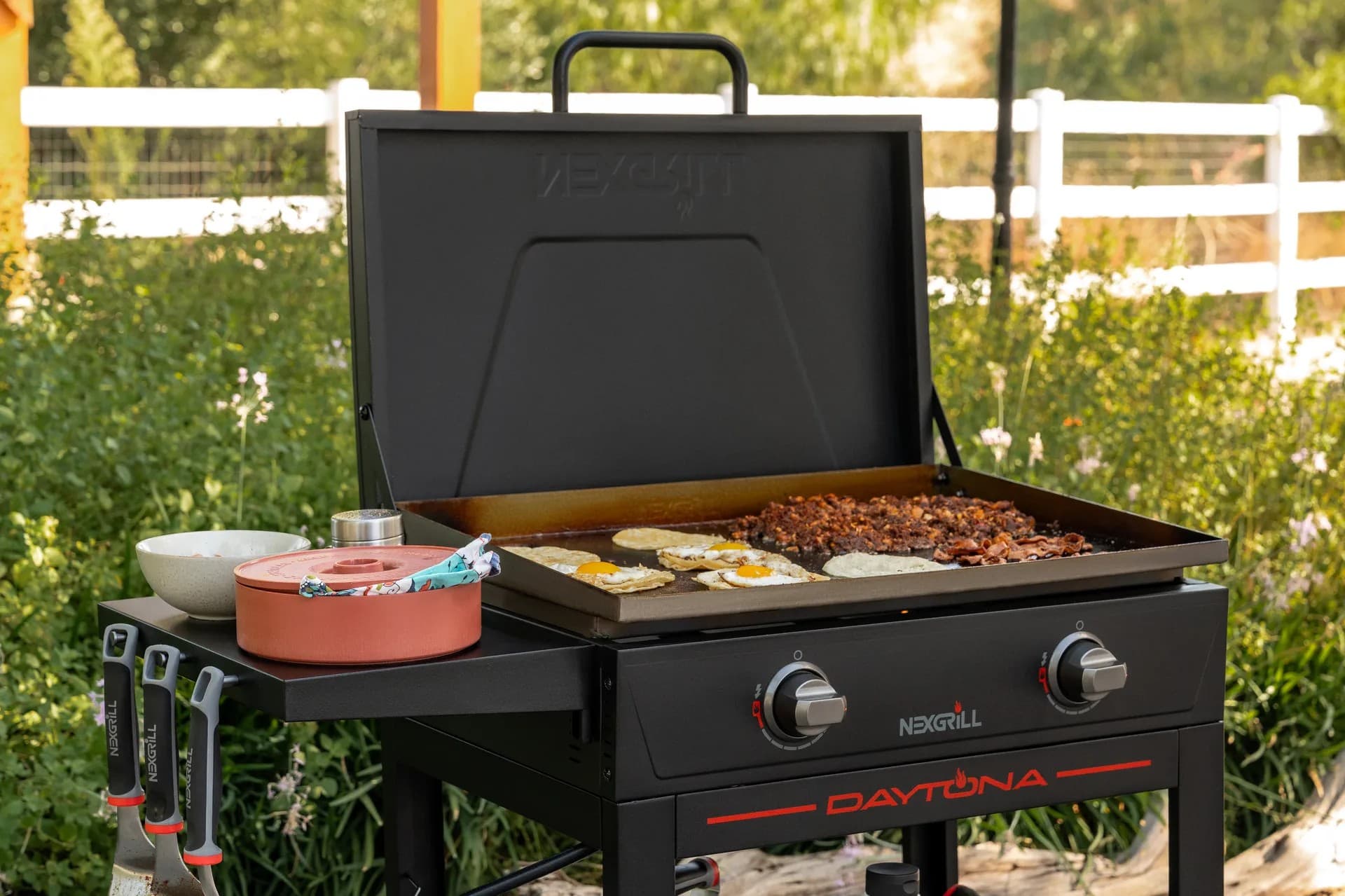
Find griddle recipes, cooking techniques, cleaning tips, and outdoor meal ideas designed for Nexgrill griddles.
Find answers to common questions
Gas grills provide instant heat and precise temperature control, making them easier to use. Charcoal grills offer a smoky flavor and high heat for searing but require more time to heat up and manage.
Pellet grills combine the convenience of gas with the flavor of wood, allowing for smoking, baking, and grilling. Traditional gas grills, however, are quicker to start and often easier to clean.
Charcoal grills typically reach higher temperatures quicker than gas grills, making them better for searing meat. However, high-quality gas grills can also provide adequate heat for effective searing.
Nexgrill offers models designed specifically for gas, charcoal, and pellets, allowing users to choose based on their cooking style and flavor preferences. Each type is built to optimize the characteristics of its respective fuel.
Choosing between gas and charcoal grills depends on your cooking preferences and lifestyle. If you value convenience and quick cooking, a gas grill may suit you better; if you prefer the taste and experience of traditional grilling, a charcoal grill would be ideal.
In This Article
Dual Functionality
Top Models
Cooking Techniques
An outdoor pizza oven with smoker functionality gives backyard cooks a rare kind of flexibility: it can move from high-heat pizza baking to low-and-slow flavor building without forcing you to buy two separate appliances. That matters because the best outdoor cooking setups are not just about one dramatic meal. They are about how often you’ll use the equipment, how easily it fits into a weeknight routine, and whether it still feels useful after the novelty wears off. A combined oven-and-smoker appeals to people who want crisp crusts on Friday night, then ribs, chicken, salmon, or vegetables with wood-fired depth on Saturday afternoon. It also fits the kind of social cooking Nexgrill often celebrates: food that brings people together around a single fire source, but with multiple ways to cook from it. Nexgrill’s brand voice emphasizes togetherness, approachability, and practical versatility, which is exactly why this category resonates with both first-time buyers and experienced outdoor cooks who want more from one station than a single-use pizza box can provide.
The phrase “with smoker” can mean a few different designs in the real world. Some ovens include a dedicated smoke box or pellet-fed chamber. Others are pizza ovens that allow smoking-friendly fuel choices and controlled airflow, so you can introduce smoke during preheat, cook, or finishing stages. A third group is best described as hybrid outdoor cookers, where the fire management system supports both pizza-style radiant heat and smoker-style indirect heat. That distinction matters when you shop, because not every model that promises smoke flavor will behave like a true offset smoker, and not every smoker can recover fast enough for crisp pizza baking. In practice, the right model depends on whether you care more about fast pizza service, slow smoke sessions, or equal-time versatility.Understanding the Pricing of Pizza Ovens with Integrated Smoke Chambers
The most useful combined units are the ones that keep temperature swings predictable. If a cooker cannot hold steady heat, it becomes frustrating for both pizza and smoking.
If you are evaluating this category from a buyer’s perspective, think in terms of workflow instead of feature count. Ask whether the appliance preheats quickly enough for pizza night, whether it can sustain lower temperatures for pork shoulder or brisket trim, how easy it is to clean ash or grease, and whether accessories are available for the cooking style you actually use.Discover the Perfect Pizza Oven with Integrated Smoke Chamber That approach will help you avoid buying a stylish but awkward compromise. It also keeps the focus on value: a good hybrid unit should reduce clutter, widen your recipe range, and feel natural to use rather than forcing constant workarounds.
The biggest benefit is flexibility, but that word is too generic on its own. In a real backyard setting, flexibility means you can build a menu around the same equipment without changing the entire cooking station. A pizza oven that can also smoke food allows one piece of gear to handle a dinner-party appetizer, a main course, and a finishing touch. You might start with smoked queso or peppers, move to pizzas with a lightly kissed crust, and finish with smoked peaches or a tray of vegetables. That makes the appliance more useful across seasons, too. In cooler months, smoking brings long cook times and deeper flavor into the mix; in warm months, fast pizza service gives you a centerpiece meal that keeps guests engaged.
Another advantage is flavor layering. Traditional pizza ovens excel at intense top-down and surround heat, which creates blistered crusts and fast cook times. Smoking capability adds a different flavor dimension: wood smoke, lower-temperature drying, and a slower build of aroma. When used correctly, the combination can create pizzas that taste more like a wood-fired signature dish than a standard oven bake. That said, the goal is balance. Too much smoke can overwhelm delicate toppings like fresh mozzarella or basil. The sweet spot is usually a restrained smoke presence that supports the dough and sauce rather than dominating them.
Can replace separate pizza and smoke setups for many home cooks
There is also a space and storage benefit that matters in suburban patios, smaller decks, and shared outdoor kitchens. A single hybrid unit often takes less room than a dedicated pizza oven plus a separate smoker. That can make it easier to build a cohesive cooking area with prep space, fuel storage, and serving room nearby. In Nexgrill’s broader product philosophy, that kind of practical access is important: the best outdoor gear should feel attainable, not intimidating, and should work for a family gathering just as well as a solo experiment on a weeknight.
Because the market is still evolving, the strongest shopping strategy is to compare not only name recognition but also cooking behavior. The models most often discussed by outdoor cooks generally fall into three useful buckets: compact electric or pellet-assisted units for convenience, wood-fired portable ovens for authentic high-heat baking, and larger outdoor cookers that lean more heavily into smoke performance. For many buyers, the right answer is not the most famous name but the one that matches the way they actually cook at home.
| Model type | Best use | Strength | Trade-off |
|---|---|---|---|
| Ninja Woodfire-style compact units | Small patios, quick pizza, everyday smoking | Easy learning curve and fast setup | Less traditional live-fire character |
| Ooni Karu 16-style multi-fuel ovens | High-heat pizza and controlled wood flavor | Strong crust performance and fuel flexibility | Smoking is more technique-dependent |
| Lone Star Grillz and Yoder Smokers-style heavy-duty cookers | Serious smoking with occasional pizza use | Excellent heat retention and smoke control | Bulkier and usually less portable |
Compact units like the Ninja Woodfire line are attractive to buyers who want a simple entry point into smoking and pizza without managing a large live-fire system. The appeal is convenience: you can usually get started faster, learn the basics quickly, and cook on weeknights without treating the appliance like a project. That makes them a smart fit for casual users who want broad function and easy cleanup.
Multi-fuel ovens in the Ooni Karu 16 style sit closer to the enthusiast end of the spectrum. They are designed for very hot pizza sessions and can support wood or charcoal for a more traditional cooking experience. If your priority is the pizza crust first and smoke flavor second, this is often the better lane. It rewards cooks who are willing to manage fuel and temperature more actively.
Heavier smokers from brands like Lone Star Grillz and Yoder Smokers are the opposite: they are built for serious smoke performance and capacity. They may not be the first choice for a 90-second Neapolitan pizza bake, but they can handle long smoking sessions with impressive consistency. For someone who cooks brisket, pork, or ribs often and only occasionally wants to finish a pizza outdoors, these are worth considering because they prioritize smoke control and stability over speed.
If you want both jobs to feel equally good, look closely at how quickly the unit transitions from smoking temperatures to pizza-ready heat. That transition is where many hybrids disappoint.
The most important rule is to decide which role the oven is playing before you light it. For pizza, you want intense radiant heat, a preheated stone or steel, and a floor temperature that supports quick browning. For smoking, you want gentler heat, stable airflow, and a smoke source that produces clean flavor instead of heavy soot. When a unit does both, the technique changes more than the equipment does.
To smoke a pizza well, start with the dough and toppings in mind. A pizza that will spend time in a smoker or smoke-adjacent environment should not be overloaded with delicate ingredients. Tomato sauce, low-moisture mozzarella, caramelized onions, sausage, mushrooms, or roasted peppers hold up better than highly fragile greens. If you want a more pronounced smoke impression, smoke the dough lightly during preheat or use smoked cheese, smoked salt, or a smoked finishing oil instead of drowning the pie in active smoke. That keeps the crust from becoming bitter.
Smoking pizza workflow:1. Preheat the unit until the cooking surface is fully stable.2. Add a small, clean-burning wood source or pellet load.3. Keep smoke light and intermittent rather than thick and constant.4. Par-bake or launch the pizza once the crust can rise quickly.5. Finish with brief high heat for browning and bubbling.6. Rest 1-2 minutes before slicing so toppings settle.For other foods, the same appliance can become a surprisingly capable flavor tool. Chicken thighs, sausage links, salmon, cauliflower halves, and even mac and cheese all benefit from low to moderate smoke exposure. The key is moisture management. If the food dries out easily, use a drip pan, a water pan if the design allows it, or shorter exposure times. On long cooks, maintain a consistent temperature band rather than chasing a number that looks ideal on paper but is unstable in practice.
Maintenance is where hybrid units either become dependable tools or turn into frustrating weekend chores. After each cook, remove ash, check grease buildup, and clear the cooking chamber of loose food debris. If your model uses pellets, inspect the hopper and auger area for moisture exposure and pellet dust. If it uses wood or charcoal, remove spent fuel only after it is fully extinguished and cooled. A clean airflow path matters because both pizza baking and smoking depend on predictable draft.
A quick wipe-down after every use is more effective than periodic deep cleaning. Heat and grease are easier to manage before they harden.
You should also inspect seals, door hinges, thermometers, and stone surfaces regularly. The cooking environment in a pizza-smoker hybrid sees larger swings than a standard grill, so small wear points show up faster. If the oven includes removable components, clean them separately and let everything dry fully before storage. In wet climates or during winter storage in the United States, use a fitted cover and keep fuel dry. That is especially important for pellet systems, where moisture can compromise ignition and smoke quality.
Finally, do not treat seasoning as a one-time task. Depending on the surface materials, the interior may benefit from occasional high-heat burn-off and a light protective coat where appropriate. Follow the manufacturer’s instructions for any coated surfaces, stone, or steel parts. Good maintenance does more than improve longevity: it keeps flavor cleaner, reduces unpredictable flare-ups, and makes the appliance easier to trust when guests are waiting for dinner.
Try comparing two products side by side below to see which fits best:
Once you've weighed two options against each other, the next question is how these cookers behave in real homes, not just in spec sheets. User reviews for outdoor pizza ovens with smoker functionality tend to cluster around a few themes: convenience, flavor depth, learning curve, and cleanup. Convenient models earn praise from people who want a faster path to dinner and fewer moving parts, while more manual wood-fired systems tend to win over cooks who enjoy the ritual of lighting a fire and tuning airflow. That split is useful because it reveals a simple truth: satisfaction usually comes from matching the appliance to the cook, not from chasing the most aggressive feature list.
A common positive reaction is surprise at how often the appliance gets used. Buyers who expected a “special occasion” cooker often end up using it for weeknight chicken, roasted vegetables, flatbreads, and reheated leftovers because the same unit can generate flavor quickly. Many enthusiasts also like the social aspect. When a cooker can handle pizza and smoked appetizers in one evening, it naturally becomes a gathering point. That aligns with Nexgrill’s broader brand idea that great cooking brings people together and makes the occasion feel open rather than formal.
The most consistent criticism in user feedback is that hybrid appliances often require a learning period. Pizza wants aggressive heat and fast recovery, while smoking wants controlled airflow and patience. Users who expect both modes to behave identically can feel disappointed. The reviews that sound the happiest are usually written by cooks who accept that they must adjust fuel load, preheat time, and topping choices depending on the job. In other words, technique matters as much as the machine.
Fuel choice is one of the biggest reasons outdoor pizza oven and smoker combos feel different from one another. Wood delivers the most traditional fire flavor and is often the top choice for cooks who want a classic live-fire experience. It also takes more attention, because the fire can swing hotter or cooler as logs burn down. That makes wood ideal for experienced users who are comfortable managing flame and learning how their oven breathes. Charcoal is usually a little more forgiving than wood and can provide steady heat with a deep, familiar barbecue profile. It is a strong option when you want smoke without constantly tending logs, and it works especially well for long cooks or mixed-fuel setups.
| Fuel type | Pizza performance | Smoking performance | Best for |
|---|---|---|---|
| Wood | Excellent high-heat browning and flame-kissed flavor | Strong aroma, but requires careful control | Experienced users and traditional flavor seekers |
| Charcoal | Reliable, slightly less dramatic than wood | Very good for steady low-and-slow cooking | Balanced cooks who want consistency |
| Gas | Fast preheat and easy temperature control | Clean and predictable, though lighter on smoke character | Convenience-focused households |
Gas can be the right choice when convenience matters more than maximum smoke intensity. It heats quickly, allows easier dialing in of temperature, and can make a hybrid unit much less intimidating for newer users. For pizza night, that convenience is a major advantage. For smoking, gas often works best when paired with a wood chip or pellet accessory that introduces smoke without requiring constant fire management. The trade-off is flavor intensity: gas can feel cleaner and simpler, but it usually delivers a lighter smoke signature than wood or charcoal.
One practical buying takeaway is that fuel choice should reflect your most common cooking day, not your dream scenario. If you will smoke brisket twice a year but bake pizza every month, prioritize the pizza side first. If you already know you love long smoke sessions and only want pizza as a bonus, choose the reverse. The best hybrid is the one that performs naturally for your primary habit.
Safety is less glamorous than temperature charts, but it is essential with this kind of appliance. A pizza oven reaching very high temperatures can become hazardous quickly, especially if you are moving between pizza mode and smoker mode in one session. Keep the unit on a stable, non-combustible surface, away from low branches, deck railings, and anything that can catch heat or sparks. The oven body and surrounding hardware can stay hot long after the food is done, so give it a proper cooldown before handling removable parts or covering it.
Never assume a cooking chamber is safe to touch just because the flame is out. Metal and stone can hold dangerous heat for a long time.
Fuel handling deserves care as well. Store pellets, wood, charcoal, and ignition materials in dry conditions and keep them away from the unit while it is hot. If the appliance uses gas, inspect hoses and fittings before each season and whenever the cooker has been moved. Do not block ventilation openings in an attempt to force more smoke; poor airflow can lead to dirty combustion and unstable temperatures. The safest smoke is clean smoke, which comes from controlled fuel and proper draft.
Because you may use the appliance in two different cooking modes, it helps to set up a simple transition routine. Let the cooker stabilize before launching pizza, and allow it to cool more than you think necessary before switching to cleanup. If you are adding wood or pellets during a cook, do so using the manufacturer’s recommended method and tools. A little planning prevents a lot of unnecessary risk.
Wood pellet choice has a direct effect on the final flavor, especially in units that rely on pellet-assisted smoking or flavoring. Mild fruitwoods like apple or cherry often work well for poultry, pork, and lighter pizzas because they add sweetness without burying the ingredients. Hickory brings a stronger, more classic barbecue note that suits ribs, sausage, and hearty toppings. Oak is a versatile middle ground that can support both high-heat pizza and smoke-forward dishes without leaning too sweet or too sharp. Mesquite is powerful and should be used carefully, particularly on pizza, where too much intensity can dominate the sauce and cheese.
For pizza, subtle woods usually work better than aggressive ones. You can always build flavor with a finishing drizzle, smoked cheese, or smoked salt later.
A practical way to experiment is to keep the pellet choice simple and rotate only one variable at a time. Use the same dough, same cheese, and same sauce while changing the wood profile. That makes it easier to learn how your appliance responds and what your household actually prefers. Over time, you may find a repeatable pattern: cherry for poultry pizzas, oak for vegetables and flatbreads, hickory for smoked sausage or bacon-topped pies. Those small refinements create a signature style that feels personal rather than generic.
A combined pizza oven and smoker works best when it is not treated as an isolated gadget. In an outdoor kitchen, it should connect naturally with prep space, serving space, refrigeration, and storage. If the unit sits beside a cutting board, fuel bin, and tray landing zone, the whole cooking process becomes smoother. That is especially true on busy nights when one person is launching pizzas while another is slicing vegetables or checking smoked proteins. A well-planned layout makes the appliance feel larger in capability without actually taking up much more room.
Think about a typical American backyard gathering. You could start the afternoon with smoked nuts, then move to a pizza service for the main dinner period, and later warm dessert fruit or bread. The same station can create a rhythm for the evening, which is part of what makes hybrid cookers so appealing. They support continuous engagement instead of a single burst of activity. That is also where Nexgrill’s emphasis on approachable, communal cooking feels especially relevant: the fire becomes the center of the gathering, and the equipment helps keep people around the table longer.
If you are building or upgrading an outdoor kitchen, position the oven so smoke, heat, and foot traffic all work together safely. Leave enough room for opening doors, loading pies, and reaching fuel without crowding the cooking zone. A thoughtful layout makes a hybrid appliance feel intentional rather than improvised, and that is what turns a good product into a better long-term part of your outdoor routine.
Here's what sets us apart
We position ourselves as delivering high-end outdoor cooking features and performance without premium-brand pricing, emphasizing “Quality Grills. Unbelievable Value.”
We offer gas grills, pellet grills, griddles, smokers, pizza ovens, portable/tabletop grills, electric grills, accessories, and replacement parts — allowing customers to stay within one ecosystem for all outdoor cooking needs.
We differentiate ourselves through smart grilling products like the Oakford smart pellet grill, including app-connected cooking controls and modern outdoor cooking technology.
Don't just take our word for it
Keep reading
From our catalog