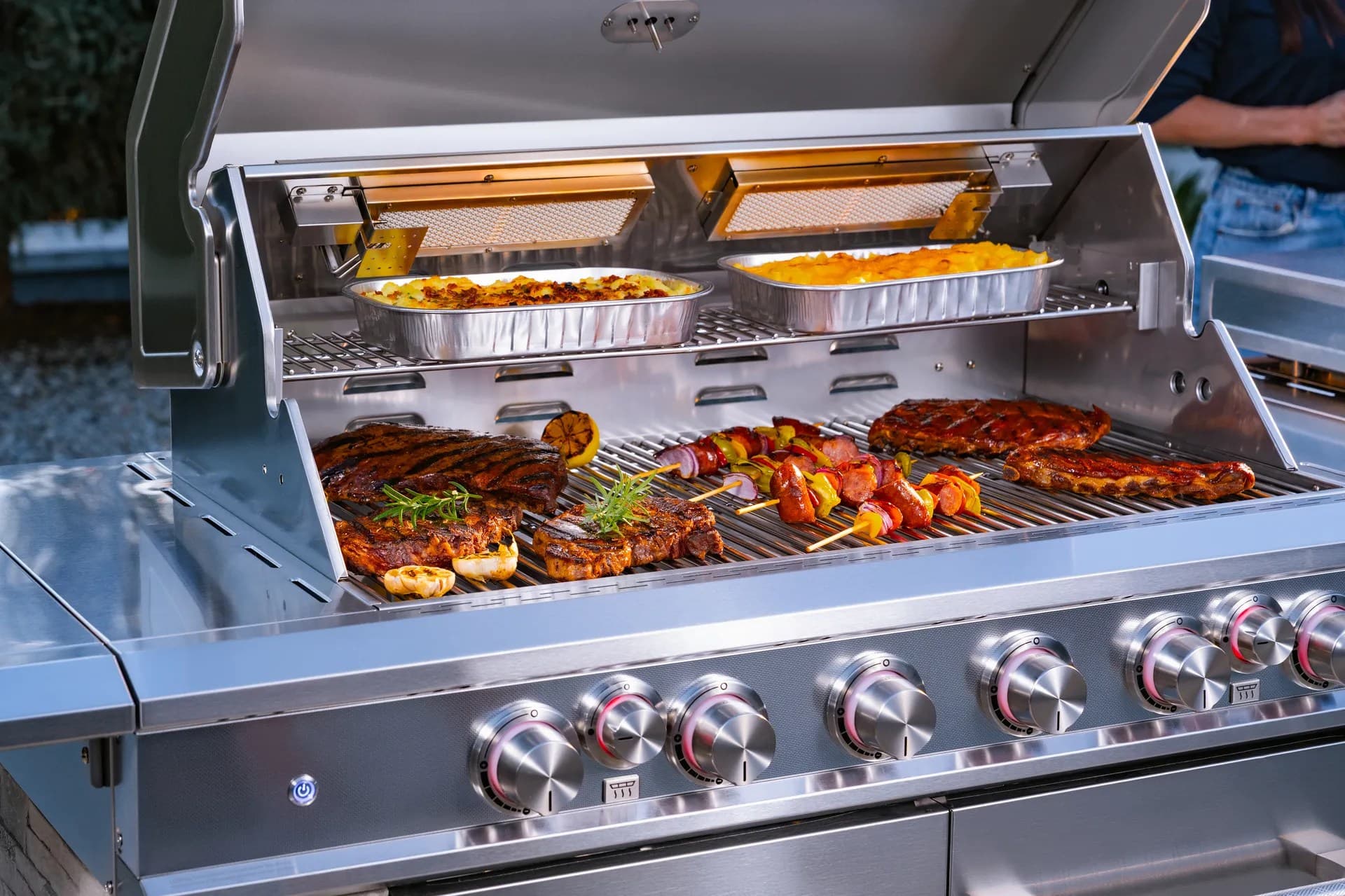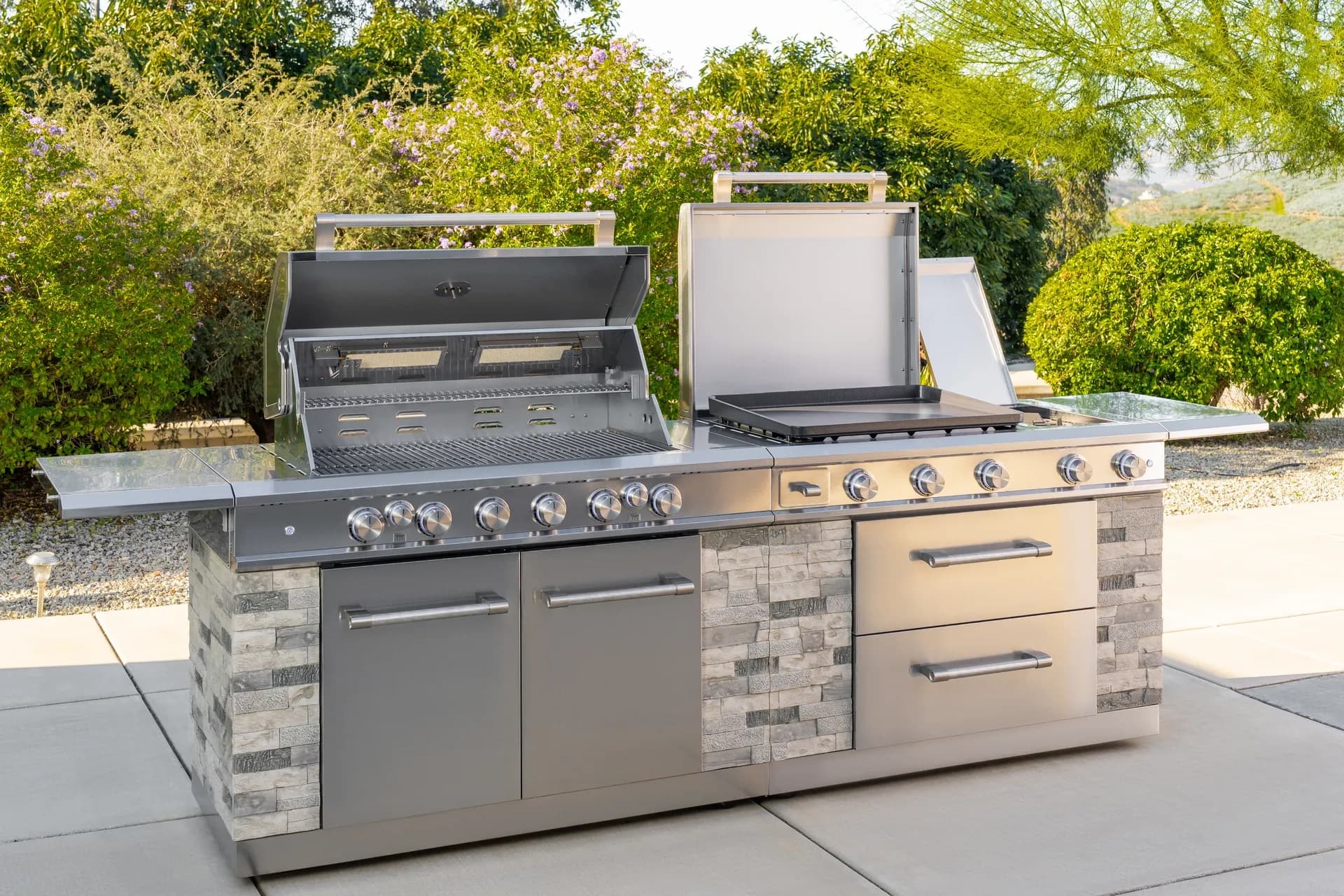
From sizzling breakfasts to smash burgers and teppanyaki-style dinners, the Daytona Pro 5 Burner NitroGuard™ Griddle delivers powerful heat, fast cooking, and a durable cooking surface built for every backyard cookout. Watch how easy outdoor cooking can be.
Here's what sets us apart from the competition
We position ourselves as delivering high-end outdoor cooking features and performance without premium-brand pricing, emphasizing “Quality Grills. Unbelievable Value.”
We offer gas grills, pellet grills, griddles, smokers, pizza ovens, portable/tabletop grills, electric grills, accessories, and replacement parts — allowing customers to stay within one ecosystem for all outdoor cooking needs.
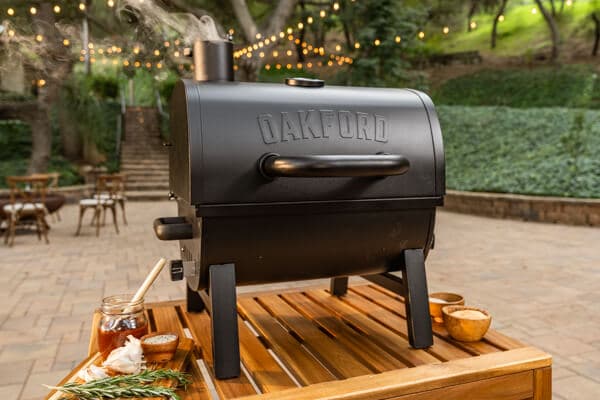
We differentiate ourselves through smart grilling products like the Oakford smart pellet grill, including app-connected cooking controls and modern outdoor cooking technology.
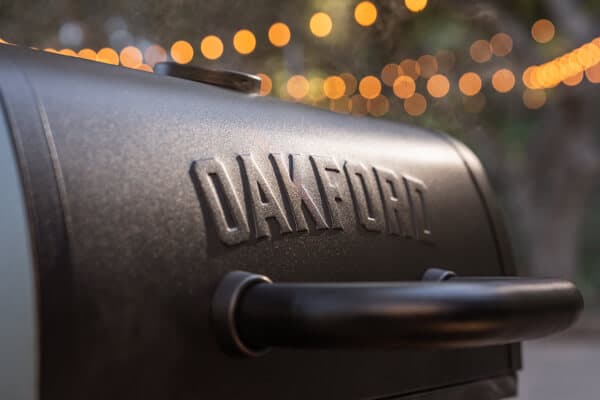
Expert tips, buying guides, comparisons, and inspiration for choosing and getting the most out of your grill.
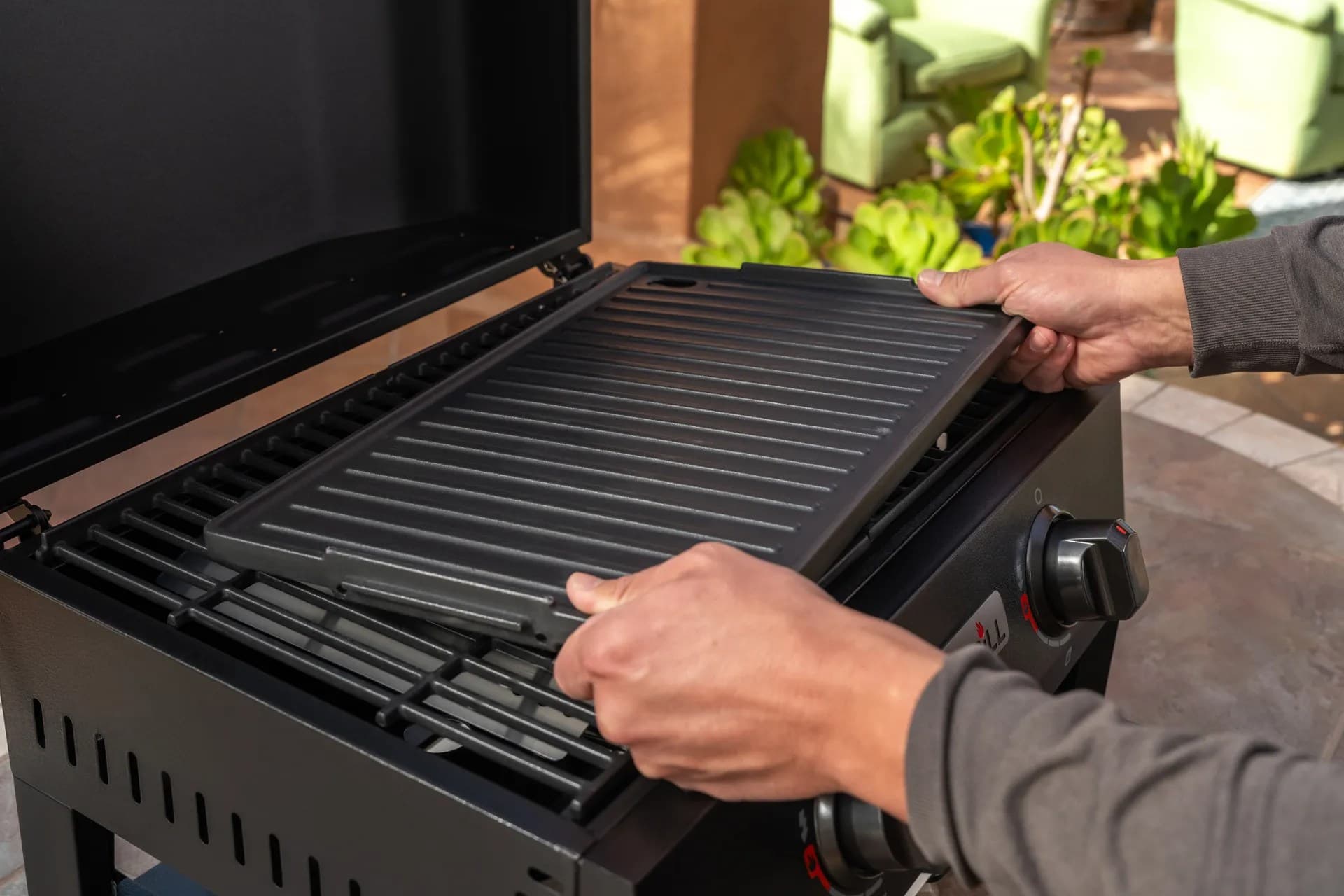
Practical guides for cleaning, maintenance, common grill issues, and performance optimization.
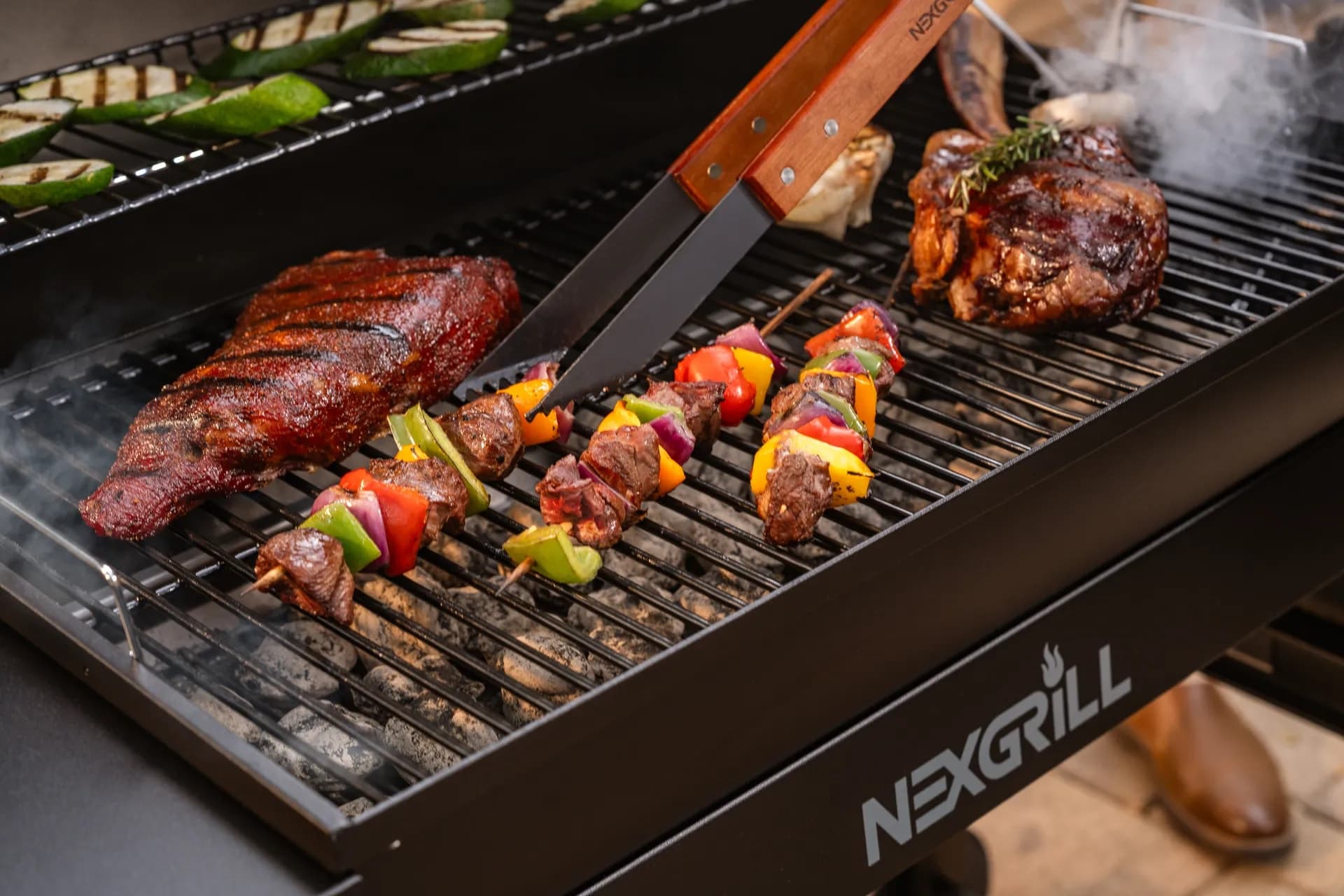
Step-by-step grilling recipes, cooking techniques, and meal ideas for every occasion and skill level.
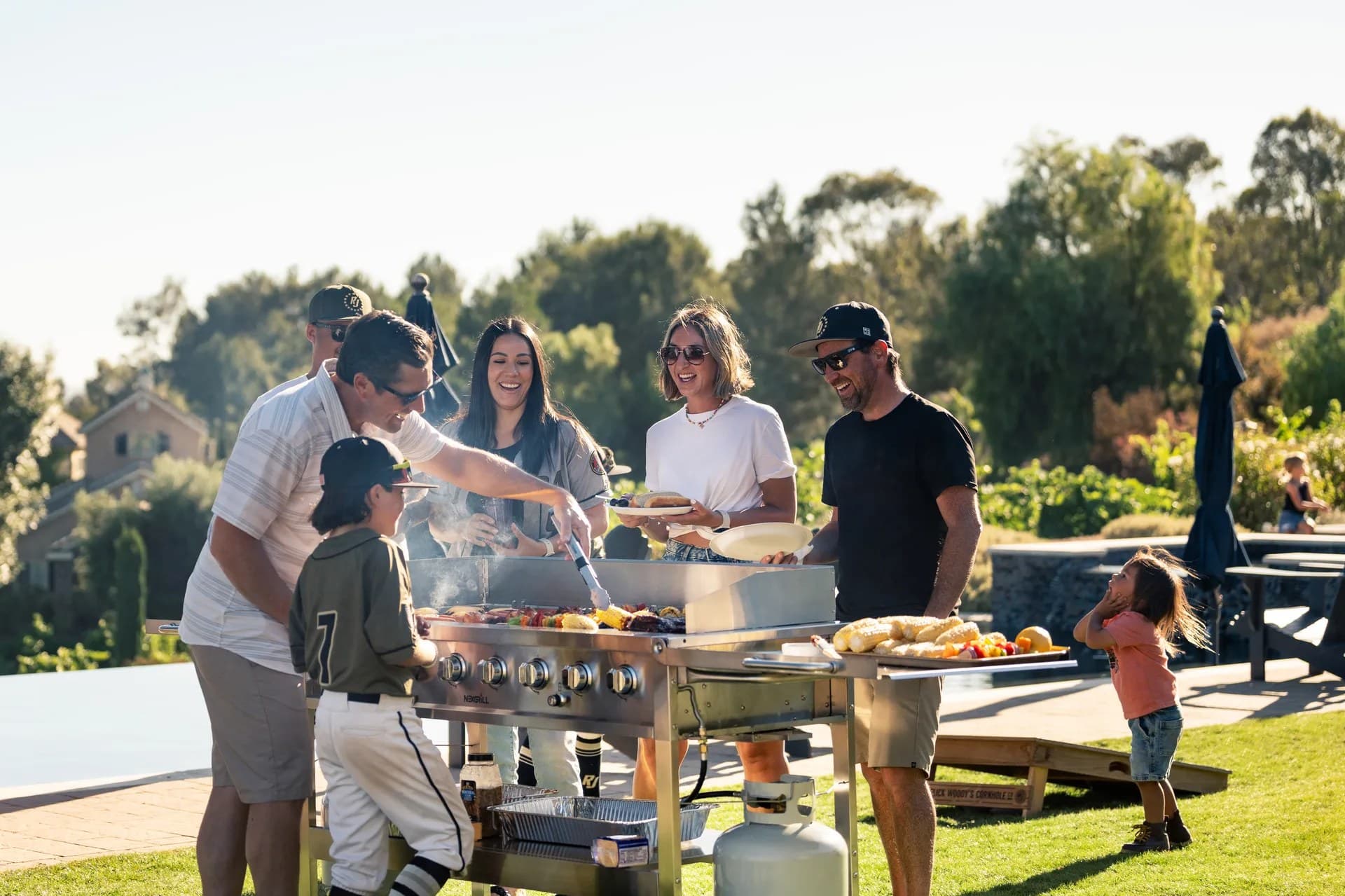
Backyard entertaining ideas, seasonal grilling inspiration, and stories that celebrate outdoor cooking culture.
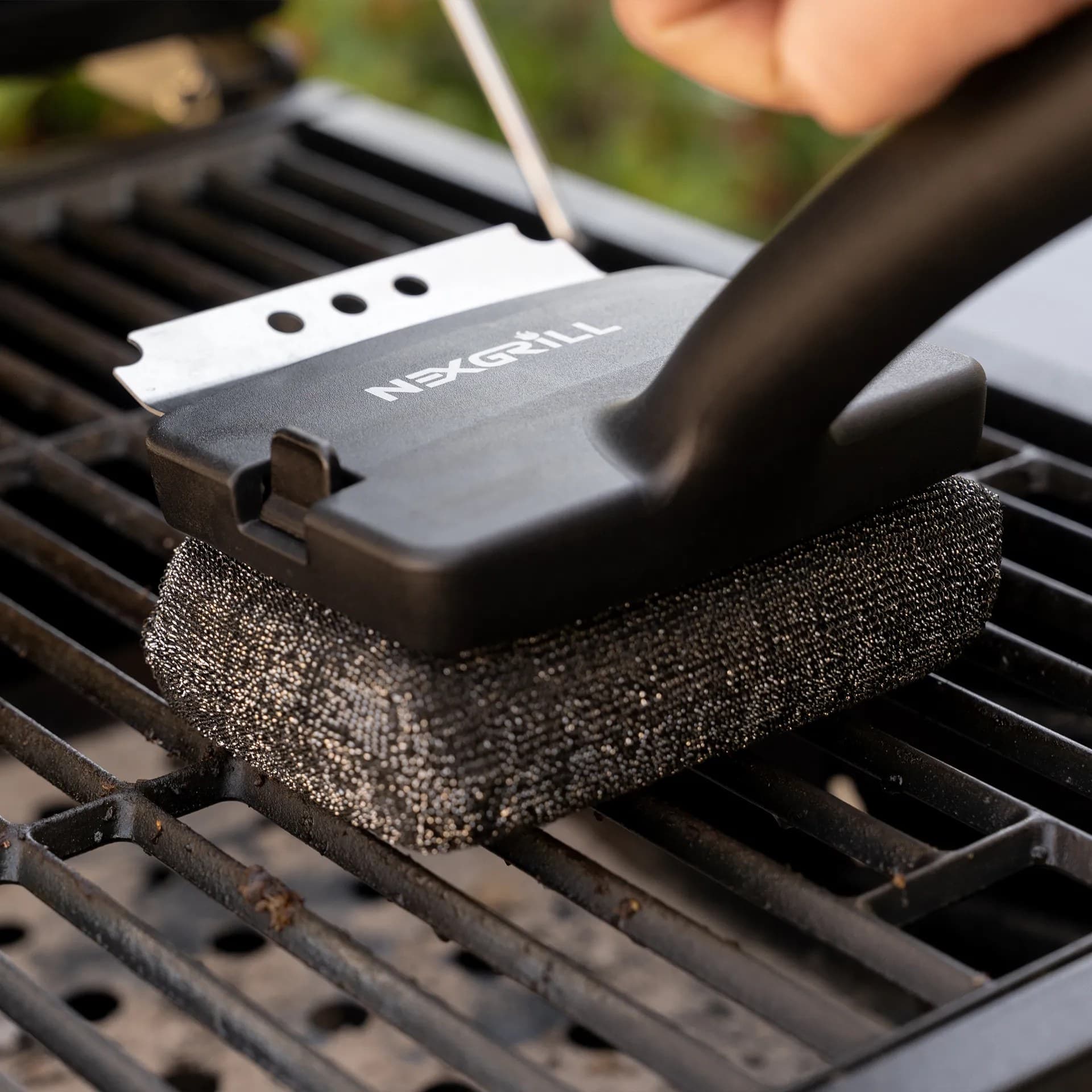
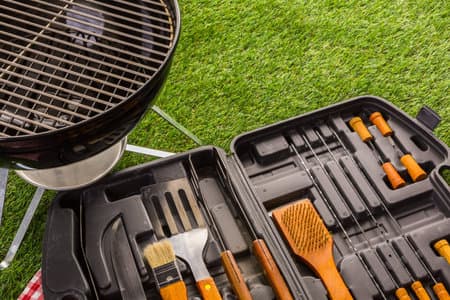
Helpful articles covering grilling tools, cookware, maintenance gear, and must-have accessories for outdoor cooking.
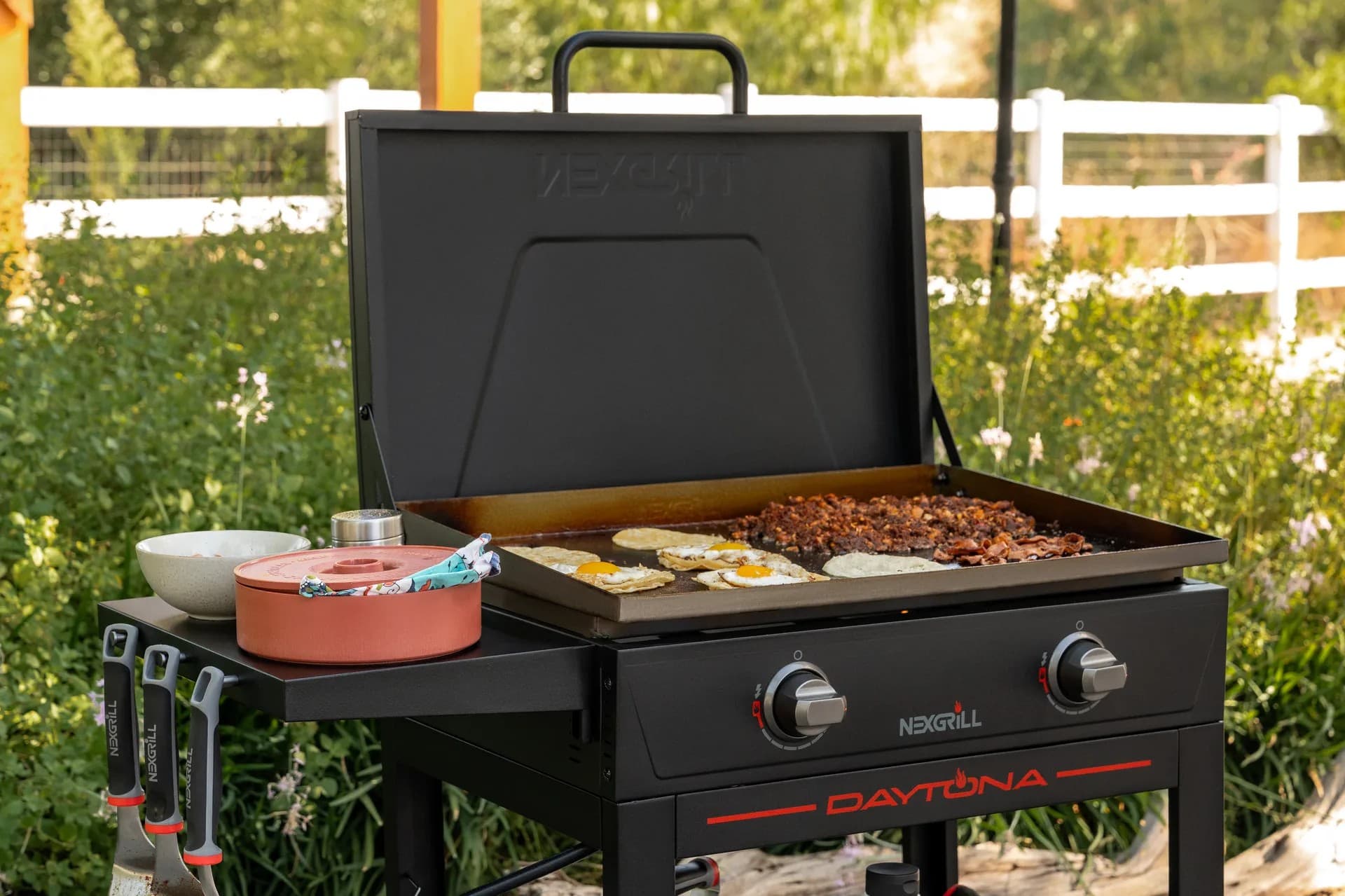
Find griddle recipes, cooking techniques, cleaning tips, and outdoor meal ideas designed for Nexgrill griddles.
Find answers to common questions
Gas grills provide instant heat and precise temperature control, making them easier to use. Charcoal grills offer a smoky flavor and high heat for searing but require more time to heat up and manage.
Pellet grills combine the convenience of gas with the flavor of wood, allowing for smoking, baking, and grilling. Traditional gas grills, however, are quicker to start and often easier to clean.
Charcoal grills typically reach higher temperatures quicker than gas grills, making them better for searing meat. However, high-quality gas grills can also provide adequate heat for effective searing.
Nexgrill offers models designed specifically for gas, charcoal, and pellets, allowing users to choose based on their cooking style and flavor preferences. Each type is built to optimize the characteristics of its respective fuel.
Choosing between gas and charcoal grills depends on your cooking preferences and lifestyle. If you value convenience and quick cooking, a gas grill may suit you better; if you prefer the taste and experience of traditional grilling, a charcoal grill would be ideal.
In This Article
Safe Grill Placement
Proper Food Handling
Grill Maintenance
The safest outdoor cooking setup starts before you light a burner or strike a match. Placement is the first layer of protection because it reduces the chance that heat, sparks, grease flare-ups, or wind will create a problem in the first place. A grill should sit on a stable, level surface with enough clearance around all sides so you are not cooking against a wall, under a low branch, or beside patio furniture that can be bumped during service. For most home setups, the practical rule is to keep the grill away from structures, railings, eaves, and overhanging branches, and to leave a clear working zone so the cook can move safely without reaching over the flame.
That clear zone matters more than many first-time grill owners realize. A grill tucked too close to a garage door or deck railing can create several hazards at once: heat damage to nearby surfaces, smoke buildup around the cooking area, and a narrower path if someone carrying plates or utensils walks behind the cook. In a real backyard scenario, a weekend cookout often includes children, pets, folding chairs, coolers, and traffic to and from the house. The safest placement keeps the cooking station visible and uncluttered so people naturally move around it, not through it. If wind is strong enough to push flame or smoke in one direction, reposition the grill rather than trying to work through unstable conditions.
Info: Before each cook, look up, down, and all around the grill. Check for branches, awnings, cords, low shelves, and anything that could catch heat or be knocked into the cooking area.
A practical minimum clearance to build into your setup when planning around structures and overhangs
The best placement also reflects the type of grill you use. A larger gas grill or griddle needs more room for open lids, side shelves, grease management, and serving movement. A compact unit still needs breathing room because the smaller footprint can tempt users to set it on a crowded balcony or too close to a seating area. If you are using a propane model, make sure the tank is positioned according to the manufacturer’s instructions and that the hose routing does not create a trip hazard. If the grill sits on a patio, confirm that it is not wobbling or leaning; a stable base helps prevent spills and accidental tip-overs when you are turning food or removing a hot pan.
One overlooked safety issue is the path from the house to the grill. Many grilling accidents happen in transit, not at the flame. Carrying marinated food, oil, utensils, or a tray of raw chicken across an uneven lawn or slick deck can lead to spills and contamination. Set up a dedicated prep path with a tray table, towel, and trash bag nearby so the cook does not improvise with hot tools or raw ingredients. If possible, place a fire extinguisher in an accessible spot near, but not directly beside, the grill. You want it reachable in an emergency without exposing it to constant heat.
Outdoor cooking safety is not only about fire and heat; it is also about preventing foodborne illness. Once raw meat, poultry, seafood, or their juices enter the picture, the grill station becomes a food-safety zone. The most important habit is separation. Keep raw foods on a dedicated tray or cutting board, and reserve a second clean tray for cooked food. If you place finished chicken back on the same platter that held raw chicken, you undo the benefit of careful cooking. The same rule applies to tongs, spatulas, and hands. A set of tools for raw food and a clean set for cooked food can eliminate a lot of cross-contamination risk.
This separation becomes especially important during neighborhood cookouts and family gatherings, where people tend to circulate between the kitchen and patio. A serving spoon used for salad should never be repurposed for raw marinade. Paper towels used to dry raw poultry should not sit near buns or sliced produce. A good outdoor workflow is simple: prep raw ingredients indoors, carry them outside in a covered container, cook them, then transfer them to a clean platter before serving. If you are marinating food, keep the marinade cold until use and never reuse liquid that touched raw protein unless it has been boiled first. Even small shortcuts can create avoidable risk when the weather is warm and food sits out longer than intended.
Warning: If a plate, utensil, or cutting board touched raw meat, do not use it again for ready-to-eat food unless it has been washed thoroughly with hot, soapy water.
Temperature control matters from the moment food leaves the refrigerator. On a hot summer afternoon, ingredients can warm quickly on a patio table, so only bring out what you are ready to cook. For example, if you are making burgers, keep the patties in a chilled bowl and move them to the grill in batches instead of leaving the whole tray exposed for an hour. The same logic applies to potato salad, cut fruit, and creamy sides that will be served outdoors. Shade helps, but it does not replace refrigeration or prompt serving. When in doubt, smaller batches are safer than a large spread left in the sun.
Hand hygiene also deserves more attention than it usually gets during a cookout. If you handle raw chicken and then reach for seasoning, a bottle opener, or a serving tray, you can transfer contamination in seconds. Keep soap, water, and paper towels available nearby if you are cooking outside for an extended period. If you are at a park or tailgate where handwashing is less convenient, pack wet wipes and a sealed trash bag. The goal is not perfection; the goal is to make the safe choice easier than the careless one.
Regular grill maintenance is a safety practice, not just a cleaning chore. Grease, carbon buildup, blocked burner ports, and ash accumulation all make a grill harder to control and more likely to flare unexpectedly. A well-maintained grill heats more evenly, lights more reliably, and gives you a clearer response when you adjust temperature. That is important whether you are searing steaks on a gas grill or managing airflow on a charcoal setup. The safer the equipment behaves, the more predictable your cooking becomes.
A practical maintenance routine begins after every use. While the grill is still warm but not dangerously hot, scrape the grates to remove residue and prevent buildup that can ignite later. Empty grease trays and check drip channels before the next cook so old fat does not pool under the firebox. On gas grills, inspect burner ports for blockages and confirm that the ignition works cleanly. On charcoal grills, remove ash once it has cooled completely because excess ash can restrict airflow and make temperature control less stable. These are small jobs, but together they reduce flare-ups and help the grill perform the way it should.
Tip: Build a 5-minute cleanup habit into every session. A quick scrape, tray check, and wipe-down now is easier than a full rebuild of caked-on grease later.
Maintenance should also include a visual inspection before cooking. Look for cracked hoses, loose connections, damaged igniters, bent grates, or rusted components. If something seems off, do not force the grill into service until it is corrected. It is also smart to keep the exterior free of debris and moisture. Covers help, but they should not trap wet residue underneath; if the grill got wet, let it dry before covering it again. Over time, the combination of grease, weather, and heat can degrade any outdoor appliance, so regular checks preserve both safety and value.
Try comparing two products side by side below to see which fits best:
Once you’ve weighed two options against each other, the next safety question is how you actually cook on the grill. Safe technique is about controlling heat instead of reacting to it. That means preheating properly, managing flare-up zones, and arranging food so it cooks evenly without forcing you to hover directly over open flame. On a gas grill, preheat with the lid closed long enough for the grates and cooking chamber to come up to temperature. On a charcoal grill, wait until coals are ready and spread them deliberately rather than dumping food over unstable heat. In both cases, the goal is to create a predictable cooking surface before the first steak, chicken breast, or vegetable skewer goes on.
Different foods require different placement. Thick cuts and bone-in chicken benefit from a two-zone setup that lets you sear first and finish away from direct flame. Delicate foods like fish, zucchini, or breaded items can burn quickly if they sit over a hot spot. A safer workflow is to reserve one hotter zone and one gentler zone so you can move food without improvising. If you are cooking for a mixed crowd, this is especially useful because not every item will finish at the same pace. Burgers may be ready before chicken thighs, and corn may need a cooler area while sausages finish through. When the grill is organized by temperature zones, you are less likely to over-handle food or rush because something is cooking unevenly.
Avoid walking away from the grill during critical moments. A few seconds can be enough for grease to ignite, sauce to scorch, or a lid to overheat the chamber. If you need to step away, turn the heat down first or ask another adult to watch the grill. Long-handled tools help you keep a safer distance, but they are not a substitute for attention. Keep a spray bottle or small extinguisher only if recommended by your grill’s instructions and local best practices; otherwise, focus on controlling the fuel and closing the lid if a flare-up starts. The safest response is usually calm and deliberate, not frantic. Stop adding fuel, reduce oxygen when appropriate, and let the fire settle before continuing.
Info: For foods cooked outdoors, internal temperature matters as much as color or texture. Use a food thermometer so you are not guessing when protein is done.
Fire safety begins with the assumption that any open flame can change fast. That is why the safest grilling setup includes a clear perimeter, a prepared cook, and a response plan. Keep a reliable fire extinguisher nearby and make sure the people around the grill know where it is. If you use propane, check connections before each cook and smell for anything unusual. If you use charcoal or wood, store fuel away from the grill and add it carefully so you are not creating a sudden burst of flame. Fire safety is less about fear and more about eliminating surprises.
Wind is one of the most common reasons a routine cook becomes a safety issue. A light breeze can intensify flame, push smoke into the cook’s face, or blow ash from a charcoal setup. If the weather shifts, adjust the location or postpone the cook. Never grill in a confined area where smoke cannot escape. Also avoid wearing loose sleeves, dangling apron ties, or synthetic fabrics that can catch heat. A safe outfit is simple, close-fitting, and practical. Shoes should also protect your feet from hot grease, dropped tools, and uneven surfaces. In a busy backyard, the cook is often moving between the grill, prep table, and cooler, so clothing and footing matter more than they first appear.
Warning: If flames rise beyond what you can control by adjusting heat or closing the lid, stop cooking and move people away before taking further action.
It is also smart to think about what sits next to the grill. Grease trays, paper towels, cleaning sprays, and condiment bottles should not be placed on top of the grill or on a shelf that gets hot. Keep lighter fluid, propane cylinders, and spare fuel containers in their proper storage locations and away from ignition sources. When grilling with children nearby, establish a simple boundary: only the cook stands inside it. That one habit prevents accidental bumps, dropped tools, and the kind of quick movement that turns a minor hazard into a serious one. In family settings, safety works best when everyone knows the rhythm of the cookout and respects the hot zone.
What happens after the last plate is served is part of outdoor cooking safety too. Shut the grill down completely according to its fuel type and manufacturer guidance, then verify that the flame or coals are fully out before leaving the area. With gas, turn off the burners and close the supply; with charcoal, allow the coals to cool completely in a controlled way rather than tossing them aside while they are still active. A grill that looks calm from a distance may still hold enough heat to damage surfaces, ignite trash, or burn someone reaching in too soon.
After the grill is off, clean it with the next use in mind. Remove food residue from the grates, empty grease, and clear ash or debris so the equipment is ready and safer for the next session. Washing serving trays, tongs, cutting boards, and coolers promptly also matters because it reduces the chance that raw-food residue lingers into the next meal. If you transported food outside in reusable containers, return them to a sanitation routine right away rather than letting them sit overnight. A full cleanup may feel like the end of the cook, but it is really the bridge between one safe meal and the next.
It helps to inspect the area one last time before everyone goes back inside. Make sure the grill lid is closed, fuel is secure, tools are away from reach, and the surrounding space is free of trash, spills, and hot surfaces. If you used a cover, wait until the grill is cool before putting it on so you do not trap heat or moisture. Then store leftovers promptly in the refrigerator and discard anything that sat out too long. Outdoor cooking safety is most effective when it becomes a routine: a stable setup before cooking, clean separation during cooking, and a full shutdown afterward. When those three steps are consistent, the cookout feels relaxed without becoming careless.
Here's what sets us apart
We position ourselves as delivering high-end outdoor cooking features and performance without premium-brand pricing, emphasizing “Quality Grills. Unbelievable Value.”
We offer gas grills, pellet grills, griddles, smokers, pizza ovens, portable/tabletop grills, electric grills, accessories, and replacement parts — allowing customers to stay within one ecosystem for all outdoor cooking needs.
We differentiate ourselves through smart grilling products like the Oakford smart pellet grill, including app-connected cooking controls and modern outdoor cooking technology.
Don't just take our word for it
Keep reading
From our catalog