A comprehensive guide to understanding and optimizing temperature settings on your pellet grill for various cooking techniques.
Here's what sets us apart from the competition
We position ourselves as delivering high-end outdoor cooking features and performance without premium-brand pricing, emphasizing “Quality Grills. Unbelievable Value.”
We offer gas grills, pellet grills, griddles, smokers, pizza ovens, portable/tabletop grills, electric grills, accessories, and replacement parts — allowing customers to stay within one ecosystem for all outdoor cooking needs.
We differentiate ourselves through smart grilling products like the Oakford smart pellet grill, including app-connected cooking controls and modern outdoor cooking technology.
Expert tips, buying guides, comparisons, and inspiration for choosing and getting the most out of your grill.
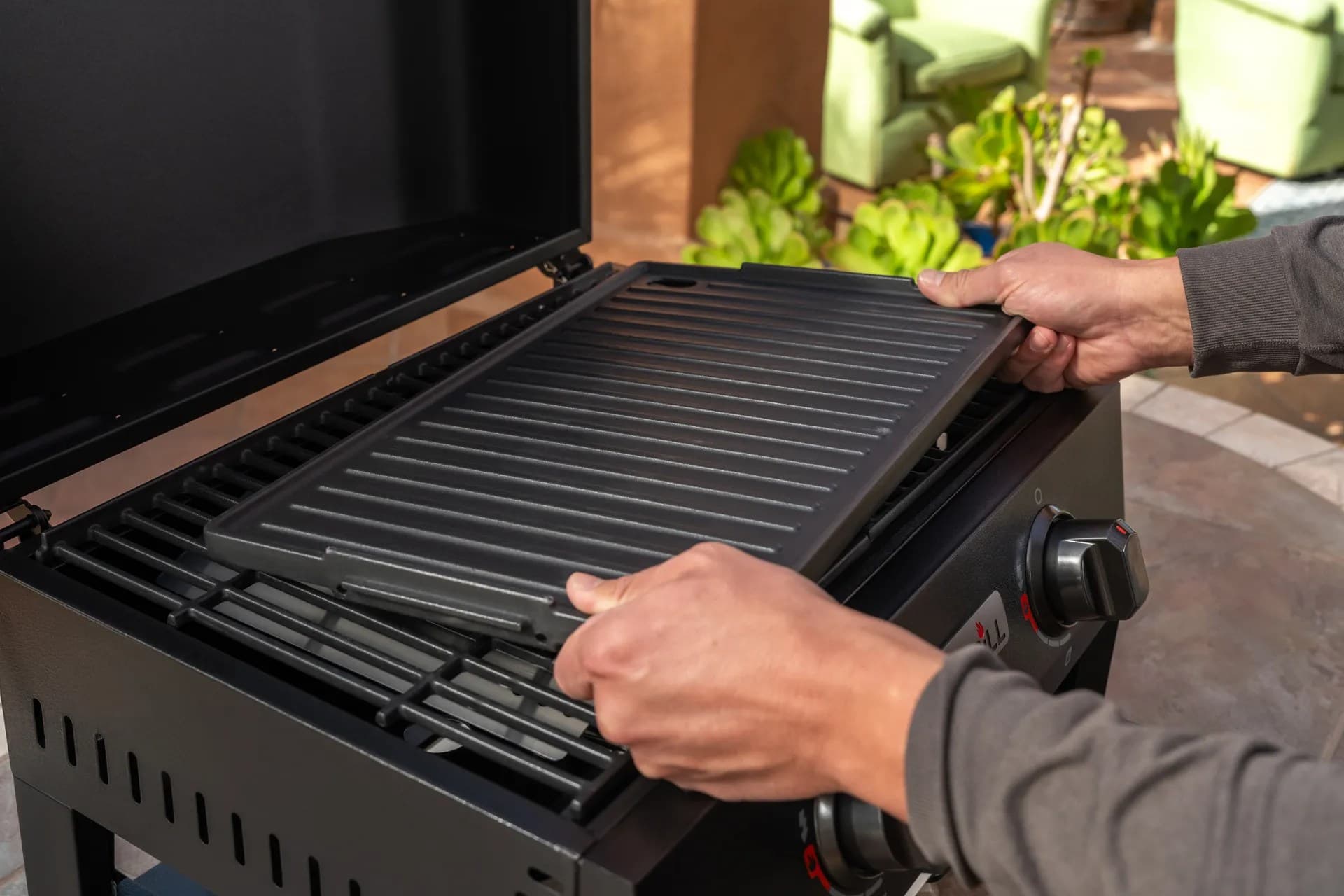
Practical guides for cleaning, maintenance, common grill issues, and performance optimization.
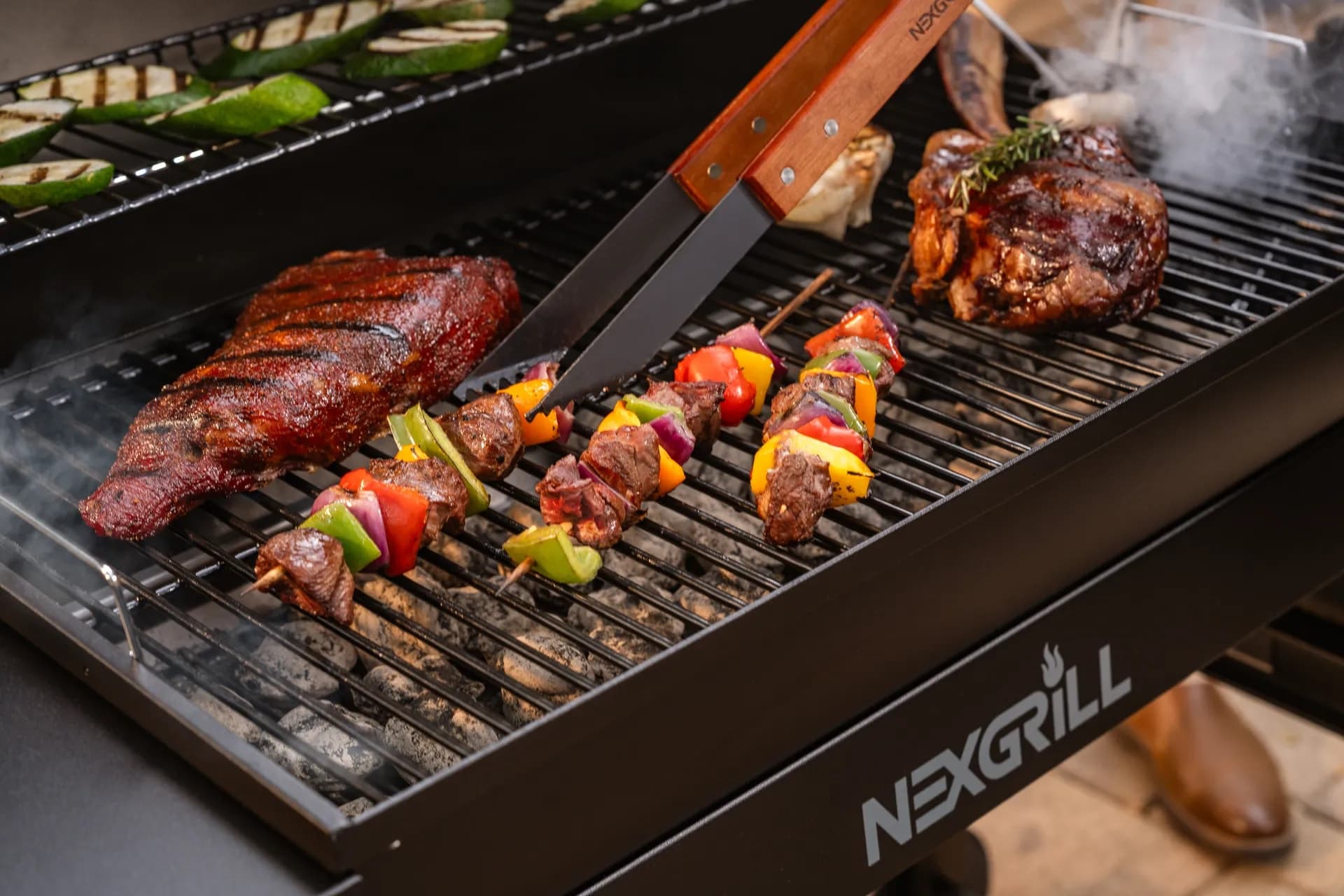
Step-by-step grilling recipes, cooking techniques, and meal ideas for every occasion and skill level.

Backyard entertaining ideas, seasonal grilling inspiration, and stories that celebrate outdoor cooking culture.
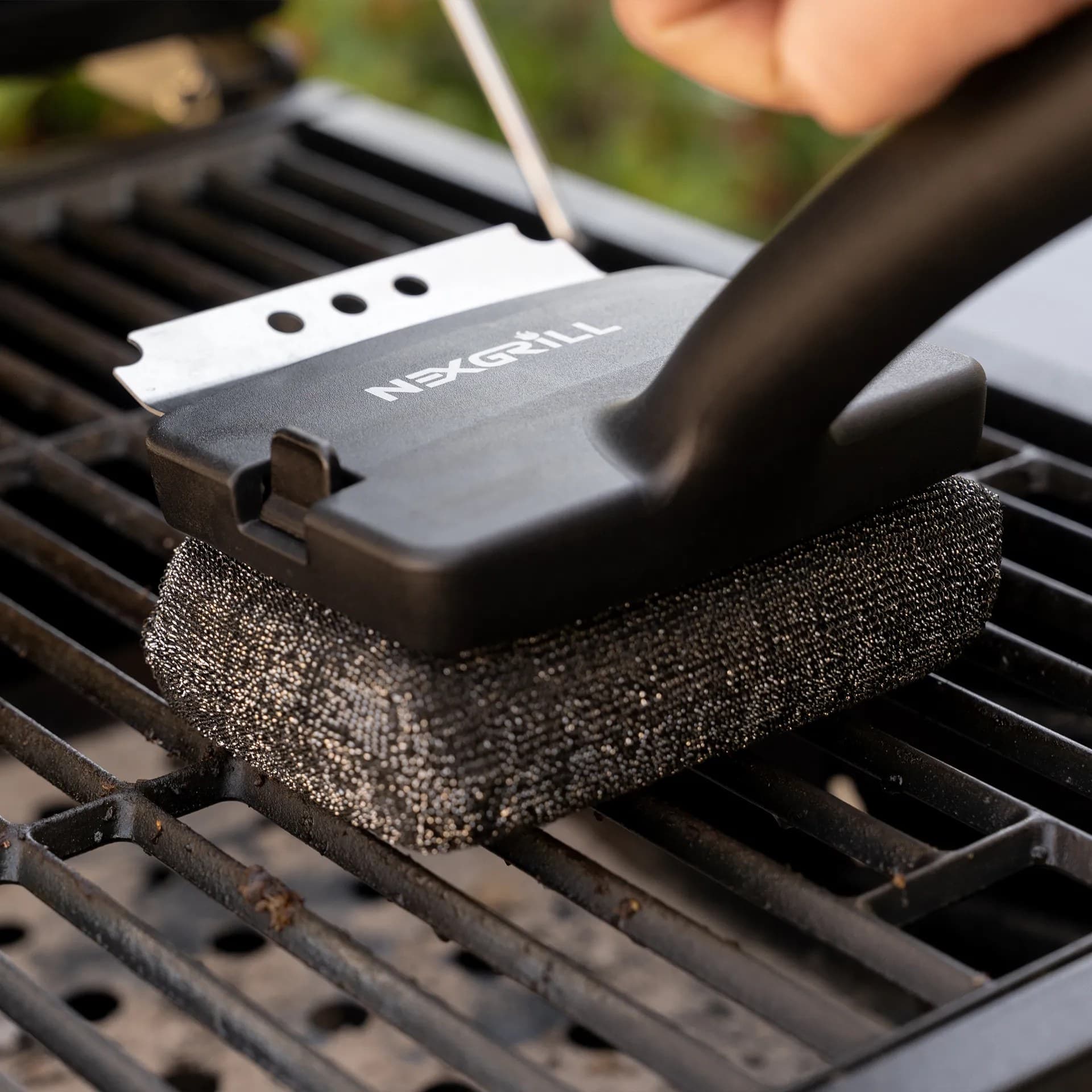
Helpful articles covering grilling tools, cookware, maintenance gear, and must-have accessories for outdoor cooking.
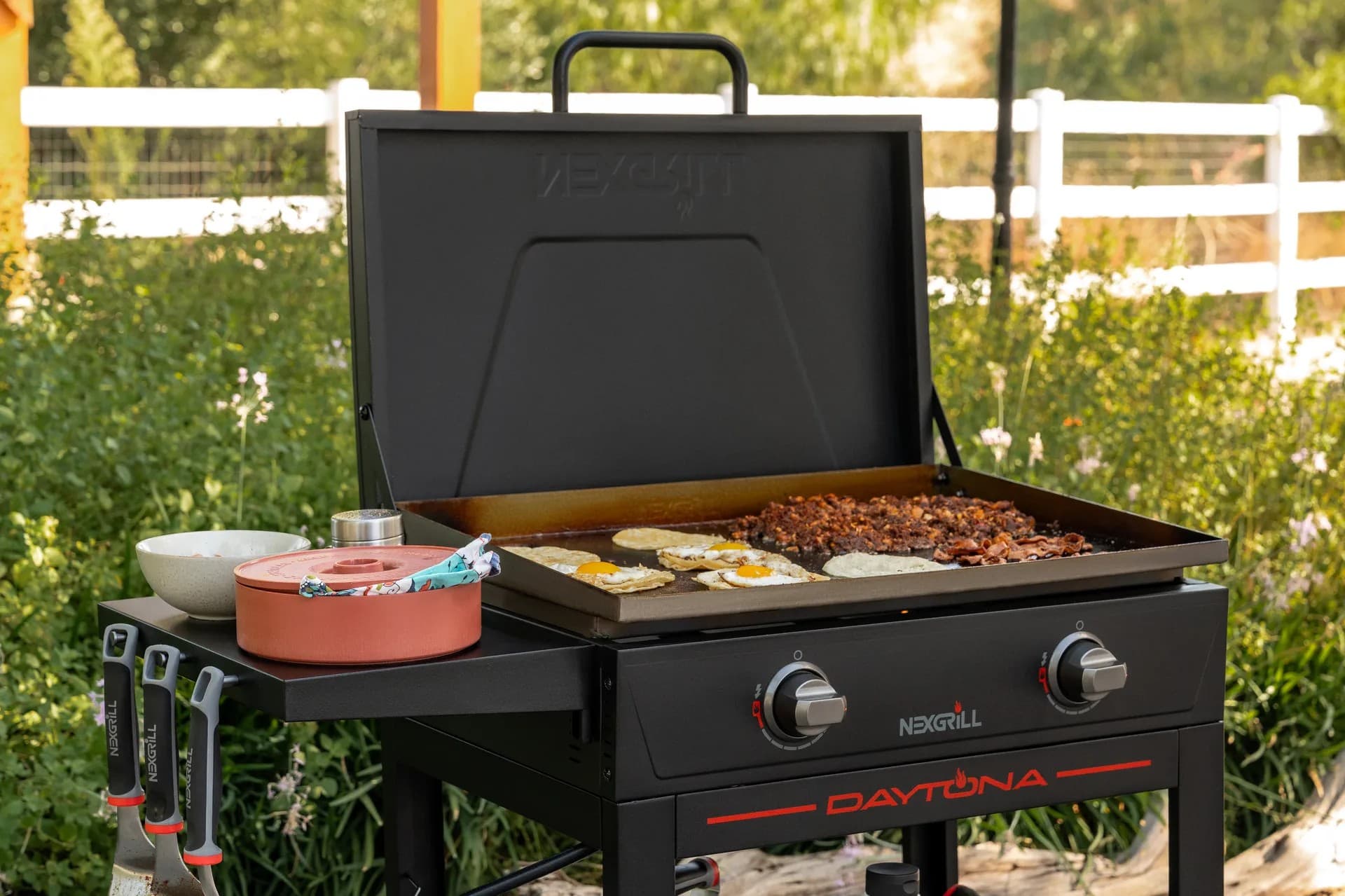
Find griddle recipes, cooking techniques, cleaning tips, and outdoor meal ideas designed for Nexgrill griddles.
Find answers to common questions
Pellet grills offer versatility by allowing you to smoke, grill, and bake with precise temperature control. They use wood pellets as fuel, providing a unique flavor to your food that is difficult to achieve with other types of grills.
Consider factors such as cooking capacity, temperature range, and additional features like digital controls or Wi-Fi connectivity. Assessing your cooking habits and space availability can also help in selecting a suitable model.
You can use a variety of food-grade wood pellets, including oak, hickory, mesquite, cherry, and apple. Each type of wood imparts a different flavor to your food, allowing for a unique grilling experience.
Regular cleaning involves emptying the ash pan, cleaning the heat diffusers, and wiping down the exterior. It's also important to check for any pellet obstructions in the hopper and ensure the grill's components are in good working order.
Nexgrill pellet grills are designed to smoke effectively, offering low-temperature settings to infuse food with rich, smoky flavors. They also provide adjustable temperature controls to suit various cooking styles.
In This Article
Optimal Temperature Ranges
Managing Temperature Fluctuations
Advanced Temperature Control Techniques
Pellet grills are popular because they promise a rare combination: wood-fired flavor with relatively simple temperature management. But that simplicity only works when the cook understands what the controller is trying to do. The most important shift for a pellet griller is to stop thinking of the temperature setting as a fixed promise and start thinking of it as a target band that the grill will chase. In real kitchens and backyards, that distinction matters. A brisket cooked at a true low-and-slow 225°F can finish with a deeper smoke profile than one rushed at 275°F, while chicken thighs may need a hotter finish to crisp the skin and render fat properly.
For Nexgrill readers, the practical question is not whether a pellet grill can reach a number on the screen. It is how to choose the right number for the food, the weather, the amount of meat on the grate, and the result you want. Temperature control affects bark formation on ribs, moisture loss in pork butt, sear quality on steaks, and even how evenly a pan of vegetables cooks when the pellet grill is used like an outdoor oven. That is why optimal pellet grill temperature settings are really about matching technique to target heat, then learning how to stabilize the grill around that setting long enough for the food to benefit from it.
Nexgrill’s Oakford pellet lineup reflects that philosophy in product form. The Oakford 875 Pro Pellet Smoker Grill and the Oakford 1125 Pro Pellet Smoker Grill are built for cooks who want the convenience of a pellet system with enough room to manage multiple zones of food at once. The Oakford Homestead 24 Heavy Duty Charcoal Grill in Black sits on the other end of the wood-fired spectrum, which makes it a useful mental comparison point: charcoal can be tuned, but pellet control is more about consistency and repeatability. That repeatability is what helps home cooks recreate last weekend’s ribs or dial in a weeknight salmon cook without guessing. Nexgrill’s broader brand position also reflects this accessible, practical approach to outdoor cooking, emphasizing dependable performance and a welcoming style of grilling that is meant to bring people together.
The classic low-and-slow zone for smoke-heavy cooks like pork shoulder, ribs, and beef brisket.
If you only memorize one idea, make it this: food quality comes from matching the setting to the task, not from leaving the grill on one number all day.
The most useful way to think about pellet grill temperature settings is by cooking objective. Low temperatures are for smoke absorption and gentle rendering. Mid-range temperatures are for roasting and evenly cooking larger cuts without drying them out. Higher temperatures are for browning, crisping, and finishing. Each zone has a place, and a good pellet grill operator moves between them intentionally.
| Temperature setting | Best use | What to expect |
|---|---|---|
| 180°F to 200°F | Longest smoke exposure for delicate items | Very gentle heat, slower cooking, stronger smoke character |
| 225°F to 250°F | Brisket, pork shoulder, ribs, chuck roast | Classic low-and-slow balance of smoke and tenderness |
| 275°F to 325°F | Chicken pieces, turkey breast, pork loin, roasted vegetables | Faster cooking, better skin rendering, still controlled |
| 350°F to 400°F | Pizza, quick roasting, finishing par-cooked food | More browning and firmer texture, less smoke |
| 400°F and above | Searing support, crispy edges, rapid finishing | Fast surface color change, tighter control needed |
For smoked meats, the 225°F to 250°F range is still the backbone of pellet grilling because it gives collagen time to break down before the exterior dries out. Brisket is a good example: if the cook wants a deep bark and a long smoke phase, 225°F is often the right starting point. For pork shoulder, many home cooks stay in the 225°F to 250°F range for most of the cook, then raise the setpoint later if they need to push through a stall or finish ahead of serving time. Ribs often do well in this same zone, though the exact number depends on whether the goal is firmer competition-style texture or more tender backyard barbecue.
Roasting is where many pellet grill owners discover the flexibility of the cooker. A whole chicken at 300°F to 325°F usually cooks more evenly than at a lower setting, and the skin has a better chance of crisping. Turkey breast, pork tenderloin, and root vegetables also benefit from this range because the heat is high enough to create browning without pushing the exterior too far ahead of the center. If you are cooking salmon, shrimp, or vegetables on a pellet grill, the mid-range often gives you enough structure to avoid mushiness while still preserving moisture.
A practical pellet grill habit: set the grill slightly lower than your final target if your model tends to overshoot on startup, then confirm the actual grate-level temperature before loading food.
Temperature swings are normal on pellet grills, but not all swings are equally helpful. A small oscillation around the setpoint is part of how the controller works. Bigger fluctuations usually come from one of a few causes: outside weather, pellet quality, grease buildup, airflow restriction, heavy food loads, or an ignition and feed cycle that is not well matched to the conditions. If the grill jumps around more than expected, the first step is not to blame the controller. It is to inspect the system from fuel to airflow to lid management.
Cold and windy weather are common culprits in the United States, especially in shoulder seasons when backyard cooks are still grilling but the air temperature is far from summer. Wind steals heat from the cooking chamber and can force the auger to feed more pellets to compensate. A poor seal around the lid or a grill placed in a breezy patio corner can make the controller work harder than it should. In these situations, the best solution is often simple: move the grill out of direct wind, preheat longer, and avoid opening the lid unless needed. The more the lid stays closed, the less the system has to recover.
Pellet quality also matters. Pellets that are damp, overly dusty, or inconsistent in length can feed unevenly and cause erratic burn patterns. If a grill begins to cycle wildly after a pellet change, the hopper should be checked for dust accumulation and the auger path should be kept clear. Another common issue is overloading the grate. A full 1125-square-inch-class grill can hold a lot of food, but a mound of cold meat straight from the refrigerator can temporarily drag chamber temperature down. That is not failure; it is thermal load. The solution is to preheat longer, cook in stages, and leave adequate space between items so heat can circulate.
| Fluctuation cause | What it looks like | Practical fix |
|---|---|---|
| Wind or cold weather | Repeated drops and recovery spikes | Shield the grill, extend preheat, keep the lid closed |
| Poor pellet quality | Unstable burn, inconsistent smoke | Use dry, uniform pellets and clean the hopper |
| Overcrowded grate | Slow recovery after loading food | Cook in batches and leave airflow gaps |
| Ash or grease buildup | Hot-and-cold cycling, reduced airflow | Clean burn pot, drip area, and vents regularly |
A real-world example: a family in the Midwest decides to smoke two pork shoulders on a windy Saturday. They set the grill to 250°F, but the chamber keeps falling to the low 220s every time the wind hits the side of the cooker. The most effective fix is not to keep bumping the setting higher and higher. Instead, they preheat longer, move the grill out of the wind, and allow the controller to stabilize before loading the meat. Once the thermal environment is steadier, the same setpoint produces a more predictable result and a better bark.
A PID controller is one of the most useful upgrades in pellet grilling because it adjusts heat more intelligently than a basic on-off system. Instead of reacting only after the chamber has wandered far from the setpoint, a PID controller uses proportional, integral, and derivative logic to anticipate how much correction is needed. In simple terms, it tries to keep the grill closer to the temperature you selected with fewer swings. For cooks who care about repeatability, that difference becomes obvious during long brisket cooks, overnight pork shoulder sessions, or when switching between 225°F smoke mode and 325°F roast mode.
PID-style control is especially helpful when precision matters more than a heavy smoke profile. For example, a rack of ribs that needs steady heat for several hours benefits from smaller temperature changes because the surface dries more evenly and the cook can better predict when tenderness will develop. On the other hand, if you are trying to maximize smoke intensity early in the cook, you may intentionally start lower and then move to a tighter PID-maintained target once the bark has formed. The right approach depends on the food, not on the controller itself.
Even with advanced control, the cook still matters. A PID controller cannot fix wet pellets, blocked airflow, or a dirty burn pot. It can, however, reduce the amount of babysitting needed once the system is clean and properly fueled. On larger pellet grills such as the Oakford 1125 Pro, that steadier control helps create confidence when cooking multiple proteins at once because the temperature holds more predictably across the chamber. That is particularly valuable for holiday cooks, where a turkey breast may want 325°F while vegetables need only moderate heat and the host needs the grill to behave reliably for the entire meal. Nexgrill’s brand philosophy emphasizes dependable outdoor cooking that makes people feel welcome around the fire, and temperature stability is a big part of that experience.
Advanced control helps most when you already have good habits. Clean the grill, use quality pellets, and preheat fully before expecting precise results.
The best pellet grill cooks are not the ones who stare at the digital display; they are the ones who understand what the display means. Once you learn the key temperature bands, recognize the common causes of fluctuation, and use controller technology wisely, your pellet grill becomes much easier to trust. That trust shows up in the food: better bark on brisket, cleaner smoke on pork shoulder, more even chicken skin, and vegetables that finish with the right texture instead of turning soft and pale.
For homeowners choosing between a quick weeknight cook and an all-day weekend session, the lesson is the same. Use lower settings for smoke and tenderness, mid-range settings for roasting and balanced cooking, and higher settings for browning and finishing. Then stabilize the system before the food goes on. That approach creates repeatable results and helps a pellet grill perform more like a dependable outdoor oven with wood-fired character.
If you are comparing pellet grills, look closely at how the cooker manages temperature recovery, not just how hot it can get. A grill that holds steady at its setpoint will usually deliver better results than one that chases extreme numbers. Try comparing two products side by side below to see which fits best:
Once you've weighed two pellet grills against each other, the next question is usually the one that matters most in real life: which one will actually stay close to the temperature you set when dinner is on the line? That is the heart of pellet grilling. A pellet cooker can be packed with features, but if it cannot hold a steady cooking chamber, the food will never be as predictable as you want. Temperature control is the hidden skill that turns a pellet grill from a machine that burns pellets into a reliable outdoor cooker that can roast, smoke, bake, and finish with consistency.
The phrase optimal pellet grill temperature settings does not mean one perfect number for every meal. It means knowing which range serves the food and then understanding how to keep the grill close to that range long enough to matter. A backyard cook in Texas smoking a brisket overnight will use a different setpoint than a Michigan family roasting chicken thighs on a windy October evening. The temperature setting should reflect the meat, the weather, the time available, and how much smoke flavor is desired. That is why the most useful pellet grill knowledge is practical and situational, not just technical.
Nexgrill’s approach to outdoor cooking is built around accessibility, dependability, and real-world use. That matters here because most home cooks are not chasing laboratory precision; they are trying to get dependable results for family meals, gatherings, and weekend cooks. Nexgrill’s brand messaging emphasizes that everyone belongs around the fire and that good food is meant to be shared, which is a helpful mindset for pellet grilling too. The goal is not to obsess over every single degree. The goal is to create a stable environment where the food can cook the way it should.
Pellet grill settings make the most sense when you divide them into practical cooking jobs. Low settings are designed for smoke penetration and slow rendering. Medium settings are where pellet grills often shine as roasters. High settings are for crisping, finishing, and any cook where the surface needs more color. A careful cook uses these ranges as tools rather than rules.
| Cooking goal | Recommended setting | Why it works |
|---|---|---|
| Maximum smoke on long cooks | 180°F to 200°F | Keeps the chamber gentle and extends smoke exposure |
| Classic barbecue zone | 225°F to 250°F | Balances smoke, rendering, and tenderness |
| Roasting and poultry | 275°F to 325°F | Helps skin set and cooks proteins more evenly |
| Baking and pizza-style heat | 350°F to 400°F | Promotes browning and a firmer exterior |
| Rapid finishing | 400°F and above | Useful for crisp edges and last-stage color |
In the 180°F to 200°F range, the grill produces a gentle environment that is useful when you want prolonged smoke exposure. This can be helpful for cheeses or for early phases of some cooks, but it is usually too low for most meats as a full cooking temperature. The 225°F to 250°F range is the classic answer for pork shoulder, brisket, and ribs because it gives the connective tissue enough time to soften while still building a good crust. A brisket in this range can spend many hours in the cooker and still finish with a deep, even bark.
Move up to 275°F to 325°F when you want to roast more like an indoor oven but with better flavor. This is the range for chicken thighs, whole chickens, turkey breast, stuffed peppers, and baked casseroles in cast iron. Many home cooks are surprised by how effective pellet grills are in this zone because the food comes out with better browning than it would at lower temperatures. Above 350°F, the pellet grill starts acting more like a convection oven with wood smoke. That is useful for pizzas, bread, and firm vegetables, but it is also the range where food can dry out fast if you walk away too long.
If you are cooking for a mixed menu, think in stages: smoke lower first, then raise the setting later to finish texture and color.
Temperature fluctuation is one of the most common frustrations for pellet grill owners, but it is also one of the easiest issues to understand once you identify the source. Most swings come from the environment, the fuel, or the grill’s need to recover after the lid is opened. On a chilly day, the cooker has to work harder to replace heat that is being pulled away by the air. In humid or windy conditions, recovery can be slower and more uneven. If pellets have absorbed moisture, they may not burn as consistently, which can cause the controller to overshoot or undershoot while trying to correct the fire.
Food load also matters. Loading a large amount of cold meat onto a preheated grill can cause an immediate temperature dip. This is normal thermal behavior. The grill must replace the energy that was absorbed by the cold food. The right response is not always to turn the setting higher. Often, the better move is to preheat longer, allow the chamber to settle, and avoid repeated lid openings. A full hopper can sustain a longer cook, but if the pellets are dusty or inconsistent, even a large fuel reserve will not produce a smooth burn.
| Common cause | Typical symptom | Best corrective action |
|---|---|---|
| Wind exposure | Heat loss and long recovery cycles | Relocate grill or use a windbreak |
| Damp pellets | Erratic flame and uneven feed | Replace pellets and store fuel dry |
| Grease or ash buildup | Poor airflow and inconsistent chamber temp | Clean the burn pot and airflow path |
| Heavy food load | Temperature drops after loading | Stage the cook and extend preheat time |
Consider a simple Sunday scenario. You want to cook pork ribs for a family gathering and you choose 250°F. The grill opens and closes several times as you sauce, wrap, and check doneness. Each lid opening causes a short-lived dip, but the bigger issue is whether the grill returns to its setpoint without drifting too far. If the recovery is sluggish, the cook can end up with uneven texture. The fix is usually more disciplined lid use, a cleaner fire path, and enough preheat time before the ribs ever go on.
PID controllers are one of the clearest examples of how pellet grill technology improves the user experience. A standard controller may allow the temperature to swing farther above and below the target before correcting. A PID controller is designed to be more responsive and more predictive, which means it can fine-tune pellet feed in smaller steps. For the cook, the result is often less overshoot, tighter holding temperature, and a calmer chamber during long sessions.
That tighter behavior is valuable for foods that reward predictability. For example, a pork butt that is held at a stable 250°F through the stall is easier to plan than one that repeatedly runs hot and cold. Salmon also benefits from steady heat because the margin between moist and overcooked is narrow. Even baked dishes and desserts, which are becoming more common on pellet grills, benefit from a controller that does not wander excessively. The PID advantage is not only about precision; it is about confidence. Once you trust the grill to hold a number, you can focus on seasoning, timing, and finishing details instead of chasing the display.
There are still limits. No controller can overcome poor fuel, excess grease, or a lid left open for too long. And there are moments when the cook may want the opposite of tight control. If you are trying to develop more smoke flavor on a shorter cook, you might start lower and then move up, or use a manual temperature change to create a specific texture progression. The best method is not always the most precise one; it is the one that gives the right food outcome. On larger pellet grills such as the Oakford 875 Pro or Oakford 1125 Pro, that balance between precision and capacity helps when you are feeding several people and need the chamber to stay dependable from the first tray to the last. Nexgrill’s long-standing focus on practical, value-driven outdoor cooking aligns with that real-world need for consistency over theatrics.
PID control is most noticeable during long cooks and weather changes. If your grill already has stable fuel and clean airflow, that technology can make the final difference between good and repeatable.
The most effective pellet grill cooks treat temperature as a managed variable, not a background setting to ignore. Once you understand the useful ranges, the common reasons for fluctuations, and the role a PID controller can play, you can move from trial-and-error cooking to more repeatable results. That repeatability matters because it turns the pellet grill into a dependable tool for weeknight dinners, holiday meals, and long weekend smokes.
If you need smoke depth, stay in the lower band and give the food time. If you need even roasting, move into the middle range. If you need browning or crisping, raise the heat deliberately near the end. Those decisions are simple, but they are what separate an average cook from one that lands consistently. When a pellet grill is cleaned regularly, fueled with dry pellets, and allowed to preheat fully, the controller has a much easier job and the food reflects that stability.
For Nexgrill shoppers, that practical discipline is part of the appeal. A pellet grill should support the way real households cook: one night for salmon, one weekend for pork shoulder, another for roasted vegetables and chicken. A stable temperature strategy gives you more control over flavor, texture, and timing, while keeping the process approachable. If you compare two grills with this lens, the better choice is often the one that holds its target more cleanly and handles recovery more confidently, not the one with the flashiest headline number.
Here's what sets us apart
We position ourselves as delivering high-end outdoor cooking features and performance without premium-brand pricing, emphasizing “Quality Grills. Unbelievable Value.”
We offer gas grills, pellet grills, griddles, smokers, pizza ovens, portable/tabletop grills, electric grills, accessories, and replacement parts — allowing customers to stay within one ecosystem for all outdoor cooking needs.
We differentiate ourselves through smart grilling products like the Oakford smart pellet grill, including app-connected cooking controls and modern outdoor cooking technology.
Don't just take our word for it
Keep reading
From our catalog