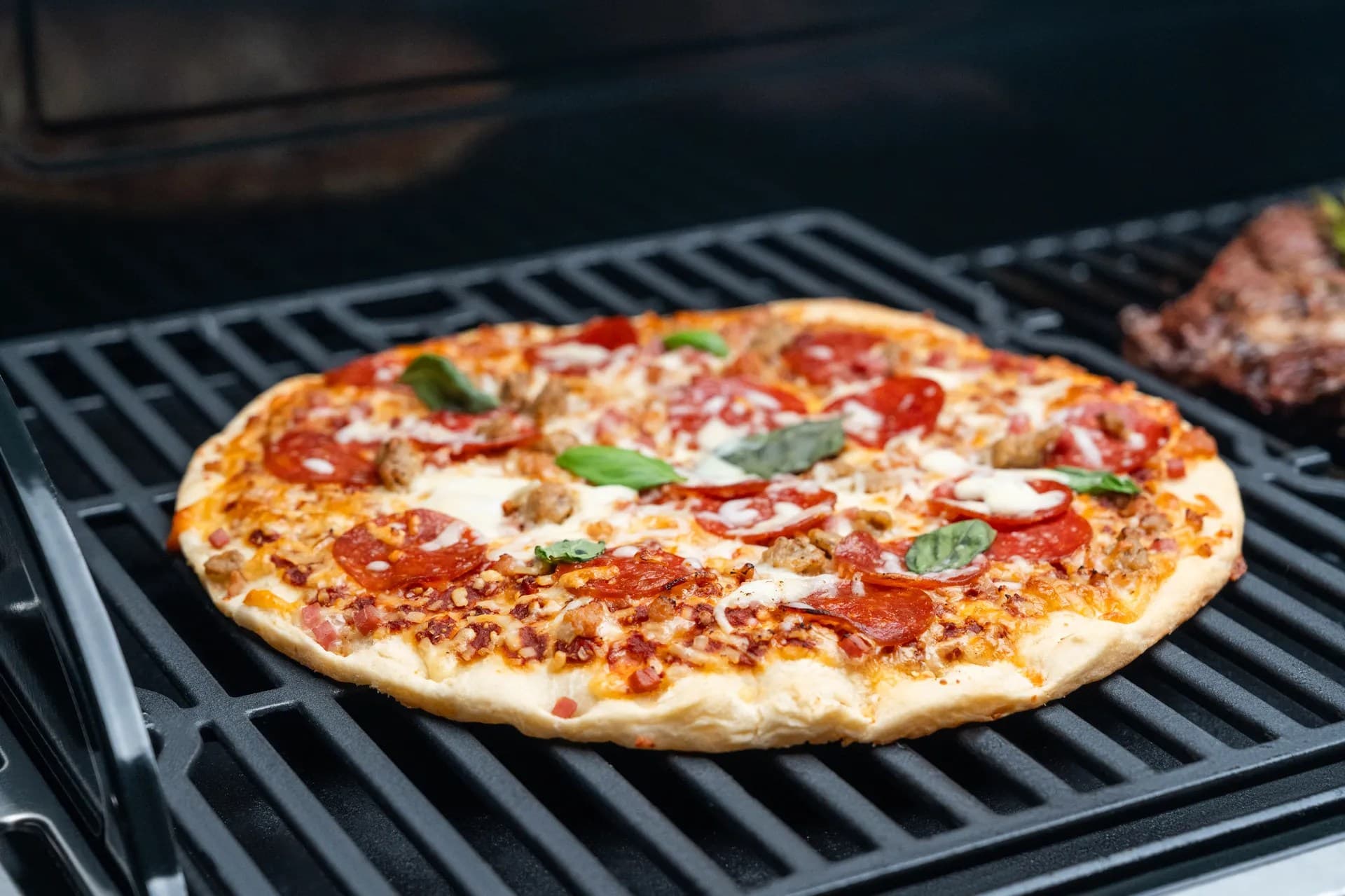
Here's what sets us apart from the competition
We position ourselves as delivering high-end outdoor cooking features and performance without premium-brand pricing, emphasizing “Quality Grills. Unbelievable Value.”
We offer gas grills, pellet grills, griddles, smokers, pizza ovens, portable/tabletop grills, electric grills, accessories, and replacement parts — allowing customers to stay within one ecosystem for all outdoor cooking needs.
We differentiate ourselves through smart grilling products like the Oakford smart pellet grill, including app-connected cooking controls and modern outdoor cooking technology.

Expert tips, buying guides, comparisons, and inspiration for choosing and getting the most out of your grill.

Practical guides for cleaning, maintenance, common grill issues, and performance optimization.
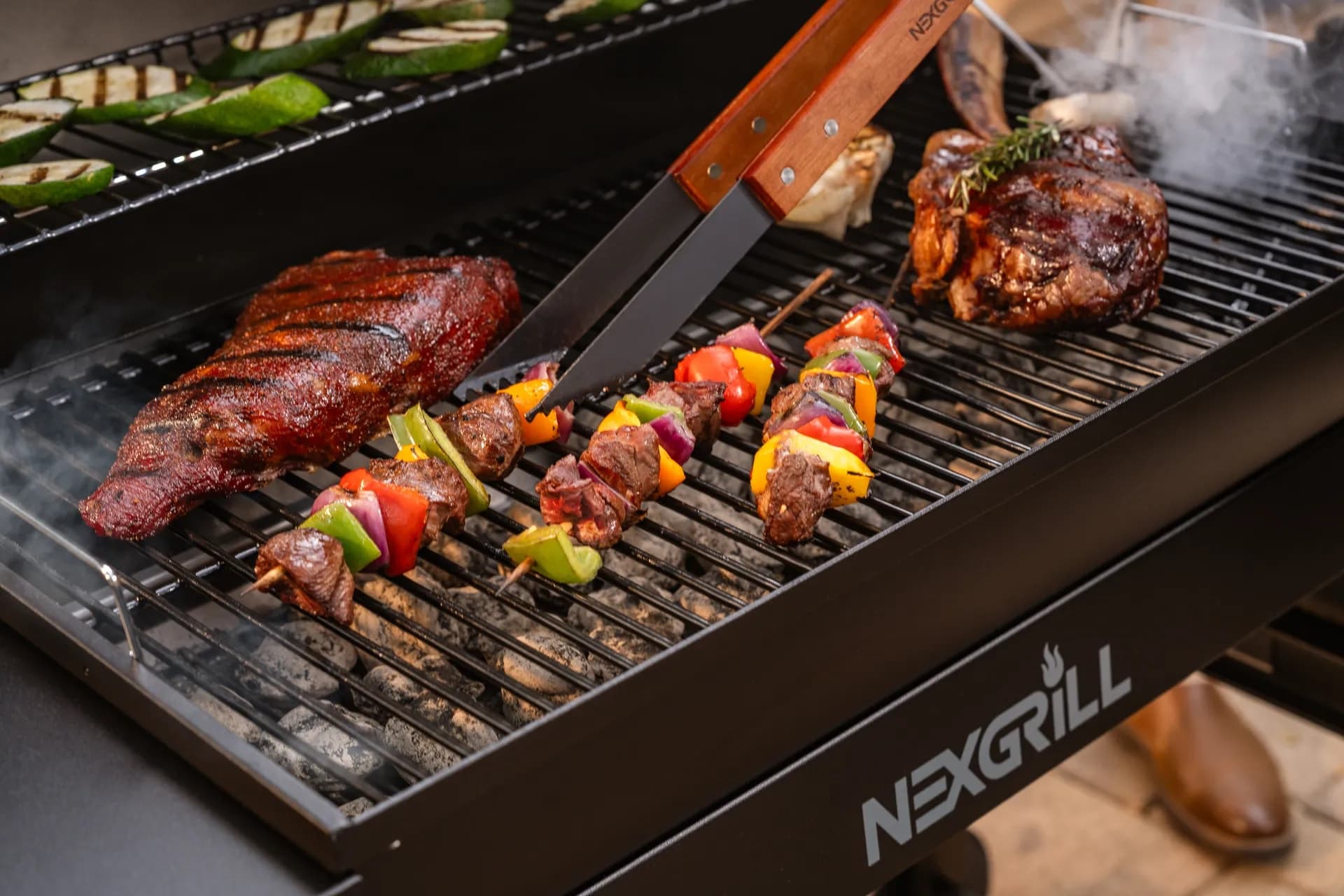
Step-by-step grilling recipes, cooking techniques, and meal ideas for every occasion and skill level.

Backyard entertaining ideas, seasonal grilling inspiration, and stories that celebrate outdoor cooking culture.
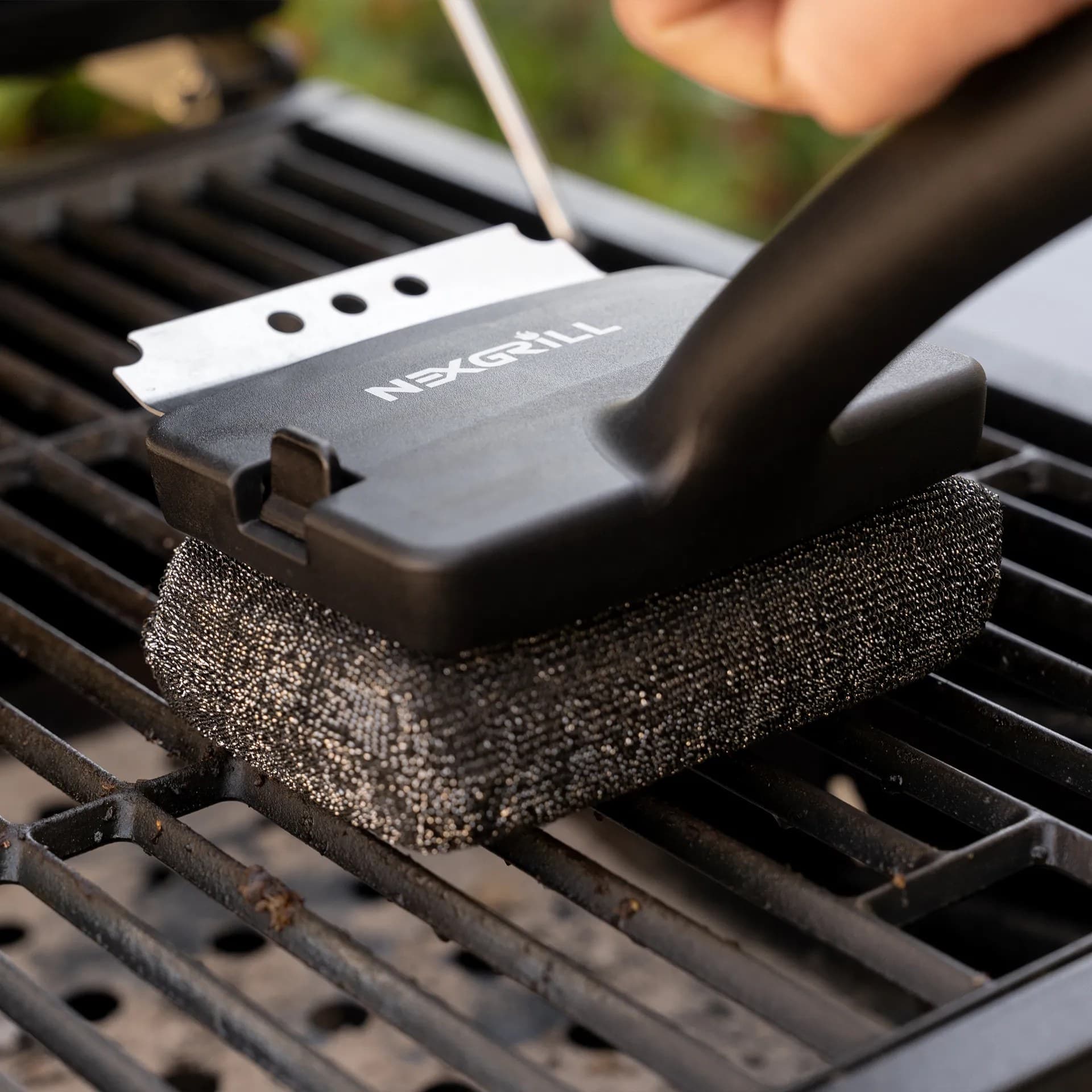
Helpful articles covering grilling tools, cookware, maintenance gear, and must-have accessories for outdoor cooking.
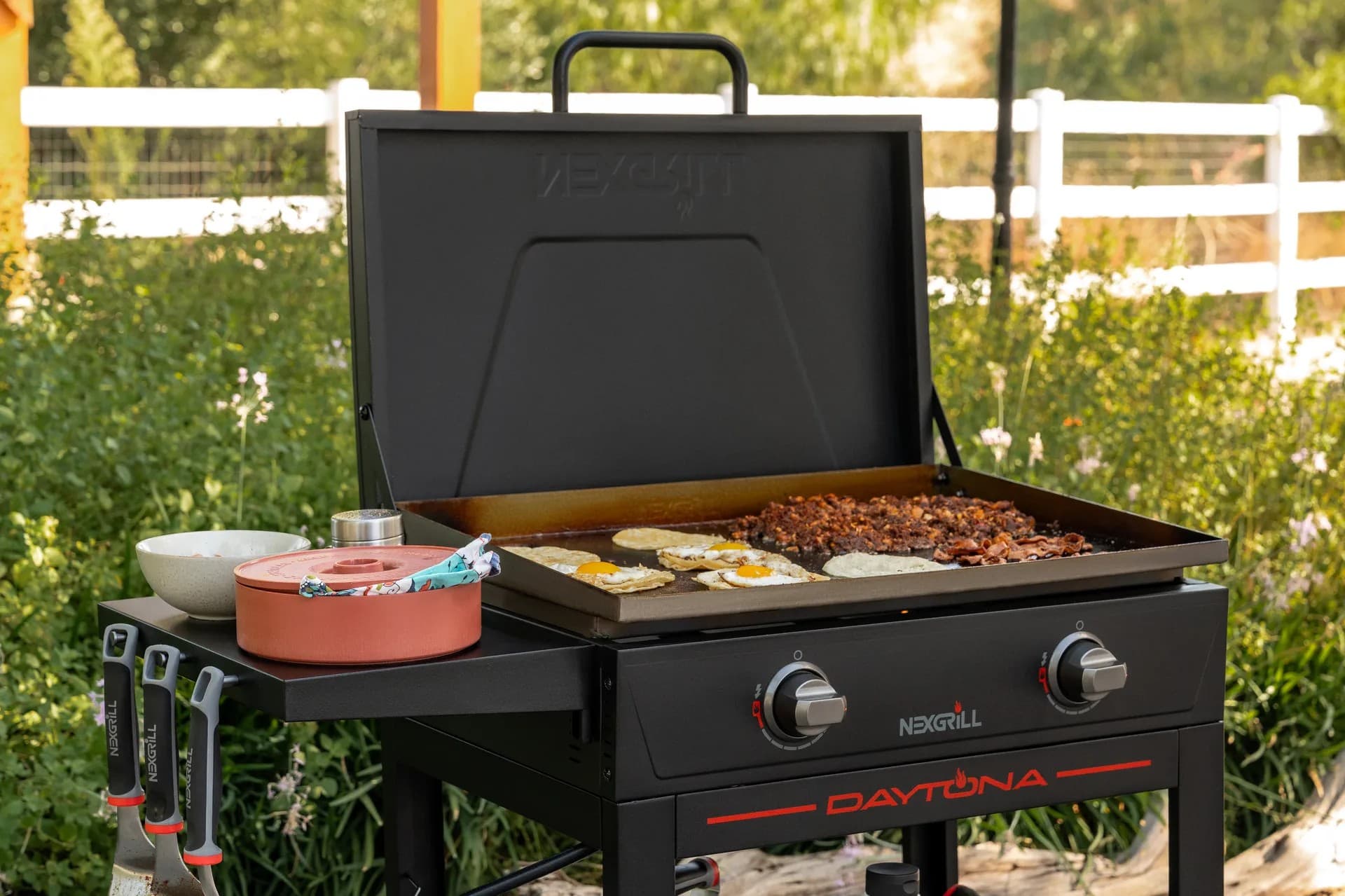
Find griddle recipes, cooking techniques, cleaning tips, and outdoor meal ideas designed for Nexgrill griddles.
Find answers to common questions
Nexgrill equipment is suitable for a variety of recipes including meats, vegetables, and even pizzas. Popular options include marinated steaks, grilled vegetables, and shrimp skewers.
To enhance the flavor of grilled vegetables, consider marinating them in olive oil, herbs, and spices before grilling. Alternatively, you can season them with salt and pepper during grilling for a more straightforward approach.
To achieve perfect grill marks, preheat your grill to a high temperature and ensure that the food is dry before placing it on the grill. Avoid moving the food too early, as it needs to sear properly to form those classic grill marks.
Using a meat thermometer is the most accurate way to ensure your grilled meat is at the desired temperature. For instance, chicken should reach an internal temperature of 165°F while medium-rare beef is typically at 135°F.
To clean your Nexgrill after cooking, allow it to cool and then use a grill brush to remove any residue from the grates. You can also wipe down the exterior with a damp cloth and mild soap to keep it looking its best.
In This Article
Balance in Marinades
Marinade Types
Flavor Pairing
Marinating is an essential step in elevating the flavor profile of grilled meats. It's a technique that not only infuses the meat with rich flavors but also helps in tenderizing it, ensuring a succulent bite every time. The process involves soaking the meat in a seasoned liquid, known as a marinade, which can vary greatly depending on the desired outcome. The basic components of a marinade include an acid (like vinegar or citrus juice), oil, herbs, spices, and sometimes sugar. Each element plays a critical role in flavor development and texture enhancement.
Acids such as vinegar, lemon juice, or yogurt are key to breaking down proteins, making the meat tender. However, it's important not to overdo it, as excessive acidity can lead to a mushy texture. The right balance ensures that the meat retains its structure while becoming more receptive to absorbing flavors.
Oils serve as a conduit for flavor, helping to carry the taste of herbs and spices into the meat. They also provide a moisture barrier, preventing the meat from drying out during grilling. Aromatic herbs like rosemary, thyme, and spices such as cumin or coriander can add depth and complexity to the marinade.
Tip: For an Asian twist, consider using sesame oil and soy sauce in your marinade for a robust umami flavor.
Marinades can be broadly categorized into acidic, enzymatic, and dairy-based. Each type serves a unique purpose and can be chosen based on the meat type and desired flavor profile. Acidic marinades, as mentioned, use vinegar or citrus for tenderization. Enzymatic marinades, on the other hand, utilize natural enzymes found in ingredients like papaya or pineapple to break down meat fibers. Dairy-based marinades, such as those using yogurt or buttermilk, are gentle and often used for leaner meats like chicken.
| Marinade Type | Examples | Best For |
|---|---|---|
| Acidic | Vinegar, Citrus | Beef, Pork |
| Enzymatic | Papaya, Pineapple | Tough Cuts |
| Dairy-Based | Yogurt, Buttermilk | Chicken, Lamb |
A great marinade achieves balance. It should be salty, sweet, sour, and spicy in harmony. Salt is crucial as it helps in flavor penetration and moisture retention. Sweet elements like honey or sugar can enhance caramelization on the grill, leading to a beautiful crust.
The duration of marination varies by meat type and marinade composition. While tougher cuts of beef can benefit from longer marination times (up to 24 hours), more delicate proteins like fish require significantly less time, often just 15-30 minutes. Always marinate in the refrigerator to prevent bacterial growth.
Warning: Never reuse a marinade that has been in contact with raw meat unless it has been boiled first.
Creating a marinade that perfectly complements your meat involves understanding both flavor pairings and the science of marination. Let's explore how to tailor your marinade to different types of meats and grilling scenarios, ensuring a delightful outcome every time.
Aligning flavors with the type of meat can elevate the overall grilling experience. For instance, pairing rosemary and garlic with lamb, or cumin and lime with chicken, can enhance the natural flavors of the meat. Consider the cultural context of your meal for additional flavor inspiration.
Herbs and spices are the backbone of any marinade. Fresh herbs like basil, parsley, and oregano provide a burst of freshness, while spices like paprika, black pepper, and chili powder add depth and heat. Experimenting with spice blends can lead to unique flavor profiles that make your grilled dishes stand out.
Start with a base of oil and acid, then layer flavors with spices and herbs. Adjust seasoning to taste, keeping in mind that flavors will intensify as they marinate. For a thicker marinade, consider adding ingredients like mustard or tomato paste, which can also enhance the umami factor.
Tip: Use a blender to emulsify your marinade, ensuring a smoother coating on the meat.
Different grilling occasions may call for specific marinating techniques. For a quick weeknight dinner, a simple oil and lemon zest marinade can suffice, whereas a weekend barbecue might warrant a more complex blend.
Each type of meat benefits from a specific approach. Beef often pairs well with robust marinades featuring soy sauce and garlic, while poultry can be enhanced with citrus-based mixes. Pork, on the other hand, enjoys the sweetness of apple cider or brown sugar in its marinade.
| Meat Type | Recommended Marinade | Flavor Profile |
|---|---|---|
| Beef | Soy Sauce, Garlic | Savory, Rich |
| Chicken | Lemon, Herbs | Citrusy, Fresh |
| Pork | Apple Cider, Brown Sugar | Sweet, Tangy |
Marinating is both an art and a science, with endless possibilities for creativity. By understanding the components and techniques, you can tailor your marinade to enhance the unique qualities of each meat, leading to a memorable grilling experience. Whether you're preparing a quick meal or planning an elaborate feast, the right marinade can make all the difference.
Here's what sets us apart
We position ourselves as delivering high-end outdoor cooking features and performance without premium-brand pricing, emphasizing “Quality Grills. Unbelievable Value.”
We offer gas grills, pellet grills, griddles, smokers, pizza ovens, portable/tabletop grills, electric grills, accessories, and replacement parts — allowing customers to stay within one ecosystem for all outdoor cooking needs.
We differentiate ourselves through smart grilling products like the Oakford smart pellet grill, including app-connected cooking controls and modern outdoor cooking technology.
Don't just take our word for it
Keep reading
From our catalog