Comprehensive Guide to Cleaning Your Grill
Ensure optimal performance and longevity with these expert cleaning techniques.

In This Article
Regular Maintenance
Deep Cleaning
Natural Cleaning Solutions
Introduction
Learning how to clean a grill is less about chasing a spotless finish and more about protecting the way your grill cooks. A clean grate sears better, a clean firebox runs more evenly, and a clean grease path reduces the chance that yesterday’s drippings become tomorrow’s smoke problem. For many home cooks, the real goal is not a showroom shine; it is dependable weeknight performance, better-tasting food, and a grill that lasts through many seasons of backyard use.
This guide is written for the real rhythm of grilling in the United States: burgers on a Tuesday, vegetables and chicken on the weekend, and a deeper seasonal reset when the weather changes. Nexgrill’s brand approach is built around approachable, practical outdoor cooking for beginners and experienced grillers alike, so the cleaning process here is designed to be straightforward rather than fussy. The same basic habits help whether you cook on gas, charcoal, or pellet equipment, and they fit the kind of inclusive, everyday grilling culture Nexgrill emphasizes in its brand voice and community messaging.
Post-cook cleaning can prevent most heavy buildup later.
If you have ever opened the lid after a few uses and noticed sticky residue, dark carbon on the grates, or a grease smell that seems stronger than the food you just cooked, that is your cue that the grill is asking for attention. The good news is that a clean routine does not need to be complicated. The most effective approach combines quick cleanups after cooking, periodic deeper scrubbing, and the right tools for the material you are working with.
Why Regular Grill Cleaning is Essential
Regular cleaning does three jobs at once: it improves food quality, supports temperature consistency, and helps preserve the hardware that makes the grill work. Built-up grease can create flare-prone conditions, but even when safety is not the concern, residue still affects performance. Carbonized debris on grates can make delicate foods stick, while blocked burners or restricted airflow can create hot and cold spots that make cooking less predictable. In practical terms, that means more uneven chicken, more torn fish skin, and more time spent trying to recover from a cooking surface that should have been ready from the start.
There is also a value argument. A grill that is cleaned regularly tends to need fewer dramatic rescue jobs later. Instead of spending an entire Saturday scraping multiple seasons of residue, you can keep the job manageable in short sessions. That is especially useful for households that use the grill often and want something reliable without turning upkeep into a project. Nexgrill’s broad outdoor cooking lineup is built for real-world use, which makes practical maintenance habits a natural part of ownership rather than an afterthought. Essential Safety and Maintenance Tips for Your Grill
A well-maintained grill also tends to look and feel more inviting. People are more likely to cook outside when the setup is ready to use, the cooking surface is clean, and the prep area does not feel neglected. That matters for family meals, entertaining, and casual weekend cooking. A little care after each use protects the habit of grilling itself.
Tools and Materials Needed for Grill Cleaning
You do not need a shelf full of specialty products to clean a grill well. In most homes, the best setup is a small, practical kit that handles both fast touch-ups and deeper cleanings. The exact needs vary a little by grill type, but the baseline is consistent: something to loosen food residue, something safe for the grate surface, and something to remove grease without damaging finishes.
| Tool or material | Best use | Why it matters |
|---|---|---|
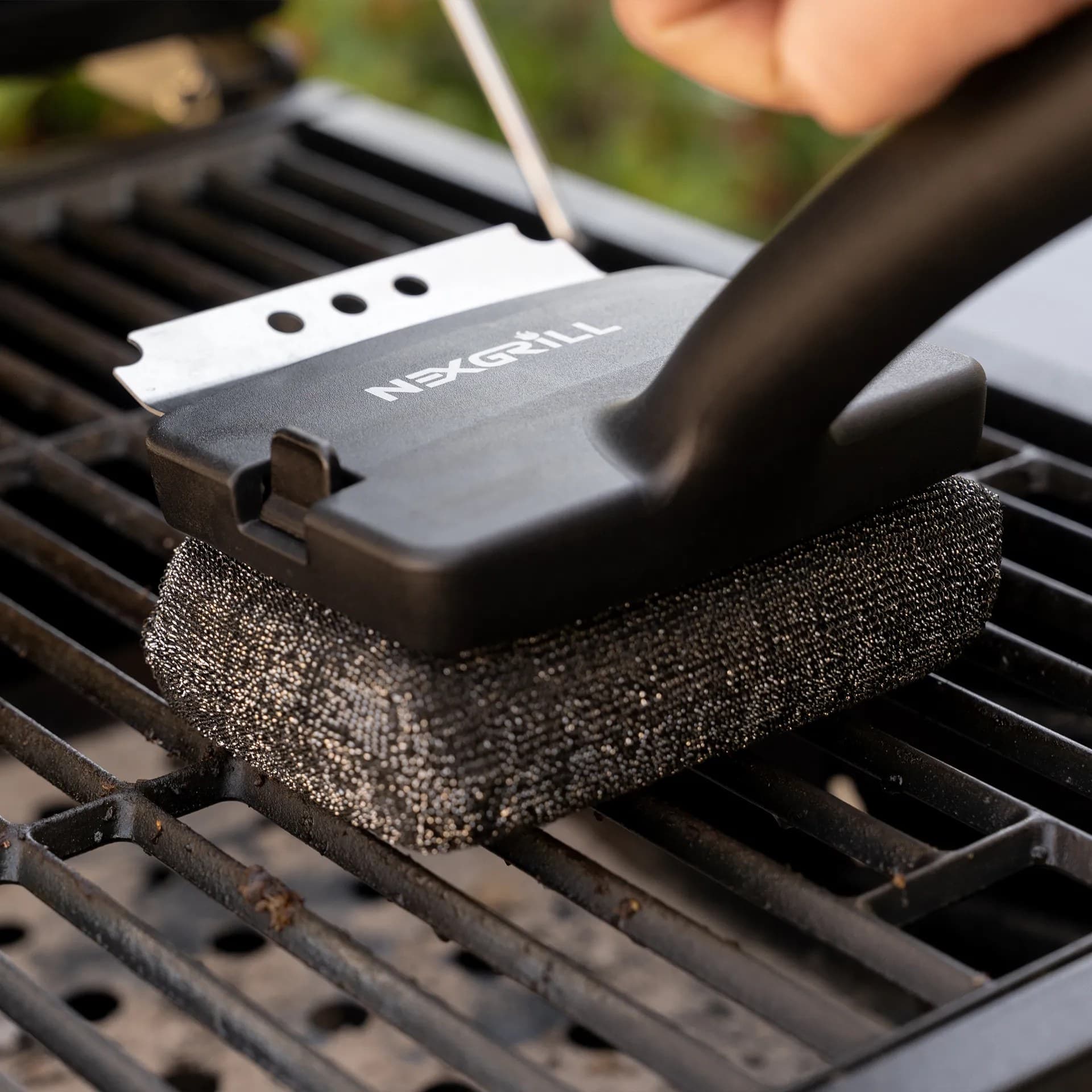
| Grill brush or scraper | Removing stuck-on food from warm grates | Cuts through residue before it hardens |
| Mild dish soap and warm water | Basic washing of removable parts | Effective for grease without harsh abrasion |
| Microfiber cloths or paper towels | Wiping surfaces dry | Reduces rust risk on cleaned metal parts |
| Bucket or spray bottle | Mixing and applying cleaning solution | Helps control how much moisture reaches components |
| Non-abrasive sponge or nylon pad | Cleaning painted or coated surfaces | Less likely to scratch exterior finishes |
Tip: Assemble your cleaning kit before you start heating or disassembling parts. A prepared station keeps the job moving and prevents dripping grease from spreading across your patio.
For deeper cleaning, many grill owners also keep a shop towel, a small putty knife for stubborn residue, a drip pan liner if their model uses one, and a vacuum or handheld brush for ash removal on charcoal or pellet grills. The goal is not to use aggressive force; it is to match the tool to the task so you do not bend grates, scratch the cookbox, or push debris into places it should not go.
Step-by-Step Guide to Cleaning Your Grill
A reliable grill-cleaning sequence starts while the grill is still warm, not long after the cooking ends. Warm residue lifts more easily than cold residue, which is why many experienced grillers do a quick post-cook scrub before the grill fully cools. Begin by turning off the burners or extinguishing the coals, then let the surface settle to a safe handling temperature. Remove the cooking grate if the design allows it, and brush away loose food bits from the grate surface and the areas directly below it.
Next, move to the catch points. Grease trays, drip pans, flavorizer-type components, and ash collection areas are where the most hidden buildup often lives. These parts matter because they influence how cleanly the grill runs during the next session. Empty loose debris, wipe away heavy grease, and wash removable parts with warm water and mild soap when the manufacturer’s materials allow it. Rinse thoroughly and dry completely before reinstalling. If moisture sits in a component overnight, it can create avoidable corrosion or a stale odor during the next cook.
Warning: Do not flood burner tubes, ignition parts, or electrical connections with water. Focus on wiping, brushing, and controlled cleaning instead of soaking fixed components.
For the cabinet, exterior lid, side shelves, and handle areas, use a damp cloth with a mild cleaner that is safe for the surface finish. Stainless steel needs care in the direction of the grain, while painted surfaces do better with gentle wiping rather than scrubbing. If you have a grease-heavy cookbox, it is better to scrape and collect residue into a disposable towel than to smear it around with a wet cloth. That keeps the interior cleaner and makes the final wipe-down much more effective.
One useful rule: if a part touches food, heat, grease, or ash, inspect it every time you clean. If it only touches the outside of the grill, inspect it seasonally. That simple division helps keep the routine efficient.
Maintaining Your Grill Between Deep Cleanings
The best maintenance strategy is the one you can repeat without thinking about it. Between deep cleanings, keep the grill protected from predictable buildup by brushing the grates after each cook, clearing the grease tray before it overflows, and checking that the lid and side shelves are free of food particles. If you cook often, a five-minute reset is usually enough to prevent the next session from becoming a repair job.
A cover can also be part of this routine, especially for grills stored outdoors through rainy or humid conditions. Protection from the elements matters because moisture, dust, and pollen can settle into hinges, burners, and exterior seams. Even a clean grill will age faster if it is constantly exposed. If you live in a region where the patio sees cold winters, a little seasonal care before the grill sits unused can make spring startup easier.
Think of between-use maintenance as preserving momentum. You are not trying to scrub every inch. You are trying to keep the grill ready, reduce odor, and stop residue from hardening into a bigger chore. That mindset saves time and keeps the grill more enjoyable to use.
Natural Cleaning Solutions for Your Grill
Many homeowners prefer natural cleaning methods because they are simple, inexpensive, and easy to keep on hand. Common Grill Cleaning Mistakes and How to Avoid Them can all play a role when used carefully and in the right places. Lemon, salt, vinegar, and baking soda can all play a role when used carefully and in the right places. Lemon and salt are especially useful for breaking down light grime on warm grates: the acid helps loosen residue, while the salt offers mild abrasion. Baking soda mixed into a paste can help with stubborn spots on removable metal parts, and diluted vinegar can work well for wiping exterior surfaces that need deodorizing more than heavy degreasing.
| Natural ingredient | Best use | Best caution |
|---|---|---|
| Lemon | Loosening light grease and odor on warm surfaces | Avoid over-wetting electrical or ignition parts |
| Salt | Gentle abrasion on grates | Use lightly to avoid scratching delicate coatings |
| Baking soda | Paste for stubborn residue | Rinse thoroughly so residue does not linger |
| Vinegar | Wiping and deodorizing exterior surfaces | Test on a small area first if finish is sensitive |
Tip: For a low-chemical routine, warm the grate first, scrub with lemon and coarse salt, then finish with a damp cloth so no acidic residue remains.
Natural cleaning works best when the buildup is still manageable. If residue has been baked on for months, you may need a stronger first pass with soap and a scraper before switching to gentler maintenance methods. That balance keeps the process practical and still aligned with a more eco-conscious household routine.
Conclusion
The most effective answer to how to clean a grill is not a single product or one dramatic deep clean. It is a repeatable system: brush while warm, clear grease and ash regularly, wash removable parts carefully, and protect the grill between uses. When those habits become routine, grilling feels easier, food cooks more consistently, and the equipment stays in better shape for longer. Try comparing two products side by side below to see which fits best:
Common Grill Cleaning Mistakes to Avoid
A lot of grill-cleaning trouble comes from rushing, not from lack of effort. One of the most common mistakes is waiting until residue has hardened completely before trying to remove it. Cold buildup bonds more tightly to grates and interior surfaces, so the work becomes harder and more likely to require aggressive scraping. Another frequent issue is using harsh tools on delicate finishes. Steel wool or overly stiff pads may seem effective, but they can scratch coated surfaces, damage seasoning on some parts, and make future cleaning more difficult by creating rough spots where grease clings.
A second mistake is treating every grill component the same way. Gas burners, ignition systems, cooking grates, ash pans, and exteriors all need different approaches. Spraying water into places meant to stay dry is a good way to create startup problems later. Likewise, scrubbing stainless steel across the grain can leave marks that are hard to hide. A smarter approach is to clean from the outside in: handle the removable cooking components first, then wipe the cabinet and lid, and only then move to the lower catch areas where grease and debris collect.
Warning: If a part has wiring, sensors, or ignition hardware, use minimal moisture and only the cleaning method recommended for that surface. Water in the wrong place can create next-use frustration even when the grill looks clean.
It is also easy to over-clean in the wrong way. Some grill owners scrub so aggressively that they remove protective finishes or deform wire grates. Cleaning should make the grill safer and more useful, not shorten its life. The best results come from steady upkeep rather than force.
Seasonal Deep Cleaning Checklist
Seasonal cleaning is your chance to reset the grill before peak summer use or after a long stretch of heavy cooking. Think of it as a systems check rather than a surface wipe. Start by removing the cooking grates and any removable flavor bars, trays, or heat shields. Scrape off loose debris, then wash the parts with warm soapy water if the material allows it. Dry everything thoroughly before reassembly. After that, inspect the firebox or cook chamber for grease buildup, carbon flakes, and debris around the burner area or heat source.
| Seasonal task | What to look for | Why it matters |
|---|---|---|
| Remove and wash grates | Baked-on food and carbon | Improves searing and reduces sticking |
| Clean grease tray and catch cup | Sludge, overflow, and odor | Helps prevent messy drips and buildup |
| Inspect burners or heat source | Blockage, rust, or uneven wear | Supports more even heat output |
| Vacuum ash or pellet residue | Loose ash around the burn area | Preserves airflow and cleaner startup |
| Wipe exterior and lid seams | Grease film, dust, and moisture marks | Helps protect finishes over time |
For homeowners who cook year-round, this checklist is useful every few months. For lighter-use grills, a strong spring or fall reset may be enough. If your grill has been through a season of high-volume cooking, pay special attention to the grease management system and the underside of the lid, where smoke residue often accumulates unnoticed.
Tip: Take a quick photo of burner placement, grease-tray alignment, or internal parts before disassembly. It makes reassembly easier after a deep clean.
Tips for Cleaning Specific Grill Types
Gas grills reward attention to burners, heat shields, and grease systems. After the grates are cleaned, inspect burner ports for blockages and look for any visible buildup around the ignition area. If the flames look uneven during your next cook, a blocked port or debris in the burner area may be the cause. Pellet grills need a different approach: focus on ash removal, the fire pot, drip tray, and pellet dust buildup near the hopper or feed path. Ash can affect airflow, while old grease on the drip tray can create smoke that has nothing to do with your food.
Charcoal grills are usually simpler mechanically, but they still need disciplined cleanup. Empty ash after each cook once the embers are fully extinguished and cool, then brush the grate and wipe the bowl. Ash left sitting in the bottom of the grill can trap moisture and turn into a corrosive paste. If you use a charcoal grill regularly, keeping the vent area clear is one of the easiest ways to preserve performance. Better airflow means easier temperature control and less frustration when you are trying to settle into a steady cooking zone.
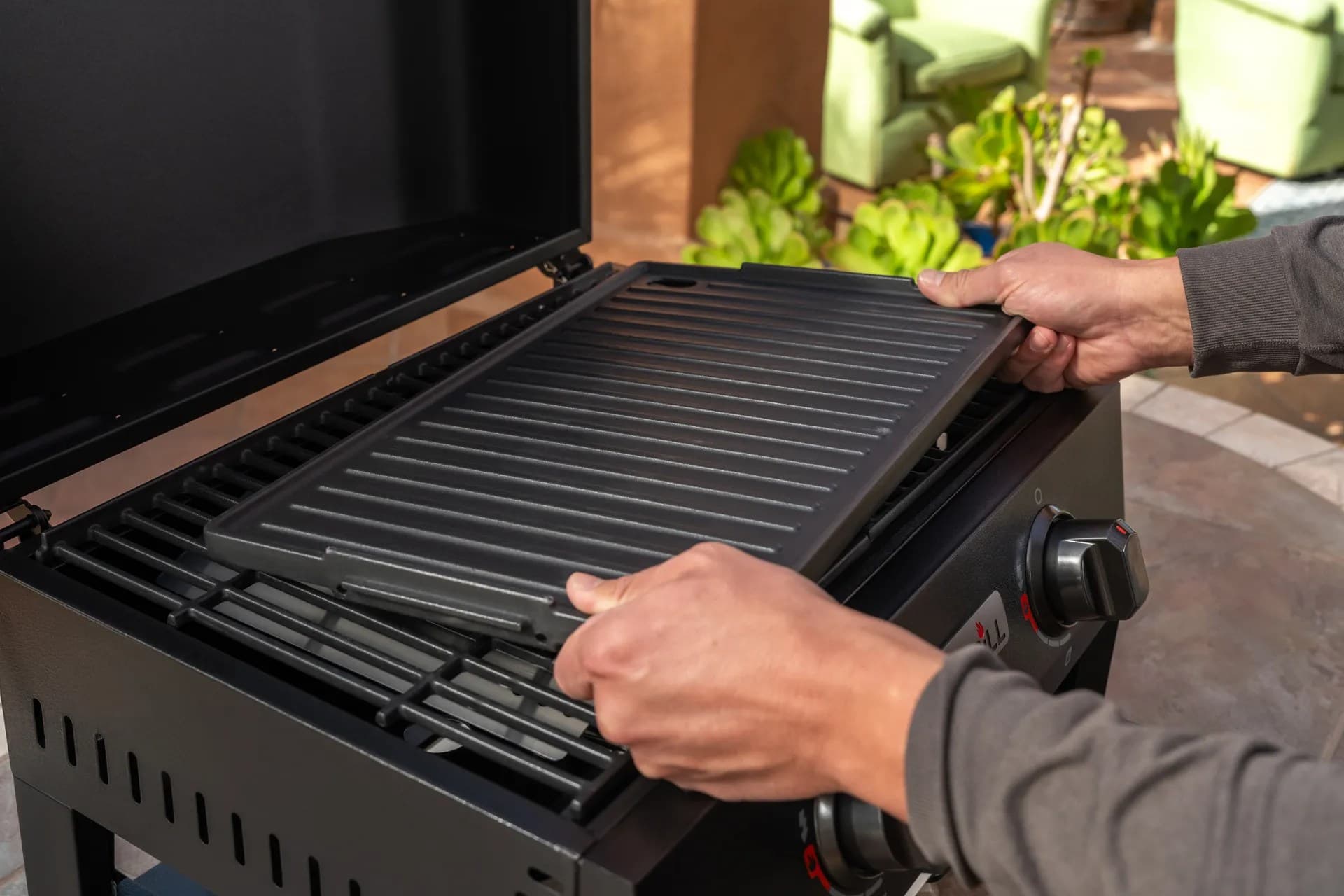
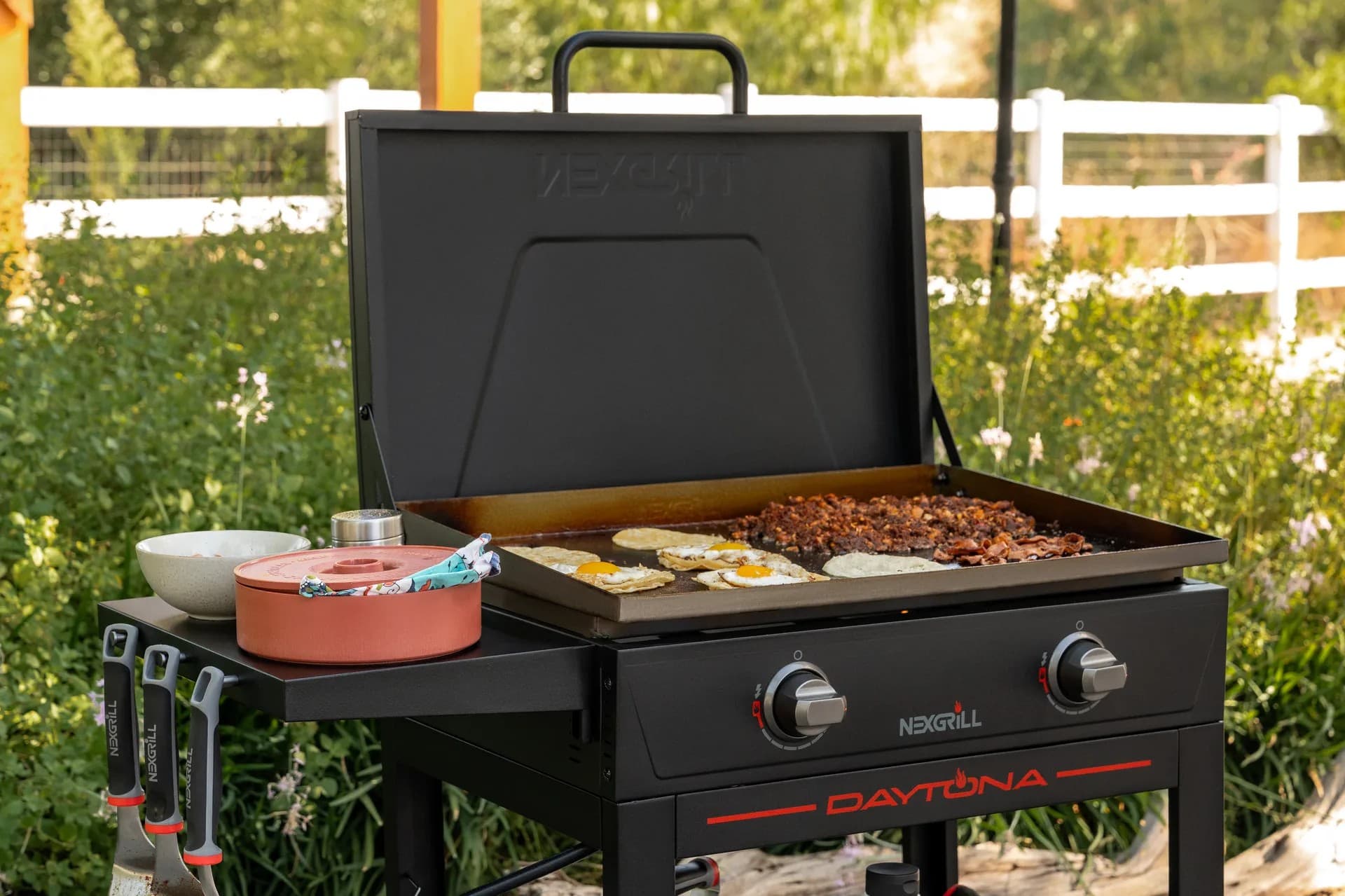
Flat-top or griddle-style surfaces should be handled differently from traditional grates. They usually benefit from scraping food debris while the surface is warm, then wiping with a light coat of oil if the manufacturer recommends it. That helps control rust and keeps the surface ready for the next cook. The core principle is the same across all types: clean while the residue is still manageable, and respect the way that specific cooker manages heat and debris.
Maintaining Grill Accessories
Accessories often collect the most overlooked grime because they are removed, set aside, and forgotten. Cooking utensils, grill baskets, grates, warming racks, drip trays, thermometers, and covers all deserve periodic attention. Grilling gloves and brushes should be checked for wear, since a frayed brush head or damaged mitt does more harm than good. If your grill includes a warming rack or secondary grate, clean it as carefully as the main grate because it receives the same smoke and grease exposure, just usually less of the visible attention.
| Accessory | Cleaning approach | Ownership benefit |
|---|---|---|
| Cooking grates | Brush warm, then wash if removable | Better searing and less sticking |
| Drip tray / grease pan | Empty and wipe after use | Cleaner interior and easier upkeep |
| Thermometer probe | Gentle wipe only | More reliable temperature readings |
| Grill cover | Shake off debris and air-dry if damp | Protects the grill from the elements |
Even accessories that do not touch food directly affect your grilling experience. A dirty cover can hold moisture, a clogged drip tray can invite odors, and a neglected thermometer can make you question cooking temperatures that are actually fine. Taking care of these pieces helps the whole setup feel more dependable.
Extending the Lifespan of Your Grill
A grill lasts longer when cleaning is paired with smart storage and regular inspection. That means keeping the exterior dry after washing, checking for rust spots before they spread, and replacing worn parts before they create bigger issues. It also means understanding that care is cumulative. A grill that is cleaned lightly but often usually ages better than one that is ignored for months and then attacked with harsh tools.
Simple habits make a measurable difference over time. Wipe down the lid after humid weather, clear ash before it absorbs moisture, and store accessories where they will not hold water or collect dirt. If the grill has moving parts such as hinges, casters, or drawer-style trays, inspect them during seasonal cleanings so they keep operating smoothly. The result is a grill that performs more consistently and feels easier to use every time you fire it up.
Info: The best maintenance routine is the one you can repeat. Small cleaning habits after each cook do more for longevity than occasional aggressive scrubbing.
Final Thoughts
If you want the short version of how to clean a grill, it is this: clean it while residue is still warm, respect the difference between removable parts and fixed components, and keep up with small maintenance tasks before they become major chores. That approach preserves flavor, keeps heat distribution more predictable, and helps your grill stay ready for the next meal instead of becoming a weekend project.
For homeowners who value practicality, a cleaning routine is really a cooking routine in disguise. When the grill is cared for, the food benefits, the equipment lasts longer, and the whole outdoor cooking experience feels easier to enjoy. Once you've weighed two options against each other, here's what else matters…