How to Choose the Perfect Gas Grill for Your Outdoor Cooking Needs
Explore the essential factors in selecting the ideal gas grill for your backyard gatherings.
In This Article
Types of Gas Grills
Key Grill Features
Choosing the Right Size
Understanding Different Types of Gas Grills
Choosing the right gas grill begins with understanding the types of grills available. Gas grills can vary significantly in terms of size, features, and fuel types. The most common types include propane grills, natural gas grills, and hybrid models that offer both options. Propane grills are portable and convenient, often preferred for their ease of use and flexibility in placement. On the other hand, natural gas grills are ideal for those with a natural gas line at home, providing a constant and economical fuel source.
Hybrid grills offer the best of both worlds, allowing users to switch between propane and natural gas. This flexibility can be particularly appealing for those who frequently entertain and need a versatile cooking solution.
Tip: Consider your home setup and grilling frequency when choosing between propane and natural gas options.
Key Features to Consider
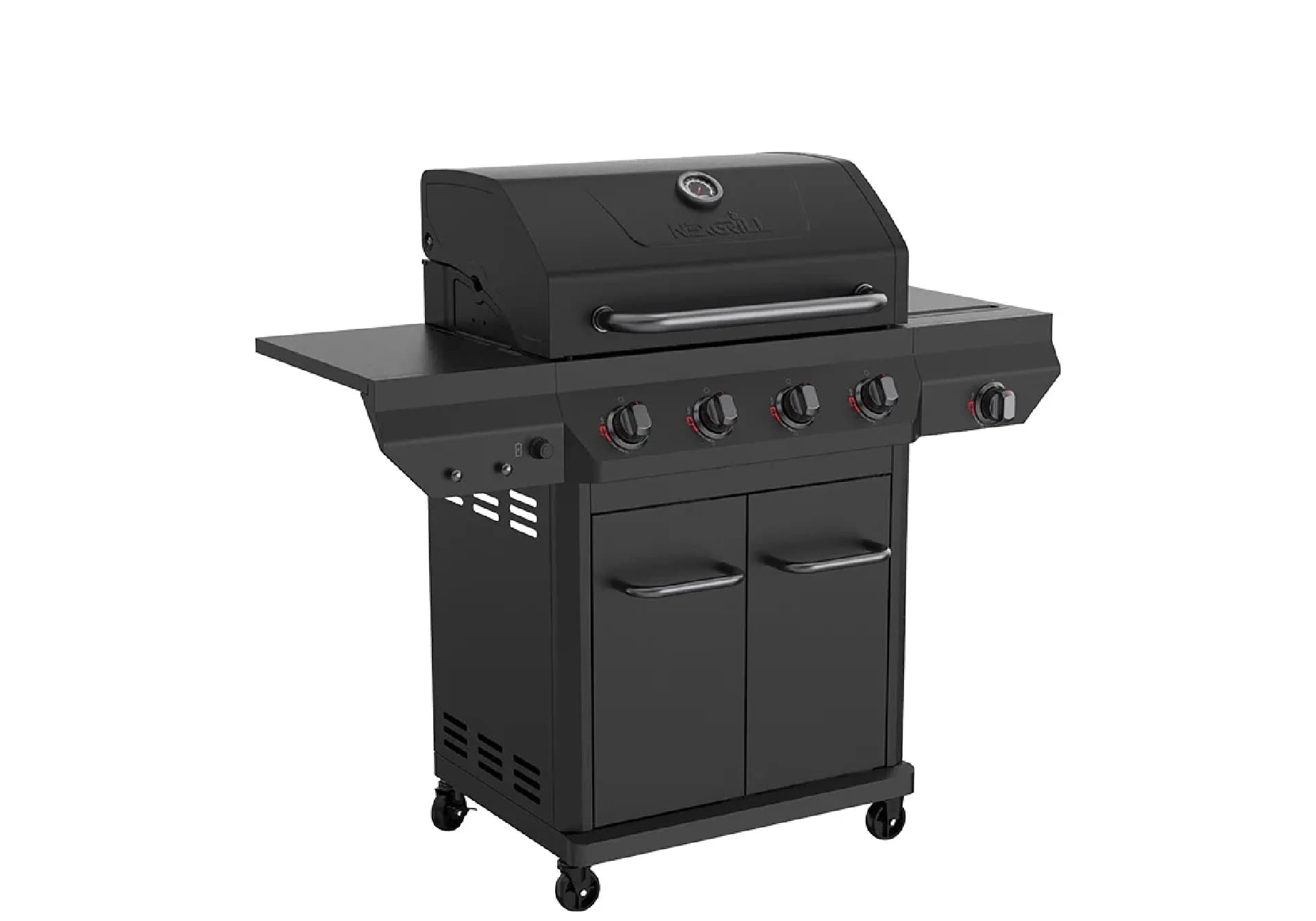
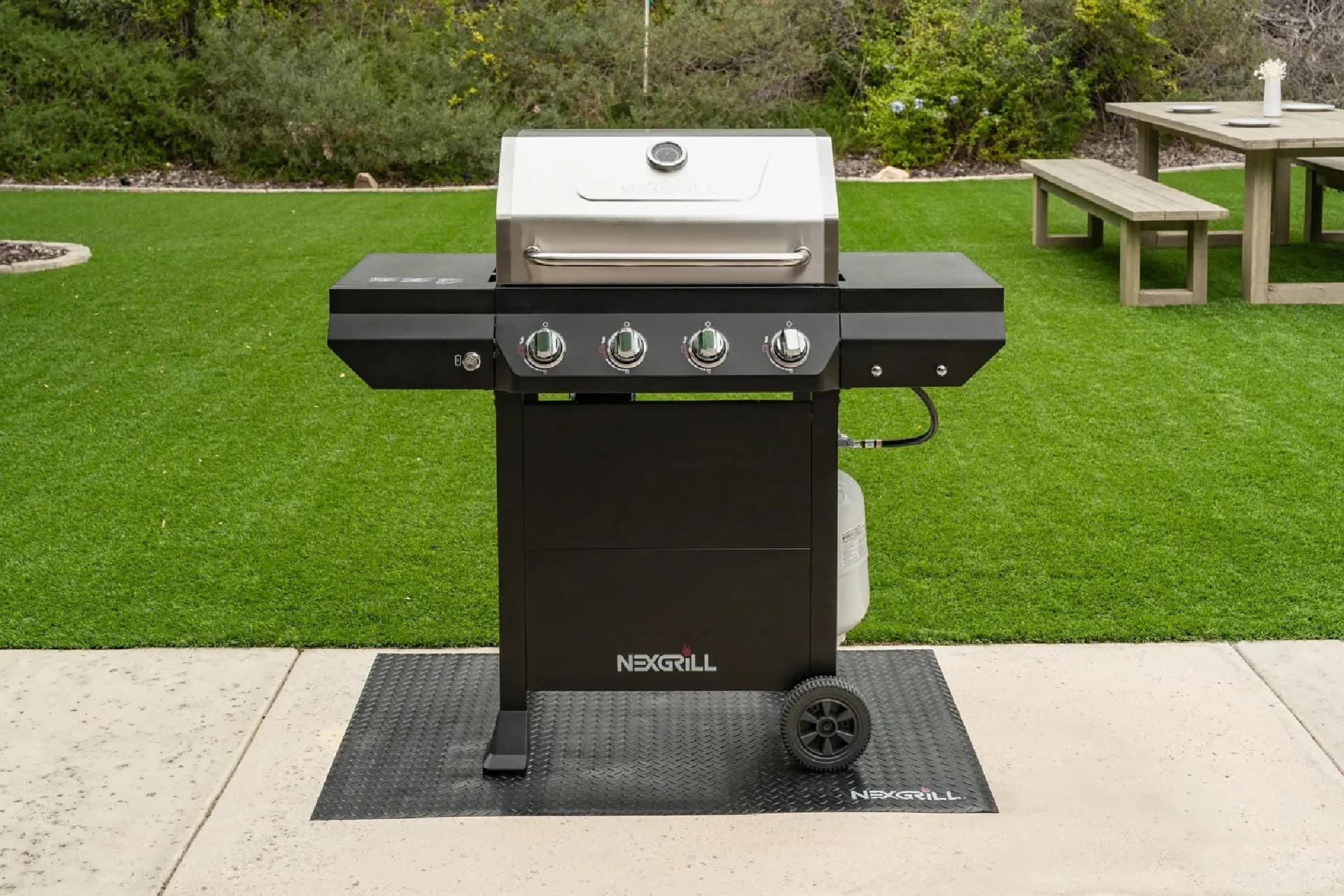
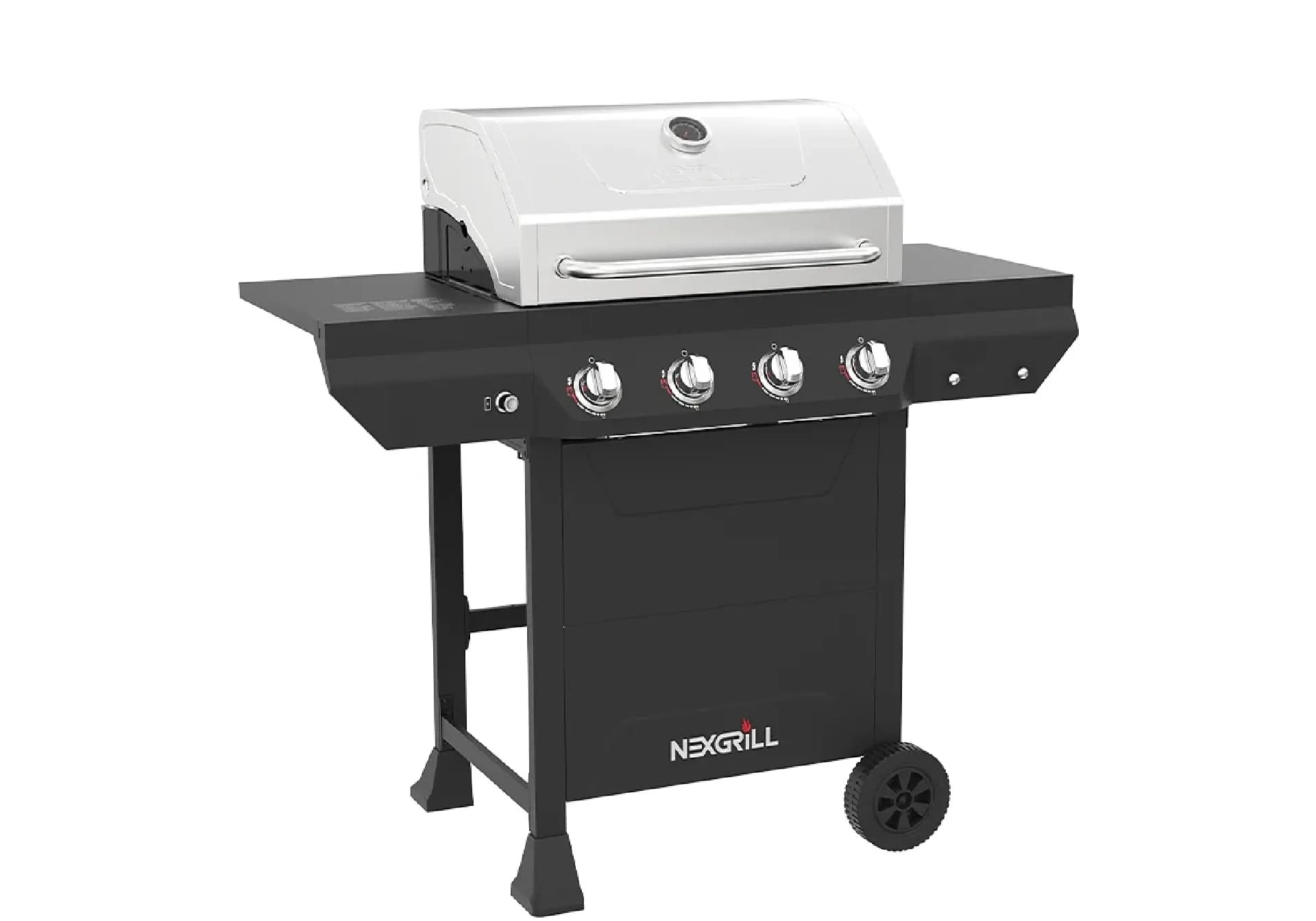
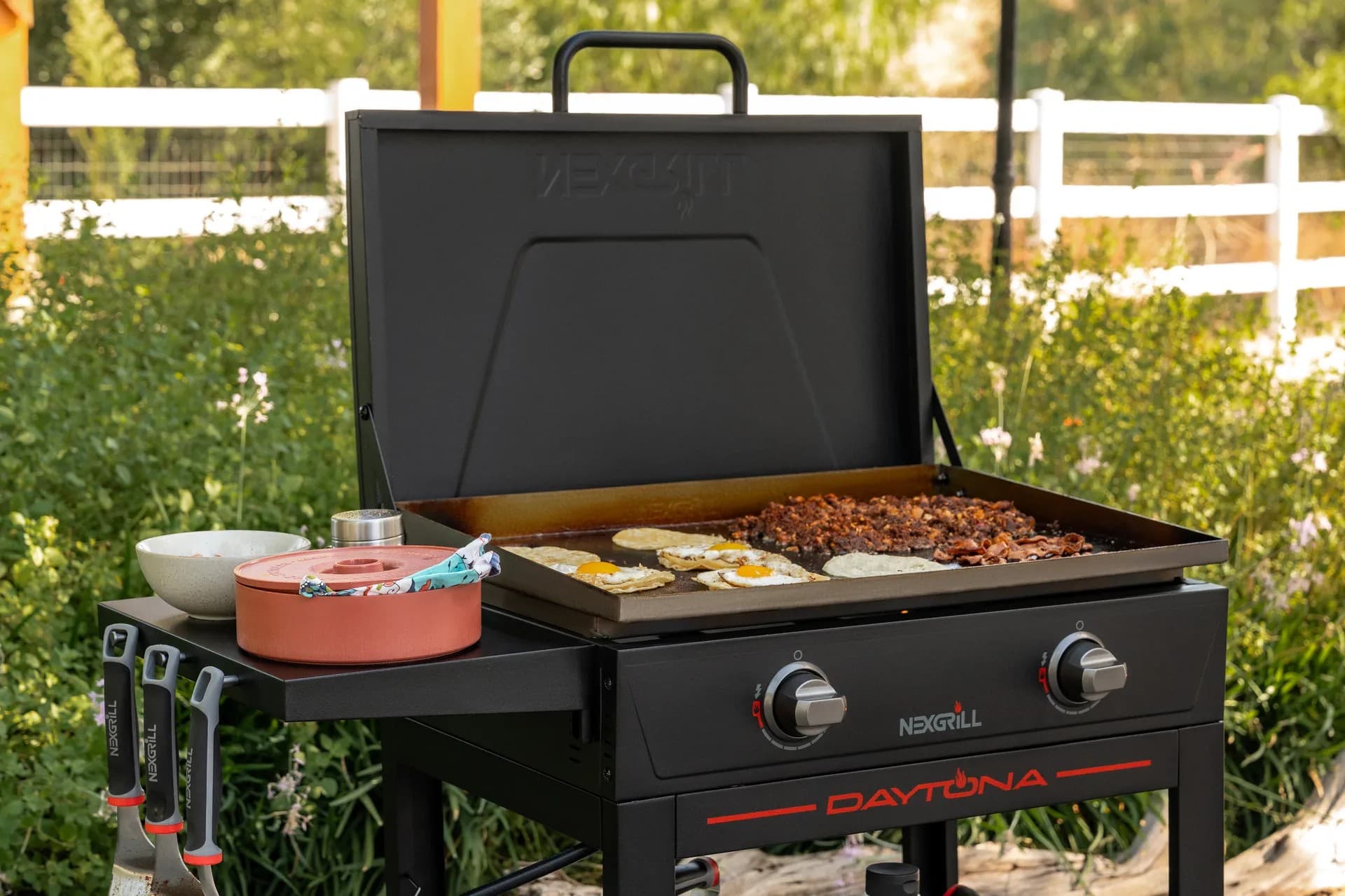
When selecting a gas grill, it's essential to consider key features that impact performance and user experience. Look for grills with multiple burners, as they allow for more precise temperature control and the ability to create different cooking zones. Additionally, consider grills with infrared burners, which offer even heat distribution and are excellent for searing meats. Key features to consider will enhance your grilling experience.
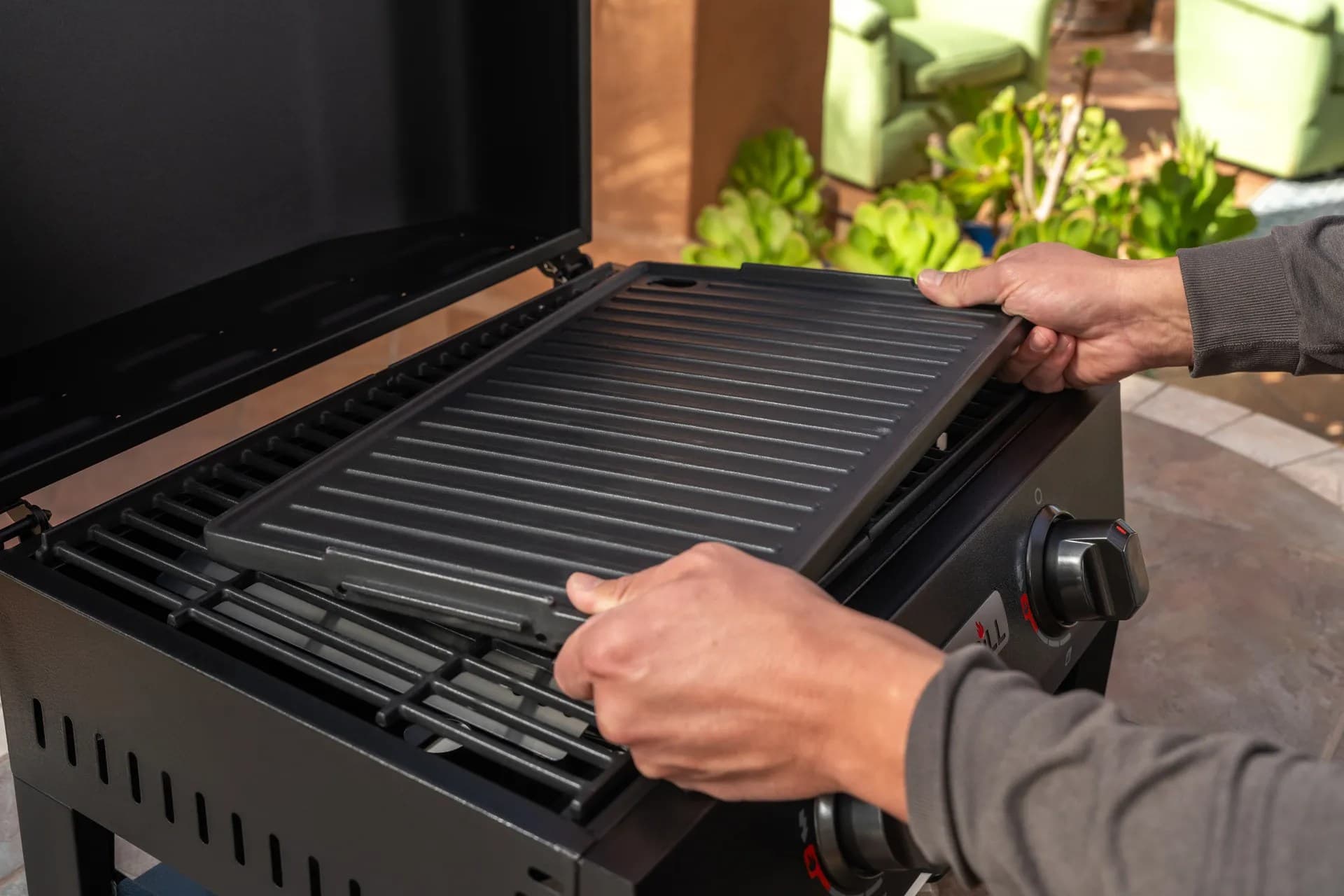
The quality of cooking grates plays a critical role in grilling results. Stainless steel and cast iron grates are popular choices due to their durability and heat retention properties. Furthermore, grills with built-in thermometers and electronic ignition systems provide added convenience and precision.
| Feature | Benefit |
|---|---|
| Multiple Burners | Allows for multi-zone cooking |
| Infrared Burners | Provides even heat distribution |
| Stainless Steel Grates | Durability and heat retention |
Size and Space Considerations
The size of your gas grill should align with your cooking needs and available space. If you frequently host large gatherings, a grill with a larger cooking surface and additional features like side burners or warming racks may be beneficial. However, for smaller families or those with limited outdoor space, a compact grill might be more suitable. Compact grills are a great choice for those with limited space.
It's vital to consider the positioning of your grill in your outdoor area to ensure adequate ventilation and safety. Measure your space carefully and leave enough room for safe operation and maintenance.
Tip: Always measure your outdoor space before purchasing a grill to ensure a perfect fit.
Material and Build Quality
The construction material of a gas grill can significantly affect its longevity and performance. Stainless steel is a preferred choice due to its resistance to rust and corrosion, ensuring durability over time. Cast aluminum is another excellent option for those seeking a lightweight yet resilient grill.
Pay attention to the quality of the grill's components, such as the frame, wheels, and handles. These parts should be sturdy and capable of withstanding frequent use. A grill cover is also recommended to protect the investment from the elements.
Fuel Efficiency and Cost Considerations
Fuel efficiency is a critical factor when choosing a gas grill, impacting both cost and environmental footprint. Propane grills, while portable, tend to have higher fuel costs compared to natural gas grills. However, they offer the convenience of mobility and are perfect for those who enjoy camping or tailgating.
Natural gas grills, conversely, are more cost-effective for long-term use if a natural gas line is accessible. Evaluating the frequency of use and initial setup costs will help determine the most economical choice for your lifestyle.
Warning: Be aware of fuel source availability in your area to avoid unexpected costs.
Which Grill is Best for You?
The ideal gas grill for you depends on your specific needs and cooking habits. If you prioritize portability and flexibility, a propane grill might be your best bet. For those who have a dedicated outdoor cooking space and access to a natural gas line, a natural gas grill could prove more practical and efficient.
Casual grillers or those with limited space might opt for a smaller model, while serious barbecue enthusiasts could benefit from a larger, feature-rich grill that offers multiple cooking zones and advanced technology.
| User Profile | Recommended Grill |
|---|---|
| Casual Griller | Compact Propane Grill |
| Outdoor Enthusiast | Large Natural Gas Grill |
| Camping Lover | Portable Propane Grill |
Maintenance Tips for Longevity
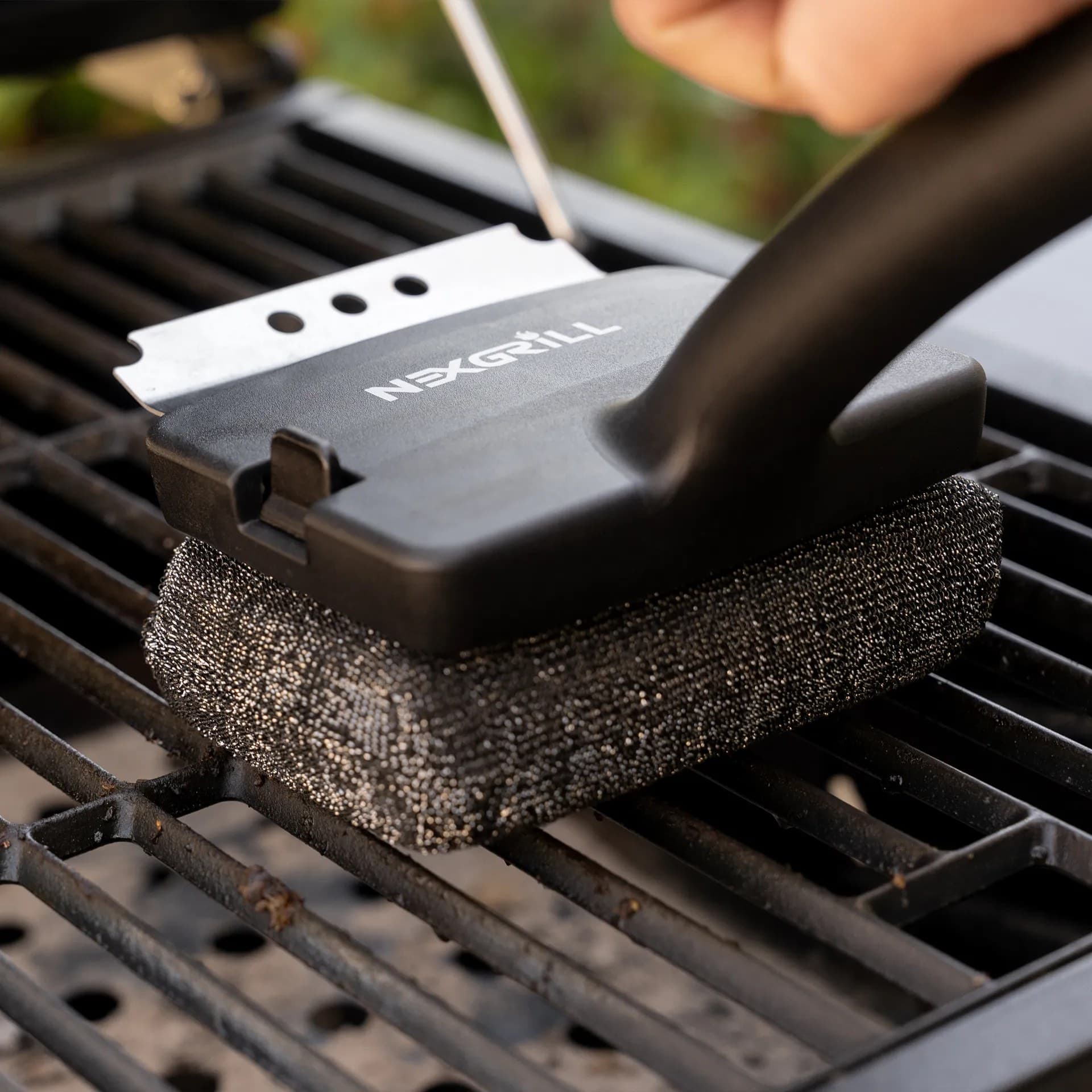
Proper maintenance is essential to extend the lifespan of your gas grill. Regular cleaning of grates and burners helps prevent buildup that can affect performance. Investing in a high-quality grill cover protects against weather and debris.
Check connections and hoses periodically for leaks or wear, and replace parts as needed to maintain efficiency and safety. A little effort in upkeep goes a long way in preserving your grill's functionality and appearance.
Tip: Use a soft brush to clean grill grates after each use to maintain peak performance.