The Ultimate Gas Grill Size Guide: Finding Your Perfect Fit
Explore the key considerations for selecting the right gas grill size for your outdoor space and cooking needs.
In This Article
Understanding Grill Sizes
Cooking Surface Area
Space and Portability
Understanding Gas Grill Sizes: Why It Matters
Choosing the right size for your gas grill is crucial for maximizing your outdoor cooking experience. The size of your grill impacts not only the amount of food you can prepare at once but also the usability and convenience of your cooking setup. A grill that's too small may limit your ability to entertain guests, while an oversized grill might be cumbersome and inefficient for everyday use.
When considering grill size, one must first understand the various dimensions and what they mean for your cooking style. The primary dimension to consider is the cooking surface area, typically measured in square inches. This determines how much food you can cook simultaneously, making it a vital factor for those who regularly host barbecues or have large families.
Tip: Consider your usual cooking volume and frequency. A grill with a surface area around 400-600 square inches is generally sufficient for families of four to six.
Types of Grill Sizes
- Small Grills: Ideal for couples or small families, these grills offer portability and save space.
- Medium Grills: Suitable for most households, balancing capacity and size.
- Large Grills: Best for frequent entertainers or larger families, providing extensive cooking areas.
In addition to the cooking surface, consider the grill's overall dimensions. This includes factors like hood height, which affects your ability to cook larger items such as turkeys or roasts. The grill's footprint - the space it occupies when fully set up - is also critical, especially for smaller outdoor areas or patios.
Cooking Surface Area: Key Considerations
The cooking surface area is a core factor in determining grill size. Here's a basic guideline:
| Grill Size | Surface Area (sq in) | Ideal For |
|---|---|---|
| Small | 200-400 | Couples, small patios |
| Medium | 400-600 | Families, regular cooking |
| Large | 600+ | Entertaining, large families |
For balanced grilling, it's important to think about how you use your grill. Do you often grill a variety of foods simultaneously, or focus on one type of dish? This will guide you in selecting the optimal cooking surface area for your needs.
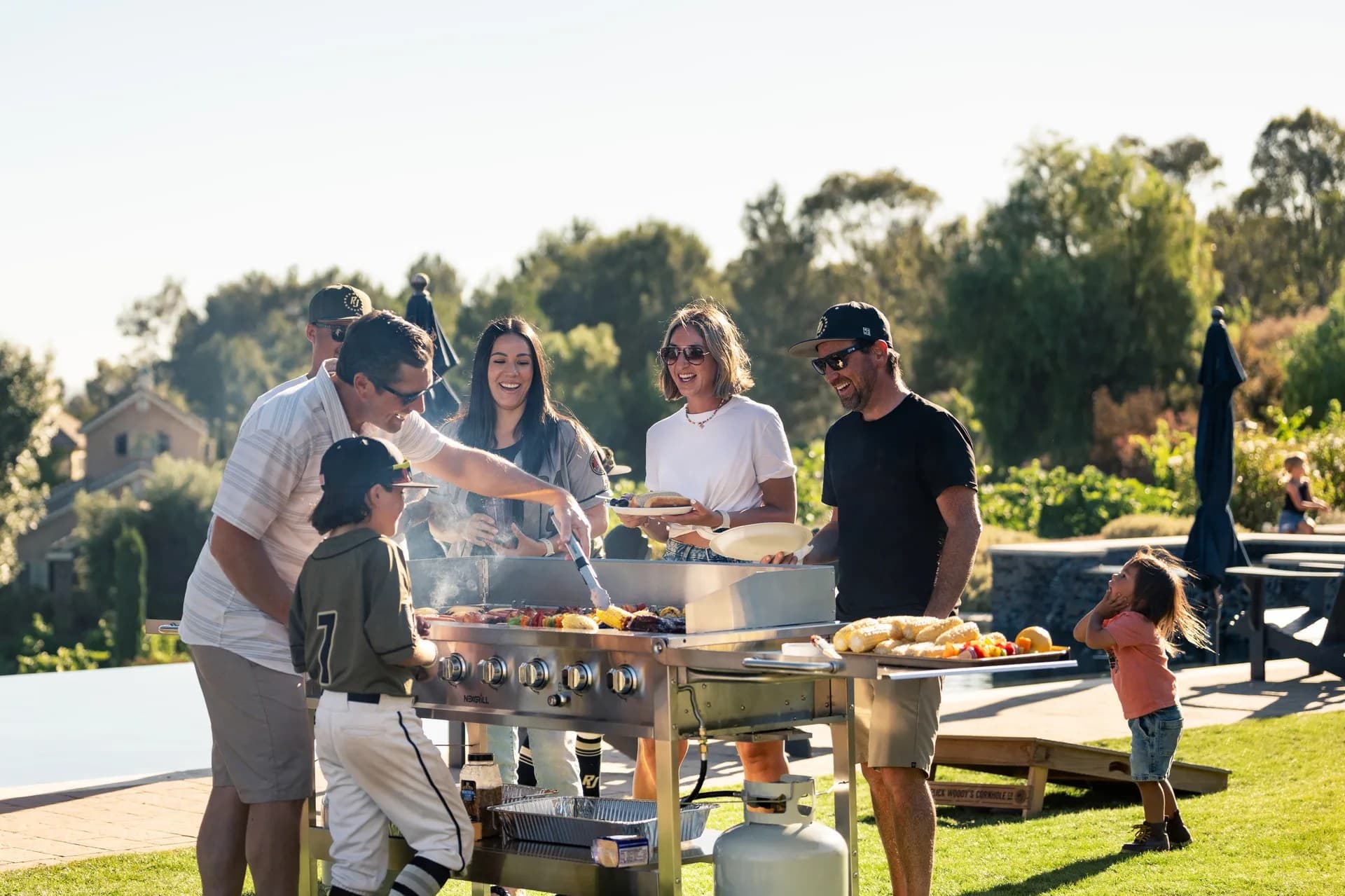
Consideration: If you love hosting parties, a larger grill will allow you to serve a crowd more efficiently.
Try comparing two products side by side below to see which fits best:
Once You've Weighed Two Options, Here's What Else Matters
After considering the basic size and cooking surface area, it's time to delve deeper into other essential aspects that influence your grilling experience. These factors include the grill's material, portability, and additional features that might complement your cooking style.
Material and Durability
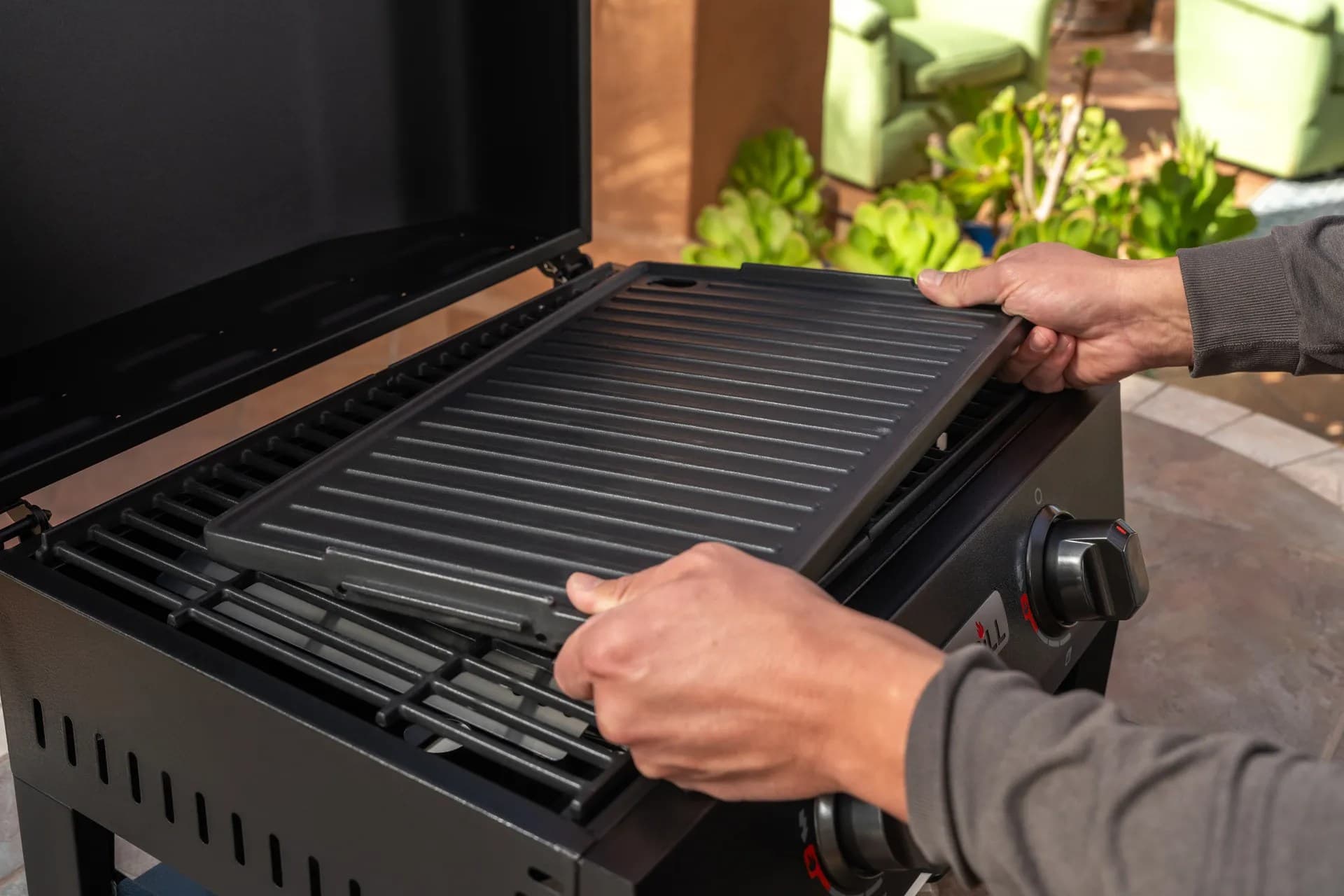
The material of your grill affects not only its longevity but also heat retention and distribution. Stainless steel is commonly praised for its durability and resistance to rust, making it a popular choice for outdoor grills. Cast iron grates, although heavier, offer excellent heat retention and create those perfect grill marks enthusiasts love.
Opt for a grill with a sturdy build to avoid frequent replacements and ensure consistent performance. Evaluate the frame, wheels, and handles for sturdiness, as these components will undergo significant wear and tear.
Portability and Space Considerations
If space is limited or if you enjoy grilling on the go, portability becomes a key factor. Smaller grills with foldable legs and wheels can be a practical choice for those who camp or tailgate. However, ensure that the portable grill still offers enough cooking space and power to meet your needs.
Warning: Sacrificing size for portability can limit your cooking options. Choose wisely based on your most frequent use cases.
Additional Features and Considerations
Modern grills come equipped with a multitude of features designed to enhance the grilling experience. Consider models with side burners for preparing sauces or warming racks to keep food hot. Electronic ignition systems can simplify startup, saving time and effort.
Furthermore, built-in thermometers, grease management systems, and integrated storage spaces can add significant convenience and functionality, making your grilling experience more enjoyable and efficient.
Making Your Decision: Practical Buying Advice
Ultimately, the best grill for you is one that aligns with your cooking habits, available space, and lifestyle. Consider your budget, but also think long-term. Investing in a quality grill can result in better performance, less maintenance, and a more enjoyable cooking experience for years to come.
Explore the wide range of grills available and balance your needs for space, cooking capacity, and additional features. Remember, a well-chosen grill can transform your outdoor living space into a culinary haven, enhancing both everyday meals and special occasions.