Ensure perfect grilling results with precise temperature monitoring techniques.
From sizzling breakfasts to smash burgers and teppanyaki-style dinners, the Daytona Pro 5 Burner NitroGuard™ Griddle delivers powerful heat, fast cooking, and a durable cooking surface built for every backyard cookout. Watch how easy outdoor cooking can be.
Here's what sets us apart from the competition
We position ourselves as delivering high-end outdoor cooking features and performance without premium-brand pricing, emphasizing “Quality Grills. Unbelievable Value.”
We offer gas grills, pellet grills, griddles, smokers, pizza ovens, portable/tabletop grills, electric grills, accessories, and replacement parts — allowing customers to stay within one ecosystem for all outdoor cooking needs.
We differentiate ourselves through smart grilling products like the Oakford smart pellet grill, including app-connected cooking controls and modern outdoor cooking technology.
Expert tips, buying guides, comparisons, and inspiration for choosing and getting the most out of your grill.
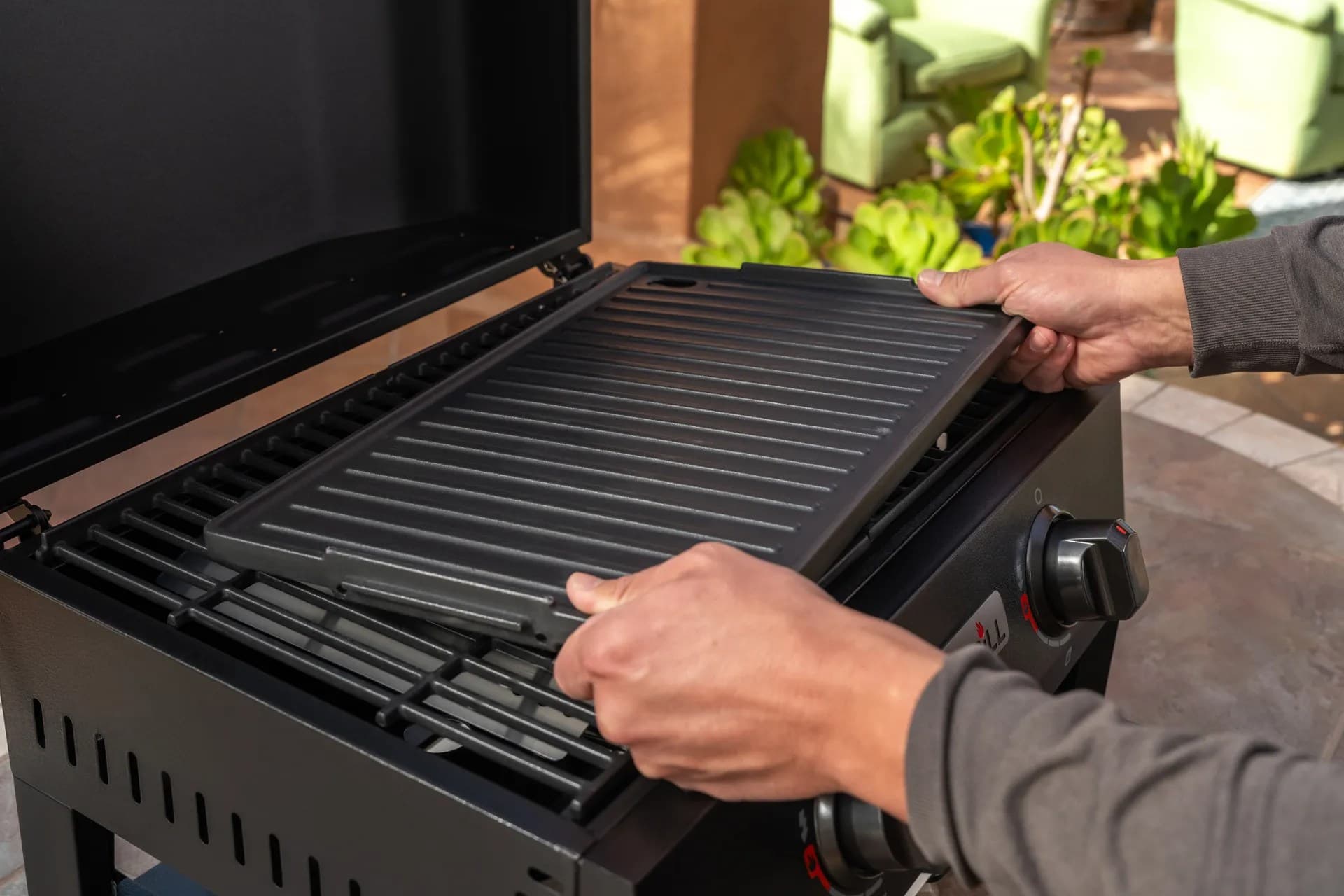
Practical guides for cleaning, maintenance, common grill issues, and performance optimization.
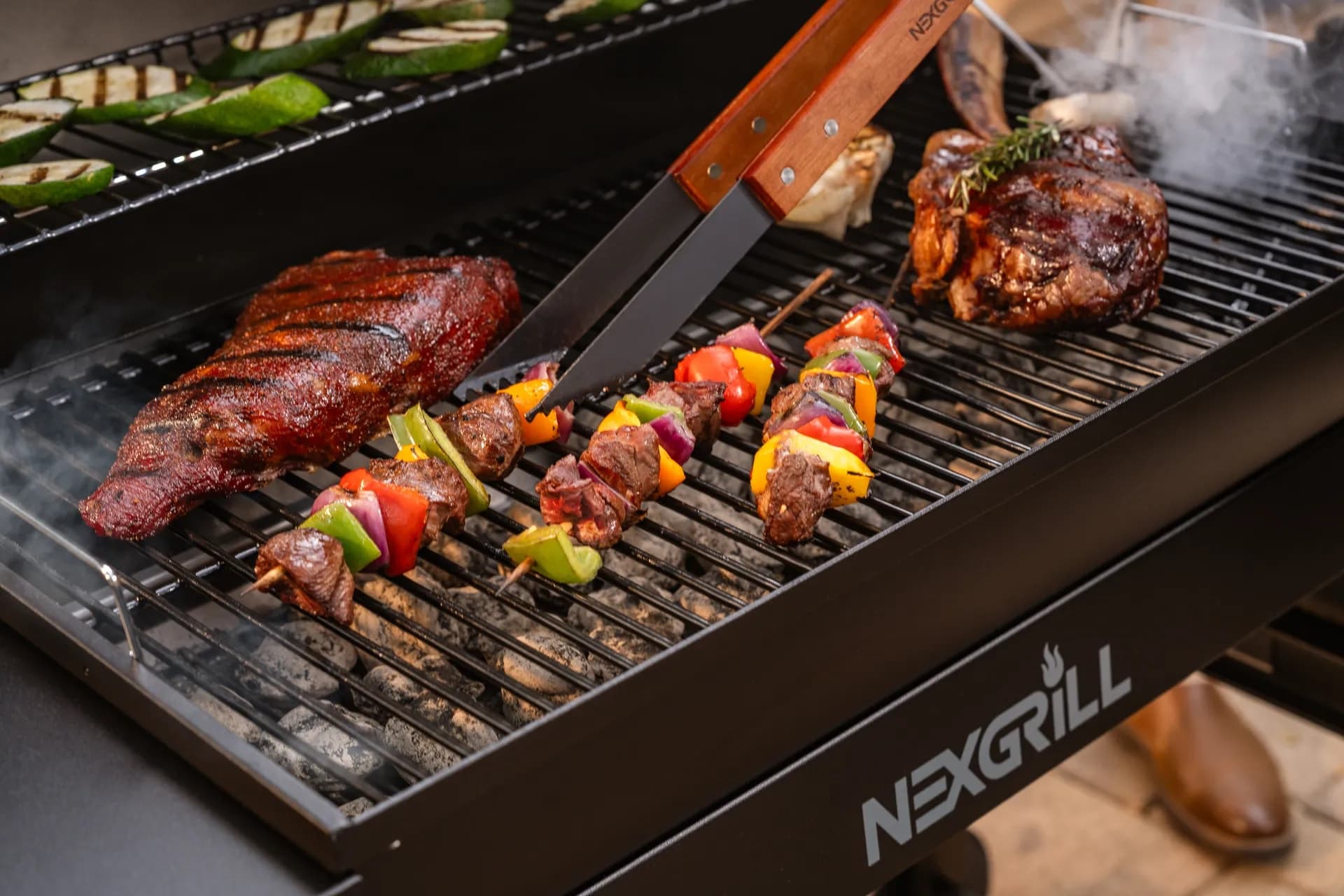
Step-by-step grilling recipes, cooking techniques, and meal ideas for every occasion and skill level.

Backyard entertaining ideas, seasonal grilling inspiration, and stories that celebrate outdoor cooking culture.
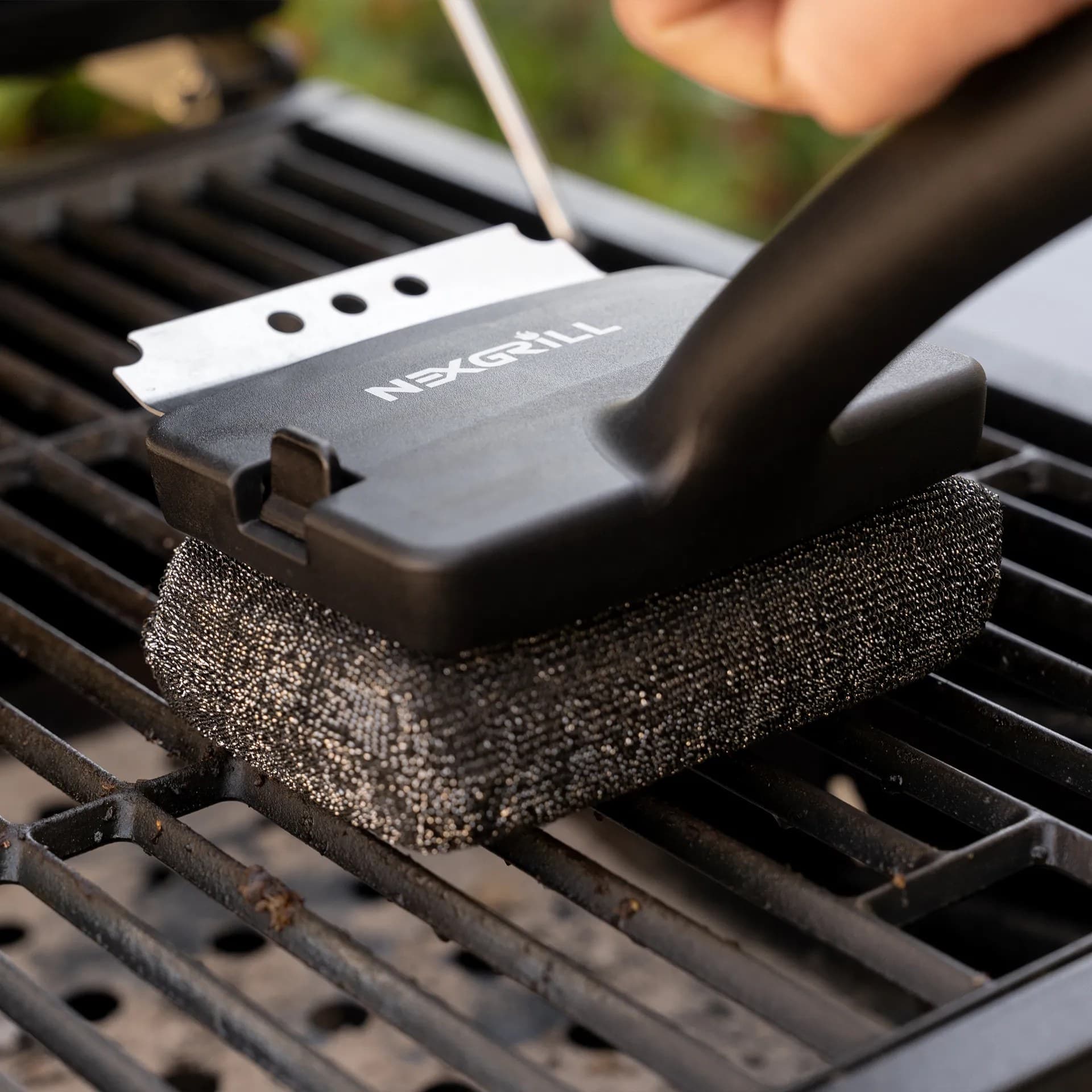
Helpful articles covering grilling tools, cookware, maintenance gear, and must-have accessories for outdoor cooking.
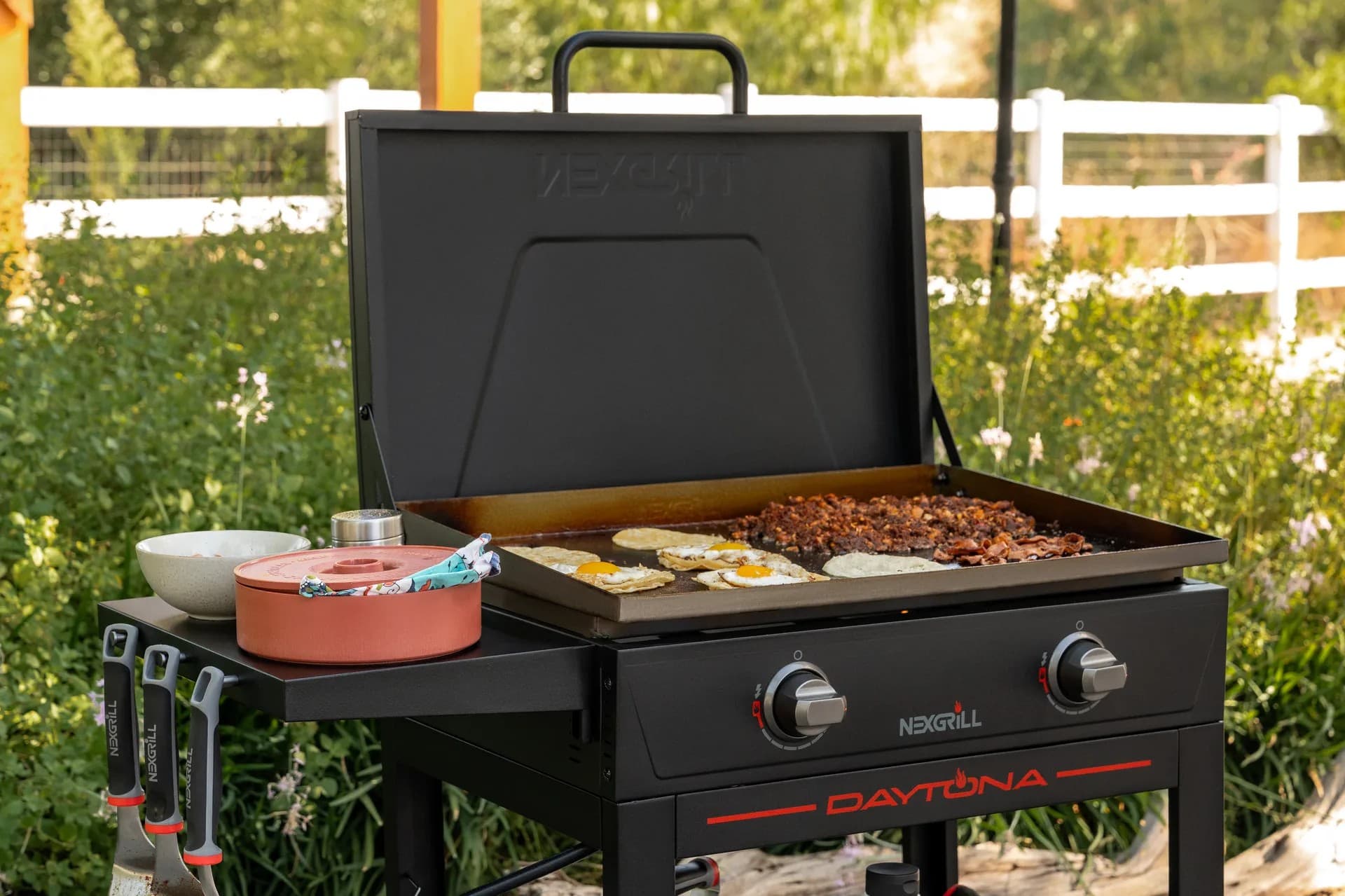
Find griddle recipes, cooking techniques, cleaning tips, and outdoor meal ideas designed for Nexgrill griddles.
Find answers to common questions
Gas grills provide instant heat and precise temperature control, making them easier to use. Charcoal grills offer a smoky flavor and high heat for searing but require more time to heat up and manage.
Pellet grills combine the convenience of gas with the flavor of wood, allowing for smoking, baking, and grilling. Traditional gas grills, however, are quicker to start and often easier to clean.
Charcoal grills typically reach higher temperatures quicker than gas grills, making them better for searing meat. However, high-quality gas grills can also provide adequate heat for effective searing.
Nexgrill offers models designed specifically for gas, charcoal, and pellets, allowing users to choose based on their cooking style and flavor preferences. Each type is built to optimize the characteristics of its respective fuel.
Choosing between gas and charcoal grills depends on your cooking preferences and lifestyle. If you value convenience and quick cooking, a gas grill may suit you better; if you prefer the taste and experience of traditional grilling, a charcoal grill would be ideal.
In This Article
Thermometer Importance
Temperature Zones
Calibration Tips
Grilling is as much an art as it is a science. The secret to perfectly cooked meals often lies in maintaining the right temperature. An accurate grill temperature ensures that your food is cooked evenly, enhancing flavor and texture. Overcooked or undercooked foods are often the result of mismanaged temperatures, leading to unsatisfactory culinary experiences. Understanding and controlling your grill's temperature can make all the difference.
Investing in a reliable thermometer is crucial for any grilling enthusiast. Digital thermometers provide quick readings and are easy to use, making them ideal for both beginners and seasoned grillers. Look for models with a quick response time and a wide temperature range to handle various grilling situations. Some advanced models even offer wireless connectivity, allowing you to monitor temperatures from a distance.
Tip: Always calibrate your thermometer before use to ensure accuracy. Calibration involves placing the probe in ice water and boiling water to check the readings against known temperatures.
Grills typically have different temperature zones, which can be used to your advantage. Direct heat zones are perfect for searing, while indirect heat zones allow for slower cooking and smoking. Knowing where these zones are on your grill will help you manage cooking times and achieve the desired doneness. Use your hand as a guide: If you can hold it over the grate for 4-5 seconds, it's medium heat; 2-3 seconds indicates high heat.
Infrared thermometers provide a non-contact method of checking grill surface temperature. They measure the infrared radiation emitted by the grill surface, offering an accurate assessment of heat distribution. These are especially useful for checking the temperature of grill grates before placing food on them, ensuring an even cook.
To use a grill thermometer effectively, insert the probe into the thickest part of the meat, away from bone and fat, for an accurate reading. Wait for the thermometer to stabilize before noting the temperature. For grills with built-in thermometers, place an additional probe near the food for a more precise reading, as built-in thermometers often measure the air temperature, not the grill surface.
| Thermometer Type | Advantages | Disadvantages |
|---|---|---|
| Digital | Quick read, accurate | Requires batteries |
| Infrared | Non-contact, surface temperature | Cannot measure internal food temperature |
| Dial | No batteries needed | Slower response, less precise |
Hot spots can affect cooking consistency, leading to unevenly cooked food. To identify hot spots, preheat your grill and place slices of bread across the grates. After a few minutes, check which slices are more toasted than others. This simple test will reveal the hotter areas of your grill, allowing you to adjust your cooking strategy accordingly.
Calibration ensures your thermometer provides accurate readings. To calibrate, immerse the probe into ice water and adjust until it reads 32°F (0°C). Then, test it in boiling water for a reading of 212°F (100°C). If discrepancies arise, refer to the manufacturer's instructions for recalibration methods, as some digital models allow for manual adjustments.
Consistency in grill temperatures is crucial for achieving desired cooking results. Controlling airflow is key; adjust the vents on your grill to manage heat levels. Keep the lid closed as much as possible to maintain heat and prevent fluctuations. Regular cleaning of grates and burners also aids in consistent temperature regulation by preventing grease fires and uneven heating. For insights on how to handle specific meats, check safe grilling temperatures for meat.
Different grills offer varying levels of temperature control. Gas grills typically allow for precise adjustments with their built-in dials, making them ideal for beginners. Charcoal grills require more finesse, as temperature control is dependent on the amount of charcoal and airflow. Pellet grills offer advanced control with digital settings, providing even heat distribution and ease of use. If you’re interested in mastering the basics, look into grilling temperature basics.
Tip: Consider your grilling frequency and preferred cooking style when selecting a grill. Frequent grillers may benefit from the precision of a pellet grill, while occasional users might prefer the simplicity of a gas grill.
For those serious about grilling, advanced temperature monitoring tools can enhance your grilling prowess. Bluetooth and Wi-Fi-enabled thermometers allow you to monitor temperatures remotely, alerting you when your grill reaches specific temperatures. These tools are particularly useful for long cooking sessions, such as smoking meats, where maintaining consistent heat is essential. To understand more about cooking various meats, refer to the perfect grilling temperatures for fish for a delicious result.
| Feature | Benefit | Consideration |
|---|---|---|
| Bluetooth Thermometer | Remote monitoring | Limited range |
| Wi-Fi Thermometer | Long-range access | Requires Wi-Fi network |
Here's what sets us apart
We position ourselves as delivering high-end outdoor cooking features and performance without premium-brand pricing, emphasizing “Quality Grills. Unbelievable Value.”
We offer gas grills, pellet grills, griddles, smokers, pizza ovens, portable/tabletop grills, electric grills, accessories, and replacement parts — allowing customers to stay within one ecosystem for all outdoor cooking needs.
We differentiate ourselves through smart grilling products like the Oakford smart pellet grill, including app-connected cooking controls and modern outdoor cooking technology.
Don't just take our word for it
Keep reading
From our catalog