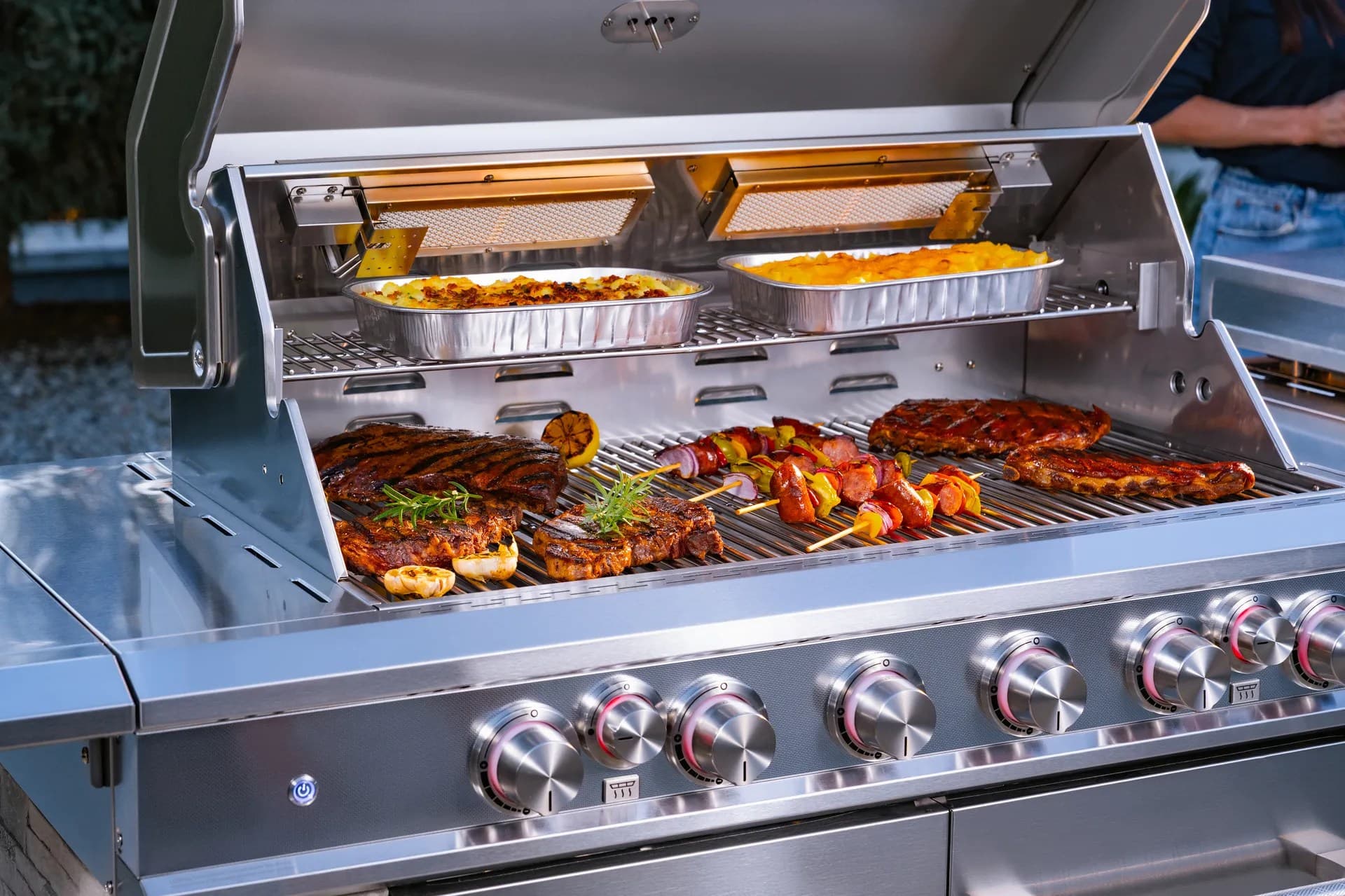
Achieve culinary perfection with precise temperature control for fish grilling.
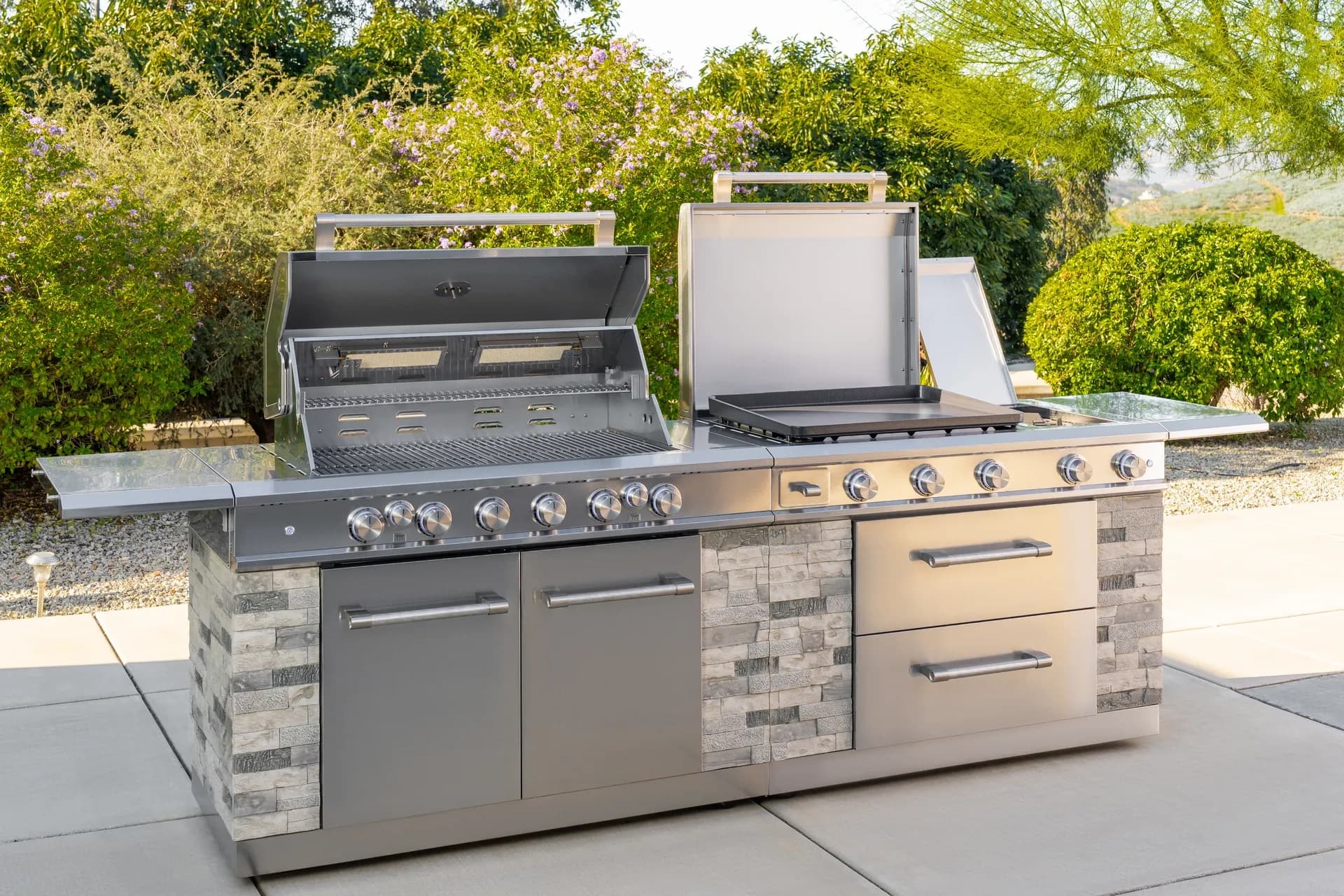
From sizzling breakfasts to smash burgers and teppanyaki-style dinners, the Daytona Pro 5 Burner NitroGuard™ Griddle delivers powerful heat, fast cooking, and a durable cooking surface built for every backyard cookout. Watch how easy outdoor cooking can be.
Here's what sets us apart from the competition
We position ourselves as delivering high-end outdoor cooking features and performance without premium-brand pricing, emphasizing “Quality Grills. Unbelievable Value.”
We offer gas grills, pellet grills, griddles, smokers, pizza ovens, portable/tabletop grills, electric grills, accessories, and replacement parts — allowing customers to stay within one ecosystem for all outdoor cooking needs.
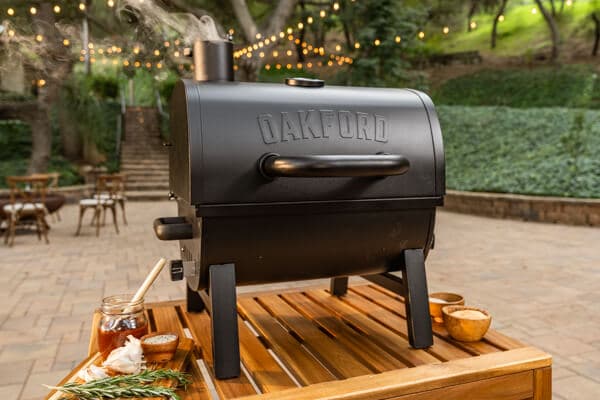
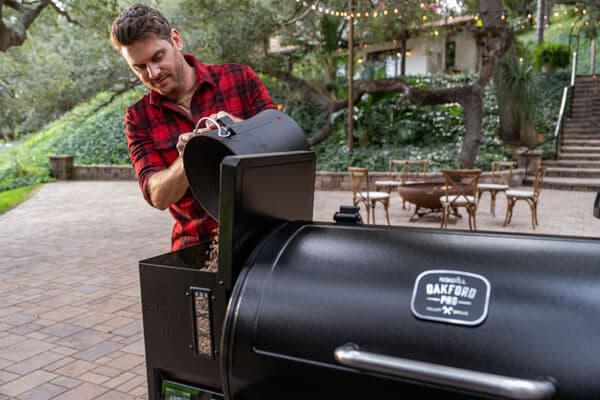
We differentiate ourselves through smart grilling products like the Oakford smart pellet grill, including app-connected cooking controls and modern outdoor cooking technology.
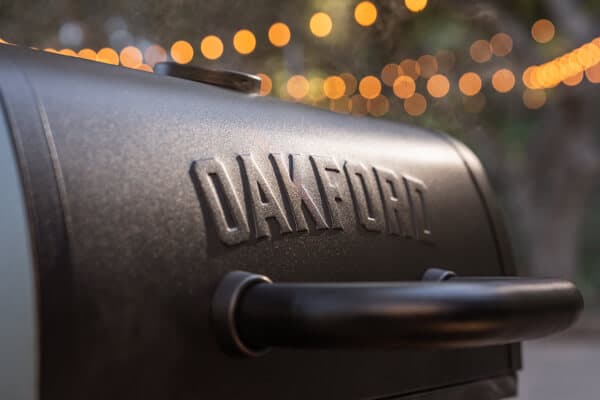
Expert tips, buying guides, comparisons, and inspiration for choosing and getting the most out of your grill.
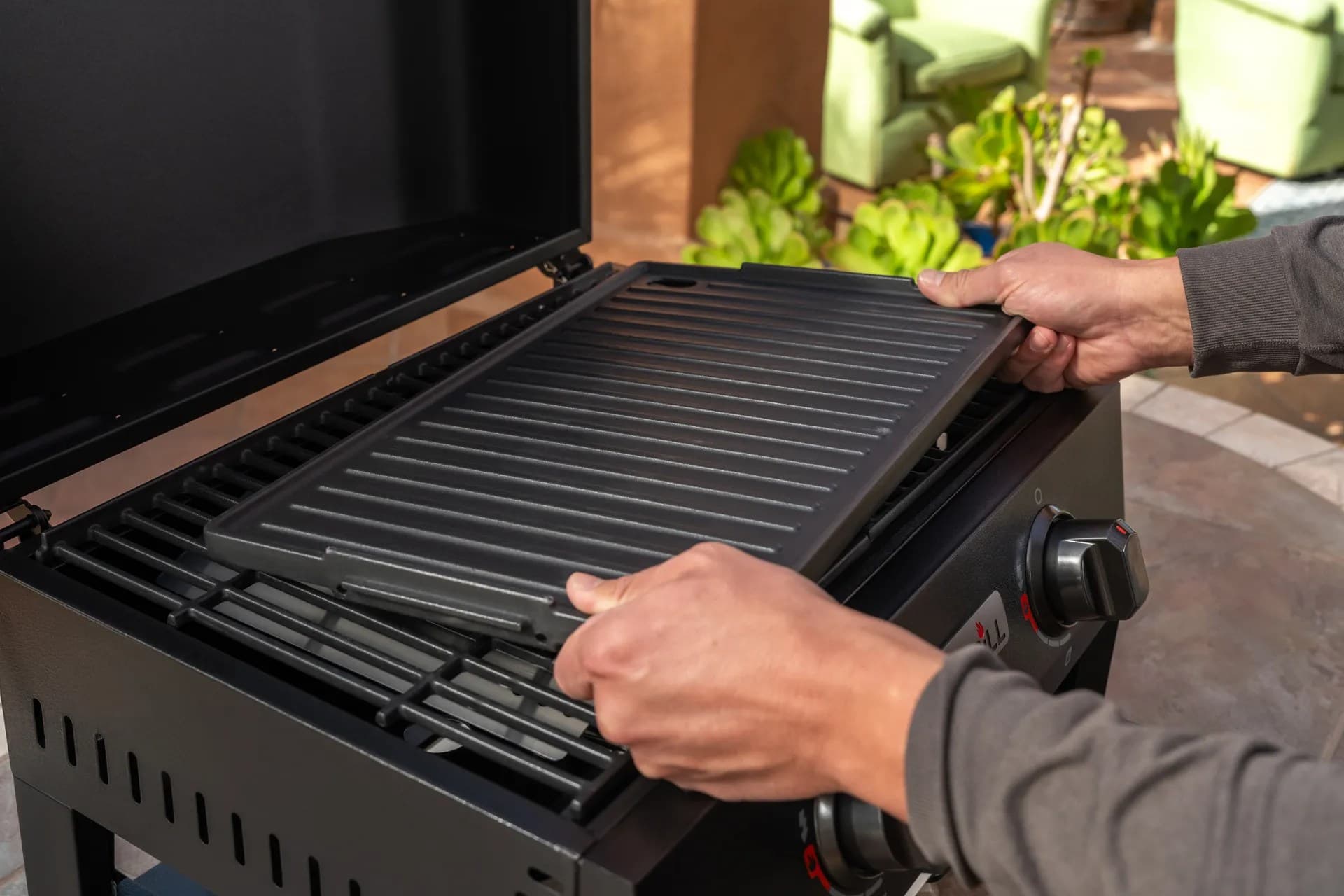
Practical guides for cleaning, maintenance, common grill issues, and performance optimization.
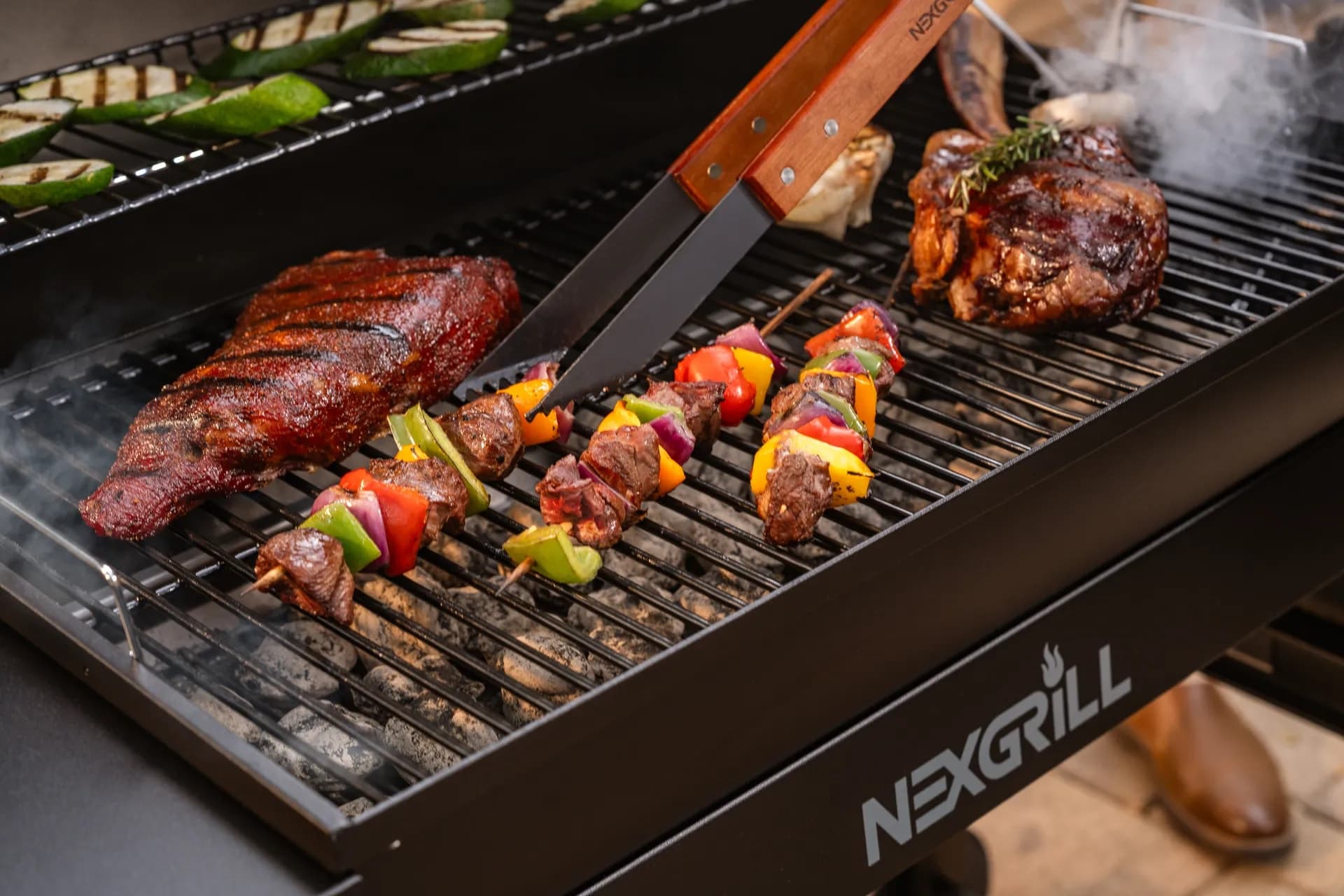
Step-by-step grilling recipes, cooking techniques, and meal ideas for every occasion and skill level.
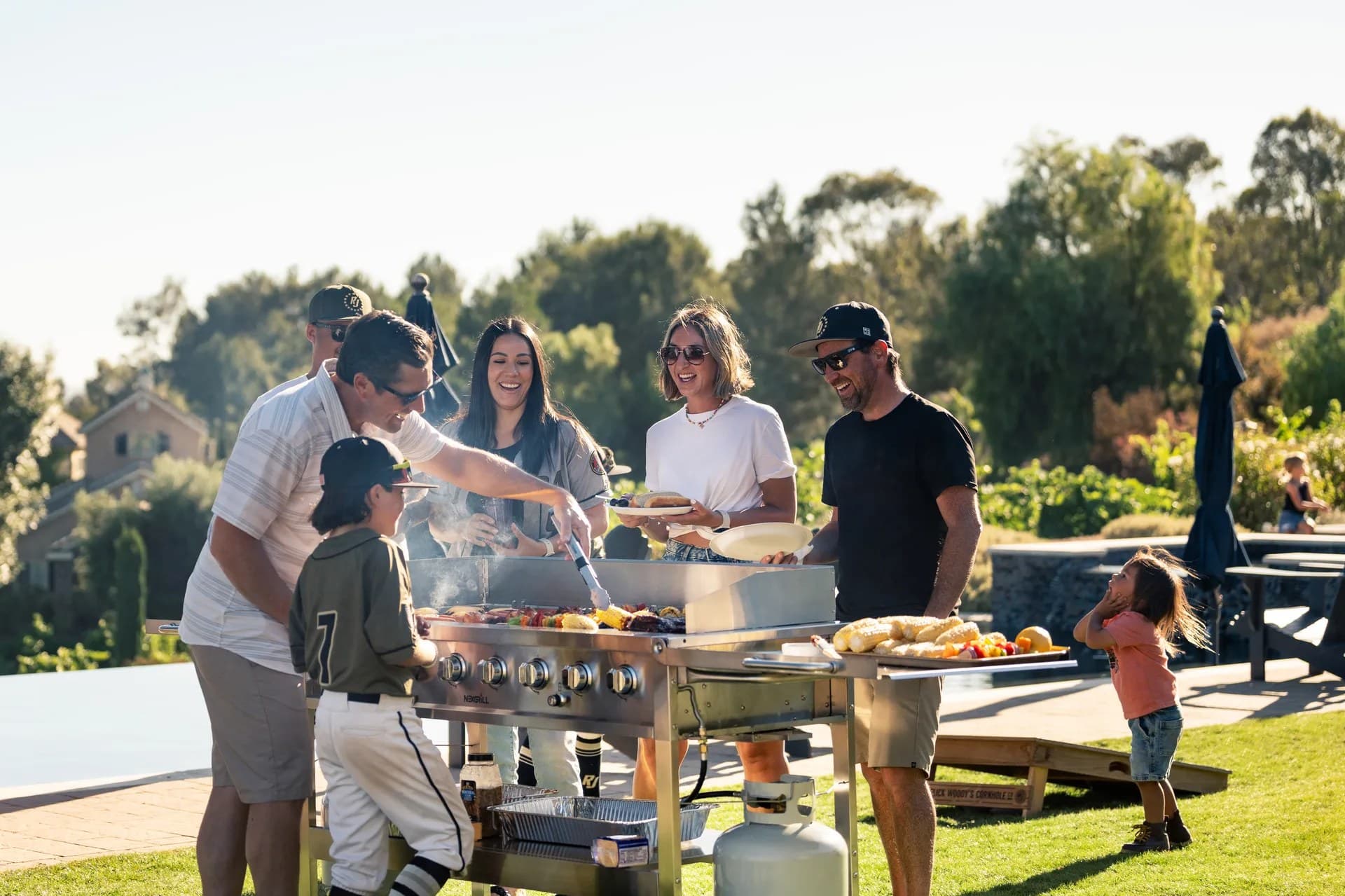
Backyard entertaining ideas, seasonal grilling inspiration, and stories that celebrate outdoor cooking culture.
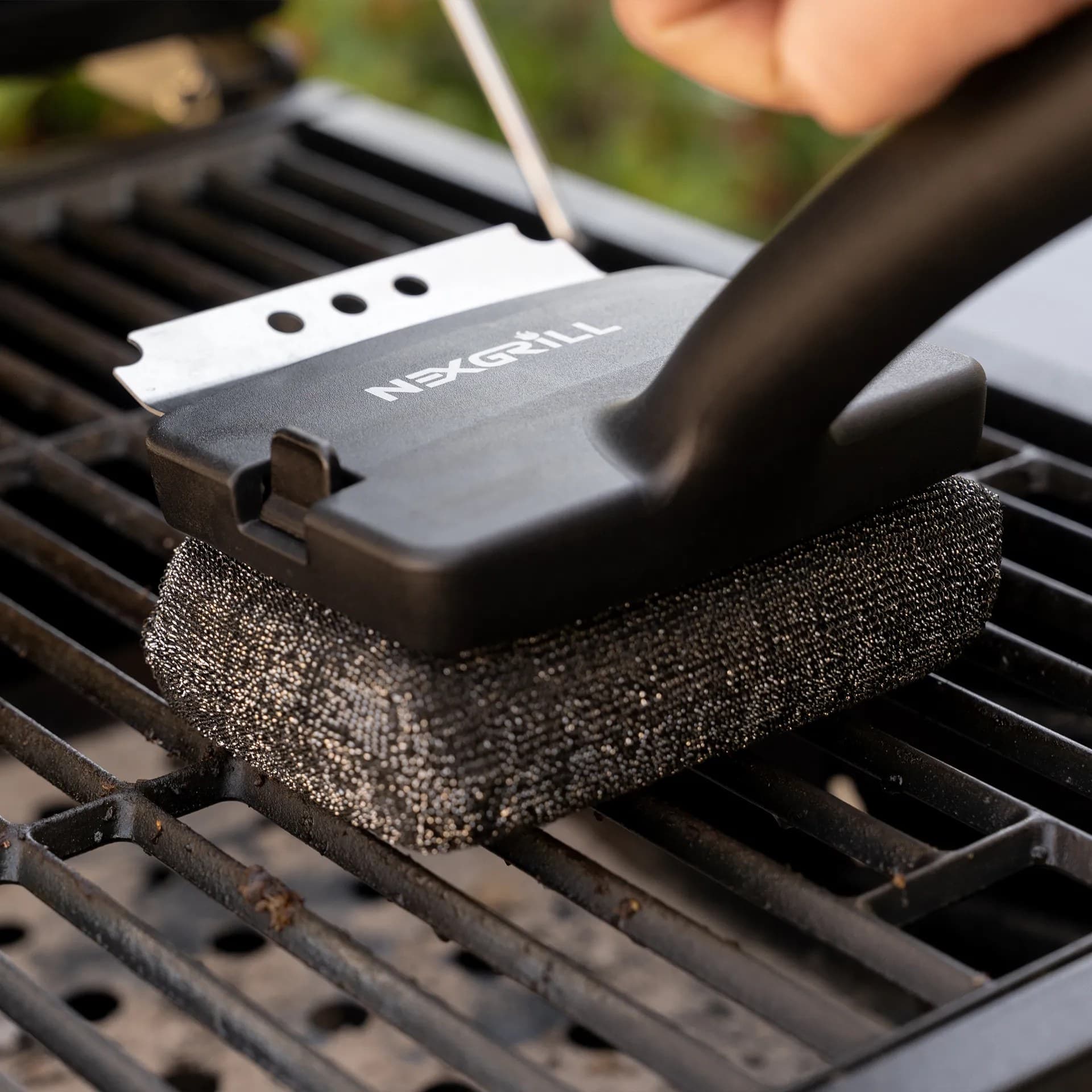
Helpful articles covering grilling tools, cookware, maintenance gear, and must-have accessories for outdoor cooking.
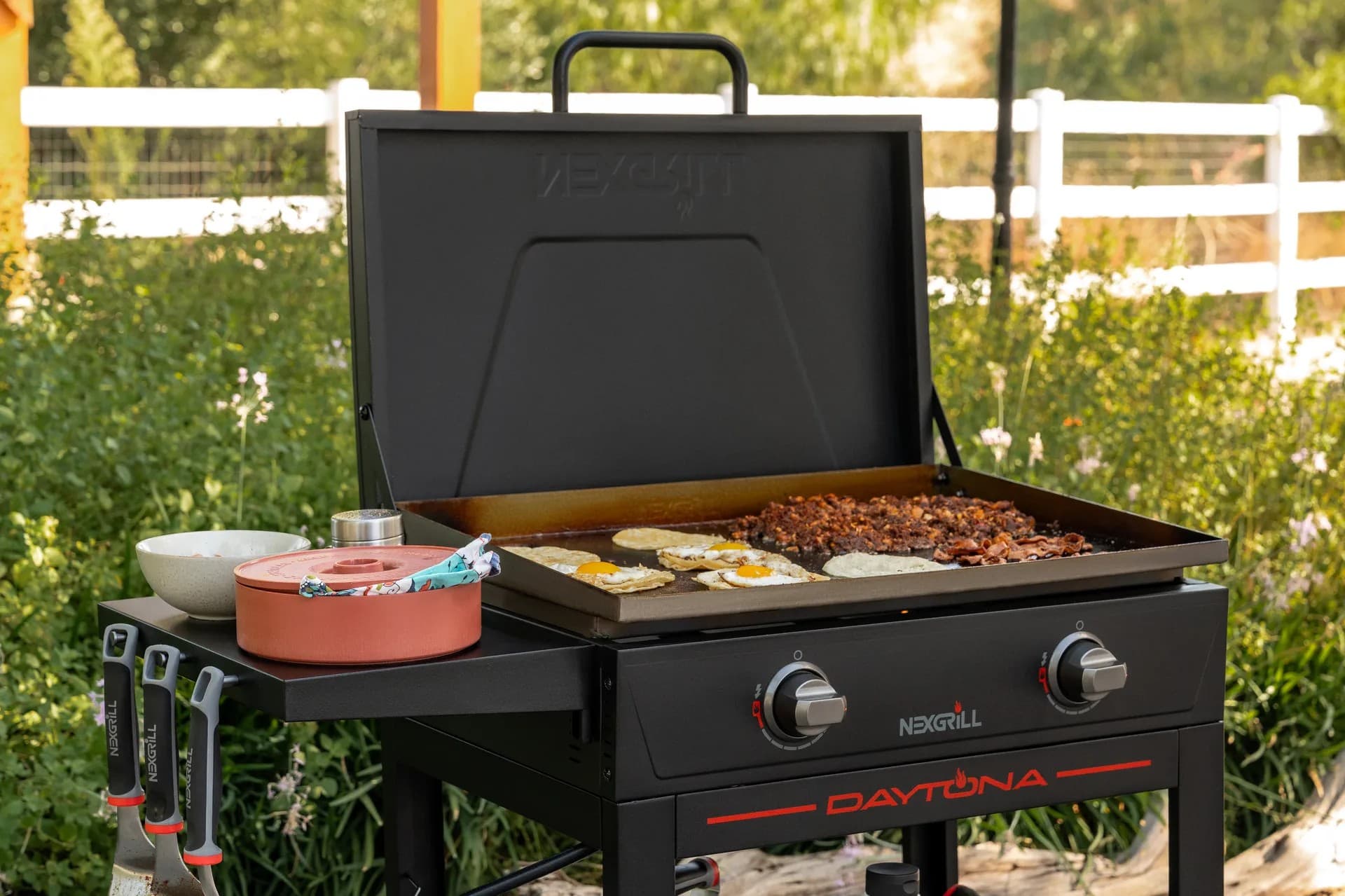
Find griddle recipes, cooking techniques, cleaning tips, and outdoor meal ideas designed for Nexgrill griddles.
Find answers to common questions
Gas grills provide instant heat and precise temperature control, making them easier to use. Charcoal grills offer a smoky flavor and high heat for searing but require more time to heat up and manage.
Pellet grills combine the convenience of gas with the flavor of wood, allowing for smoking, baking, and grilling. Traditional gas grills, however, are quicker to start and often easier to clean.
Charcoal grills typically reach higher temperatures quicker than gas grills, making them better for searing meat. However, high-quality gas grills can also provide adequate heat for effective searing.
Nexgrill offers models designed specifically for gas, charcoal, and pellets, allowing users to choose based on their cooking style and flavor preferences. Each type is built to optimize the characteristics of its respective fuel.
Choosing between gas and charcoal grills depends on your cooking preferences and lifestyle. If you value convenience and quick cooking, a gas grill may suit you better; if you prefer the taste and experience of traditional grilling, a charcoal grill would be ideal.
In This Article
Optimal Fish Temperatures
Direct vs. Indirect Grilling
Troubleshooting Tips
Grilling fish to perfection requires an understanding of the delicate balance between time and temperature. Unlike meats, fish has a more delicate structure that can easily be overcooked, leading to a dry and unappetizing meal. The key to successful fish grilling lies in knowing the optimal temperature range for different types of fish and maintaining that temperature consistently.
When grilling fish, it's crucial to preheat the grill and ensure that the grates are clean and oiled. This prevents the fish from sticking and helps achieve the desired sear without breaking the fish apart. Generally, fish should be grilled at medium-high heat, around 400°F to 450°F (204°C to 232°C). This allows for a quick cook that seals in moisture and flavor.
Understanding the different temperature requirements for various types of fish is essential. For instance, thicker cuts like salmon or swordfish can handle higher temperatures and longer cooking times compared to delicate white fish like tilapia or cod. Each type brings its own grilling challenges and rewards.
Here are some common types of fish and their ideal grilling temperatures:
| Fish Type | Optimal Temperature | Grill Time |
|---|---|---|
| Salmon | 400°F (204°C) | 6-8 min per side |
| Tuna | 450°F (232°C) | 3-4 min per side |
| Tilapia | 350°F (177°C) | 3-4 min per side |
| Cod | 375°F (190°C) | 4-5 min per side |
Maintaining these temperatures ensures the fish is cooked through without losing its natural juices and flavors. Each type of fish has its unique characteristics, and a small deviation from these temperatures can significantly impact the outcome.
Tip: Always use a digital thermometer to check the internal temperature of the fish, aiming for 145°F (63°C) for safe consumption.
Grilling fish requires a few specific techniques to ensure it doesn't stick to the grill or fall apart. Start by making sure your grill is well prepared-cleaned, oiled, and preheated. Oiling the grates is essential for preventing sticking, especially for lean fish that lack the fat content to naturally grease the grill.
For an even cook, ensure that the grill is at the correct temperature before placing the fish. Use a fish spatula, a long, narrow tool that allows for easy flipping without breaking the fish. Additionally, consider using a grill basket for smaller or more delicate pieces, which provides support and makes turning easier.
Choosing between direct and indirect grilling methods can impact the flavor and texture of your fish. Direct grilling is ideal for thicker fillets or steaks, as it provides a quick sear that locks in moisture. Indirect grilling, on the other hand, is better for whole fish or more delicate fillets, as it allows the fish to cook through without burning.
Info: Use direct grilling for fish steaks and indirect grilling for whole fish to ensure even cooking without overcooking the exterior.
Proper preparation of fish is crucial for achieving the best results on the grill. Begin by patting the fish dry with a paper towel to remove excess moisture, which helps achieve a good sear. Season the fish with a simple mixture of olive oil, salt, and pepper, or add herbs and spices according to your taste preferences.
Marinating can also enhance the flavor, but avoid acidic ingredients like lemon or vinegar for extended periods, as they can break down the proteins and alter the texture.
Grilling fish comes with its challenges, such as sticking, overcooking, or falling apart. If your fish sticks to the grill, ensure that the grates are properly oiled and at the correct temperature before placing the fish. Utilizing a non-stick spray or grill mat can also aid in preventing this issue.
To avoid overcooking, keep a close eye on the grill and use a timer. Fish cooks quickly, and even a minute too long can lead to a dry dish. Lastly, to prevent the fish from falling apart, use a fish spatula and handle with care, turning only once if possible.
Warning: Avoid flipping your fish too often to preserve its structure and integrity.
Mastering the art of grilling fish involves understanding the unique requirements of each type of fish and applying the correct techniques. By maintaining optimal temperatures and utilizing the right grilling methods, anyone can achieve restaurant-quality results at home. Remember, practice makes perfect, so don't hesitate to experiment with different types of fish and seasoning combinations.
For more detailed guidance and tips, consider exploring additional resources that provide insights into grilling techniques and recipes that cater to various preferences.
Here's what sets us apart
We position ourselves as delivering high-end outdoor cooking features and performance without premium-brand pricing, emphasizing “Quality Grills. Unbelievable Value.”
We offer gas grills, pellet grills, griddles, smokers, pizza ovens, portable/tabletop grills, electric grills, accessories, and replacement parts — allowing customers to stay within one ecosystem for all outdoor cooking needs.
We differentiate ourselves through smart grilling products like the Oakford smart pellet grill, including app-connected cooking controls and modern outdoor cooking technology.
Don't just take our word for it
Keep reading
From our catalog