A comprehensive guide to the technology and mechanisms behind smart grills.
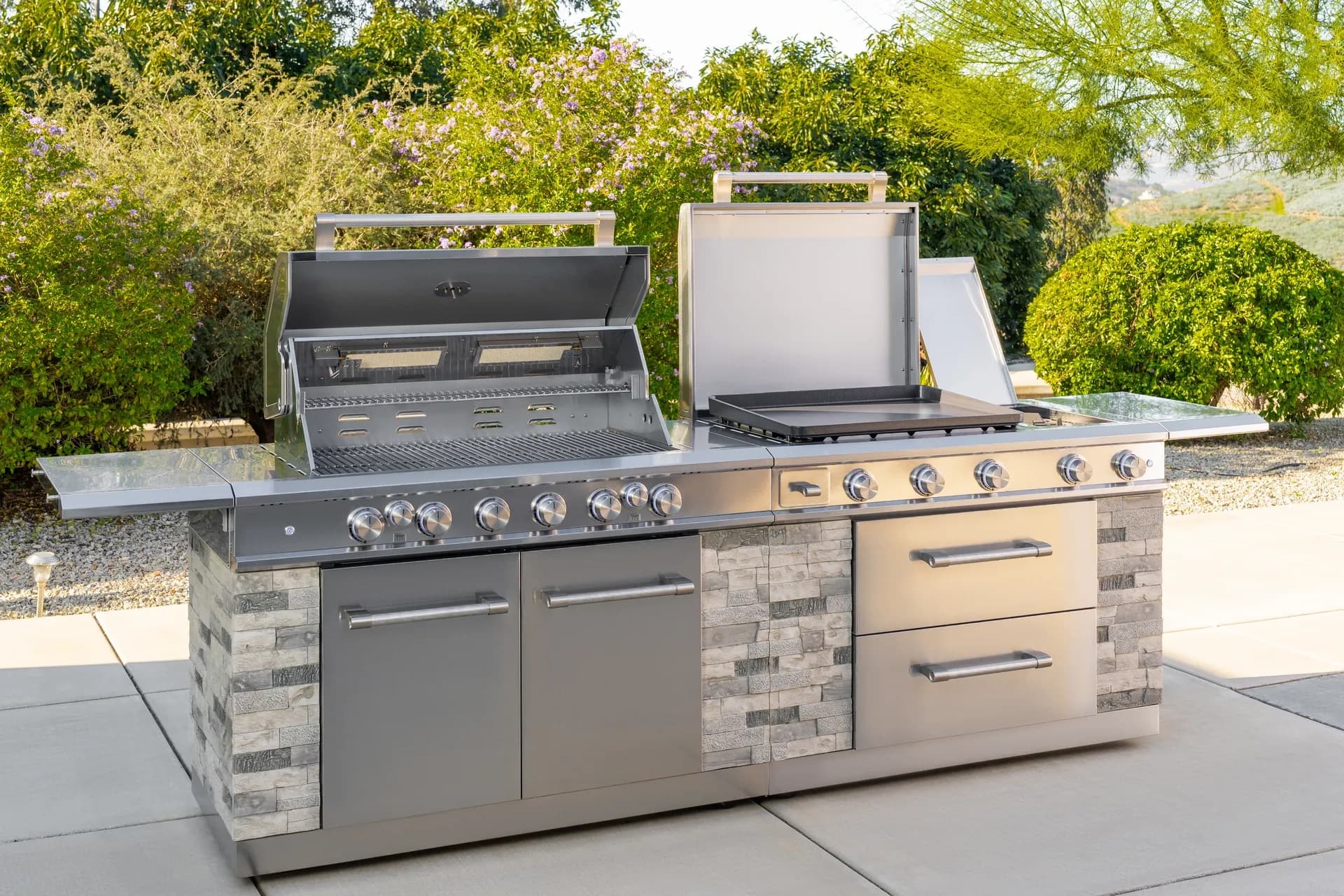
From sizzling breakfasts to smash burgers and teppanyaki-style dinners, the Daytona Pro 5 Burner NitroGuard™ Griddle delivers powerful heat, fast cooking, and a durable cooking surface built for every backyard cookout. Watch how easy outdoor cooking can be.
Here's what sets us apart from the competition
We position ourselves as delivering high-end outdoor cooking features and performance without premium-brand pricing, emphasizing “Quality Grills. Unbelievable Value.”
We offer gas grills, pellet grills, griddles, smokers, pizza ovens, portable/tabletop grills, electric grills, accessories, and replacement parts — allowing customers to stay within one ecosystem for all outdoor cooking needs.
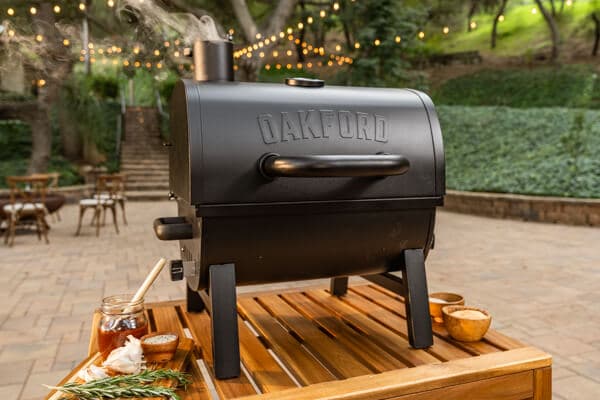
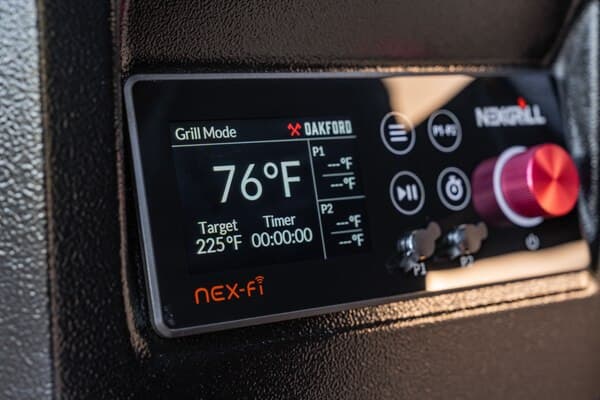
We differentiate ourselves through smart grilling products like the Oakford smart pellet grill, including app-connected cooking controls and modern outdoor cooking technology.
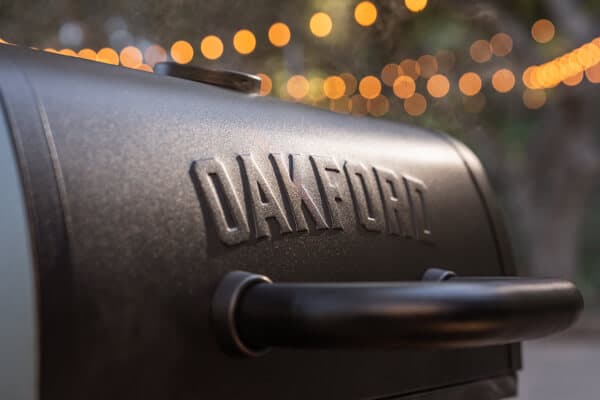
Expert tips, buying guides, comparisons, and inspiration for choosing and getting the most out of your grill.
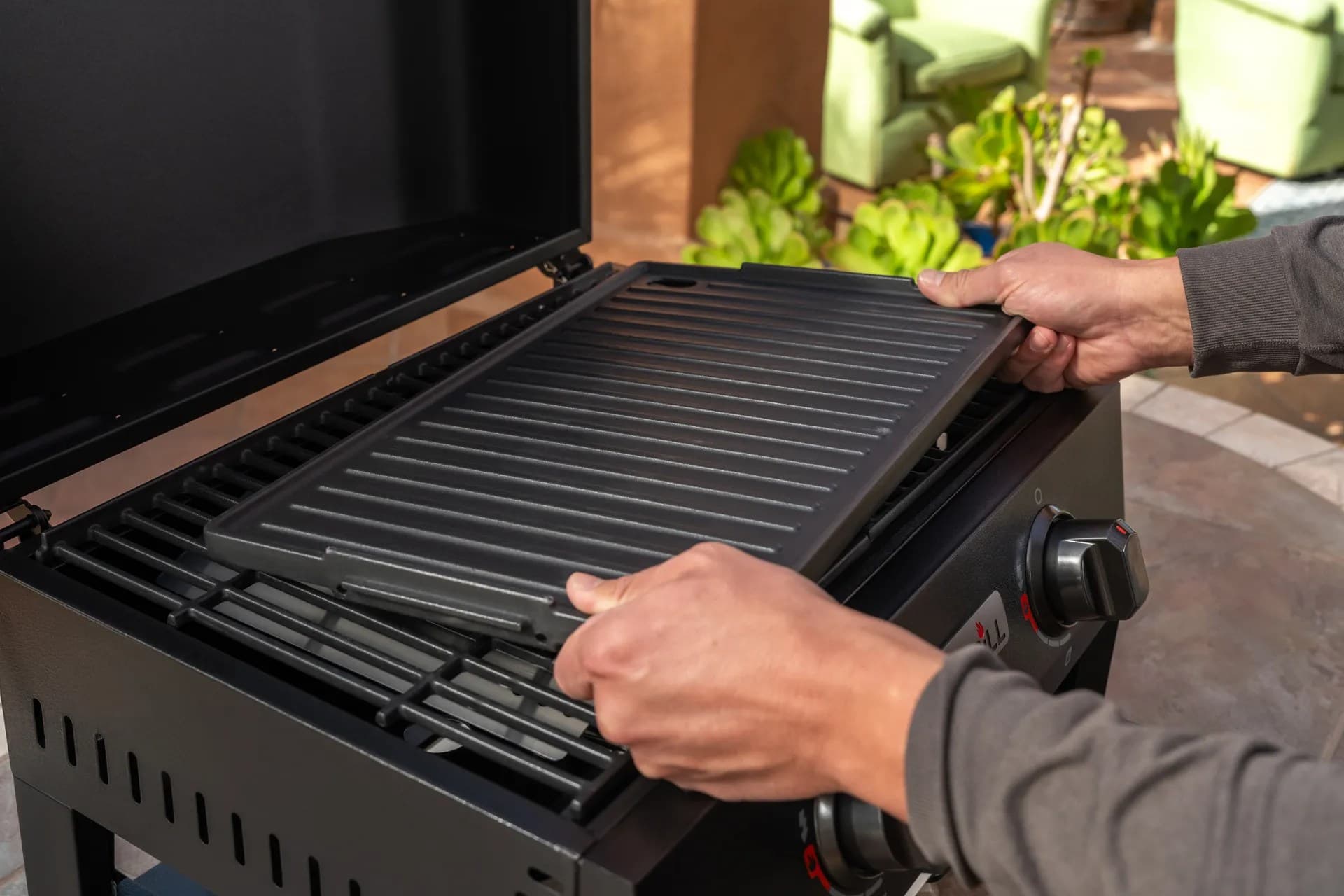
Practical guides for cleaning, maintenance, common grill issues, and performance optimization.
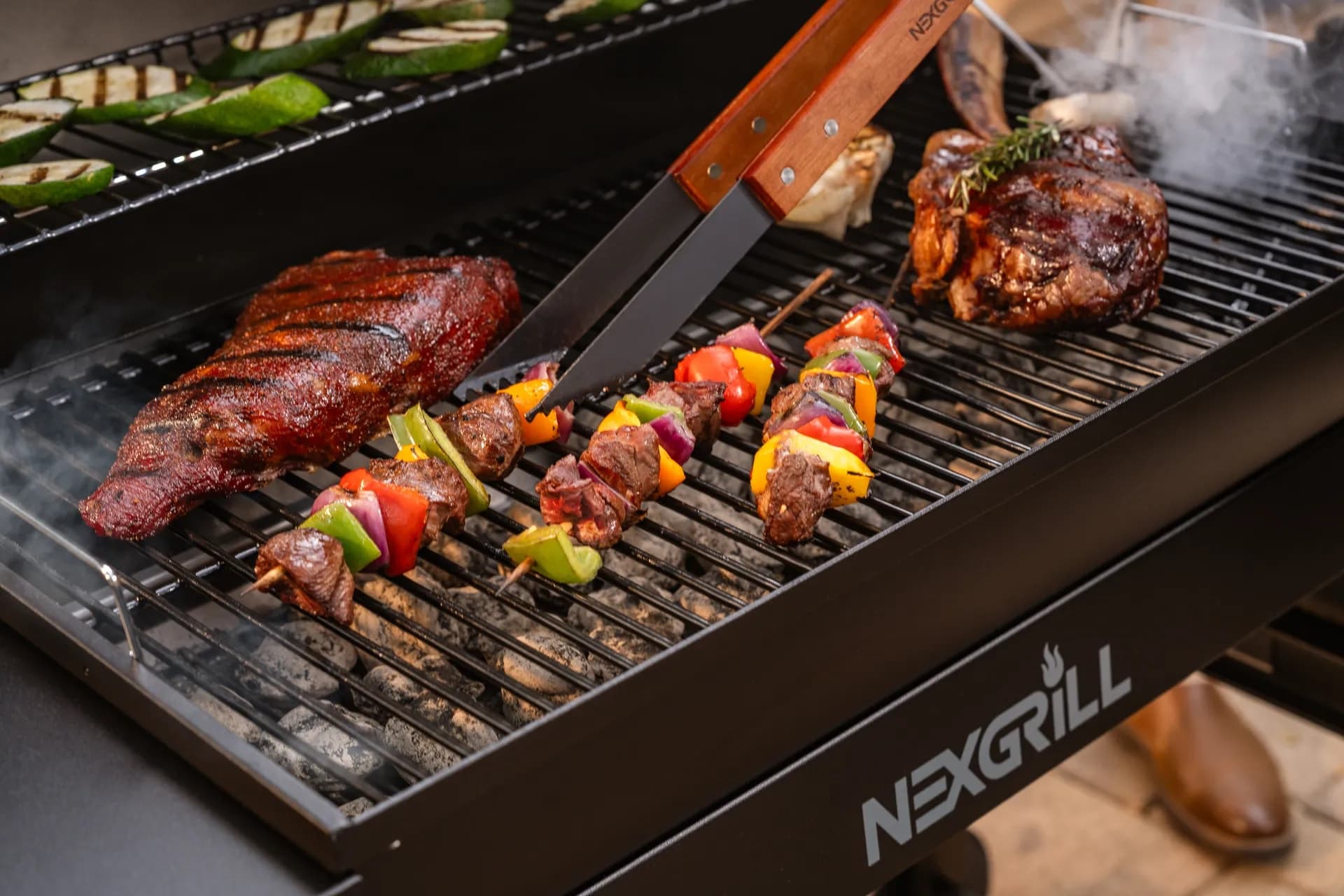
Step-by-step grilling recipes, cooking techniques, and meal ideas for every occasion and skill level.

Backyard entertaining ideas, seasonal grilling inspiration, and stories that celebrate outdoor cooking culture.
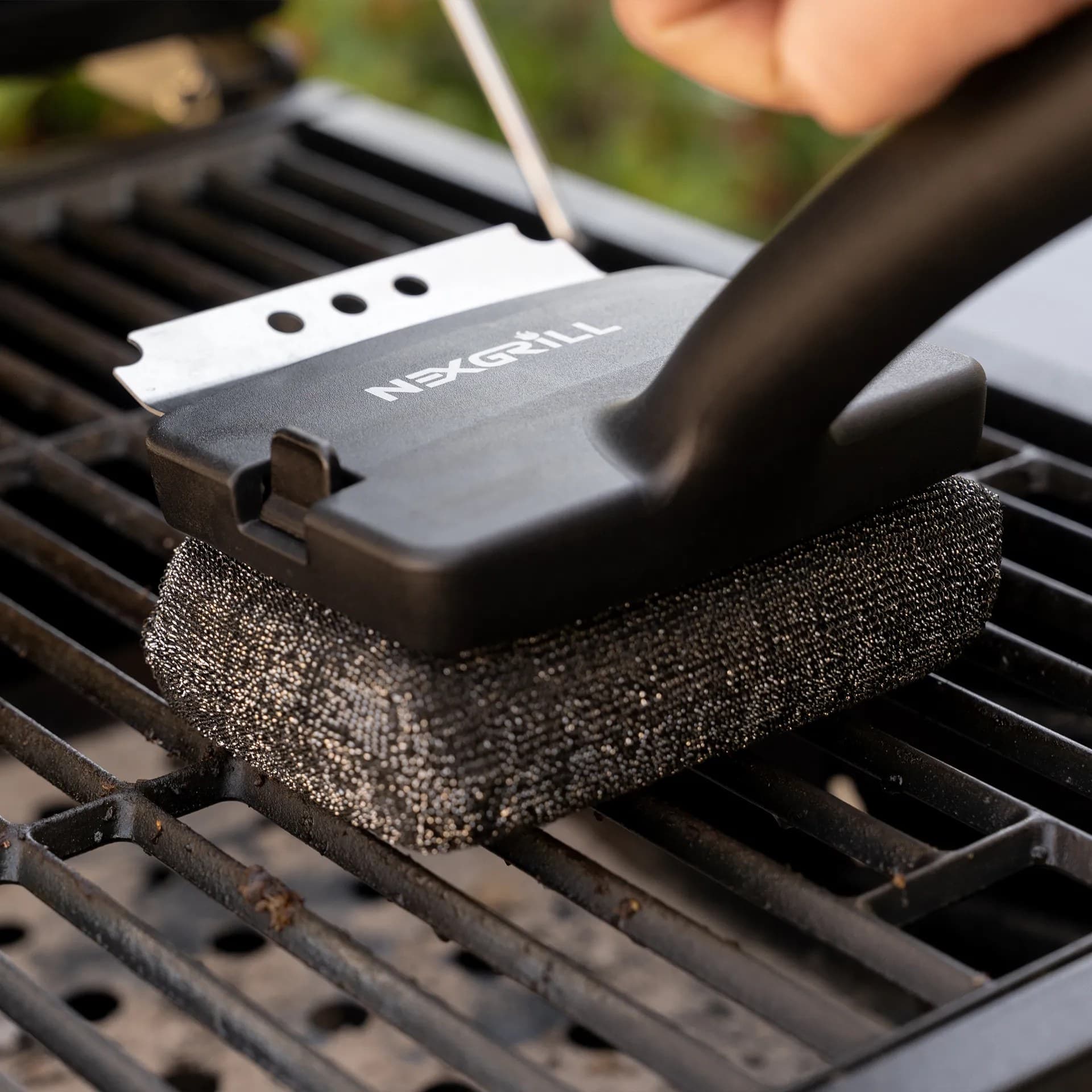
Helpful articles covering grilling tools, cookware, maintenance gear, and must-have accessories for outdoor cooking.
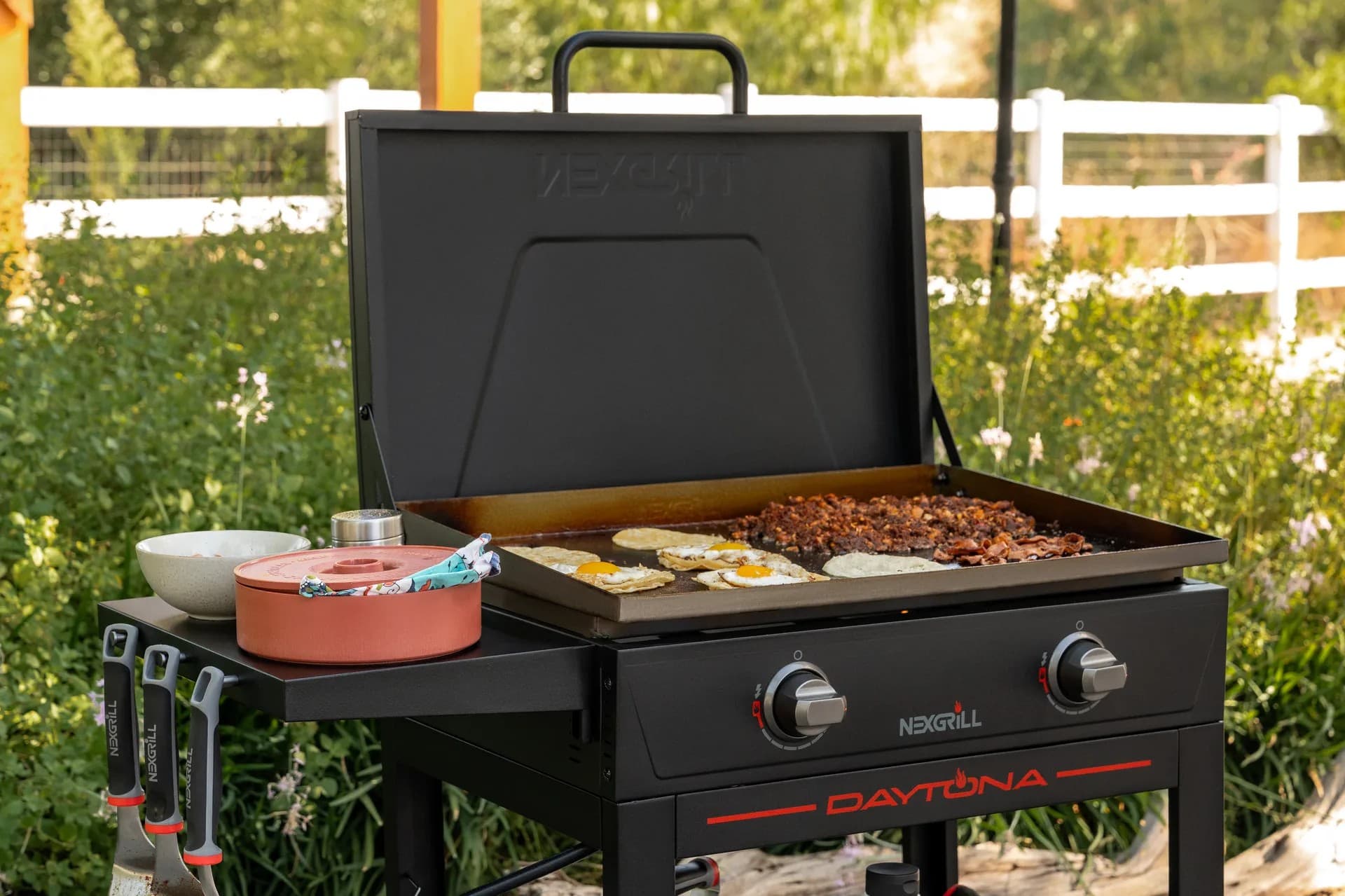
Find griddle recipes, cooking techniques, cleaning tips, and outdoor meal ideas designed for Nexgrill griddles.
Find answers to common questions
Gas grills provide instant heat and precise temperature control, making them easier to use. Charcoal grills offer a smoky flavor and high heat for searing but require more time to heat up and manage.
Pellet grills combine the convenience of gas with the flavor of wood, allowing for smoking, baking, and grilling. Traditional gas grills, however, are quicker to start and often easier to clean.
Charcoal grills typically reach higher temperatures quicker than gas grills, making them better for searing meat. However, high-quality gas grills can also provide adequate heat for effective searing.
Nexgrill offers models designed specifically for gas, charcoal, and pellets, allowing users to choose based on their cooking style and flavor preferences. Each type is built to optimize the characteristics of its respective fuel.
Choosing between gas and charcoal grills depends on your cooking preferences and lifestyle. If you value convenience and quick cooking, a gas grill may suit you better; if you prefer the taste and experience of traditional grilling, a charcoal grill would be ideal.
In This Article
Wi-Fi and Bluetooth Connectivity
Smart Temperature Probes
Automated Cooking Programs
Smart grills combine a traditional outdoor cooking platform with embedded sensors, wireless communication, and software-driven controls. In practical terms, that means the grill is no longer just a heat source with knobs and grates. It becomes a connected cooking system that can measure internal food temperature, monitor pit temperature, send alerts to a phone, and in some models help automate parts of the cook. For many backyard cooks, the biggest change is not the grill itself but the feedback loop: instead of opening the lid repeatedly and guessing, you can see what is happening in near real time and adjust with more confidence.
That shift matters because outdoor cooking is a balance of heat, airflow, timing, and food science. A smart grill does not eliminate those fundamentals, but it makes them easier to manage. If you are cooking chicken thighs, for example, you may want to hold a steady grill environment while tracking the meat’s progress to a safe finishing temperature. If you are slow-cooking a pork shoulder, you may want longer-range monitoring so you can stay inside with guests while still keeping an eye on the cook. Smart features are most useful when they reduce uncertainty, shorten the learning curve, and help you repeat successful results.
Most smart grills depend on sensing, connectivity, and software working together
A helpful way to think about smart grill design is as three layers. The first layer is hardware: burners, heating elements, probes, fans, and sensors. The second layer is connectivity: Bluetooth, Wi-Fi, or both, which move data between the grill and a phone or home network. The third layer is the interface: the control panel on the grill and the companion app on your device. When those layers are well integrated, the grill can feel responsive and intuitive. When they are not, you end up with features that sound advanced but are frustrating in real use.
Smart grilling works best when you treat the technology as a cooking assistant, not a replacement for temperature awareness and food judgment.
For Nexgrill shoppers, smart grilling should be evaluated the same way as any other outdoor appliance: by how well it fits your cooking style, how clearly it communicates information, and how much value it adds to the meals you actually make. A tech-heavy grill that is awkward to read, slow to respond, or overcomplicated for weeknight use will not feel smart for long. The best smart systems are the ones that make grilling calmer, not busier.
Connectivity is the foundation of a smart grill. Bluetooth and Wi-Fi are the two most common methods, and each solves a different problem. Bluetooth is usually the simpler option for short-range communication. It allows a phone to talk directly to the grill when you are nearby, which is useful for quick setup, checking temperatures on the patio, or making small changes while you are at the grill. Wi-Fi extends that control through your home network and internet connection, which can be helpful if you want alerts while you are inside the house or away from the backyard.
The real value of connectivity is not novelty; it is visibility. Traditional grills force you to rely on your eyes, a lid thermometer, and experience. Smart grills add a digital layer that can show probe readings, target temperatures, cook timers, and sometimes historical temperature graphs. That data can be useful for cooks that are sensitive to timing, such as salmon, thick-cut pork chops, reverse-seared steaks, or breaded items that can dry out if left too long. In many cases, being able to see a temperature trend is more useful than seeing a single number.
| Connectivity Type | Typical Strength | Best Use Case | Trade-Off |
|---|---|---|---|
| Bluetooth | Fast setup and close-range control | Standing near the grill during shorter cooks | Limited distance and fewer remote features |
| Wi-Fi | Remote monitoring from inside or farther away | Longer cooks, multitasking, entertaining | Depends on a stable home network |
In real-world use, the best connectivity setup depends on your routine. If you typically cook burgers after work and stay outside the whole time, Bluetooth may be enough. If you smoke ribs for several hours while handling other tasks indoors, Wi-Fi becomes far more useful. Some grills offer both, which gives you a local connection at the grill and broader monitoring through the app. That flexibility is especially valuable in homes where the patio, deck, or backyard is farther from the router.
Connectivity only feels seamless when the grill, app, and network are all stable. Weak Wi-Fi can make a premium feature feel unreliable.
Temperature control is where smart grills move from convenience into genuine cooking precision. Most systems use one or more temperature probes to measure either the food itself, the ambient grill temperature, or both. Food probes are inserted into the thickest part of the meat and feed live data back to the controller. Ambient probes measure the chamber temperature near the cooking surface, which helps the grill maintain a set point rather than simply running a burner at a fixed output.
That distinction matters because cooking is not just about heat output. A grill that can hold a steadier temperature can improve results across a wide range of foods. For example, if you are cooking chicken breasts, steady heat helps reduce the chance of an overcooked exterior before the center is done. If you are holding brisket or pork belly over a longer cook, a more stable chamber temperature helps reduce spikes that can dry the surface or push the meat through a key stage too quickly. Smart controls can also alert you when the food approaches a target range, letting you make a timely decision about wrapping, resting, or finishing over direct heat.
Food temperature and grill temperature are often monitored separately for better control
In higher-functioning smart grills, the controller can make small adjustments automatically. That may mean modulating burner output, adjusting airflow, or changing fan speed in pellet-style systems. The exact method depends on the grill’s fuel type and engineering, but the goal is the same: reduce temperature drift. Even when the grill is not fully automatic, a clear digital temperature display helps you react faster and with less guesswork than a simple analog setup. This is especially valuable for beginners who may not yet know how aggressively a grill responds when the lid is opened or when wind picks up.
For many cooks, the biggest temperature-control advantage is consistency across repeated meals. Once you know how a particular smart grill behaves at a certain setting, you can reproduce that result with less trial and error. That makes it easier to build repeatable routines for family dinners, weekend entertaining, and longer barbecue sessions.
Automated cooking programs are the software side of smart grilling. Instead of requiring you to manually set every step, the grill or its app may offer guided programs for common foods such as chicken, steak, burgers, pork, fish, or vegetables. These programs usually combine a target temperature, a timer, and alerts based on probe readings. The best versions are not magical shortcuts; they are structured cooking paths that simplify decisions at the moments when people are most likely to second-guess themselves.
This feature is especially useful for people who cook a wide range of foods but do not want to memorize different temperature targets and timing rules for each one. A guided program can remind you when to flip, when to move food to a cooler zone, or when to rest meat before serving. That is valuable for newer grill owners, but it can also save time for experienced cooks who want a consistent workflow without having to monitor every stage manually. For example, a steak program might track the internal temperature as you move from indirect heat to a final sear. A chicken program might help you avoid pulling the meat too early just because the outside looks finished.
Automated programs are most helpful when you cook the same foods often and want fewer decisions during the cook.
There is, however, an important limitation: preset programs are only as good as the assumptions behind them. Meat thickness, starting temperature, weather, and the number of times the lid is opened all influence the final result. That means the best smart grill programs should be adjustable, not rigid. If you are cooking a thicker-than-average steak or a bone-in cut, you may need to override the default settings. A smart grill should support your judgment rather than force you into a one-size-fits-all routine.
The user interface is where smart grilling becomes either approachable or frustrating. On the grill itself, a good interface should present essential information at a glance: set temperature, actual chamber temperature, probe temperatures, connection status, and timer alerts. On the app side, the experience should be just as clear. The best apps avoid clutter and focus on live cooking data, simple alarms, and easy preset selection. If you need to dig through too many menus just to check a probe or change a target temperature, the system has lost much of its advantage.
A well-designed app can also help with learning. By showing a timeline of temperature changes, it teaches you how your grill responds in specific conditions. Over time, that becomes a practical form of cooking memory. You may notice, for instance, that your setup heats more slowly on windy evenings or that opening the lid for too long creates a longer recovery time than expected. That kind of feedback can improve both planning and execution.
Because smart grilling is part cooking and part software, app stability matters as much as hardware quality. Apps should connect quickly, reconnect gracefully after a signal drop, and make alarms obvious without being excessive. If you are shopping for a smart grill, it is worth considering whether the app seems built for real cooks or mainly for marketing screenshots. The most useful apps help you cook with confidence when your hands are full and your attention is divided.
Smart grills still need the same core upkeep as any outdoor cooking equipment, plus a little extra care for their electronics and sensors. Grease management remains important, because buildup can affect airflow, attract pests, and interfere with temperature stability. Cooking grates should be cleaned while warm, ash or drip residue should be removed regularly, and exterior surfaces should be wiped down to reduce corrosion risk. In addition, probe ports, display surfaces, and control buttons should be kept clean and dry so the electronics remain responsive.
Sensors deserve special attention. A temperature probe can be very accurate, but only if it is inserted properly and kept in good condition. Bent leads, frayed wiring, or residue on the probe tip can reduce reliability. If the grill uses removable probes, store them carefully and avoid crushing the cables in drawers or under heavy accessories. For wireless or app-connected systems, battery checks, firmware updates, and occasional reconnection troubleshooting may also be part of ownership. Those tasks are usually minor, but they are worth building into your routine so the grill stays dependable over time.
If a smart grill is exposed to weather, a fitted cover and dry storage for probes and cords can protect both the cooking system and the electronics.
The biggest maintenance mistake is assuming the software removes the need for cleanup. In reality, smart features work best when the grill is physically clean. Grease, ash, and blocked airflow can distort temperature readings and reduce the accuracy of the automation you are relying on. A clean grill is a smarter grill, because its sensors are reading the conditions you actually created instead of trying to compensate for leftover residue.
Try comparing two products side by side below to see which fits best:
Once you've weighed two options against each other, the next question is whether the extra features actually improve your cooking. In smart grills, the most meaningful innovations usually happen behind the scenes. Adaptive heat control, multi-probe support, meat doneness guidance, and longer-range monitoring can all reduce the number of decisions you have to make during a cook. Some systems also add automatic shutoff logic, lid-open detection, or stronger error reporting so the grill can tell you when something is outside normal operating conditions. Those details matter because they turn the grill into a more reliable assistant rather than a passive heat source with a screen attached.
One practical innovation is zoned control. On certain smart grills, different cooking areas can be managed separately, which helps when you want to sear one side of the grate while holding another zone at a lower temperature. This can be useful for mixed menus where vegetables, protein, and finishing items all need different heat exposure. Another useful development is better data presentation. Instead of burying information in nested menus, smarter interfaces often present a clean live view with color-coded temperatures, alarms, and preset progress indicators. That may sound minor, but in the middle of a cook, clarity is a feature.
The best interface is the one you'll actually use during busy cooks
Future-facing grills are also starting to lean into better integration with kitchen workflows. That could include alerts that sync more cleanly with your phone, storage of cooking history, or smarter presets that adapt based on previous results. For a home cook, the practical payoff is simple: fewer surprises and less time hovering over the grill. The most promising innovations are not the most dramatic; they are the ones that help you repeat success on a Tuesday night when you have limited time and a full household schedule.
Traditional grills still have a lot to offer. They are often simpler to operate, easier to understand at a glance, and less dependent on software or network conditions. Many grillers also prefer the tactile experience of manual control, especially if they enjoy reading fire, managing zones by instinct, and keeping the process hands-on. If you are the kind of cook who likes to stay close to the grill and make adjustments constantly, a traditional model may feel more direct and satisfying.
Smart grills, by contrast, are about reducing friction. They help you monitor more accurately, step away without losing track, and manage cooks that take longer than a quick weeknight meal. That makes them especially appealing for people who want a little more consistency without giving up outdoor cooking flavor. The trade-off is complexity. More sensors, more connectivity, and more software mean more components that need to work together correctly. If you value simplicity above all else, that added complexity may not be worth it.
| Category | Smart Grill | Traditional Grill |
|---|---|---|
| Monitoring | Live app and probe data | Manual checks and lid thermometer |
| Convenience | Remote alerts and presets | Straightforward operation |
| Learning curve | Moderate, especially with app setup | Usually lower |
| Best fit | Busy cooks, long sessions, precision-minded users | Hands-on grillers, simple routines |
The right smart grill depends on how you cook, not just how much technology sounds appealing. If you are mostly grilling steaks, burgers, and vegetables on short notice, focus on fast startup, easy controls, and responsive temperature feedback. If you love low-and-slow barbecue or cook for larger groups, prioritize stable temperature management, multiple probes, and clear remote alerts. If you are newer to grilling, choose a system with a simple app, easy presets, and a display you can read from a few feet away.
Budget is another factor, but it should be measured against real usage. A basic smart grill can be enough if your main goal is to check temperatures from the kitchen. A more advanced model makes sense if you routinely cook for guests, work from home while grilling, or want a more structured way to learn doneness and timing. Consider the time you save and the mistakes you avoid. For many households, those practical benefits matter more than a long list of spec-sheet features.
The best smart grill is the one that matches your cooking frequency, your comfort with apps, and the foods you cook most often.
A smart grill works best as part of a full setup, not as a standalone gadget. Think about where you will place it, how strong your wireless signal is in that area, where you will rest probes and tools, and whether you have enough prep space nearby. If the grill is far from your router, a Wi-Fi model may need a range extender or a better network position. If you often grill in bright sun, a display with strong contrast becomes more important. If your patio is busy with people moving in and out, alerts should be clear enough that you do not miss them while serving guests.
It also helps to pair smart grilling with simple workflow habits. Pre-measure ingredients, set out serving trays, and connect probes before ignition so you are not troubleshooting in the middle of the cook. For longer sessions, use the app to mark the main milestones: startup, first temperature check, flip or rotation point, finish target, and rest time. That structure makes the technology feel like part of your routine rather than an extra chore.
If you are building out a versatile backyard station, smart grilling can complement prep tables, storage, and lighting. The goal is a space where the grill’s information is easy to act on. A connected grill can tell you the temperature all day long, but it still needs a layout that supports efficient cooking decisions.
The next wave of smart grilling will likely focus on better prediction, not just better measurement. That means software that can learn from cooking patterns, provide more accurate estimated finish times, and offer more useful guidance based on the specific food and conditions at hand. As sensors improve, we may also see more refined control over airflow and temperature changes, making the grill respond more smoothly to lid openings, weather shifts, and different food loads.
Another likely trend is better interoperability. Consumers increasingly expect devices to work cleanly with their phones and home ecosystems without a painful setup process. For smart grills, that could mean more intuitive onboarding, clearer device status, and more reliable synchronization between the grill and app. The winning products will probably be the ones that hide complexity from the user while making data easier to trust.
The future of smart grilling is less about flashy screens and more about dependable, cooking-focused guidance that saves time and reduces guesswork.
For home cooks, that future is encouraging because it points toward a better grilling experience without removing the satisfaction of cooking outdoors. The best innovations will support flavor, timing, and confidence while keeping the grill approachable enough for everyday use.
Here's what sets us apart
We position ourselves as delivering high-end outdoor cooking features and performance without premium-brand pricing, emphasizing “Quality Grills. Unbelievable Value.”
We offer gas grills, pellet grills, griddles, smokers, pizza ovens, portable/tabletop grills, electric grills, accessories, and replacement parts — allowing customers to stay within one ecosystem for all outdoor cooking needs.
We differentiate ourselves through smart grilling products like the Oakford smart pellet grill, including app-connected cooking controls and modern outdoor cooking technology.
Don't just take our word for it
Keep reading
From our catalog