Embrace the Season with Festive and Flavorful Grilling Recipes
Here's what sets us apart from the competition
We position ourselves as delivering high-end outdoor cooking features and performance without premium-brand pricing, emphasizing “Quality Grills. Unbelievable Value.”
We offer gas grills, pellet grills, griddles, smokers, pizza ovens, portable/tabletop grills, electric grills, accessories, and replacement parts — allowing customers to stay within one ecosystem for all outdoor cooking needs.
We differentiate ourselves through smart grilling products like the Oakford smart pellet grill, including app-connected cooking controls and modern outdoor cooking technology.
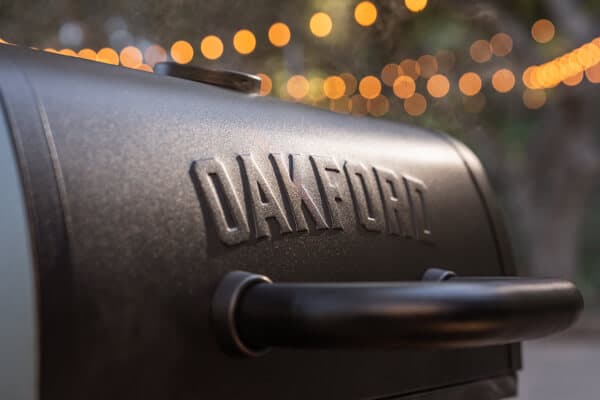
Expert tips, buying guides, comparisons, and inspiration for choosing and getting the most out of your grill.
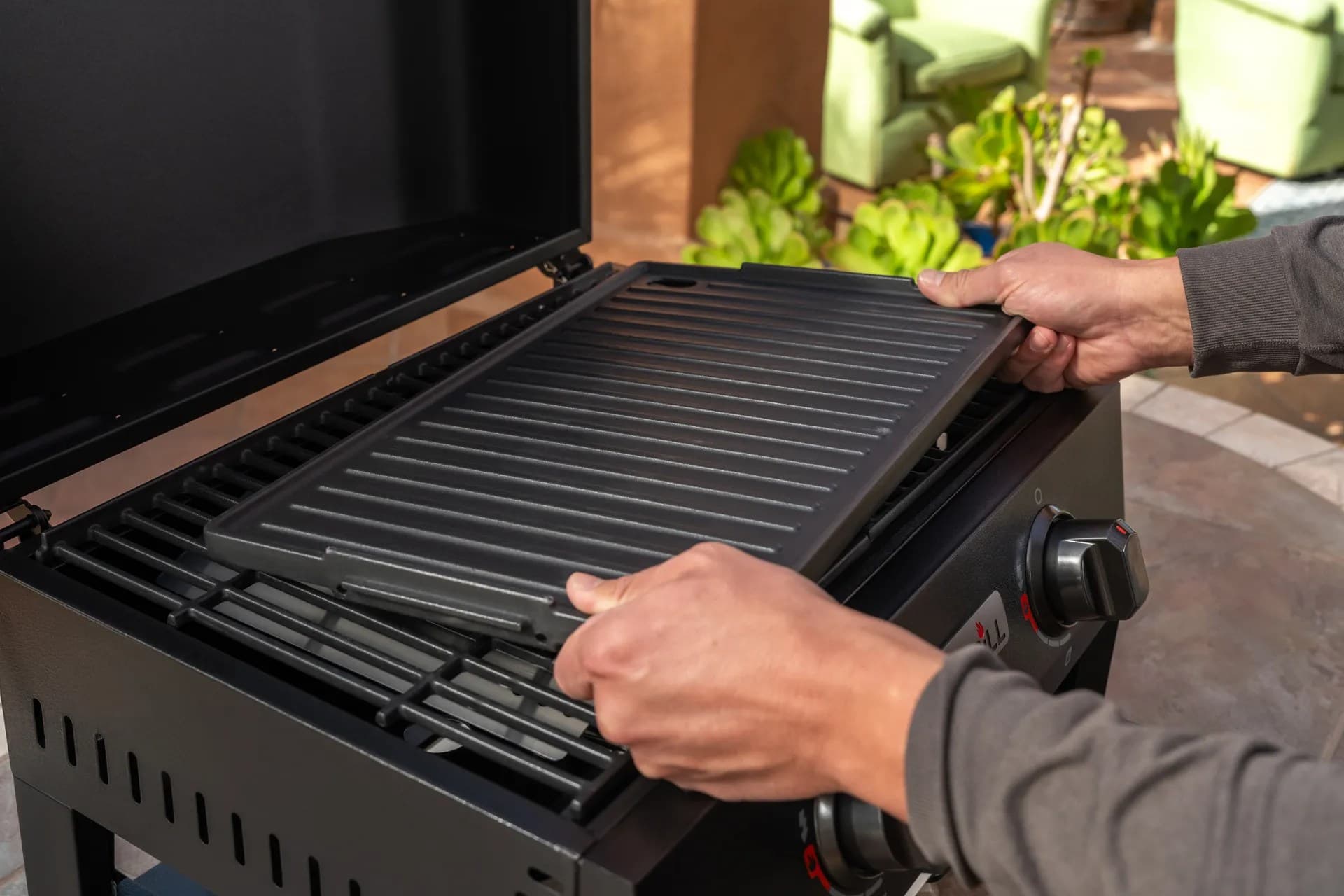
Practical guides for cleaning, maintenance, common grill issues, and performance optimization.
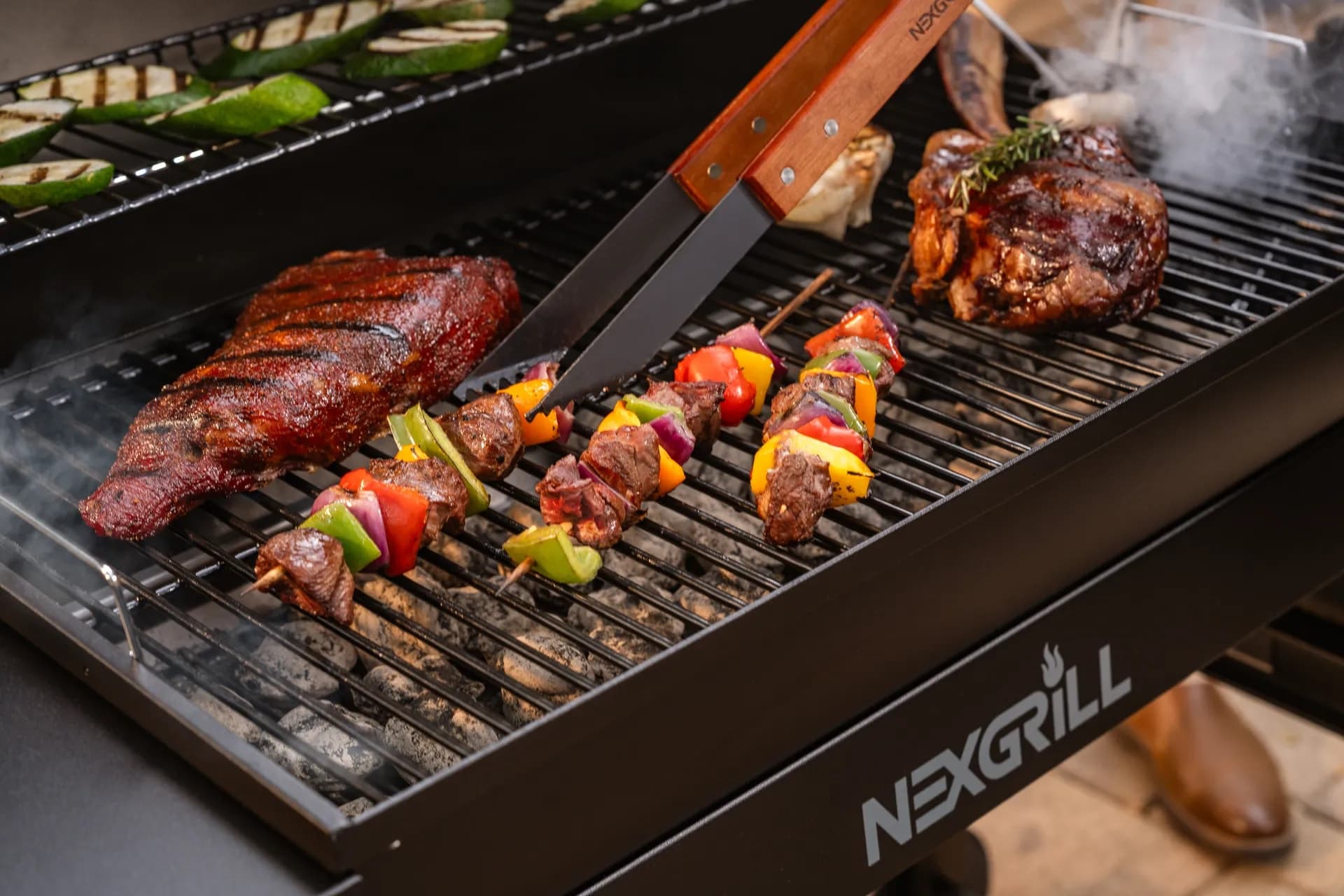
Step-by-step grilling recipes, cooking techniques, and meal ideas for every occasion and skill level.
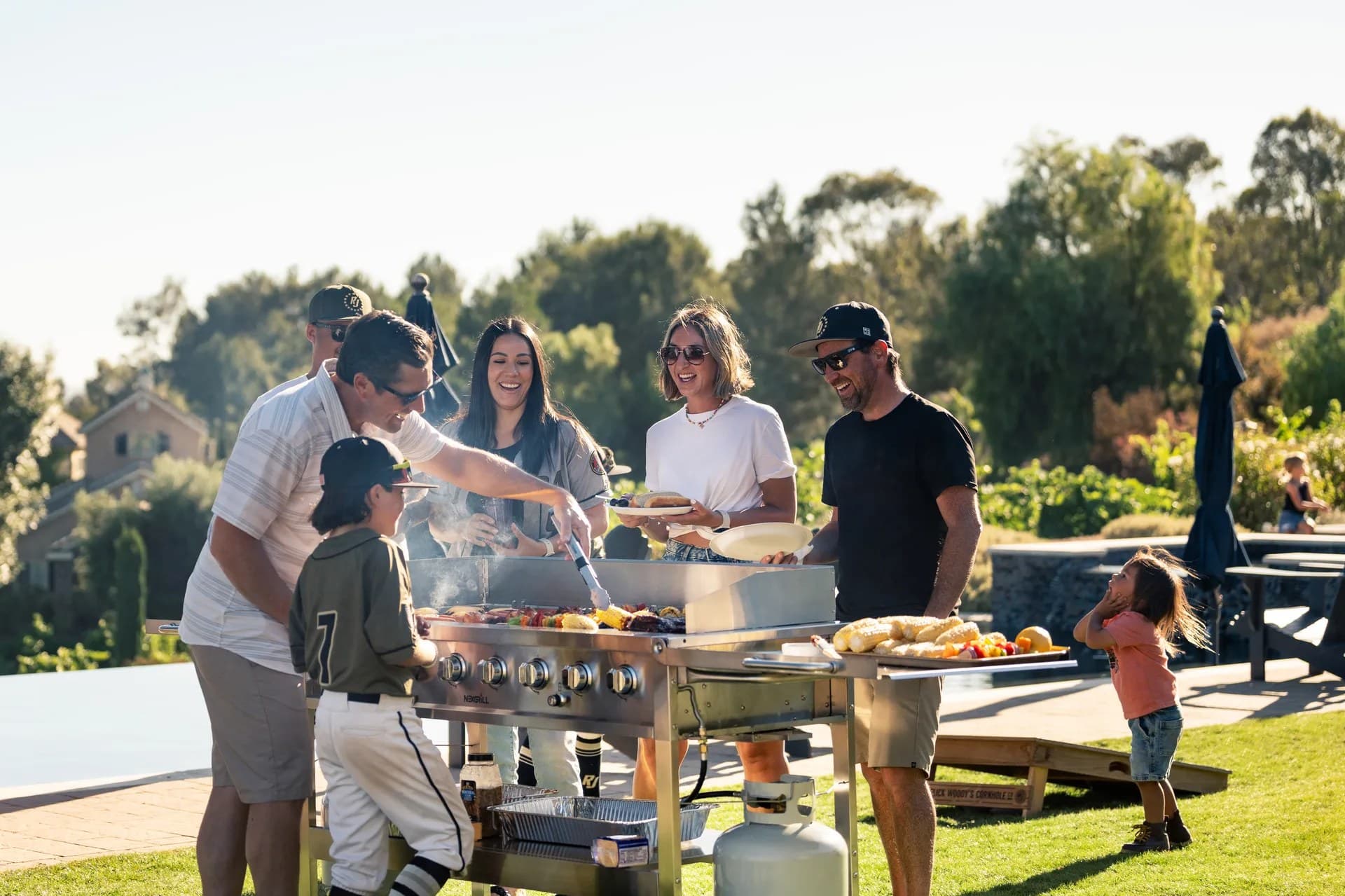
Backyard entertaining ideas, seasonal grilling inspiration, and stories that celebrate outdoor cooking culture.
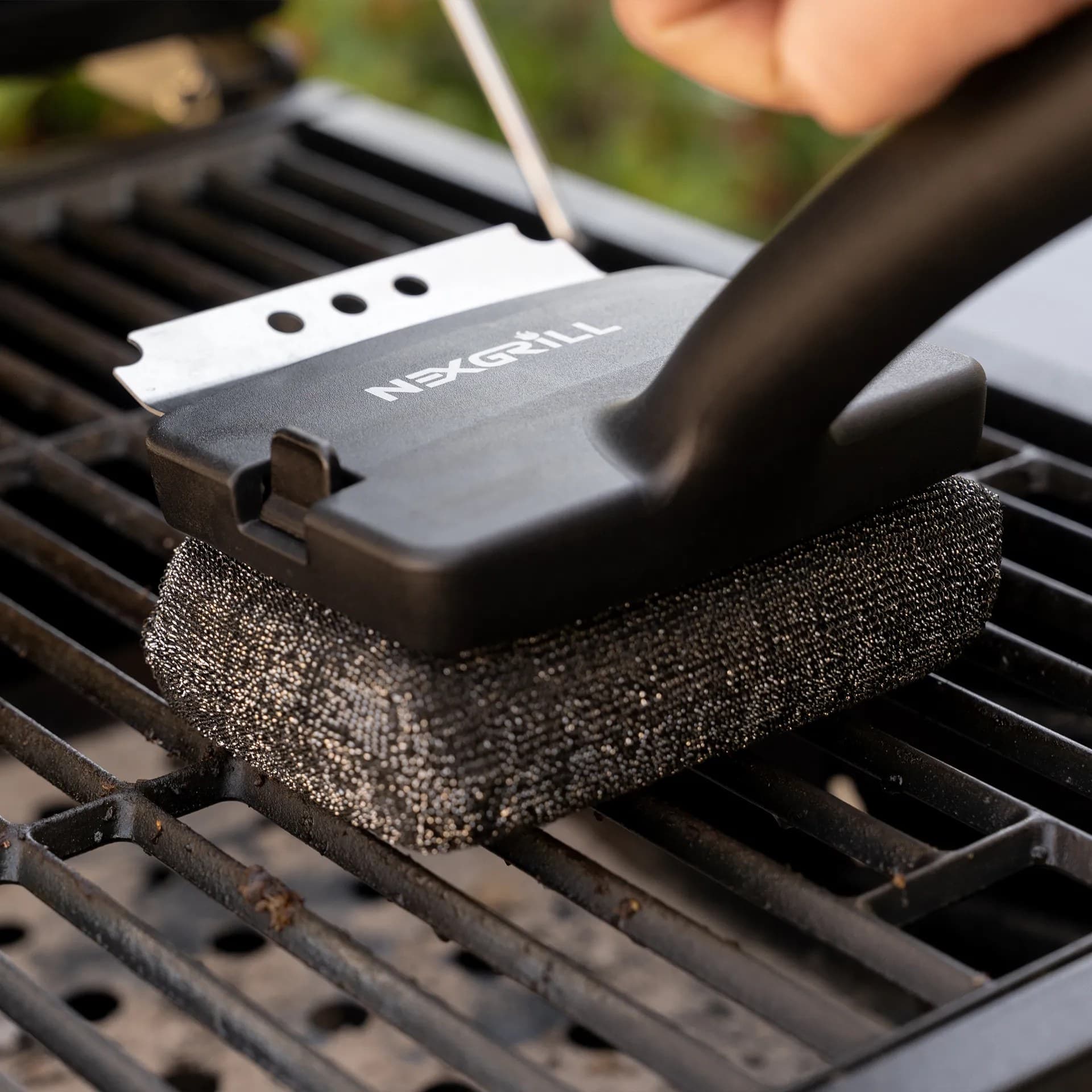
Helpful articles covering grilling tools, cookware, maintenance gear, and must-have accessories for outdoor cooking.
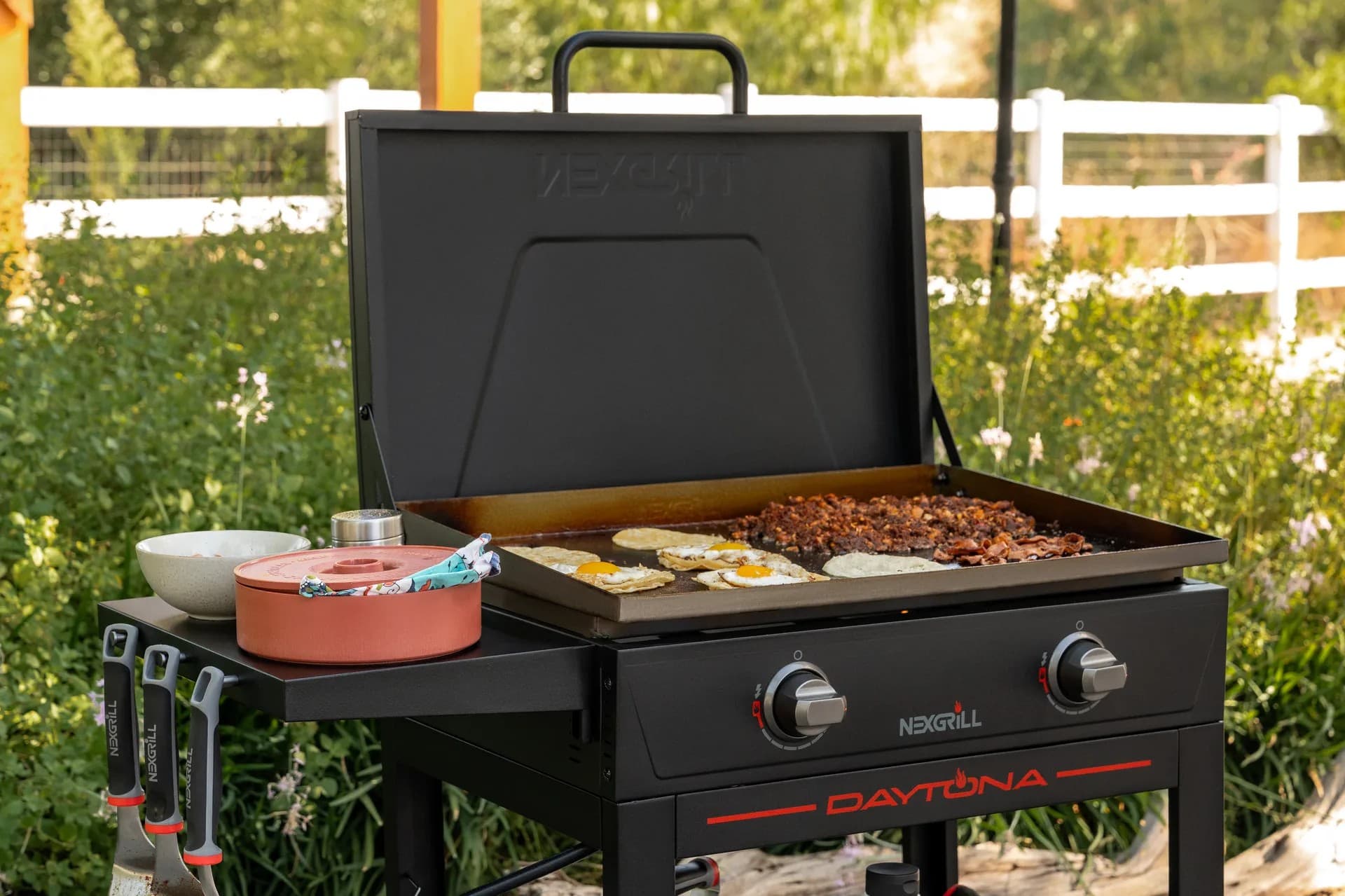
Find griddle recipes, cooking techniques, cleaning tips, and outdoor meal ideas designed for Nexgrill griddles.
Find answers to common questions
Nexgrill equipment is suitable for a variety of recipes including meats, vegetables, and even pizzas. Popular options include marinated steaks, grilled vegetables, and shrimp skewers.
To enhance the flavor of grilled vegetables, consider marinating them in olive oil, herbs, and spices before grilling. Alternatively, you can season them with salt and pepper during grilling for a more straightforward approach.
To achieve perfect grill marks, preheat your grill to a high temperature and ensure that the food is dry before placing it on the grill. Avoid moving the food too early, as it needs to sear properly to form those classic grill marks.
Using a meat thermometer is the most accurate way to ensure your grilled meat is at the desired temperature. For instance, chicken should reach an internal temperature of 165°F while medium-rare beef is typically at 135°F.
To clean your Nexgrill after cooking, allow it to cool and then use a grill brush to remove any residue from the grates. You can also wipe down the exterior with a damp cloth and mild soap to keep it looking its best.
In This Article
Winter Grilling Essentials
Festive Grilling Recipes
Safety and Comfort Tips
Holiday grilling in winter feels different from summer cookouts, and that is exactly why it can be so memorable. When the air is cold, the grill becomes more than a cooking appliance; it becomes part of the gathering itself. The smell of wood smoke or sizzling food in December has a way of slowing everyone down and making the meal feel intentional. Instead of rushing through a backyard dinner, winter grilling encourages a smaller set of well-chosen dishes that feel festive, comforting, and a little unexpected. That is especially appealing during the holidays, when many hosts want something that stands apart from the usual oven-roasted menu.
A smart approach to holiday grilling starts with the menu. Winter weather changes how ingredients behave, how long food stays warm, and how guests move between indoors and outdoors. That means the best winter grilling ideas are not simply summer recipes repeated in cold weather. They are dishes that benefit from a bit of smoke, a touch of char, or the visual appeal of open-flame cooking. Think of cedar-plank salmon for a lighter holiday dinner, bourbon-glazed pork tenderloin for a richer centerpiece, or charred Brussels sprouts with a maple finish for a side that feels right at home next to seasonal classics. These foods work because winter naturally supports deeper flavors, more assertive seasoning, and cooking styles that reward patience.
Cold-weather grilling also rewards planning. In warm weather, a missed step is usually a minor inconvenience. In winter, the same mistake can mean food cooling too quickly, a grill taking longer to preheat, or a host needing to step outside repeatedly to manage heat. A better strategy is to set up the whole cook before lighting the grill: trim and season ingredients, stage platters, warm sauces, and keep serving tools close at hand. For holiday entertaining, this prep work matters just as much as the recipe itself because it helps you stay present with your guests instead of spending the evening running back and forth.
Can feel like an event when smoke, heat, and seasonal ingredients are working together.
Winter grilling is also a practical choice for hosts who want to free up indoor oven space. Holiday meals often involve multiple dishes competing for the same kitchen real estate, and the grill can take pressure off the stove while adding distinct flavor. In a typical United States holiday setting, that might mean moving the main protein or a tray of vegetables outside while casseroles, desserts, and sauces stay indoors. It can also help keep the kitchen from feeling overcrowded when family arrives early and everyone wants to gather around the food. The result is a more flexible meal flow and, often, less stress for the person cooking.
There is also a strong flavor argument for winter grilling. Cold weather tends to sharpen our sense of contrast: hot food feels hotter, smoky notes feel richer, and sweet glazes stand out against savory meats. That is why holiday grilling pairs so well with ingredients like pomegranate, rosemary, citrus, brown sugar, mustard, and maple. These flavors hold up under heat and feel festive without requiring complicated techniques. For a winter menu, the goal is not to overpower the food with novelty. It is to build dishes that feel seasonally appropriate and easy to enjoy around a busy holiday table.
Winter grilling works best when you plan for shorter outdoor time, deeper seasoning, and dishes that can move quickly from grill to table.
Cold weather changes the way a grill performs, so prep is the difference between a smooth holiday cook and a frustrating one. Before lighting anything, clear away snow, slush, or standing water around the cooking area so you can move safely and keep your tools dry. If you use a gas grill, inspect the burners, ignition, and propane level before guests arrive. A cold tank can reduce pressure and make startup slower, which is why it is better to test everything early rather than discover a problem after your main course is marinating on the counter.
Preheating deserves extra attention in winter. The cold outside air pulls heat from the cooking chamber, so a grill may take longer to come to temperature than it would in spring or summer. Give it a little more time than usual and keep the lid closed during preheat so the heat can build efficiently. This matters especially for holiday foods that depend on stable surface heat, such as sausages, vegetables, or a glazed pork roast. If the grill is not fully preheated, sugar-heavy sauces are more likely to steam or smear instead of caramelize cleanly.
Fuel management also becomes part of the plan. Propane tanks can feel like they are draining faster in cold temperatures, and charcoal may require more time to ash over completely. For charcoal cooks, use a chimney starter and allow a few extra minutes for the coals to develop a fully lit bed before spreading them. For gas cooks, make sure the grill is positioned in a sheltered but safe spot where wind will not repeatedly knock down flame stability. The key is to expect slower startup and to build that time into your holiday schedule rather than trying to rush the process.
| Winter prep step | Why it matters | Practical tip |
|---|---|---|
| Clear the cooking area | Reduces slips and keeps tools dry | Shovel and dry the path before guests arrive |
| Preheat longer | Cold air slows heat buildup | Add several extra minutes before cooking |
| Check fuel supply | Prevents mid-cook interruptions | Start with a fuller propane tank or more charcoal than usual |
| Warm serving gear | Helps food stay hot longer | Use pre-warmed platters or insulated carriers |
Tool and ingredient staging makes a surprising difference during winter holiday cooking. Arrange tongs, thermometers, sheet pans, foil, carving tools, and sauces on a tray before you head outside. If you are grilling multiple items, pre-sort them by cook time so faster-cooking vegetables can come off the heat before thicker proteins. This reduces the number of trips in and out of the house and helps keep your focus on temperature control instead of searching for a missing utensil. A small prep station near the grill can save a large amount of time once cooking begins.
Do not rely on a quick, last-minute grill check in freezing weather. Cold surfaces, wind, and damp fuel can turn a simple recipe into a delayed dinner.
Holiday grilling recipes should feel celebratory without being fussy. That usually means choosing dishes that use a short ingredient list, clear seasoning, and a finish that looks special when brought to the table. A cedar-plank salmon with orange zest and dill is a strong choice for Christmas Eve or a lighter winter gathering because it cooks gently while picking up smoke from the plank. The citrus keeps the dish bright, while the wood aroma gives it enough seasonal character to feel like more than an everyday fish dinner. Serve it with roasted fingerling potatoes or grilled asparagus if you want the plate to feel complete without becoming heavy.
For guests who prefer richer holiday flavors, bourbon-maple pork tenderloin is a practical centerpiece. Pork tenderloin cooks relatively quickly, which is helpful when it is cold outside and you want to minimize exposure time. A glaze made with bourbon, maple syrup, Dijon mustard, and a little black pepper creates a shiny finish that feels festive on a serving platter. The important part is to brush on the glaze near the end of the cook so the sugar does not burn. Pair it with grilled apples or onions to echo the sweetness and add a familiar winter profile that fits many holiday menus in the United States.
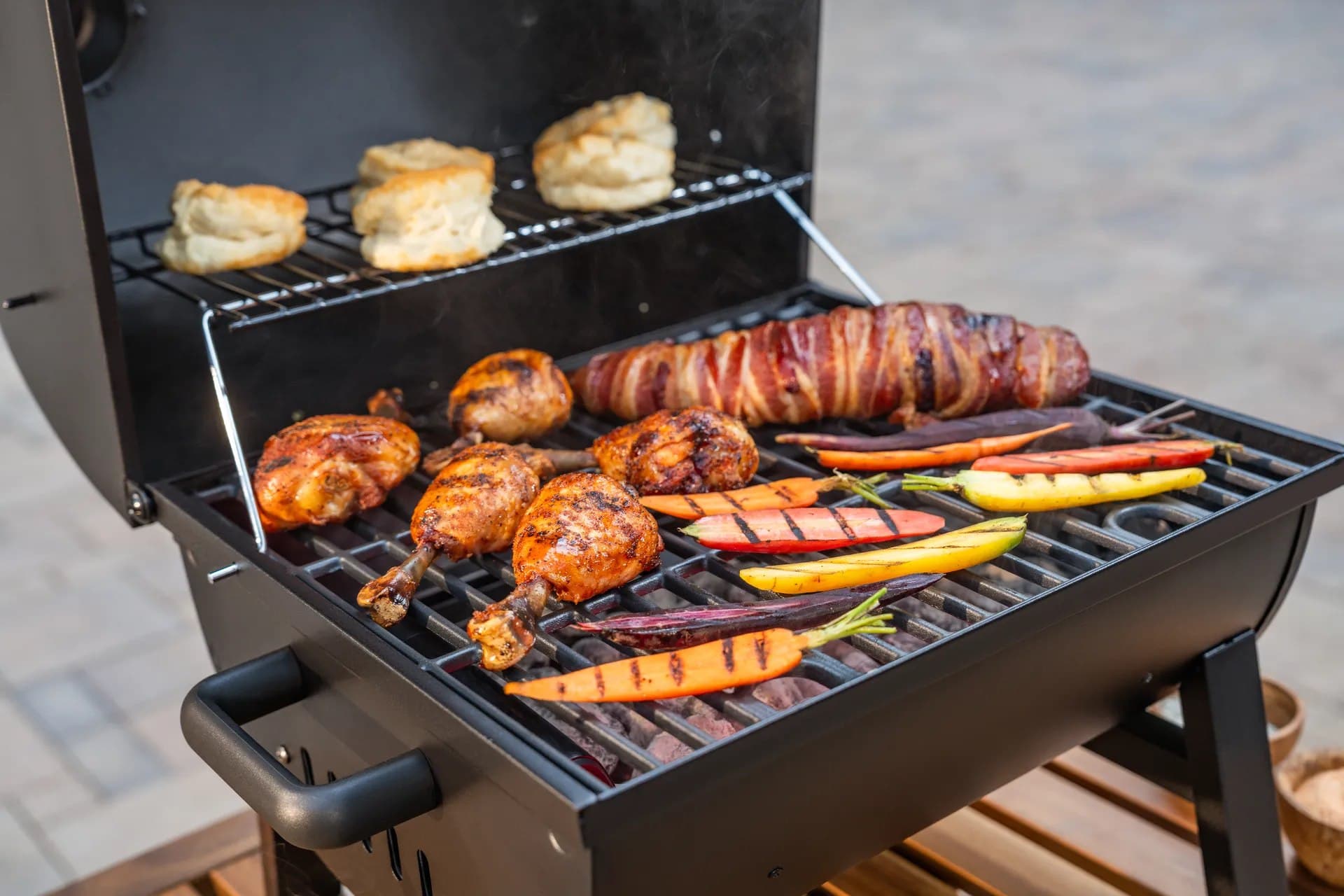
Vegetables deserve a more prominent role during holiday grilling because they absorb smoke and char beautifully. Brussels sprouts are especially effective on the grill when skewered or placed in a grill basket, and they work well with maple, balsamic, or a touch of chili for contrast. Butternut squash slices, halved carrots, and radicchio can all gain depth from direct heat, and they bring color to a plate that might otherwise lean toward beige winter foods. A grilled vegetable platter is also useful for feeding guests who want something lighter between richer holiday dishes.
If you want a recipe that feels especially suited to a festive crowd, consider grilled beef tenderloin medallions with rosemary butter. This is the kind of dish that benefits from a strong sear and a controlled rest. Because tenderloin is naturally tender, it presents beautifully for an upscale holiday dinner, and small medallions are easier to share than a large roast when the menu includes several sides. A rosemary butter finish adds aroma and a luxurious texture without masking the grill flavor. For a simpler crowd-pleaser, grilled chicken thighs with cranberry-chipotle sauce offer the sweet-tart profile many holiday guests expect, while still holding up well to outdoor cooking.
Citrus, maple, and rosemary can instantly make grilled food feel more seasonal.
Comfort and safety matter more in winter because the outdoor environment works against you. Dress in layers that are warm but not bulky enough to interfere with movement near the grill. Gloves should protect from cold surfaces without getting in the way of handling tongs or adjusting vents. It also helps to wear shoes with reliable traction, especially if the grilling area may be damp or icy. A holiday cook is much easier to enjoy when you are not shivering, slipping, or racing through each step because your feet are cold.
Another important winter habit is to shorten the time food spends outside after cooking. During the holidays, people often move slowly between grill and table while they chat, take photos, or carry multiple dishes. That is fine as long as the food is managed well. Use covered platters, keep sauces warm indoors until the last minute, and transfer grilled items to a heated serving area as soon as they are done. For thicker cuts, resting is still essential, but the rest period should happen in a controlled environment rather than out in the open air. In cold weather, even a perfect sear can be undermined if the food sits too long before serving.
Safety also means being thoughtful about airflow and placement. Do not grill in an enclosed garage or too close to overhangs, because winter weather can tempt people to seek shelter in places that are not designed for open flame. If wind is strong, a partial windbreak can help, but it should never block ventilation or create a hazard. Keep a clear path between the house and grill so you can move safely with trays and tools. And if you are cooking for guests, make sure children and pets stay clear of the active cooking zone, since holiday gatherings can make a busy backyard feel even more crowded.
A final comfort tip is to plan a warm beverage or indoor staging area so the person grilling can step inside briefly between tasks without losing control of the cook. Winter grilling is far more enjoyable when the host has a realistic rhythm: outside to cook, inside to reset, then back out to finish. That pace turns holiday grilling into part of the celebration instead of a race against the weather.
The best winter grilling setup keeps the cook warm, the food moving, and the outdoor space clear enough for safe, confident handling.
Try comparing two products side by side below to see which fits best:
Once you have weighed two options against each other, the broader question is how to make winter holiday grilling feel smooth instead of stressful. The answer is to treat the meal as a sequence rather than a single cooking moment. Choose one or two grilled centerpieces, add a couple of vegetables that can handle smoke and char, and keep the rest of the menu simple enough that the grill can shine without becoming an all-night project. That structure works especially well for holiday entertaining because it lets you serve food that feels distinctive while still keeping the pacing manageable.
A winter holiday menu should also respect the season’s limitations. The cold is not just background scenery; it changes how food cooks, how long it stays hot, and how comfortable the cook feels outside. That is why the most successful holiday grilling ideas are usually the ones that balance impact with practicality. A glazed pork tenderloin, cedar-plank salmon, or grilled Brussels sprouts can create a memorable table because each dish offers a visible connection to the grill without demanding too much time outside. If you are feeding a crowd, choose recipes that can be prepped indoors, cook efficiently, and land on the table in a coordinated way. That makes the meal feel festive rather than frantic.
| Holiday menu goal | Best grilling approach | Why it works in winter |
|---|---|---|
| Feed a small family dinner | One protein and one vegetable | Keeps prep simple and reduces time outside |
| Host a holiday party | Several small items cooked in batches | Lets you stagger serving without overloading the grill |
| Create a festive centerpiece | A glazed roast or tenderloin | Shows well and holds holiday flavors like maple, rosemary, and citrus |
For hosts, the most useful winter grilling habit is advance planning. Read the recipe, portion ingredients, and stage serving pieces before the grill is lit. That simple workflow keeps you from making unnecessary trips in and out of the house and gives you more control over timing. It also helps when you are juggling other holiday responsibilities such as greeting guests, finishing side dishes, or managing desserts. Winter grilling is at its best when the cooking process feels deliberate and calm, not improvised.
Comfort should stay part of the plan right through the end of the meal. If you are going to be outside for a while, warm clothing, good footing, and a dry work area matter just as much as the recipe itself. For many home cooks, that is what makes winter grilling memorable: the combination of crisp air, a hot grill, and food that feels rewarding because it was created under less-than-ideal conditions. Holiday gatherings gain a special kind of energy when people can taste that effort in every bite.
If you want to keep exploring seasonal outdoor cooking, the winter grilling resources from Home Depot, Barbecue Bible, and Food Network offer useful context on cold-weather preparation and holiday-friendly outdoor cooking habits. Those references can help you fine-tune your approach, especially if you are new to grilling in colder months or want a few more practical ideas before your next gathering.
Here's what sets us apart
We position ourselves as delivering high-end outdoor cooking features and performance without premium-brand pricing, emphasizing “Quality Grills. Unbelievable Value.”
We offer gas grills, pellet grills, griddles, smokers, pizza ovens, portable/tabletop grills, electric grills, accessories, and replacement parts — allowing customers to stay within one ecosystem for all outdoor cooking needs.
We differentiate ourselves through smart grilling products like the Oakford smart pellet grill, including app-connected cooking controls and modern outdoor cooking technology.
Don't just take our word for it
Keep reading
From our catalog