An in-depth analysis to help you choose the perfect high-heat gas grill tailored to various meats.
Here's what sets us apart from the competition
We position ourselves as delivering high-end outdoor cooking features and performance without premium-brand pricing, emphasizing “Quality Grills. Unbelievable Value.”
We offer gas grills, pellet grills, griddles, smokers, pizza ovens, portable/tabletop grills, electric grills, accessories, and replacement parts — allowing customers to stay within one ecosystem for all outdoor cooking needs.
We differentiate ourselves through smart grilling products like the Oakford smart pellet grill, including app-connected cooking controls and modern outdoor cooking technology.
Expert tips, buying guides, comparisons, and inspiration for choosing and getting the most out of your grill.
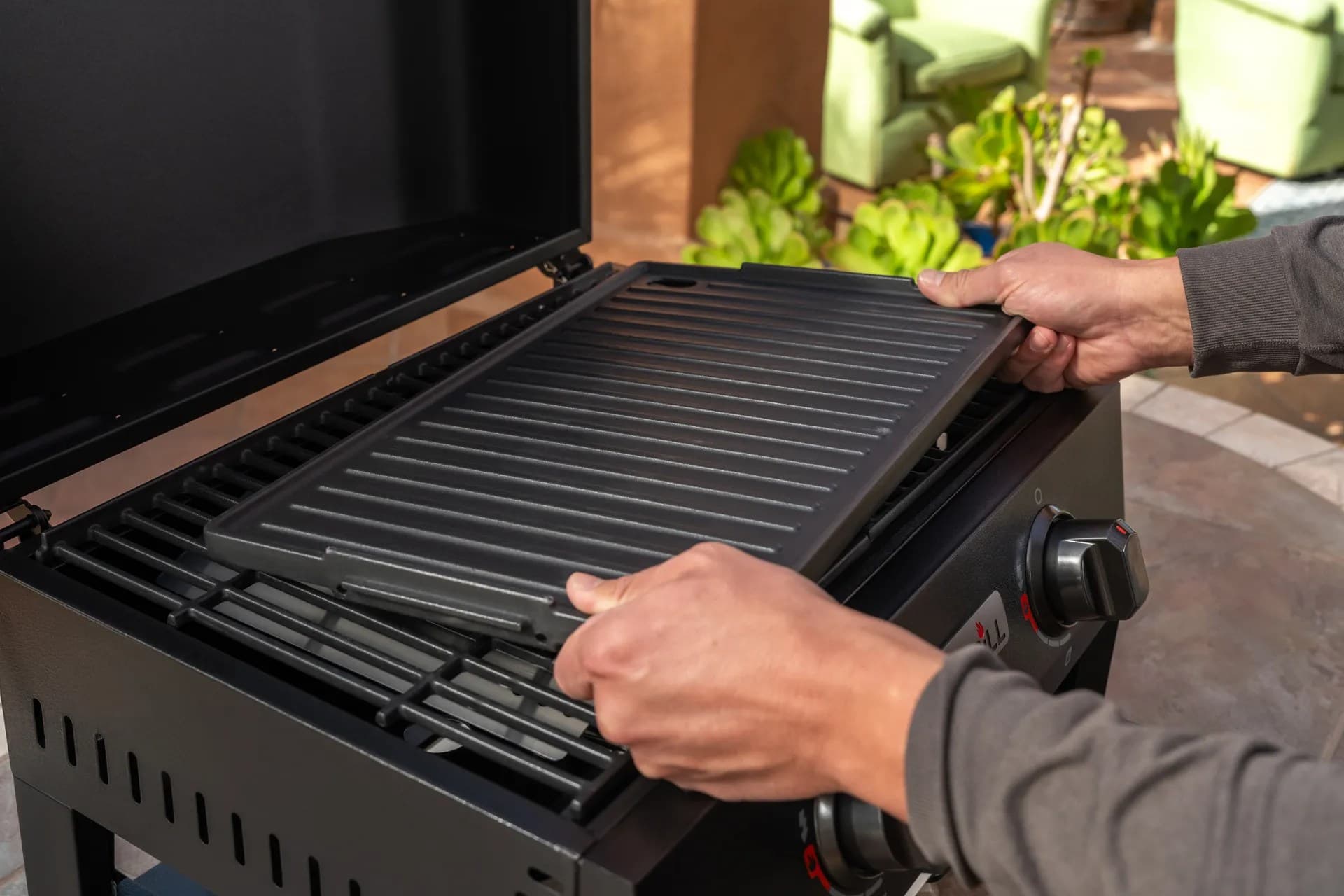
Practical guides for cleaning, maintenance, common grill issues, and performance optimization.
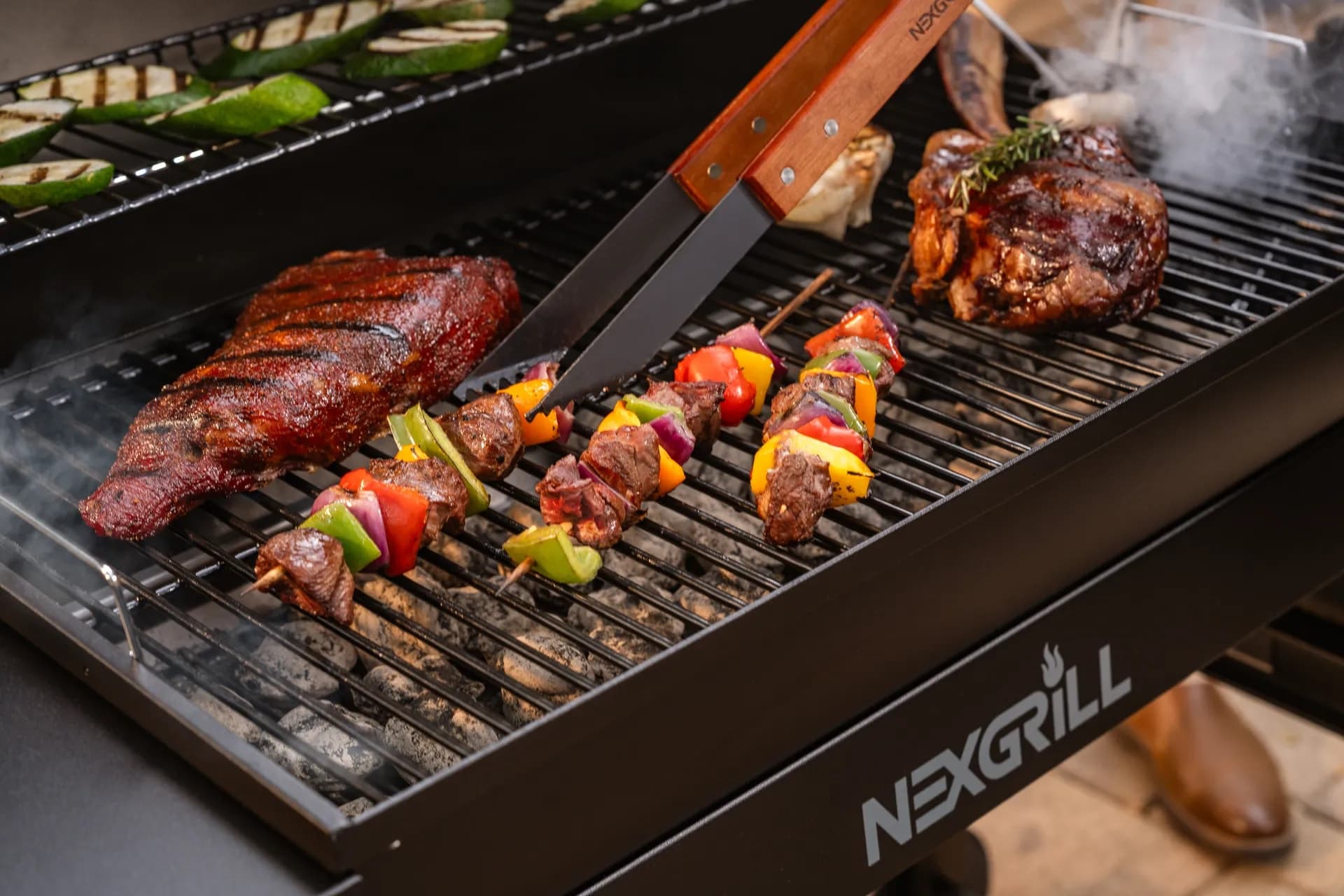
Step-by-step grilling recipes, cooking techniques, and meal ideas for every occasion and skill level.

Backyard entertaining ideas, seasonal grilling inspiration, and stories that celebrate outdoor cooking culture.
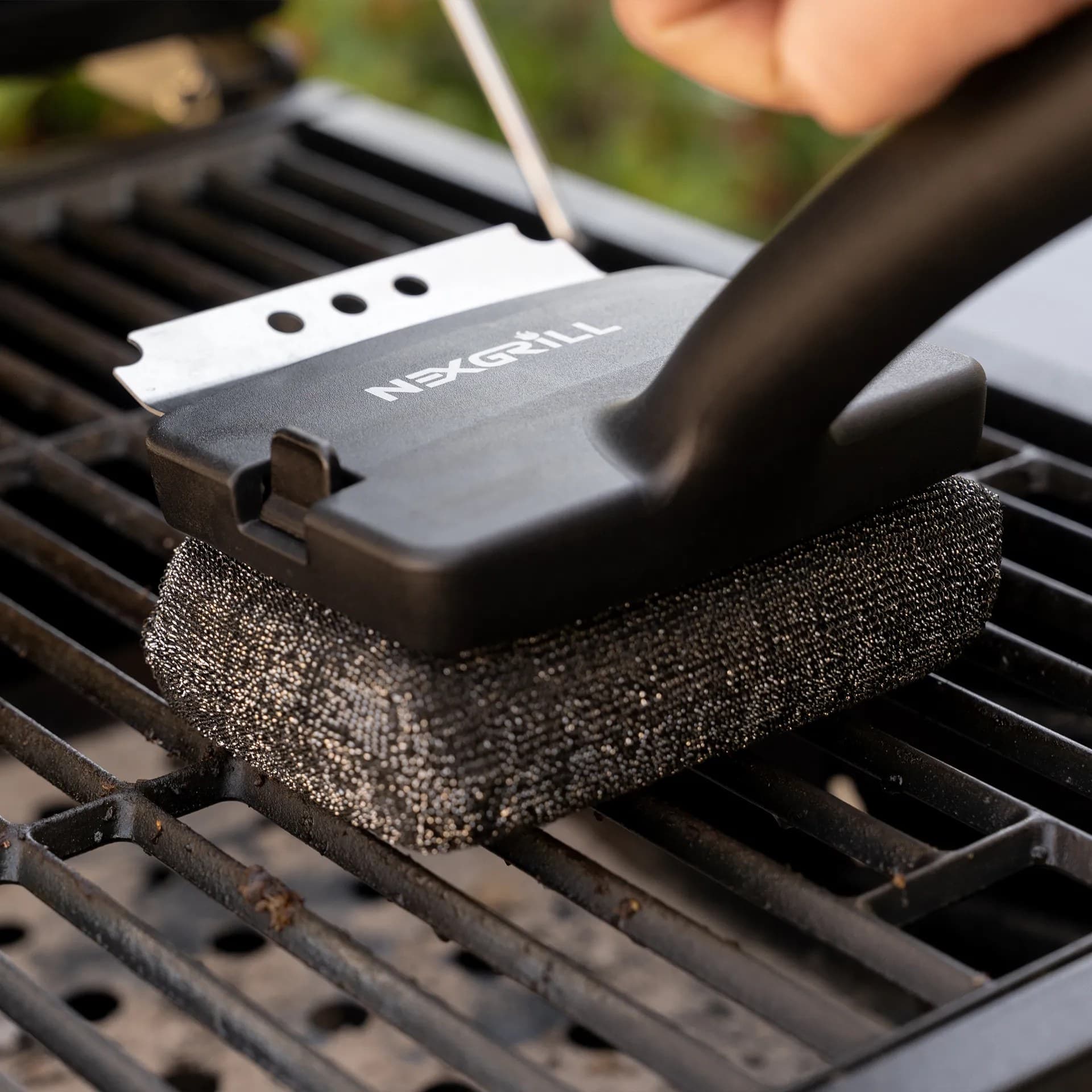
Helpful articles covering grilling tools, cookware, maintenance gear, and must-have accessories for outdoor cooking.
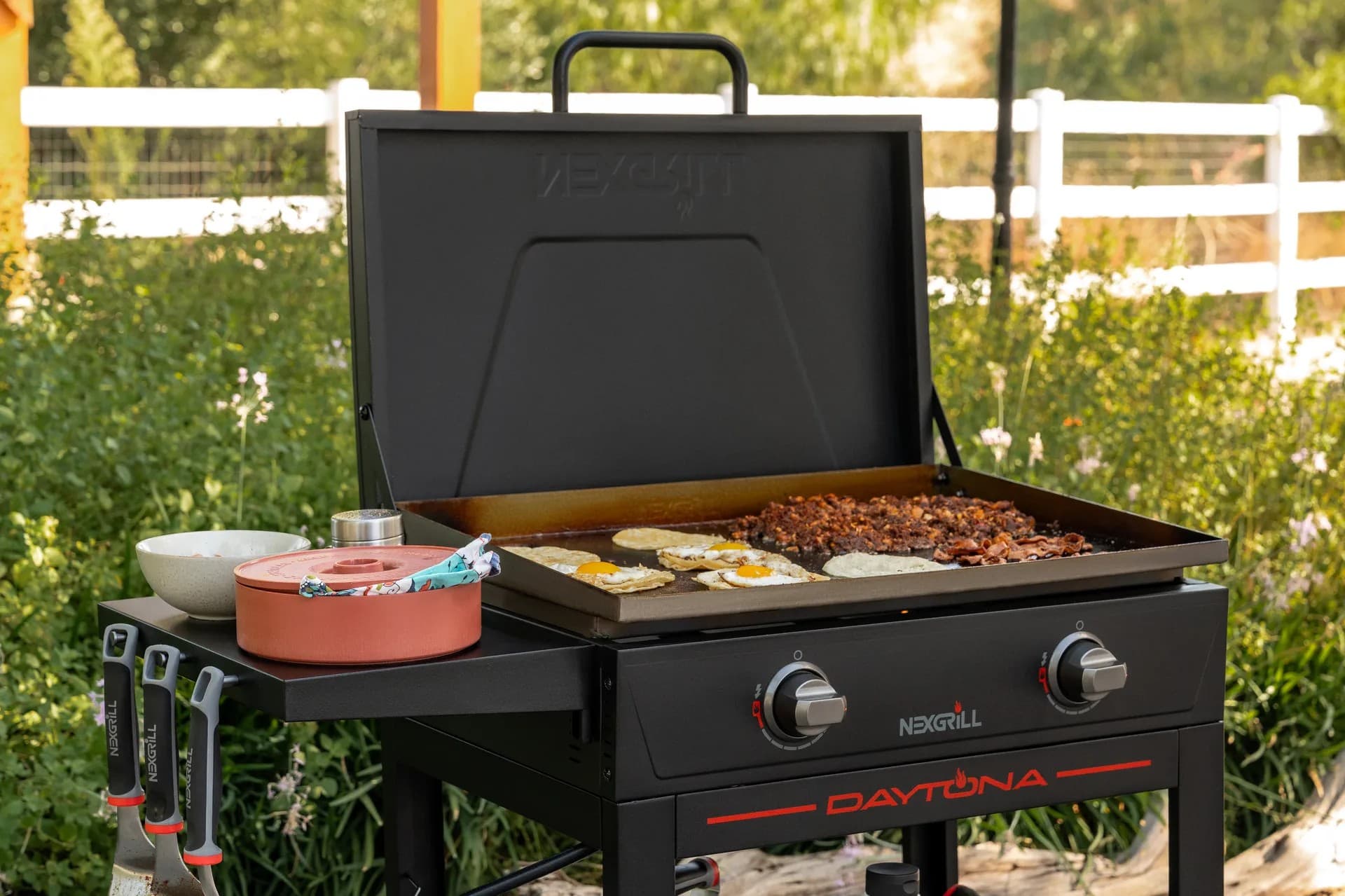
Find griddle recipes, cooking techniques, cleaning tips, and outdoor meal ideas designed for Nexgrill griddles.
Find answers to common questions
Nexgrill offers a variety of gas grills, including standard models, portable options, and premium designs with advanced features. Each is designed to cater to different grilling needs and preferences.
To clean your Nexgrill gas grill, regularly scrape down the grates, empty the grease tray, and wipe down exterior surfaces. Consult your model's manual for specific maintenance instructions and recommended cleaning products.
Nexgrill gas grills are designed to use either propane or natural gas, depending on the model. Ensure you read the specifications to determine the appropriate fuel type for your grill.
Many Nexgrill models can be converted from propane to natural gas with a conversion kit. Check the owner's manual for compatibility and details on the conversion process.
If your Nexgrill gas grill is not lighting, first check the fuel supply, ensure the gas lines are free of obstructions, and verify that the igniter is functioning. Consult the user manual for troubleshooting tips specific to your model.
In This Article
High-Heat Grilling Essentials
Top High-Heat Gas Grills
Choosing the Right Grill
When people search for a high-heat gas grill for steak price, they are usually trying to solve two problems at once: they want a grill that can sear quickly and they want to know whether the price is justified by the way they cook. That is the right way to think about this category. High-heat grilling is not simply about chasing the biggest burner number or the loudest marketing claim. It is about how efficiently a grill can transfer energy to the food, how evenly it can sustain that energy, and how well it supports the different protein types you actually cook at home. A steak benefits from aggressive direct heat and a good crust; chicken thighs need heat that is strong but manageable enough to finish safely without burning the skin; seafood needs fast searing with less forgiveness for flare-ups; vegetables often need a hot surface and space to move. The right grill for each one is not always the same.
Nexgrill’s brand approach is built around real-world outdoor cooking rather than a one-size-fits-all pitch, and that matters here. The company’s messaging emphasizes approachable, dependable grilling that welcomes different skill levels and different styles of cookout, which fits this topic well because meat preferences vary so much from one household to the next . In practical terms, a steak-first buyer may care most about infrared searing and lid heat retention, while a family that rotates between burgers, chicken, salmon, and vegetables may get more value from a broader, multi-zone gas grill. Price should be viewed as part of that use pattern, not as a standalone measure of quality.
The best high-heat grill is the one that holds temperature, recovers quickly, and matches the meats you cook most often.
For steak specifically, high heat helps create the Maillard reaction, the browning process that gives a crust its deep flavor and aroma. But heat alone does not solve everything. If the grill surface is too small, you may crowd the steaks and lose searing quality. If the burners create hot spots, the exterior may char before the interior reaches the doneness you want. If the cooking grates do not hold heat well, you will lose the hard sear that steak buyers are paying for. That is why a useful comparison of high-heat gas grills has to include more than price: it has to weigh construction, burner layout, grate material, and recovery speed.
High-heat grilling usually means pushing the cooking chamber and grate surface into the range where searing becomes immediate and pronounced. In everyday home cooking, that matters because meat behaves differently under strong heat. A ribeye with more internal fat can stand up to a hotter zone than a lean sirloin. Bone-in chicken pieces benefit from a hotter start and then a calmer finish. Tuna steaks and shrimp need speed so they do not dry out. Even vegetables such as asparagus, peppers, or thick mushrooms do better when they are charred quickly instead of steamed on a lukewarm grate. A grill that can handle these differences gives you more flexibility across a week of meals.
There is also a difference between absolute heat and usable heat. A grill that claims impressive numbers but loses temperature the moment the lid opens may feel strong in the showroom and disappointing on a busy Saturday night. Usable heat is the combination of fast preheat, stable burn, enough cooking area for your portions, and a design that reflects heat back to the food instead of letting it escape. That is especially important if you cook for a larger family or like to sear steaks and then move them to indirect heat for finishing.
Info: For steak, you are usually looking for a grill that can create a hard sear on the first side, maintain heat when you open the lid, and still leave room for a cooler zone to finish thicker cuts.
A useful way to think about high-heat grilling is by meat category rather than by grill category. Steak asks for surface intensity. Chicken asks for controlled intensity. Seafood asks for speed and cleaner heat. Vegetables ask for direct char without sticking. Once you see it that way, the price of a high-heat gas grill starts to make more sense because you are not just buying a flame source. You are buying a cooking system that either helps or hinders the foods you make most often.
Steak is the clearest test of a high-heat grill because it rewards the exact features that are easiest to overlook when shopping. A good steak sear depends on a hot grate, enough preheat time, and a cooking environment that does not collapse the moment you add cold meat. That matters even more for thicker cuts such as strip steaks, ribeyes, and filet mignon, because these cuts need a strong crust before the center is fully finished. A grill that heats quickly but cools down too fast may leave you with a gray band and a weak crust, which is the opposite of what most steak buyers want.
The practical benefit of high heat is that it shortens the time steak spends in the danger zone between raw and overcooked surface texture. That does not mean faster is always better; it means the grill needs enough intensity to brown the outside before the juices are driven out. If you like reverse searing, high heat becomes the final stage rather than the whole process. In that scenario, you roast the steak gently first and then hit it with a hard finish. In both methods, a grill with strong recovery is worth more than a lower-priced model that cannot rebound after lid openings or temperature changes.
Price is usually linked to this performance gap. Lower-cost high-heat gas grills may still work well for burgers and quick chicken, but they can struggle when a steak needs both a searing surface and enough enclosure to hold heat around a thick cut. Mid-range and premium grills often justify their price through better burner geometry, heavier grates, stronger materials, or dedicated high-heat zones. That is why steak buyers should treat the budget question as a trade-off between cooking confidence and upfront cost. If steak is an occasional treat, a simpler model may be enough. If it is your signature meal, paying for better heat management is often sensible.
Warning: If you mainly judge a grill by BTUs alone, you can overpay for power you cannot actually use. Surface heat, grate mass, and recovery speed matter just as much.
The best high-heat gas grills usually share a few practical traits. First, they hold heat well through heavy grates, stainless components, or well-designed lids. Second, they distribute that heat in a way that lets you create both a hot sear zone and a safer finishing zone. Third, they clean up in a way that does not make you dread the next cook. For steak buyers, the most important feature is not the biggest number on the box; it is whether the grill can deliver repeatable crust formation. For chicken and seafood, it is whether the heat can be tempered without losing energy. For vegetables, it is whether the grill surface gives quick char and enough room to move pieces without crowding.
When you compare options, look at burner count, main cooking area, side burner or sear burner presence, and how the grill is shaped for direct and indirect cooking. A side burner can be useful if you want to manage sauces or sides while the main chamber handles meat. A dedicated sear function helps steaks and chops. Heavy lids and solid grates improve heat retention. A strong grease management system helps prevent flare-ups, which is especially important when cooking fatty cuts. The right balance of these features depends on whether you are buying primarily for steak nights, family dinners, or mixed menus.
| Feature | Why It Matters for Meat | Best Fit |
|---|---|---|
| High-heat sear zone | Creates fast crust on steak and chops | Steak lovers |
| Multi-burner layout | Supports direct and indirect cooking | Chicken, larger cuts |
| Even heat distribution | Reduces hot spots and uneven doneness | Seafood, mixed cooking |
| Durable grates | Improves heat retention and searing | Frequent grillers |
Choosing the right high-heat gas grill starts with asking what you cook most often, how many people you serve, and how much control you want over the cooking zones. A steak-focused cook may want the hottest possible surface and a compact but intense chamber. Someone who cooks several proteins at once may prefer a wider grill with more burner control, even if the maximum heat is less dramatic. Buyers also need to think about propane convenience, patio space, and how often they will actually use the grill. A premium model only makes sense if its strengths match your real routine.
Price should be evaluated as cost per useful feature. If a grill adds a sear burner, more stable temperature control, and a larger usable surface, a higher price may be worth it. If the upgrade is mostly cosmetic, the cheaper option may be smarter. For steak buyers in the United States, it is also worth comparing fuel costs and replacement part availability over time. A grill that is easy to clean, easy to light, and easy to maintain tends to stay in rotation longer, which lowers the effective cost of ownership.
If you are a steak purist, prioritize searing power first, grate quality second, and extras last. If you are cooking chicken thighs, pork chops, and vegetables more often than steak, prioritize control and multi-zone flexibility. If seafood is a regular part of your menu, look for a grill that heats evenly and does not overwhelm delicate proteins. If you like to host, choose the model that gives you enough surface area to keep food moving without stacking it. This is where the best value decision becomes personal: the right grill is the one that fits your meat preferences rather than the one with the biggest feature sheet.
For many buyers, the sweet spot is a grill that can do steak well without becoming a one-trick appliance. That means a model with enough heat for a proper crust but enough control to handle chicken or fish the same weekend. If that sounds like your household, compare the candidates side by side below to see which one really fits your style of cooking.
High-heat grills demand a little more respect because intense temperatures magnify grease buildup, residue, and burner issues. The upside is that good maintenance is straightforward. Brush the grates after each cook while they are still warm, empty or clean the grease path regularly, and make sure the burner ports are not obstructed by debris or carbon buildup. If you cook steak often, carbonized residue can accumulate fast, and that residue can interfere with both ignition and heat consistency. A clean high-heat grill performs more predictably and is less likely to flare in ways that damage delicate foods.
Good habits also protect your investment. Keep the grill covered when not in use, especially in rainy or humid conditions. Check the firebox and burner area periodically for rust, worn hardware, or loose connections. If you move the grill often, inspect wheels and cart joints as well, because stability matters when you are working with very high temperatures. High heat is only a benefit if the equipment remains safe and stable over time.
A practical cleaning routine can be as simple as a three-step pattern: preheat, brush, and cool down. Preheating burns off soft residue; brushing removes what is left; cooling with the lid closed helps protect the interior from unnecessary moisture. For deeper cleaning, remove grates and scrape the catch areas, then wipe down surfaces with a mild cleaner appropriate for grill materials. Do not soak components that are not meant to be submerged, and allow everything to dry fully before the next use. This routine matters more on high-heat models because the same intensity that gives you a steak crust can also bake grease onto surfaces faster than on a low-heat cooker.
If you notice a drop in searing performance, do not immediately assume the grill is too small or underpowered. Sometimes the issue is simply dirty grates, blocked burners, or uneven gas flow. Cleaning and inspection often restore the performance buyers thought they had lost. That is especially useful for households comparing price tiers, because a well-maintained mid-range grill can outperform a neglected premium model in everyday use.
The best high-heat gas grill for steak price is not necessarily the most expensive one. It is the grill that gives you the heat profile, control, and cooking surface your menu requires without charging you for features you will never use. Steak lovers should lean toward models that hold heat and create a strong sear. Chicken cooks should favor control and flexibility. Seafood fans should focus on evenness and flare-up management. Vegetarians and mixed-menu households should look for versatile surfaces that char quickly and recover fast. Once you know which foods you cook most, the price question becomes much easier to answer with confidence.
Once you have compared a few high-heat grills side by side, the next question is not just which one gets hottest, but which one gives the best performance for the meats you actually cook. A true comparison needs to account for steak searing, chicken control, seafood gentleness, and the ability to handle vegetables or side dishes without compromising the main cook. It also needs to reflect the practical reality of ownership in the United States, where buyers care about price, fuel type, footprint, and how often the grill will be used on a patio, deck, or backyard cooking station. That is why this section looks at five distinct models and the kinds of cooks they suit best.
For this article, the focus is intentionally different from a generic “best grills” list. Instead of ranking everything by brute force, the goal is to match each grill to its strongest use case. Some models lean toward steak and other hard-sear foods. Others are better for larger family menus or mixed-protein cooking. A few are more premium in construction and therefore better for buyers who want long-term durability as part of the value equation. Looking at them this way makes the price conversation more honest and more useful. Looking at them this way makes the price conversation more honest and more useful.
| Model | Best At | Best For |
|---|---|---|
| Napoleon Freestyle 425 | Balanced high-heat performance | Families wanting everyday versatility |
| DCS 48-in. Series 7 LP Gas Grill | Premium searing and control | Frequent entertainers and steak buyers |
| FEASTO 5-Burner Propane Gas Grill | Large surface and sear support | Bigger households on a value budget |
| Broil King Baron 490 IR | Infrared searing | Steak-first cooks and serious hobbyists |
| Weber Genesis II S-415 | Reliable all-around high heat | Buyers wanting dependable everyday grilling |
The Napoleon Freestyle 425 is best understood as a versatile everyday high-heat grill rather than a specialist searing machine. For steak, it offers enough output to produce a solid crust if you preheat correctly and use direct heat wisely. For chicken, it is often the kind of grill that becomes easy to live with because it offers practical space and straightforward control. For seafood, its value is in even cooking rather than overcomplication. That makes it appealing to cooks who want one grill to cover a broad menu.
Compared with more premium models, the Freestyle 425 usually makes its case through a balance of performance and accessibility. It is the kind of grill a buyer might choose when steak is important but not the only reason for buying. If you cook ribeyes one night and thighs or vegetables the next, this model’s strength is consistency across categories, not one dramatic specialty feature. In a price discussion, that means strong value for households that want reliable high heat without moving into luxury pricing.
The DCS 48-in. Series 7 LP Gas Grill sits near the premium end of the market and makes sense for buyers who want a large, serious cooking platform. If steak is a priority, this is the kind of grill that can support dedicated searing workflows, larger cuts, and the kind of host-heavy cooking where multiple proteins are moving at once. Its size matters as much as its heat because a large grilling area gives you room to stage food, create zones, and keep delicate items away from the hottest portions.
For chicken and seafood, the DCS becomes attractive when you need precision and room to manage multiple items at once. That said, the price is only worth it if you actually use the capacity. A smaller household that grills once a week may never fully exploit what a 48-inch platform can do. The DCS is best for buyers who see grill ownership as a centerpiece outdoor cooking investment and want the higher-end construction to match the higher price.
The FEASTO 5-Burner Propane Gas Grill with Sear & Side Burner is a strong example of a grill built to offer a lot of practical function for the money. The sear burner is the headline feature for steak lovers because it gives that hard, fast surface heat that makes crust formation easier. For chicken, the five-burner layout can help with direct and indirect zones, which is useful when you want to cook larger pieces through without scorching them. For seafood, the extra room can prevent overhandling and help you keep fragile proteins away from intense direct exposure until you are ready.
The side burner also improves the overall value equation because it lets you manage sauces, glazes, or side dishes while the main chamber stays focused on the meat. For buyers trying to understand high-heat gas grill for steak price, this kind of configuration is often the sweet spot: enough specialty heat for searing, enough overall capacity for family use, and typically a more approachable price than a luxury system. It is a smart option for cooks who want steak capability without paying for prestige construction.
The Broil King Baron 490 IR is especially relevant for steak because infrared or IR-style searing is designed to deliver intense surface heat quickly. That makes it a natural fit for buyers who chase a restaurant-style crust and who are comfortable with a more hands-on cooking approach. It can also work very well for chops and thicker cuts that benefit from a hot finishing zone. For chicken, it is useful if you understand how to separate searing from finishing, because the grill can be more aggressive than some casual cooks prefer.
This model tends to appeal to enthusiasts who enjoy tuning the cook rather than simply turning the burners on and walking away. For seafood, the high intensity is helpful only if you manage it carefully. For vegetables, it can char beautifully but may require more attention than a broad, forgiving grill. In price terms, the Baron 490 IR is often best justified by steak performance first and general versatility second. If you love searing and want a grill that makes that process feel deliberate, it belongs near the top of the list.
The Weber Genesis II S-415 is a practical benchmark for buyers who want dependable high heat and everyday ease. It is not trying to be the most extreme searing machine in the group. Instead, it delivers a balanced grilling experience that works well for steak, chicken, seafood, and vegetables because the heat is predictable and the layout is generally friendly to regular use. That predictability matters for home cooks who want confidence more than drama.
For steak, the Genesis II S-415 can create a satisfying sear when preheated properly and used with good technique. For chicken and mixed meals, it often shines because it can handle a weeknight dinner without making the cook feel complicated. That is important in a price comparison: not every buyer needs the most aggressive grill if a more balanced model will be used more often and with less effort. The Genesis line’s value is consistency, not flash.
The right grill depends on what usually lands on your plate. If you are a steak lover, look for a grill that emphasizes sear intensity, heat retention, and recovery after lid openings. If you are cooking chicken more often, especially bone-in pieces or mixed platters, choose a grill that can hold a medium-high zone and create indirect space for finishing. If seafood is your thing, you want even heat and lower flare-up risk more than raw power. If your menu includes plant-based options, the best grill is usually the one with enough surface area and control to handle quick char without overcooking delicate ingredients.
Choose the grills with the strongest searing identity: the DCS 48-in. Series 7 LP Gas Grill and the Broil King Baron 490 IR are the most natural fits for serious steak buyers. The FEASTO is the value-oriented choice if you want a sear burner without moving into premium territory. The Napoleon and Weber are better if steak is part of a broader menu rather than the only focus.
Chicken rewards flexibility. The Napoleon Freestyle 425 and Weber Genesis II S-415 stand out because they make it easy to manage direct and indirect cooking without feeling oversized. The FEASTO 5-Burner is a strong option if you regularly cook for a group and need a little more space to manage several pieces at once.
Seafood works best on grills that are hot but not chaotic. The Weber Genesis II S-415 and Napoleon Freestyle 425 are appealing because they provide controlled heat that helps fish, shrimp, and scallops stay intact. The DCS can do it too, but only if you are comfortable managing the stronger output.
Vegetable grilling often benefits from generous surface area, fast heat, and the ability to move items around without crowding. The FEASTO 5-Burner and DCS 48-in. Series 7 LP Gas Grill give you the room to cook mushrooms, peppers, zucchini, asparagus, and plant-based mains alongside other dishes. The Weber and Napoleon models are better for smaller, simpler sessions.
High-heat grills work best when their surfaces stay clean and their burners stay unobstructed. Regular cleaning should start while the grill is still warm: brush the grates, remove residue from the cookbox, and empty grease collection areas before buildup becomes baked-on carbon. On high-heat models, residue hardens quickly, and that can affect both flavor and flare-up control. A clean grill also makes it easier to maintain the kind of searing performance buyers expect after paying for a better unit.
After each use, clear the grates and check the drip path. If you have cooked fatty steaks or marinated chicken, clean sooner rather than later so grease does not accumulate in places you cannot easily reach. Periodically remove grates and inspect the interior for carbon deposits that may interfere with airflow.
Check burners for blocked ports, uneven flame patterns, or visible corrosion. Burner problems can quietly reduce heat output and make a powerful grill seem weak. If one side of the grill runs cooler, it can also make it harder to finish steaks evenly or keep chicken from drying out.
Inspect hoses, connectors, and valves regularly, especially if the grill has been moved or stored for a while. A simple leak check with a soapy water solution can help you spot bubbles at connection points before the next cook. That extra step is especially important on high-heat grills because strong output is only useful when the fuel system is safe and stable.
Comparing high-heat gas grills by meat type makes the buying decision much clearer. Steak demands searing power and heat recovery. Chicken needs flexible zones and control. Seafood needs evenness and less flare-up risk. Vegetables need space and quick char. When you evaluate the Napoleon Freestyle 425, DCS 48-in. Series 7 LP Gas Grill, FEASTO 5-Burner Propane Gas Grill with Sear & Side Burner, Broil King Baron 490 IR, and Weber Genesis II S-415 through that lens, the right choice becomes less about the biggest number and more about the best fit for your menu, your space, and your budget.
Here's what sets us apart
We position ourselves as delivering high-end outdoor cooking features and performance without premium-brand pricing, emphasizing “Quality Grills. Unbelievable Value.”
We offer gas grills, pellet grills, griddles, smokers, pizza ovens, portable/tabletop grills, electric grills, accessories, and replacement parts — allowing customers to stay within one ecosystem for all outdoor cooking needs.
We differentiate ourselves through smart grilling products like the Oakford smart pellet grill, including app-connected cooking controls and modern outdoor cooking technology.
Don't just take our word for it
Keep reading
From our catalog