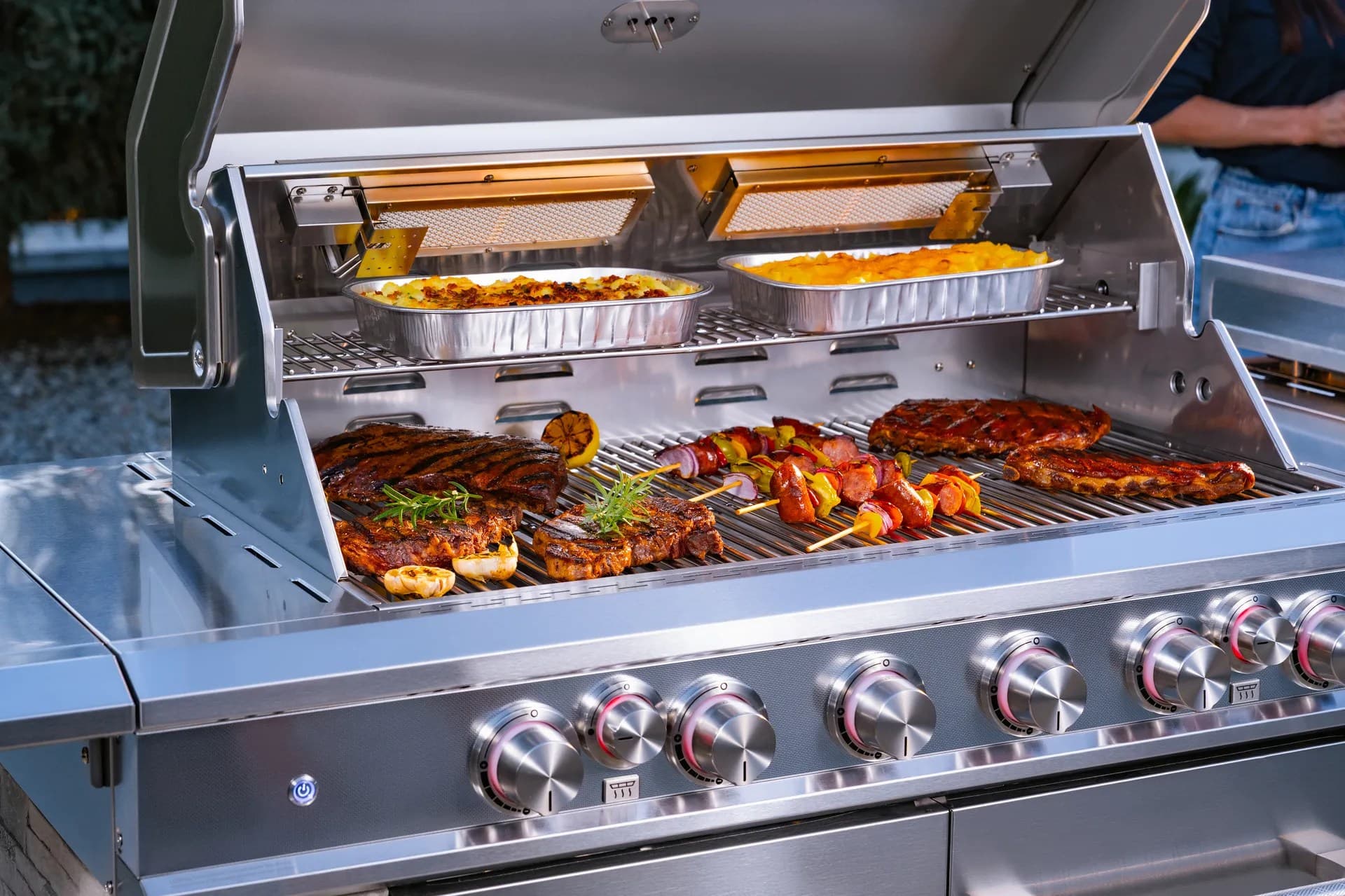
Explore the durability, features, and maintenance of heavy-duty charcoal grills.
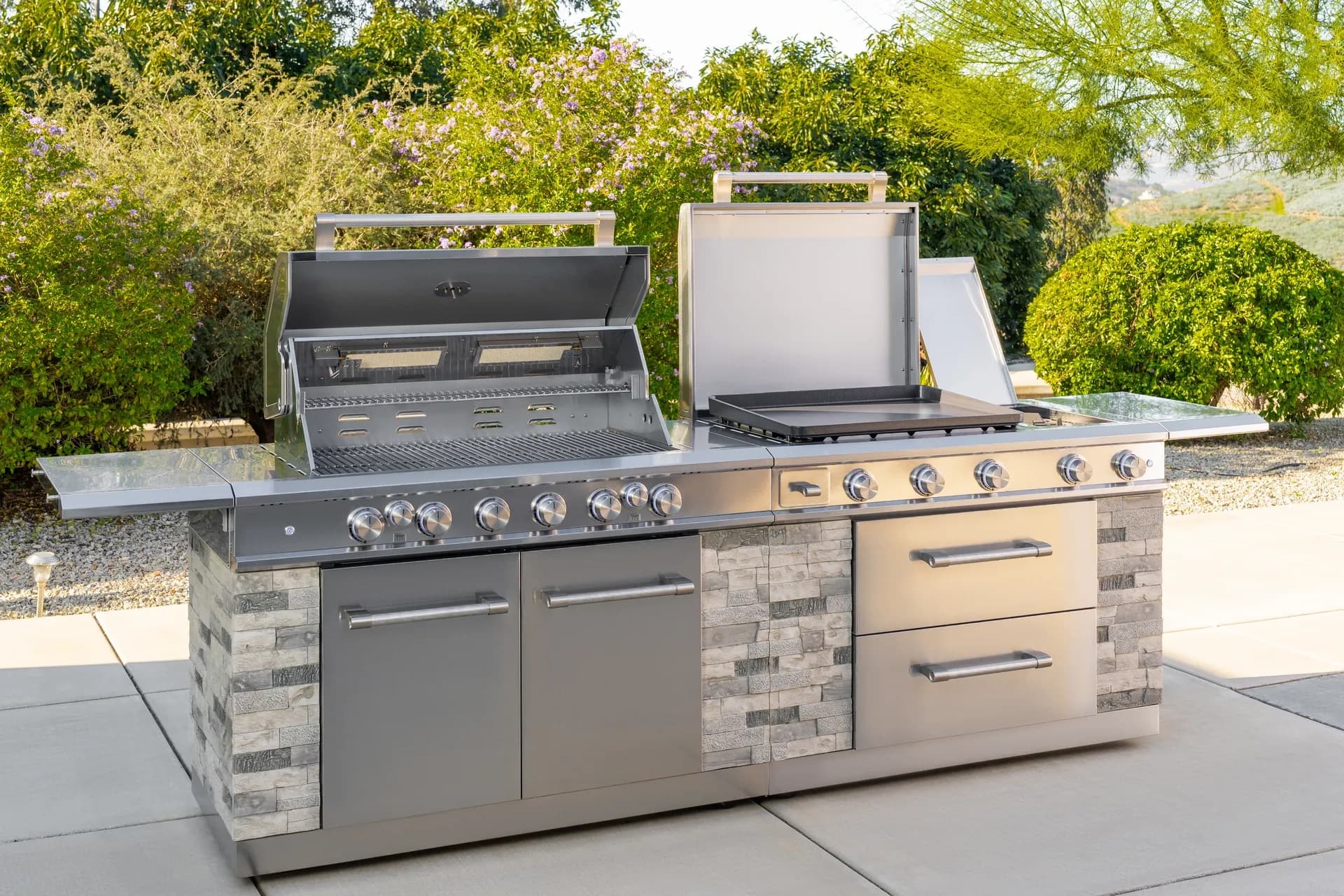
From sizzling breakfasts to smash burgers and teppanyaki-style dinners, the Daytona Pro 5 Burner NitroGuard™ Griddle delivers powerful heat, fast cooking, and a durable cooking surface built for every backyard cookout. Watch how easy outdoor cooking can be.
Here's what sets us apart from the competition
We position ourselves as delivering high-end outdoor cooking features and performance without premium-brand pricing, emphasizing “Quality Grills. Unbelievable Value.”
We offer gas grills, pellet grills, griddles, smokers, pizza ovens, portable/tabletop grills, electric grills, accessories, and replacement parts — allowing customers to stay within one ecosystem for all outdoor cooking needs.
We differentiate ourselves through smart grilling products like the Oakford smart pellet grill, including app-connected cooking controls and modern outdoor cooking technology.
Expert tips, buying guides, comparisons, and inspiration for choosing and getting the most out of your grill.
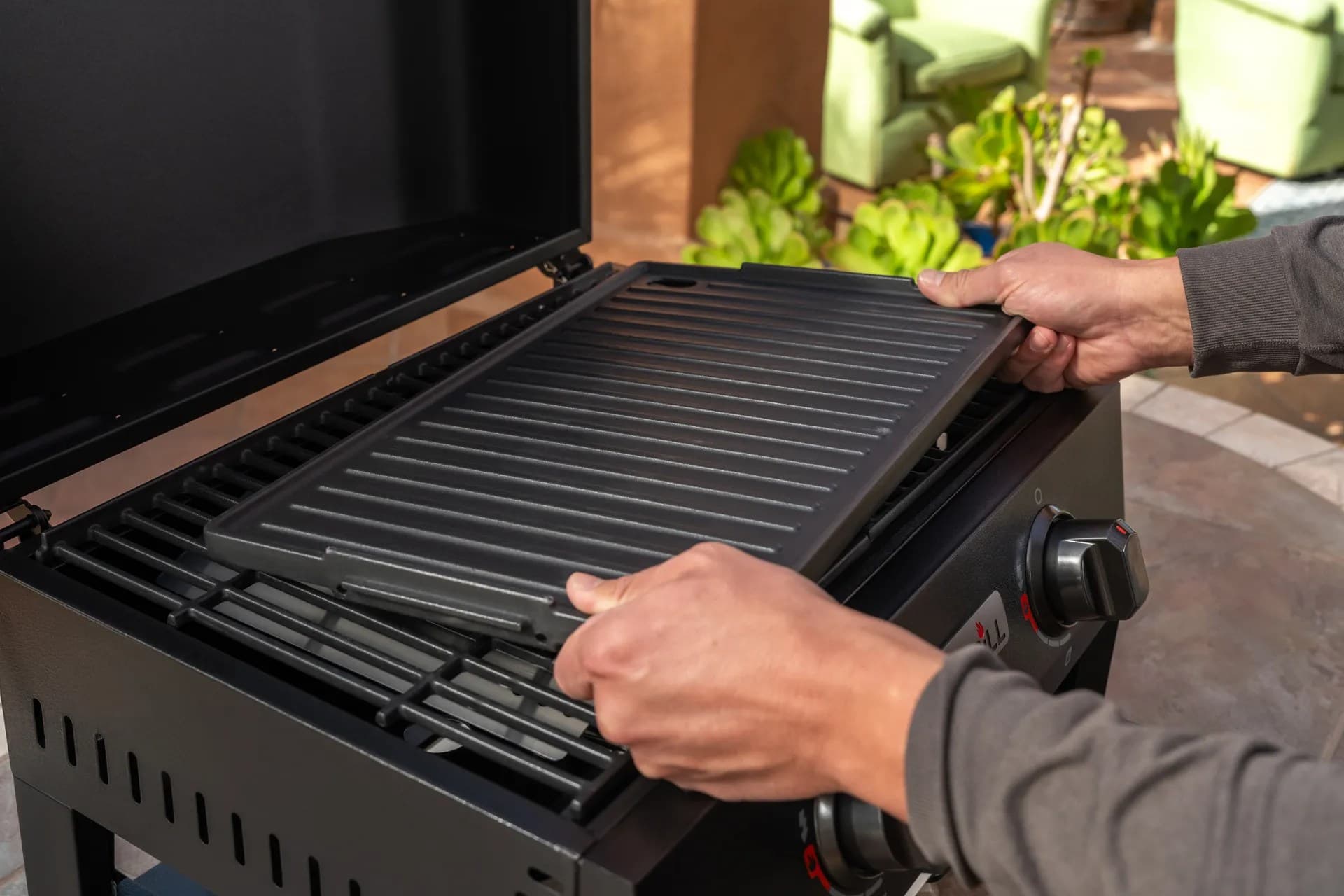
Practical guides for cleaning, maintenance, common grill issues, and performance optimization.
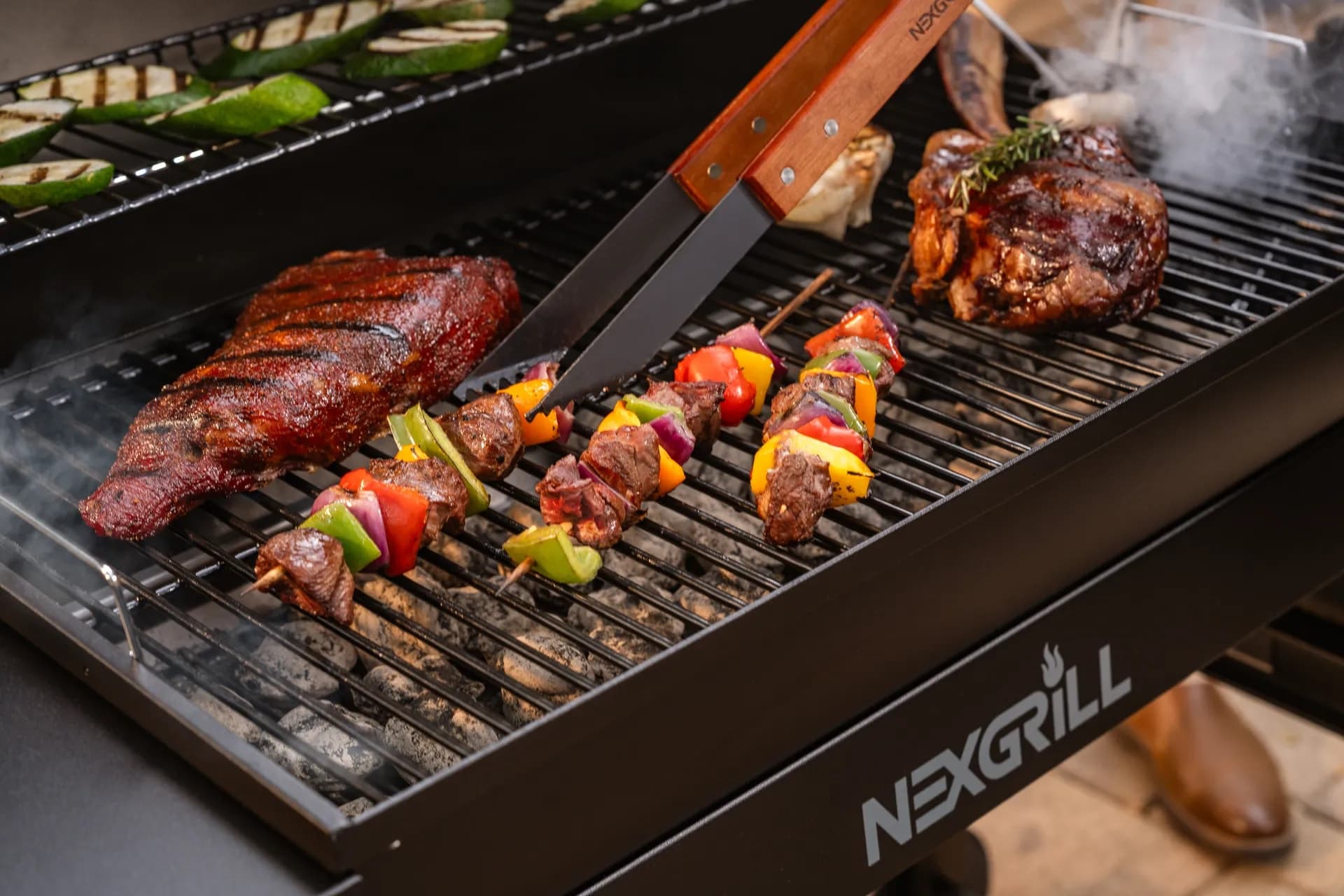
Step-by-step grilling recipes, cooking techniques, and meal ideas for every occasion and skill level.

Backyard entertaining ideas, seasonal grilling inspiration, and stories that celebrate outdoor cooking culture.
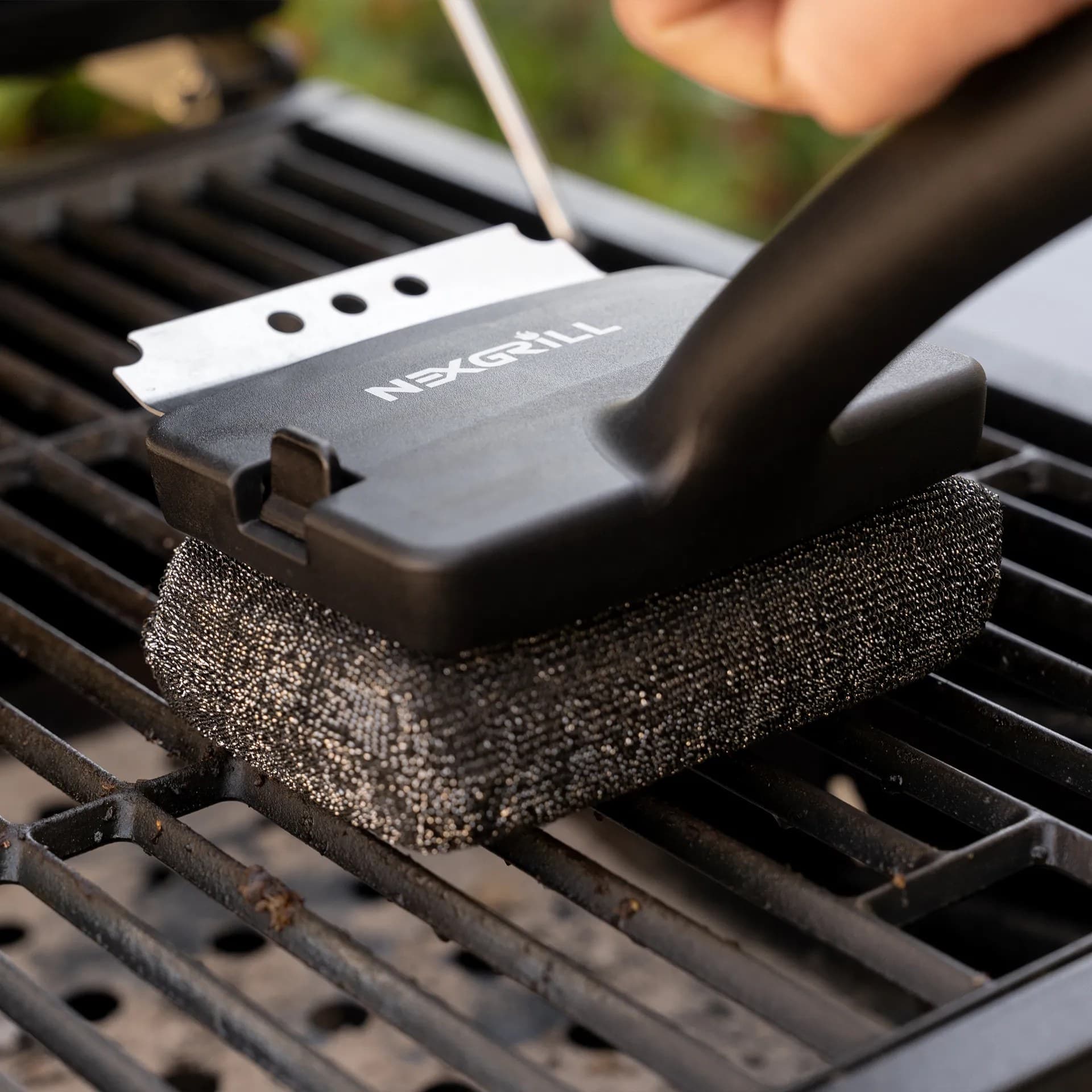
Helpful articles covering grilling tools, cookware, maintenance gear, and must-have accessories for outdoor cooking.
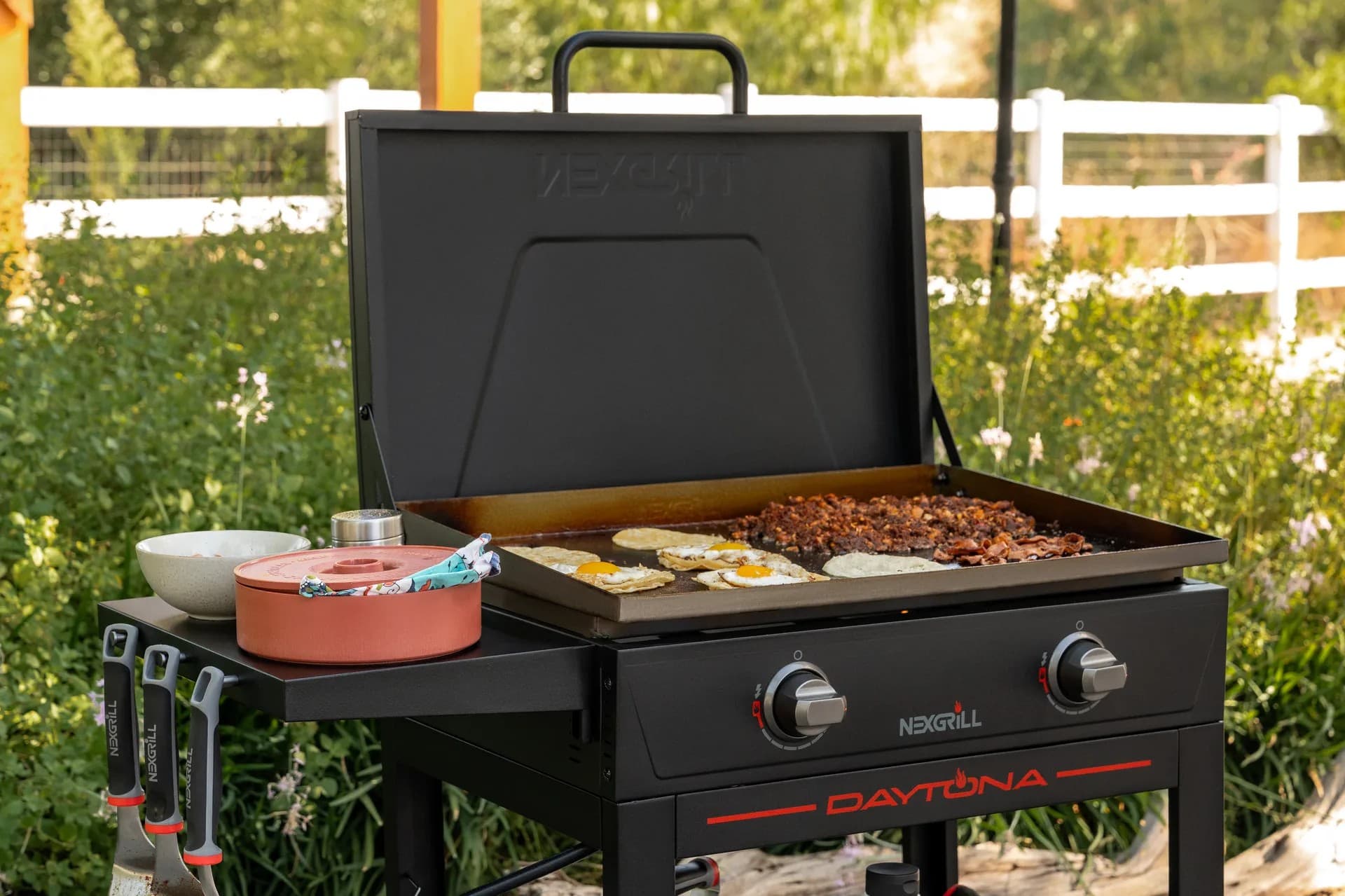
Find griddle recipes, cooking techniques, cleaning tips, and outdoor meal ideas designed for Nexgrill griddles.
Find answers to common questions
Gas grills provide instant heat and precise temperature control, making them easier to use. Charcoal grills offer a smoky flavor and high heat for searing but require more time to heat up and manage.
Pellet grills combine the convenience of gas with the flavor of wood, allowing for smoking, baking, and grilling. Traditional gas grills, however, are quicker to start and often easier to clean.
Charcoal grills typically reach higher temperatures quicker than gas grills, making them better for searing meat. However, high-quality gas grills can also provide adequate heat for effective searing.
Nexgrill offers models designed specifically for gas, charcoal, and pellets, allowing users to choose based on their cooking style and flavor preferences. Each type is built to optimize the characteristics of its respective fuel.
Choosing between gas and charcoal grills depends on your cooking preferences and lifestyle. If you value convenience and quick cooking, a gas grill may suit you better; if you prefer the taste and experience of traditional grilling, a charcoal grill would be ideal.
In This Article
Exceptional Durability
Versatile Cooking Options
Maintenance for Longevity
A heavy-duty charcoal grill is built for cooks who want more than a lightweight backyard appliance. It is the kind of grill you can use for frequent weekend cooks, neighborhood gatherings, long smoking sessions, and high-heat searing without feeling like the frame or firebox is the weak point in the setup. In practical terms, heavy-duty usually means thicker steel, a more rigid body, better heat retention, stronger grates, and a layout that can handle repeated exposure to ash, grease, weather, and transport. For many shoppers, the appeal is simple: buy once, cook often, and avoid replacing a flimsy grill after a couple of seasons.
That durability matters because charcoal grilling puts real stress on the cooker. Charcoal creates intense radiant heat, ash collects fast, and the grill body cycles between hot and cold every time you cook. If the metal is thin or the joints are poorly designed, you usually feel it in the form of warped lids, uneven temperatures, weak airflow control, or a cook chamber that rusts through sooner than expected. Nexgrill’s brand approach emphasizes dependable outdoor cooking for real gatherings, with a focus on quality, accessibility, and the shared experience around the fire .
This guide is focused on the buying and ownership questions that actually matter when comparing heavy-duty charcoal grills: what makes one more rugged than another, which material choices are worth paying for, how cooking space changes the way a grill performs, and how to keep a charcoal grill working well for years. Instead of treating charcoal grills as a one-size-fits-all category, it is more useful to think about how often you cook, how many people you usually feed, and whether you need a grill that stays put on a patio or one that can travel to the cabin or campsite.
Heavy-duty charcoal grills are less about flashy extras and more about how well the cooker holds up after repeated high-heat use, cleanup, and storage.
Core traits that usually define a true heavy-duty charcoal grill: thicker materials, stronger airflow control, and a sturdier cooking platform.
The phrase heavy-duty gets used a lot, but in charcoal grilling it should mean something specific. A heavy-duty model is typically built with a more substantial steel body, reinforced legs or cart frame, better lid fit, and cooking grates that resist sagging or warping under heat. It also tends to have better heat retention, which matters because charcoal performance depends on how efficiently the grill can trap and direct energy. A thin-walled body may still get hot, but it usually loses temperature faster and responds more dramatically to wind and weather. A heavier build generally gives you steadier performance and more confidence when you are cooking pork shoulder, chicken quarters, vegetables, or steaks over a longer burn.
Material choice is one of the biggest clues. Thick steel and cast-iron components tend to outlast lighter-duty stamped parts, especially when combined with a porcelain enamel coating or another corrosion-resistant finish. Enamel coating helps protect the exterior and firebox from moisture and grease residue, both of which accelerate rust. Stainless steel hardware, ash pans, dampers, and handles can also improve longevity because these are the pieces that get touched, adjusted, and cleaned the most. The real point is not just appearance; it is whether the grill still feels solid after dozens of cooks and repeated exposure to heat.
Another defining feature is structure. A heavy-duty grill should feel planted. That can mean a thicker cart, wider stance, larger wheels, or a more stable base if the grill is stationary. The cooking chamber should not flex when you open the lid, move the grate, or load it with cast iron cookware. Heavy-duty designs also tend to separate airflow and ash management more effectively, because good charcoal control depends on oxygen management. If vents, ash doors, or dampers are flimsy, heat management becomes frustrating quickly.
| Build Element | Why it Matters | What to Look For |
|---|---|---|
| Steel thickness | Improves heat retention and structural rigidity | A body that feels firm, not tinny or flexible |
| Coating | Helps resist rust and weather damage | Porcelain enamel or other protective finish |
| Grates | Affects searing, durability, and cleanup | Cast iron or heavy stainless steel |
| Frame and legs | Supports safety and portability | Welded or reinforced construction |
Weight alone does not guarantee quality, but it often signals that the grill uses more material in the right places. That said, a good heavy-duty grill balances mass with usability. A model that is too bulky for your patio, deck, or vehicle may be durable on paper but inconvenient in practice. The best heavy-duty charcoal grills are robust without becoming impossible to move, clean, or store.
If a charcoal grill is described as heavy-duty but feels unstable when you open the lid or roll it across a flat surface, that is a warning sign worth taking seriously.
Heavy-duty charcoal grills come in a few distinct formats, and each suits a different type of griller. Stationary kettle-style grills are often the most familiar. Their round body, tight lid fit, and enclosed fire chamber make them efficient for direct grilling and versatile enough for indirect cooking when the charcoal arrangement is managed correctly. A heavy-duty version of this style usually improves on the classic shape with thicker metal, stronger hinges, and a more stable cart or base. For families that grill often but still want a manageable footprint, this is usually the easiest format to live with.
Then there are barrel-style or offset-style charcoal grills, which usually provide more cooking room and sometimes better separation between fire and food. A heavy-duty barrel-style unit can work very well for people who cook for groups, smoke larger cuts, or like arranging different heat zones across the grate. The trade-off is size and weight. These grills are more specialized, and while they can be excellent for larger gatherings, they are less convenient to move and may require more storage space.
Portable heavy-duty charcoal grills are a different category altogether. These are not the flimsy travel grills meant for a single season. Instead, they are compact builds with stronger latches, sturdier legs, and better materials than the average tailgate model. They matter for apartment patios, camping trips, cabin weekends, or anyone who wants charcoal flavor without a permanent backyard footprint. The best portable option should still hold heat well enough to sear burgers or cook chicken evenly, even though it will naturally offer less cooking surface than a stationary unit.
Stationary heavy-duty grills are best for people who grill year-round and want a dependable outdoor station. They usually provide more storage, a larger ash system, and better mobility within the yard thanks to wider wheels. Portable options are best when flexibility matters more than volume. Barrel or offset styles suit cooks who want more capacity and are willing to manage a larger footprint. The right choice depends less on the label and more on how you actually cook.
| Type | Best For | Main Trade-Off |
|---|---|---|
| Stationary kettle-style | Everyday backyard grilling and mixed-family meals | Less cooking area than larger barrel designs |
| Barrel or offset-style | Larger gatherings and long cook sessions | More space and weight to manage |
| Portable heavy-duty | Travel, camping, and smaller patios | Lower capacity than full-size models |
When comparing heavy-duty charcoal grills, the most useful features are the ones that directly affect heat, convenience, and long-term value. Cooking space should be high on the list. A larger grate lets you separate direct-heat items like steaks from slower-cooking foods like chicken thighs or vegetables. It also helps when one guest arrives with unexpected appetite or when you want to keep food warm while another batch finishes. If you regularly cook for six or more people, extra surface area is not just nice to have; it changes how efficiently the whole cook goes.
Airflow control is another major factor, even though this article is focused on durability. Heavy-duty does not only describe metal thickness; it also means the grill can be controlled precisely enough to make that build quality useful. Adjustable dampers, a snug lid, and a well-designed charcoal bed help create repeatable results. You should be able to move from high-heat searing to controlled roasting without feeling like the grill is fighting you. Ash management matters too. A removable ash pan or easy-empty system makes cleanup faster and reduces the buildup that can choke airflow during the next cook.
Mobility should be evaluated carefully. Heavy-duty grills are often, by definition, heavier, so quality wheels, locking casters, or a stable cart can make a major difference. If the grill is too difficult to reposition, you may avoid using it as often. On the other hand, a stable frame that rolls well is preferable to a light frame that feels unstable. Also consider surface materials on the grates and lid handles. A heavy-duty grill should not become inconvenient to touch or clean just because the body is tough; practical usability matters if you cook several times per month.
One useful way to judge value is to think in terms of the entire cooking system rather than a single feature. A grill with thick walls but poor ash flow can still be annoying. A model with decent cooking space but weak grate material may show wear quickly. The best heavy-duty charcoal grill is the one that integrates strength, heat management, and day-to-day convenience into one dependable package.
Look for the combination of strong construction and easy serviceability. Durability is most useful when cleanup, ash removal, and temperature control stay simple enough that you use the grill often.
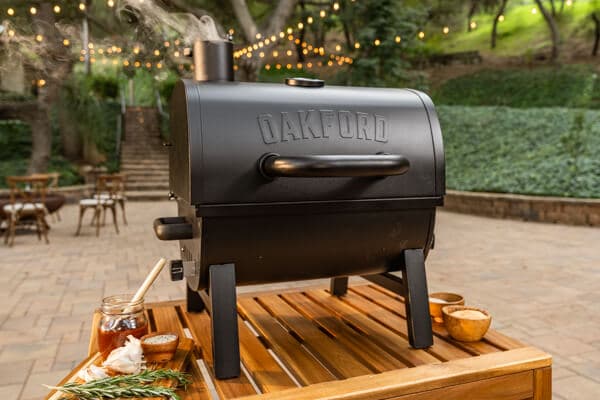
A practical comparison of top heavy-duty charcoal grills should go beyond brand names and focus on how the grill will be used. Nexgrill’s Oakford Homestead 24 Heavy Duty Charcoal Grill in Black is a relevant example because it is positioned as a robust charcoal cooker with a straightforward, durable design that fits the needs of backyard cooks who want a dependable build for regular use. For shoppers looking for a durable charcoal option with a recognizable outdoor-cooking style, it gives a clear reference point for what a heavy-duty grill should feel like in the hand and in the yard.
Another worthwhile comparison is between compact heavy-duty builds and larger family-oriented units. The compact option may use similar materials but in a smaller footprint, which makes it easier to transport and store. The larger model, by contrast, often provides more cooking room and more stability, but it demands more space and may be harder to move alone. If you host often, a larger grate and more mass can pay off because you are less likely to lose heat when the lid is opened repeatedly. If you cook mainly for two to four people, a smaller but still rugged grill may be the smarter buy because you will actually use it more often.
Here is the key comparison buyers should make: how often will you use it, how many people do you cook for, and how much room do you have for a stable charcoal setup? Heavy-duty is most valuable when it matches the use case. A restaurant-style build in a tiny patio is not a win if it takes over your space. Likewise, a small portable model is not ideal if your typical cook is a full rack of ribs, chicken halves, and sides for a family reunion. The best models solve the actual scale of the cook, not just the search keyword.
For buyers comparing options, the right question is not simply which grill is strongest, but which one stays strong while also fitting your routine. Try comparing two products side by side below to see which fits best:
Once you've compared two options side by side, the next question is how to keep a heavy-duty charcoal grill performing like one. Durability only pays off if the grill is cared for consistently, especially because charcoal residue, moisture, and grease can wear down even a strong body over time. The most effective maintenance routine is simple enough to repeat after every cook: remove ash while the grill is fully cool, scrape the grates while they are still warm, and inspect the body for spots where grease and moisture collect. These small habits matter more than occasional deep cleaning because they prevent buildup from becoming corrosive or blocking airflow.
Ash management deserves extra attention. Ash that sits inside the grill can trap moisture and accelerate corrosion, especially if the grill is stored outdoors. Even a heavy-duty body can degrade faster when ash is left in contact with the bottom of the firebox. For that reason, empty the ash pan or ash catcher regularly, and if your grill does not have a removable system, sweep the chamber out after it cools. The goal is not sterile perfection; it is to keep residue from sitting long enough to cause trouble. Grease channels and drip zones should also be cleaned before they harden, because hardened grease can become difficult to remove and may create lingering smoke or odor on later cooks.
Storage is the other half of longevity. A weather-resistant cover is useful, but only if the grill is dry before you put it on. Covering a damp grill can trap moisture and encourage rust on seams, lids, and fasteners. If possible, store the grill under shelter or at least in a location where rain does not pool around the base. Check wheels and joints seasonally, since a heavy grill often depends on those parts to stay usable. Tighten hardware if you notice wobble, and replace any worn gaskets, grates, or hardware before they create larger problems. Heavy-duty construction does not eliminate wear; it just gives you a stronger starting point.
A simple maintenance cadence can keep things manageable. After each cook, clean the grates and remove ash. Every few uses, inspect vents, lid fit, wheels, and any enamel-coated surfaces for chips. At the start and end of the grilling season, perform a more detailed check of all metal components, especially if the grill lives outdoors year-round. This is where buyers see the payoff from choosing a better-built model in the first place, because stronger materials are generally more forgiving when they are maintained consistently.
| Maintenance Task | When to Do It | Why It Helps |
|---|---|---|
| Empty ash | After every few cooks, once cool | Prevents moisture buildup and airflow blockage |
| Scrape grates | After each cook while warm | Reduces residue and protects flavor |
| Inspect hardware | Monthly or seasonally | Helps catch wobble, rust, or loose fasteners early |
| Use cover correctly | When grill is dry and stored outside | Protects against weather exposure |
Do not trap moisture under a cover. Dry the grill first, or you can undo much of the protection that a heavy-duty finish is supposed to provide.
User feedback often reveals what a heavy-duty charcoal grill is like after the novelty wears off. In reviews, buyers usually talk less about the label and more about the feeling of confidence the grill gives them. A common theme is stability: people appreciate a grill that stays planted when the lid opens, the grate is loaded, or the breeze picks up. Another recurring point is temperature consistency. When users say a grill “holds heat well,” what they are usually describing is a heavier body, a better lid seal, and a more efficient charcoal chamber that does not lose performance every time the lid is lifted.
It is also common for reviewers to mention cleanup. Heavy-duty grills still create ash, but a well-designed ash system makes the process less frustrating. If users note that the grill is easier to empty, easier to wipe down, or less prone to rusting at the seams, those are all strong signs that the build quality is doing its job. On the other hand, recurring complaints about peeling coating, warped lids, or unstable carts usually indicate that the grill may look durable but does not actually handle repeated use very well.
Testimonials from regular charcoal cooks tend to value longevity over novelty. The most satisfied owners are often those who expected a serious workhorse, not a showpiece. They want a grill that can live outside, take a beating, and still turn out reliable burgers, ribs, vegetables, or chicken for years. That feedback aligns well with the broader Nexgrill brand perspective of dependable, welcoming outdoor cooking that brings people together around a practical, usable fire source .
A heavy-duty charcoal grill is usually stronger in its core structure, better at holding heat, and more resilient in outdoor conditions than a standard lightweight model. The difference is not just in size or appearance; it is in how the grill behaves after repeated use, cleanup, and storage.
For most buyers, cast iron grates, thick steel bodies, and enamel-coated surfaces are among the most durable choices because they balance searing performance with rust resistance. Stainless steel parts are also helpful, especially for hardware and high-touch components.
To extend the life of the grill, clean ash regularly, brush grates after cooking, keep the grill dry before covering it, and inspect hardware for wear or rust. Consistency matters more than occasional deep cleaning.
Cooking space affects both comfort and performance. Larger grates are useful when you need multiple heat zones or are feeding a crowd, while smaller heavy-duty grills are often better for compact patios, tailgates, and smaller households.
If you are comparing brands, focus on build quality, warranty details, cooking area, and how the grill is designed to handle ash and airflow. Those factors usually tell you more about long-term value than marketing language alone.
A heavy-duty charcoal grill earns its keep through sturdier materials, smarter structure, and the ability to handle repeated high-heat use without falling apart. The best choices are not merely heavier; they are better balanced, easier to maintain, and better suited to the way you cook. Whether you need a stationary backyard cooker, a portable travel-ready model, or a larger grill for frequent entertaining, the right heavy-duty build should give you confidence every time you light the charcoal.
If you are deciding between models, use the same filter every time: how it is built, how much space it offers, how easy it is to clean, and how well it fits your routine. That approach makes it easier to separate a truly rugged grill from one that simply looks substantial at first glance. For many home cooks, that is the difference between a grill that lasts one season and a grill that becomes part of the family cookout for years.
Here's what sets us apart
We position ourselves as delivering high-end outdoor cooking features and performance without premium-brand pricing, emphasizing “Quality Grills. Unbelievable Value.”
We offer gas grills, pellet grills, griddles, smokers, pizza ovens, portable/tabletop grills, electric grills, accessories, and replacement parts — allowing customers to stay within one ecosystem for all outdoor cooking needs.
We differentiate ourselves through smart grilling products like the Oakford smart pellet grill, including app-connected cooking controls and modern outdoor cooking technology.
Don't just take our word for it
Keep reading
From our catalog