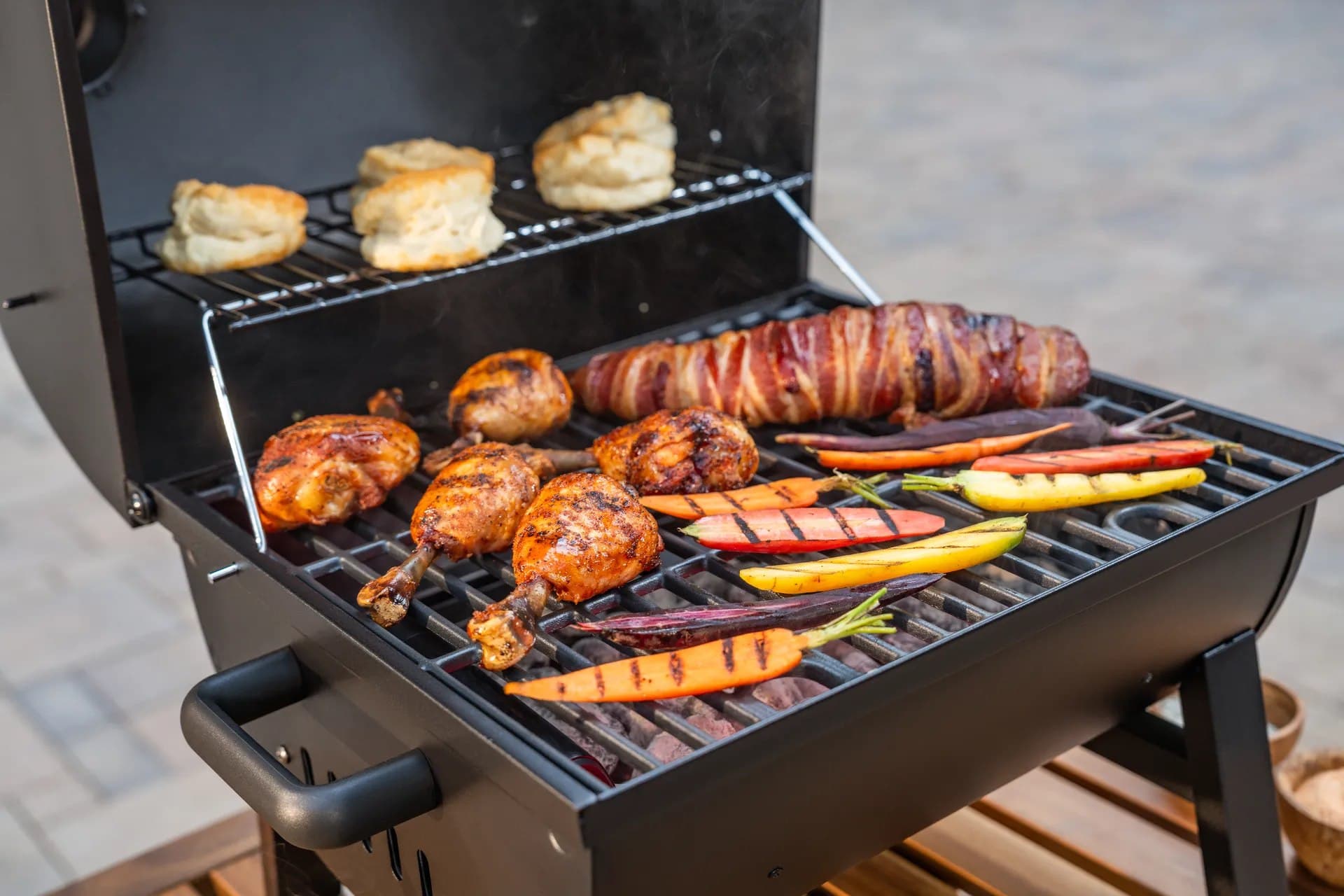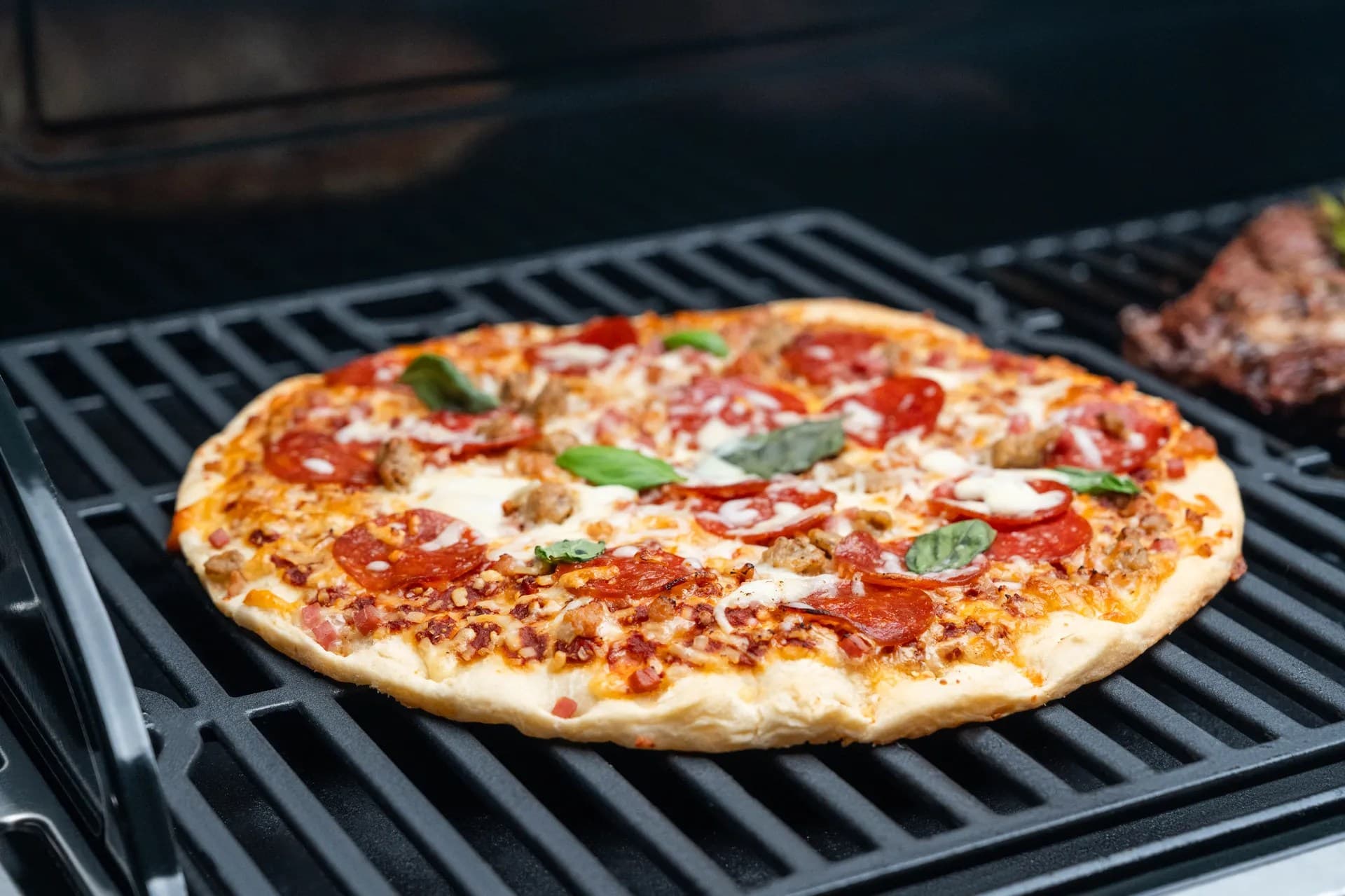
Explore a variety of healthy grilling recipes that combine flavor and nutrition for your next outdoor cookout.
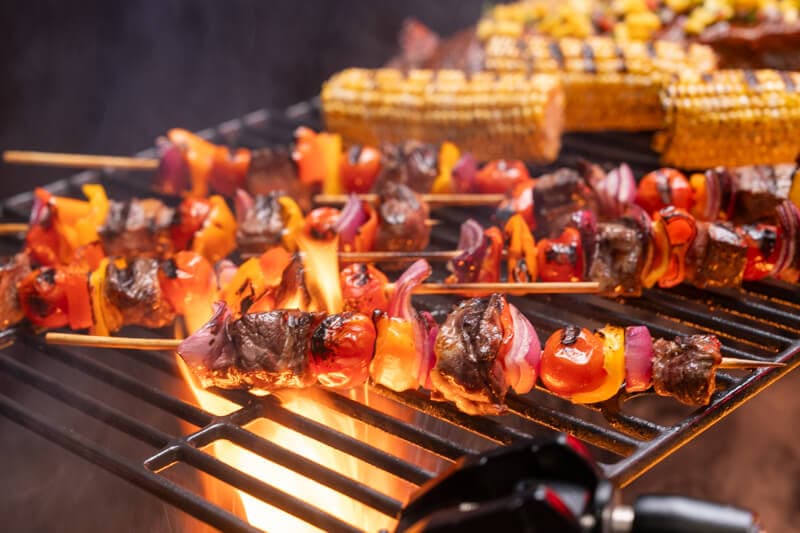
Here's what sets us apart from the competition
We position ourselves as delivering high-end outdoor cooking features and performance without premium-brand pricing, emphasizing “Quality Grills. Unbelievable Value.”
We offer gas grills, pellet grills, griddles, smokers, pizza ovens, portable/tabletop grills, electric grills, accessories, and replacement parts — allowing customers to stay within one ecosystem for all outdoor cooking needs.
We differentiate ourselves through smart grilling products like the Oakford smart pellet grill, including app-connected cooking controls and modern outdoor cooking technology.
Expert tips, buying guides, comparisons, and inspiration for choosing and getting the most out of your grill.
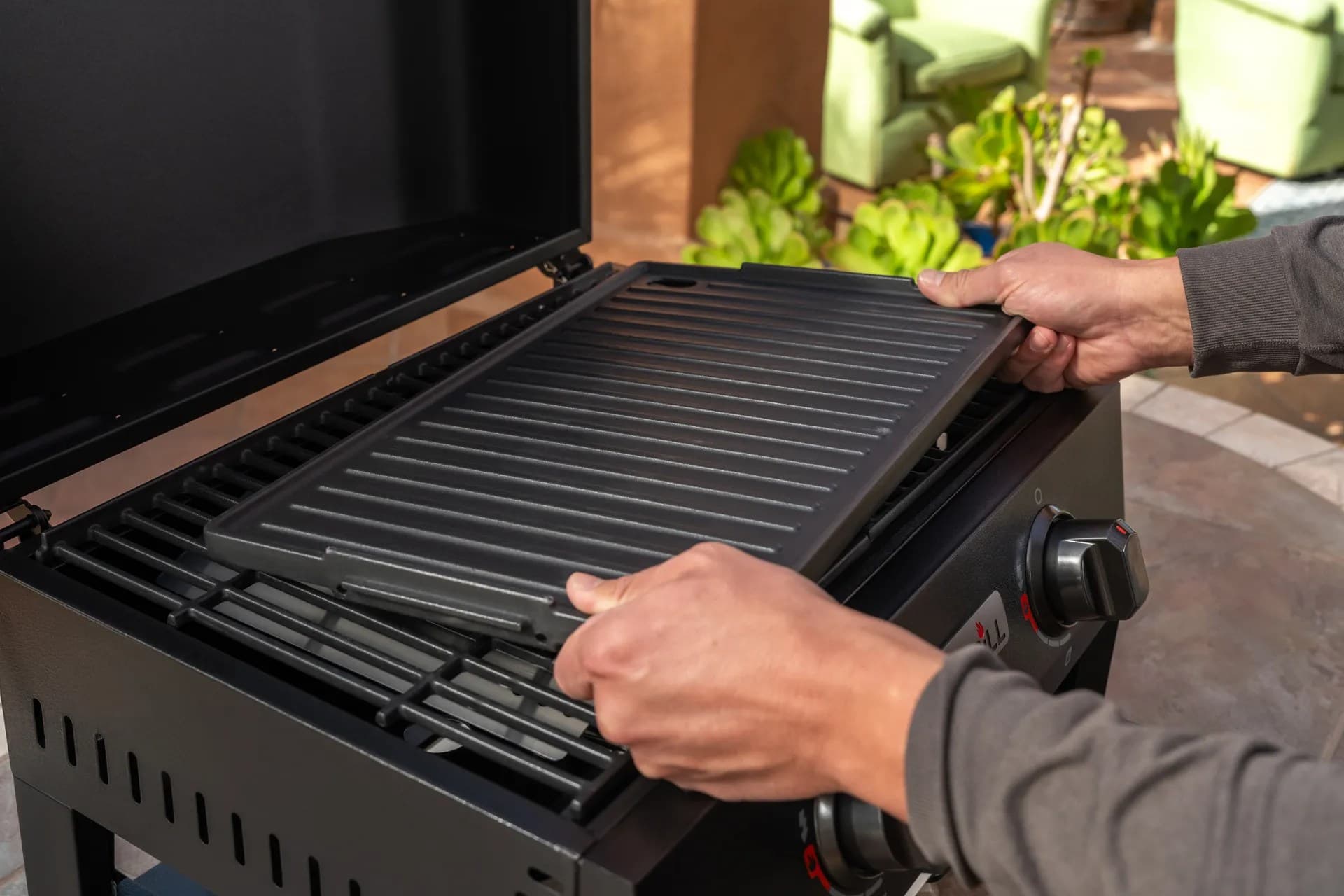
Practical guides for cleaning, maintenance, common grill issues, and performance optimization.
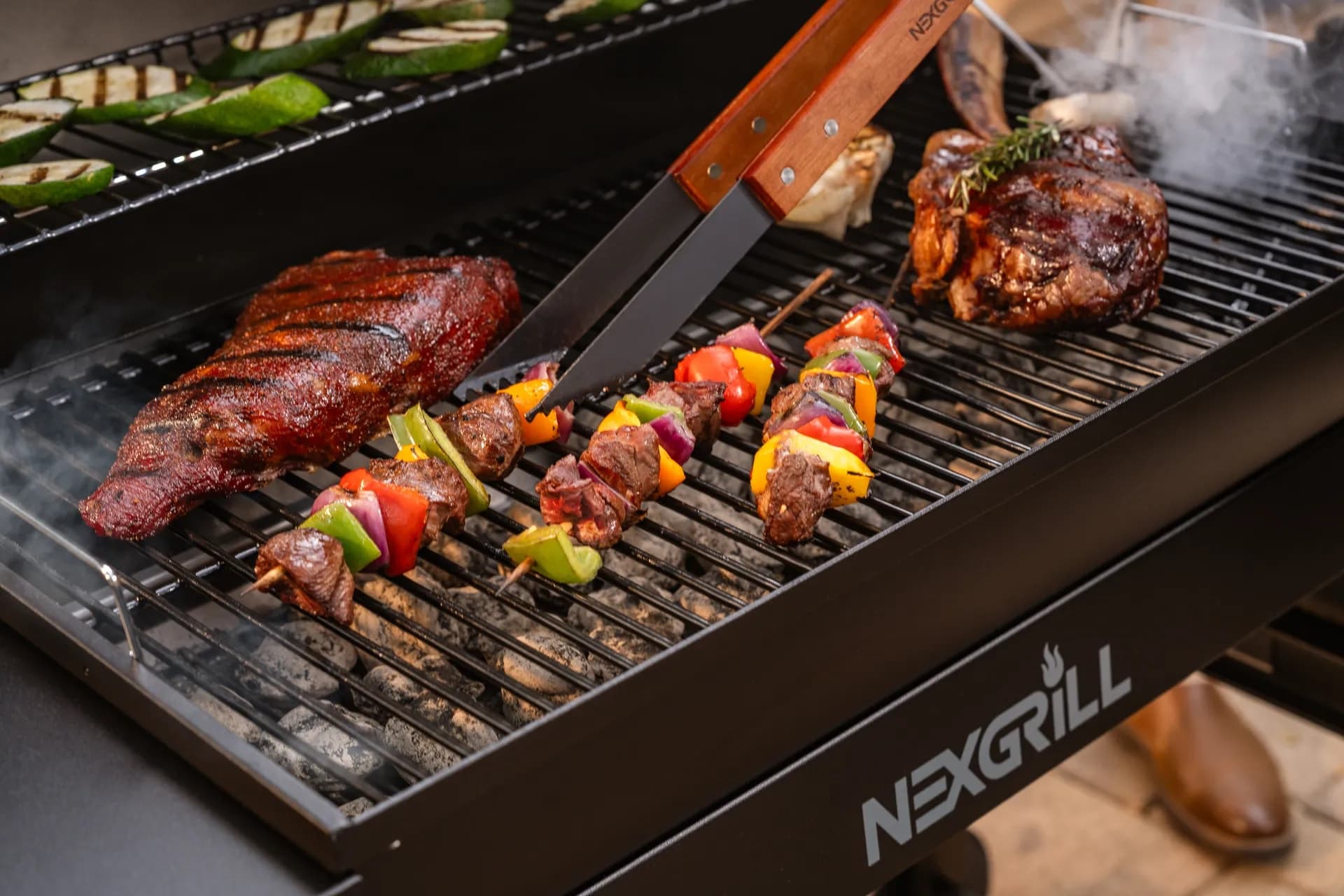
Step-by-step grilling recipes, cooking techniques, and meal ideas for every occasion and skill level.
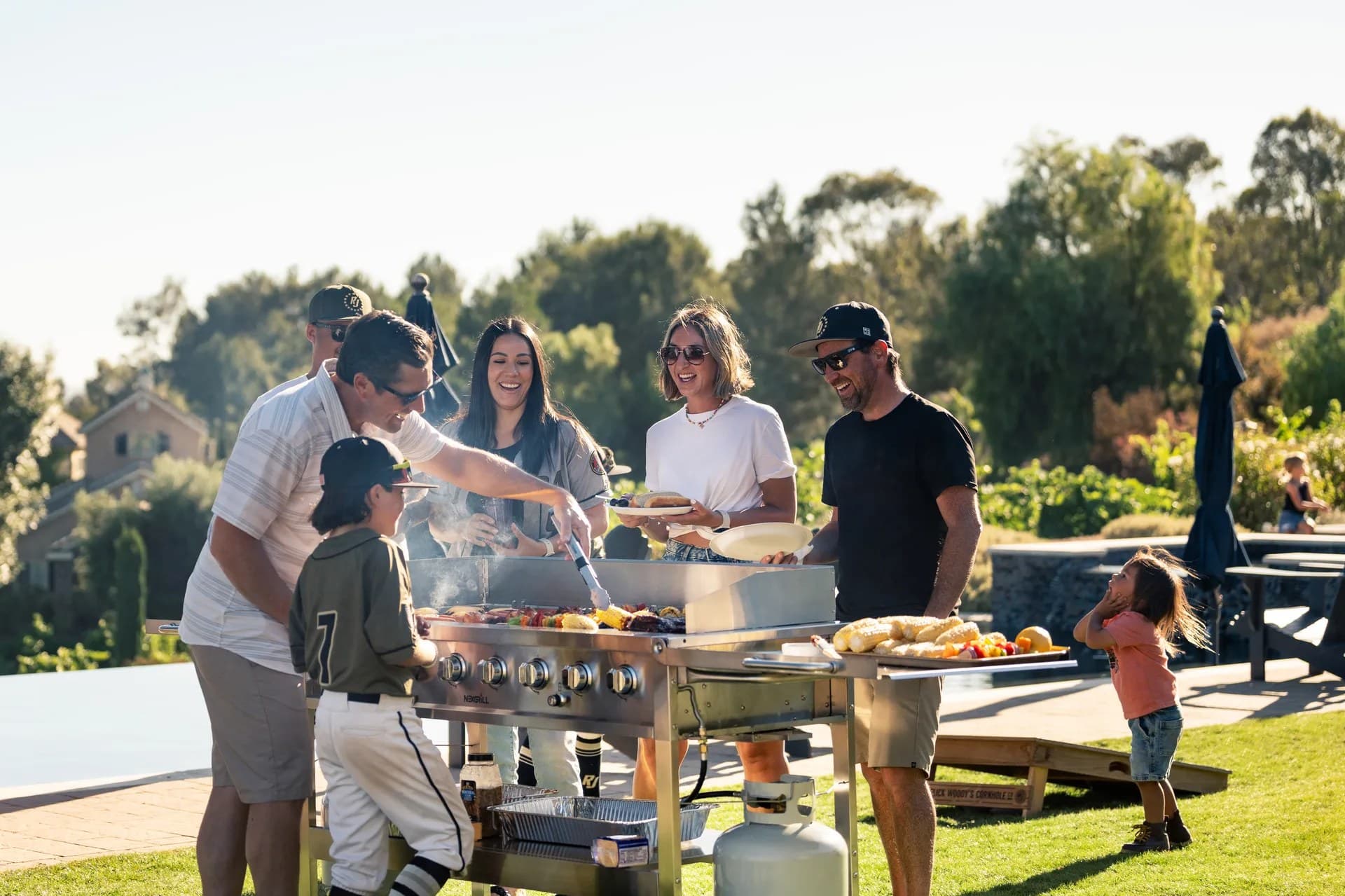
Backyard entertaining ideas, seasonal grilling inspiration, and stories that celebrate outdoor cooking culture.
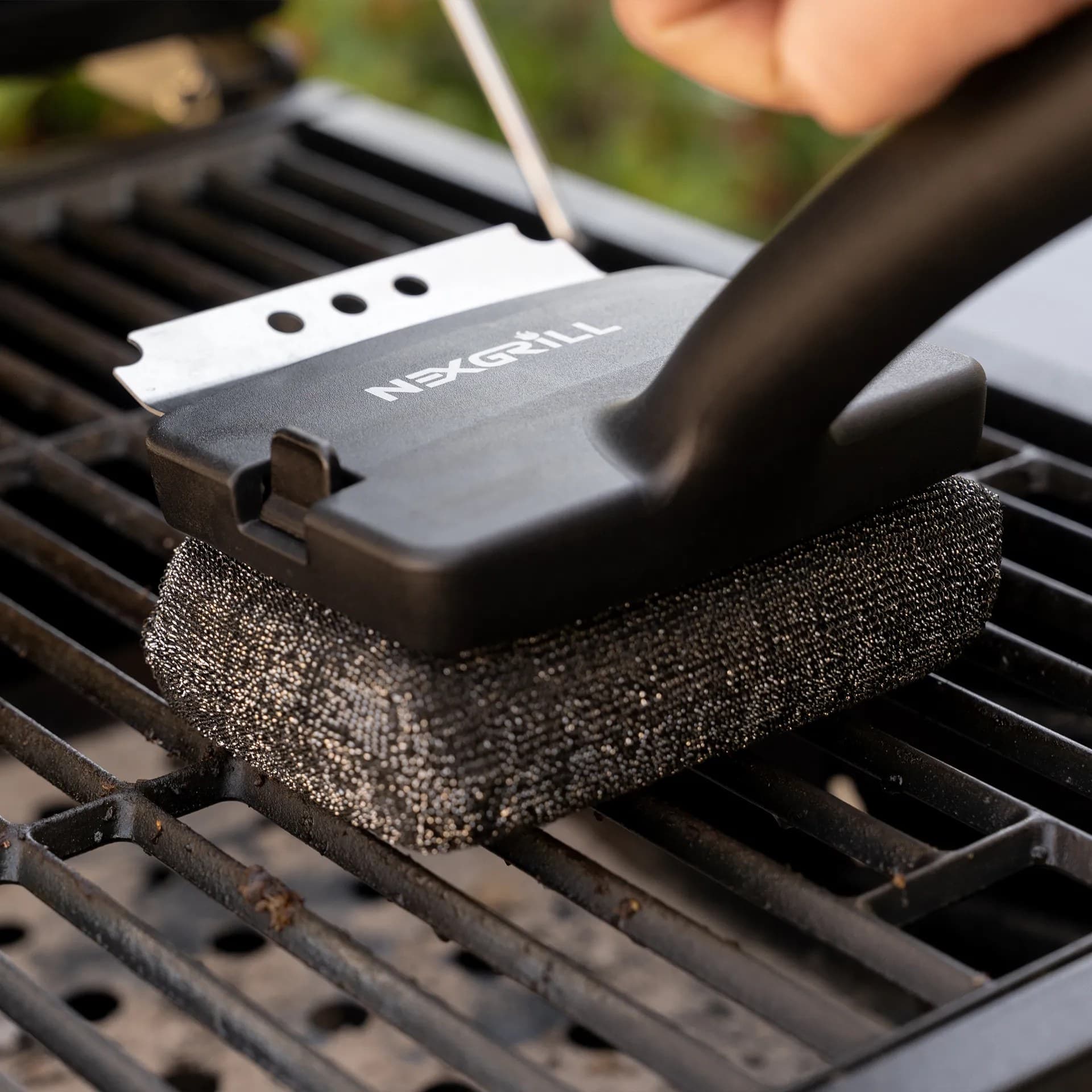
Helpful articles covering grilling tools, cookware, maintenance gear, and must-have accessories for outdoor cooking.
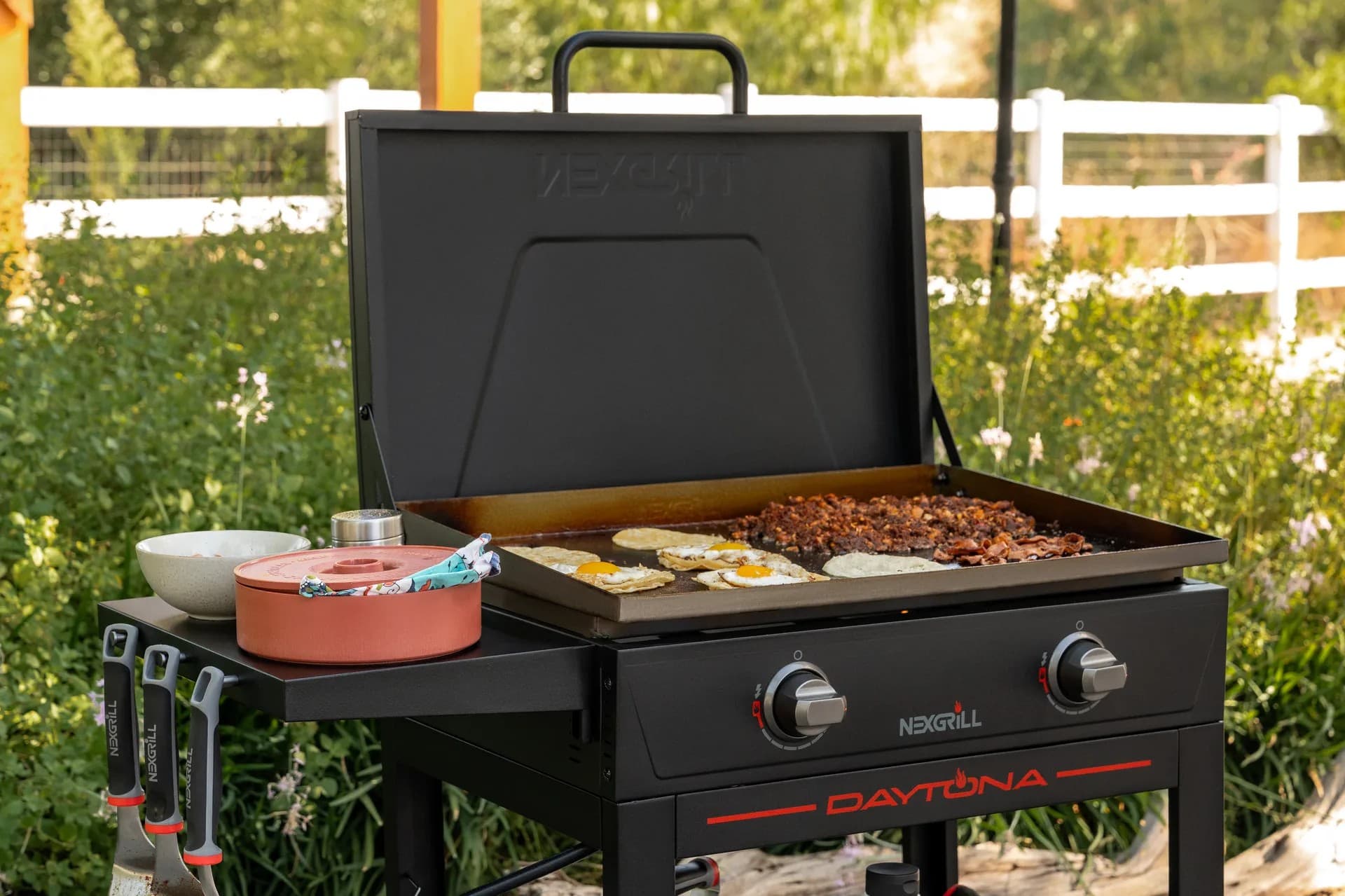
Find griddle recipes, cooking techniques, cleaning tips, and outdoor meal ideas designed for Nexgrill griddles.
Find answers to common questions
Nexgrill equipment is suitable for a variety of recipes including meats, vegetables, and even pizzas. Popular options include marinated steaks, grilled vegetables, and shrimp skewers.
To enhance the flavor of grilled vegetables, consider marinating them in olive oil, herbs, and spices before grilling. Alternatively, you can season them with salt and pepper during grilling for a more straightforward approach.
To achieve perfect grill marks, preheat your grill to a high temperature and ensure that the food is dry before placing it on the grill. Avoid moving the food too early, as it needs to sear properly to form those classic grill marks.
Using a meat thermometer is the most accurate way to ensure your grilled meat is at the desired temperature. For instance, chicken should reach an internal temperature of 165°F while medium-rare beef is typically at 135°F.
To clean your Nexgrill after cooking, allow it to cool and then use a grill brush to remove any residue from the grates. You can also wipe down the exterior with a damp cloth and mild soap to keep it looking its best.
In This Article
Grilled Salmon with Avocado Salsa
Vegetable Skewers with Herb Marinade
Quinoa-Stuffed Bell Peppers
Healthy grilling recipes work best when the goal is not to make food feel lighter by subtraction alone, but to build a meal that is naturally satisfying, colorful, and balanced from the start. Grilling is especially well suited to that approach because it encourages simple preparation, fast cooking, and ingredients that need only a little oil, acid, herbs, and seasoning to taste complete. When you choose foods that are already nutrient-dense, the grill adds flavor without demanding heavy sauces, long simmering, or extra fat. That combination is why healthy outdoor cooking can feel both practical and genuinely rewarding for weeknight dinners, family cookouts, or a weekend meal shared with friends.
The most useful way to think about healthy grilling is as a method, not a restriction. A well-planned grill menu can include lean protein, vegetables, whole grains, and plant-based dishes on the same table, letting everyone build a plate that suits their appetite. That flexibility matters because many outdoor meals drift toward a narrow pattern of richer meats and heavier sides. A more thoughtful plan shifts the balance so the grilled item is only one part of the meal. You still get char, smoke, and a satisfying sear, but the supporting ingredients bring fiber, color, vitamins, and texture. That is the real advantage of healthy grilling recipes: they help you keep the enjoyment of barbecue while making the overall plate more nourishing.
Can combine lean protein, vegetables, and whole grains without feeling heavy.
A second reason this style of cooking deserves attention is that it is adaptable across dietary preferences. One person may want salmon, another may prefer vegetable skewers, and a third may be looking for a plant-forward plate with quinoa or beans. Healthy grilling recipes can cover all of those needs without forcing a separate menu for each guest. That makes the grill a natural centerpiece for mixed households and gatherings where not everyone eats the same way. If you are hosting in the United States during a summer holiday weekend or an ordinary Tuesday evening, the same principles apply: choose ingredients that cook quickly, season them clearly, and let the grill do the work.
At Nexgrill, the recipe-focused approach to outdoor cooking fits this kind of meal planning well. The brand’s food photography guidance emphasizes bright, realistic, inviting meals with a story behind them, rather than generic grilled staples, which is a strong cue for healthier cooking that still feels celebratory . That mindset is helpful here because healthy grilling should look like food people actually want to eat, not a compromise plate.
Grilling can support healthier eating in several practical ways. First, it often requires less added fat than pan-frying or deep-frying because food cooks on a grate rather than sitting in oil. That does not automatically make every grilled dish healthy, but it gives you an easier starting point. When you pair that method with lean cuts, skinless poultry, fish, and vegetables, you can create meals that feel satisfying without being overly rich. Second, grilling tends to preserve the natural character of ingredients. A zucchini slice still tastes like zucchini, a salmon fillet still tastes clean and rich, and bell peppers keep their sweetness while picking up smoke and char. That directness makes healthy eating easier to enjoy consistently.
Another benefit is portion control through composition rather than deprivation. A grill meal built around vegetables and lean protein often leaves people satisfied sooner because it includes water-rich produce, protein, and aromatic seasoning. You do not need giant portions of meat to make the meal feel complete. Instead, you can spread the appetite across a wider range of ingredients. That is particularly useful for cooks who want to reduce saturated fat or simply feel less sluggish after eating. It also supports better menu variety because you can use different produce and herbs depending on what is fresh and affordable in your area.
Tip: build the plate around color first. If you have two vegetables, one lean protein, and one whole grain, you are already much closer to a balanced grill menu than if the plate is centered on meat alone.
From a cooking perspective, grilling can also help reduce the need for creamy sauces and heavy finishing fats because browning creates flavor on its own. That browning is where many healthy grilling recipes shine: the food tastes developed and satisfying even when the ingredient list stays simple. In practice, this means a marinade of olive oil, lemon, garlic, and herbs can carry an entire dish. For home cooks, that simplicity is an advantage because it shortens prep time and makes healthy meals more repeatable.
There is also a social benefit. A health-conscious grill menu does not isolate one person at the table. Instead, it invites everyone into a more balanced way of eating while still feeling like a proper cookout. That matters for real households where some guests want comfort food and others want lighter options. A grill spread with salmon, chicken, vegetables, and a grain-based side can meet both expectations without looking like separate meals. This kind of shared flexibility reflects the inclusive, community-oriented spirit in Nexgrill’s brand language, which emphasizes that gathering and food should bring people together .
The foundation of healthy grilling recipes starts with ingredient choice. Lean protein should be flavorful enough to stand on its own after grilling, and vegetables should be sturdy enough to handle heat without collapsing. For protein, salmon is one of the most rewarding choices because it cooks quickly, tolerates direct heat well when handled carefully, and pairs with nearly any herb, citrus, or spice profile. Chicken breast, chicken tenderloins, turkey burgers, shrimp, and firm fish such as cod or mahi-mahi can also work well depending on your preferred texture and budget. If you want a richer taste without moving into heavier territory, salmon is often the easiest place to start.
Vegetables should be chosen for both flavor and structure. Bell peppers, zucchini, mushrooms, red onion, asparagus, cherry tomatoes, broccoli florets on skewers, and corn all grill well when cut to the right size. Dense vegetables like carrots or sweet potatoes can also be grilled, but they often benefit from a brief precook or thinner slicing so they finish at the same rate as softer vegetables. That kind of matching is important because healthy grilling works best when every item on the grate reaches the table at roughly the same time. Overcooking vegetables until they are mushy ruins the balance, while undercooking dense vegetables can make the meal feel unfinished.
A helpful rule is to pair each protein with vegetables that echo its weight. Salmon feels complete with asparagus, zucchini, and a fresh salsa. Chicken breast works well with peppers, onions, and a grain side. Shrimp can anchor a vegetable skewer plate with a quick cucumber salad on the side. Plant-based meals can center on mushrooms, peppers, cauliflower steaks, or stuffed vegetables, then be supported with quinoa or brown rice. This way, the meal reads as intentional rather than like a side dish spread that forgot the main course.
| Ingredient type | Best grilling examples | Why it works |
|---|---|---|
| Lean proteins | Salmon, chicken breast, shrimp | Cook quickly and need little added fat |
| Sturdy vegetables | Bell peppers, zucchini, mushrooms, asparagus | Hold shape and pick up char well |
| Plant-based mains | Cauliflower steaks, stuffed peppers, skewered vegetables | Create a complete meal without relying on meat |
When shopping, freshness matters more than complicated prep. Choose produce with firm texture and vivid color. For fish, look for clean aroma and fillets that hold together. If you buy in bulk for several meals, it is often better to plan a few different dishes around the same ingredient set rather than chase variety through processed shortcuts. That keeps the menu aligned with the health goal and makes prep more efficient. This section is not about rigid food rules; it is about choosing ingredients that make healthy grilling recipes easier to execute well.
Healthy marinades should add brightness, depth, and aroma without burying the food under sugar or excess oil. The classic formula is simple: an acid, a little fat, herbs or spices, and salt. Lemon juice, lime juice, vinegar, yogurt, mustard, garlic, ginger, paprika, cumin, thyme, dill, and black pepper can produce a lot of variation with very little effort. For salmon, citrus and dill are a natural fit. For chicken, garlic, paprika, and a touch of mustard are reliable. For vegetables, olive oil, balsamic, herbs, and crushed red pepper can be enough to create a layered flavor.
A marinade should support the food rather than mask it. That means you usually do not need long soaking times. Delicate proteins like shrimp or thin fish fillets often need only a brief rest, while chicken may benefit from a longer marinade to stay juicy. Vegetables can be tossed lightly and grilled soon after seasoning. Too much liquid can make the grill messy and can dilute browning, so the goal is usually a thin coating, not a bath. This matters especially for healthier recipes, where the flavor payoff must come from the ingredients and technique rather than from a heavy sauce added at the end.
Warning: sweet marinades can burn quickly over high heat. If a recipe uses honey, maple syrup, or fruit juice, apply it lightly and finish over lower heat when possible.
Dry rubs are another strong option. A blend of smoked paprika, cumin, garlic powder, onion powder, black pepper, and a small amount of salt can give lean proteins a more satisfying crust without adding calories from sugary sauces. For vegetables, herbs like rosemary and oregano can bring a roasted profile to grilled produce. The point is not to strip flavor in the name of health. It is to use concentrated seasonings in a smart way so the grill becomes the source of deliciousness, not just heat.
The best healthy grilling recipes often combine marinade and garnish. A salmon fillet may be seasoned before grilling and topped afterward with a fresh avocado salsa. Vegetable skewers may be finished with herbs and a squeeze of lemon. Quinoa-stuffed peppers may use a simple tomato-herb base after grilling. These finishing touches create freshness and keep the meal from feeling repetitive. If you want your cookout to feel memorable, think of seasoning in layers: one layer before grilling, one after, and one from the side dish that completes the plate.
Technique matters because even the best ingredients can lose their value if they are scorched, dried out, or left undercooked. For healthier cooking, moderate heat is often more useful than aggressive direct flame. Many vegetables and lean proteins do best when the grill has a hot side and a cooler side, allowing you to sear briefly and then finish gently. That approach helps preserve moisture, which is especially important for lean items like chicken breast and fish. It also reduces the temptation to compensate with heavy sauces later.
Preheating is essential. A properly heated grate gives food a better sear and reduces sticking, which is especially helpful when cooking fish or vegetables that can tear if moved too early. Lightly oiling the food rather than flooding the grate is usually the healthier and cleaner path. For delicate foods, a grill basket, foil packet with holes, or sturdy cedar plank can make cooking easier without changing the nutritional profile in any meaningful way. These tools also help manage pieces that might otherwise fall through the grates.
One of the most valuable healthier-grilling habits is attention to doneness. Overcooking dries out lean protein, which often leads people to add sauces or butter to recover texture. If you cook just to the point where the food is done and still juicy, you need less finishing fat. For vegetables, stop when they are tender with some bite, not collapsed. The goal is flavor plus texture. That is what makes a healthier meal feel satisfying rather than austere. Resting proteins for a few minutes after grilling also helps retain juices, which keeps the plate more enjoyable without any extra ingredients.
A final technique worth using is smart batch timing. Cook vegetables first if they are meant to be served warm and crisp, then grill the protein, then finish with a quick garnish. This staging keeps the food at peak texture and avoids the common problem of overcooked components waiting for the rest of the meal. If you are cooking for several people, organize your menu so the fastest items do not sit too long on the platter. Healthy grilling recipes benefit from timing as much as they benefit from ingredient selection.
A few sample recipes show how the principles come together in real cooking. Grilled salmon with avocado salsa is one of the clearest examples of a balanced, health-conscious grill meal. Season salmon with olive oil, salt, pepper, and a little citrus zest, then grill until just opaque and flaky. Top it with diced avocado, tomato, red onion, cilantro, lime juice, and a pinch of salt. The salmon brings protein and healthy fats, while the salsa adds freshness and brightness that keeps the dish lively.
Vegetable skewers with herb marinade are another excellent option, especially for mixed groups. Combine bell peppers, zucchini, mushrooms, and red onion with a marinade of olive oil, garlic, oregano, lemon juice, and black pepper. Grill until lightly charred and tender. You can serve them as a side or make them the centerpiece of the plate with a grain salad. Because the vegetables are cut to similar sizes, they cook evenly and retain enough texture to feel substantial.
Quinoa-stuffed bell peppers offer a more complete plant-based main. Mix cooked quinoa with black beans, diced tomatoes, herbs, and a modest amount of cheese if desired, then stuff halved peppers and grill or finish on indirect heat until the peppers soften and the filling is warmed through. This recipe is useful because it combines protein, fiber, and complex carbohydrates in a format that feels like an actual main course rather than a side experiment.
If you want to build a healthy grill menu around these ideas, think in terms of contrast: tender salmon with crisp salsa, charred vegetables with bright herbs, stuffed peppers with a grain filling. These recipes work because they balance richness and freshness. They are practical enough for weeknight cooking but appealing enough to serve when you want the cookout to feel special.
Try comparing two products side by side below to see which fits best:
Once you've compared your options, the next step is making sure the food itself is handled in a way that keeps the meal both healthy and safe. Good grilling safety starts before the food reaches the grate. Keep raw proteins separate from produce, use different utensils for raw and cooked items, and wash hands after handling meat, fish, or poultry. This is not just a cleanliness habit; it is part of protecting the quality of the meal. Healthy ingredients cannot do much for you if cross-contamination forces you to throw away a dish or, worse, risks illness.
Temperature matters as well. Different proteins have different safe cooking endpoints, so using a thermometer is the most reliable way to know when food is ready. That is particularly important for lean proteins, which dry out if cooked too far and can tempt cooks to compensate with richer toppings. A measured approach keeps the meal both safer and more enjoyable. For vegetables, the safety issue is usually less about pathogens and more about handling them cleanly and cooking them to the texture you intended. Clean prep, well-preheated grates, and careful transfer to the serving platter all make a difference.
Info: if you are serving a mixed menu, place cooked items on a fresh platter rather than returning them to the same tray used for raw ingredients.
You should also think about how ingredients are stored before cooking. Perishable items need to stay cold until they are ready to grill, especially on warm United States summer days when a cookout can last for hours. Ingredient safety and food quality are closely connected: fresher produce is easier to grill well, and properly chilled proteins are easier to marinate and portion. The Mayo Clinic’s healthy grilling guidance is a useful reference point for keeping dishes flavorful while limiting excess fat and focusing on safer, lighter preparation methods .
Healthy grilling recipes feel more complete when whole grains and plant-based ingredients are part of the plan, not an afterthought. Quinoa is a strong example because it adds a nutty flavor, a pleasant texture, and enough structure to serve as a stuffing base or a grain salad. Brown rice, farro, barley, and whole-wheat couscous can fill the same role depending on the flavor profile you want. These ingredients help turn a grilled protein and vegetables into a balanced plate that holds up well at the table.
Plant-based cooking can be equally satisfying on the grill. Stuffed peppers, grilled portobello mushrooms, cauliflower steaks, tofu skewers, and vegetable packets can carry smoke and seasoning beautifully if you give them enough surface contact and the right heat level. What matters most is not trying to imitate meat at all costs. It is better to let each ingredient keep its own texture and identity. A thick mushroom cap brushed with olive oil and herbs can be meaty in a satisfying way without pretending to be something else, and that honesty is often what makes the dish memorable.
| Whole grain or plant-based base | Best use on the grill | Nutritional role in the meal |
|---|---|---|
| Quinoa | Stuffed peppers, grain salads | Adds protein and satisfying texture |
| Brown rice | Side bowls under grilled vegetables or fish | Provides complex carbohydrates |
| Portobello mushrooms | Main-course cap or burger alternative | Creates a hearty, fiber-rich centerpiece |
If you are cooking for people with different dietary preferences, build a modular menu. For example, a platter can include grilled salmon, a tray of vegetable skewers, a bowl of quinoa, and a salsa or herb sauce that works across all of them. That way, each guest can construct a plate that fits their needs without the host having to make three separate meals. The best healthy grilling recipes are often the ones that create choice without extra effort.
A healthy grill menu is only as good as the sides that support it. If the main course is light but the sides are loaded with excess sugar, sodium, or mayonnaise, the overall meal can still feel heavy. The most effective sides are the ones that reinforce the same goals as the main dish: freshness, texture, and balance. Think of a cucumber-tomato salad, grilled corn with lime, a bean salad with herbs, or a simple slaw dressed with vinegar rather than a creamy sauce. These options give the plate color and acidity, which help cut through the richness of grilled proteins.
Sides are also the easiest place to add fiber and volume. A bean-based salad can make a small portion of salmon feel more complete, while roasted or grilled vegetables help stretch a meal for a group without adding much complexity. If you are serving children or guests who are used to more traditional barbecue fare, a familiar side like corn on the cob can be a good bridge into a healthier spread. The point is not to eliminate comfort, but to rebalance it. A grilled meal should still feel festive.
Tip: choose at least one side with acidity, such as lemon, vinegar, or tomato. Brightness helps the whole meal feel lighter and more satisfying.
A simple way to plan the plate is to divide it into thirds: one third protein, one third vegetables, and one third whole grains or another fiber-rich side. That is not a strict rule, but it is a helpful visual when you are cooking for a group. It keeps the meal from becoming meat-heavy and helps guests leave the table satisfied rather than overloaded. Food Network’s healthy grilling collection and BBC Good Food’s healthy barbecue recipes both show how grilled meals can stay interesting without relying on heavy sauces or oversized portions .
Meal planning is where healthy grilling recipes become truly practical. Start by choosing one main protein, one plant-forward centerpiece, and two sides that share ingredients or seasoning. This reduces prep time and helps you shop with intention. For example, if you buy bell peppers for quinoa stuffing, those same peppers can also go into skewers or a salad. If you buy lemons for salmon, the juice and zest can season vegetables and grain bowls too. Reusing ingredients across dishes keeps the menu cohesive and cuts waste.
Preparation also determines how relaxed the actual cookout feels. Chop vegetables ahead of time, mix marinades in small containers, and pre-cook grains earlier in the day so they only need reheating or gentle finishing later. For United States households juggling work, family schedules, and a limited evening window, that kind of prep can be the difference between a healthy grill dinner and a last-minute order-out compromise. If you know in advance that guests have different preferences, label components clearly and keep sauces on the side so people can customize without creating extra work.
It also helps to plan for leftovers. Grilled salmon can become a lunch salad, and leftover vegetables can be folded into grain bowls or omelets. Stuffed peppers hold up well for reheating, which makes them a smart option when you want one cooking session to cover more than one meal. Healthy grilling is easier to maintain over time when the recipes are built for second lives, not just the first serving.
Seasonality is one of the best ways to keep healthy grilling recipes interesting all year. In spring, asparagus, radishes, green onions, and tender herbs can make the menu feel fresh and bright. In summer, tomatoes, zucchini, corn, peaches, and peppers bring sweetness and juiciness that need very little embellishment. Fall is a good time for mushrooms, squash, and apples, while winter grilling can lean on citrus, hardy greens, and root vegetables that hold their texture well. Using ingredients when they are naturally at their best usually improves both flavor and value.
Local sourcing can also help with the health angle because fresher produce often needs less intervention. A tomato that tastes like a tomato needs less dressing. A zucchini harvested recently can be grilled with just olive oil and herbs. When ingredients are at peak ripeness, healthy cooking becomes easier because the food tastes complete without extra salt, sugar, or fat. That is particularly useful when you want to keep the recipe list simple enough for everyday use.
Seasonal thinking also encourages variety across the year. Rather than repeating the same plate every month, you can rotate the produce and build new combinations while keeping the core formula intact. Salmon with avocado salsa may fit summer best, while stuffed peppers and mushroom skewers may feel more natural in cooler weather. This kind of rotation makes healthy grilling sustainable because it keeps the menu from going stale.
Healthy grilling recipes are most successful when they feel like real food people want to return to, not a special category reserved for when someone is trying to be disciplined for a week. The grill gives you a way to build meals that are flavorful, colorful, and balanced while keeping the process straightforward. Lean proteins, fresh vegetables, whole grains, and plant-based mains all have a place, and the best menus bring them together with simple seasonings and clean technique.
If you approach each cookout with a little planning, a focus on ingredient quality, and attention to timing and safety, healthy grilling can become a year-round habit rather than a seasonal exception. That is what makes it valuable. It is not about giving up the feeling of a barbecue. It is about making the barbecue fit the way you want to eat most of the time, with enough flexibility for family, friends, and different dietary needs. For more inspiration, explore recipe ideas that keep meals inviting and practical, just as Nexgrill’s recipe-centered brand storytelling encourages .
Here's what sets us apart
We position ourselves as delivering high-end outdoor cooking features and performance without premium-brand pricing, emphasizing “Quality Grills. Unbelievable Value.”
We offer gas grills, pellet grills, griddles, smokers, pizza ovens, portable/tabletop grills, electric grills, accessories, and replacement parts — allowing customers to stay within one ecosystem for all outdoor cooking needs.
We differentiate ourselves through smart grilling products like the Oakford smart pellet grill, including app-connected cooking controls and modern outdoor cooking technology.
Don't just take our word for it
Keep reading
From our catalog