Master the Art of Grilling: Expert Tips and Techniques
Elevate your grilling game with unique insights and practical guidance.

In This Article
Heat Management
Flavor Enhancement
Safety First
Understanding Heat Management in Grilling
One of the most crucial aspects of grilling is mastering heat management. Understanding the difference between direct and indirect heat can significantly impact the outcome of your grilled dishes. Direct heat is ideal for quick-cooking foods like burgers and steaks, providing that sought-after char and grill marks. Indirect heat, on the other hand, works best for larger cuts of meat, allowing them to cook evenly without burning the exterior.
To achieve a balance, consider using a two-zone setup. This involves creating a hot zone for searing and a cooler area to finish cooking. This method offers flexibility and control, ensuring that your food is cooked to perfection.
Ideal searing temperature for meats.
Choosing the Right Grill for Heat Control
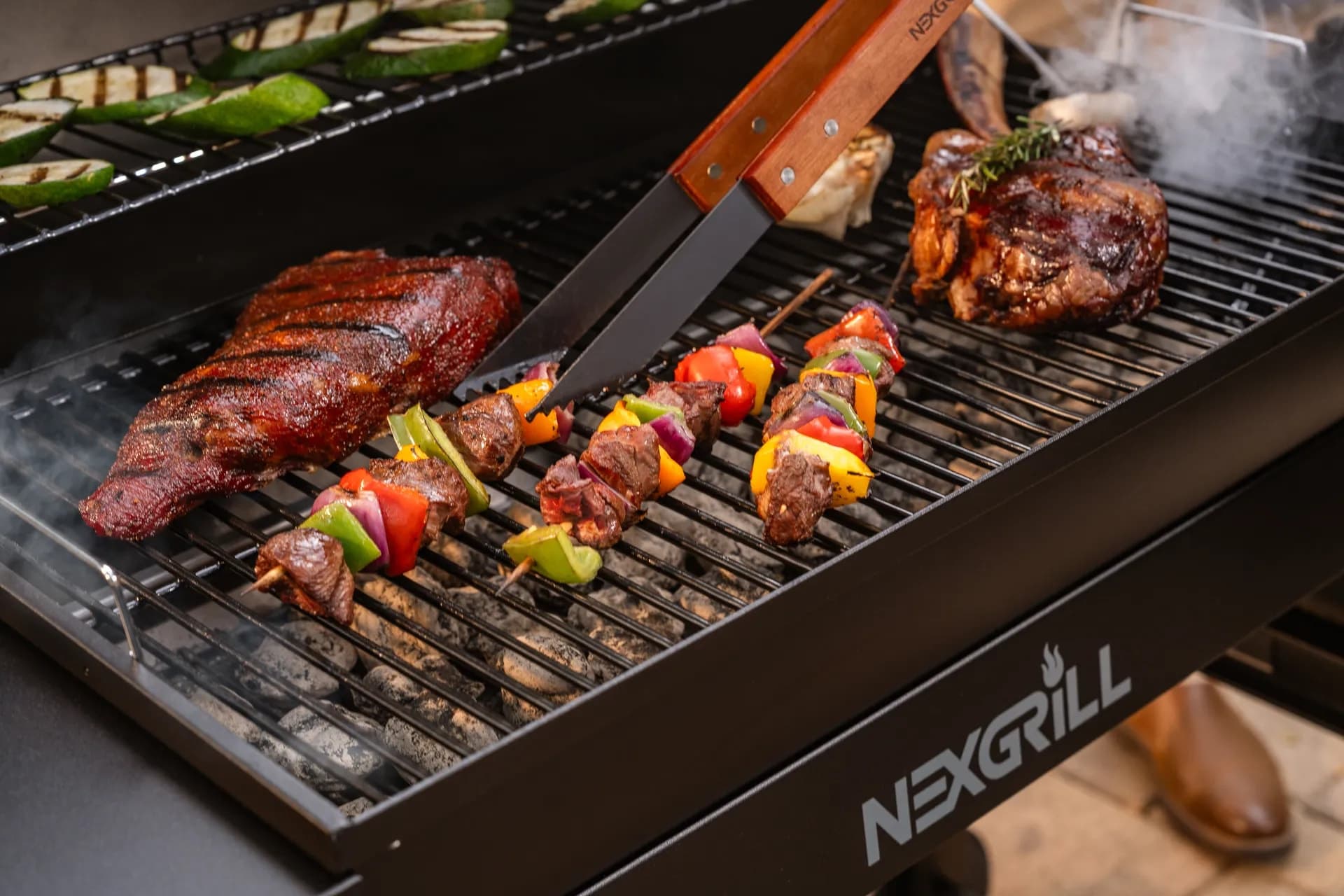
Not all grills offer the same level of heat control. Gas grills, such as the Nexgrill 4-Burner Gas Grill, provide precise temperature adjustments, making them a favorite among grillers who prioritize control. Charcoal grills, while requiring more skill, offer unparalleled flavor and can achieve high temperatures perfect for searing.
| Grill Type | Heat Control | Best For |
|---|---|---|
| Gas Grills | High precision | Quick and easy grilling |
| Charcoal Grills | Moderate to high | Flavorful searing |
Tip: Use a thermometer to monitor grill temperature accurately.
Enhancing Flavors with Marinades and Rubs
Elevating the taste of grilled foods often involves the strategic use of marinades and rubs. Marinades, which are usually liquid-based, help tenderize the meat while infusing it with flavor. Ingredients like vinegar, citrus juices, and soy sauce are common in marinades, as they break down proteins and add depth.
Dry rubs, on the other hand, consist of herbs and spices that are massaged into the meat. They form a flavorful crust, enhancing the texture and taste of the grilled item. Experiment with different combinations of spices to discover unique flavor profiles.
Creating Your Signature Marinade
To craft your own signature marinade, start with a base of oil and acid. Olive oil and lemon juice make a classic combination. Add aromatics like garlic and herbs for complexity. Remember, marinating time varies based on the type of protein. Delicate items like fish may only need 30 minutes, while tougher cuts like beef can benefit from several hours or overnight marination.
Info: Always marinate in the refrigerator to prevent bacterial growth.
The Art of Applying Rubs
Applying a dry rub requires a bit of technique. Ensure the meat is dry before applying the rub to help it adhere better. Generously coat the surface and let it sit for at least 30 minutes before grilling. This allows the flavors to penetrate the meat.
Experiment with different spices like paprika, cumin, and coriander to create a blend that suits your palate. Some grillers prefer a bit of sugar in their rubs to encourage caramelization and add a hint of sweetness.
Safety First: Ensuring a Safe Grilling Experience
Safety is paramount when it comes to grilling. Ensuring your equipment is in good working condition is the first step. Regularly inspect your grill for any signs of wear or damage, particularly the gas lines on propane grills. Replace any faulty parts immediately to prevent accidents.
Always grill in a well-ventilated area, away from flammable materials. Keep a fire extinguisher or a bucket of sand nearby, especially when using charcoal grills. Understanding how to handle flare-ups is crucial; keep the lid closed and move the food to a cooler part of the grill.
Warning: Never leave a grill unattended while in use.
Cleaning and Maintenance
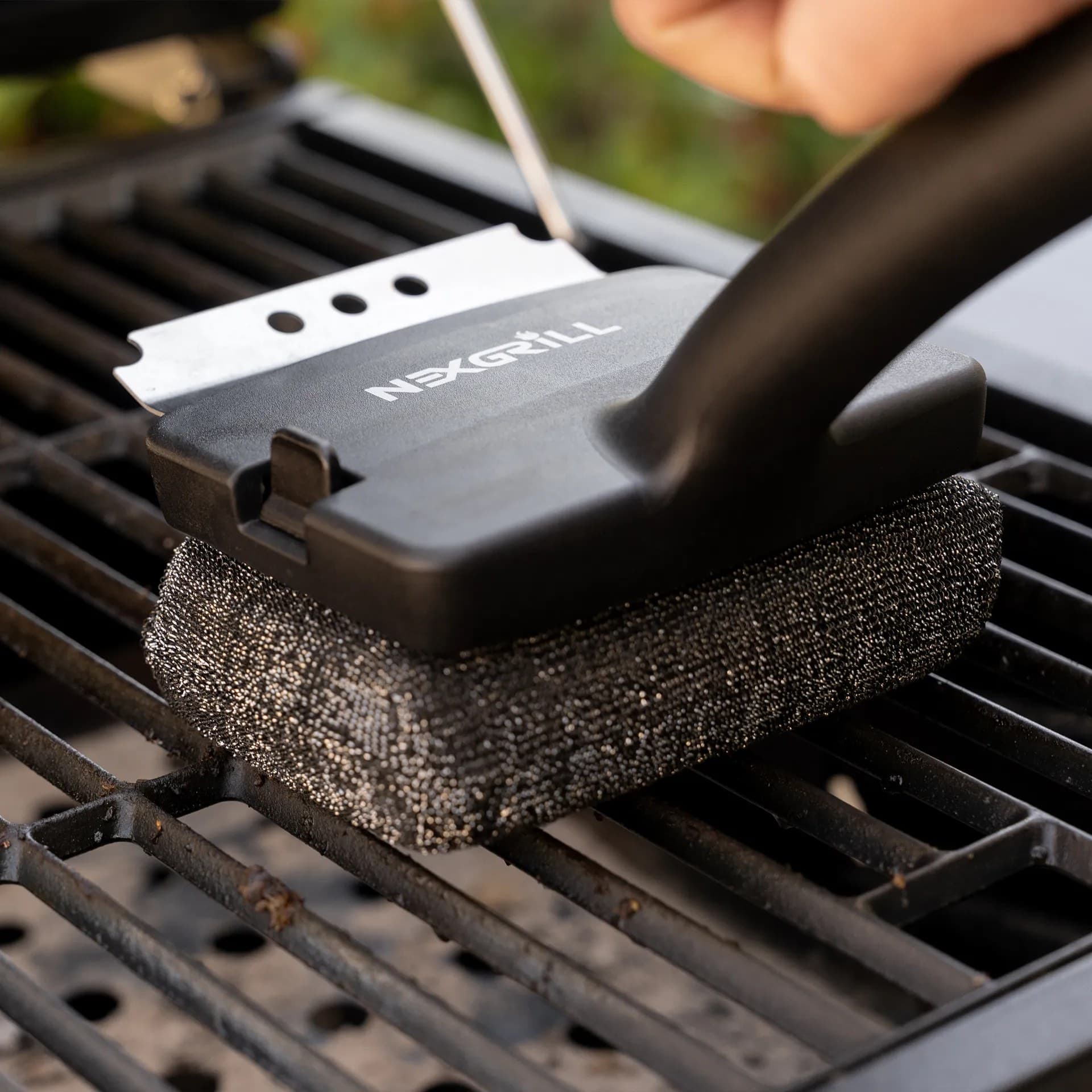
Regular cleaning is essential to maintain your grill's performance and safety. After each use, clean the grates with a grill brush to remove food particles and prevent buildup. Periodically, conduct a deep clean, which includes checking burners and removing grease from the tray.
For gas grills, ensure the burners are free from blockages. For charcoal grills, dispose of the ashes and clean the bowl to maintain airflow and prevent rust. Mastering Charcoal BBQ Cooking: Expert Tips for Perfect Grilling
Selecting the Right Tools for Grilling
Having the right tools can enhance your grilling experience. Essential items include a sturdy spatula, tongs, and a meat thermometer. A grill basket can be particularly useful for vegetables and smaller items like shrimp.
Consider investing in a chimney starter for charcoal grills, which allows you to light charcoal quickly and evenly without lighter fluid. A quality grill cover is also important to protect your equipment from the elements when not in use. Mastering the Art of Cooking on a Gas BBQ
| Tool | Purpose |
|---|---|
| Spatula | Flipping burgers and delicate items |
| Tongs | Handling larger cuts of meat |
| Meat Thermometer | Ensuring proper doneness |
Exploring Advanced Grilling Techniques
Once you've mastered the basics, it's time to explore advanced grilling techniques. Smoking, for instance, adds a complex layer of flavor to meats. This process involves cooking at a low temperature with smoke from wood chips. Mastering BBQ Cooking: Expert Tips for Every Griller
Another technique is reverse searing, where you slowly cook the meat and finish with a high-heat sear. This method ensures even cooking and a perfect crust.
Tip: Experiment with different wood types like hickory or applewood for unique smoke flavors.