Mastering BBQ Cooking: Expert Tips for Every Griller
Elevate your barbecue skills with these essential grilling techniques.

In This Article
Perfect Temperature Control
Flavor Enhancements
Advanced Grilling Techniques
Understanding the Basics of BBQ Cooking
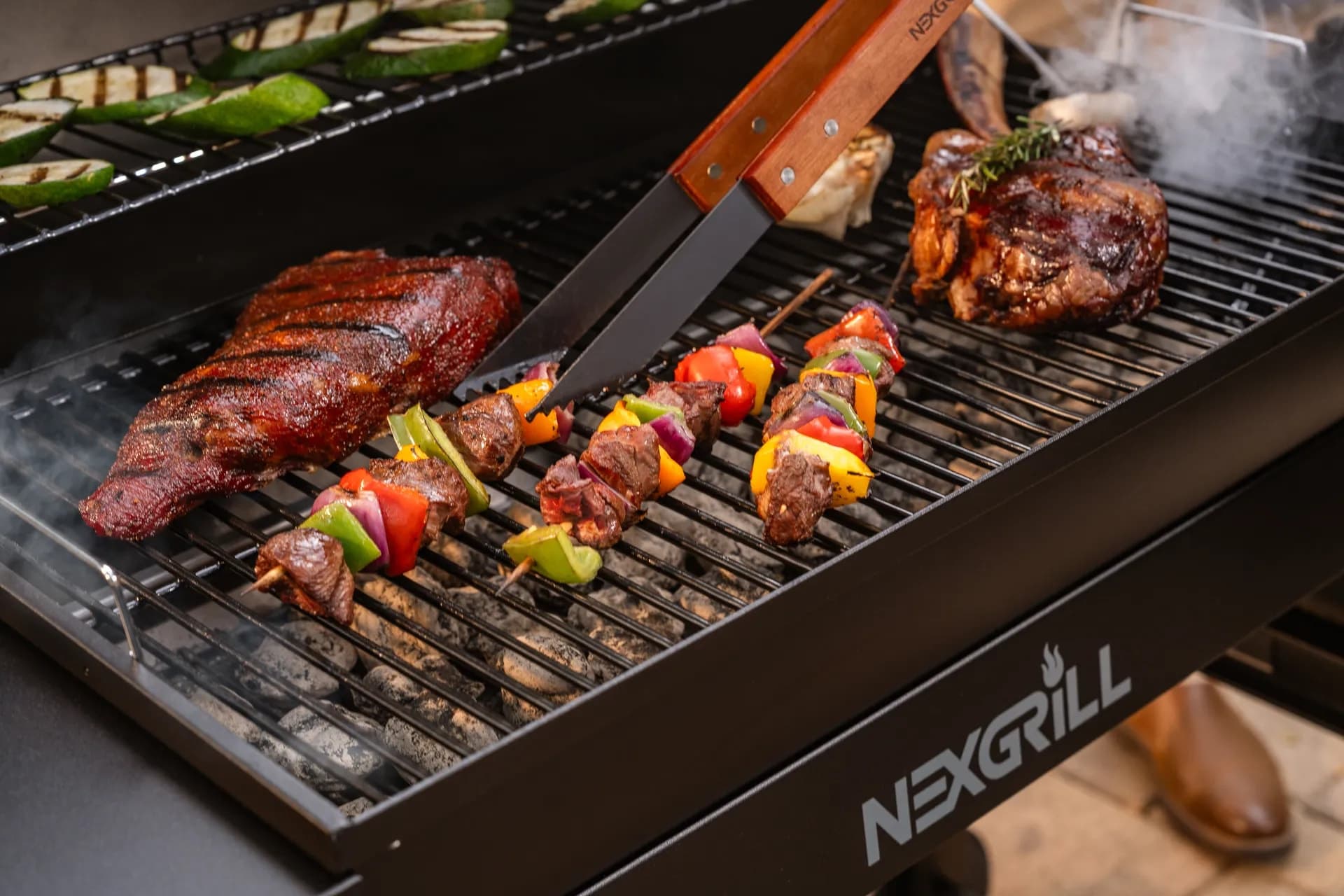
Barbecue cooking, often seen as an art form, requires a deep understanding of the fundamentals to achieve that perfect smoky flavor. Whether you are using a charcoal, gas, or pellet grill, understanding the heat dynamics, fuel type, and cooking techniques is essential. The key to successful BBQ lies in mastering temperature control, choosing the correct grill type, and knowing which methods suit different foods. Avoid Common BBQ Mistakes for a Perfect Grilling Experience
First, consider the grill type. Charcoal grills offer a rich, smoky flavor but require patience to manage the heat. Gas grills provide convenience with quick start-up times and consistent temperatures, while pellet grills offer precise temperature control and are great for smoking. Each type has its advantages and suits different cooking styles. Unlocking the Secrets to Perfect Barbecue
Temperature control is paramount. Using a thermometer is crucial for maintaining the ideal cooking temperature, whether you are searing meats or slow-cooking ribs. Adjusting vents on a charcoal grill or burners on a gas grill helps in controlling the airflow and heat levels.
Tip: Always preheat your grill for at least 15 minutes before placing food on it. This ensures even cooking and helps prevent sticking.
Enhancing Flavors with Marinades and Rubs
The magic of BBQ lies not just in cooking but in flavoring. Marinades and rubs are fundamental in enhancing the taste of your grilled dishes. Marinades, often acidic, help tenderize meat while infusing it with flavors. Common ingredients include oil, vinegar, citrus, garlic, and herbs. Can Diabetics Eat Grilled Meat? Allow meats to marinate for several hours or overnight for the best results.
Rubs, on the other hand, are dry mixtures of spices and herbs. They form a crust that seals in moisture and flavor during cooking. Popular rub ingredients include paprika, brown sugar, salt, pepper, and chili powder.
| Type | Purpose | Common Ingredients |
|---|---|---|
| Marinades | Tenderize & Flavor | Oil, Vinegar, Citrus |
| Rubs | Flavor & Crust | Paprika, Salt, Sugar |
Advanced Grilling Techniques
For those looking to elevate their barbecue game, exploring advanced techniques like indirect grilling is a must. Indirect grilling involves placing food away from the direct heat source, allowing it to cook slowly and evenly. This method is perfect for larger cuts of meat like briskets or whole chickens, which benefit from slow cooking to become tender.
Smoking is another technique that adds depth of flavor. Using wood chips or pellets, you can infuse meats with a distinctive smoky taste. Different woods impart unique flavors, such as applewood for a sweet aroma or hickory for a stronger, bacon-like taste.
Finally, consider using a rotisserie attachment for slow-roasting meats evenly. The rotating motion ensures that juices are retained, resulting in succulent, flavorful dishes.
Perfecting Meat Doneness and Safety
Achieving the perfect doneness in barbecue is both a science and an art. Using a meat thermometer is the most reliable way to ensure that your food is cooked to a safe temperature. For instance, chicken should reach an internal temperature of 165°F (75°C), while beef can vary depending on preference, from rare at 125°F (52°C) to well-done at 160°F (71°C).
Moreover, resting meat after grilling allows juices to redistribute, resulting in a moister final product. For smaller cuts, a rest of 5-10 minutes is sufficient, while larger cuts like briskets may benefit from resting for up to 30 minutes.
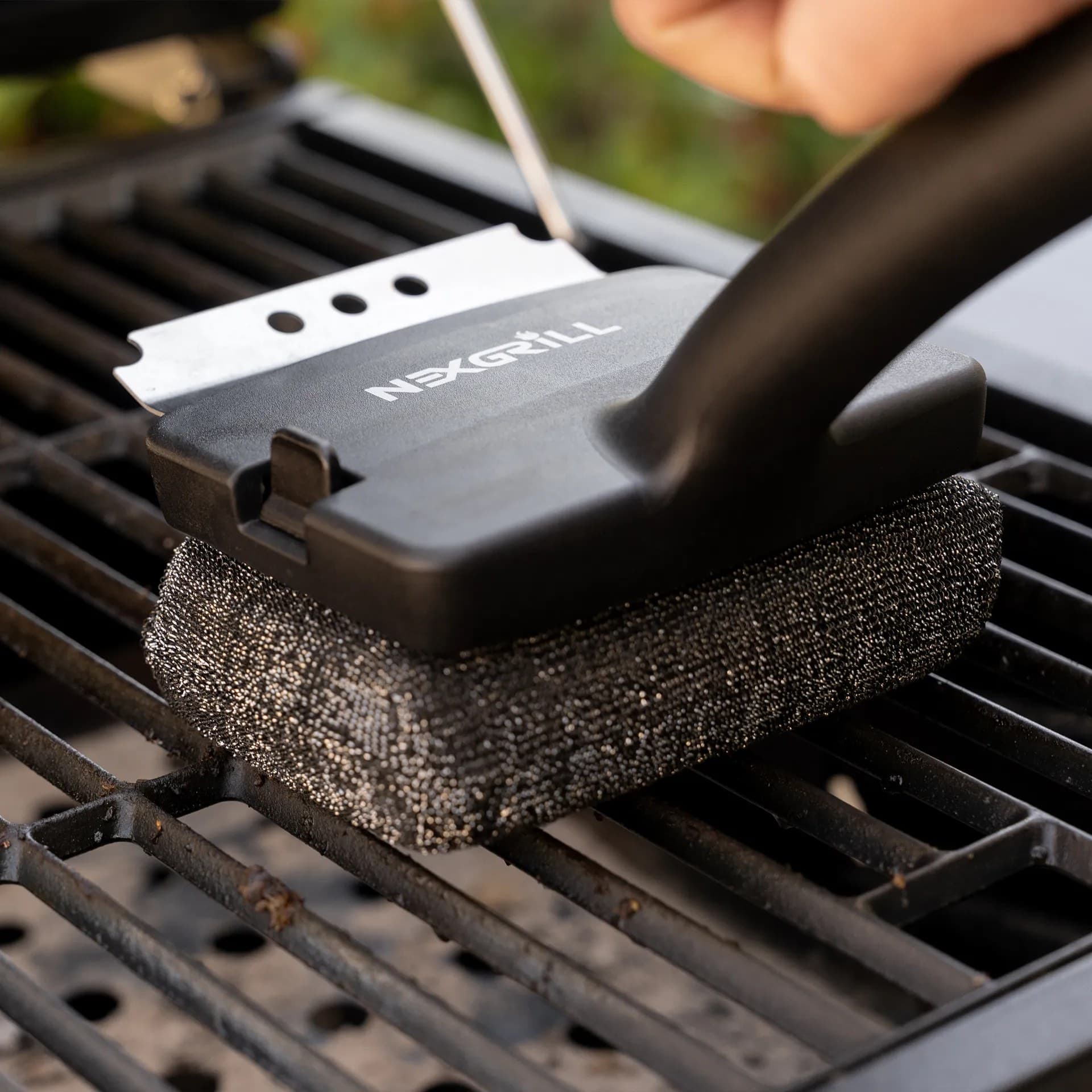
Tip: Always clean your grill grates after use to prevent bacterial growth and ensure better-tasting food.
Exploring Vegetarian BBQ Options
Barbecue isn’t just for meat lovers. Vegetarians can enjoy the grill just as much with the right ingredients and techniques. Grilled vegetables can take on a delightful charred flavor that enhances their natural sweetness. Popular options include bell peppers, zucchini, and corn on the cob.
Experiment with grilling firm tofu or tempeh, marinated in your favorite sauces. These plant-based proteins absorb flavors well and provide a satisfying texture. For a unique twist, consider grilling fruits such as pineapple or peaches, which caramelize beautifully and make a great dessert.
Choosing the Right Equipment and Accessories
Having the right tools is essential for a successful BBQ session. Essential accessories include long-handled tongs, a basting brush, and a sturdy spatula. For charcoal grills, a chimney starter is a handy tool for lighting coals without lighter fluid, providing a cleaner burn.
Invest in a good quality grill cover to protect your equipment from the elements, extending its lifespan. Additionally, consider a meat thermometer with a digital display for more precise readings.
| Accessory | Purpose |
|---|---|
| Chimney Starter | Light coals efficiently |
| Digital Thermometer | Monitor meat temperature |
Conclusion: The Joy of BBQ
Barbecue cooking is a rewarding endeavor that brings people together to enjoy delicious food. By understanding the fundamentals of grilling, perfecting flavors, and using the right equipment, anyone can become a BBQ enthusiast. Remember, practice makes perfect, and each grilling session is an opportunity to learn and enjoy.
Explore more grilling tips and recipes at Nexgrill.