Mastering Charcoal BBQ Cooking: Expert Tips for Perfect Grilling
Unlock the secrets to achieving that perfect smoky flavor with our comprehensive guide on charcoal BBQ cooking.
In This Article
Charcoal Types Explained
Flavor Boosting Tips
Safety First
Understanding Charcoal Basics
Charcoal grilling is an art that combines technique and intuition, turning simple ingredients into culinary masterpieces. At its core, the process involves understanding the types of charcoal, how to ignite them, and the art of temperature control. Different types of charcoal, such as briquettes and lump charcoal, offer varying burning characteristics. Briquettes provide consistent heat and are often favored for their uniformity and ease of use. In contrast, lump charcoal is prized for its ability to burn hotter and add an authentic smoky flavor, making it ideal for high-temperature searing.
Tip: Lump charcoal is best for quick, high-heat searing, while briquettes are perfect for longer, low-and-slow cooking sessions.
Ignition Techniques
Starting a charcoal grill can be challenging without the right tools. A chimney starter is a popular choice among grill enthusiasts, allowing charcoal to ignite evenly without the need for lighter fluid, which can impart unwanted flavors. Simply fill the chimney with charcoal, place crumpled newspaper underneath, and ignite it. Within 15-20 minutes, the coals will be ready for cooking.
Temperature Control
Managing heat is crucial to successful grilling. The primary method involves arranging charcoal for direct or indirect heat. For direct heat, spread the coals evenly across the grill. Indirect heat requires placing coals on one side, allowing for slower cooking and smoke infusion. Adjusting the grill's vents controls airflow and temperature; opening them increases heat, while closing them reduces it.
| Charcoal Type | Burn Time | Ideal Use |
|---|---|---|
| Briquettes | 1-2 hours | Consistent heat, longer cooks |
| Lump Charcoal | 1 hour | High heat, quick searing |
Creating Flavor Profiles
Charcoal grilling isn't just about cooking; it's about creating flavor profiles that tantalize the taste buds. The type of wood used in conjunction with charcoal can significantly impact the taste of your food. Common wood chips include hickory, mesquite, apple, and cherry, each imparting unique flavors. Hickory adds a strong, smoky flavor ideal for ribs and pork, while apple and cherry offer a milder, sweet smoke perfect for poultry and fish.
Tip: Soak wood chips in water for 30 minutes before adding them to the coals to prolong their burning time and enhance smoke flavor.
Experimenting with different wood combinations can elevate your grilling game, allowing you to tailor flavors to suit specific dishes. Additionally, marinating meats and using dry rubs before grilling can further enhance the smoky taste, creating layers of flavor that are both complex and satisfying.
Marinades and Rubs
Marinades are typically used to tenderize and flavor meats before cooking. Ingredients like vinegar, citrus juices, and herbs penetrate the meat, adding moisture and taste. Dry rubs, on the other hand, are mixtures of spices and herbs applied directly to the meat's surface, forming a flavorful crust during cooking.
Mastering the Art of Grilling Techniques
Grilling is more than just placing food over heat; it's an art that requires skill and knowledge of various techniques. Two essential methods include searing and slow cooking. Searing involves cooking food at high temperatures to create a flavorful crust, locking in juices. This technique is perfect for steaks and burgers, providing a delectable outer layer while keeping the inside tender.
Searing for Perfection
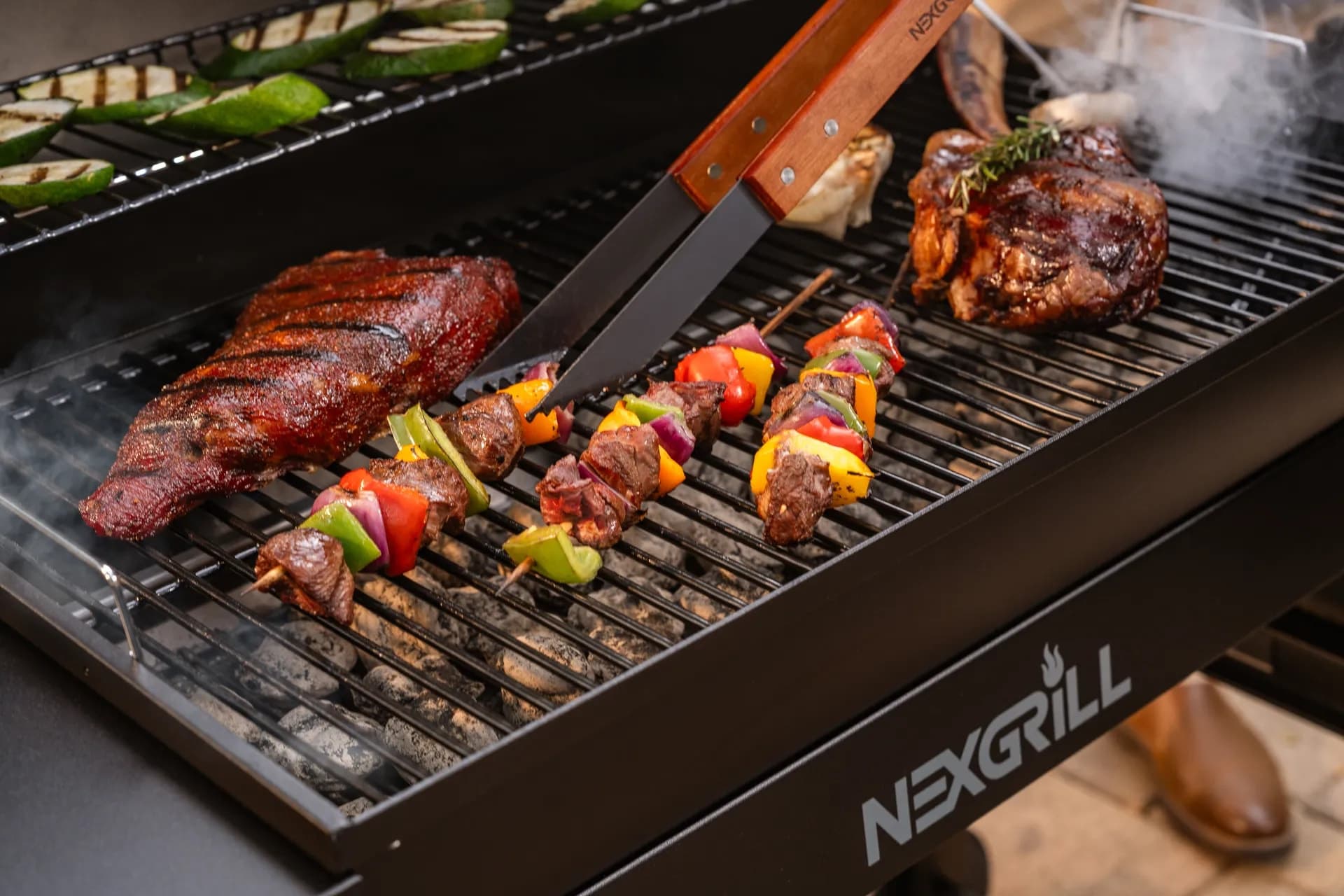
To achieve the perfect sear, preheat the grill and let the grates become scorching hot. Place the meat directly over the coals to develop grill marks, then move it to a cooler part of the grill to finish cooking. This method ensures a juicy interior while achieving a tantalizing crust.
Warning: Avoid flipping the meat too often, as this can prevent proper caramelization and sear.
Slow Cooking for Tenderness
For tougher cuts of meat, slow cooking is ideal. It involves cooking at low temperatures for extended periods, allowing connective tissues to break down, resulting in tender, juicy meat. This technique is perfect for ribs, brisket, and pork shoulders.
Essential Grilling Accessories
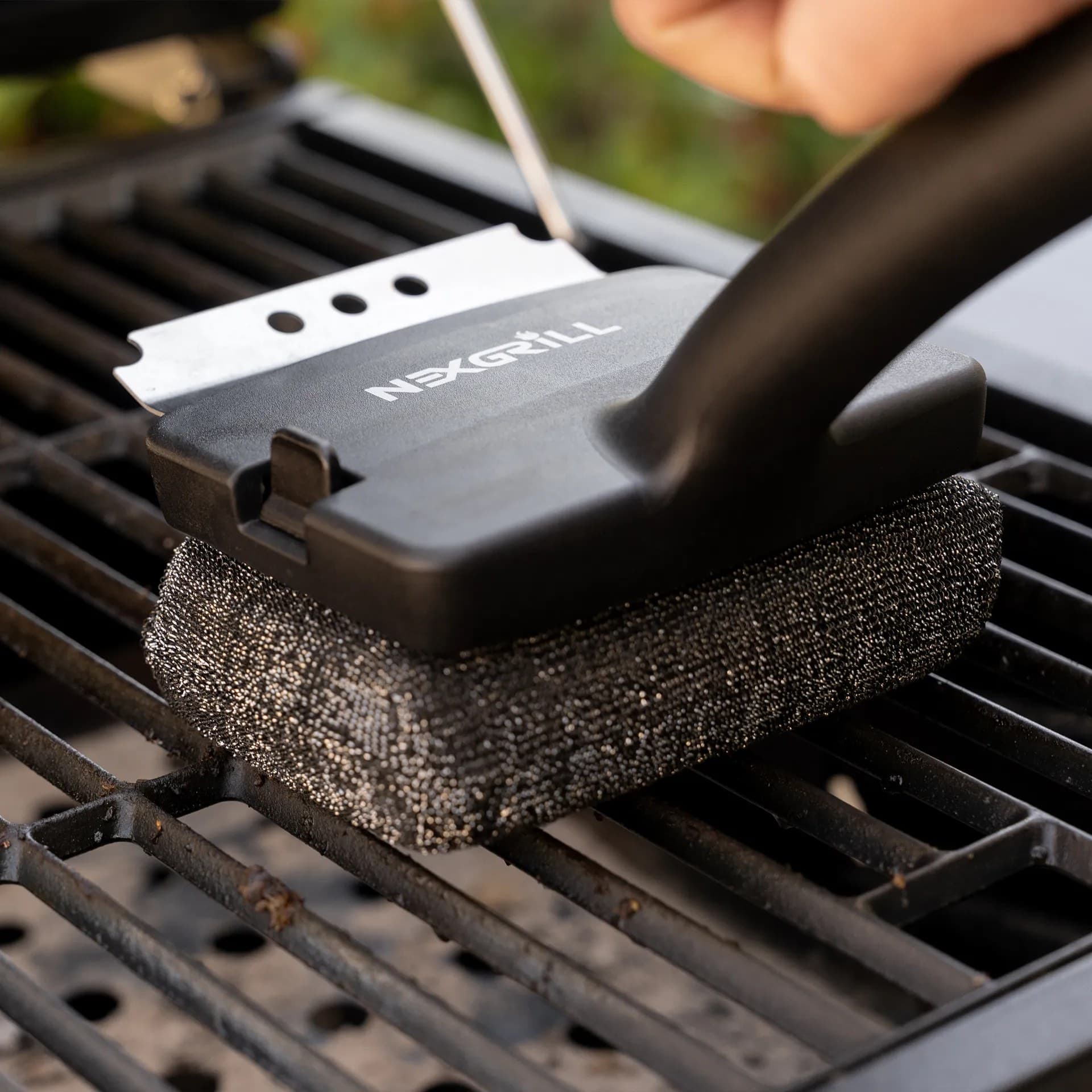
Having the right tools can make a significant difference in your grilling experience. Essential accessories include tongs, spatulas, grill brushes, and thermometers. Long-handled tongs and spatulas allow you to handle food without getting too close to the heat, while a grill brush helps keep the grates clean for the best cooking results.
| Accessory | Purpose | Material |
|---|---|---|
| Tongs | Flipping and moving food | Stainless steel |
| Grill Brush | Cleaning grates | Wire bristles |
| Thermometer | Checking doneness | Digital |
Safety Tips for Charcoal Grilling
Safety is paramount when grilling with charcoal. Always ensure your grill is set up on a stable, non-flammable surface and maintain a safe distance from structures and vegetation. Keep a fire extinguisher or a bucket of sand nearby in case of flare-ups. Additionally, never leave the grill unattended while in use, and ensure coals are completely extinguished before disposal.
Proper ventilation is essential to prevent carbon monoxide buildup, especially in enclosed spaces. Always grill outdoors or in a well-ventilated area to ensure safety for you and your guests.
Tip: Use a grill cover when not in use to protect against the elements and prolong the grill's lifespan.
Final Thoughts
Mastering charcoal grilling takes practice and patience, but the results are worth the effort. By understanding the fundamentals of charcoal types, ignition techniques, and flavor profiles, you can elevate your grilling skills to new heights. With the right tools and safety precautions, you'll be able to impress your guests with mouth-watering meals that are both delicious and memorable.