A comprehensive guide to enhancing your vegetable grilling skills with expert tips and innovative methods.
Here's what sets us apart from the competition
We position ourselves as delivering high-end outdoor cooking features and performance without premium-brand pricing, emphasizing “Quality Grills. Unbelievable Value.”
We offer gas grills, pellet grills, griddles, smokers, pizza ovens, portable/tabletop grills, electric grills, accessories, and replacement parts — allowing customers to stay within one ecosystem for all outdoor cooking needs.
We differentiate ourselves through smart grilling products like the Oakford smart pellet grill, including app-connected cooking controls and modern outdoor cooking technology.
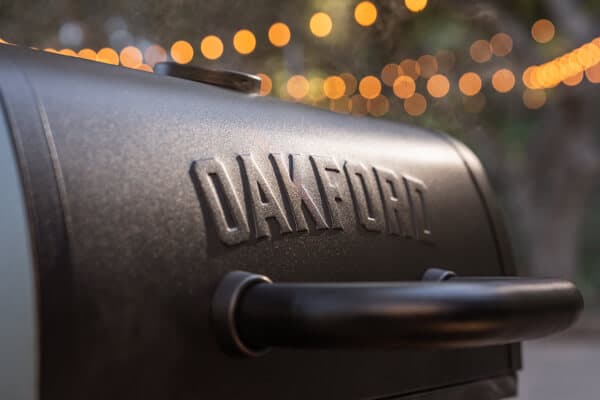
Expert tips, buying guides, comparisons, and inspiration for choosing and getting the most out of your grill.
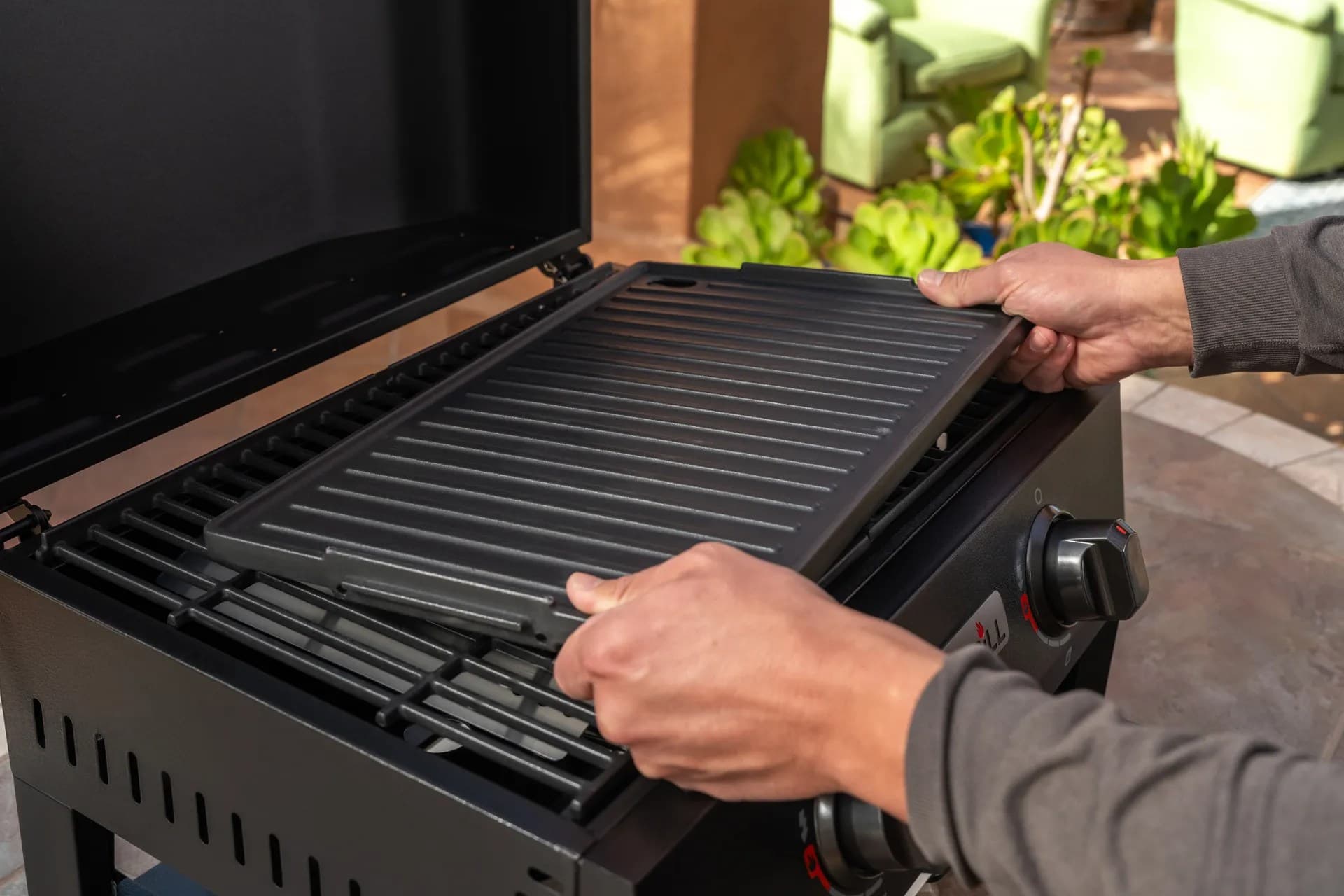
Practical guides for cleaning, maintenance, common grill issues, and performance optimization.
Step-by-step grilling recipes, cooking techniques, and meal ideas for every occasion and skill level.
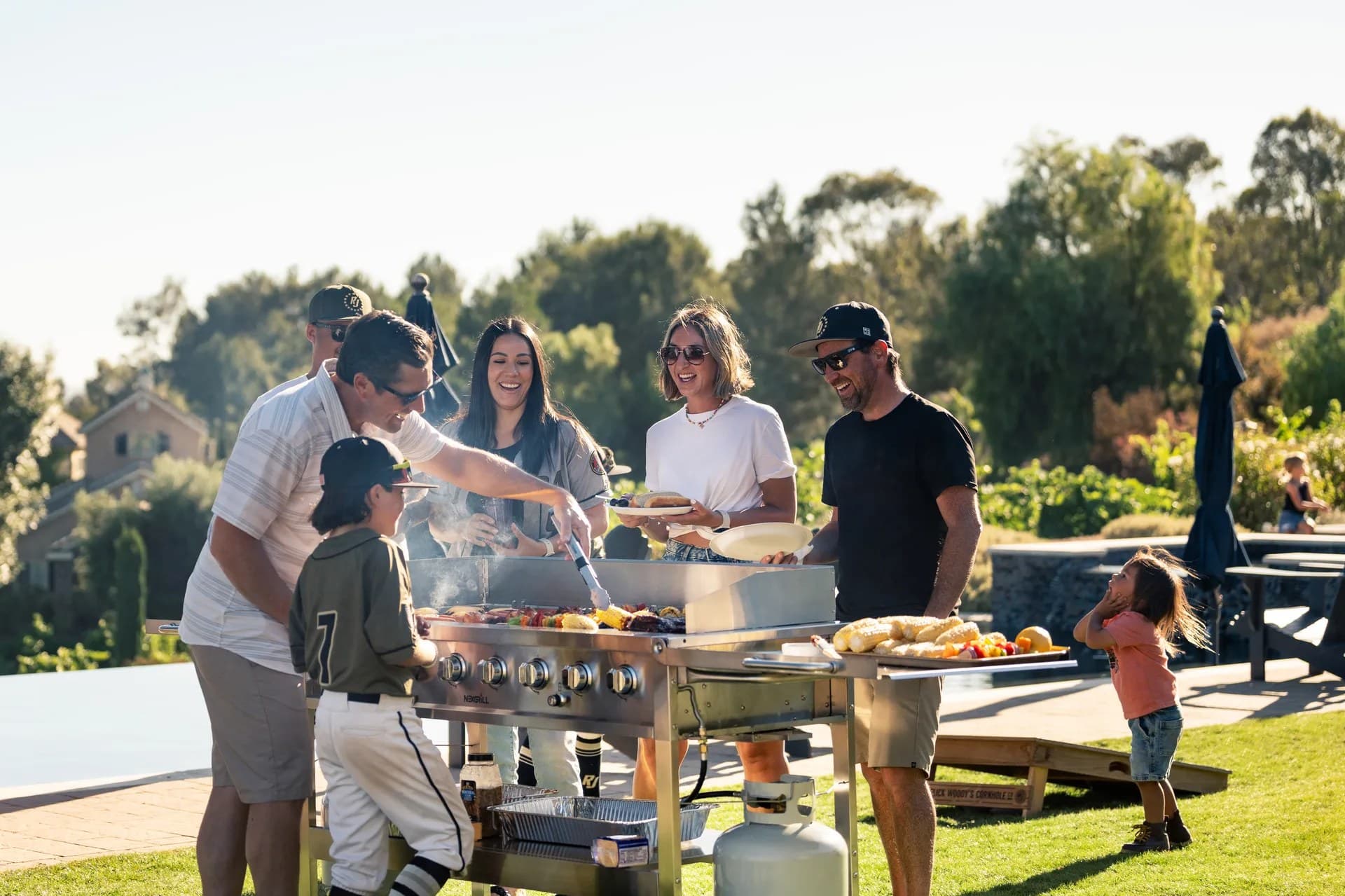
Backyard entertaining ideas, seasonal grilling inspiration, and stories that celebrate outdoor cooking culture.
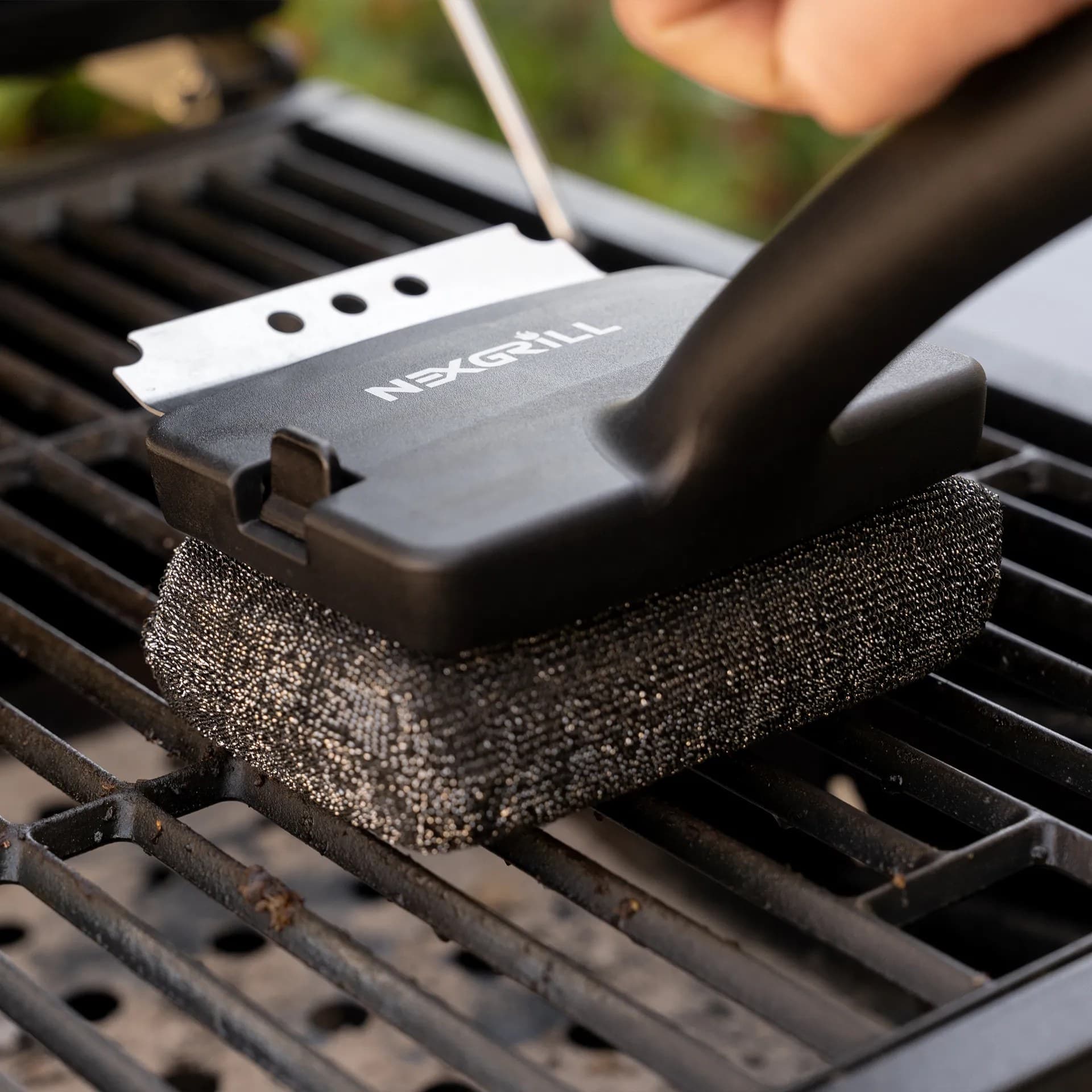
Helpful articles covering grilling tools, cookware, maintenance gear, and must-have accessories for outdoor cooking.
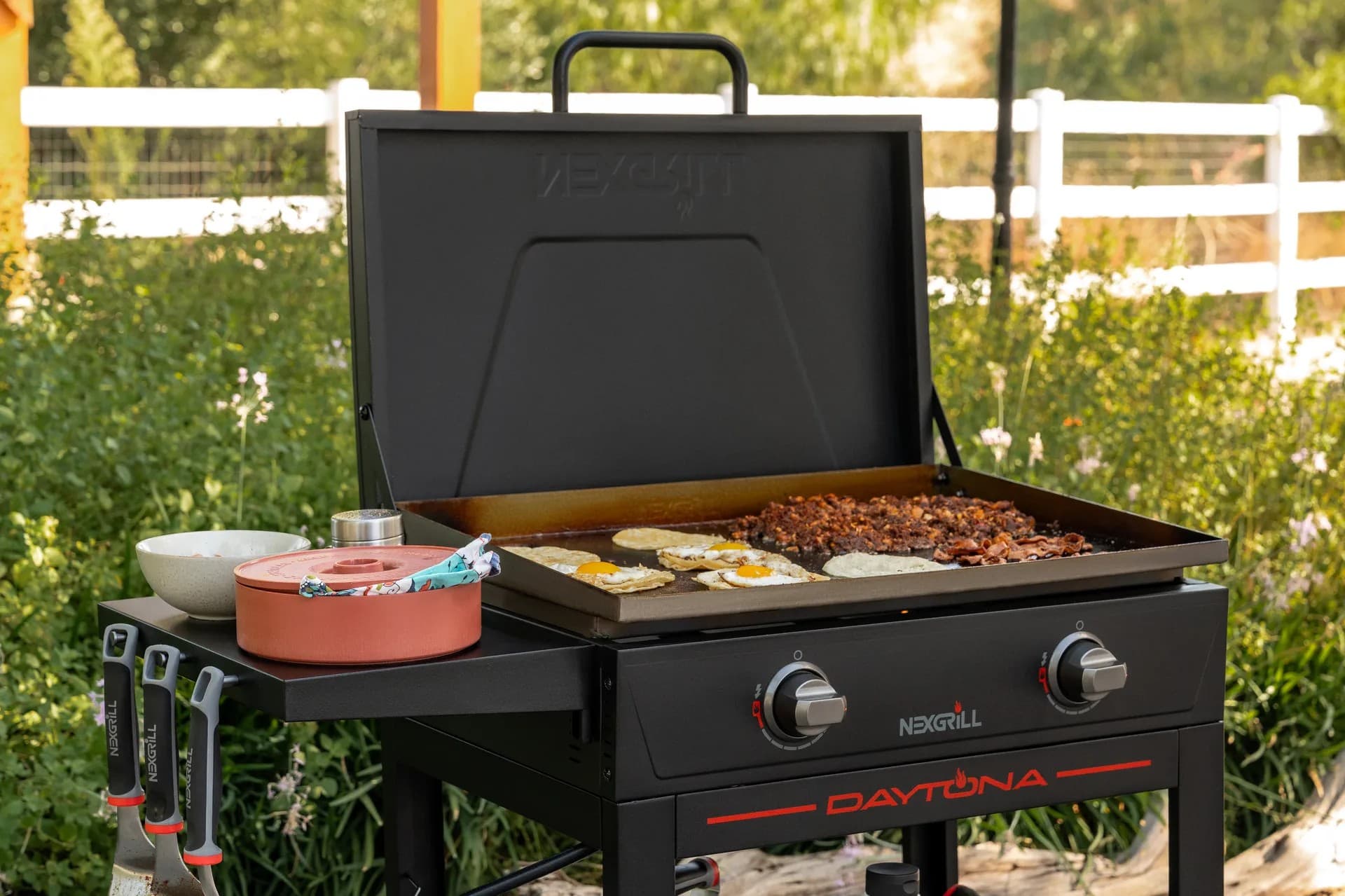
Find griddle recipes, cooking techniques, cleaning tips, and outdoor meal ideas designed for Nexgrill griddles.
Find answers to common questions
Nexgrill equipment is suitable for a variety of recipes including meats, vegetables, and even pizzas. Popular options include marinated steaks, grilled vegetables, and shrimp skewers.
To enhance the flavor of grilled vegetables, consider marinating them in olive oil, herbs, and spices before grilling. Alternatively, you can season them with salt and pepper during grilling for a more straightforward approach.
To achieve perfect grill marks, preheat your grill to a high temperature and ensure that the food is dry before placing it on the grill. Avoid moving the food too early, as it needs to sear properly to form those classic grill marks.
Using a meat thermometer is the most accurate way to ensure your grilled meat is at the desired temperature. For instance, chicken should reach an internal temperature of 165°F while medium-rare beef is typically at 135°F.
To clean your Nexgrill after cooking, allow it to cool and then use a grill brush to remove any residue from the grates. You can also wipe down the exterior with a damp cloth and mild soap to keep it looking its best.
In This Article
Direct vs. Indirect Heat
Marinating and Seasoning
Grilling Tools and Accessories
Grilling vegetables is one of the easiest ways to turn simple produce into something with deeper flavor, better texture, and more character at the table. The trick is not to treat vegetables like meat. Most vegetables contain less fat, less moisture, and far less forgiveness when they sit over heat too long. That means the best results come from matching the vegetable to the right heat pattern, the right cut size, and the right amount of oil or seasoning. If you learn those three basics, vegetables on the grill stop being a side note and start becoming one of the most satisfying parts of the meal.
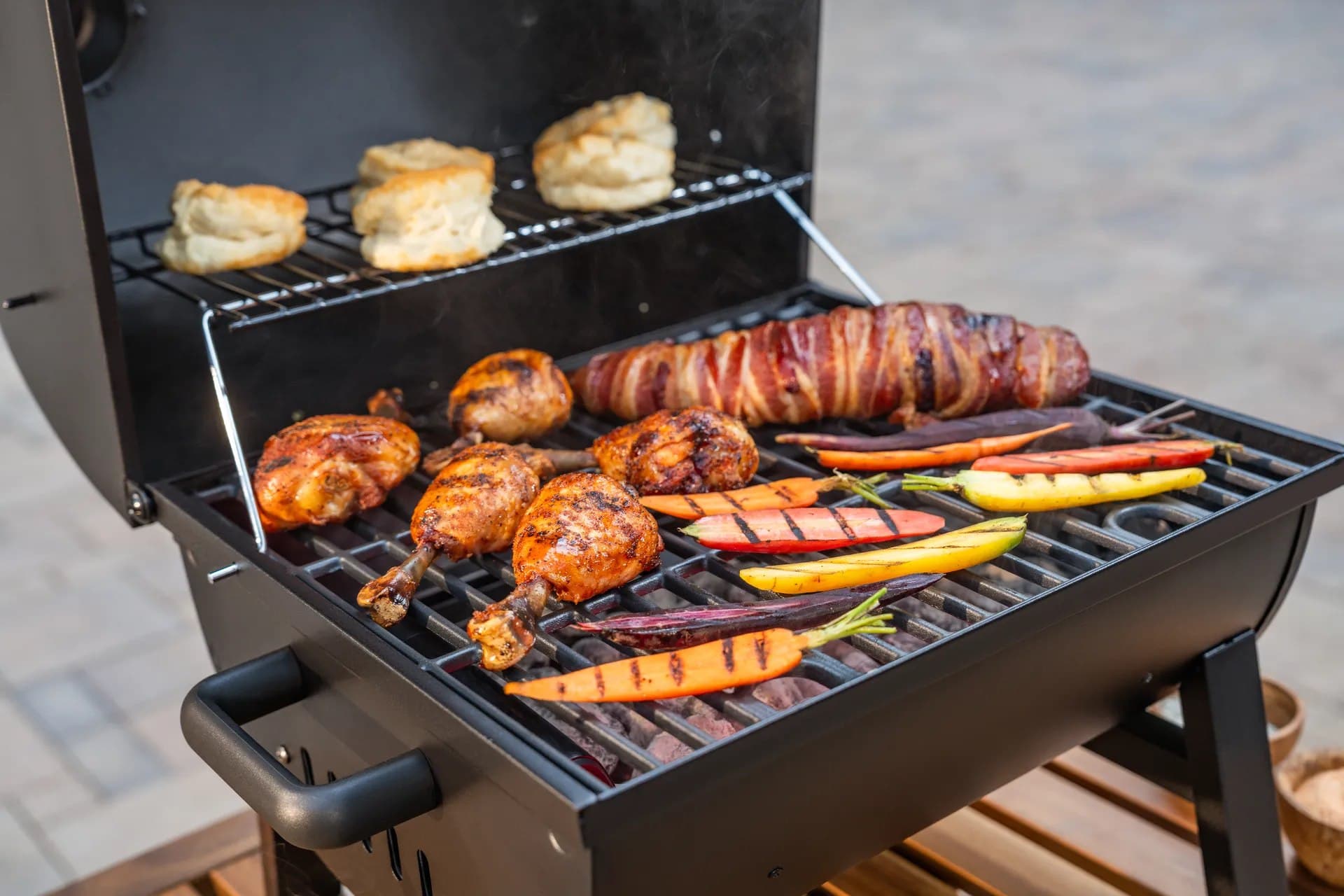
A strong vegetable grilling strategy starts with heat awareness. Tender vegetables like zucchini, yellow squash, asparagus, mushrooms, and bell peppers usually do best over medium to medium-high direct heat because they cook quickly and pick up char without turning mushy. Denser vegetables such as carrots, cauliflower, potatoes, and sweet potatoes often need either partial pre-cooking or indirect heat so the outside does not burn before the center softens. That is the main difference between guessing and grilling with confidence: the grill is not just a hot surface, it is a tool for controlling texture from the outside in.
Nexgrill’s approach to outdoor cooking is rooted in practicality and inclusivity, and that matters here because vegetable grilling is often the entry point for mixed tables, plant-forward meals, and meals where everyone wants something a little different. The brand’s emphasis on gathering people around the grill reflects the reality of vegetable cookouts: a platter of charred corn, peppers, onions, and mushrooms can sit beside steak, chicken, or seafood and still feel complete on its own . That flexibility is what makes vegetables such a powerful part of grilling. They are not a compromise. They are a way to build balance, color, and contrast into the entire meal.
Vegetables usually reward more attention to size and moisture than to raw heat alone. A well-cut vegetable cooks more evenly than a whole piece thrown on the grate.
The biggest mistake many home cooks make is trying to grill everything at the same speed. A sliced portobello cap, a wedge of cabbage, a thick slab of eggplant, and a skewer of cherry tomatoes all need different timing. The grill works best when you think in zones and batches rather than one single “vegetable temperature.” Once you start staging ingredients by density and moisture, your results improve immediately. That is especially useful for weeknight dinners, because you can prep the vegetables while the grill preheats and then move them around as needed without losing momentum.
Another reason vegetables shine on the grill is that dry heat concentrates flavor. Natural sugars caramelize, moisture evaporates, and the surface develops browning that tastes sweeter and more savory at the same time. Even modest seasoning can taste fuller once the vegetable picks up smoke and char. That is why salt, oil, acidic marinades, and herb blends all matter more than they would in a stovetop sauté. A grill brings out structure as much as flavor, so the goal is to choose a technique that supports both.
Preparation is where most of the success happens. If vegetables are cut unevenly, the grill will expose the difference immediately. Thin slices can burn before thicker pieces are ready, and crowded baskets can trap steam where you wanted char. Start by trimming vegetables so they have stable surfaces and more predictable contact with the grates. Long vegetables like zucchini and eggplant are easier to manage in planks or thick diagonal slices. Round vegetables like onions work well as thick rings or large wedges that hold together under flipping. Smaller vegetables should be skewered or placed in a basket so they do not fall through the grates.
Moisture management is equally important. Vegetables that are too wet can steam instead of sear, especially mushrooms, tomatoes, and eggplant. A quick pat dry with a towel helps the surface brown faster. For vegetables with high water content, a light salting step can improve texture by drawing out some surface moisture before grilling. That does not mean soaking everything in salt; it means using enough seasoning to help the grill work in your favor rather than against you.
Practical prep checks matter most: dry surfaces, even cuts, and the right cut shape for the heat.
Oil is not just for flavor. It creates contact, helps seasoning cling, and reduces sticking. A light coating is usually enough; too much oil can flare, drip, and give vegetables a greasy finish rather than a clean char. Neutral oils work well when you want the vegetable itself to lead, while olive oil can support herbs, garlic, or citrus-based seasoning. If you are working with a marinade, keep it balanced. Acid can brighten vegetables, but too much can soften them before they reach the grill. The most reliable marinades for vegetables are usually short, simple, and applied just long enough to coat the surface rather than transform the texture entirely.
It also helps to stage vegetables by cook time. Put dense items like potato slices or carrot planks in one tray, medium-speed vegetables like peppers and onions in another, and quick-cooking items like asparagus or zucchini in a third. That way, you are not scrambling at the grill trying to remember what needs five minutes versus twelve. Good prep also means preheating the grill fully and cleaning the grates before you begin. A clean grate gives vegetables a better sear and makes it easier to turn them without tearing the surface.
Different vegetables respond to different grilling patterns, and that is where technique becomes more valuable than a generic time chart. Asparagus usually performs best when coated lightly in oil and placed perpendicular to the grates so it cooks quickly without slipping through. Zucchini and yellow squash should be cut lengthwise into thick slices or planks so they can pick up grill marks while staying tender. Bell peppers can be grilled whole first to soften the skin, then peeled or sliced, or cut into wide strips for faster service. Onions often benefit from thick wedges, brushed with oil and grilled until the edges caramelize while the center stays sweet.
Eggplant deserves a separate note because it behaves like a sponge. Thin slices can dry out or absorb too much oil, while thicker slices give you a better balance of tenderness and char. A light salt rest before grilling can help the texture stay less spongy. For corn, the decision is usually whether you want a more steamed, juicy result or a deeper char. Grilling corn in the husk gives you a softer, more gentle flavor, while peeled corn placed directly over the fire develops more color and a stronger smoky edge. Both are useful, but they produce different results.
| Vegetable | Best Cut | Heat Approach | Why It Works |
|---|---|---|---|
| Asparagus | Whole spears | Direct medium-high heat | Quick cooking preserves snap and adds light char |
| Eggplant | Thick planks | Direct heat, then move off if needed | Thicker slices stay tender without drying out |
| Corn | Whole ears | Direct or indirect | Choice of juicy steam or stronger char |
| Mushrooms | Whole caps or halves | Direct medium heat | Enough heat to brown before they collapse |
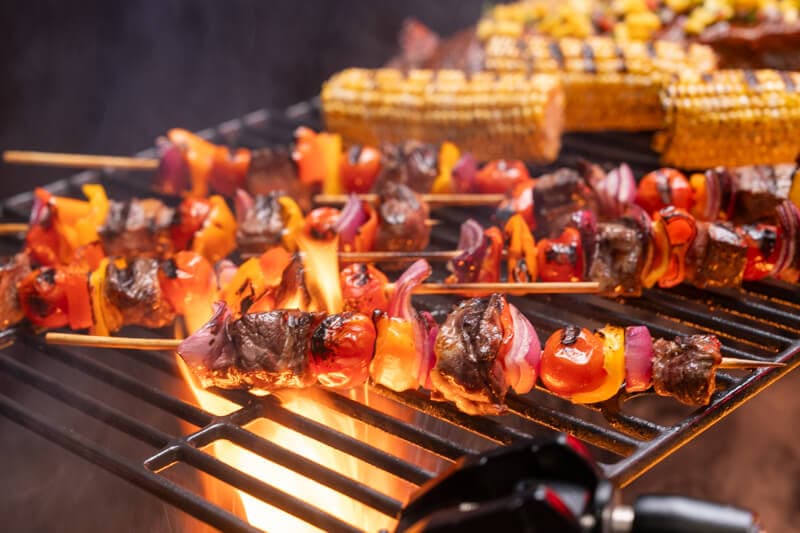
For mixed vegetable skewers, the key is consistency. Place vegetables with similar cooking times on the same skewer, or make sure denser pieces are cut smaller than softer ones. If you pair cherry tomatoes with mushrooms and onions, the tomatoes will burst much sooner unless they are grouped with quick-cooking ingredients. A better strategy is to build skewers around one dominant texture, then let the grill finish the job. That keeps the final plate coherent instead of half-overdone and half-underdone.
The most effective grilling technique is often a combination of direct heat and a quick finish away from the flame. Vegetables can be seared over hotter areas to build color, then moved to a cooler section to finish cooking through. This is especially useful when you want char without blackening. Think of the grill as a workspace with multiple temperature bands, not a single zone. That approach mirrors how experienced grillers manage proteins, and vegetables benefit from the same discipline.
Seasoning vegetables well is about layering, not masking. Because vegetables already have their own sweet, grassy, bitter, or earthy notes, the best marinades and spice blends amplify those qualities instead of covering them up. A simple formula works well in most cases: oil for coating, salt for structure, an acid or aromatic for brightness, and a finishing herb or spice to create a clear flavor profile. Lemon juice, balsamic vinegar, garlic, smoked paprika, cumin, chili flakes, rosemary, thyme, and dill all work differently depending on the vegetable.
Marinades are especially useful for vegetables that need help staying interesting after high heat. Mushrooms, eggplant, zucchini, and cauliflower all take well to short marinades because they absorb flavor on the surface without becoming overloaded. For tomatoes or softer vegetables, a dry seasoning blend may be safer than a wet marinade, since excess liquid can interfere with browning. Salt should be used thoughtfully. Too little and the flavor stays flat; too much and the vegetable may release more water than you want before it hits the heat.
A short marinade often beats a long one for vegetables. You want flavor on the surface and enough structure left for the grill to do its work.
One useful way to think about seasoning is by finish. A vegetable can go onto the grill with a basic salt-and-oil base, then receive a brighter herb oil, citrus squeeze, or crumble of cheese after cooking. That two-stage approach gives more control than trying to force everything into the marinade before the vegetables ever touch the fire. For example, grilled zucchini might get olive oil, black pepper, and garlic before grilling, then a final hit of lemon zest and herbs after it comes off. Grilled carrots might be brushed with maple-mustard glaze at the end rather than at the start so the sugars do not burn too fast.
Texture also changes how seasonings behave. Thick vegetables can stand up to stronger spice, while delicate vegetables benefit from restraint. If you are grilling cauliflower, a bolder spice profile can work because the florets and cut edges catch seasoning well. If you are grilling asparagus, a lighter hand preserves the fresh, grassy quality. The lesson is simple: seasoning should match both the flavor and the structure of the vegetable, not just your personal taste preference. When the pairing is right, the grill turns a basic ingredient into something memorable.
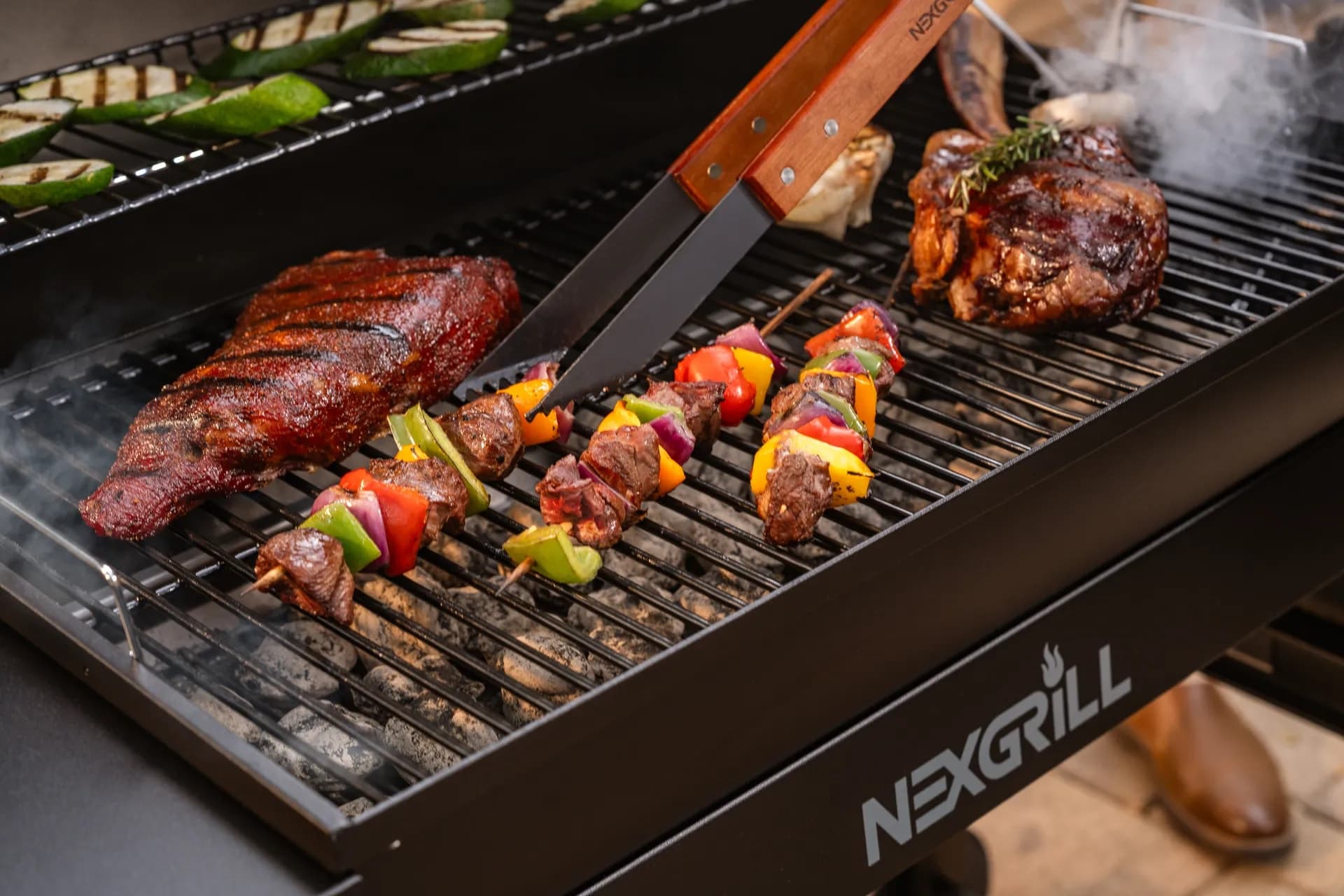
The right tools make vegetable grilling much easier, especially when you are working with small, slippery, or uneven pieces. A sturdy pair of tongs is the most important tool because it lets you turn vegetables without piercing them and losing moisture. A wide metal spatula helps with larger slices like eggplant or mushroom caps. Grill baskets are especially helpful for chopped vegetables, shrimp-style quick cooks, or mixed pieces that would otherwise fall through the grate. They also make it easier to toss vegetables during cooking so all sides get exposure.
Skewers are useful, but they are not always the best choice unless the vegetables are cut to similar sizes. Flat skewers or double-prong skewers help prevent rotation, which is especially useful for softer vegetables. A basting brush can be helpful for oil or glaze, though it is best to apply thin layers rather than heavy ones. A grill thermometer is less critical for vegetables than for meat, but it still helps when you are managing indirect zones or trying to hold a stable temperature for denser items.
Avoid using flimsy baskets or overly sharp tools that can tear vegetables apart. Better contact control means better texture and less food loss.
Foil is another useful accessory, especially when you want to keep herbs, garlic, butter, or a marinade close to the food. It can create a gentler environment for vegetables that need softening before browning. However, foil should be used intentionally, not as a default. If every vegetable is wrapped, you lose the open-grill char that gives grilled produce its signature character. The best accessory setup is one that supports variety: direct grilling tools for high-contact items, baskets for chopped mixtures, foil for tender or aromatic packets, and a clean prep tray for staging.
Try comparing two products side by side below to see which fits best:
Once you've weighed two options against each other, the next step is learning how to use the grill in ways that add control, not just heat. Advanced vegetable grilling is less about complexity and more about sequencing. Instead of cooking every vegetable the same way, you can use a direct-sear start, a cooler finish, or even a two-stage process that begins on the grate and ends in a pan or foil packet. That is how you get vegetables that are browned on the outside without losing their shape or sweetness.
One of the most useful advanced methods is the reverse approach for dense vegetables. For example, thick carrots, halved sweet potatoes, or cauliflower steaks can be started on indirect heat to soften gradually, then moved to direct heat for color. This reduces the risk of charring the outside before the center has any tenderness. The reverse method is especially helpful when your grill has hot zones near the burners and a cooler upper rack or side section. Rather than fighting the equipment, you use its structure to your advantage.
Another useful method is glaze timing. Many vegetable glazes contain sugar, honey, maple syrup, or fruit reductions. Those ingredients can create beautiful browning, but they can also burn if applied too early. In practice, the best approach is to grill most of the way with oil and seasoning, then brush on glaze in the final minute or two. That timing creates shine and depth without turning the exterior bitter. If the glaze is especially thick, use a light hand and a clean brush to avoid clumping.
A two-stage cook often gives the best balance of tenderness and char for denser vegetables.
Smoke management also matters. Vegetables pick up smoke quickly, which is useful for flavor but easy to overdo. If you are using wood chips or a smoker box, choose lighter fruitwood notes or a modest amount of smoke rather than a heavy, long exposure. Delicate vegetables can become muddled if the smoke is too intense. Stronger vegetables like mushrooms, onions, or cabbage can carry more smoke without losing balance. The aim is a clear smoky accent, not a heavy ash-like finish.
For a more restaurant-style result, try building a vegetable platter in phases. Grill sturdy vegetables first, hold them warm on a cooler zone, then add quick-cooking items near the end. Finish with herbs, flaky salt, citrus zest, or a quick vinaigrette. That last layer is often what makes the plate taste finished. It is also an easy way to unify different textures. A platter of grilled vegetables can feel complete when it shares one final seasoning note.
If vegetables are sticking, the problem is usually one of three things: the grill is not hot enough, the grates are not clean enough, or the vegetable surface is too wet. A properly preheated grate helps create a cleaner release, while a thin coat of oil helps bridge the contact. If you try to flip too early, the food may tear. Let it develop color first, then turn once it naturally releases.
If vegetables are burning before they are tender, the heat is too aggressive or the cut is too thin. Move them to a cooler zone, use indirect heat for part of the cook, or increase the cut size next time. This is common with onions, peppers, and larger squash slices when the grill is running hotter than expected. A second issue is sugar-heavy seasoning. Sweet glazes can scorch quickly, so save them for the end of the cook rather than the start.
| Problem | Most Likely Cause | Best Fix |
|---|---|---|
| Sticking to grates | Undersized heat or wet surface | Preheat thoroughly and oil lightly |
| Burning outside, raw inside | Heat too high or pieces too thick | Use indirect heat first, then sear |
| Soggy vegetables | Too much marinade or overcrowding | Dry surfaces and give each piece space |
| Bitter char | Excessive flare-up or overcooking | Move away from flare-ups and finish gently |
Crowding is another common issue. Vegetables need airflow to brown. If they are packed tightly together in a basket or crammed over the grate, they trap steam and lose the crisp edges you want. Spread them out, cook in batches, and only combine them at the end if the timing is compatible. It is better to serve a second round a few minutes later than to sacrifice texture across the whole batch.
Foil packets are ideal when the goal is softness, infusion, or easy cleanup. They work well for diced potatoes, carrots, onions, mushrooms, garlic, and herbs because the enclosed environment traps steam and keeps flavorful liquids close to the food. To keep the result from tasting boiled, add just enough liquid to support flavor, not enough to flood the packet. Butter, olive oil, citrus, stock, and herbs all work, but the packet should still have room for heat to circulate. For extra texture, open the foil briefly near the end and let the vegetables finish directly on the grate.
Grill baskets solve a different problem. They let you cook smaller or chopped vegetables with direct heat while keeping control over turning and tossing. This makes them particularly effective for mixed vegetables, sliced mushrooms, or delicate ingredients that are hard to manage one by one. A basket is most useful when you want a little char without worrying about pieces slipping away. Shake or stir the basket occasionally so each side gets time against the hot surface. If you want the edge of a basket-finished vegetable to crisp more, leave the lid open briefly near the end to drive off extra moisture.
Both methods are excellent, but they solve different problems. Foil packets are about tenderness and flavor concentration. Baskets are about mobility, control, and browning. If you know what result you want before you start, you can choose the right tool instead of defaulting to whatever is closest at hand.
Grilled vegetables do their best work when they are part of a larger plate strategy. They can anchor grain bowls, support sandwiches, brighten pasta, or become the centerpiece of a side dish spread. Think of them as building blocks that can be repurposed across the week. A tray of grilled vegetables can go into tacos one night and onto a salad the next. Grilled zucchini can sit beside grilled chicken, then later be chopped into a warm grain bowl with feta and herbs. That flexibility makes them one of the most efficient things to cook outdoors.
Grilled vegetables keep their best texture when paired with something creamy, acidic, or starchy, such as yogurt, vinaigrette, rice, or bread.
For a cohesive meal, build contrast into the plate. Pair smoky vegetables with a bright sauce, or charred eggplant with a crisp salad. If the vegetables are deeply browned, a cool topping such as yogurt, herbs, or salsa verde can make the whole dish feel balanced. That same approach works in mixed family meals where some guests want meat and others want vegetables as the main event. A grilled vegetable platter with sauces can quietly become the most popular item on the table.
One of the easiest ways to expand grilled vegetables beyond a side dish is to treat leftovers as ingredients rather than extras. Chop them into omelets, fold them into quesadillas, layer them on flatbreads, or mix them into pasta. The grilling process has already done the flavor building, so the second meal often comes together faster than the first.
Vegetable grilling is generally straightforward, but safety still matters. Use long-handled tools so you can turn food without leaning over the heat. Keep a clear prep area so raw vegetables, cooked vegetables, and seasonings do not get mixed up. If you use marinades, separate the portion meant for brushing on at the table from the portion that touched raw produce or drippings. That habit keeps the meal cleaner and easier to manage.
Watch for flare-ups, especially when oil-heavy marinades or buttery foil packets are involved. A flare-up can char the outside of a vegetable before the center is done, and it can also create a bitter taste. Move the food to a cooler zone instead of trying to outrun the flame. For foil packets, leave enough space for steam to circulate and avoid sealing them so tightly that they balloon dangerously. For baskets, use heat-resistant gloves or tongs to handle the basket, since metal retains heat long after the food comes off.
Do not pull foil packets open with your face close to the steam. The trapped heat can release all at once when you unseal them.
Finally, let the grill do what it does best: provide controlled heat. If vegetables are cooking unevenly, resist the urge to constantly move them around. Give them a chance to brown, then turn once. Consistency and patience usually produce better results than constant correction. When you combine sensible prep, careful heat management, and the right tool for each vegetable, grilling becomes less stressful and much more rewarding.
Here's what sets us apart
We position ourselves as delivering high-end outdoor cooking features and performance without premium-brand pricing, emphasizing “Quality Grills. Unbelievable Value.”
We offer gas grills, pellet grills, griddles, smokers, pizza ovens, portable/tabletop grills, electric grills, accessories, and replacement parts — allowing customers to stay within one ecosystem for all outdoor cooking needs.
We differentiate ourselves through smart grilling products like the Oakford smart pellet grill, including app-connected cooking controls and modern outdoor cooking technology.
Don't just take our word for it
Keep reading
From our catalog