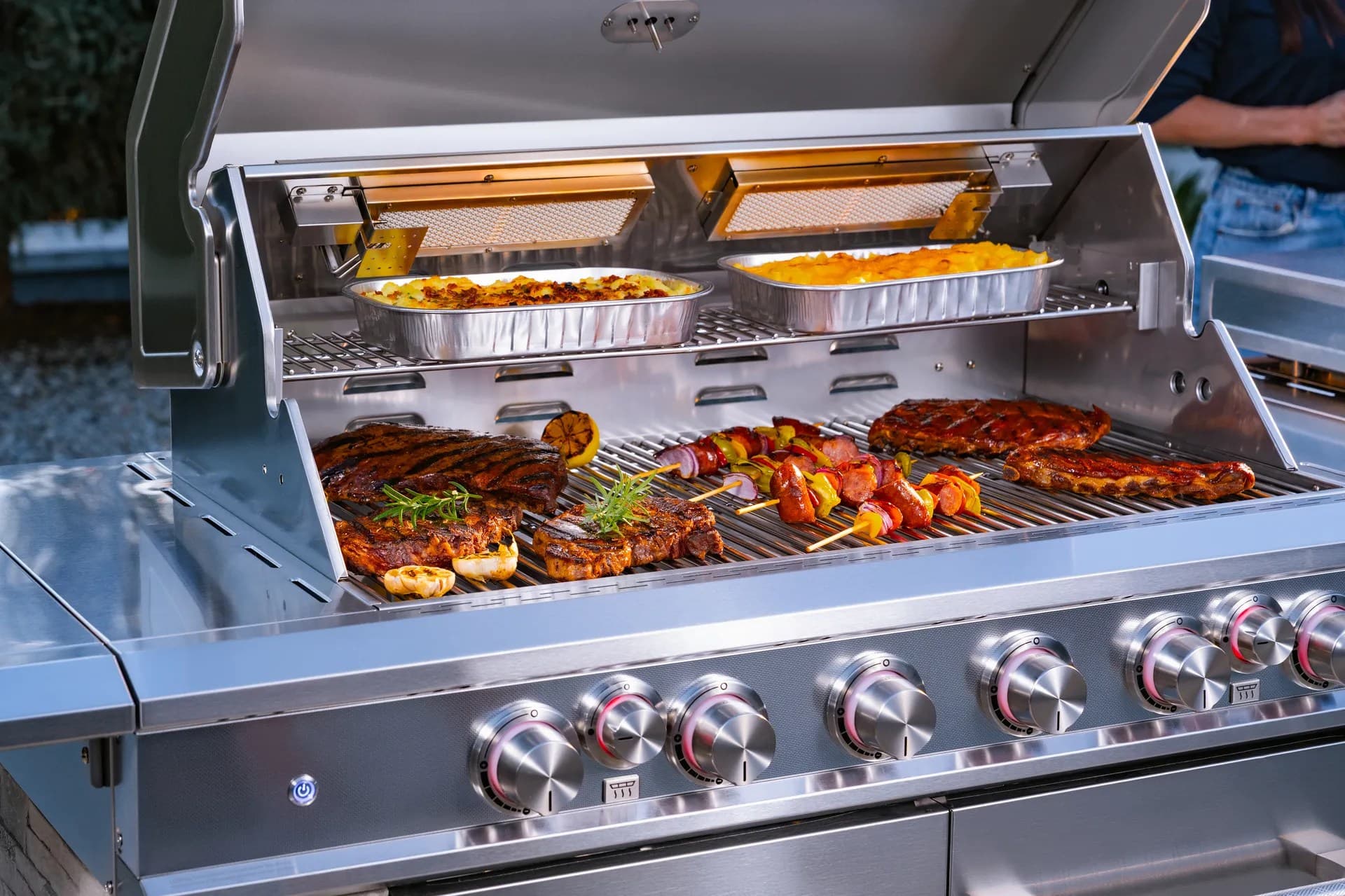
Unlock the secrets to grilling the perfect steak with expert techniques from Nexgrill.
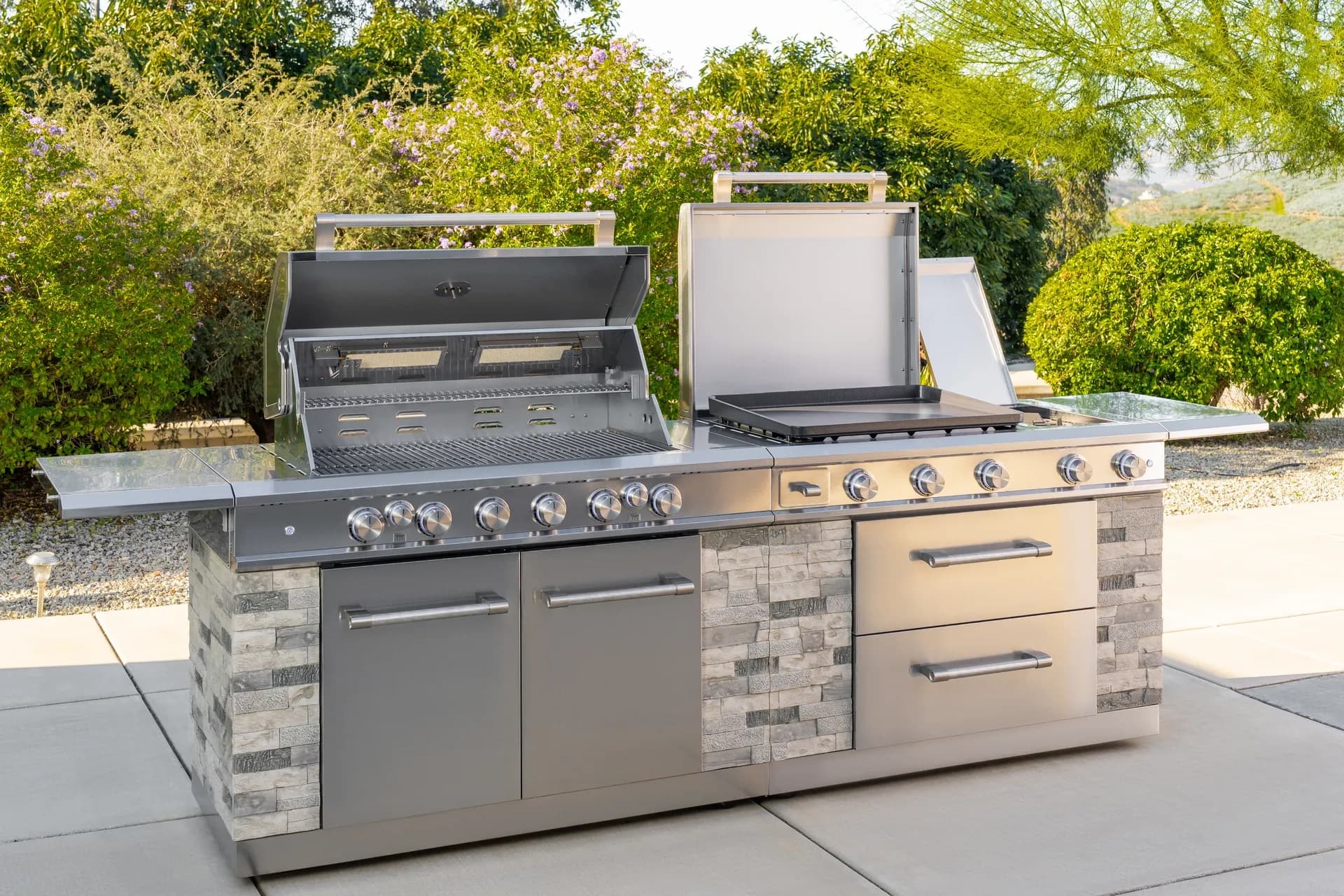
From sizzling breakfasts to smash burgers and teppanyaki-style dinners, the Daytona Pro 5 Burner NitroGuard™ Griddle delivers powerful heat, fast cooking, and a durable cooking surface built for every backyard cookout. Watch how easy outdoor cooking can be.
Here's what sets us apart from the competition
We position ourselves as delivering high-end outdoor cooking features and performance without premium-brand pricing, emphasizing “Quality Grills. Unbelievable Value.”
We offer gas grills, pellet grills, griddles, smokers, pizza ovens, portable/tabletop grills, electric grills, accessories, and replacement parts — allowing customers to stay within one ecosystem for all outdoor cooking needs.
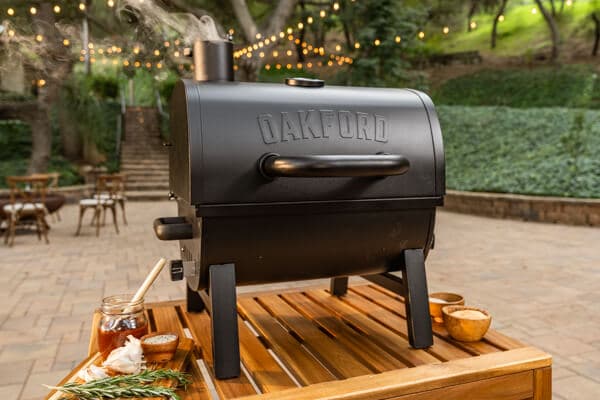
We differentiate ourselves through smart grilling products like the Oakford smart pellet grill, including app-connected cooking controls and modern outdoor cooking technology.
Expert tips, buying guides, comparisons, and inspiration for choosing and getting the most out of your grill.
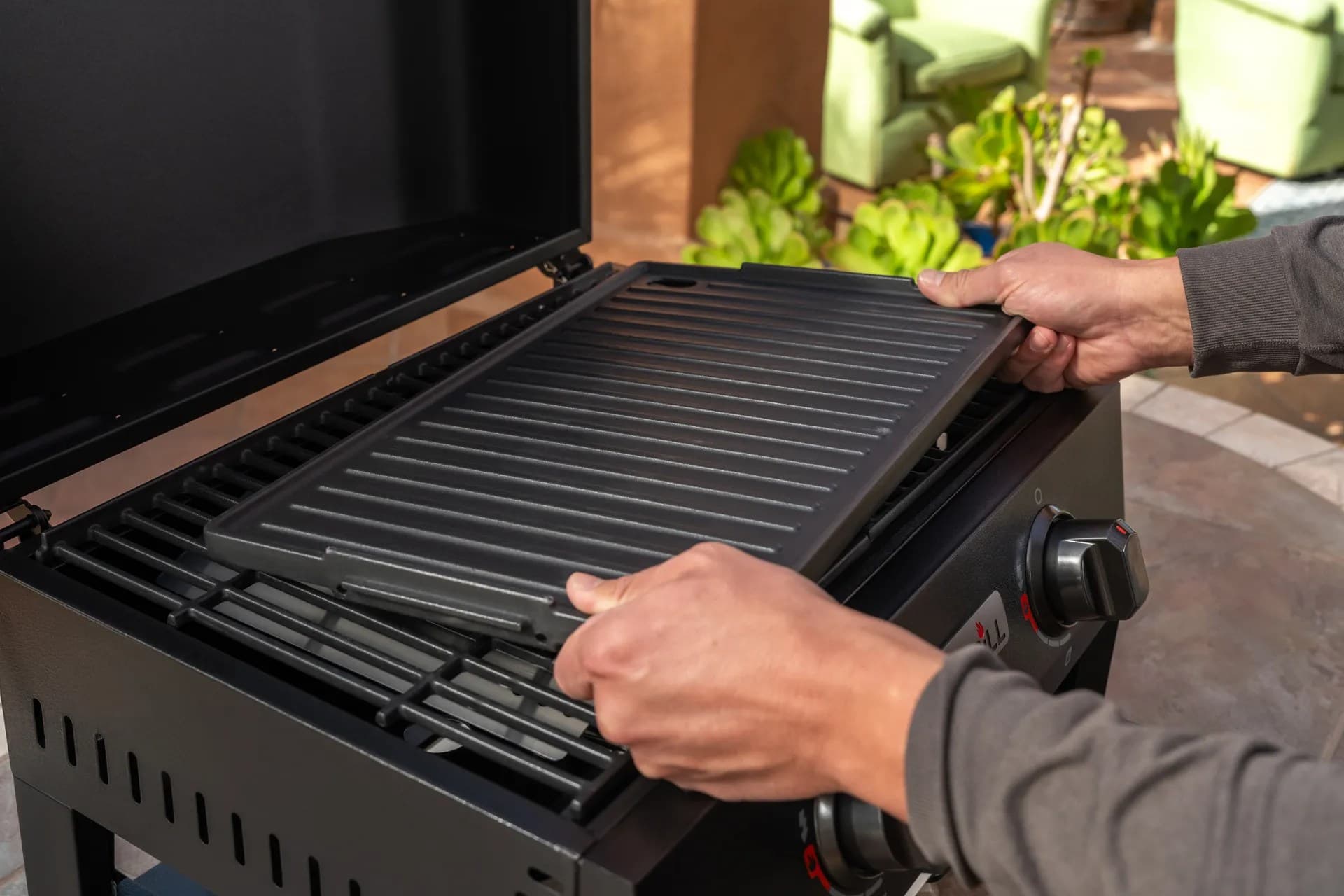
Practical guides for cleaning, maintenance, common grill issues, and performance optimization.
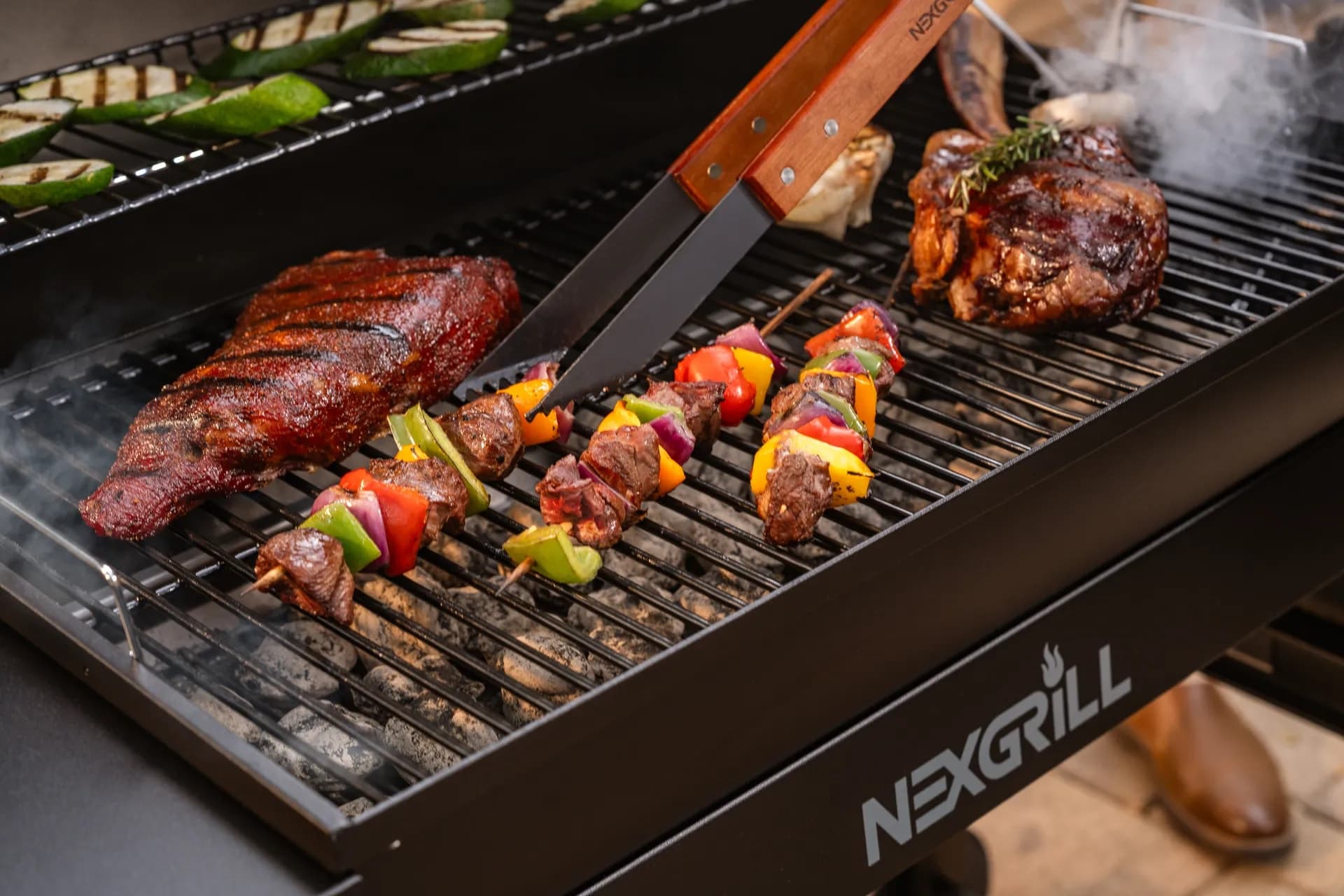
Step-by-step grilling recipes, cooking techniques, and meal ideas for every occasion and skill level.
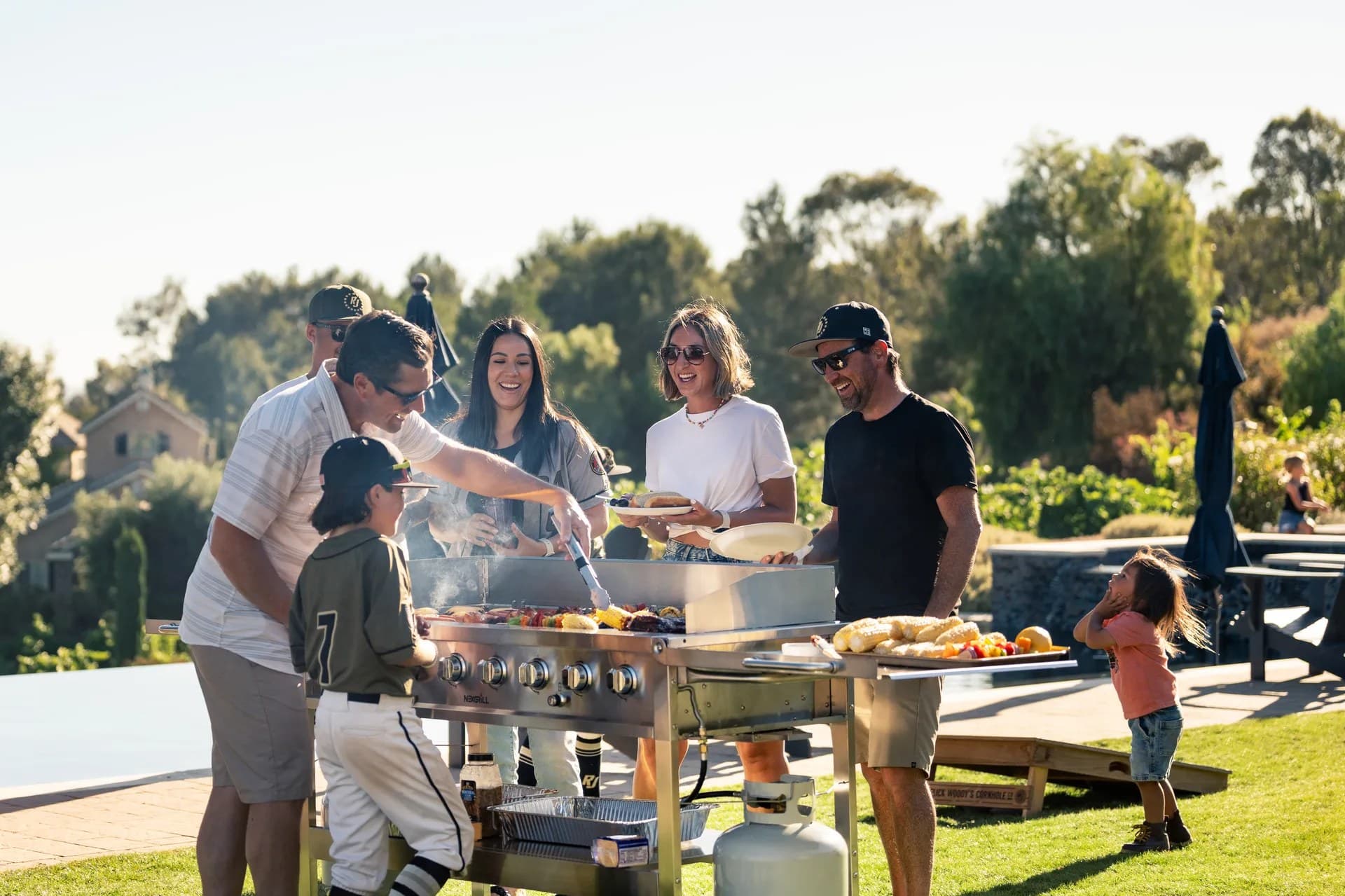
Backyard entertaining ideas, seasonal grilling inspiration, and stories that celebrate outdoor cooking culture.
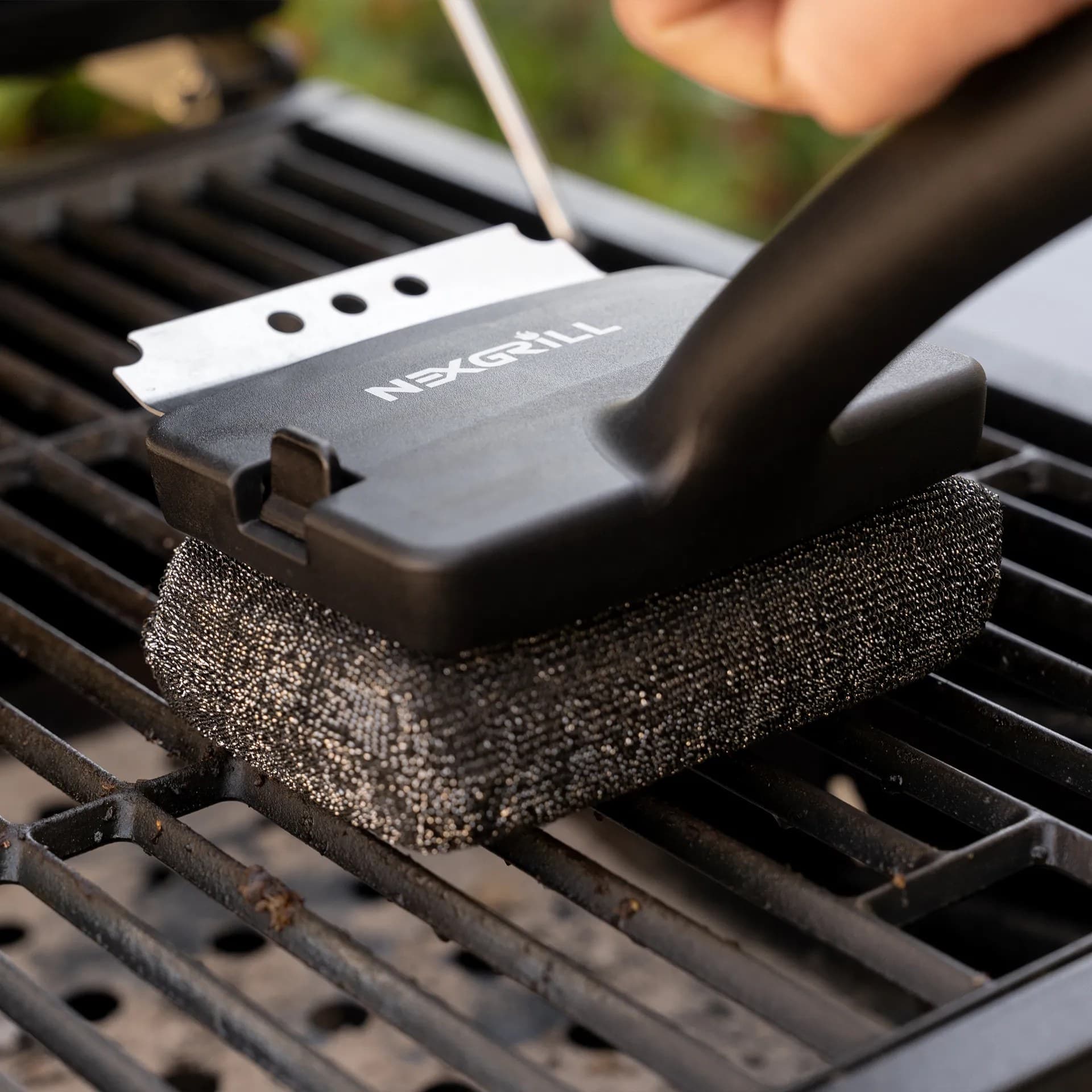
Helpful articles covering grilling tools, cookware, maintenance gear, and must-have accessories for outdoor cooking.
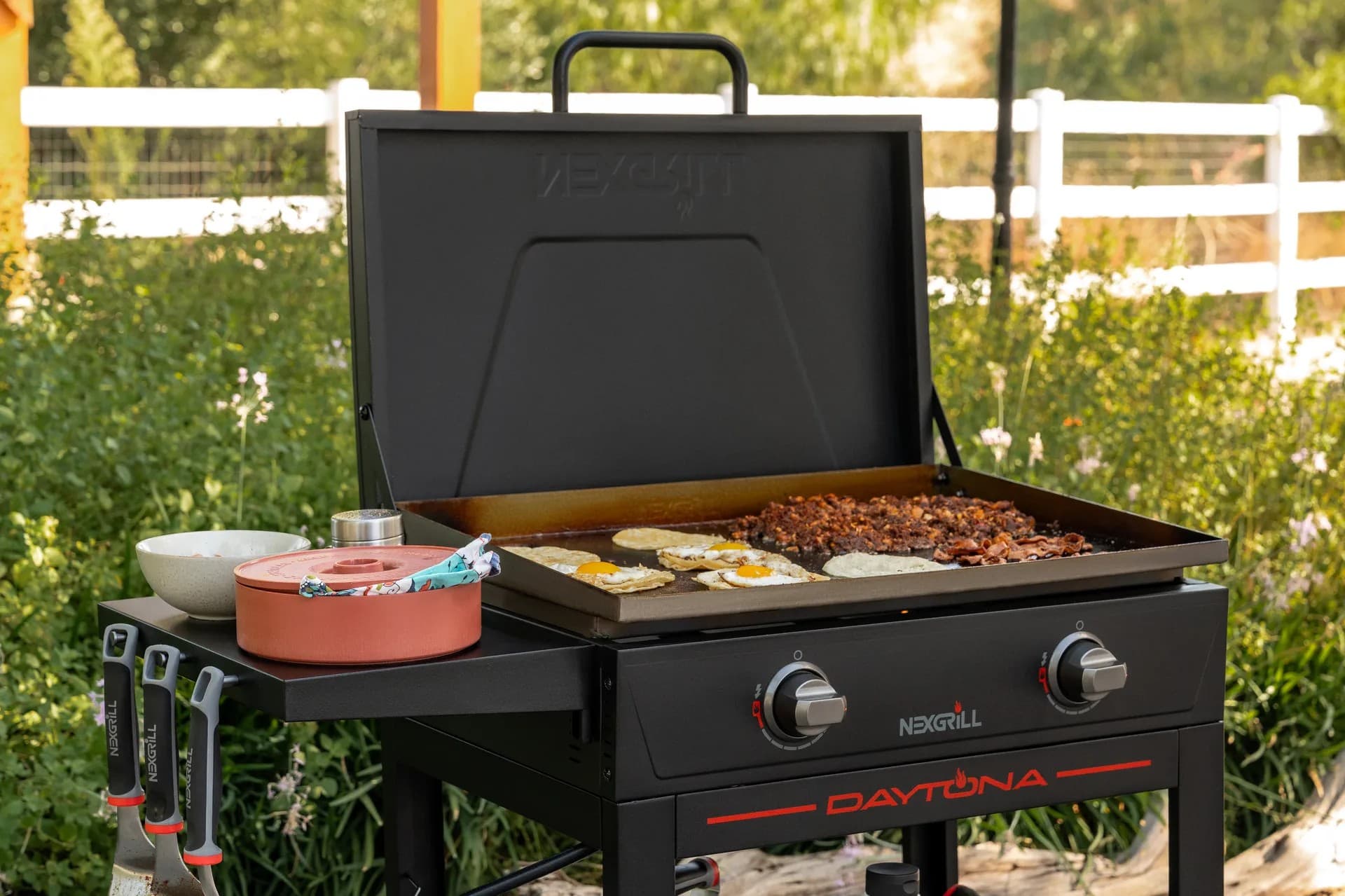
Find griddle recipes, cooking techniques, cleaning tips, and outdoor meal ideas designed for Nexgrill griddles.
Find answers to common questions
Gas grills provide instant heat and precise temperature control, making them easier to use. Charcoal grills offer a smoky flavor and high heat for searing but require more time to heat up and manage.
Pellet grills combine the convenience of gas with the flavor of wood, allowing for smoking, baking, and grilling. Traditional gas grills, however, are quicker to start and often easier to clean.
Charcoal grills typically reach higher temperatures quicker than gas grills, making them better for searing meat. However, high-quality gas grills can also provide adequate heat for effective searing.
Nexgrill offers models designed specifically for gas, charcoal, and pellets, allowing users to choose based on their cooking style and flavor preferences. Each type is built to optimize the characteristics of its respective fuel.
Choosing between gas and charcoal grills depends on your cooking preferences and lifestyle. If you value convenience and quick cooking, a gas grill may suit you better; if you prefer the taste and experience of traditional grilling, a charcoal grill would be ideal.
In This Article
Choosing the Right Cut
Perfecting Grill Temperature
Resting and Serving
Choosing the right cut is the first step in mastering steak grilling. Ribeye, T-bone, and sirloin are popular choices due to their rich marbling and flavor. A ribeye is perfect for those who enjoy a juicy and tender steak with a robust beefy flavor. The T-bone offers both tenderloin and strip steak in one, making it ideal for those who want variety in a single cut.
The thickness of the steak plays a crucial role in grilling. For optimal results, select steaks that are at least 1 to 1.5 inches thick. This thickness allows for a perfect sear on the outside while maintaining a juicy interior.
Tip: Dry-aged steaks offer enhanced flavor and tenderness, making them a worthy choice for special occasions.
Proper preparation is key to grilling success. Start by allowing your steak to reach room temperature, typically around 30 to 45 minutes outside the refrigerator. This ensures even cooking throughout the steak.
Seasoning is a vital step. A simple yet effective approach is to season with kosher salt and freshly ground black pepper. For a deeper flavor, consider a marinade or a dry rub with garlic powder, smoked paprika, and rosemary. Allowing the seasoning to penetrate the meat for a few hours enhances the overall taste.
Temperature control is the cornerstone of grilling a perfect steak. Preheat your Nexgrill to a high temperature, around 450°F to 500°F, for a good sear. A properly heated grill ensures that the steak develops a delicious crust while keeping the inside tender and juicy.
For thicker cuts, consider using a two-zone grilling method. Start by searing the steak over direct heat for a couple of minutes on each side. Then, move it to a cooler part of the grill (indirect heat) to finish cooking. This method allows for precise control over the doneness of the steak.
| Steak Thickness | Direct Heat Time | Indirect Heat Time |
|---|---|---|
| 1 inch | 2-3 minutes per side | 4-5 minutes |
| 1.5 inches | 3-4 minutes per side | 5-7 minutes |
Info: Using a meat thermometer helps achieve precise doneness. Aim for 130°F for medium-rare, 140°F for medium, and 150°F for medium-well.
Once your steak has reached the desired doneness, it's essential to let it rest for about 5 to 10 minutes. Resting allows the juices to redistribute throughout the meat, resulting in a tender and flavorful steak.
Slice your steak against the grain to ensure each bite is as tender as possible. Serve with complementary sides like grilled vegetables or a fresh salad to enhance the meal.
Try comparing two products side by side below to see which fits best:
For those looking to elevate their grilling, experimenting with advanced techniques can make a significant difference. Reverse searing is one such method where the steak is cooked slowly over low heat first, then seared at high heat to finish. This technique ensures a beautifully caramelized crust with a perfectly cooked interior.
Another technique is the use of wood chips for smoking. Adding a handful of soaked hickory or mesquite chips to your grill can infuse your steak with a delightful smoky aroma, enhancing its flavor profile. Be sure to wrap the chips in foil, poke a few holes, and place them directly on the heat source.
Steak doneness can dramatically affect the dining experience. From rare to well-done, each level of doneness offers a unique texture and flavor. Understanding the differences can help you cater to your guests' preferences.
A rare steak, cooked to an internal temperature of 120°F, is cool and red in the center, offering a soft texture. Medium-rare, at 130°F, is warm and red, with a slightly firmer texture, which many consider the ideal balance of flavor and tenderness. Medium steaks reach 140°F, offering a pink center and more pronounced beef flavor.
Warning: Overcooking steak can result in a dry and tough texture. Always monitor closely to avoid surpassing the desired doneness.
The right side dishes and sauces can elevate a steak meal to new heights. Classic pairings include garlic mashed potatoes, sautéed mushrooms, and asparagus. For a touch of freshness, consider a chimichurri sauce or a balsamic reduction.
Be adventurous with your flavors. A blue cheese butter or a red wine reduction can add depth to the meal, offering a gourmet touch without overwhelming the steak's natural flavors.
Weather conditions can impact grilling success. Windy conditions can cause inconsistent temperatures, while cold weather may require longer preheating times. Investing in a grill cover or windbreak can help maintain a stable grilling environment.
Once you've weighed two options against each other, here's what else matters in achieving the perfect steak:
| Condition | Impact | Solution |
|---|---|---|
| Wind | Inconsistent heat | Use a windbreak |
| Cold | Longer preheat times | Preheat longer |
Here's what sets us apart
We position ourselves as delivering high-end outdoor cooking features and performance without premium-brand pricing, emphasizing “Quality Grills. Unbelievable Value.”
We offer gas grills, pellet grills, griddles, smokers, pizza ovens, portable/tabletop grills, electric grills, accessories, and replacement parts — allowing customers to stay within one ecosystem for all outdoor cooking needs.
We differentiate ourselves through smart grilling products like the Oakford smart pellet grill, including app-connected cooking controls and modern outdoor cooking technology.
Don't just take our word for it
Keep reading
From our catalog