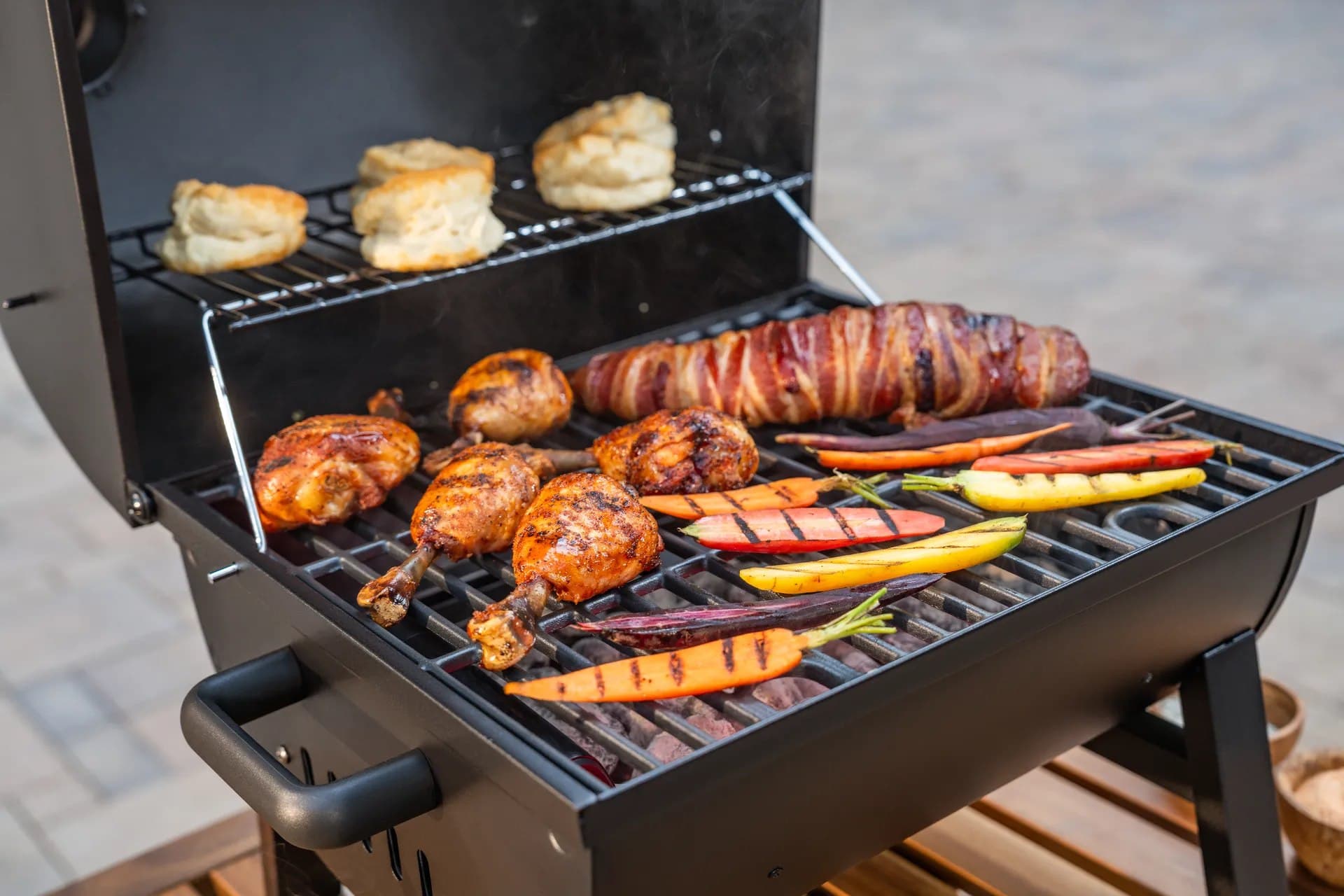
Enhance your barbecue experience with these flavorful grilled side dishes.
Here's what sets us apart from the competition
We position ourselves as delivering high-end outdoor cooking features and performance without premium-brand pricing, emphasizing “Quality Grills. Unbelievable Value.”
We offer gas grills, pellet grills, griddles, smokers, pizza ovens, portable/tabletop grills, electric grills, accessories, and replacement parts — allowing customers to stay within one ecosystem for all outdoor cooking needs.
We differentiate ourselves through smart grilling products like the Oakford smart pellet grill, including app-connected cooking controls and modern outdoor cooking technology.
Expert tips, buying guides, comparisons, and inspiration for choosing and getting the most out of your grill.
Practical guides for cleaning, maintenance, common grill issues, and performance optimization.
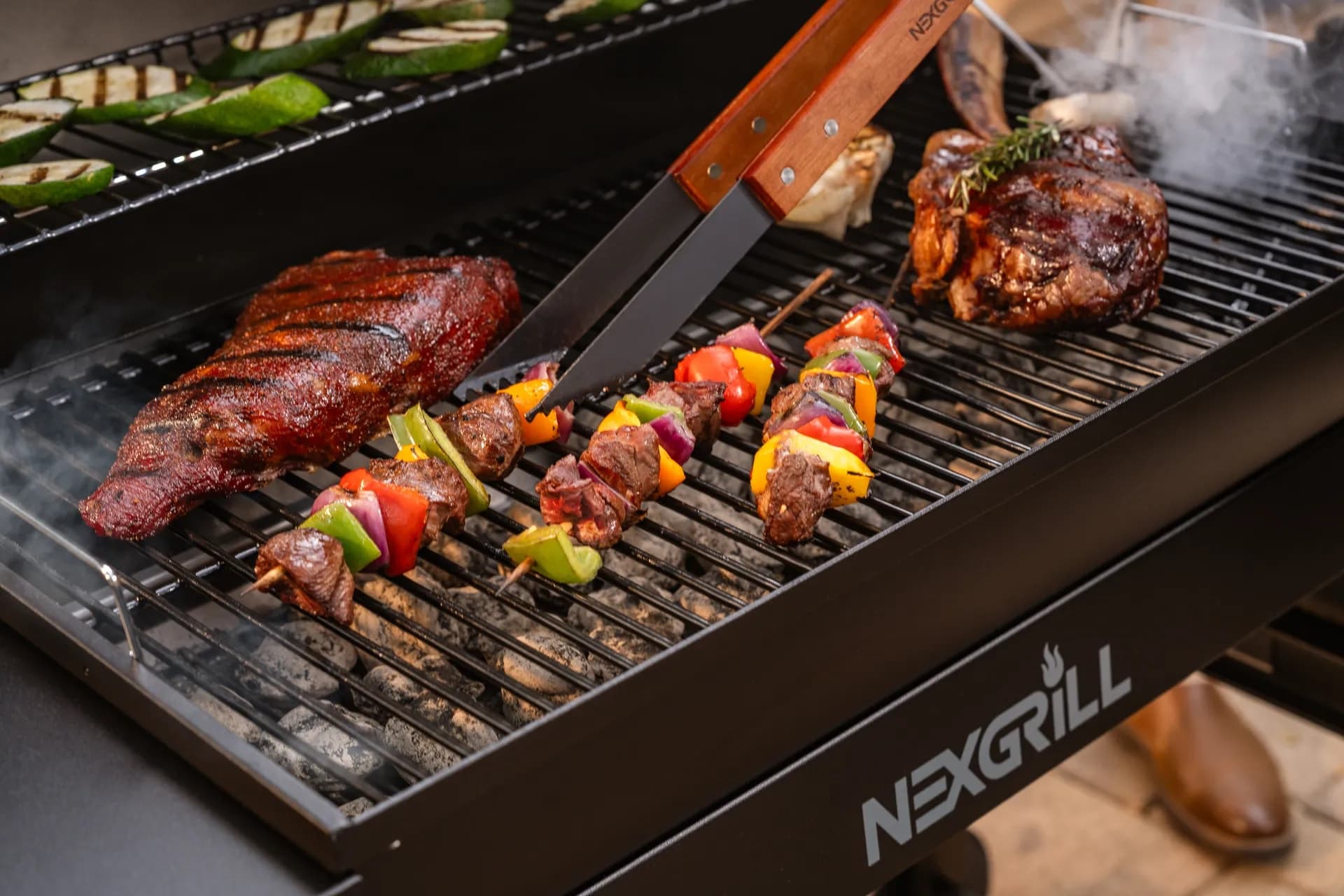
Step-by-step grilling recipes, cooking techniques, and meal ideas for every occasion and skill level.
Backyard entertaining ideas, seasonal grilling inspiration, and stories that celebrate outdoor cooking culture.
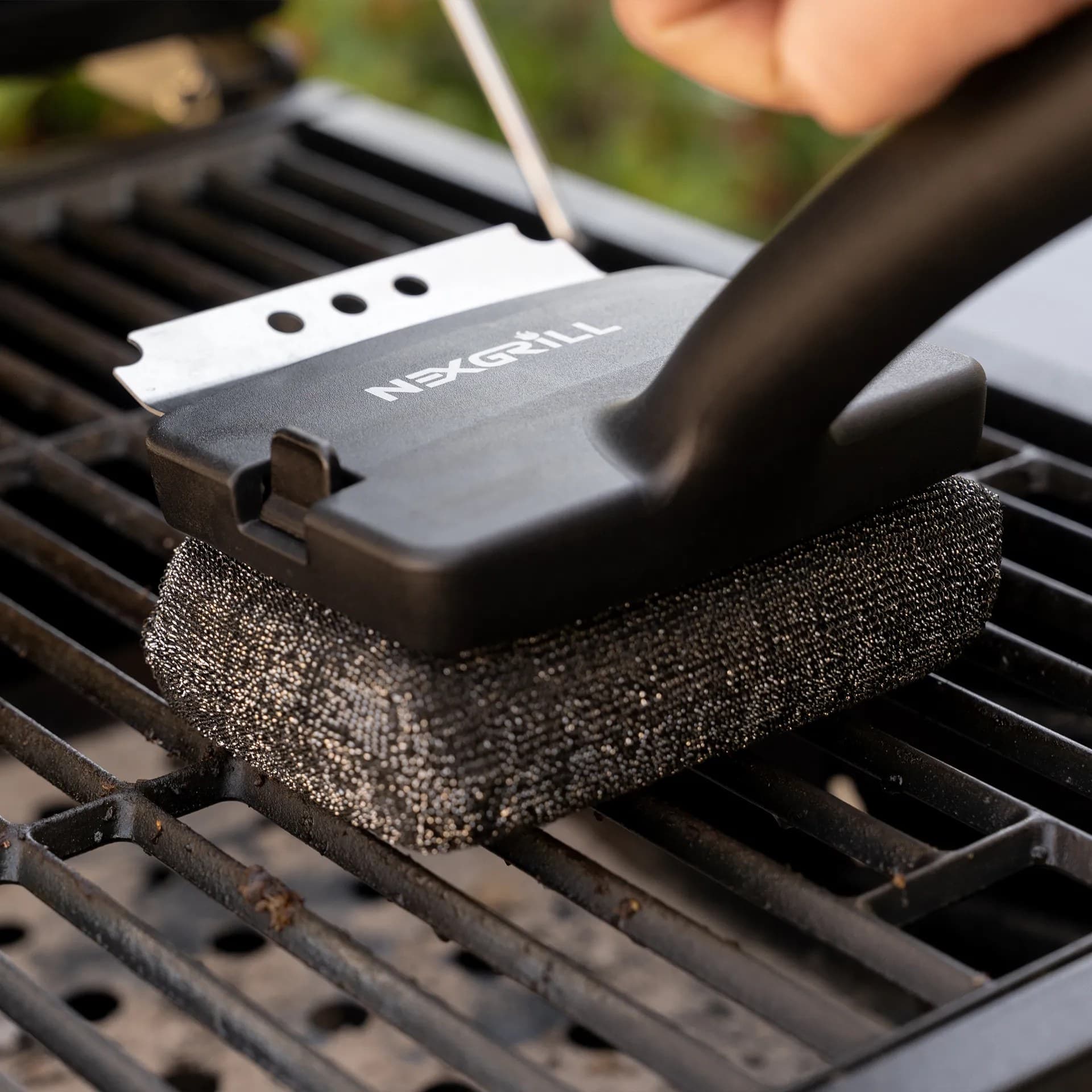
Helpful articles covering grilling tools, cookware, maintenance gear, and must-have accessories for outdoor cooking.
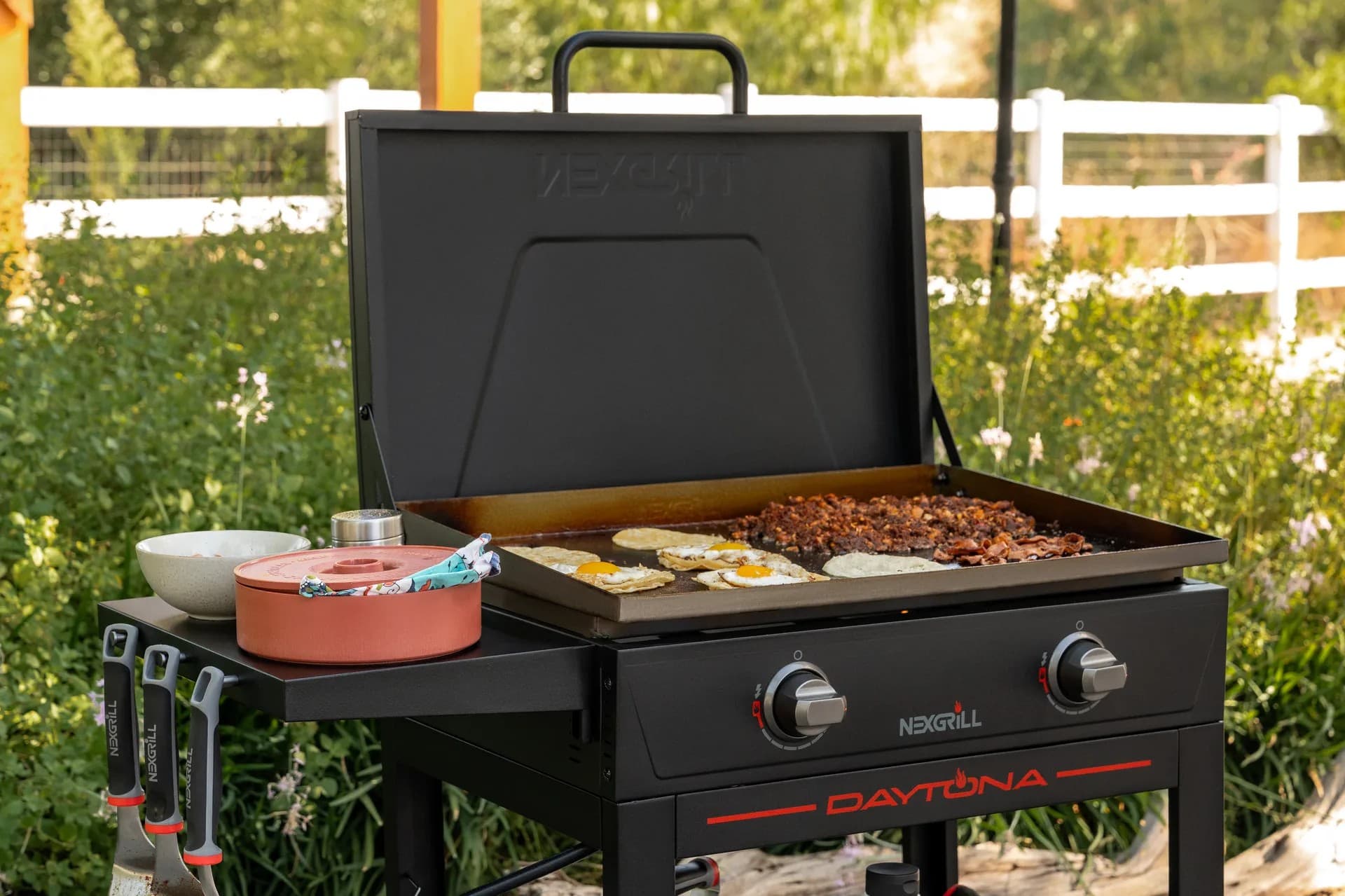
Find griddle recipes, cooking techniques, cleaning tips, and outdoor meal ideas designed for Nexgrill griddles.
Find answers to common questions
Nexgrill equipment is suitable for a variety of recipes including meats, vegetables, and even pizzas. Popular options include marinated steaks, grilled vegetables, and shrimp skewers.
To enhance the flavor of grilled vegetables, consider marinating them in olive oil, herbs, and spices before grilling. Alternatively, you can season them with salt and pepper during grilling for a more straightforward approach.
To achieve perfect grill marks, preheat your grill to a high temperature and ensure that the food is dry before placing it on the grill. Avoid moving the food too early, as it needs to sear properly to form those classic grill marks.
Using a meat thermometer is the most accurate way to ensure your grilled meat is at the desired temperature. For instance, chicken should reach an internal temperature of 165°F while medium-rare beef is typically at 135°F.
To clean your Nexgrill after cooking, allow it to cool and then use a grill brush to remove any residue from the grates. You can also wipe down the exterior with a damp cloth and mild soap to keep it looking its best.
In This Article
Grilled Corn on the Cob
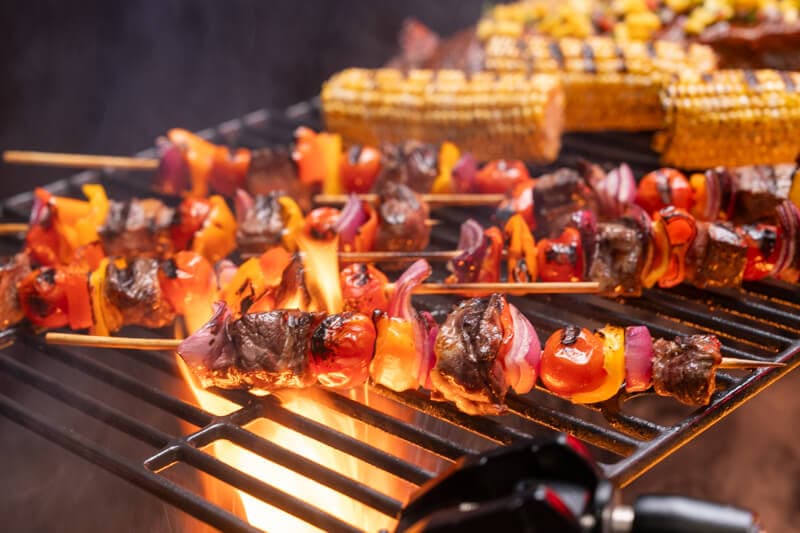
Grilled Vegetable Skewers
Grilled Sweet Potatoes
A barbecue can be memorable for the brisket, ribs, chicken, or burgers at the center of the plate, but the meal usually becomes complete because of the sides. Grilled sides do more than fill space next to the main protein. They create contrast in texture, add color to the table, and help balance smoky, savory, and sweet flavors in a way that makes the whole spread feel deliberate rather than random. When the grill is already hot, using it for side dishes is also a practical move: it lets you build an entire meal outdoors, keeps the kitchen cooler, and gives vegetables, bread, fruit, and cheese the same fire-kissed flavor that makes the main course appealing.
For a cook planning a backyard meal in the United States, the best grilled side dishes often serve a second purpose. They help stretch portions when a crowd is larger than expected, and they give guests options beyond the main meat. That matters whether you are serving a casual family dinner or hosting a neighborhood cookout where some guests want something lighter. A platter with grilled corn, charred vegetables, sweet potatoes, and grilled fruit feels more complete than one with only a stack of ribs and a bottle of sauce. It also gives you room to adapt to different diets without building a separate menu. A vegetarian guest can still eat well if the side dishes are good enough to stand on their own.
Think of grilled sides as flavor bridges. They connect rich meats to fresh, bright, or sweet elements so every bite feels more balanced.
The sections below are intentionally focused on sides that work in real barbecue settings. Rather than treating them as afterthoughts, each one is built to perform under direct heat and pair naturally with common BBQ mains. Corn handles smoke and butter well. Vegetable skewers bring color and texture variety. Sweet potatoes give you a hearty side that can hold its own next to saucy meats. Mushrooms contribute umami, halloumi adds a salty and chewy contrast, garlic bread gives people something to mop up sauce, and pineapple can close the meal with a warm, caramelized sweetness. If you are cooking on a Nexgrill setup, these sides are also practical because they let you use different heat zones, griddle space, and grilling surfaces efficiently while the main protein rests.
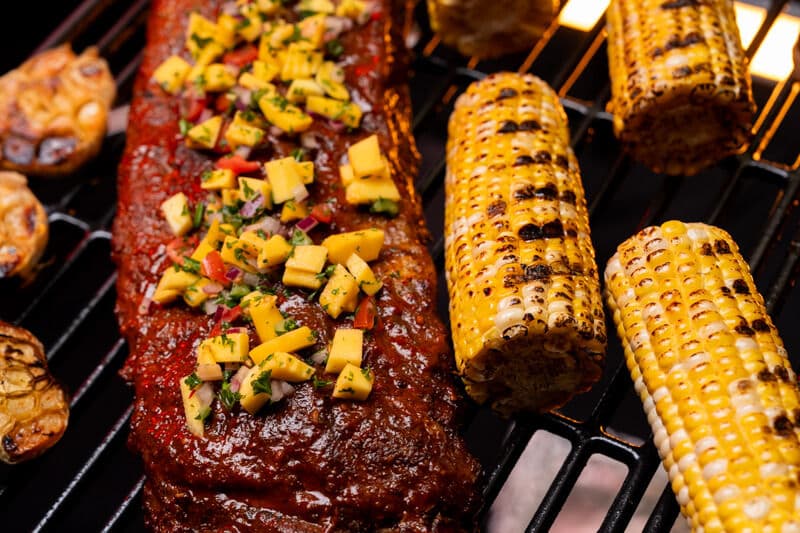
Grilled corn on the cob is one of the easiest ways to bring a familiar cookout staple into the fire. The key is not to overcomplicate it. Fresh ears of corn need enough heat to pick up some char and deepen their natural sweetness, but not so much that they dry out. On a hot grill, corn can be cooked in the husk for a softer, lightly steamed result, or directly on the grates for more browning and a stronger smoky edge. The husk method is useful when you want a gentler texture, while the direct method is better when you want those caramelized kernels that taste especially good beside ribs or grilled chicken.
A simple seasoning approach often works best: brush the corn with melted butter or oil, add salt, and finish with black pepper, chili powder, or a squeeze of lime. If you want a richer flavor profile, you can coat the corn after grilling with a butter blend that includes garlic, smoked paprika, grated parmesan, or chopped herbs. That makes it flexible enough to serve with everything from barbecue beef to citrus-marinated chicken. If the main course is heavily sauced, corn gives the plate a sweet, clean counterbalance rather than competing for attention.
A practical grilling window for fresh corn, depending on heat and whether the husk is left on
One detail that improves results is rotating the corn regularly. That helps it char evenly and prevents a single side from blackening too fast. If you are cooking several ears at once for a family-style cookout, place the finished corn in a foil-lined pan and cover it loosely so it stays warm without becoming soggy. This is especially helpful when the grill is also busy with burgers or sausages. Corn works because it is forgiving, inexpensive, and easy to scale up, which makes it one of the smartest sides to plan first when the guest count is uncertain.
Vegetable skewers are useful because they solve a common barbecue problem: how to serve something vibrant, lighter, and fast-cooking without demanding a separate cooking method. The best skewers use vegetables that can handle similar grilling times. Bell peppers, red onion, zucchini, mushrooms, cherry tomatoes, and chunks of yellow squash all work well because they soften without falling apart. If you cut the vegetables too large, they may stay raw in the center. If you cut them too small, they can slip through the grate or overcook before they pick up any color. Uniform sizing matters more than fancy seasoning here.
A balanced skewer often benefits from a simple marinade made with olive oil, garlic, lemon juice, salt, and herbs. That gives the vegetables surface flavor and also helps them brown more cleanly. The vegetables should be coated lightly, not drenched, because excess oil can drip and flare up. For a stronger BBQ match, you can add a touch of smoked paprika or a small amount of soy sauce to increase savory depth. These skewers pair especially well with grilled chicken, pork chops, or smoked sausages because they bring freshness and color to plates that might otherwise lean brown and heavy.
If you are using wooden skewers, soak them first so they do not scorch. Metal skewers are easier for repeated grilling and turn more evenly.
The visual impact is part of the appeal. Red peppers, green zucchini, purple onion, and golden squash create a side dish that looks festive on a platter before anyone even takes a bite. That matters at outdoor meals because guests eat with their eyes first. It also helps when you are feeding a group with mixed preferences: people who want a lighter plate can load up on vegetables, while meat eaters still get the bold grill flavor they expect. For a Nexgrill griddle or grill with a stable hot zone, vegetable skewers can be turned quickly and finished in a way that keeps some bite instead of turning mushy.
Sweet potatoes are an underrated grilled side because they add body to the plate without feeling heavy in the same way as potatoes baked with cheese or cream. Sliced into planks or thick rounds, they develop a caramelized exterior while staying tender inside. That combination is particularly good with smoky meats such as brisket, pulled pork, or ribs, where the natural sweetness of the potato mirrors the sweetness in barbecue sauce without tasting repetitive. They also work well with grilled turkey burgers or chicken thighs when you want a side that feels substantial but not greasy.
The main technique is to slice the sweet potatoes evenly and give them enough oil to keep them from sticking. A light coating of olive oil, salt, and pepper is enough for a clean result, but you can also lean into savory spices like cumin, garlic powder, or rosemary. If you want to create more contrast, a finishing sprinkle of flaky salt or a drizzle of honey after grilling can make the edges pop. For extra convenience, par-cook thicker slices in the microwave for a short time before grilling; that shortens the cook and reduces the risk of burned outsides with raw centers.
These are especially useful at cookouts where the menu needs one side that feels a little heartier than vegetables. They can bridge the gap between salad-like freshness and classic comfort food. If you are feeding kids or guests who want something familiar, grilled sweet potatoes are usually an easy win because they have natural sweetness and a soft texture, but the grill still gives them enough edge to feel intentional. In a BBQ spread, that balance can matter as much as flavor.
Asparagus is one of the quickest grilled sides to prepare, which makes it especially useful when the main protein is already demanding most of your attention. Thin spears cook very fast and can become limp if left too long, so the goal is to grill them just until they pick up color and retain a slight snap. A little oil, salt, and pepper is often enough. Lemon zest, garlic, or shaved parmesan can be added after grilling if you want the side to feel more polished.
What makes asparagus especially valuable at a barbecue is its texture. It gives the plate a tender-crisp element that cuts through richer foods. If you are serving ribs, brisket, or sausages, asparagus acts almost like a reset button between bites. For lighter mains such as grilled fish or chicken, it keeps the meal feeling fresh and structured. The stalk size matters: medium-thick spears are often the best choice because they are sturdy enough to stay on the grill without becoming stringy.
Trim the woody ends before grilling. That small step improves tenderness far more than adding extra seasoning.
Mushrooms bring an earthy depth that works particularly well next to smoky or heavily seasoned barbecue meat. Larger mushrooms such as portobello caps are ideal when you want a side that feels substantial, while cremini or button mushrooms are good for skewers or grill baskets. Because mushrooms contain moisture, they can pick up char while staying juicy inside, which is one reason they are so satisfying alongside a dry-rubbed rib or a sliced steak. Their savory flavor also makes them a strong companion to burgers, especially when you want a meat-on-meat style meal with a more nuanced side.
Mushrooms grill well with olive oil, garlic, salt, pepper, and a splash of balsamic vinegar or soy sauce. The marinade should enhance their natural umami without drowning them. If you are grilling portobellos, a short marination time can be enough to add depth, and the caps can be finished with herbs or a dab of butter. Smaller mushrooms can be threaded onto skewers or cooked in a grill-safe basket so they don’t fall through the grates. Their appeal is not only flavor but also flexibility: they can be dressed up for a more refined meal or kept simple for a casual backyard gathering.
Halloumi and tomato skewers offer a different kind of BBQ side, one that leans salty, bright, and satisfying rather than smoky and heavy. Halloumi is a grill-friendly cheese that softens on the inside while developing a firm, browned exterior. Paired with cherry tomatoes, it creates a contrast of texture and flavor that stands out on a barbecue table. This is the kind of side that adds variety to a menu with classic American mains because it gives guests something unexpected without requiring complex prep.
For best results, cut the halloumi into thick cubes so it can hold together on the skewer. Pair it with tomatoes of similar size, and consider adding zucchini or bell pepper if you want more volume. A drizzle of olive oil, oregano, and a little black pepper is usually enough. Because halloumi is naturally salty, it does not need much additional seasoning. The tomatoes soften and burst, creating a juicy contrast to the cheese’s firmer texture. This side works well with grilled lamb, chicken, or even smoky pork because it brings freshness and a Mediterranean accent to the table.
Grilled garlic bread is one of the easiest ways to turn leftover grill heat into something guests will reach for repeatedly. A sliced loaf brushed with butter, garlic, and parsley gains a crisp exterior and a soft center that is perfect for soaking up barbecue sauce, juices, or marinades. The grill adds a charred edge that an oven often cannot match. This side is especially useful for backyard meals because it is fast, inexpensive, and liked by almost everyone at the table.
A sturdy loaf such as ciabatta, French bread, or a split Italian loaf works well because it can handle heat without collapsing. For a richer version, you can add parmesan or mozzarella near the end of grilling. If the meal includes saucy meats, garlic bread becomes even more useful because it gives guests a way to finish the plate. It also helps absorb drippings from brisket or pulled pork sandwiches, which makes the overall meal feel more complete and less wasteful. The key is to watch it closely, since bread can move from golden to burned very quickly over direct heat.
Grilled pineapple is one of the best ways to end a barbecue because it uses the same fire that cooked the mains and sides to create a light dessert. Once pineapple hits the grill, its sugars caramelize and the fruit becomes sweeter, softer, and slightly smoky. The result is simple but memorable. It can be served plain, with a dusting of cinnamon, or paired with a scoop of vanilla ice cream if you want a more dessert-like finish. If you prefer a stronger contrast, a pinch of chili powder or lime juice can make the flavor brighter and less sugary.
Pineapple also gives the cook a useful break from savory prep because it requires little more than peeling, slicing, and grilling for a few minutes per side. That makes it a practical add-on when the grill still has space after the main cook. Its tropical sweetness works well after a meal of ribs, burgers, or grilled chicken because it clears the palate and finishes the meal on a fresher note. A warm fruit side like this can feel surprisingly elegant even in a casual backyard setting.
Try comparing two products side by side below to see which fits best:
The difference between an average grilled side and one people remember often comes down to heat control, timing, and how much attention the cook gives to texture. Vegetables and fruit should not be treated like afterthoughts tossed onto any open space left on the grates. They need their own logic. Tender vegetables such as asparagus cook quickly, dense vegetables such as sweet potatoes need a head start, and items with high moisture like mushrooms benefit from enough space to release steam rather than stew. If the grill is too hot, the outside can blacken before the inside is ready. If it is too cool, you lose the char and smoky flavor that make grilled sides special in the first place.
One of the most useful habits is to build a two-zone fire or use separate heat areas on the cooking surface. That gives you a hot side for searing corn, bread, halloumi, or pineapple and a cooler side for finishing vegetables that need a little more time. This matters on a busy barbecue day because side dishes often need flexibility while the main protein is resting or being managed. If you are cooking on a Nexgrill grill or griddle, using the available surface intelligently is often more valuable than just cranking up the heat. It allows you to turn, move, and rest foods without overcooking them.
Do not rush vegetables by crowding them. Airflow is what creates browning. If the pan or grates are packed, you get steam instead of char.
Seasoning should also match the food’s structure. Corn can handle butter and spice. Asparagus benefits from citrus and salt. Mushrooms like garlic and umami-rich ingredients. Sweet potatoes work with savory herbs or a touch of sweetness at the end. Halloumi needs very little help because it already brings salt and chew. Garlic bread relies on fat, herbs, and enough heat to crisp the surface. Pineapple needs restraint so the fruit flavor still leads. When the seasoning is tailored this way, the sides don’t feel repetitive; they feel like separate elements that support the same meal.
| Side | Best Heat | Timing Cue |
|---|---|---|
| Corn on the cob | Medium to medium-high | Char on the kernels and tender bite |
| Asparagus | Medium-high | Bright green color with slight blistering |
| Sweet potatoes | Medium | Fork-tender with caramelized edges |
| Mushrooms | Medium to medium-high | Moist, browned, and slightly shrunken |
Matching the side dish to the meat is where a barbecue menu starts to feel intentional. Rich, fatty meats usually benefit from bright or crisp sides, while leaner meats often need something with more body or sweetness. For example, grilled corn and asparagus work well with ribs because they cut through the richness without competing with the sauce. Sweet potatoes and garlic bread are strong companions for pulled pork because they echo the caramelized, savory character of the meat and help absorb juices. Grilled mushrooms are especially good with steak or burgers because they reinforce the savory flavor profile rather than interrupting it.
Chicken is a little more flexible. If the chicken is simply seasoned, you can pair it with almost any of these sides. If it is heavily spiced or glazed, choose one fresh side, one hearty side, and one bright accent so the plate does not feel one-note. Halloumi and tomato skewers can be a smart pairing with grilled chicken thighs, especially when the chicken has herbs or citrus in the marinade. Pineapple also belongs here because it works with glazed chicken, pork, and even grilled shrimp if seafood is on the menu. Think in terms of balance, not repetition: if the main has smoke, the side can bring freshness; if the main is lean, the side can bring richness.
For large family gatherings, it is helpful to plan by plate style rather than by recipe count. A meat-heavy plate usually needs one vegetable, one starch, and one item with a different flavor direction. A rib plate might include corn, sweet potatoes, and grilled pineapple. A steak dinner might do mushrooms, asparagus, and garlic bread. A pulled pork spread can handle vegetable skewers and a tomato-and-halloumi skewer because the textures stay lively against the shredded meat. This way of planning avoids the common mistake of making three sides that all taste sweet or three sides that all feel soft and heavy. Variety matters.
Vegetable prep is where many grilled side dishes either succeed or fall apart. The vegetables should be cut with the grill in mind, not just with knife convenience. Dense vegetables like sweet potatoes need consistent thickness so the grill can cook them evenly. Zucchini and mushrooms should be cut thick enough to stay intact but not so thick that they remain raw. Onions can be cut into wedges or large slices so they stay together on the grill. If you are assembling skewers, choose vegetables that can be threaded securely and leave a little room between pieces so heat can circulate.
Marinades should do two jobs: add flavor and support browning. For vegetables, that usually means oil plus an acid or seasoning base. Olive oil is common because it helps prevent sticking, while lemon juice, vinegar, soy sauce, or yogurt-based blends can add complexity. The trick is not to over-marinate delicate vegetables. A short soak is enough for most produce. Too much acid can make softer vegetables collapse before they even hit the grill. For sweet potatoes, a light oil coating and dry seasoning is often the better route. For mushrooms or halloumi, bolder seasonings can be used because they hold their structure better.
Dry vegetables before they go on the grill. Excess moisture slows browning and makes sticking more likely, especially with corn, mushrooms, and asparagus.
A practical approach is to season in stages. Start with a light oil coating before grilling, then finish with herbs, citrus, cheese, or a drizzle after the food comes off the heat. This keeps flavors layered instead of muddy. It also lets you adjust each side independently. Corn can get buttery richness, asparagus can get lemon, and pineapple can get a tiny pinch of salt or chili. When each item gets its own final accent, the whole meal feels more curated and less like a batch of sides cooked together without intent.
Food safety and grill cleanliness matter just as much for sides as they do for meats. Vegetables may not require the same internal-temperature focus as poultry or beef, but they still benefit from safe handling and a clean cooking surface. Wash produce before prep, keep raw and cooked foods separate, and use clean utensils when moving vegetables on and off the grill. If you are cooking meat and vegetables at the same time, avoid using the same plate or tongs for both unless the meat has already been fully cooked and the tools have been cleaned. That simple discipline reduces cross-contact and keeps the meal more organized.
From a grill-maintenance perspective, side dishes can leave behind residue that affects the next cook. Corn husks, cheese drips, fruit sugars, and marinades can all char and create sticky spots on the grates. Cleaning while the grill is still warm is easier than waiting until everything has hardened. A grill brush or scraper helps remove buildup before the next use, and wiping down grates after oily or sugary foods prevents flavor transfer. Fruit, in particular, can caramelize quickly and burn onto the surface, so it is worth checking the grates once the dessert course is done. If you use a grill basket or foil pan, wash it promptly so residue does not become harder to remove later.
One more practical safety point: watch for flare-ups when grilling sides that are marinated or brushed with oil and butter. That does not mean you should avoid fat altogether; it means you should keep a cooler zone available and move foods as needed. Halloumi, garlic bread, and pineapple can brown quickly because of their surface sugars or dairy content. If a side starts to darken faster than expected, reduce direct heat rather than letting it burn. The best grilled sides have color and texture, not bitter char.
The strongest BBQ menus usually have side dishes that do more than fill a plate. They balance smoke with freshness, richness with brightness, and sweetness with salt. Grilled corn on the cob, vegetable skewers, sweet potatoes, asparagus, mushrooms, halloumi and tomato skewers, garlic bread, and pineapple each contribute something different, which is why they work so well together in a cookout setting. You do not need to make all of them at once. Even two or three thoughtfully chosen sides can turn a simple barbecue into a meal that feels complete and satisfying.
If you want the most reliable approach, start with one familiar side, one vegetable-based side, and one option that surprises people a little. That might be corn, asparagus, and pineapple for a lighter menu, or sweet potatoes, mushrooms, and garlic bread for a richer one. The point is to make the plate feel balanced and useful, not crowded. When the sides are planned with the same care as the main dish, the whole barbecue tastes better and feels more memorable.
Here's what sets us apart
We position ourselves as delivering high-end outdoor cooking features and performance without premium-brand pricing, emphasizing “Quality Grills. Unbelievable Value.”
We offer gas grills, pellet grills, griddles, smokers, pizza ovens, portable/tabletop grills, electric grills, accessories, and replacement parts — allowing customers to stay within one ecosystem for all outdoor cooking needs.
We differentiate ourselves through smart grilling products like the Oakford smart pellet grill, including app-connected cooking controls and modern outdoor cooking technology.
Don't just take our word for it
Keep reading
From our catalog