Gas Grilling vs Charcoal Barbecue: The Ultimate Showdown
Explore the nuances and unique benefits of gas and charcoal grilling.
In This Article
Flavor Differences
Cost and Maintenance
Environmental Impact
Understanding the Basics of Gas and Charcoal Grilling
Grilling has evolved into a cultural phenomenon, celebrated for its ability to bring people together over a shared love for food and fire. At the heart of this tradition are two stalwarts: gas grills and charcoal barbecues. Each has its own loyal following and distinct advantages, making the choice between them a matter of personal preference and cooking style.
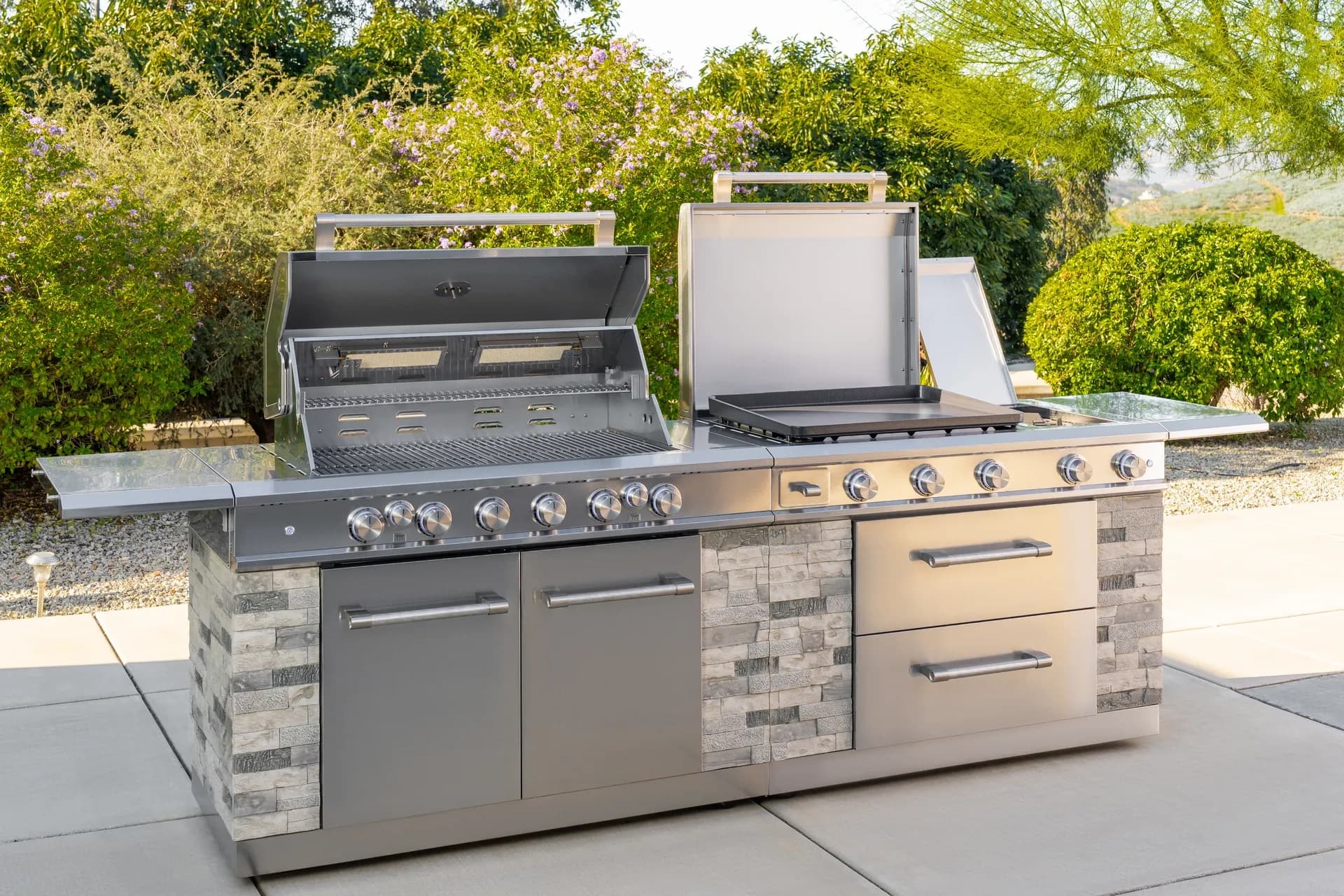
Gas grilling is often praised for its convenience and ease of use. It allows for quick ignition and precise temperature control, making it ideal for quick meals and varied cooking styles. Charcoal barbecues, on the other hand, are renowned for their ability to impart a rich, smoky flavor that many enthusiasts argue cannot be replicated by gas. The choice between these two often boils down to a balance between flavor and convenience.
Tip: Consider your lifestyle and cooking habits when choosing between gas and charcoal. Each offers unique benefits that cater to different grilling ambitions.
Flavor Profiles: Smoky vs. Clean
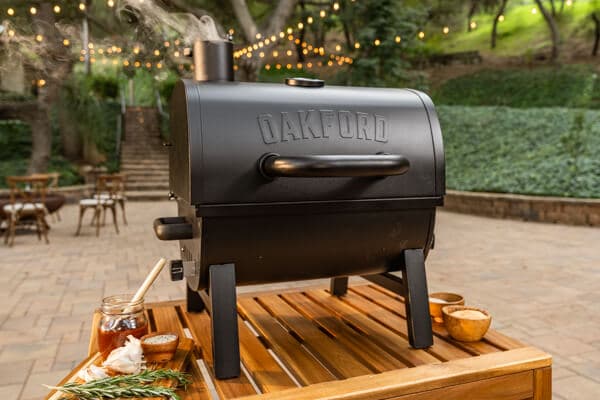
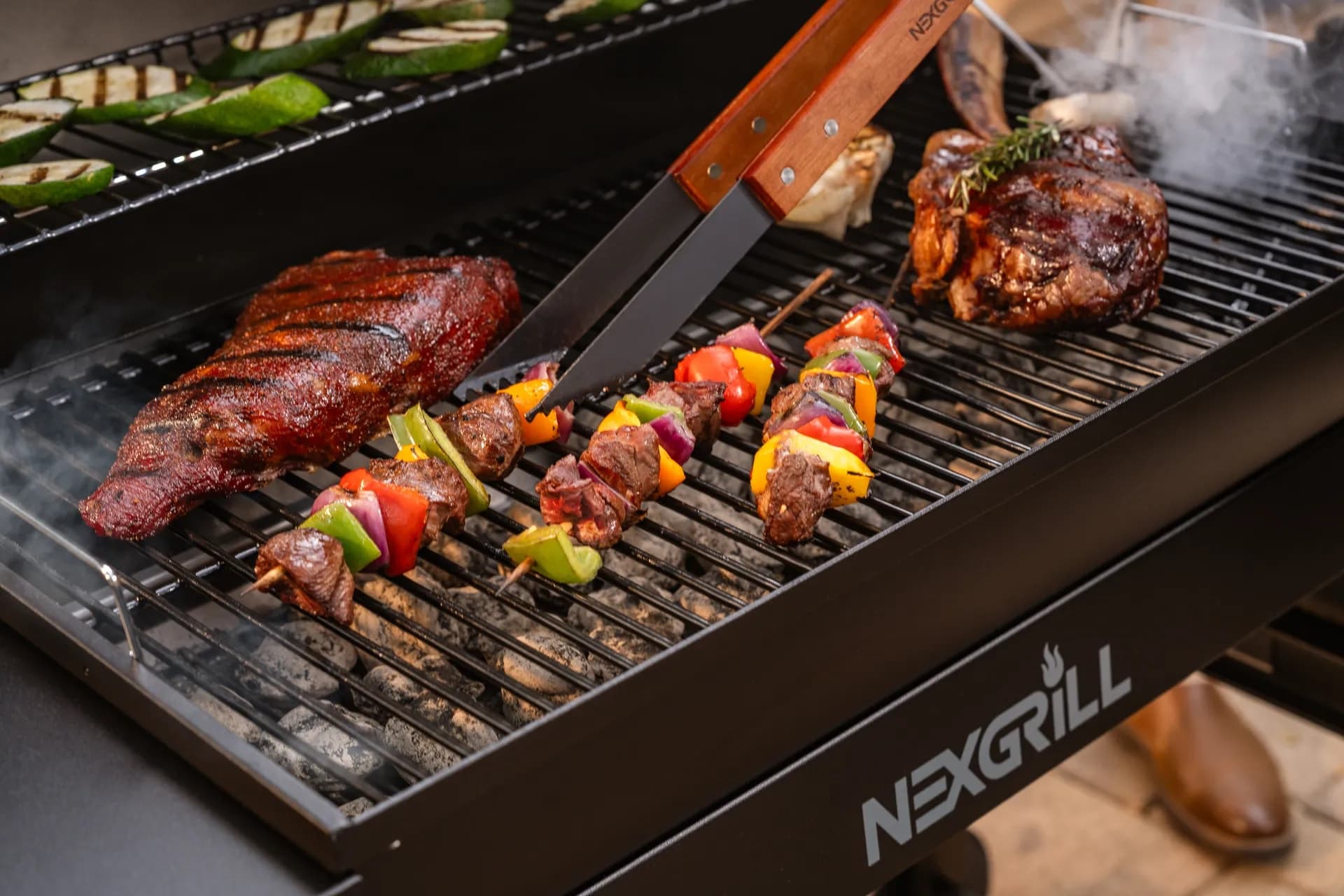
One of the most celebrated aspects of charcoal grilling is its ability to produce a distinct smoky flavor. This is achieved through the combustion of charcoal, which releases aromatic compounds that infuse the food. Many grilling aficionados prize this feature, considering it the hallmark of authentic barbecue flavor.
Gas grilling, however, offers a much cleaner taste, which can be preferable for delicate foods like fish or vegetables where the natural flavors should shine. The absence of smoke also means there's no risk of overpowering the food's natural taste, allowing for more nuanced seasoning and marinade applications.
Efficiency and Control
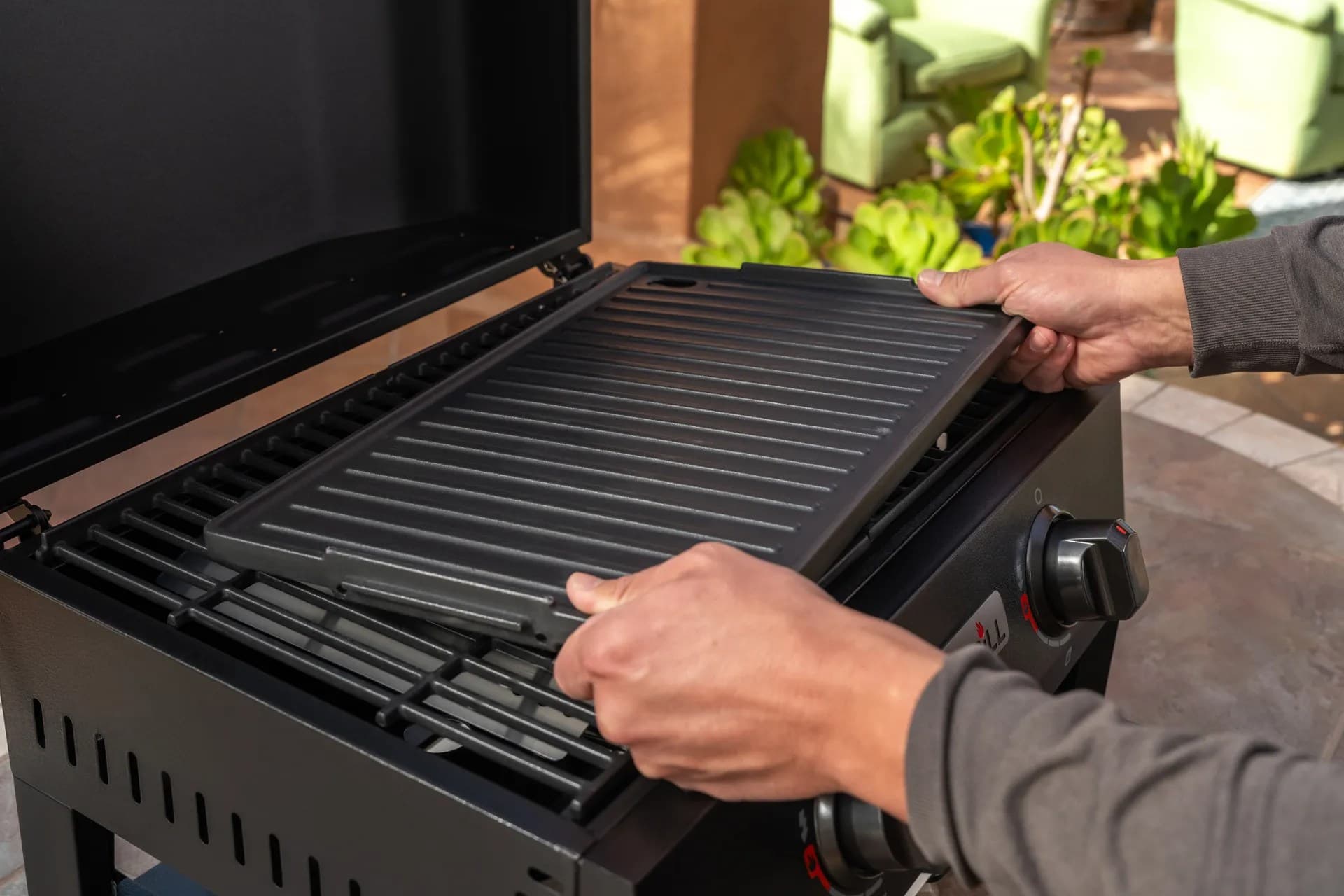
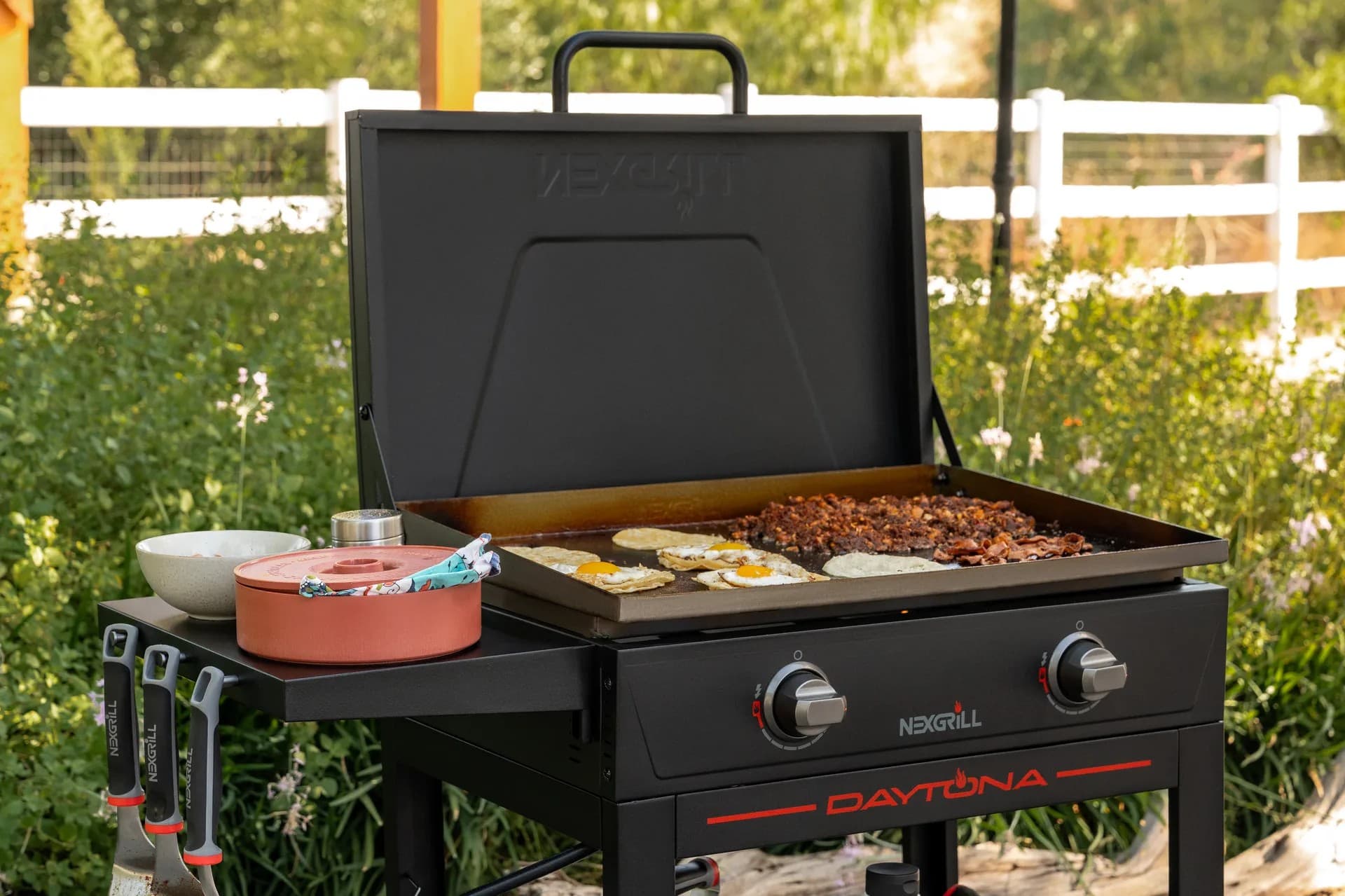
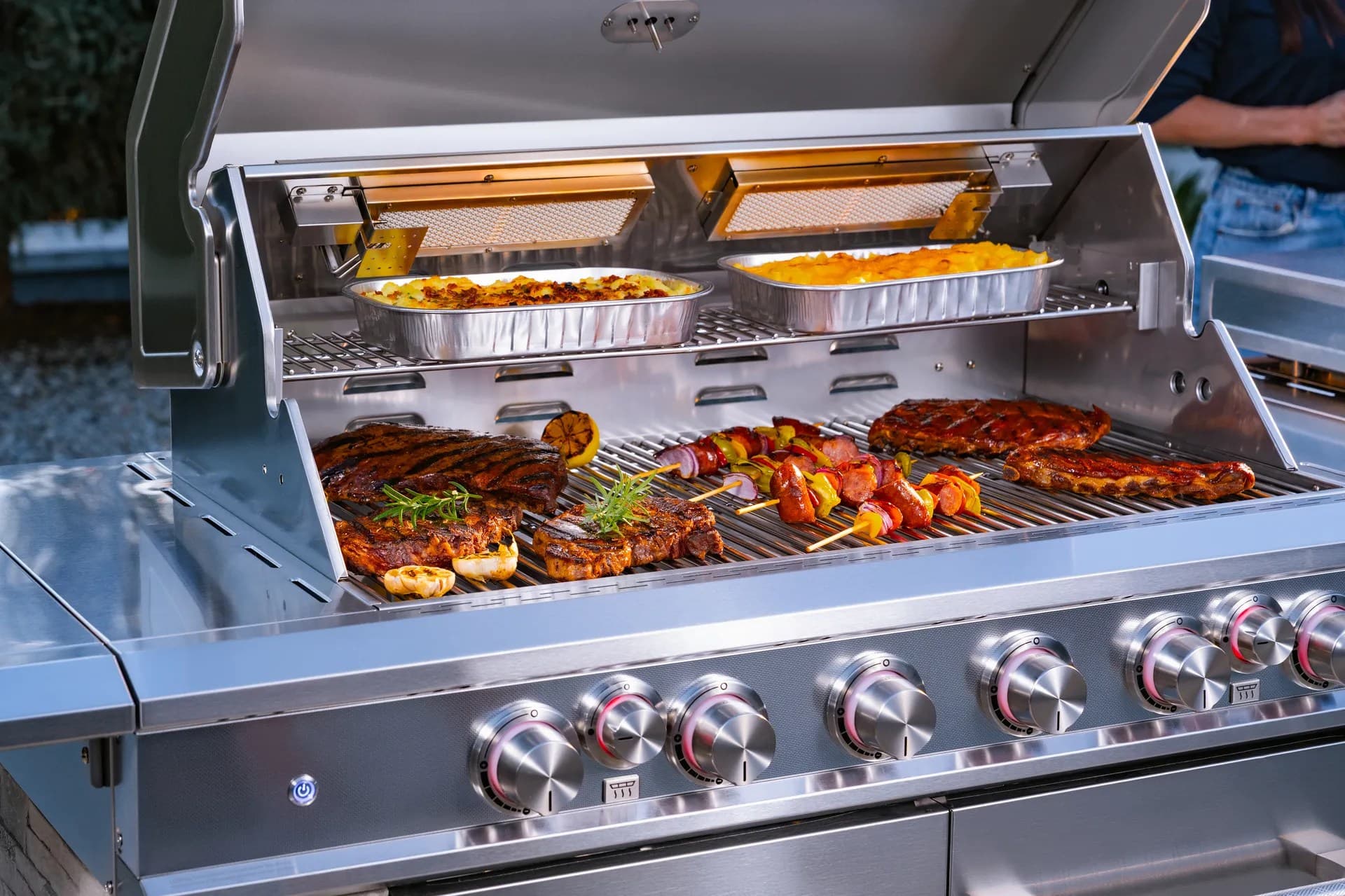
Efficiency is where gas grills excel, providing instant heat with the turn of a knob. This makes them perfect for quick weeknight dinners or when hosting large gatherings. The ability to control the temperature with precision is another significant advantage, allowing cooks to easily switch between high-heat searing and low-and-slow cooking.
Charcoal grills require more time and skill to master. Lighting the charcoal can take 15-30 minutes, and achieving the desired temperature requires practice. However, this hands-on approach is part of the charm for many, offering a more immersive and rewarding cooking experience.
| Feature | Gas Grill | Charcoal Grill |
|---|---|---|
| Flavor | Clean, precise | Smoky, rich |
| Temperature Control | Precise | Variable |
| Setup Time | Instant | 15-30 minutes |
Considerations for Your Lifestyle
Choosing between gas and charcoal should also consider your lifestyle and cooking habits. If you frequently host large gatherings, a gas grill might be more practical given its ease of use and quick setup. For those who enjoy a leisurely cooking process and appreciate the art of grilling, a charcoal barbecue could offer a more satisfying experience.
Ultimately, the best choice aligns with your culinary goals and how you envision your grilling sessions. Try comparing two products side by side below to see which fits best:
Exploring the Costs: Initial Investment and Maintenance
When considering the financial aspect of choosing between gas and charcoal grills, several factors come into play. The initial investment can vary significantly depending on the model and brand. Generally, gas grills tend to be more expensive, with prices ranging from $150 for a basic model to over $1,000 for premium options. Charcoal grills, on the other hand, are often less costly upfront, with prices starting at around $50 and reaching up to $500 for high-end models.
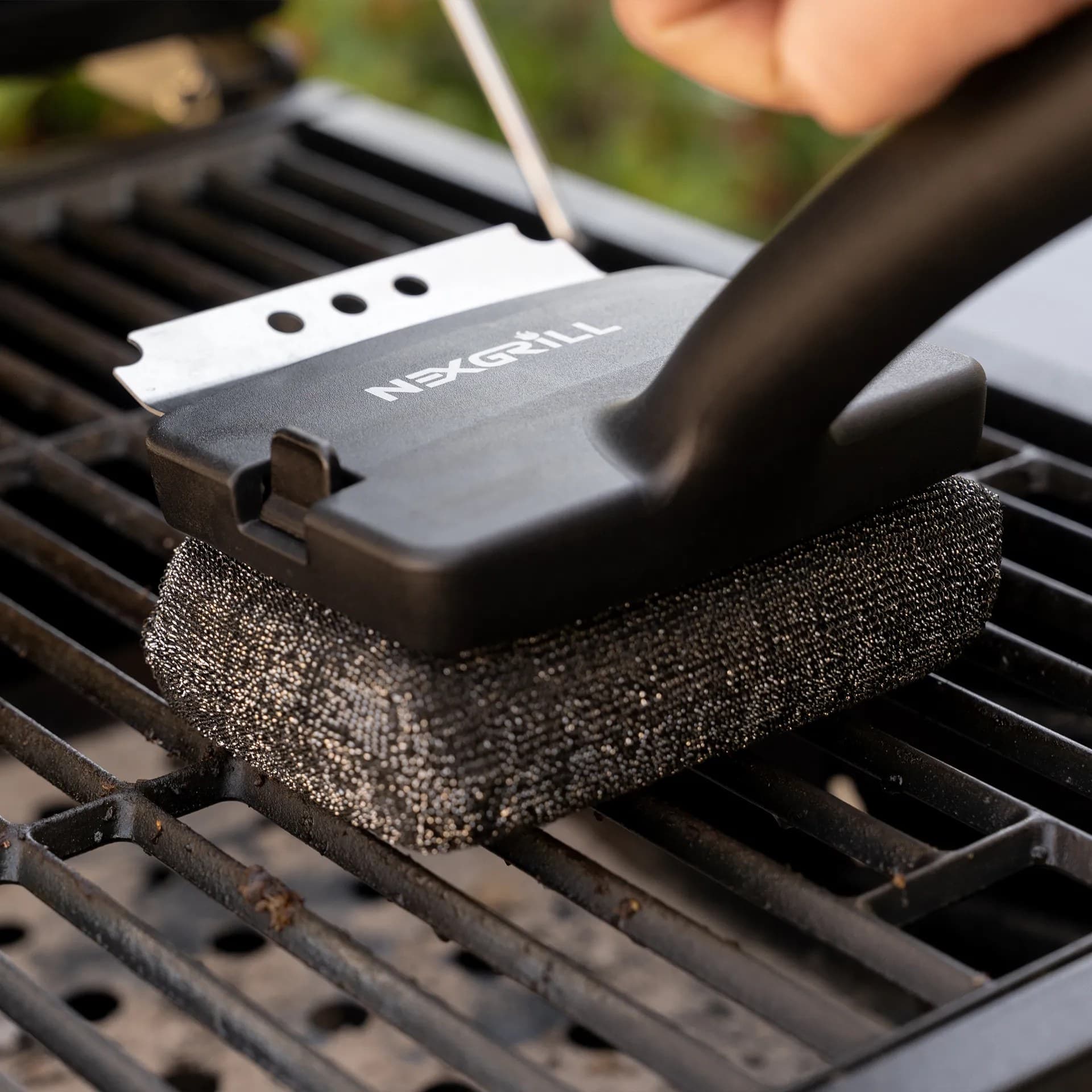
Maintenance costs also differ. Gas grills require regular cleaning of burners and ignition systems, and occasional replacement of propane tanks. Charcoal grills might need less frequent maintenance, but the cost of charcoal can add up over time, especially if you grill frequently. Understanding Grill Maintenance Schedules and Their Costs
Environmental Impact
The environmental impact of gas versus charcoal grilling is another consideration for eco-conscious consumers. Gas grills are generally more energy-efficient and produce fewer carbon emissions compared to charcoal grills. Charcoal, particularly when sourced from unsustainable sources, can contribute to deforestation and higher levels of air pollutants.
However, choosing sustainably sourced charcoal can mitigate some of these impacts, making it a more environmentally friendly option. Additionally, the use of natural gas over propane can further reduce a gas grill's carbon footprint. Exploring the Different Types of Charcoal for Grilling
| Aspect | Gas Grill | Charcoal Grill |
|---|---|---|
| Initial Cost | $150 - $1,000+ | $50 - $500 |
| Maintenance | Moderate | Low to high (depends on use) |
| Environmental Impact | Lower emissions | Higher emissions |
Safety Considerations
Safety is paramount in any grilling operation. Gas grills present risks such as propane leaks, which require careful handling and regular equipment checks. Charcoal grills, while generally safer in terms of gas leaks, involve handling hot coals, which can pose burn risks or start unintended fires if not managed properly. Essential Tips for Buying Grilling Equipment as a Beginner
For safe grilling, always follow the manufacturer's instructions and maintain your grill regularly. Using a grill cover when not in use can also protect your equipment from weather damage, extending its lifespan.
Warning: Never leave a grill unattended, and ensure it's placed on a stable, non-flammable surface.
Conclusion: Making Your Choice
The decision to choose between a gas grill and a charcoal barbecue ultimately rests on your personal preferences, lifestyle, and environmental considerations. While gas grills offer convenience and precision, charcoal grills provide a traditional experience and unmatched flavor.
Consider what aspects matter most to you in outdoor cooking. Whether it's the flavor of a perfectly smoked rib or the ease of flipping a burger at a moment's notice, both gas and charcoal grills have their place in backyards across America.