Delicious Charcoal Grill Recipe Ideas
Elevate your grilling experience with diverse and flavorful recipes.
In This Article
Explore Unique Recipes
Vegetarian Options
Essential Grilling Techniques
Introduction to Charcoal Grilling Benefits
Charcoal grilling earns its loyal following for a simple reason: it changes the way food tastes, looks, and feels at the table. The live fire creates a more layered, smoky flavor than many cooks expect from a backyard setup, and the heat pattern gives you the freedom to sear, roast, or slow-cook depending on how you arrange the coals. That flexibility is what makes charcoal grill recipe ideas so appealing. One grill can handle a crisp-skinned chicken, a cedar-planked salmon, blistered peppers, and even a dessert fruit skewer if you manage the temperature well.
For readers who want more than the standard burger-and-hot-dog routine, charcoal is the perfect place to experiment. The flavor payoff is high, but the method also rewards attention. Coal placement, lid position, and resting time all matter more here than on a gas grill, which means the same recipe can feel more intentional and more satisfying once you learn the basics. That is especially helpful for home cooks who want to stretch their grilling skills without needing restaurant equipment.
Direct, indirect, two-zone, and covered cooking all work on a charcoal grill.
Another reason charcoal recipes stand out is that they welcome both bold meats and more delicate ingredients. A steak loves the intense initial sear from a bed of hot coals. A whole chicken or pork shoulder benefits from lower, steadier heat with the lid on. Vegetables and seafood can be cooked quickly over a clean grate, then finished with sauce or herb oil. That range makes charcoal especially useful for mixed menus, where not everyone at the table wants the same thing.
Nexgrill’s brand philosophy centers on inclusive, shared cooking experiences, which fits charcoal grilling well. Food feels more social when it is cooked over live fire, and the meal tends to become the event rather than just the result. That is why the best charcoal grill recipe ideas often combine a main dish, a vegetable side, and a finishing sauce that can be passed around the table. If you want a grilling style that encourages creativity and conversation, charcoal belongs at the center of the menu.
Top Charcoal Grill Recipe Ideas
The best charcoal recipes usually do three things at once: they reward a strong sear, they hold up to a faint smoky edge, and they leave room for finishing with herbs, citrus, or sauce. Instead of repeating the same familiar ideas, focus on dishes that benefit from fire in a more memorable way. Think grilled steak salad with charred scallions, cumin-rubbed chicken thighs, pork chops glazed with apple butter, and seafood tucked into foil with aromatics so the smoke stays present but not overpowering.
| Category | Best Charcoal Match | Why It Works |
|---|---|---|
| Beef | Steaks, short ribs, kebabs | High heat builds crust and smoky depth fast. |
| Chicken | Thighs, split birds, skewers | Charcoal crisps skin while keeping the meat juicy. |
| Pork | Chops, tenderloin, shoulder | Works well with both direct searing and longer covered cooking. |
| Seafood | Shrimp, salmon, whole fish | Fast cooking and subtle smoke keep flavors clean. |
| Vegetarian | Mushrooms, halloumi, corn, peppers | Char adds sweetness and complexity to simple produce. |
A smart charcoal menu balances richness with freshness. If your main dish is fatty, like short ribs or pork shoulder, pair it with grilled vegetables or a citrusy salad. If you are cooking delicate seafood, consider a bolder side like charred corn with chile-lime butter or grilled potatoes with rosemary. That contrast keeps the whole meal interesting and helps the smoke feel intentional rather than heavy.
Beef Recipes
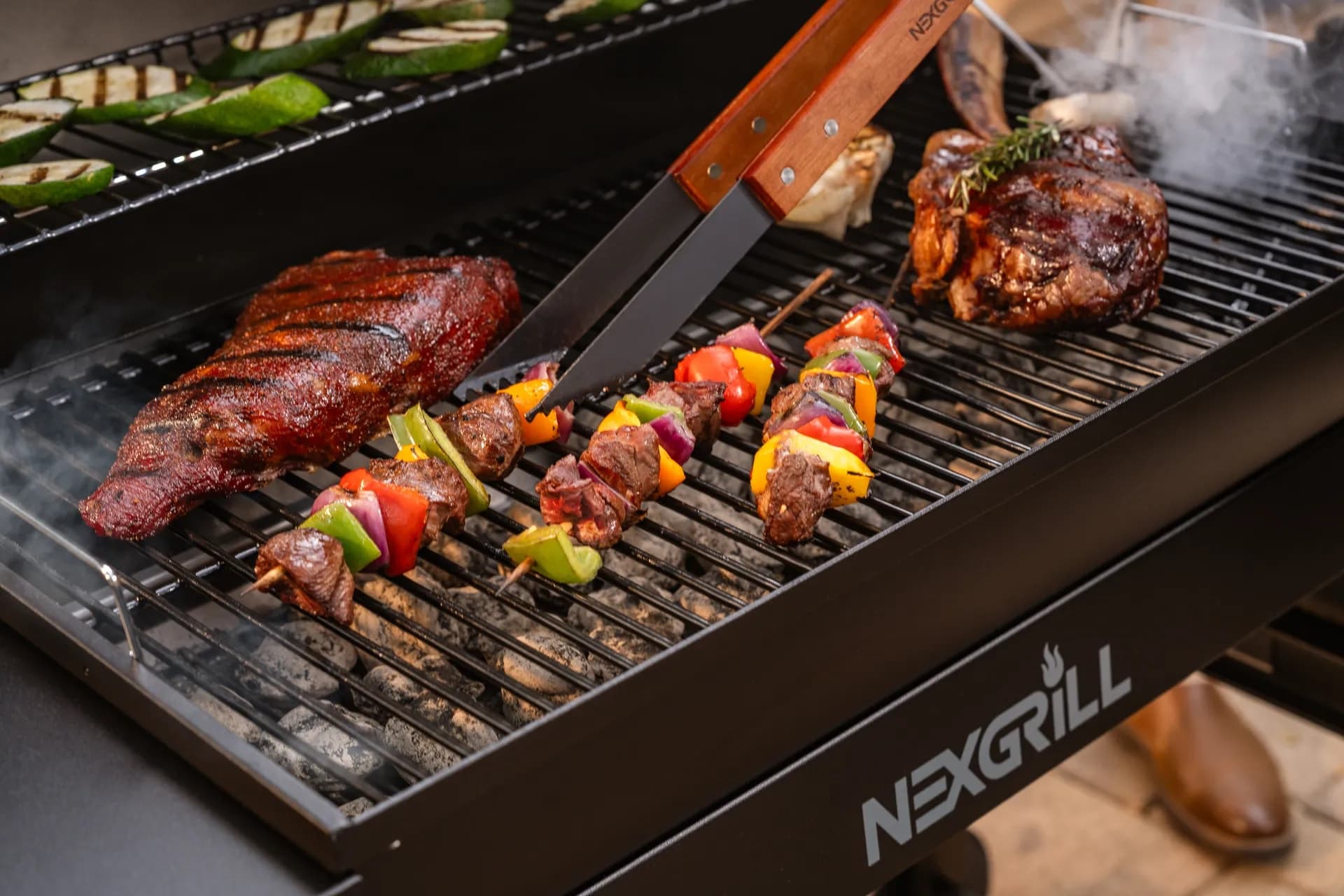
Beef is where charcoal often shows its most dramatic side. Ribeye, strip steak, skirt steak, and flank steak all benefit from direct high heat because the fire creates a hard sear before the interior overcooks. One lesser-known option worth trying is grilled beef short ribs over a two-zone fire. Start them over the cooler side with the lid closed, then finish over the hotter zone to build color. Another strong choice is carne asada-style flank steak, marinated briefly in lime, garlic, and orange juice, then sliced thin against the grain.
If you want something a little different from standard steak night, try beef kebabs with mushrooms, red onion, and bell peppers. The skewers cook quickly and absorb smoke well, and they are easy to serve to a crowd. For a weekend project, charred steak salad with romaine, blue cheese, and a mustard vinaigrette gives you a full meal without feeling heavy. The grill does not need to be limited to big cuts; it is just as effective for building sharp flavor in smaller, faster dishes.
Tip: For beef, let the surface dry before grilling. A dry exterior browns faster, which means better crust and less sticking.
Chicken Recipes
Chicken is one of the most versatile proteins for charcoal cooking, but it benefits from a little planning. Bone-in thighs are often the best choice because they tolerate active fire and stay juicy even if the grill runs hotter than expected. Try paprika and garlic chicken thighs, lemon-herb split chickens, or yakitori-style skewers brushed with soy, ginger, and a touch of honey. These recipes all thrive on charcoal because they pick up a gentle smoke note without becoming harsh.
A whole spatchcocked chicken is one of the most rewarding charcoal recipes for a home cook. Flattening the bird helps it cook evenly, and the skin becomes crisp while the meat stays tender. Another strong option is grilled chicken thighs glazed with apricot preserves and mustard during the final few minutes. That kind of sweet-savory finish works especially well over charcoal because the glaze caramelizes quickly and the smoke keeps it from tasting one-dimensional.
Pork Recipes
Pork is a natural fit for charcoal because it loves both sweet and savory flavors. Pork chops with a maple-mustard glaze are simple and reliable, but you can also go further with recipes like chili-lime pork tenderloin, cider-brined chops, or grilled pork skewers with pineapple and red onion. The goal is to keep the exterior flavorful while preventing the leaner cuts from drying out.
For a more distinctive menu, try pork shoulder steaks. They are less common than chops, more forgiving on the grill, and full of flavor. They do well with a dry rub built on brown sugar, smoked paprika, coriander, and black pepper. If you want a recipe that feels like something special for a weekend cookout, charcoal-grilled pork belly slices deliver a deep smoky edge and crisp texture when handled carefully over moderate heat.
Seafood Recipes
Seafood on charcoal can be excellent when the fire is clean and the cooking time is short. Salmon fillets, shrimp skewers, cedar-planked trout, and whole branzino all work well because they need strong heat and clear attention. One of the easiest ways to elevate seafood is to pair it with acid and herbs: think lemon, dill, parsley, cilantro, or fennel. That keeps the smoke bright rather than muddy.
A standout recipe idea is grilled shrimp with garlic, chile, and lime served over rice or in tacos. Another is whole fish stuffed with herbs and citrus slices, then cooked over a two-zone fire so the skin gets color without tearing. If you prefer a richer fish, cedar plank salmon with a maple-soy glaze gives you sweetness, smoke, and a clean finish all at once.
Vegetarian Recipes
Vegetarian charcoal cooking should never feel like an afterthought. In fact, charcoal often improves vegetables more dramatically than it improves meat because the fire adds contrast to naturally sweet or earthy ingredients. Start with grilled portobello mushrooms, halloumi cheese, blistered shishito peppers, corn on the cob, or thick slabs of zucchini brushed with olive oil and lemon zest. These foods become more satisfying because the heat concentrates their flavor.
For a more creative approach, try charred cauliflower steaks with tahini drizzle, sweet potatoes wrapped in foil and finished with scallions, or grilled romaine with parmesan and breadcrumbs. These dishes work particularly well when you want the charcoal grill to support a full menu for guests with different preferences. They are also excellent side dishes for the main meats above, giving you a table that feels varied and generous instead of narrowly focused.
Warning: Vegetables can go from perfectly charred to overdone quickly. Keep a cooler zone ready so you can move them off the hottest part of the fire as needed.
Flavor Enhancements: Marinades and Rubs
Good charcoal grilling starts before the food reaches the grate. Marinades and dry rubs are how you turn a simple cut into something layered and memorable. A reliable marinade formula usually includes acid, fat, salt, and aromatics. For example, a steak marinade might combine soy sauce, garlic, pepper, olive oil, and a splash of vinegar. Chicken might prefer yogurt, lemon, cumin, and paprika. Pork does well with apple cider, mustard, and brown sugar, while seafood usually needs a lighter touch with citrus and herbs.
Dry rubs are useful when you want a stronger crust. A beef rub can lean on coarse salt, black pepper, espresso powder, and smoked paprika. Pork benefits from sweet spice blends with brown sugar and chili powder. For chicken, keep the rub balanced so the skin can crisp without burning too early. If you want a shortcut, finish the food with a compound butter or herb sauce after it comes off the grill. That final step brings richness and freshness together in a way charcoal really supports.
Grilling Techniques: Direct vs. Indirect
Understanding direct and indirect heat is the key to making charcoal recipes work consistently. Direct grilling means food sits over the coals, which is best for quick-cooking items like steak, shrimp, chicken skewers, vegetables, and thin pork chops. Indirect grilling means the food is placed beside, not above, the coals, which is better for larger cuts such as whole chickens, pork shoulder, or thicker fish fillets that need time to cook through without burning.
The most useful setup for most home cooks is a two-zone fire: pile the coals on one side of the grill and leave the other side cooler. This lets you sear on the hot side, then move food over to finish gently. It also gives you a safety valve if flames rise or the surface starts browning too fast. Use the lid when you want the fire to behave more like an oven, especially for bone-in chicken or larger roasts.
Try comparing two recipes side by side below to see how direct and indirect heat changes the final result:
Essential Grilling Accessories
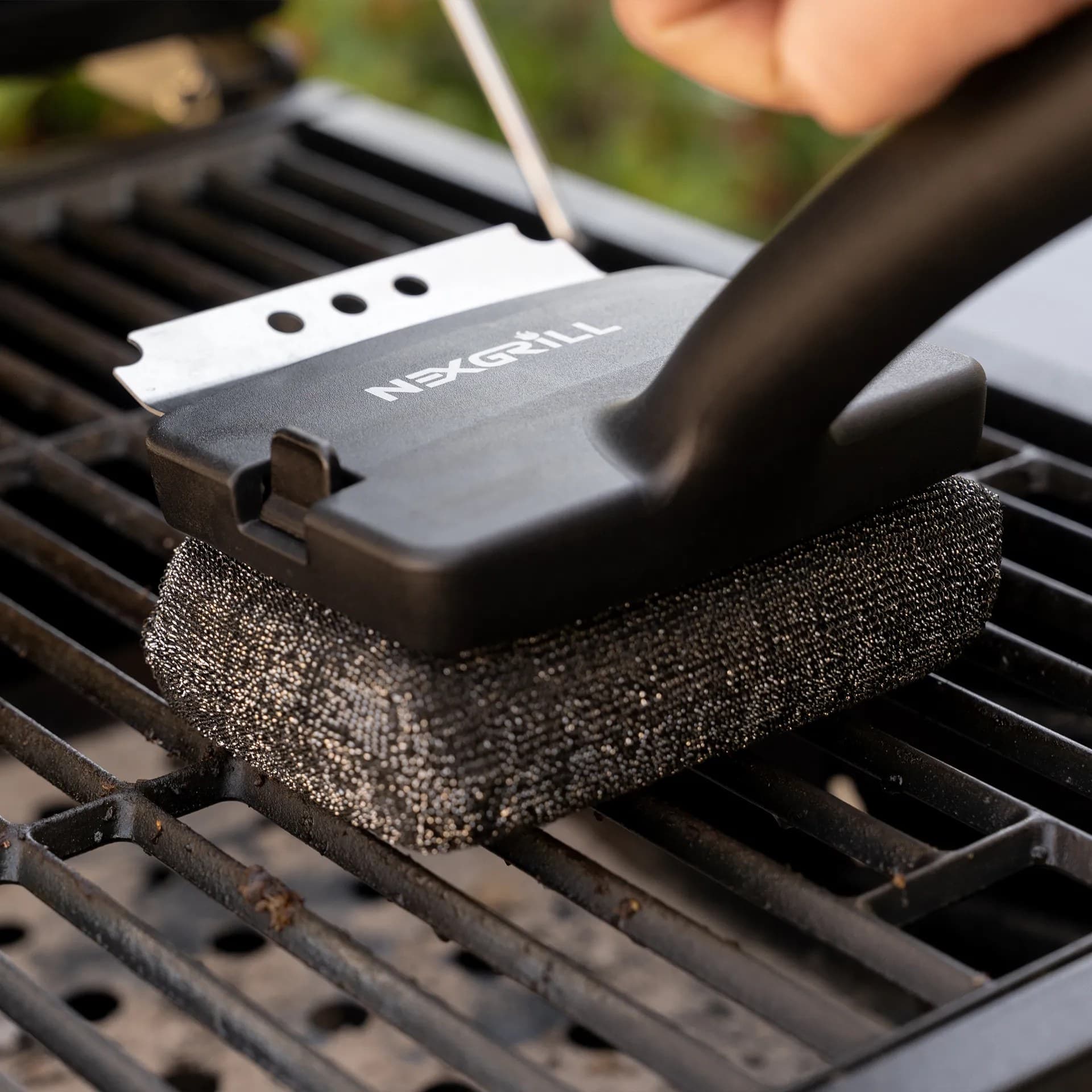
Once you have a few charcoal recipes in mind, the right accessories make execution much easier. A good instant-read thermometer is the most important tool because it takes the guesswork out of doneness, especially with chicken, pork, and seafood. Long-handled tongs, a durable grill brush, and heat-resistant gloves also belong in the core toolkit because they help you stay safe while keeping control over the food. Skewers are useful for kebabs, asparagus, shrimp, and fruit, while a sturdy spatula becomes essential for delicate items like fish fillets or grilled vegetables that need careful turning.
You may also want a chimney starter for reliable coal ignition, especially if you cook often. It creates a more even bed of coals than lighter fluid and reduces the chance of off flavors. A cast-iron skillet or grill-safe pan is helpful for dishes like mushrooms in butter, blistered peppers, or sauces that need a little containment. For outdoor cooks who enjoy variety, a wire grill basket can make small ingredients much easier to manage, especially if you are preparing mixed vegetables or diced seafood.
| Accessory | Best Use | Why It Matters |
|---|---|---|
| Instant-read thermometer | Meat, fish, poultry | Prevents overcooking and removes guesswork. |
| Chimney starter | Lighting charcoal | Creates cleaner, more even heat. |
| Long tongs | Turning food safely | Keeps hands away from flare-ups and high heat. |
| Grill basket | Vegetables and seafood | Prevents small items from falling through the grate. |
| Heat-resistant gloves | Moving grates or lids | Adds control when working close to the fire. |
Safety Tips for Charcoal Grilling
Charcoal grilling is enjoyable, but safety should never be an afterthought. Start with a stable grill placed away from walls, railings, branches, and anything flammable. Use charcoal only in the grill or a chimney starter designed for the purpose. If you are adding more charcoal during a cook, do so carefully and with proper tools so you do not create a sudden flare or ash spill. Keep children and pets at a safe distance, and never leave an active charcoal fire unattended.
Ash disposal is another area where people sometimes get careless. Coals can stay hot for a long time after the meal is over, so let them cool completely in a metal container before disposal. Water can be used to extinguish the fire if needed, but do it carefully because steam and splatter can be dangerous. Also remember that grease buildup on the grate can flare up unexpectedly, so clean the grill regularly and keep a close eye on food that contains a lot of fat or sugary glaze. If you are cooking indoors and outdoors in the same day, use separate tools and never bring charcoal equipment into enclosed spaces.
Info: The best charcoal cooks build in a little margin. Keep a cooler zone, a clean grate, and a thermometer close by so you can react before food or fire gets away from you.
Conclusion: Embrace Your Inner Grill Master
The real advantage of charcoal grilling is that it encourages experimentation. Once you understand how to shape the fire, you can make your menu as simple or as ambitious as you want. A great charcoal grill recipe may start with a familiar ingredient, but it becomes memorable because of the way smoke, heat, and timing work together. That is why beef, chicken, pork, seafood, and vegetables all deserve a place in the rotation.
If you are planning your next cookout, start with one main protein, one vegetable, and one finishing sauce, then adjust the fire to match the recipe instead of forcing the recipe to match the fire. That mindset creates better results and less stress, especially when cooking for family or friends. For inspiration grounded in real-world grilling, browse charcoal grilling guides and recipe collections from Serious Eats, Food Network, and The Spruce Eats: Charcoal Grilling Tips, Top Charcoal Grilling Recipes, and Best Charcoal Grill Recipes.