Grilling Techniques for Perfecting Flavor on Your First BBQ
A comprehensive guide to mastering essential grilling methods for beginners.
In This Article
Preheat Your Grill
Master Direct and Indirect Heat
Use a Meat Thermometer
Introduction to Grilling Techniques
Your first barbecue does not need to feel like a test you have to pass. The most rewarding first BBQs are usually the ones where the cook keeps the menu simple, pays attention to heat, and learns how flavor develops from the fire, the seasoning, and the timing. Grilling is less about doing everything at once and more about understanding a few core techniques well enough to repeat them confidently. Once you learn how to control heat, read the food, and avoid the most common beginner mistakes, you can turn basic chicken, steak, vegetables, and seafood into food that tastes intentional and satisfying.
For beginners, flavor starts before the food touches the grates. Preheating the grill, oiling the cooking surface lightly, choosing the right heat zone, and giving food enough time to cook without constant flipping all affect the final result. A well-run first BBQ should feel calm, not chaotic. If you are hosting friends or cooking for family, the goal is not to show off every advanced trick at once. It is to serve food that is juicy, properly browned, and seasoned well enough that people want another plate.
Begin with one protein, one vegetable, and one simple side. That structure makes it much easier to manage heat and timing while you build confidence.
Heat control, seasoning, and timing are the foundation of a successful first BBQ.
Understanding Direct and Indirect Heat
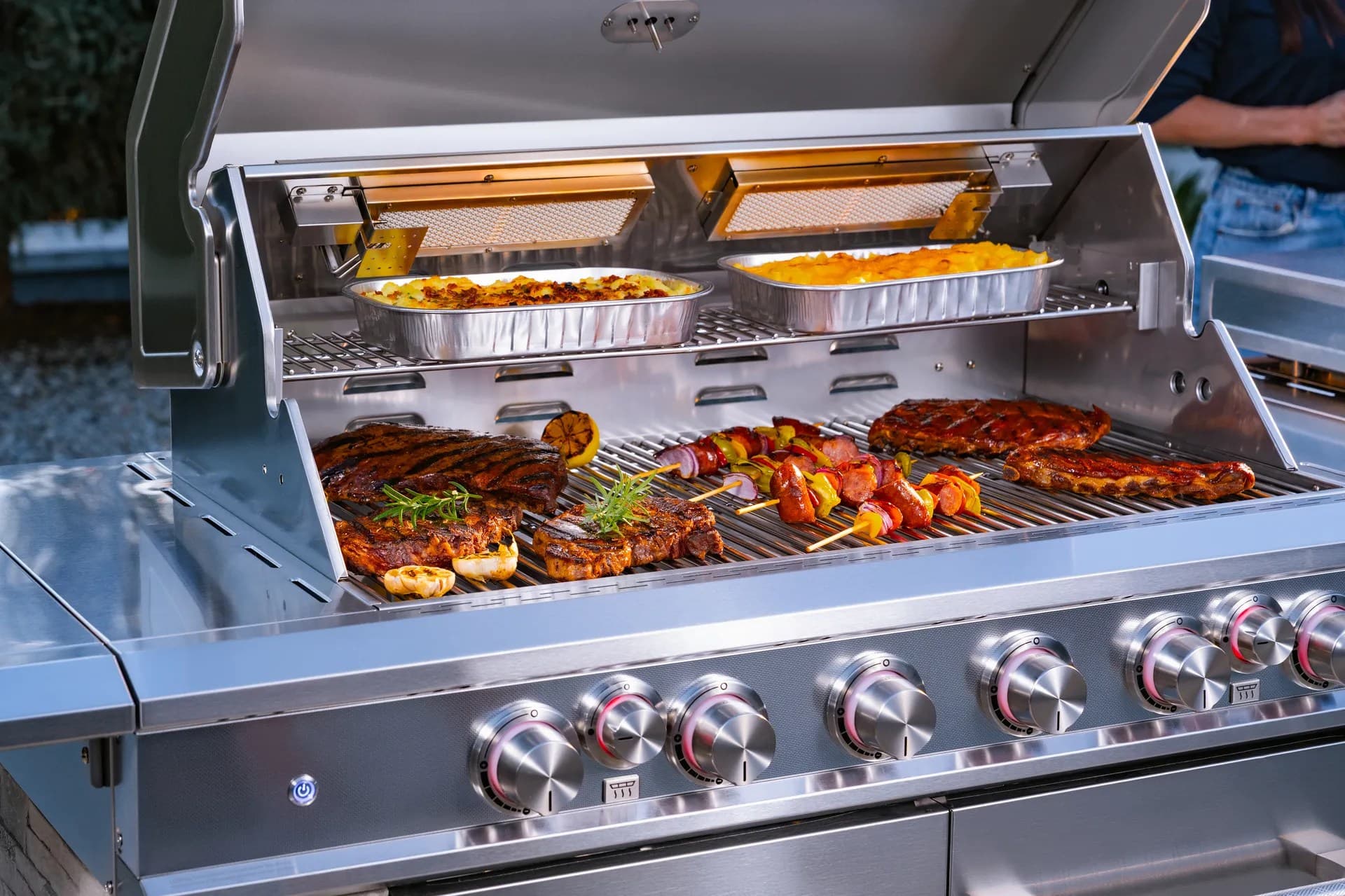
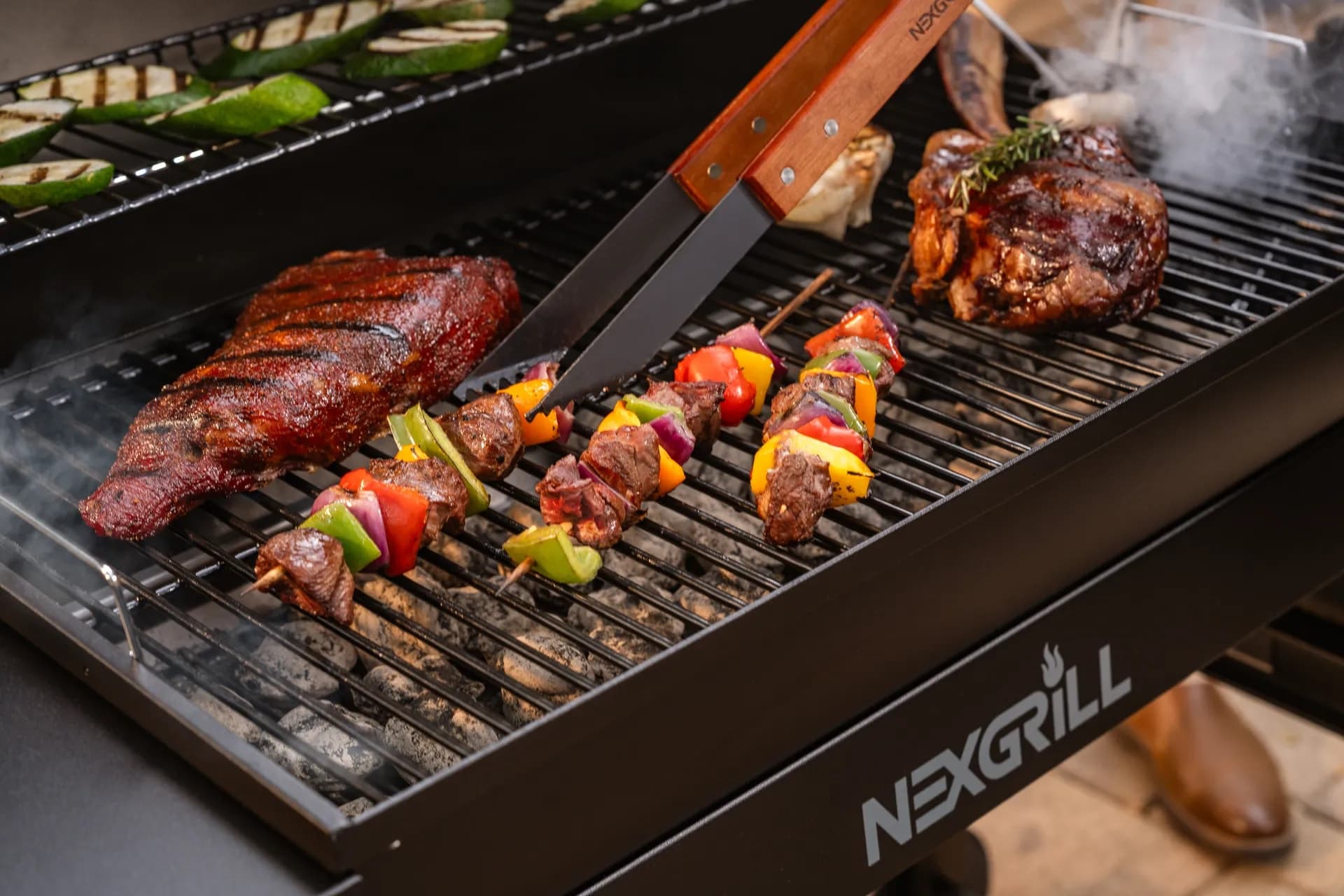
The fastest way to improve your grilling is to understand the difference between direct and indirect heat. Direct heat means the food sits over the flame or hottest part of the charcoal bed. It is ideal for fast-cooking foods that benefit from browning, such as burgers, thin steaks, kebabs, shrimp, and sliced vegetables. Indirect heat means the food is placed away from the flame so it cooks more gently, almost like an outdoor oven. That method is better for thicker chicken pieces, pork chops, bone-in cuts, and anything that needs time to cook through without burning the outside.
A beginner-friendly grill setup often uses both methods at once. On a gas grill, you can light one side and leave the other side off. On a charcoal grill, you can bank the coals to one side and leave a cooler zone on the other. This two-zone approach is the single most useful technique for a first BBQ because it gives you a safety net. If a piece of chicken is browning too quickly, move it to indirect heat. If a steak needs a deeper crust, finish it briefly over direct heat. That flexibility is where flavor and control come together.
| Heat Method | Best For | Main Benefit |
|---|---|---|
| Direct heat | Thin cuts, quick-searing foods | Fast browning and grill marks |
| Indirect heat | Thicker cuts, bone-in meats | More even cooking with less burning |
| Two-zone setup | Mixed menus for beginners | Better control and fewer mistakes |
Essential Grilling Tools for Beginners
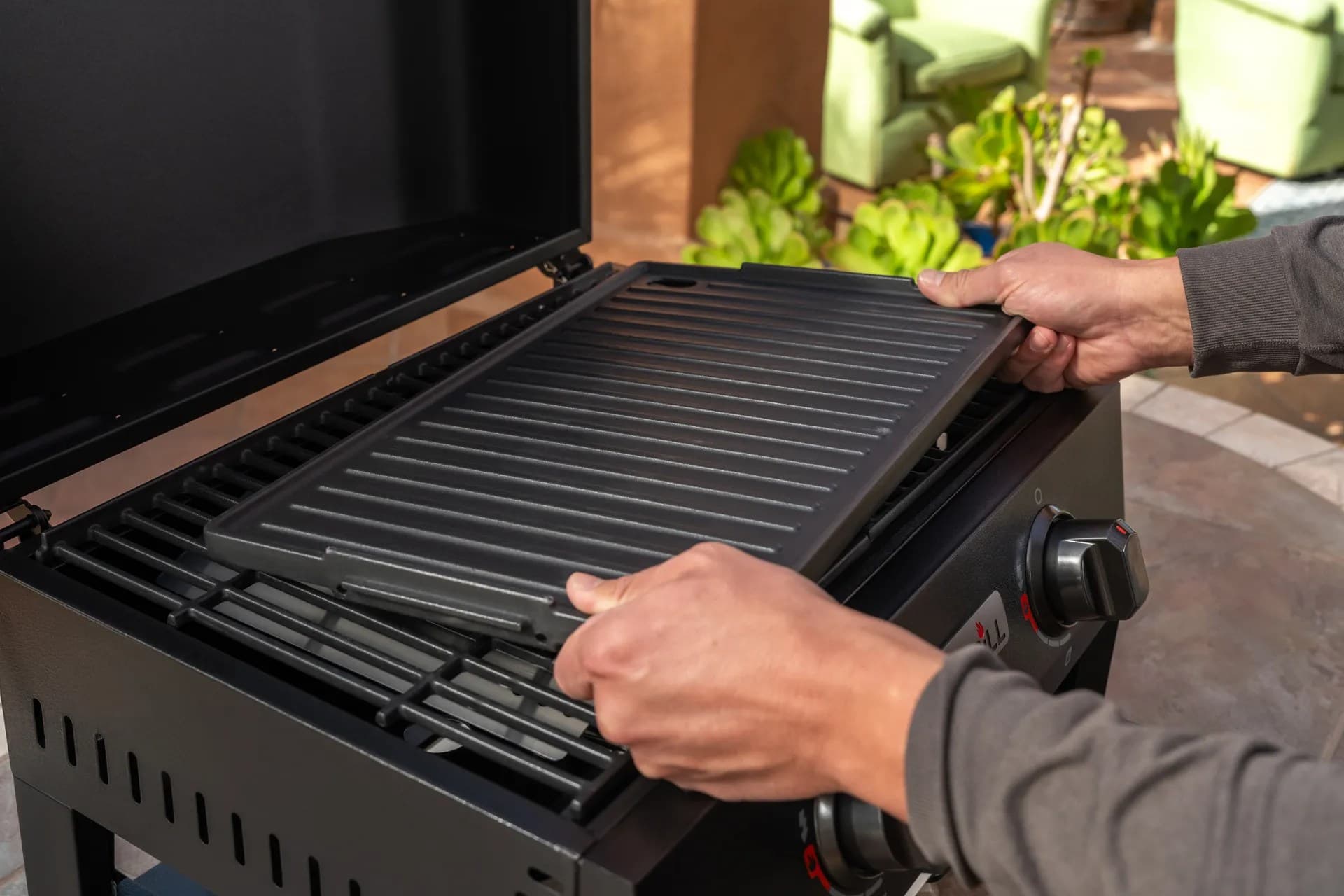
You do not need a drawer full of gadgets to grill well. In fact, too many tools can distract a beginner from the basics. The most useful items are the ones that improve safety, temperature control, and handling. A long pair of tongs keeps your hands away from flare-ups. A sturdy spatula helps with fish, burgers, and delicate foods. A reliable instant-read thermometer removes the guesswork from doneness. A grill brush helps you start each cook on a cleaner surface, and a small tray or sheet pan gives you a staging area so you are not carrying raw food back and forth across the patio.
One often overlooked tool is a simple timer or phone timer. New grillers tend to check food too often, which releases heat and interrupts browning. Using a timer encourages patience. Another useful item is a spray bottle of water for small flare-ups, though the better long-term fix is to trim excess fat and keep a cooler zone ready. If you are cooking outdoors in the United States during a backyard gathering, basic setup discipline matters more than having a premium tool kit.
Choose tools that let you move food quickly and safely between heat zones. That matters more than buying specialized accessories on day one.
Preparing Your Grill for Optimal Performance
Preparation is where beginner BBQs are won. Start by cleaning the grates, checking fuel levels, and allowing enough preheat time for the grill to stabilize. Preheating is important because food sears better on a hot surface and is less likely to stick. For gas grills, give the grill several minutes to heat with the lid closed. For charcoal, wait until the coals are mostly covered with gray ash before cooking. Rushing this step usually leads to weak browning and uneven cooking.
A light coating of oil on the grates or on the food itself can reduce sticking, but avoid drenching the surface. The goal is a thin film, not a grease bath. Also think about the order in which you will cook food. Foods that need the longest time should go on first, and more delicate items should wait until the grill is stable and you have a rhythm. When you plan the sequence before you light the fire, you reduce the chance of undercooked centers and overdone exteriors.
Mastering the Art of Searing and Flipping
Searing is the moment when grilling starts to feel rewarding because it creates visible color, texture, and aroma. A strong sear comes from hot grates, dry surfaces, and a little patience. If food is still sticking, it usually needs another minute or two before it is ready to turn. Forcefully moving it too early can tear the crust and leave the food looking ragged. Let the grill do the work. Once the food naturally releases, flip it once and give the second side the same focused attention.
Beginners sometimes think constant flipping is a sign of care, but on most foods it interferes with proper browning. One or two well-timed flips are usually enough. Use the first side to build crust and the second side to finish. For thicker items, start with direct heat for color and then move to indirect heat to finish. This is especially useful for bone-in chicken thighs, thicker pork chops, or kabobs with mixed ingredients. Different foods brown at different rates, so grouping similar thicknesses together makes the process easier.
Utilizing Meat Thermometers for Perfect Doneness
A meat thermometer is the beginner’s best friend because it gives a clear answer when appearance alone is misleading. Color can be deceptive, especially with chicken, pork, and thicker cuts of beef. The thermometer helps you decide when to pull food off the grill before it dries out. Insert it into the thickest part of the meat without touching bone or the grates. If you are cooking a larger cut, check more than one spot to make sure the temperature is even.
For a first BBQ, it is smart to learn a few target ranges and build from there. That removes anxiety and keeps you from slicing into food too early, which lets juices escape. A thermometer also helps you coordinate a mixed menu because different proteins finish at different times. Instead of guessing, you can move food between direct and indirect heat based on actual temperature and then rest it before serving.
Enhancing Flavor with Smoking Techniques
Smoke can add depth to a first BBQ without turning the cook into a complicated project. You do not need to behave like a pitmaster on day one. Even a small amount of clean smoke can round out the flavor of chicken, ribs, vegetables, and sliced onions. On a charcoal grill, that may mean adding a small amount of wood for aroma. On a gas grill, flavor can still be built through seasoning, lid management, and allowing proteins to cook long enough to pick up gentle smoke from drippings and the cooking environment.
The key is restraint. Heavy smoke can overpower food and make it taste bitter. Beginners should look for a light, steady aroma rather than thick clouds. Smoke is best used to complement the seasoning, not hide it. If you are cooking for guests, this subtle approach usually creates a better balance because it feels familiar, clean, and intentional.
Common Grilling Mistakes to Avoid
The most common beginner mistake is starting to cook before the grill is fully ready. The second is trying to move food too much. Another frequent error is overcrowding the grate, which traps steam and makes it harder to brown food. Beginners also tend to salt or sauce at the wrong time. Sugary sauces can burn if they are added too early, so they are usually best brushed on near the end of cooking.
It also helps to avoid guessing about doneness, skipping resting time, and cutting into meat right away. Resting allows juices to settle back into the food, which improves texture and flavor. Small habits like these make a visible difference in the final result, and they are easier to build now than to correct later.
Conclusion: Elevating Your Grilling Skills
A strong first BBQ is built from a few dependable habits: preheat properly, use direct and indirect heat with intention, rely on a thermometer, and let browning happen before flipping. Those fundamentals will do more for flavor than any expensive tool or complicated recipe. As you practice, you will start to notice how different proteins respond to heat, how seasoning changes on the grill, and how small timing adjustments improve the meal.
Try comparing two products side by side below to see which fits best:
Setting Up Your Grill: A Step-by-Step Guide
Once you've weighed two options against each other, the next step is turning the grill into a controlled cooking zone instead of a source of surprises. A beginner setup works best when you think in stages. Start with placement, then fuel, then preheat, then cooking zones, and only after that should food hit the grates. In a typical United States backyard, that means choosing a flat outdoor surface away from overhanging branches, keeping children and pets clear of the cooking area, and making sure your tools are within reach before you light anything. The smoother your setup, the more attention you can give to flavor and timing once cooking begins.
For gas grills, check the propane tank connection, open the lid before ignition, and confirm that the burners light evenly. For charcoal grills, arrange the coals in a way that creates both a hot side and a cooler side. You can also pre-stage a resting area for finished food. That makes it easier to avoid overcooking while you wait for guests to sit down. If you are grilling for the first time, build your setup around movement and visibility: you should be able to see what is cooking, reach the tongs easily, and move food from direct to indirect heat without crossing through a crowded serving area.
Never start cooking until you know exactly where your hot zone and cooler zone are. That simple habit prevents most beginner flare-up problems.
Choosing the Right Fuel: Charcoal vs. Gas
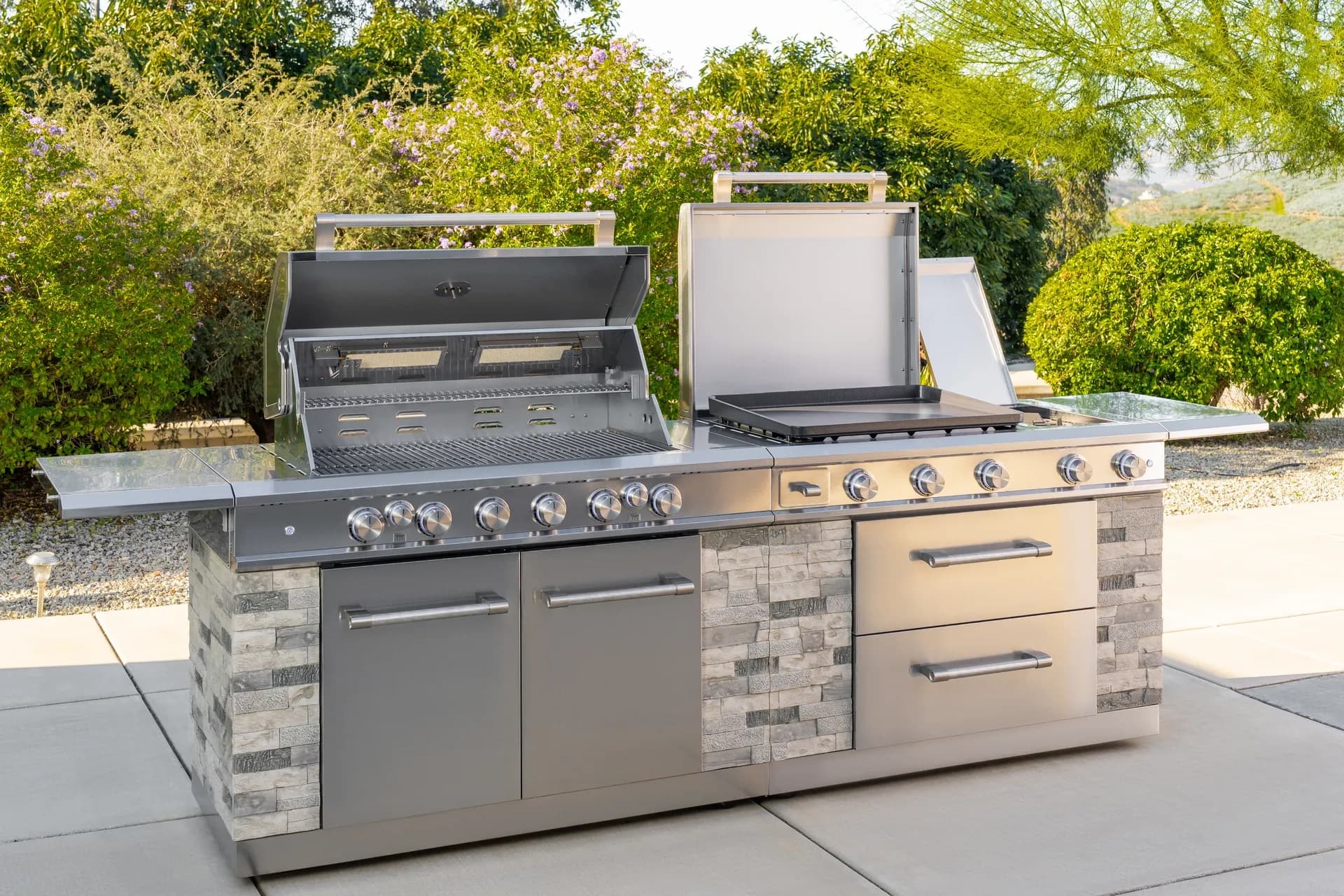
Fuel choice affects both flavor and the way you cook. Gas is the more forgiving option for beginners because it heats quickly, adjusts easily, and makes it simple to hold a steady temperature while you learn. That stability is useful when you are managing a first BBQ with multiple foods. Charcoal takes longer to start and demands more attention, but it can reward you with a deeper roasted character and a stronger sense of traditional barbecue flavor. Neither fuel is inherently better; they just support different priorities. Charcoal can be a rewarding choice.
| Fuel Type | Beginner Advantage | Trade-Off |
|---|---|---|
| Gas | Fast ignition and easy temperature control | Less hands-on fire flavor |
| Charcoal | More pronounced smoke and crust potential | Slower setup and more heat management |
If your first BBQ is mainly about confidence and timing, gas usually gives you the easiest learning curve. If your main goal is to develop a stronger fire-cooked flavor and you do not mind waiting for the fuel to settle, charcoal can be a rewarding choice. Many beginners eventually learn both because each one helps them understand heat differently. What matters most is consistency: choose the fuel that makes it easiest for you to stay relaxed and pay attention to the food.
Creating Flavorful Marinades and Rubs
Seasoning is where beginners can make a big flavor leap without complicating the cook. A marinade adds flavor and can help with tenderness, especially for chicken, pork, and vegetables. A dry rub builds a seasoned crust and is often easier to manage for first-time grillers because it does not require planning ahead as much. Both have a place. The trick is choosing the right tool for the food and not overloading it with too many competing flavors.
For a simple beginner marinade, combine an acid like citrus or vinegar with oil, salt, and aromatics such as garlic, herbs, or chili. For a dry rub, aim for balance: salt for seasoning, a little sugar for browning, and spices for character. Let the meat sit long enough to absorb flavor, but not so long that the texture gets compromised. Foods with delicate structure, such as fish, need shorter contact times. Tougher cuts can handle more time. If you are preparing several items for one gathering, use the same flavor family across the menu so the whole meal feels cohesive.
For your first BBQ, keep the seasoning profile simple: salt, pepper, garlic, and one accent spice are often enough to create memorable flavor.
Grilling Vegetables and Sides: Tips and Tricks
Vegetables are the easiest way to make your BBQ feel complete, and they are often more forgiving than meat. Bell peppers, onions, zucchini, corn, mushrooms, and asparagus all handle grill heat well when cut to even size. The key is to match the cut to the cooking method. Smaller or thinner pieces go on high heat for a shorter time, while thicker vegetables can start on indirect heat and finish over direct heat for color. A little oil and salt are usually enough to let the vegetable’s natural sweetness come forward.
If you are serving sides, think about texture and temperature. Something crunchy, something creamy, and something fresh can balance the richer flavors coming off the grill. Grilled corn, a simple slaw, or charred flatbread can support the main dish without requiring a second cooking marathon. Beginners often overlook how much a good side contributes to the overall impression of the meal. A thoughtful vegetable side makes the whole BBQ feel more complete and helps the cook appear more confident than they may feel behind the scenes.
Maintaining Your Grill for Longevity
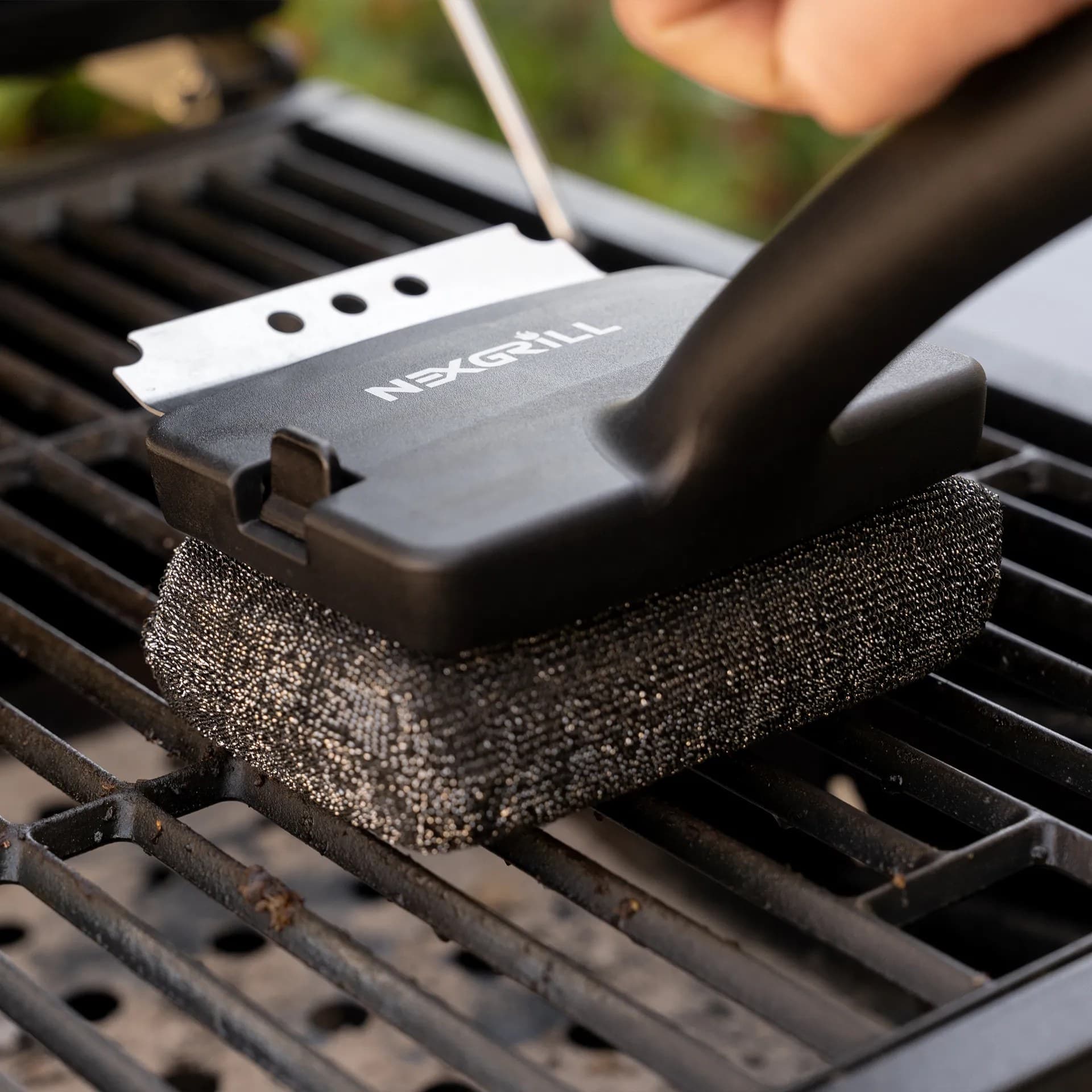
Cleaning and caring for the grill matters because residue affects both flavor and performance. Grease buildup can cause unwanted flare-ups and stale flavors, while dirty grates make food more likely to stick. After the grill cools enough to handle safely, remove leftover food bits, scrape the grates, and empty ash or grease as appropriate for your grill type. A short cleanup after each cook is easier than trying to fix a neglected grill later.
Maintenance also includes checking the pieces that affect heat delivery. For gas grills, that means watching for clogs, loose connections, and inconsistent ignition. For charcoal grills, it means keeping airflow openings clear and making sure the firebox is not packed with old ash. If you want flavor to stay clean and predictable, a well-kept grill is part of the recipe. It also gives a first-time host more confidence because the equipment behaves more consistently from one cook to the next.
Hosting Your First BBQ: Planning and Execution
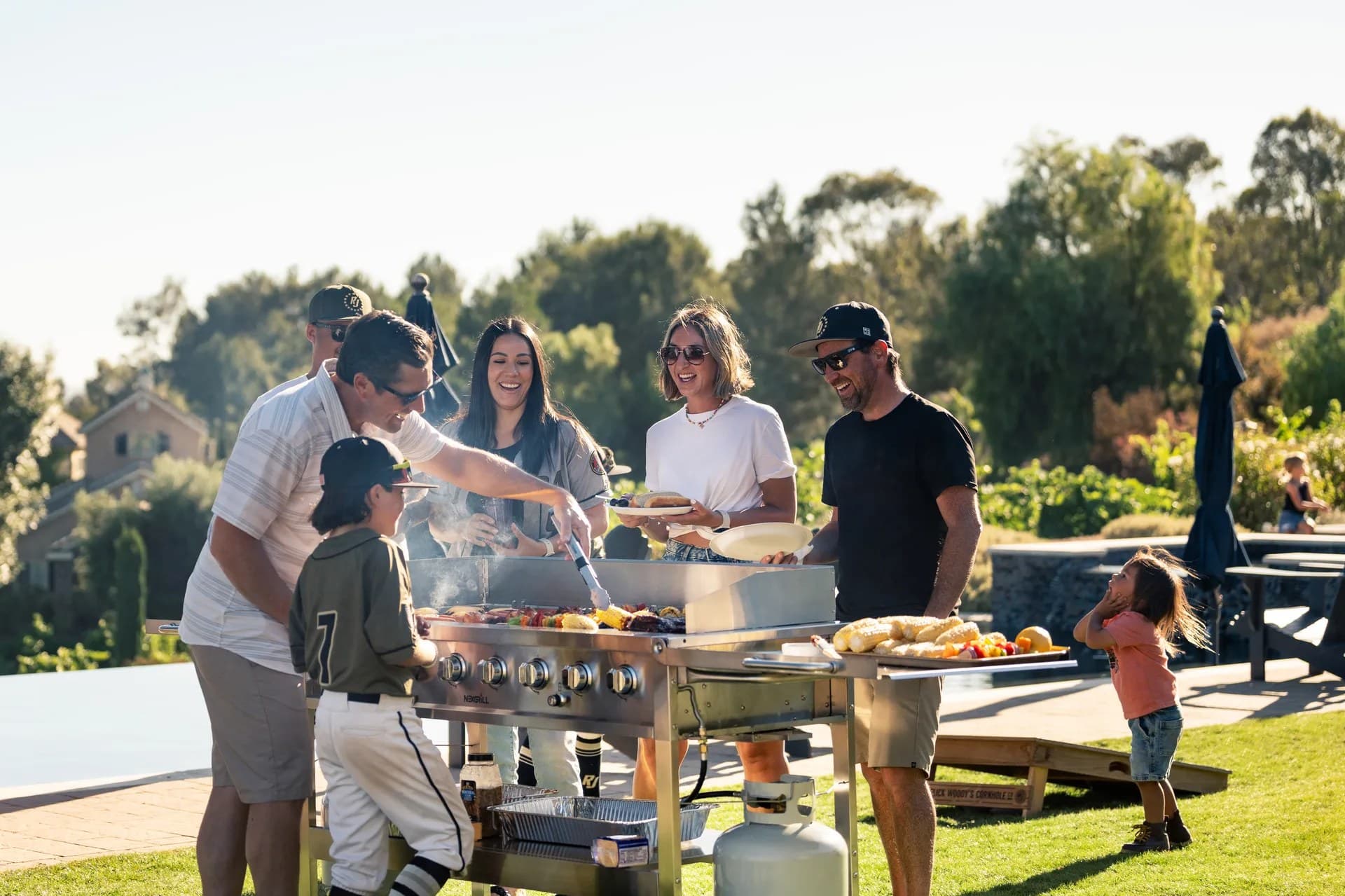
A successful first BBQ is as much about planning as it is about cooking technique. Start by choosing a menu you can realistically finish without stress. A good beginner spread might include one protein that tolerates heat well, one vegetable that cooks quickly, and one side that can be prepared before guests arrive. Build your timeline backward from serving time. If food needs a rest before serving, account for that. If charcoal takes longer to stabilize, account for that too. The best hosts do not improvise every detail; they leave room for the unexpected.
Think through serving flow as well. Place plates, condiments, and utensils where guests can help themselves without crowding the grill. Keep a clean plate for cooked food and a separate one for raw ingredients. If you are new to outdoor cooking, it helps to assign one person to refill drinks or keep the table moving so you can focus on heat and timing. A calm host creates a better atmosphere, and that relaxed energy usually shows up in the food as well.
Safety Measures Every Griller Should Know
Safety does not have to feel intimidating, but it should be part of every grilling session. Keep a clear area around the grill, use long-handled tools, and avoid leaning directly over open flame. Open the lid before lighting a gas grill so accumulated gas does not ignite unpredictably. Keep raw meat separate from cooked food to prevent cross-contamination. If flare-ups happen, move the food away from the hottest area rather than reacting too quickly with water or tools.
It is also wise to be patient with food handling. Hot grates, hot handles, and splattering fat can all cause avoidable injuries if you rush. Good safety habits protect the meal as much as the people around it. When a grill session is safe and organized, the cook can stay focused on flavor instead of fixing problems.
Exploring Advanced Grilling Techniques
Once you are comfortable with the basics, you can start layering in more advanced techniques without making the process harder than it needs to be. Reverse searing is a great next step for thicker steaks because it lets the meat warm gently before finishing with a high-heat crust. Rotating food during the last part of cooking can help even out heat exposure if your grill has hot spots. You can also experiment with wood chunks, cedar planks, or different herb finishes to add nuance to the final dish.
Advanced grilling should still serve the same beginner goal: better flavor with clear control. Do not add complexity just to impress guests. Add it when you understand what it changes in the food. That mindset keeps your cooking intentional and helps you grow into more elaborate menus naturally.
Conclusion: From Novice to Grill Master
Every confident griller started by learning how to manage heat, choose a simple menu, season properly, and avoid rushing the process. Your first BBQ becomes much easier when you treat it as the beginning of a skill, not a one-time performance. The techniques in this guide work because they are repeatable: set up the grill correctly, choose the fuel that fits your comfort level, season with intention, cook vegetables alongside the main course, and keep the equipment clean enough to behave predictably next time.
As you practice, you will start to notice the small signs that separate okay food from great food: a better crust, more even doneness, more balanced seasoning, and fewer flare-up surprises. That is how a novice becomes the person everyone trusts near the grill. Continue to refine your timing, keep your setup simple, and let each cook teach you something useful for the next one.