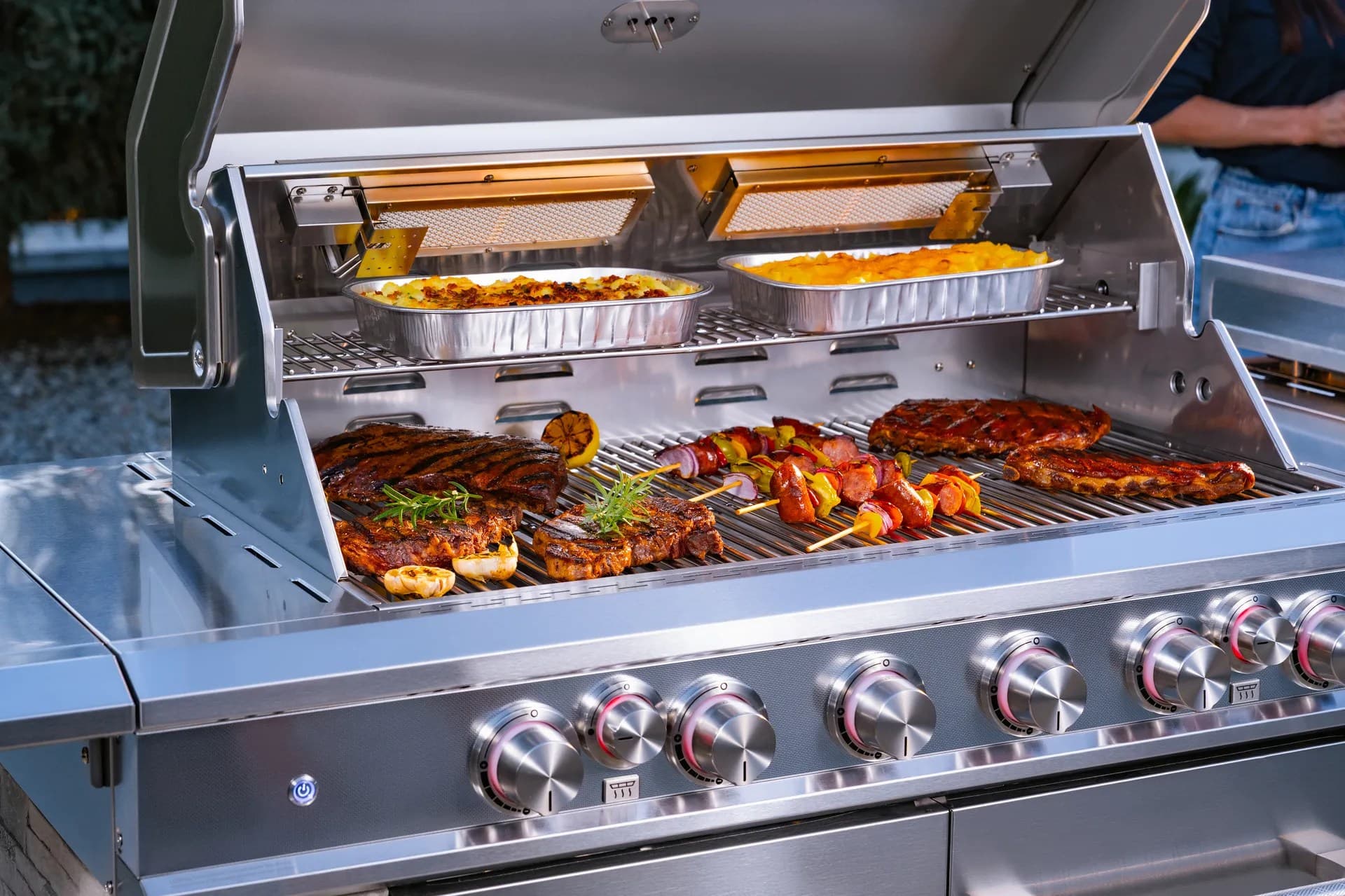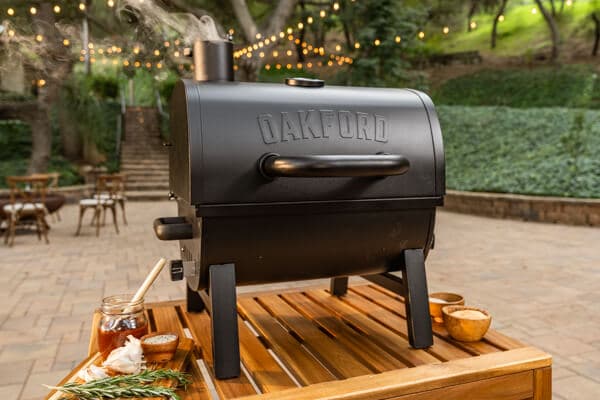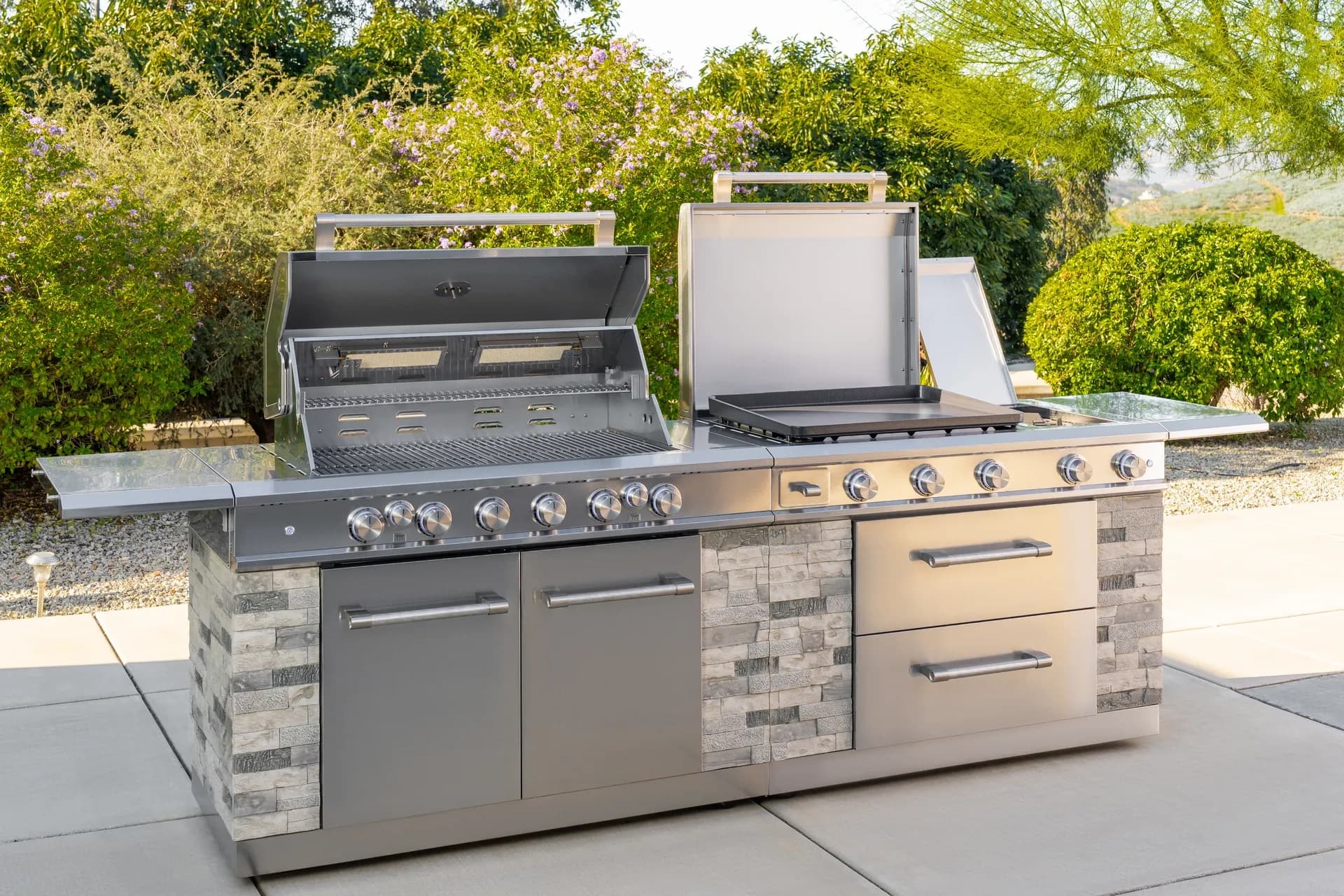
An in-depth analysis of top-performing gas grills featuring searing side burners, highlighting their features, performance, and value.
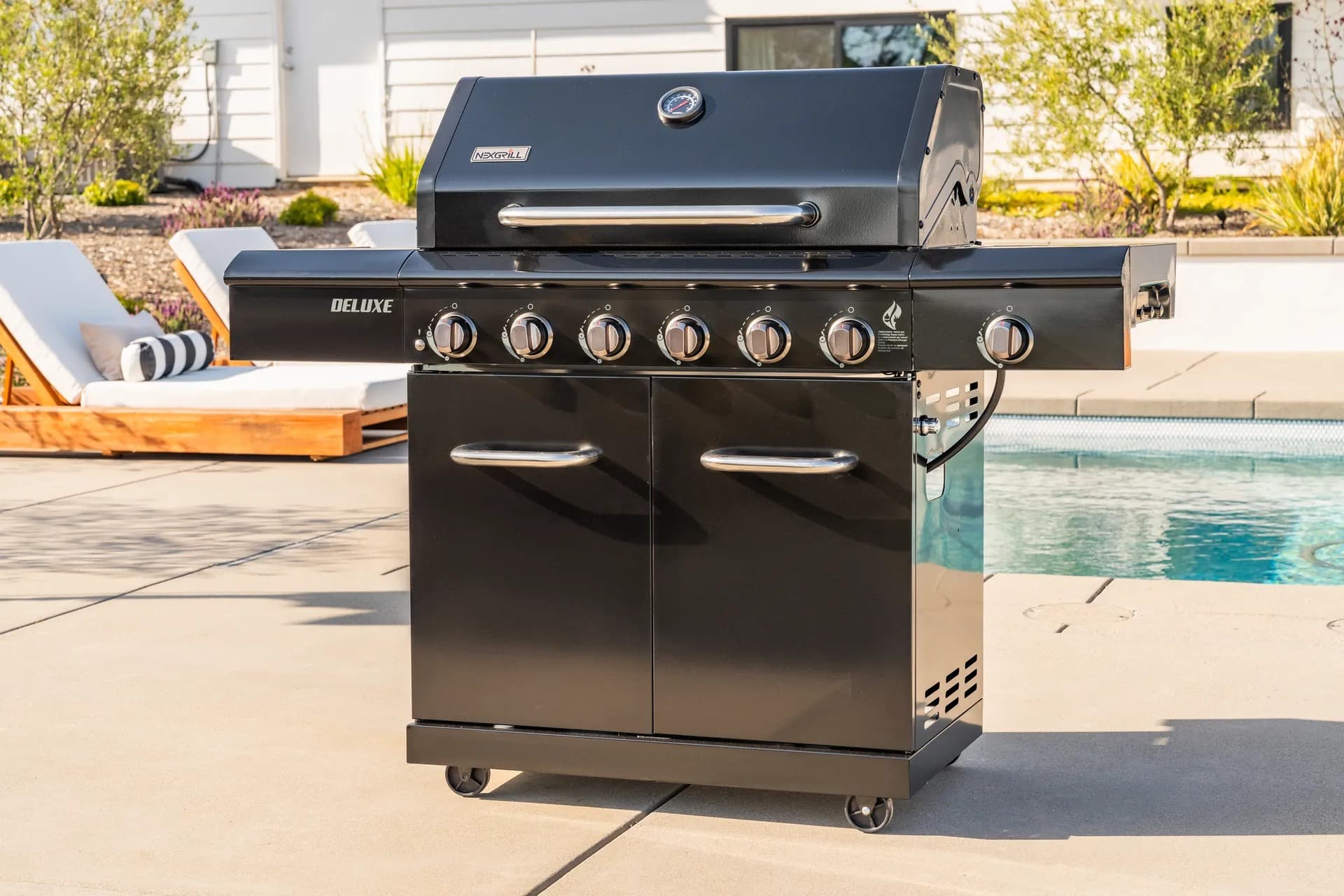
From sizzling breakfasts to smash burgers and teppanyaki-style dinners, the Daytona Pro 5 Burner NitroGuard™ Griddle delivers powerful heat, fast cooking, and a durable cooking surface built for every backyard cookout. Watch how easy outdoor cooking can be.
Here's what sets us apart from the competition
We position ourselves as delivering high-end outdoor cooking features and performance without premium-brand pricing, emphasizing “Quality Grills. Unbelievable Value.”
We offer gas grills, pellet grills, griddles, smokers, pizza ovens, portable/tabletop grills, electric grills, accessories, and replacement parts — allowing customers to stay within one ecosystem for all outdoor cooking needs.
We differentiate ourselves through smart grilling products like the Oakford smart pellet grill, including app-connected cooking controls and modern outdoor cooking technology.
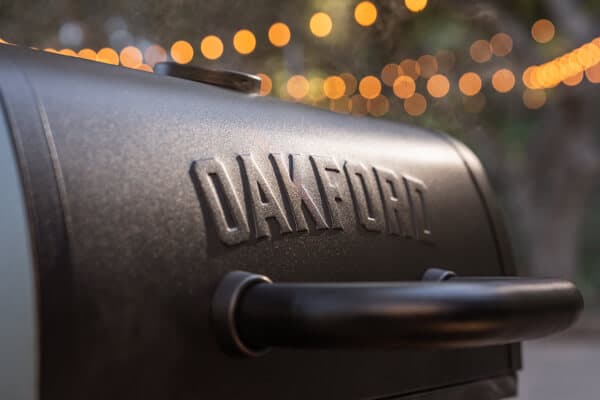
Expert tips, buying guides, comparisons, and inspiration for choosing and getting the most out of your grill.
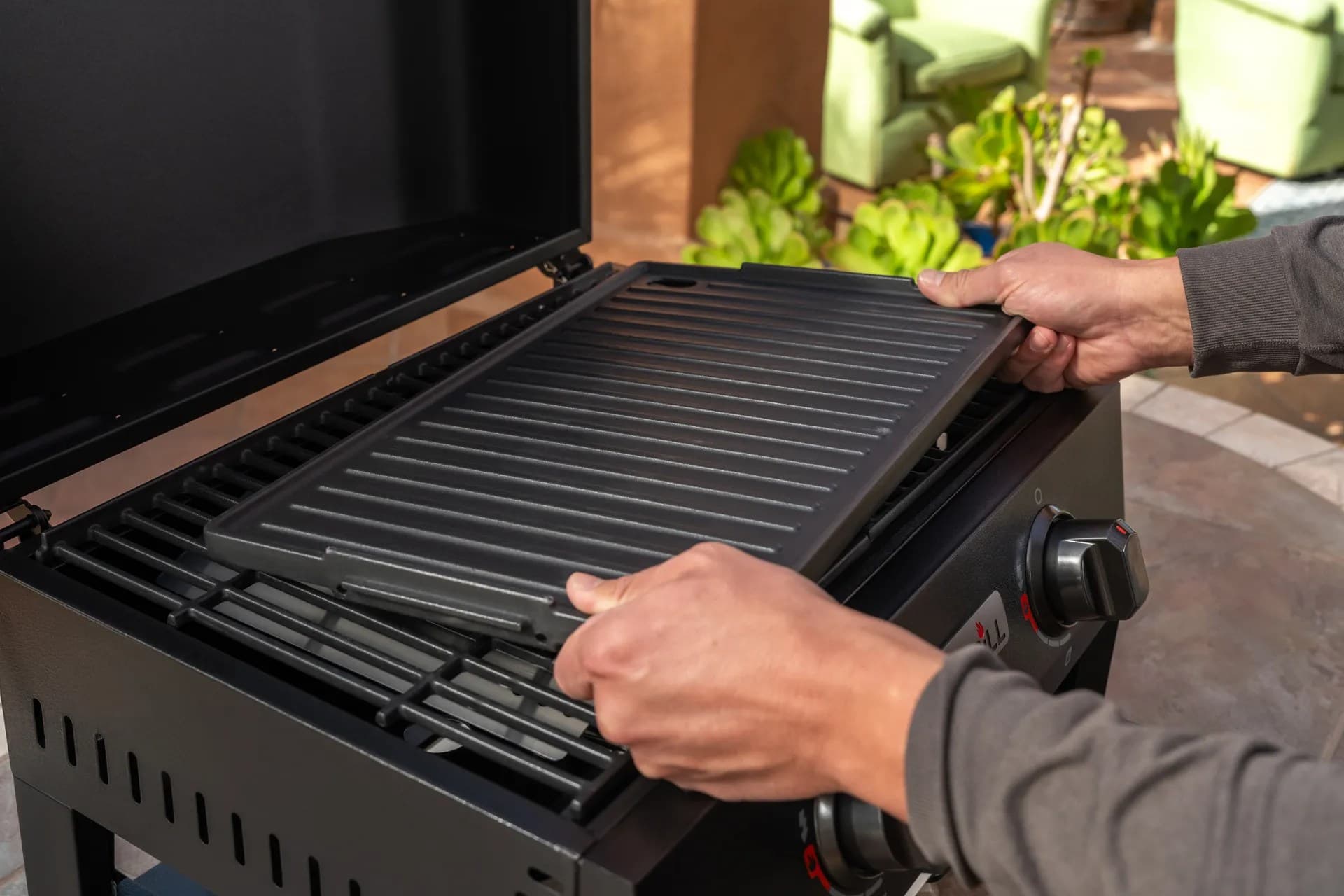
Practical guides for cleaning, maintenance, common grill issues, and performance optimization.
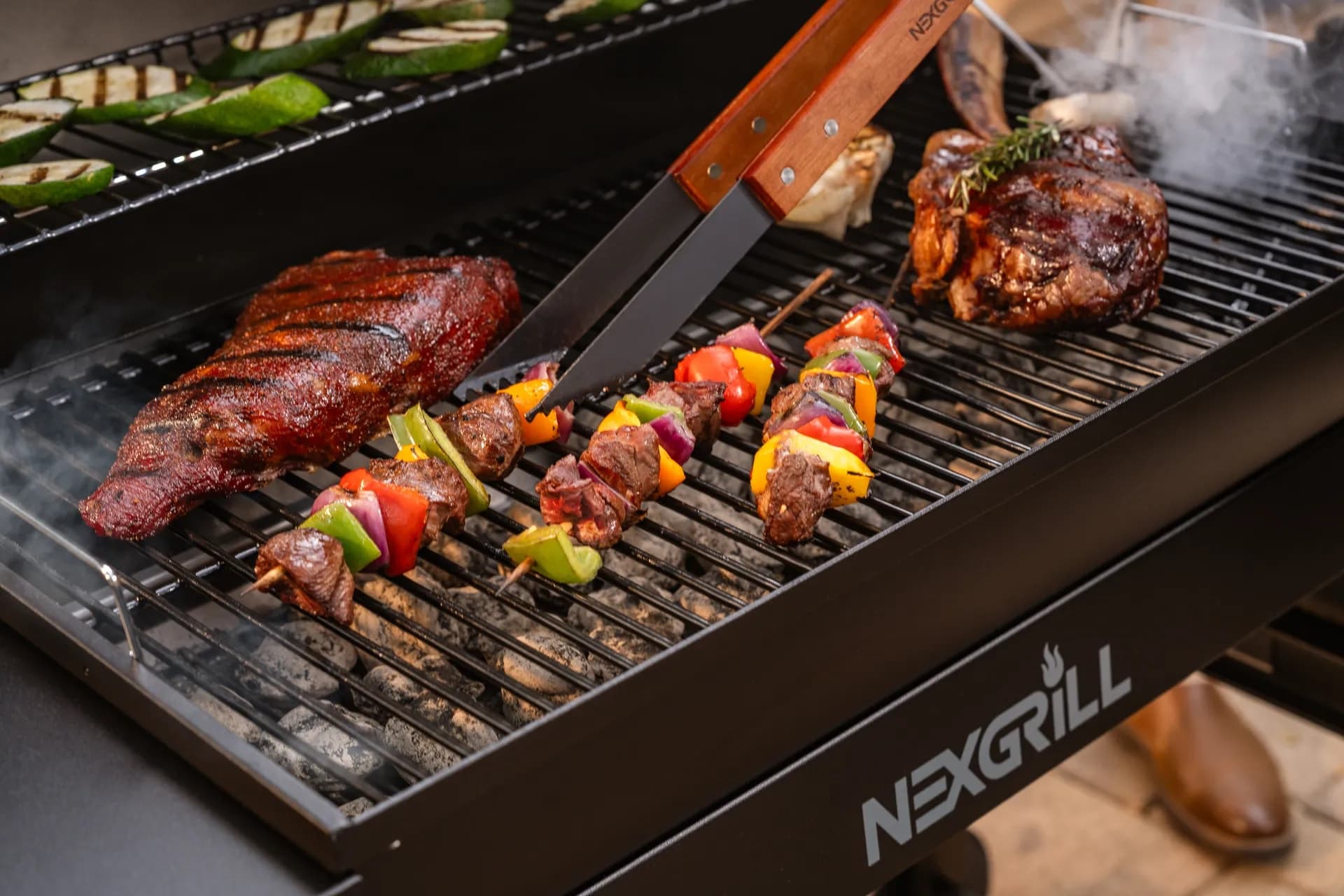
Step-by-step grilling recipes, cooking techniques, and meal ideas for every occasion and skill level.

Backyard entertaining ideas, seasonal grilling inspiration, and stories that celebrate outdoor cooking culture.
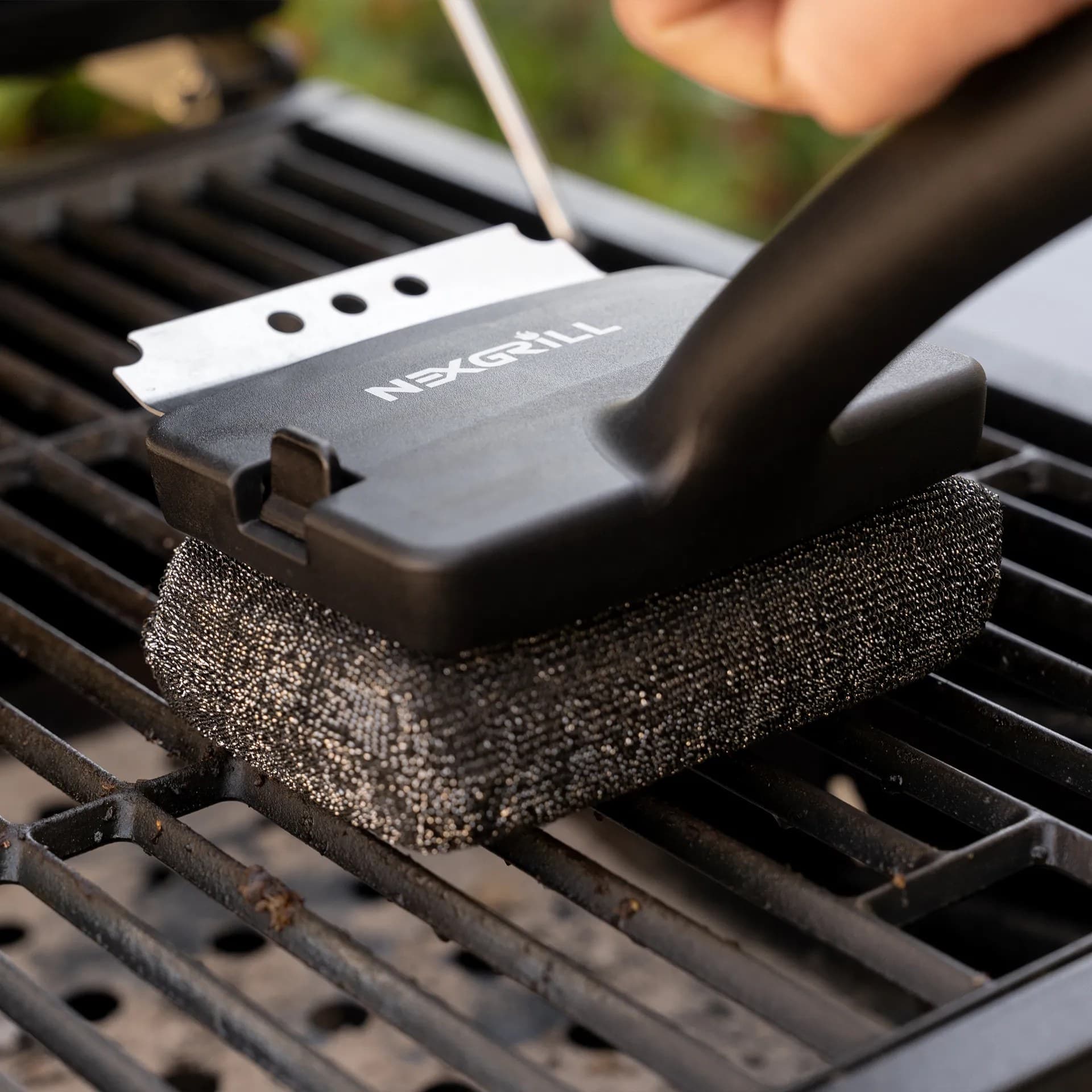
Helpful articles covering grilling tools, cookware, maintenance gear, and must-have accessories for outdoor cooking.
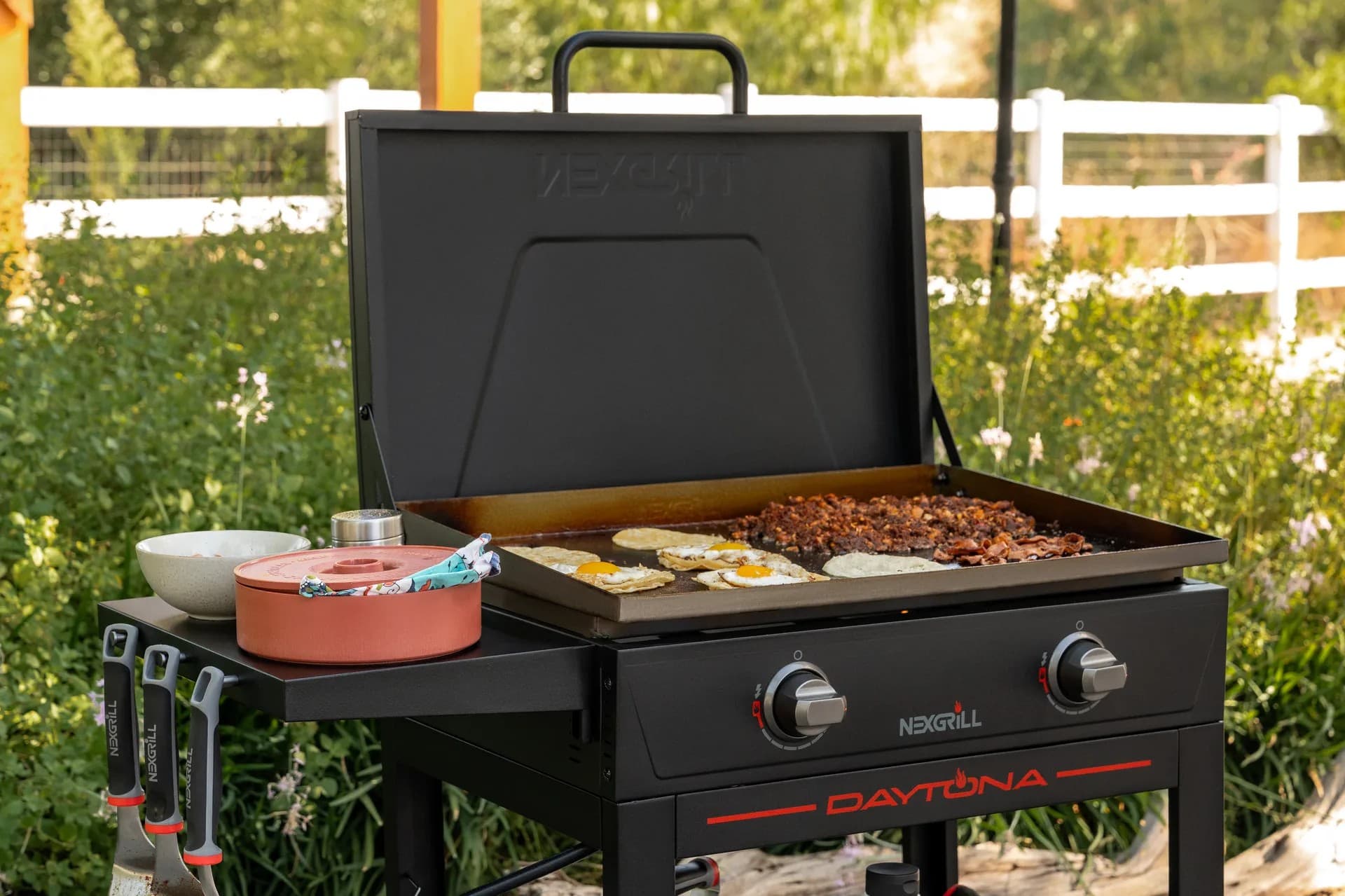
Find griddle recipes, cooking techniques, cleaning tips, and outdoor meal ideas designed for Nexgrill griddles.
Find answers to common questions
Gas grills provide instant heat and precise temperature control, making them easier to use. Charcoal grills offer a smoky flavor and high heat for searing but require more time to heat up and manage.
Pellet grills combine the convenience of gas with the flavor of wood, allowing for smoking, baking, and grilling. Traditional gas grills, however, are quicker to start and often easier to clean.
Charcoal grills typically reach higher temperatures quicker than gas grills, making them better for searing meat. However, high-quality gas grills can also provide adequate heat for effective searing.
Nexgrill offers models designed specifically for gas, charcoal, and pellets, allowing users to choose based on their cooking style and flavor preferences. Each type is built to optimize the characteristics of its respective fuel.
Choosing between gas and charcoal grills depends on your cooking preferences and lifestyle. If you value convenience and quick cooking, a gas grill may suit you better; if you prefer the taste and experience of traditional grilling, a charcoal grill would be ideal.
In This Article
Kenmore 4-Burner Gas Grill
Napoleon Rogue XT 525 SIB
Weber Genesis E-330
A gas grill with a searing side burner is built for cooks who want two very different jobs handled well in the same outdoor setup: high-heat finishing on one side and steady, flexible main-grate cooking on the other. That combination matters because a true sear is not just about “more heat.” It is about getting a steak, chop, tuna loin, or thick-cut chicken breast into the Maillard reaction zone quickly enough to develop color and crust before the interior overshoots. A dedicated searing side burner gives you a concentrated hot zone that is easier to isolate than the main cook box, which means you can run a burger at one temperature, then move a finished piece to the side burner for a final crust, sauce glaze, or butter baste.
In practical terms, this style of grill appeals to home cooks who split their time between weeknight meals and weekend entertaining. On a Tuesday, the side burner may be used for a cast-iron skillet of peppers or a fast boil for a sauce. On Saturday, it becomes the sear zone for protein that has already been reverse-seared on the main grates. That flexibility is what separates these grills from standard four-burner models that simply add surface area without adding a specialized high-heat function. For readers comparing products like the Kenmore 4-Burner Gas Grill, the Napoleon Rogue XT 525 SIB, and the Weber Genesis E-330, the biggest question is not only which grill gets hottest, but which one manages heat, construction quality, and control best under real backyard conditions.
A searing side burner is most useful when you want direct, concentrated heat without sacrificing the main cooking zone. It is a feature, not just a headline spec.
The most useful review angle is to look beyond burner count and compare how each grill behaves when food is actually on the grate. A grill can advertise strong BTUs and still feel uneven if its firebox is thin, the burners are spaced poorly, or the lid leaks too much heat. In contrast, a well-designed grill with a searing side burner should give you enough temperature recovery to keep cooking after the lid opens, a stable hot spot for finishing, and enough room to run indirect cooking on the main section at the same time. That is especially important for households that cook for four to six people and need one station to handle vegetables, another to handle proteins, and the side burner to handle finishing or sauces.
This review focuses on what buyers actually experience: how quickly the searing zone responds, whether the main burners hold heat evenly, how intuitive the controls are, and whether the overall value lines up with the asking price. The goal is not to repeat generic grill marketing, but to help you judge whether a model is worth the space on your patio and the money in your budget.
When evaluating a gas grill with a searing side burner, the first mistake many shoppers make is focusing on the existence of the burner instead of the quality of the entire cooking system. A real-world review needs to look at burner construction, heat output, grate material, lid height, and how the side burner integrates with the cart layout. A searing side burner should feel like a purpose-built tool, not an afterthought placed on the side shelf.
| Feature | Why it matters | What to look for |
|---|---|---|
| Searing burner design | Determines how concentrated the heat is for crust development | Infrared or well-shielded high-output burner with responsive control |
| Main burner layout | Affects evenness across burgers, vegetables, and larger roasts | Burners spaced to reduce hot and cold spots |
| Cooking grate material | Influences heat retention and sear marks | Cast iron or heavy stainless steel with solid contact points |
| Firebox and lid construction | Affects heat retention and recovery after opening the lid | Heavier steel or cast components, tighter lid fit |
| Workspace and storage | Impacts everyday usability | Side shelves, tool hooks, and enough prep room for tongs and platters |
The best searing burners deliver rapid output without making the entire grill awkward to manage.
For value-minded buyers, the build details matter as much as the hot-zone spec. A grill such as the Kenmore 4-Burner Gas Grill is often evaluated by whether it balances affordability with a dedicated searing side burner that feels useful on a normal weeknight, not just on a product page. The Napoleon Rogue XT 525 SIB tends to attract attention from cooks who care about intense sear performance and premium hardware feel, while the Weber Genesis E-330 is often compared for overall refinement, ease of use, and long-standing reputation in the gas grill category. Those are not interchangeable strengths. One may win on finish quality, another on searing intensity, and another on all-around convenience.
The best buying decision comes from matching the feature set to your food habits. If you frequently cook steaks, pork chops, and burgers, prioritize a burner that reaches a stable high-heat zone quickly and recovers well after the lid is opened. If you cook mixed meals with vegetables, seafood, and sauces, you will probably value a side burner that can also simmer or hold a pan at moderate heat. And if your patio space is tight, the overall footprint and shelf layout may matter more than one extra headline feature.
Performance is where these grills separate themselves. A searing side burner is only worthwhile if it produces repeatable results, and repeatability comes from three things: heat intensity, heat distribution, and recovery. In practical backyard testing, the question is not simply whether the burner can make a grate too hot to touch. The question is whether it can create a distinct searing window that darkens the exterior of meat quickly without leaving the center undercooked or drying the surface before a crust forms.
The Napoleon Rogue XT 525 SIB is the kind of grill that earns attention from cooks who want a clearly defined searing zone. Infrared side burners are especially effective for intense finishing because they concentrate energy in a smaller area, which can shorten the time needed for crust formation. That is useful for strip steaks, ribeyes, and thick burgers, especially when you want strong grill marks and a browned cap. The trade-off is that infrared burners can feel less forgiving if you are not watching closely, so the payoff is highest for cooks who are comfortable moving food on and off the burner with intent.
The Weber Genesis E-330 takes a more balanced approach. Rather than making the entire identity of the grill revolve around the side burner, it is often appreciated for a stable overall cook environment with a side feature that adds flexibility. That makes it attractive to families that grill often but do not want every meal to become a high-heat sear demo. In everyday use, that balance matters. Many homeowners need one grill to do grilled chicken, corn, vegetables, and sausages in the same session. A grill that handles those jobs evenly can be more valuable than a grill that only excels when perfectly set up for one searing task.
If your main goal is steakhouse-style crust, inspect the side burner type first. If your goal is overall meal versatility, judge the whole grill, not just the searing feature.
The Kenmore 4-Burner Gas Grill fits a more budget-conscious profile, and its value depends heavily on whether the searing side burner is integrated cleanly enough to feel like a real performance feature instead of a checkbox. In lower-priced grills, the most common performance compromise is not raw heat, but unevenness: one part of the grate gets hotter than another, or the side burner takes longer to stabilize after repeated use. That does not make the grill unusable, but it changes the buying calculus. A buyer looking for occasional searing may find it more than adequate, while someone cooking thick steaks every Friday may eventually prefer a more refined burner system.
A useful performance benchmark is how well the grill handles mixed cooking scenarios. Try this mental test: can you sear two steaks on the side burner, keep vegetables warm on the main section, and still have enough temperature control to finish everything without juggling plates every few minutes? Grills that answer yes are the ones most likely to satisfy real households. Grills that only shine in a single isolated condition are harder to live with over time.
For readers comparing these three models, the most honest conclusion is that the best performer depends on the job. Napoleon generally appeals to the sear-first buyer, Weber to the all-around user who wants polished control, and Kenmore to the shopper who wants to enter the category at a more accessible price point while still getting a dedicated searing zone.
Side-by-side comparisons should focus on how the grill behaves in normal ownership, not just on spec sheets. The three featured models each serve a different kind of buyer, and that is why they are worth comparing. The Kenmore 4-Burner Gas Grill is best viewed through the lens of value and versatility. The Napoleon Rogue XT 525 SIB is the pick for buyers who prioritize a standout searing experience. The Weber Genesis E-330 is often the benchmark for homeowners who want a polished, well-rounded grill that can handle most tasks confidently.
| Model | Best strength | Potential trade-off | Best for |
|---|---|---|---|
| Kenmore 4-Burner Gas Grill | Accessible price and practical feature mix | May not match premium-level heat refinement | First-time buyers and value shoppers |
| Napoleon Rogue XT 525 SIB | Strong searing performance and premium feel | Higher price and more performance-focused design | Steak lovers and serious weekend grillers |
| Weber Genesis E-330 | Balanced control and everyday usability | Less dramatic sear-first identity than infrared rivals | Families wanting a dependable all-rounder |
In price-to-performance terms, the Kenmore can be the smartest entry point if you want to test whether a searing side burner will actually change how you cook. The Weber typically sits in the “pay more, worry less” mindset for buyers who value system consistency and a more refined ownership experience. The Napoleon is the enthusiast’s choice when sear intensity is the whole point of the purchase. If you are building an outdoor kitchen for frequent entertaining, that distinction matters because it helps prevent overspending on features you may not use. If you mostly cook for two or four, the most expensive option is not automatically the best one.
Comparative analysis also includes durability. Better seals, more robust burners, and heavier grates usually translate to more predictable heat and slower wear. That does not mean every premium grill is maintenance-proof, but it does mean the user is less likely to see the kind of performance drift that can make a good grill feel mediocre after a few seasons. For buyers who plan to keep a grill for years, construction quality should be part of the value equation from day one.
User feedback tends to cluster around a few practical themes: how quickly the grill heats, how easy it is to clean, and whether the searing burner is useful enough to become part of normal cooking or just an occasional novelty. Owners who like the Kenmore 4-Burner Gas Grill often describe it as a sensible purchase that gives them enough flexibility without pushing them into premium pricing. The most common praise is usually around straightforward operation and the satisfaction of having a dedicated burner for finishing steaks or warming pans.
Napoleon Rogue XT 525 SIB owners frequently emphasize the dramatic difference the searing burner makes for steaks and burgers. The comments that stand out most are about crust quality and the ability to move from grill to sear without losing momentum. The caveat in many owner experiences is that a high-output searing burner rewards attention. Users who treat it like a standard side burner sometimes mention that it demands a bit more awareness, especially when working with thinner cuts or sugary marinades.
Weber Genesis E-330 reviews often read differently. Instead of focusing only on one dramatic feature, users talk about confidence: even heat, predictable ignition, and a layout that makes regular cooking easier. That kind of feedback is valuable because many grills look exciting in a showroom but become frustrating after a season of use. A well-liked grill often wins not because it is the hottest, but because it reduces friction every time you cook.
When shoppers mention “worth it,” they usually mean the grill made daily cooking easier, not just that it hit a high temperature once.
For a review reader, the most useful testimonials are the ones that describe routine behavior: how the knobs feel after several months, whether cleanup is annoying, whether the side burner shelf is large enough for a pan, and whether the grill still lights consistently after a season outdoors. Those details reveal more than short-term excitement. A product earns trust when owners keep using the feature because it genuinely improves dinner prep.
A searing side burner can stay effective for years if you clean and inspect it with the same care you give the main cook box. Because this feature runs hotter than standard side burners, grease buildup, food drips, and carbon residue can accumulate faster. Wiping down the burner area after it cools, clearing ports if ignition becomes uneven, and checking for loose hardware each season all help preserve performance. If the burner is infrared, keep the emitter surface clear of debris and avoid abrasive cleaning that could damage the heating element or protective surfaces.
| Maintenance task | Recommended frequency | Why it matters |
|---|---|---|
| Clean grates and burner area | After each cook | Prevents buildup and supports even heating |
| Inspect ignition and burner ports | Monthly during active season | Helps avoid uneven flames and delayed starts |
| Deep clean firebox and drip system | Every few weeks | Reduces flare-ups and odor transfer |
| Use a fitted cover | Whenever grill is stored outside | Limits moisture, dust, and UV exposure |
If you want a grill to last, do not ignore the side burner simply because it is small. High-output burners can clog, lose ignition consistency, or develop corrosion in exposed areas if they are left dirty. The same is true for the main burners, where regular grease control keeps heat paths clear and prevents cold spots. For owners in humid or coastal environments, this maintenance discipline matters even more because moisture and salt can accelerate wear. That is one reason construction quality should be considered alongside searing power when you compare products.
The simplest longevity habit is also the most effective: clean while warm, inspect before each season, and cover the grill when not in use. A grill that is treated like outdoor equipment rather than a disposable appliance will keep delivering better results. For many buyers, that is the real value of a searing side burner setup. It is not just a way to get hotter food. It is a more capable cooking platform that can adapt to different meals if you take care of it properly.
A gas grill with a searing side burner is a smart choice for buyers who want more than standard backyard grilling. It gives you a defined hot zone for finishing steaks and burgers, while still leaving the main grates free for vegetables, chicken, and larger meals. In this review, the Napoleon Rogue XT 525 SIB stands out for sear-focused performance, the Weber Genesis E-330 for balanced everyday usability, and the Kenmore 4-Burner Gas Grill for value-driven shoppers who want to enter the category without overspending.
The best pick depends on how you cook. If you want a dedicated tool for crust-heavy, high-heat results, prioritize the model with the most responsive searing zone. If you want one grill that can handle family dinners with minimal fuss, judge the whole package more than the headline burner. That is the most honest way to buy in this category, and it is the best way to avoid paying for a feature you will rarely use. Try comparing two products side by side below to see which fits best:
Once you have weighed two gas grills with searing side burners against each other, the next step is to judge how those differences show up in real cooking. Specs tell you what the grill is supposed to do; ownership tells you what it actually feels like on a Friday night when you are trying to cook steaks, vegetables, and sides at the same time. This review keeps the focus on that practical reality. A searing side burner should improve the way a grill works in your routine, not just look impressive in a product photo.
That is why the strongest comparisons in this category are built around use cases. One buyer may want the hottest possible zone for steakhouse-style crusts. Another may care more about whether the burner can double as a sauce station or a skillet burner. A third may simply want a grill that lights reliably, heats evenly, and leaves enough room for a family meal without turning the patio into a juggling act. The same model will feel like a bargain to one of those buyers and overkill to another, so a good review has to separate performance from preference.
The best buying decisions in this category come from matching burner style to how often you sear, not from chasing the highest number on a spec sheet.
For that reason, the review below looks at the whole system: the searing side burner, the main burners, the chassis, the cooking grates, and the layout that determines whether the grill feels easy to live with. The three featured models each have a legitimate audience. The Kenmore 4-Burner Gas Grill is the most approachable value option. The Napoleon Rogue XT 525 SIB is the most naturally performance-forward for serious searing. The Weber Genesis E-330 is the most convincing all-arounder for buyers who want polish and consistency more than a dramatic single-feature story.
A useful feature review starts with the burner itself but does not stop there. If you are shopping for a gas grill with a searing side burner, look at how much direct heat the side station can actually sustain, how quickly the main chamber gets up to temperature, and whether the build quality supports long-term heat retention. Side burners are often evaluated as if they are separate from the rest of the grill, but in practice they affect the whole cooking rhythm. If the side burner is too small, awkwardly placed, or poorly shielded, you end up ignoring it. If it is well integrated, it becomes one of the most-used parts of the grill.
| Buying factor | Why it matters in daily use | Practical buying note |
|---|---|---|
| Searing burner type | Controls how quickly food develops crust | Infrared generally favors intense finishing, while standard burners can be more flexible |
| Grate mass | Affects heat retention and grill marks | Heavier grates often perform better for searing |
| Main burner layout | Determines how well the grill handles mixed foods | Even spacing helps reduce hot spots |
| Cabinet and shelf design | Makes prep and cleanup easier | Look for shelves that hold pans without crowding |
In this category, a good review also asks whether the grill supports real multitasking. Can you move a finished steak to the searing side burner while chicken continues on the main grates? Can you keep a pan of garlic butter warm without scorching it? Can you start vegetables on the main section and finish proteins on the hot zone? Those are the questions that reveal whether the design has been thought through or simply padded with an extra feature.
Material choice matters, too. A well-built grill does not need to be overbuilt, but it should have enough substance to keep temperatures steady when the lid is opened. Buyers often underestimate how much heat recovery affects cooking ease. On a breezy evening, a lighter grill may struggle to remain consistent, which makes searing more difficult and indirect cooking less predictable. That is why the better grills in this category are usually the ones that pair strong heat output with a body that can hold that heat without constant adjustment.
The strongest way to evaluate performance is to imagine a full meal rather than a single steak. A searing side burner should be judged by whether it changes the way you cook an entire dinner. In a real household test, the burner is most useful when you can use the main burners for larger volume tasks and reserve the searing zone for finishing, crispening, or rapid pan work. That is where the category becomes more than a gimmick.
The Napoleon Rogue XT 525 SIB tends to appeal to cooks who prioritize fast, dramatic browning. That makes sense if your favorite outcome is a deeply colored steak crust or if you like to finish reverse-seared cuts with very little delay. The appealing part is not merely the heat output; it is the confidence that the burner can create a concentrated hot zone without forcing the rest of the grill to behave erratically. That kind of focused performance is particularly valuable when entertaining, because it lets you time food more precisely.
The Weber Genesis E-330 is more balanced, which is its own form of performance. Many buyers prefer a grill that is less dramatic but easier to manage. In this context, balanced means the main chamber stays predictable, the controls feel intuitive, and the side feature adds options without dominating the cooking process. If your household grills often but does not revolve every meal around high-heat searing, that balanced approach may matter more than a more aggressive burner spec.
If you rarely cook thick steaks, you may be paying extra for searing capability you will not use often. In that case, overall heat stability may be the smarter priority.
The Kenmore 4-Burner Gas Grill enters the conversation as a practical option for shoppers who want the feature without the premium price tag. In performance terms, the key question is whether it feels consistent enough to justify its place in the lineup. For many families, the answer can be yes if the grill lights reliably and gives acceptable hot-zone control. The common compromise in this segment is refinement rather than raw power. That means the grill may sear well enough for most meals, but the finish, recovery, and control may not feel as polished as the premium competitors.
A smart performance review should also consider food type. Steak is the obvious benchmark, but it is not the only one. Salmon skin, vegetables in a skillet, thin-cut pork chops, and burger edges all reveal whether the burner is genuinely useful. A searing station that burns sugar quickly but handles seafood gently when needed is more versatile than one that only excels with one cut of meat. That versatility is where a grill earns repeat use.
Comparing these grills side by side is less about picking a universal winner and more about matching each model to a buyer profile. The Kenmore 4-Burner Gas Grill is the practical entry point. The Napoleon Rogue XT 525 SIB is the high-intensity option. The Weber Genesis E-330 is the polished all-purpose choice. Each one can be right, but for a different reason.
| Model | Review takeaway | Trade-off | Buyer profile |
|---|---|---|---|
| Kenmore 4-Burner Gas Grill | Good value and straightforward setup | Less premium heat control | Budget-conscious households |
| Napoleon Rogue XT 525 SIB | Best for aggressive searing and steak nights | Higher cost and more heat-management attention | Enthusiasts and frequent entertainers |
| Weber Genesis E-330 | Most rounded everyday performer | Less niche appeal for extreme sear seekers | Families wanting a dependable main grill |
One of the most revealing comparison points is how often you expect to use the searing side burner. If it will be used every weekend, the Napoleon’s performance identity may be worth the premium. If it will be used mainly for finishing or occasional cast-iron jobs, the Weber’s balanced approach may be the better long-term fit. If the feature is attractive but not central to how you cook, the Kenmore can be the right compromise because it lets you enter the category without overcommitting budget.
The other major comparison factor is ownership experience. Premium grills often feel more refined in the knobs, lid motion, and overall construction, and that can matter more than a few spec-sheet differences. Less expensive models can still be satisfying, but buyers should be honest about what they are giving up. If you are likely to be frustrated by lighter materials or a less polished sear station after six months, spending more upfront may be better value than replacing the grill later.
User feedback for grills with searing side burners usually falls into a few recurring themes. Owners often praise the added flexibility more than they expected. A side burner that can sear, warm, or support pan cooking quickly becomes part of the regular cooking routine rather than a novelty. That is especially true for households that cook mixed meals or like to finish proteins with butter, glaze, or sauce after the main grilling stage.
Reviews of the Napoleon Rogue XT 525 SIB often highlight the excitement of its searing performance. Users who care about steakhouse results appreciate how quickly the hot zone can create a proper crust. The most useful feedback tends to mention repeatability: when the burner gets used often, does it still perform the same way? That is the kind of comment that helps separate a good first impression from a dependable long-term tool.
Weber Genesis E-330 owners frequently emphasize ease of use and consistency. They tend to value the grill for the absence of drama. Ignition is predictable, main burners are straightforward to manage, and the side feature feels integrated into the whole cooking setup. That kind of feedback is important because a grill that reduces stress is often used more often, which increases its real value.
Kenmore reviewers often focus on affordability and practicality. The useful part of those comments is that buyers are usually evaluating whether the grill feels good enough for the money, not whether it competes head-to-head with premium competitors on every front. That makes the model a sensible option for shoppers who want the searing side burner category without stretching into a higher budget range.
The most reliable user reviews describe repeated use over time, not just a great first cook.
Maintenance is especially important on grills with a searing side burner because the hotter zones accumulate residue faster. After the grill cools enough to handle safely, brush the grates, clear food drippings from the sear area, and check for buildup around the burner opening. If the burner is infrared, handle the surface carefully and avoid aggressive scrubbing that could shorten its useful life.
It also helps to inspect the whole cooking system regularly. Look at burner ports for blockages, make sure ignition remains consistent, and check whether grease is moving properly into the drip path. The side burner is often exposed more directly than the interior burners, so it may show wear first. Catching that early is much easier than waiting until performance drops noticeably.
| Task | Timing | Benefit |
|---|---|---|
| Brush grates after cooking | Every use | Keeps searing surface clean and responsive |
| Check burner ports | Monthly | Prevents uneven flames and ignition issues |
| Deep clean grease areas | Seasonally | Reduces flare-ups and odor buildup |
| Use a grill cover | When stored outdoors | Limits rust, UV wear, and debris exposure |
Longevity often comes down to consistent care, not complicated upkeep. Clean the grill while it is still warm, keep the side burner free of drips, and pay attention to corrosion in exposed hardware. If you live in a humid or coastal area, do those checks more often. A grill that is maintained properly will keep its searing advantage much longer, which is part of the value proposition for this category in the first place.
A gas grill with a searing side burner is worth considering if you want more control over how and when food finishes. It is especially useful for cooks who want strong crust on steaks and burgers, but it also supports pan work, sauce finishing, and flexible multitasking. In this comparison, the Kenmore 4-Burner Gas Grill stands out for value, the Napoleon Rogue XT 525 SIB for intense searing, and the Weber Genesis E-330 for balanced everyday cooking.
The best choice depends on your cooking priorities. If searing is central to your backyard routine, focus on the model with the most responsive hot zone. If you want one grill to handle family meals with minimal fuss, favor the most balanced design. If you want to test the category without overspending, the value-oriented option is often the smartest place to start.
Here's what sets us apart
We position ourselves as delivering high-end outdoor cooking features and performance without premium-brand pricing, emphasizing “Quality Grills. Unbelievable Value.”
We offer gas grills, pellet grills, griddles, smokers, pizza ovens, portable/tabletop grills, electric grills, accessories, and replacement parts — allowing customers to stay within one ecosystem for all outdoor cooking needs.
We differentiate ourselves through smart grilling products like the Oakford smart pellet grill, including app-connected cooking controls and modern outdoor cooking technology.
Don't just take our word for it
Keep reading
From our catalog