Essential Care Tips for Your Flat-Top Griddle
Maximize the lifespan and performance of your flat-top griddle with expert maintenance advice.
In This Article
Daily Cleaning Tips
Deep Cleaning Methods
Proper Griddle Storage
Why Griddle Maintenance Matters
Flat-top griddles are a staple in both home and commercial kitchens, offering versatility and a unique cooking experience. However, without proper care, their performance can diminish, leading to uneven cooking and potential damage. Regular maintenance ensures that your griddle remains a reliable cooking companion, delivering consistent results and enhancing the flavors of your dishes.
The Benefits of Regular Cleaning
Cleaning your griddle after each use prevents the buildup of grease and food particles, which can affect the taste of your food and the griddle's heating efficiency. A well-maintained griddle offers even heat distribution, reducing the risk of burnt or undercooked meals. Additionally, regular cleaning helps to extend the lifespan of your griddle, saving you money in the long run. Essential Griddle Cleaning Techniques for Everyday Use
Daily Cleaning Routine
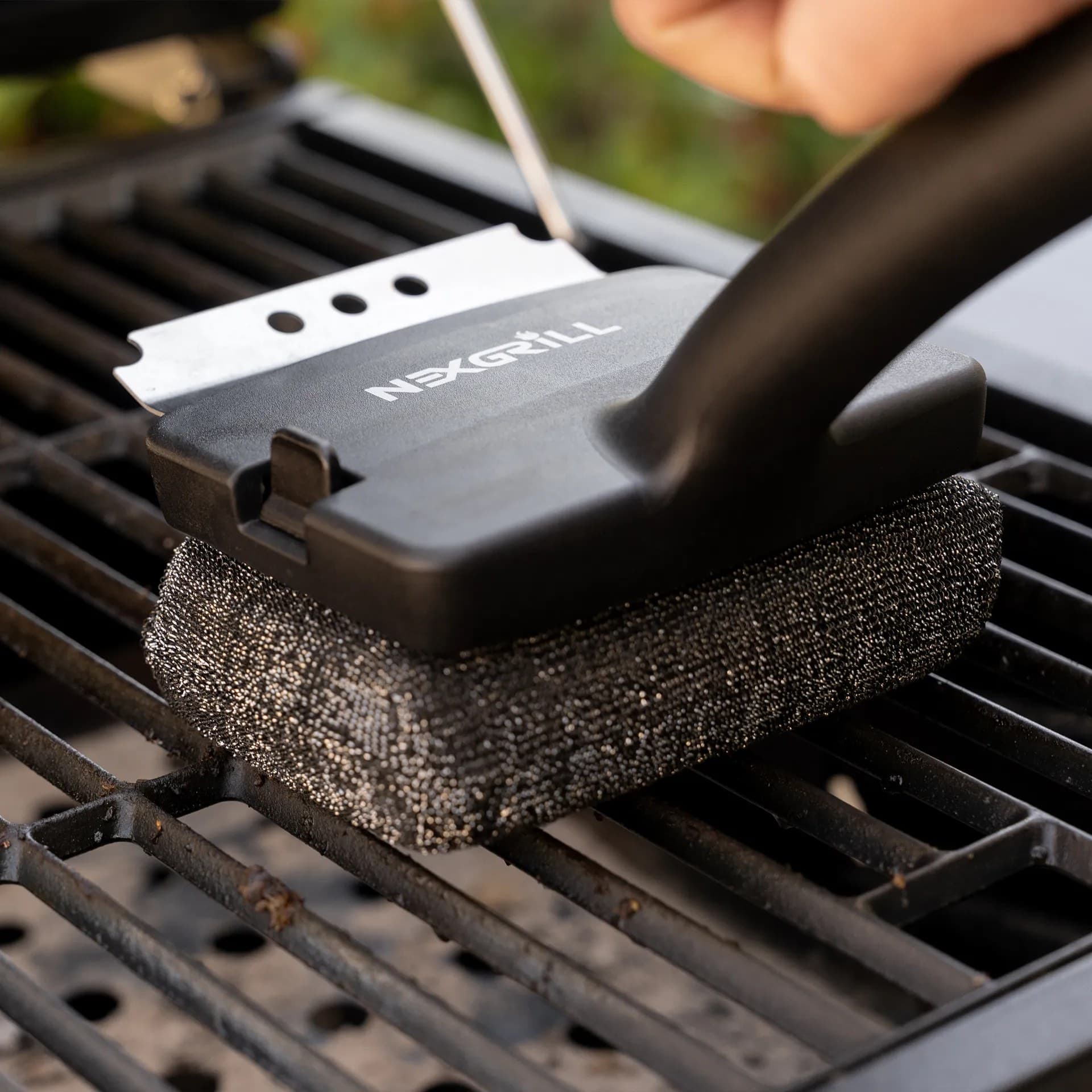
After each use, it's crucial to clean your griddle while it's still warm. Start by using a spatula to scrape off excess food debris, then apply a small amount of water to loosen any stubborn residues. Avoid using harsh chemicals, as these can damage the griddle's surface. Instead, rely on a gentle dish soap and a soft cloth to wipe down the surface.
Tip: Use a griddle brick for tougher stains, but ensure it's suitable for your griddle's material to prevent scratches.
Seasoning Your Griddle
Seasoning is a vital step in griddle care, as it creates a non-stick surface and protects against rust. Begin by heating your griddle to a medium temperature. Apply a thin layer of vegetable oil across the entire surface, using a cloth to spread it evenly. Allow the oil to burn off completely, then repeat the process two to three times, or until the griddle has a shiny, blackened appearance.
Understanding Different Griddle Materials
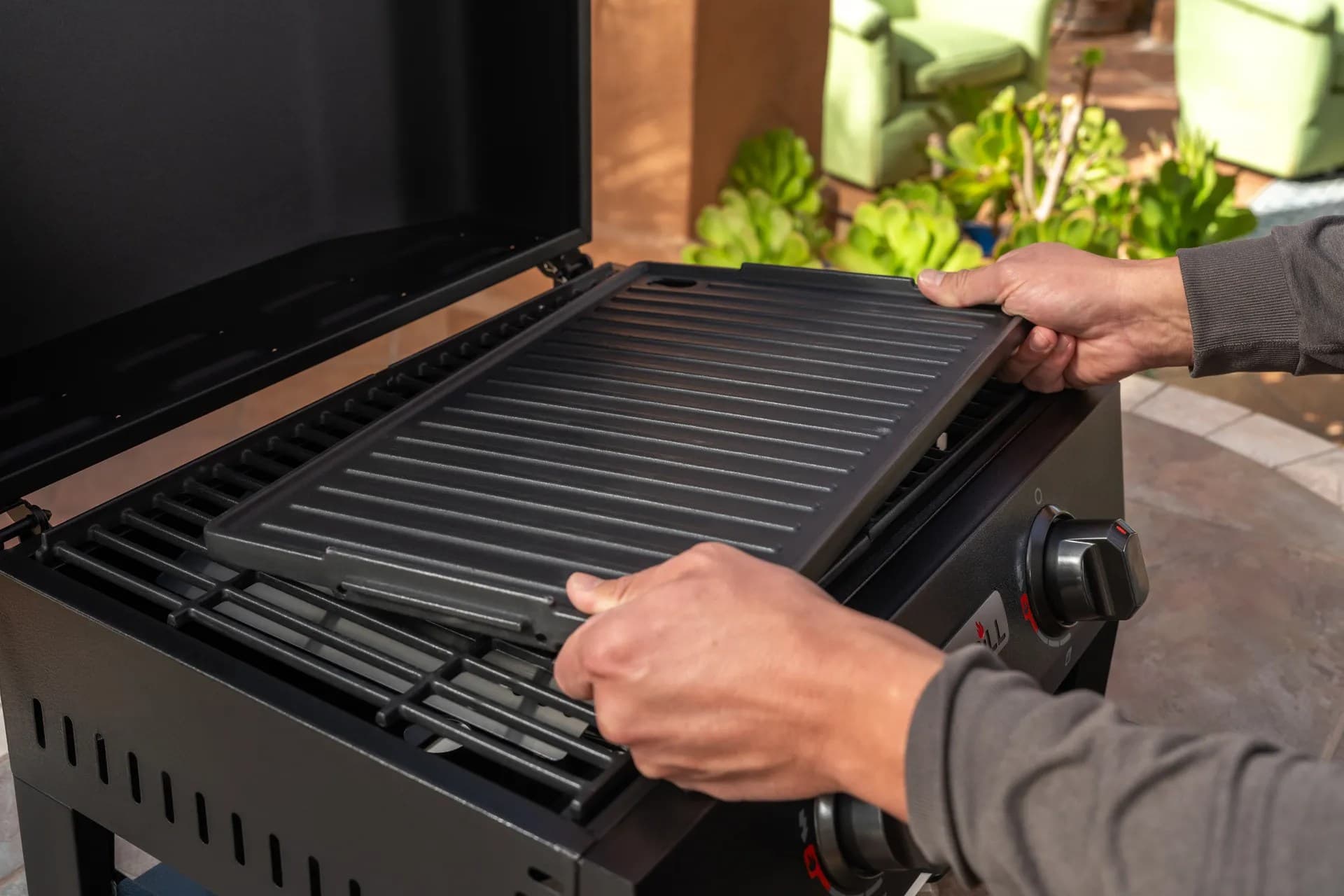
Griddles come in various materials, including stainless steel, cast iron, and ceramic-coated options. Each type requires a slightly different maintenance approach. Stainless steel griddles are resistant to rust but can discolor over time, while cast iron griddles need regular seasoning to prevent rust. Ceramic-coated griddles are easier to clean but require gentle handling to avoid damaging the coating.
| Material | Pros | Cons |
|---|---|---|
| Stainless Steel | Rust-resistant, durable | Can discolor |
| Cast Iron | Excellent heat retention | Requires regular seasoning |
| Ceramic-Coated | Easy to clean | Coating can chip |
Info: Always consult your griddle's manual for specific care instructions tailored to its material and design.
Preventing Common Griddle Issues
To keep your griddle in top condition, avoid overheating, which can warp the surface. Ensure that you evenly distribute oil during seasoning to prevent sticky patches. Lastly, store your griddle in a dry location to prevent rust, especially if it's a cast iron model. A Comprehensive Review of Griddle Maintenance Tips
Try comparing two products side by side below to see which fits best:
Advanced Griddle Care Techniques
For those looking to take their griddle maintenance to the next level, advanced techniques can further enhance the durability and performance of your equipment. One such method is deep cleaning, which involves using a griddle-specific scraper and cleaner to remove built-up carbon deposits. This process should be done periodically, depending on how often the griddle is used.
Deep Cleaning Steps
Begin by heating your griddle slightly to loosen any hardened residue. Scrape the surface with a griddle scraper, applying firm pressure to remove stubborn areas. Follow with a griddle cleaner, applied with a non-abrasive pad to avoid scratching the surface. Rinse thoroughly and dry completely before re-seasoning.
Warning: Avoid using steel wool or harsh abrasives, as they can damage the griddle surface.
Storing Your Griddle
Proper storage is crucial to maintaining the longevity of your griddle. If possible, invest in a protective cover that fits snugly over the griddle to shield it from dust and moisture. For indoor storage, choose a cool, dry place away from direct sunlight, which can cause material degradation over time.
Seasonal Maintenance Tips
For those living in areas with significant seasonal changes, additional care steps may be necessary. During winter, consider applying a thicker layer of oil for added protection against humidity. In summer, ensure your griddle is not exposed to excessive heat when not in use.
Troubleshooting Griddle Problems
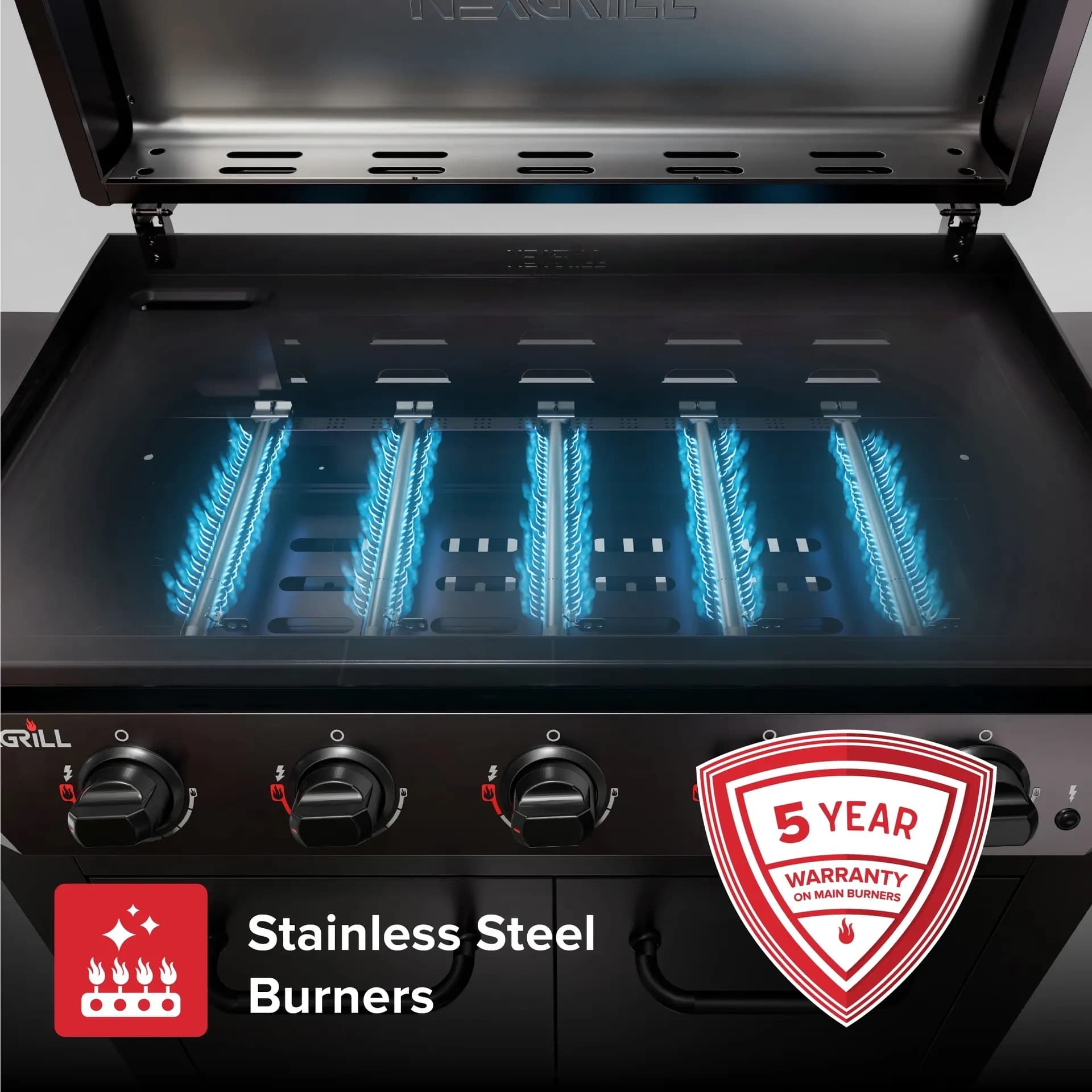
Even with regular maintenance, issues can arise. Common problems include uneven heating, which can often be rectified by adjusting burner alignment or cleaning burner ports. If food sticks regularly, consider reseasoning the griddle or refining your cleaning technique to ensure no soap residue remains.
| Issue | Potential Cause | Solution |
|---|---|---|
| Uneven Heating | Burner misalignment | Adjust burners |
| Sticky Surface | Improper seasoning | Re-season griddle |
Investing in Quality Accessories
To maintain your griddle effectively, quality accessories are essential. Consider purchasing a griddle cleaning kit, which typically includes a scraper, cleaning pad, and handle. A reliable thermometer can help monitor griddle temperatures, ensuring optimal cooking conditions.
Choosing the Right Tools
When selecting tools, prioritize those made from durable materials. Stainless steel scrapers and heat-resistant cleaning pads offer longevity and effectiveness. Additionally, a cover made from heavy-duty fabric will provide robust protection against the elements.